
Perodua has posted a video on its Facebook page to explain the QV-E‘s much-maligned battery leasing programme. It reiterates much of the points you’ve heard before – battery degrades over time, Perodua takes responsibility for the battery’s health and environmentally-friendly disposal, resale value is protected because the car’s value isn’t tied to the battery.
“When the EV battery isn’t your responsibility, you’re protected from the usual concerns of ownership”, says the caption, and one of the texts in the video says “most EVs come with battery worries. QV-E doesn’t.”
You will no doubt find a thousand ways to poke holes at this (for the uninitiated or to jog your memory, dive deep into the Perodua QV-E’s battery leasing scheme here – it is rather complex), but what has us scratching our heads most is the ‘guaranteed resale value’ part.
You see, as far as we’re aware, Perodua has yet to publicise how much it’ll buy back the car for after X years/X km (you can only sell it through Perodua Pre-Owned Vehicles). So while you don’t have to worry about finding buyers when you’re done with the QV-E, you don’t know what the resale value is going to be.


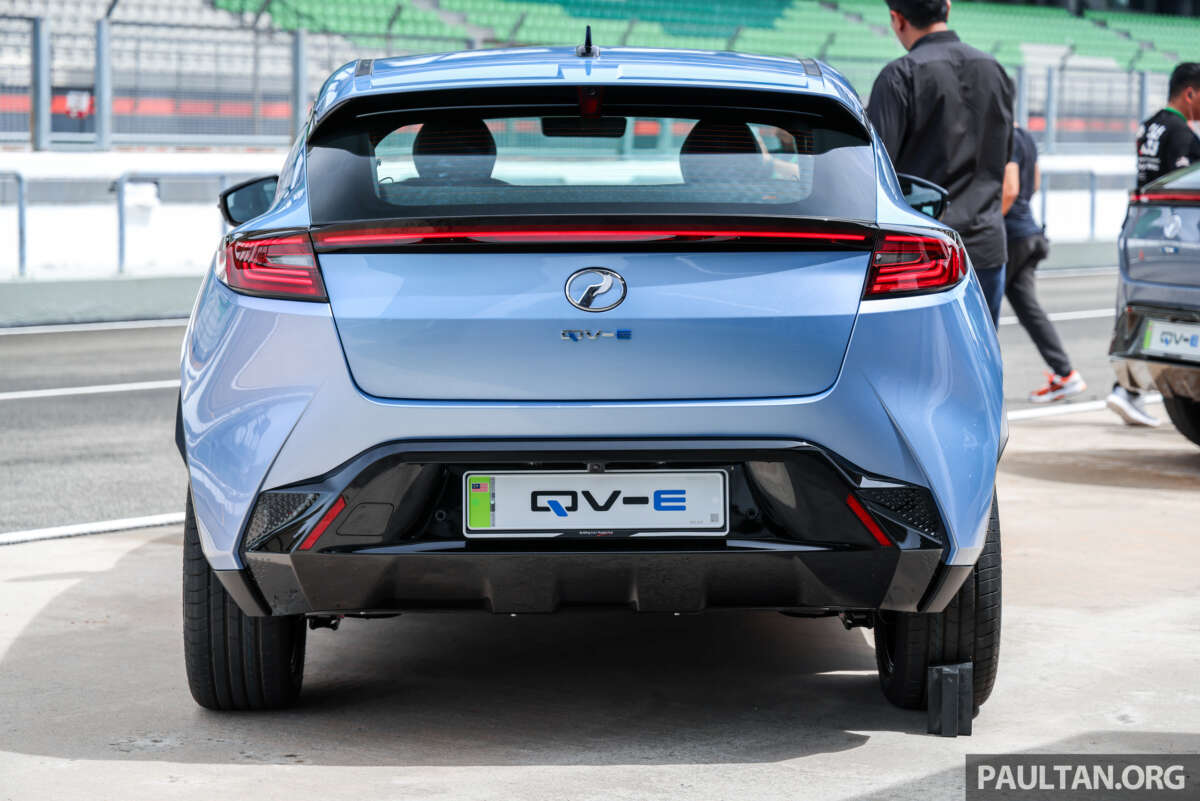

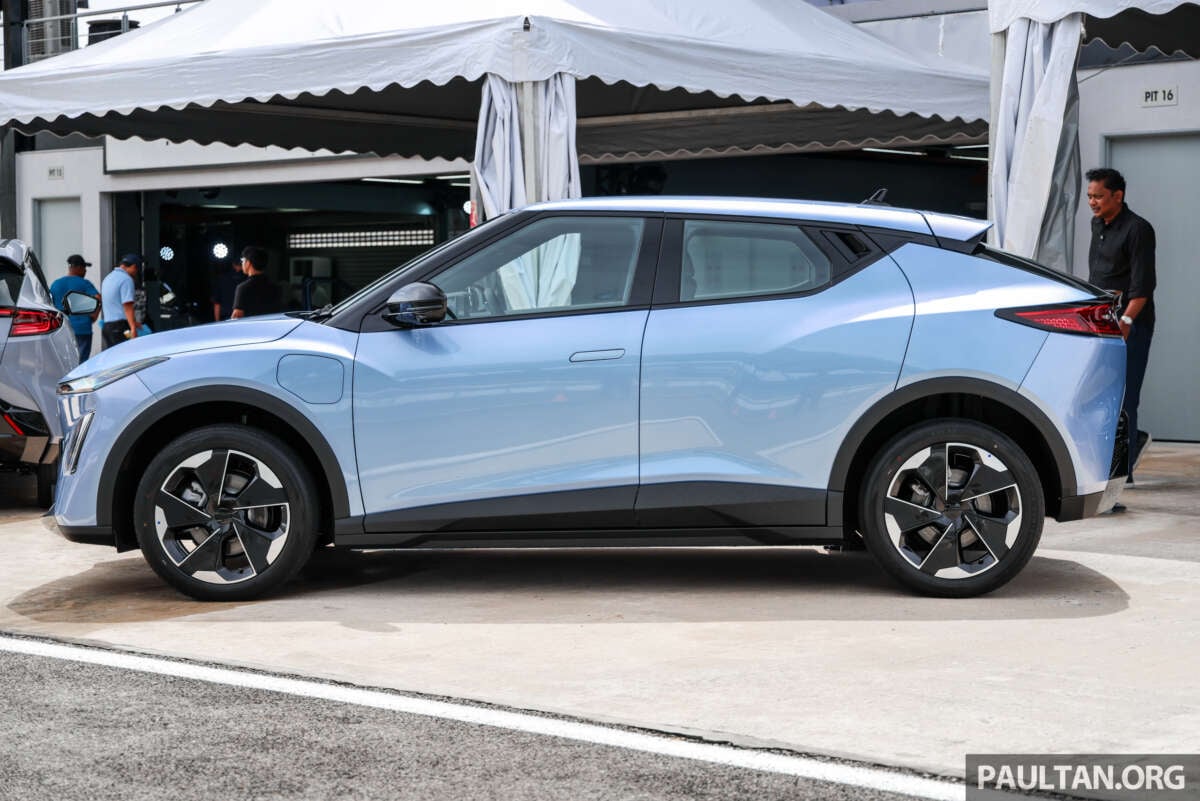


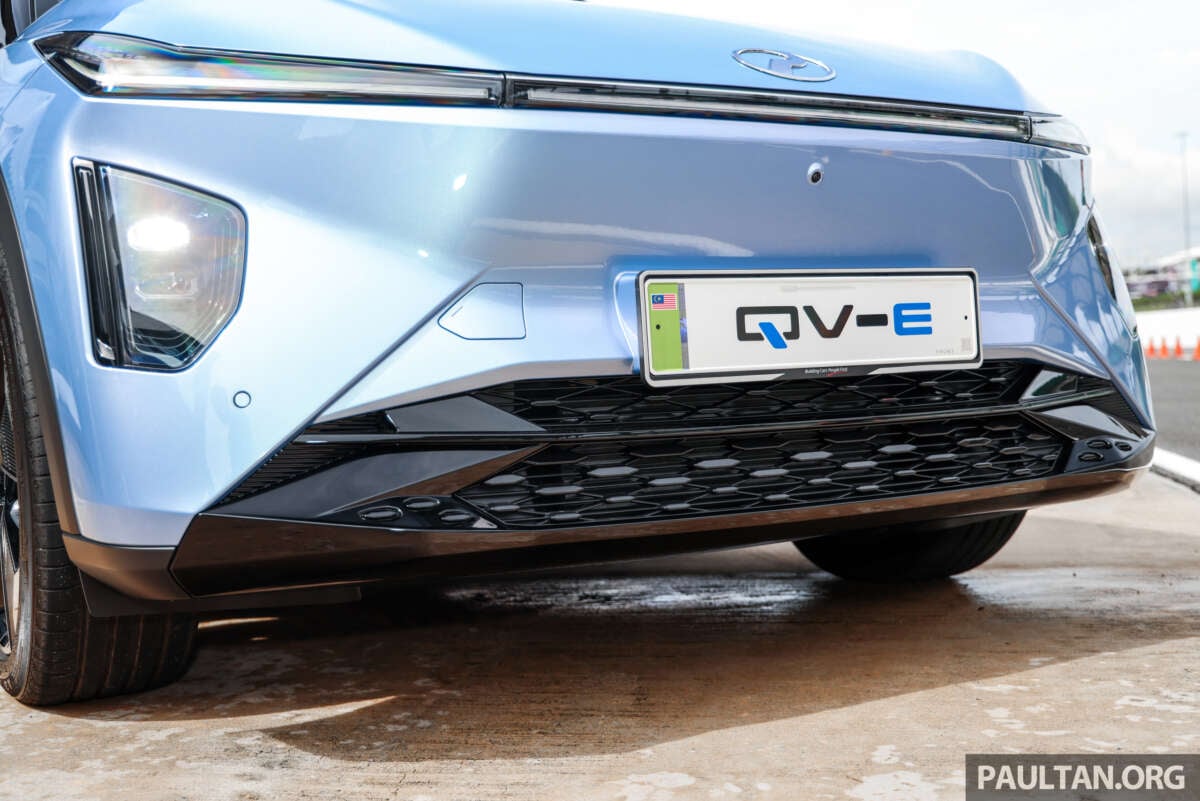

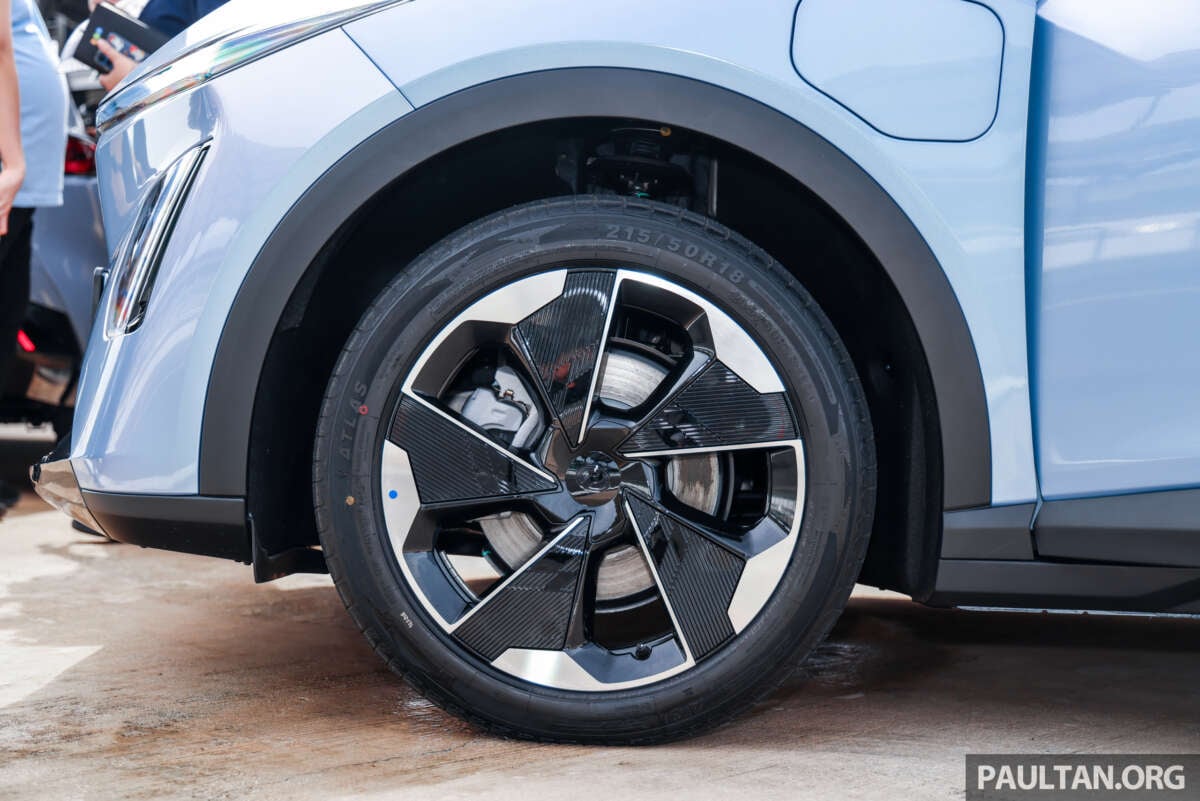






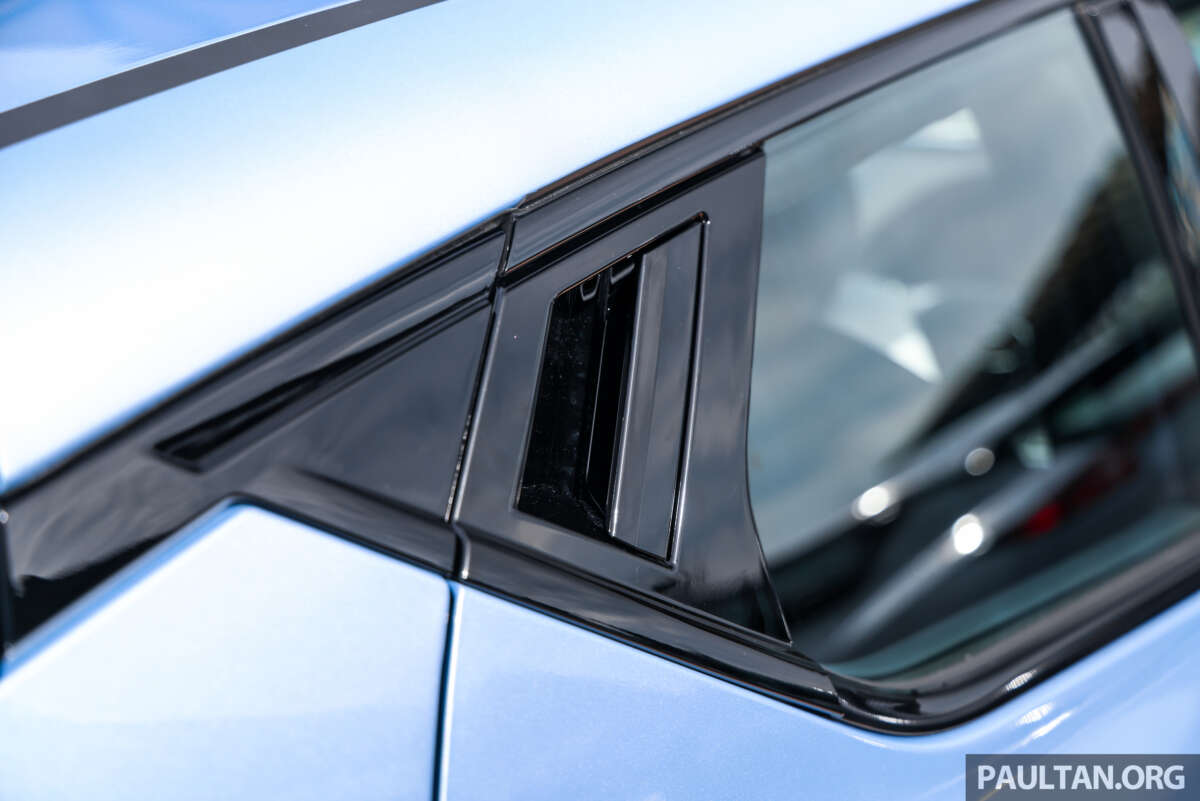
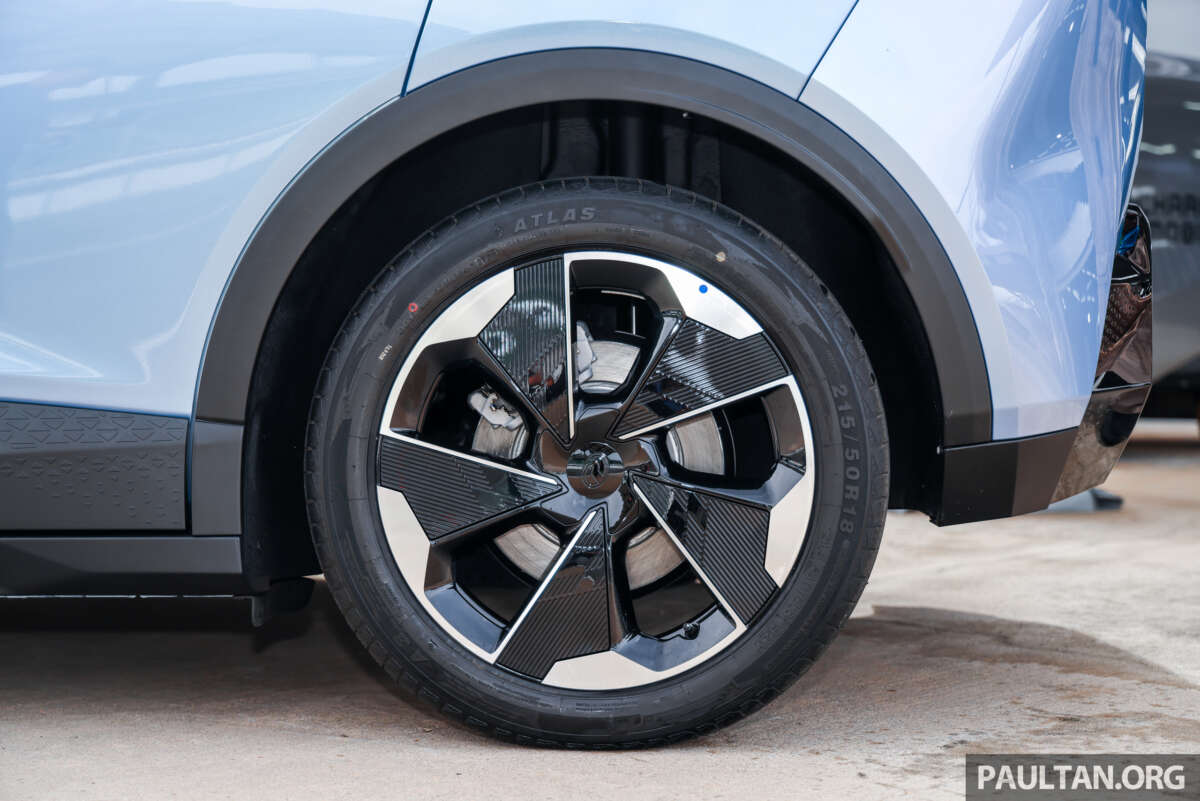
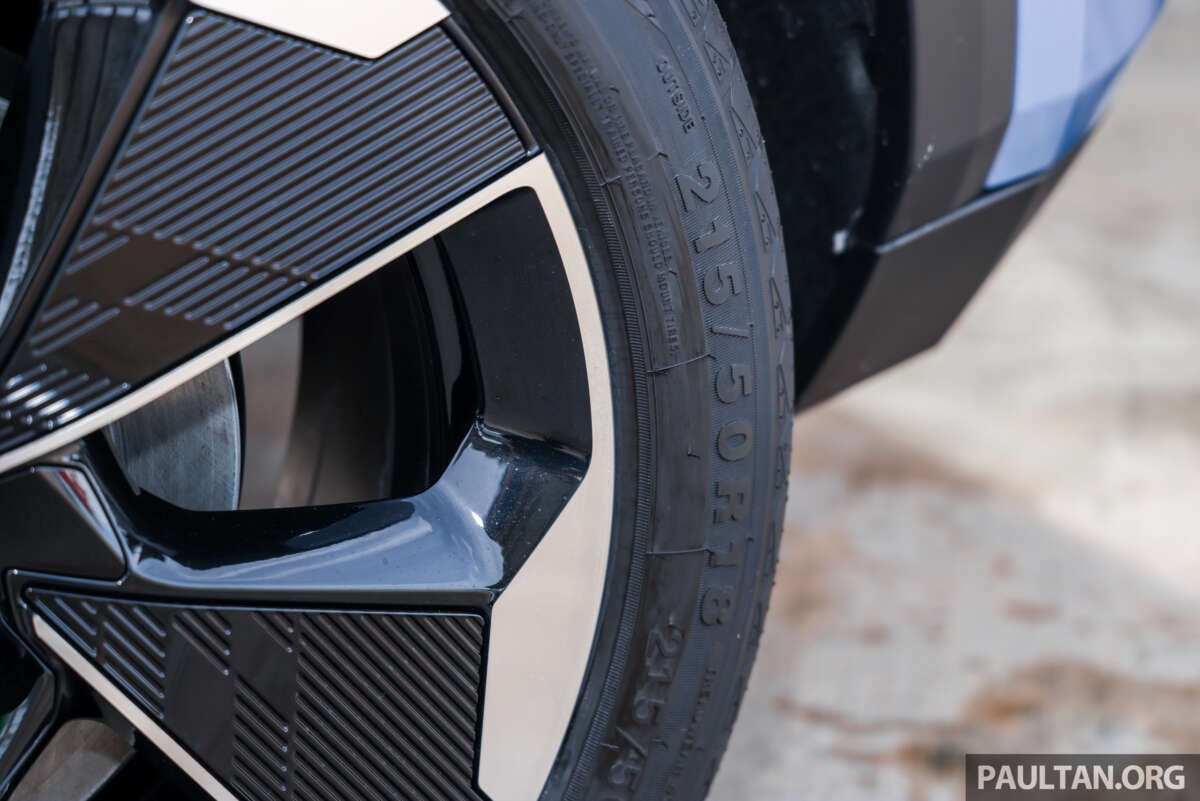


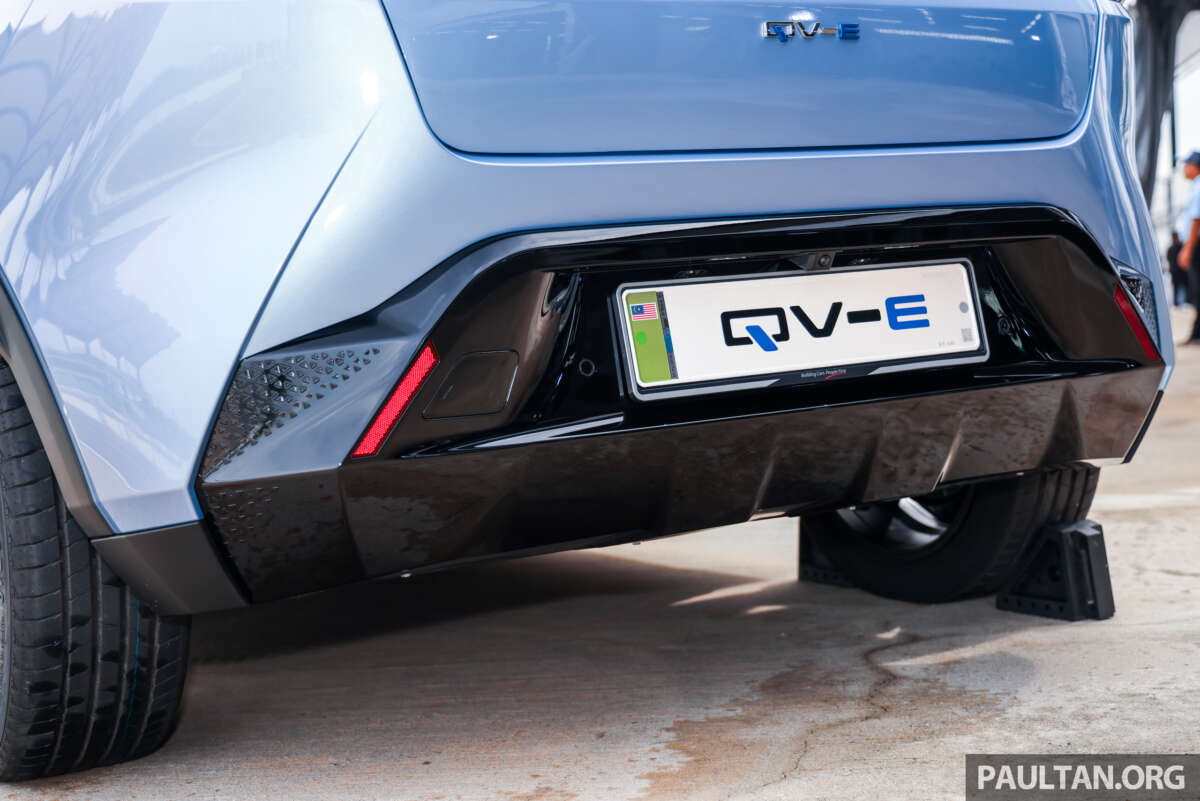
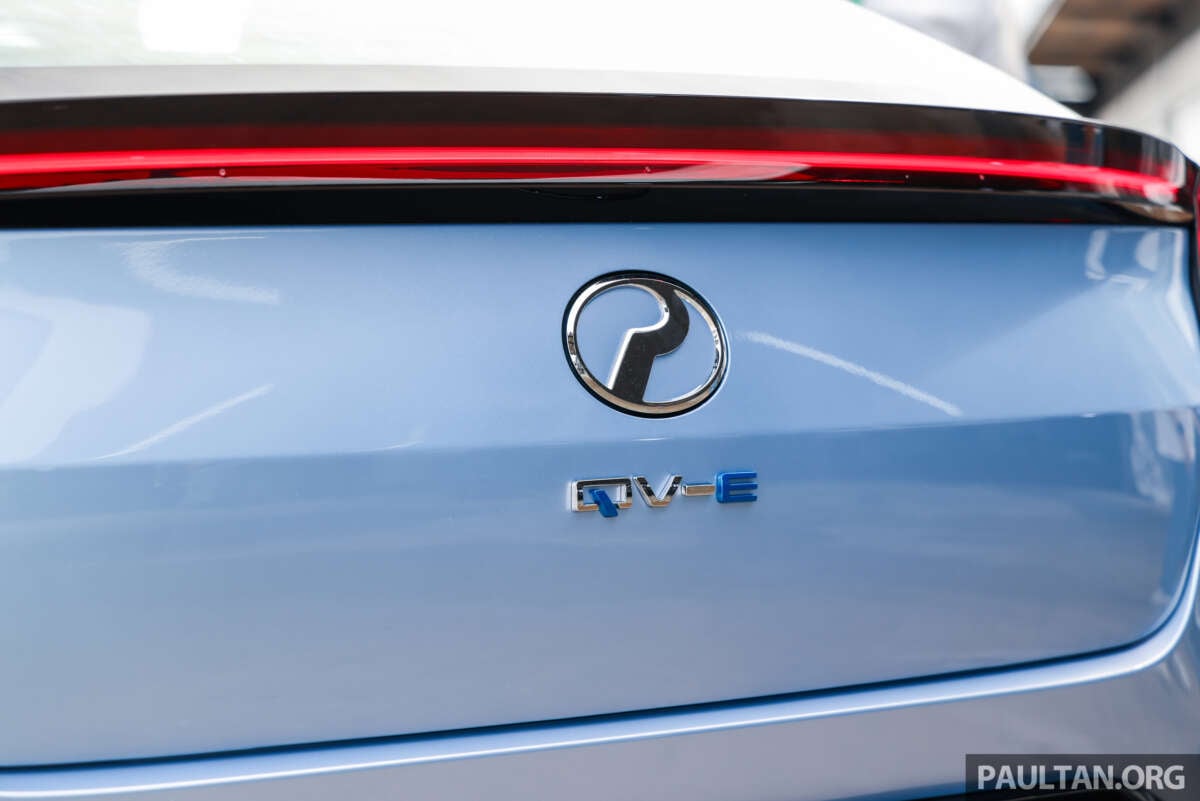

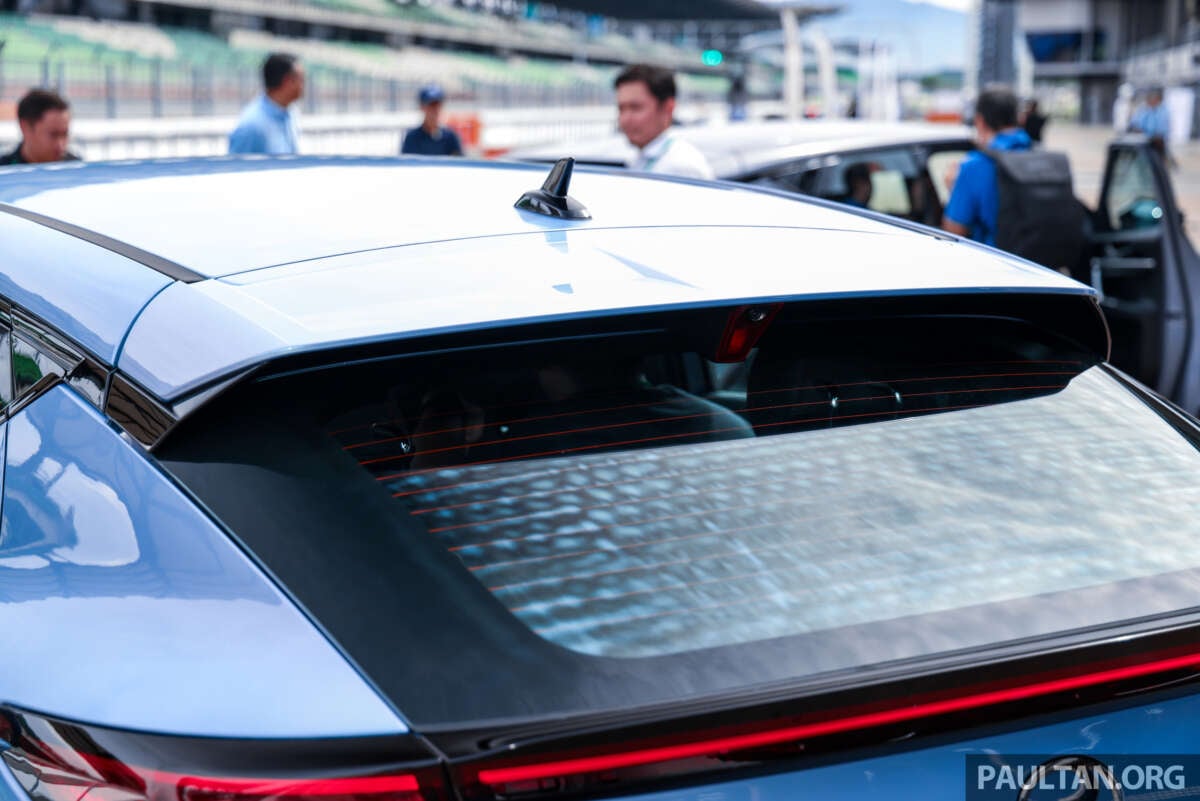


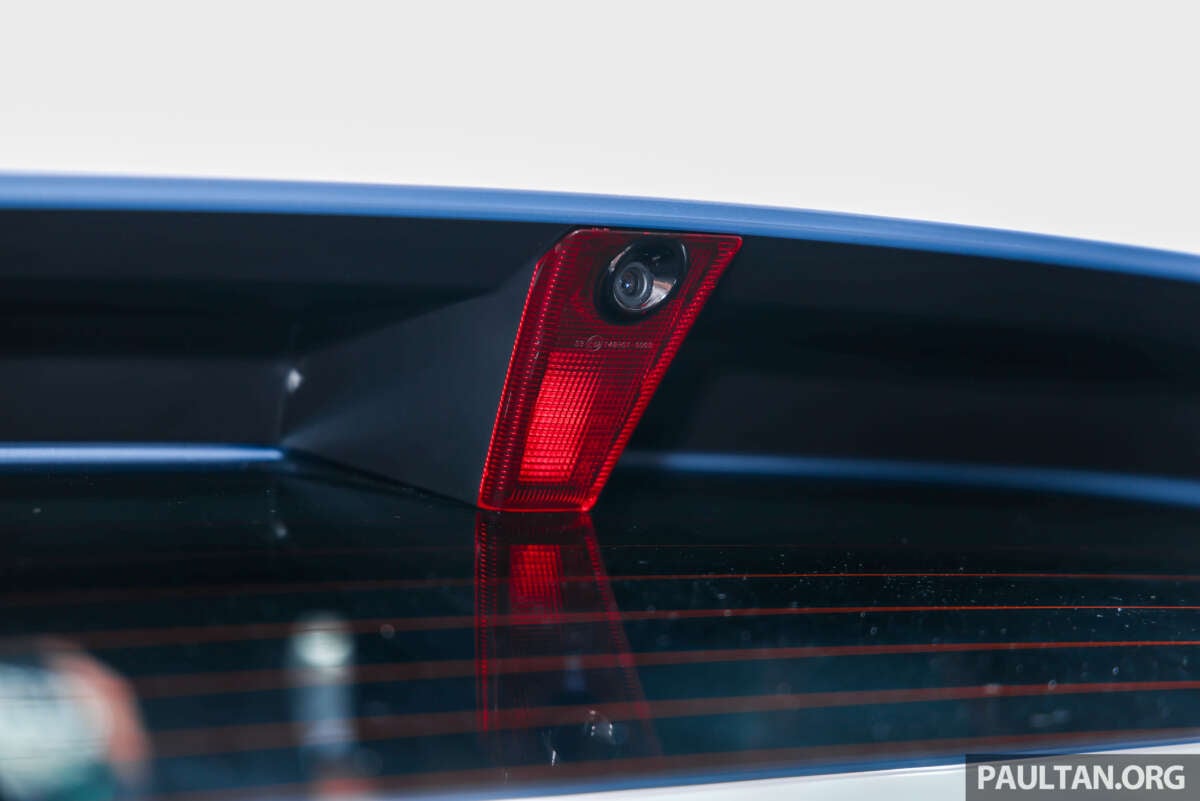


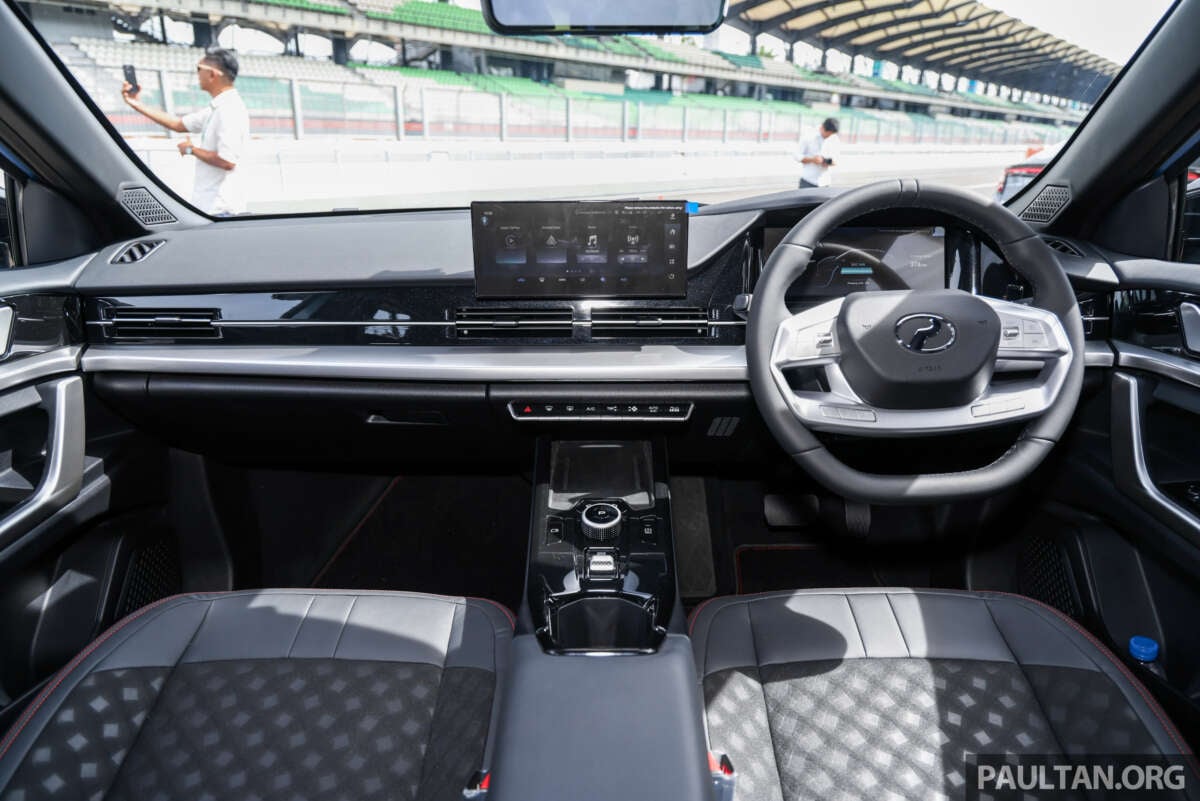






 Perodua QV-E
from RM69,999
Perodua QV-E
from RM69,999  Perodua Traz
from RM76,100
Perodua Traz
from RM76,100  Perodua Axia
from RM33,900
Perodua Axia
from RM33,900  Perodua Alza
from RM62,500
Perodua Alza
from RM62,500  Perodua Myvi
from RM46,500
Perodua Myvi
from RM46,500  Perodua Ativa
from RM62,500
Perodua Ativa
from RM62,500  Perodua Bezza
from RM34,580
Perodua Bezza
from RM34,580  Perodua Aruz
from RM72,900
Perodua Aruz
from RM72,900 
 Masakroti
on
Masakroti
on 

 Dong gor
on
Dong gor
on  Jen Z
on
Jen Z
on  Kedekut Perodua finally awaken
on
Kedekut Perodua finally awaken
on  Dino
on
Dino
on  newme
on
newme
on  ioma
on
ioma
on  Steve
on
Steve
on  Satthiya
on
Satthiya
on  mat
on
mat
on  PiggaPeppa
on
PiggaPeppa
on  why isn’t the battery included ?
on
why isn’t the battery included ?
on  macampondan
on
macampondan
on  deadhorsecommenting
on
deadhorsecommenting
on  skibidi halal
on
skibidi halal
on  Wann
on
Wann
on  Rao
on
Rao
on  wha?
on
wha?
on  Too Long
on
Too Long
on  Karim Abdullah
on
Karim Abdullah
on  Uncle BoBo
on
Uncle BoBo
on  Noob
on
Noob
on  JustGuess
on
JustGuess
on  Unker Sam
on
Unker Sam
on  DonkeyKong
on
DonkeyKong
on  B15
on
B15
on  Ultra Kiasu
on
Ultra Kiasu
on  normal_user
on
normal_user
on  Raja Kamarul
on
Raja Kamarul
on  Jamal
on
Jamal
on  Chong Or Pei
on
Chong Or Pei
on  :)
on
:)
on  Ruslan Bahari
on
Ruslan Bahari
on  Yeah
on
Yeah
on  KW
on
KW
on  Sohai
on
Sohai
on  CPeople
on
CPeople
on  Half Cooked
on
Half Cooked
on  Perotiga
on
Perotiga
on  Syd
on
Syd
on  opmanmy
on
opmanmy
on  Kenny
on
Kenny
on  QV-E again
on
QV-E again
on  P2lalaland
on
P2lalaland
on  P2NotP2
on
P2NotP2
on  V
on
V
on  Chong
on
Chong
on  Iqbal
on
Iqbal
on  WLaucar
on
WLaucar
on  Haji SS
on
Haji SS
on
AI-generated Summary ✨
Comments reveal strong dissatisfaction with Perodua’s battery leasing scheme, high car price, and poor marketing strategy. Many criticize the lack of transparency, resale concerns, and the perceived misjudgment of consumer preferences. Some appreciate local innovation and the government’s potential subsidies but believe the overall package is uncompetitive. There’s skepticism about the viability of the business model and frustration over the limited sales and perceived mismanagement. Overall, sentiments are negative, emphasizing market rejection and operational missteps.