
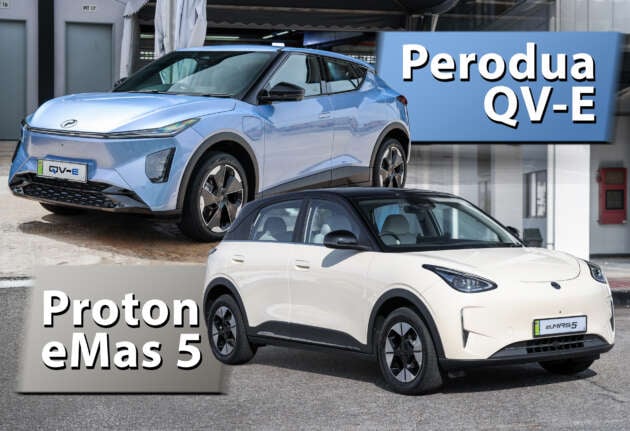
Perodua’s first EV – and its first fully homegrown product – hasn’t had the start that the company would’ve hoped. Launched late last year, the QV-E was saddled with not just a RM80,000 price tag but also a compulsory battery leasing plan with a nine-year contract that buyers balked at, with sales only reaching 182 units in its first six months on the market.
That’s not a good look for a company that sold 24,480 cars last month alone. And it doesn’t help that the QV-E has been haemorrhaging sales to the Proton eMas 5, which sold more than 52 times that amount with 9,569 units reaching customers’ hands over exactly the same period.
But Perodua is now staging a comeback with a big price drop for the QV-E. With a RM6,500 rebate running until September 30, the car now retails at RM63,499 with battery leasing – a more than RM16,500 reduction. The leasing cost has now been lowered from RM275 per month to RM215. For the first time, the company is also offering all-in pricing with the battery included, which will set you back RM87,499 – just RM7,499 more than the launch price that excluded the battery in the first place.
With that, it’s time to look at the QV-E versus Proton’s big seller once again. How do the unchanged specs compare, especially when reframed with the new pricing in mind? We’ll answer all these and more in this head-to-head comparison.
Pricing now much more competitive
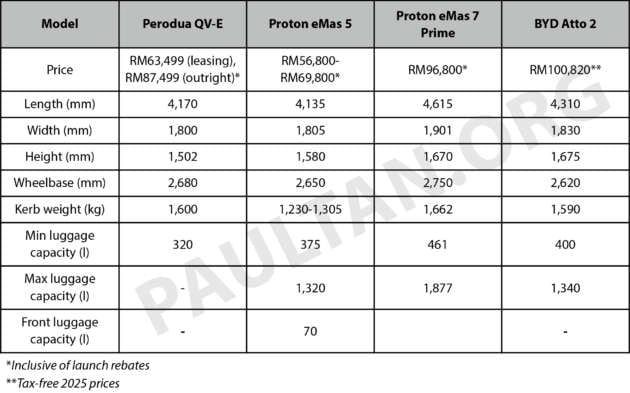
There’s no doubt that the QV-E has just become a much more attractive proposition. Whereas previously, the QV-E would’ve run you up to nearly RM110,000 with nine years of battery leasing included (excluding hire purchase interest rates, of course), this figure is now just under RM87,000. With outright pricing being only slightly more than that, customers have the luxury of choice.
Granted, this still makes the QV-E a step more expensive than the eMas 5, which even in its priciest Premium trim costs just RM69,800 (RM56,800 for the Prime). But it’s much closer now, and this repositioning also moves the car away from the highly-competitive C-segment SUV market occupied by the likes of the eMas 7 and the BYD Atto 3. Those are accomplished machines that the Perodua can’t hope to compete, for reasons that will become apparent later on.
In a big boon for existing owners, their battery subscription price also drops to RM215 per month, and they are also entitled to a “special refund” on their purchase price of RM80,000. Whether the full amount will be returned remains to be seen, but this is a rare concession for those who already own the car.
The price cut shows the disparity in current fortunes between Perodua and Proton. The former claims that the reduction comes as part of increased localisation, with the savings being passed on to the consumer. That may be true, but we suspect the company wouldn’t have made the QV-E so much cheaper so soon had its market performance been more encouraging – this is not a firm that tends to give big discounts when sales are good, after all.


By comparison, the strong sales of the eMas 5 – and lack of any real competition – mean that Proton has not been pressured to reduce the car’s prices, even after moving to local assembly starting this month. That stands in stark contrast to the eMas 7, which fell by up to RM6,000 starting early this year as it continued to battle with the Atto 3 for class supremacy.
This does sting somewhat, but you have to remember that the eMas 5 (by that we mean its twin, the Geely Xingyuan) is built in huge numbers in China, where the Xingyuan is the best-selling car for the past two years. Meanwhile, the QV-E is currently made in such small numbers – Perodua is almost a boutique carmaker at this point – that any savings from localisation will make a significant difference to the final price.
With the eMas 5, it’s the opposite – Geely having to build thousands of specialised knocked-down (KD) kits for Malaysia will have likely resulted in cost increases, so it’s no big surprise that Proton hasn’t lowered the price. Even with all that taken into account, however, the eMas 5 remains the undisputed value champion. But will this remain the case once we dig into the rest of what the two cars have to offer?
QV-E the performance, range benchmark; eMas 5 charges faster
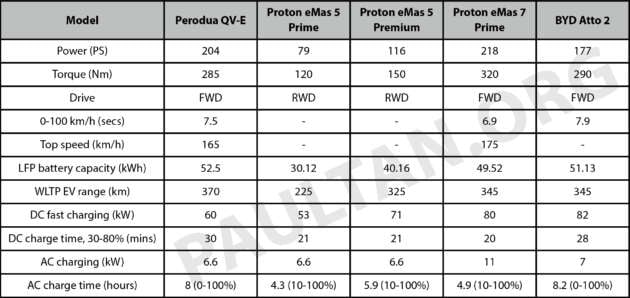
Early on, the QV-E notches a crucial victory. As far as performance goes, it wipes the floor with the eMas 5, offering nearly double the power of even the most powerful version of the Proton. Its front motor makes 204 PS (150 kW) and 285 Nm of torque, versus the rear-drive eMas 5 Premium’s 116 PS (85 kW) and 150 Nm.
It’s no surprise, then, that the Perodua is fairly brisk, getting from zero to 100 km/h in 7.5 seconds on its way to a top speed of 165 km/h. Proton – or rather, Geely – has spare the eMas 5 its blushes by not quoting a zero-to-100 km/h time, only an irrelevant zero-to-50 km/h figure of 3.9 seconds.
The QV-E’s advantage extends to its range. Both cars source their LFP batteries from CATL, but the Perodua’s 52.5 kWh pack dwarfs the eMas 5 Premium’s 40.16 kWh unit, which is why it is able to travel so much further on the WLTP cycle – 370 km versus the Proton’s 325 km. A difference of 45 km may not seem like much on paper, but it could mean one or two extra days of driving before needing a charge. And on cars that are as range-starved as these, every little counts.


We should point out that in China, the Xingyuan has just been upgraded with a larger 47.14 kWh battery, delivering a range of 480 km on the Middle Kingdom’s ridiculously lenient CLTC cycle. This should equate to a WLTP figure of around 390 km, which is just a little further than the QV-E (and demonstrates just how much more efficient this car is). Will we get this bigger pack later on? We’ll just have to wait and see.
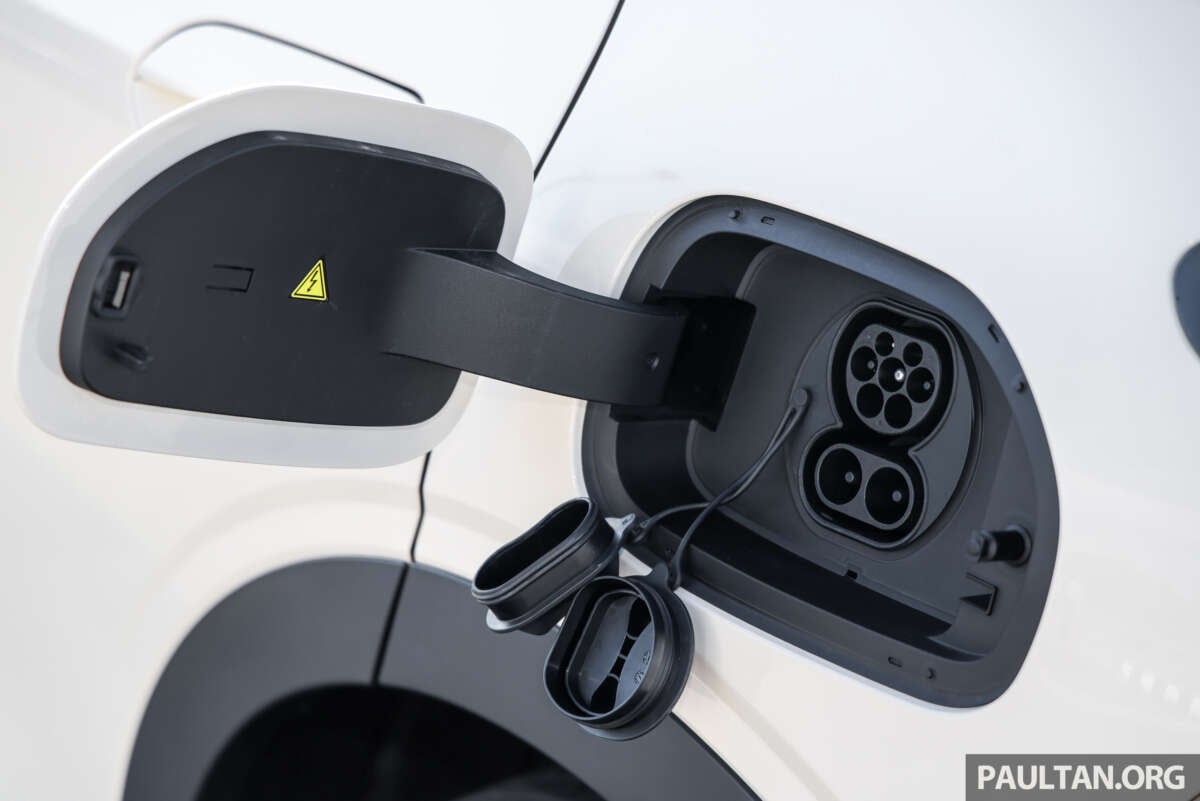
Where Perodua has dropped the ball is in charging. The QV-E only supports up to a measly 60 kW of DC fast charging, which is the same as what the eMas 7 PHEV is capable of. As such, it takes a yawning 30 minutes for the battery to be topped up from 30 to 80%.
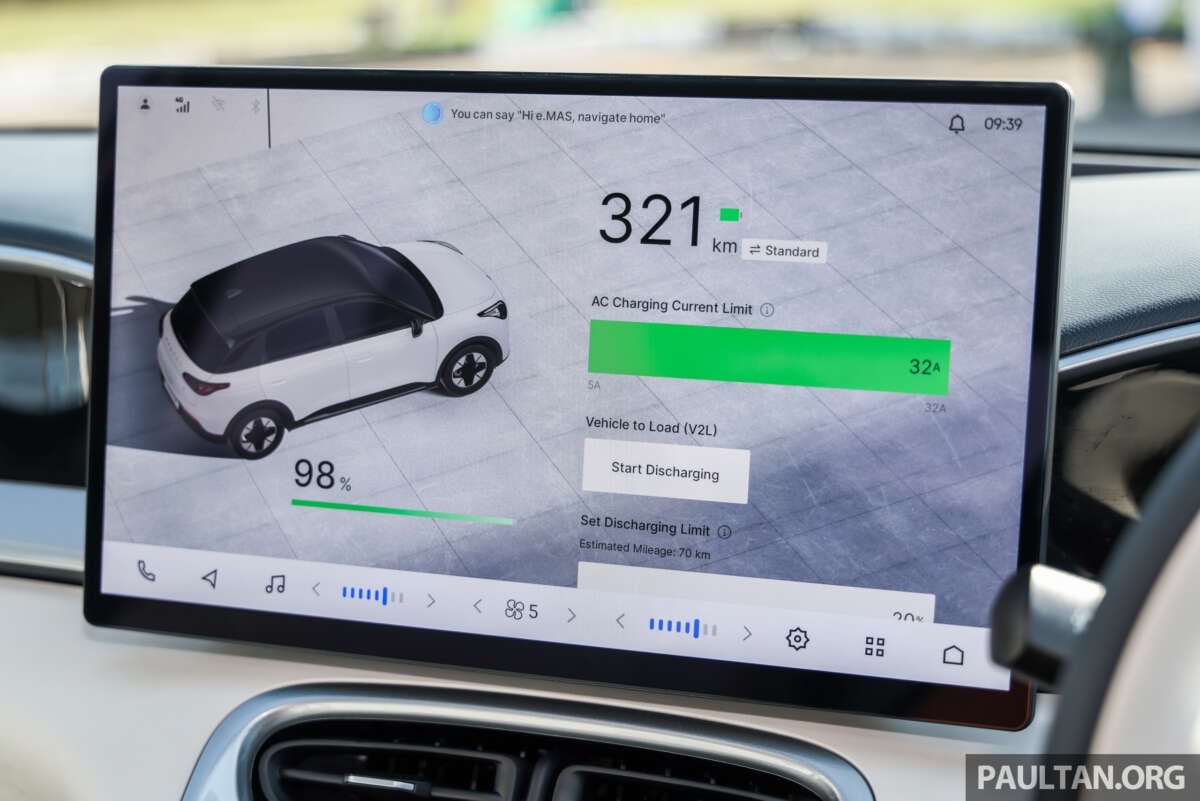
The combination of a smaller battery and a higher DC charging capacity of 71 kW means the eMas 5 Premium is able to be in and out of the charger nine minutes quicker, taking just 21 minutes to reach the same benchmark. And while both will accept 6.6 kW from an AC wallbox charger, the QV-E takes eight hours for a full charge, whereas the Proton will need 5.9 hours of your time to be juiced from 10 to 100%.
QV-E offers more kit; eMas 5 more practical and better quality


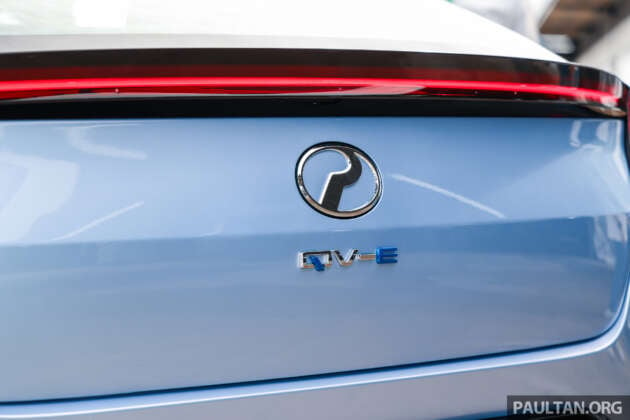
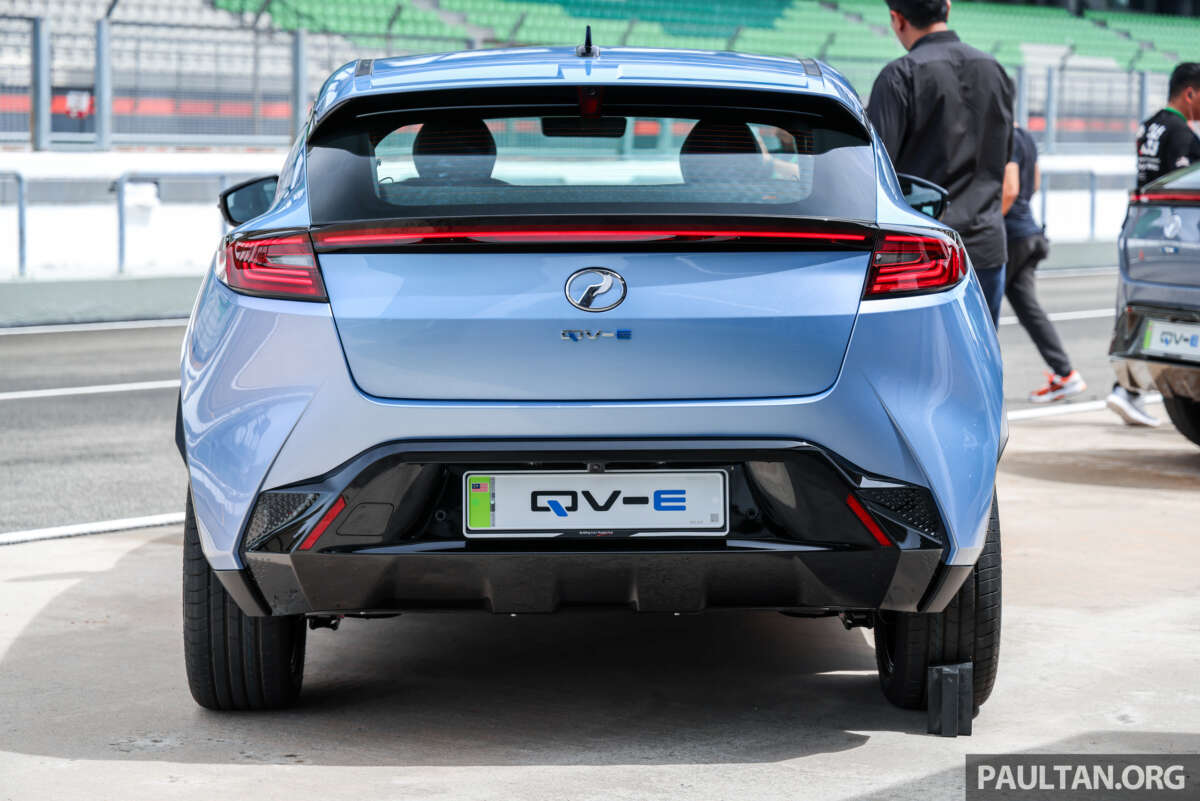
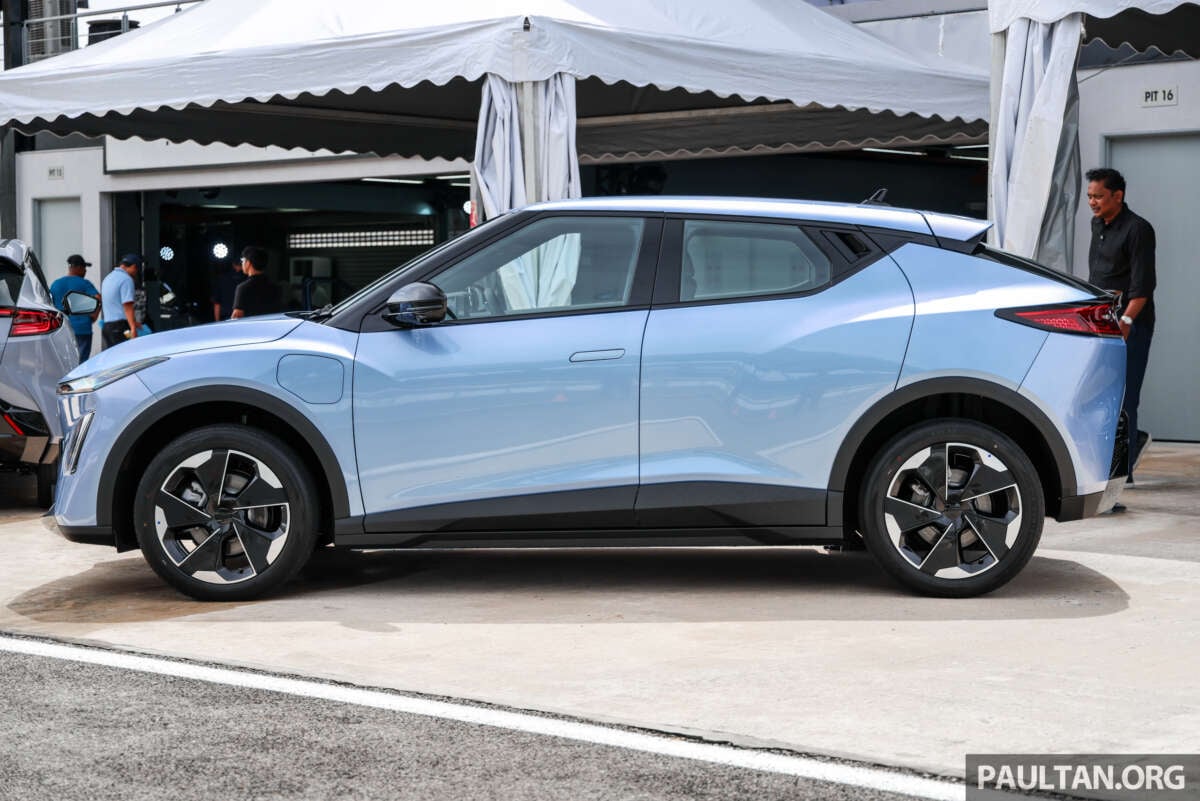
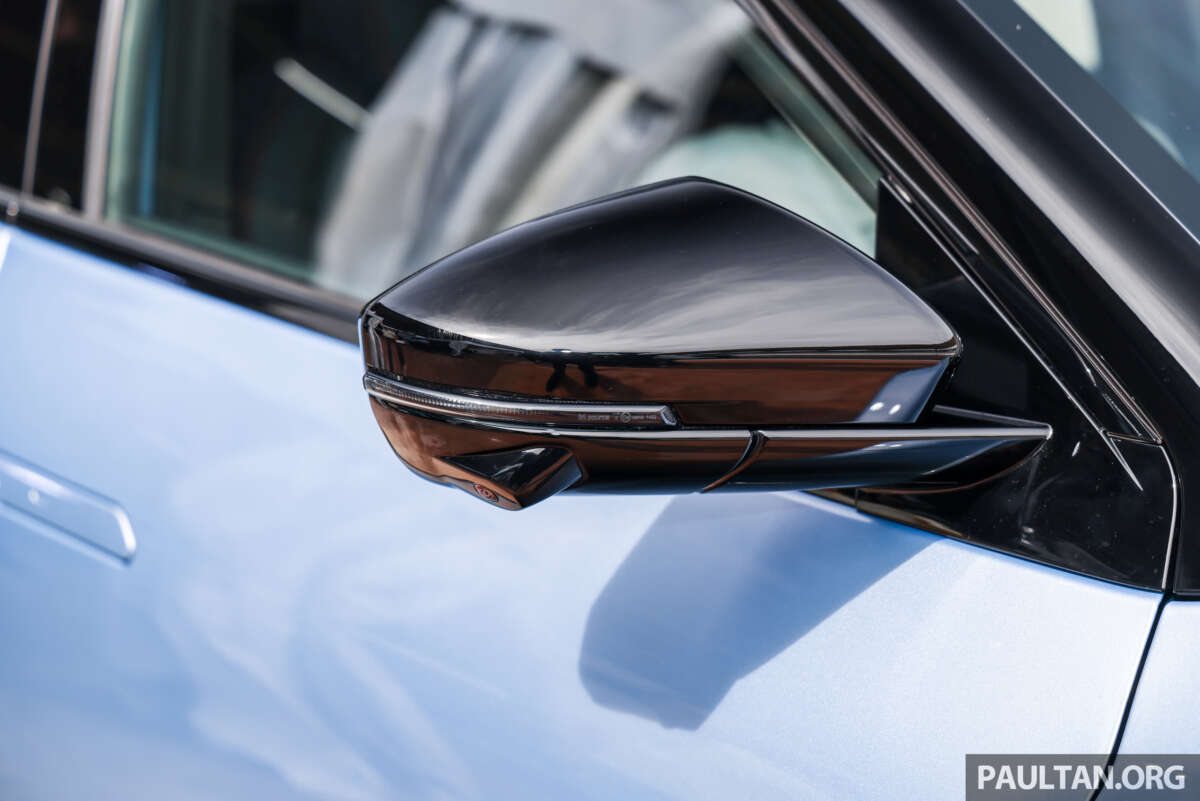
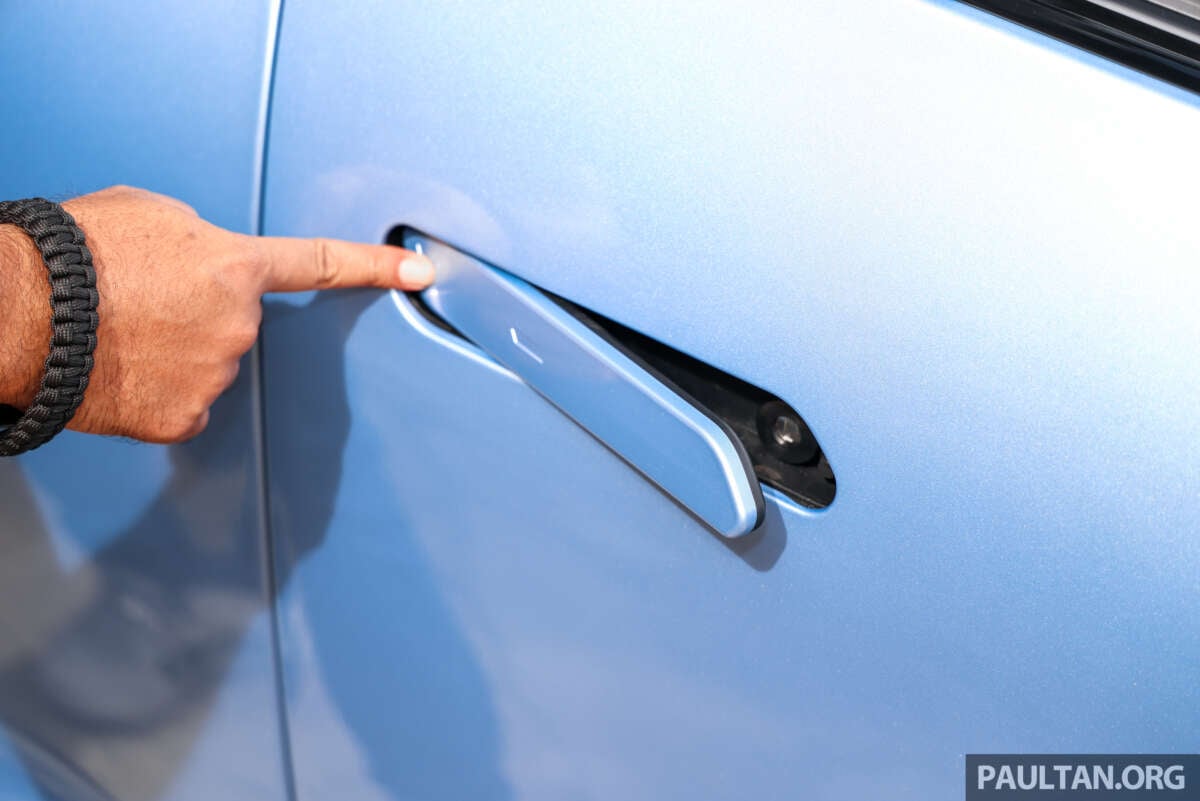
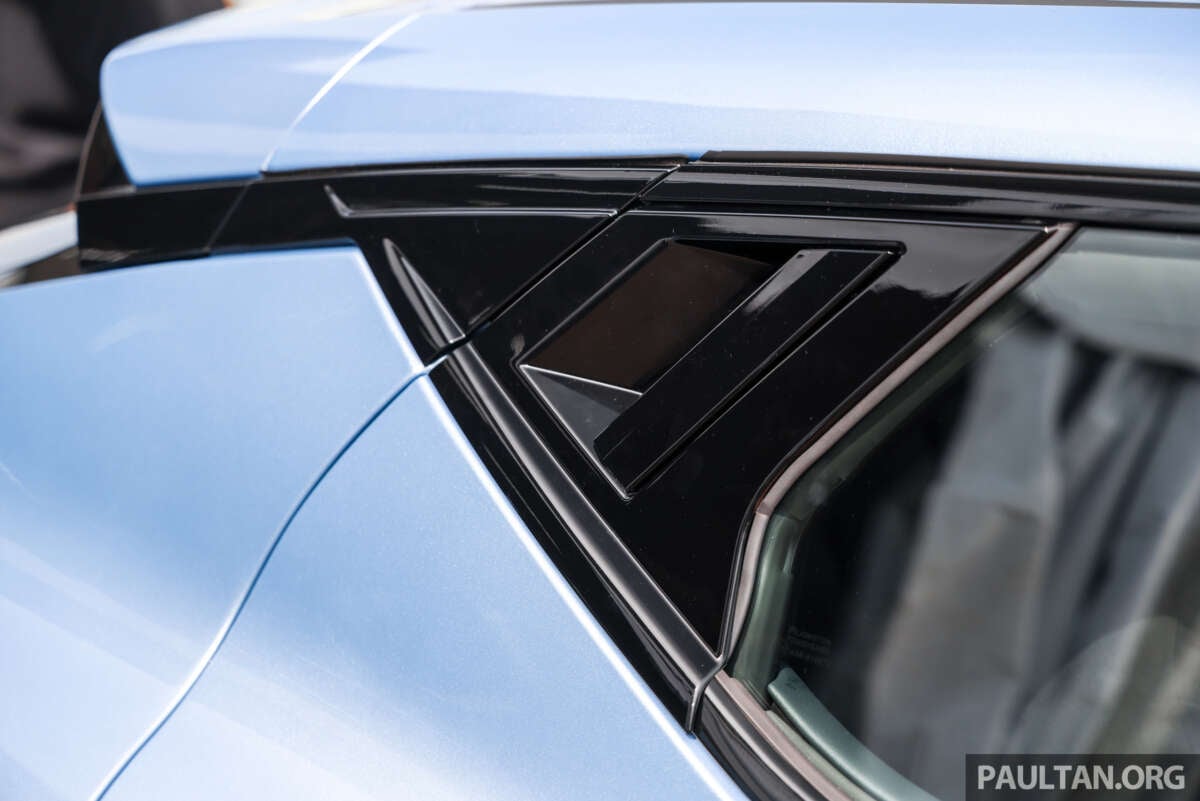
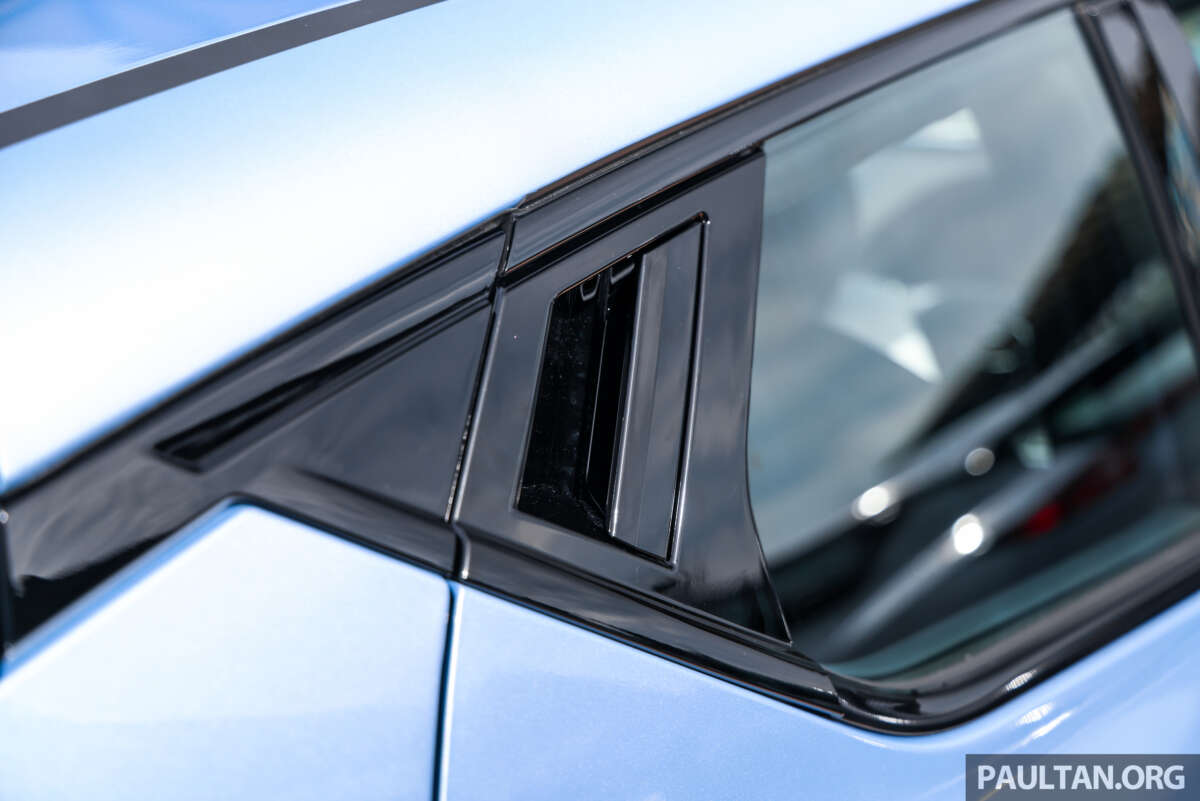
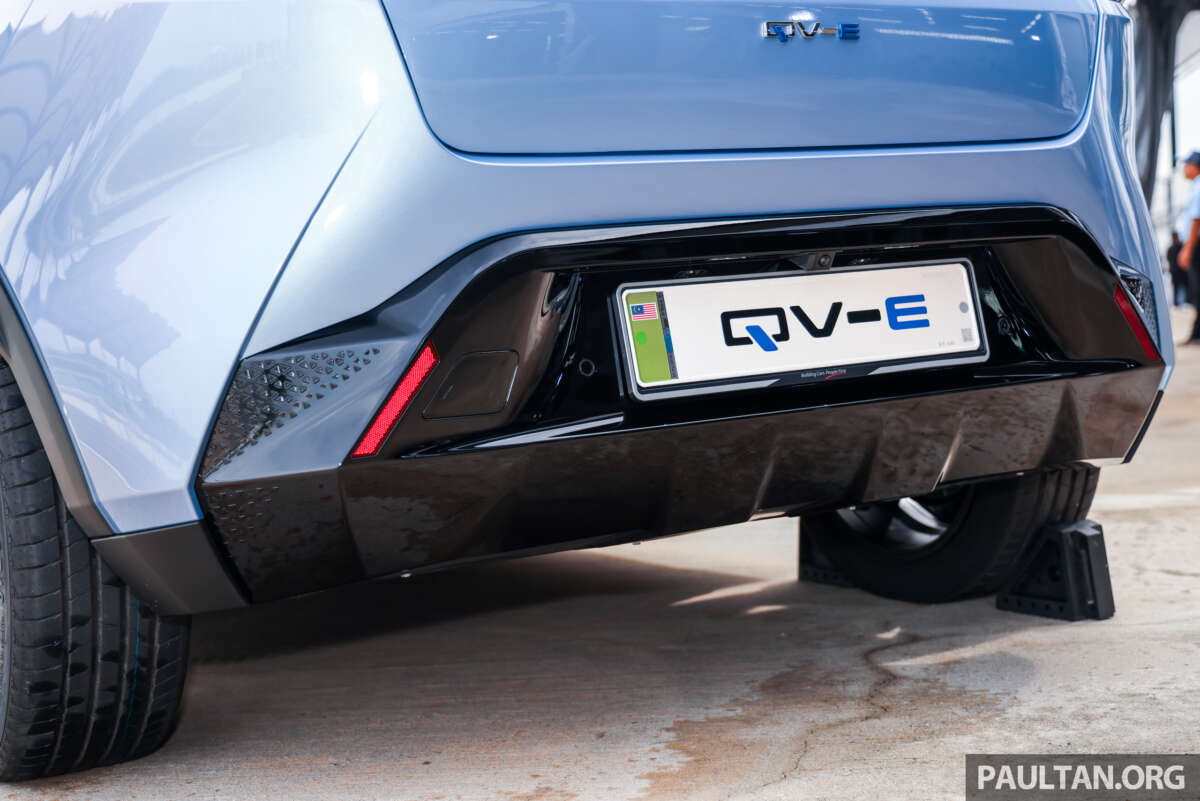
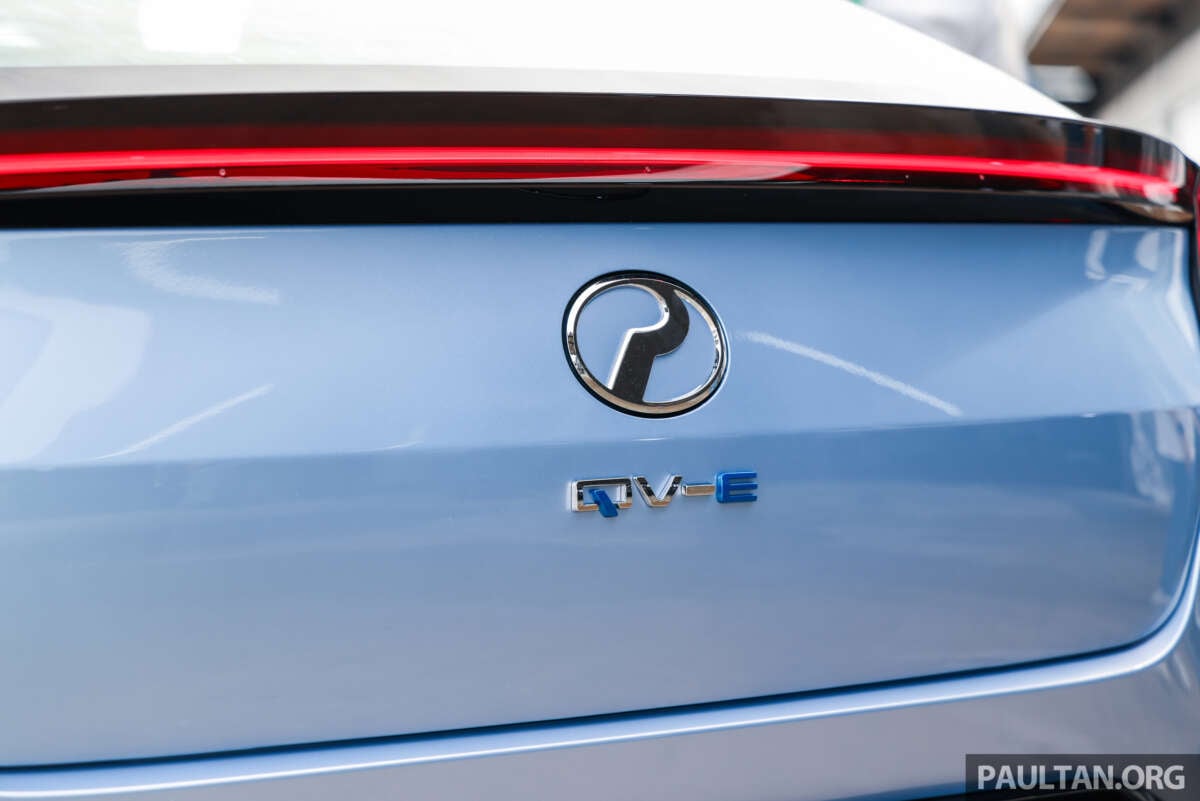
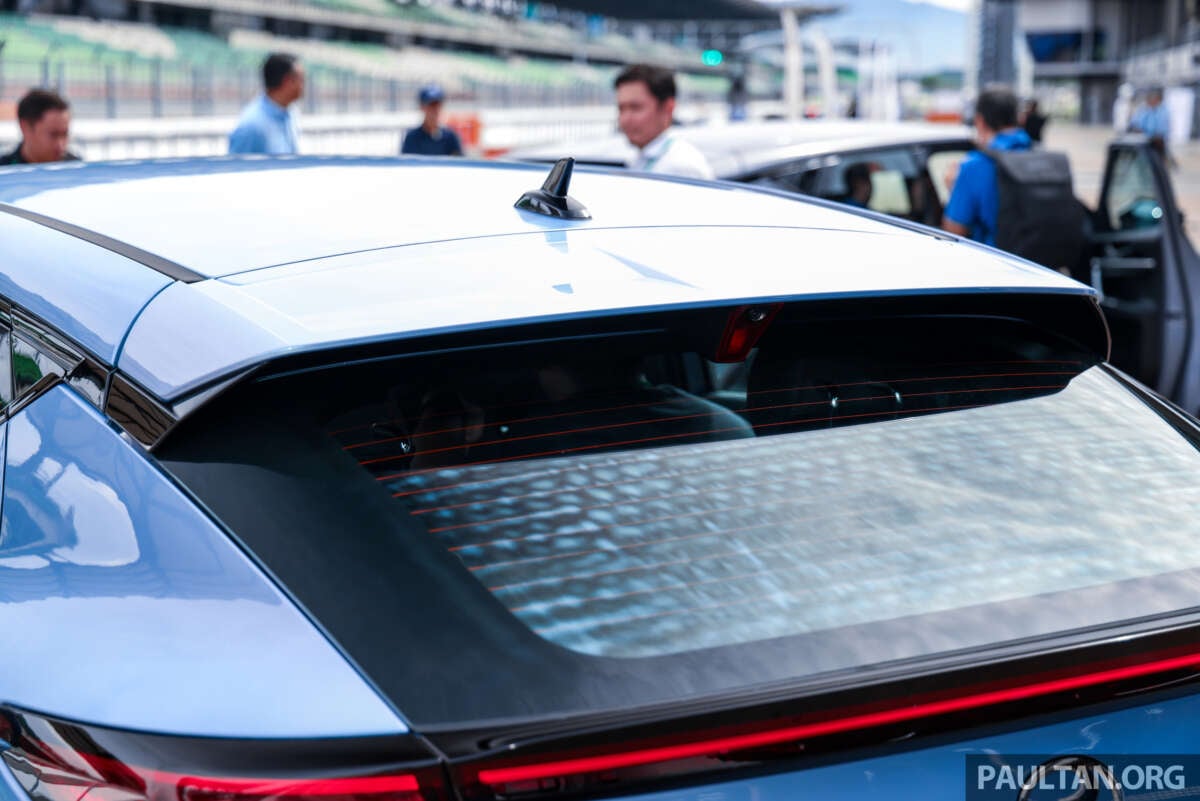
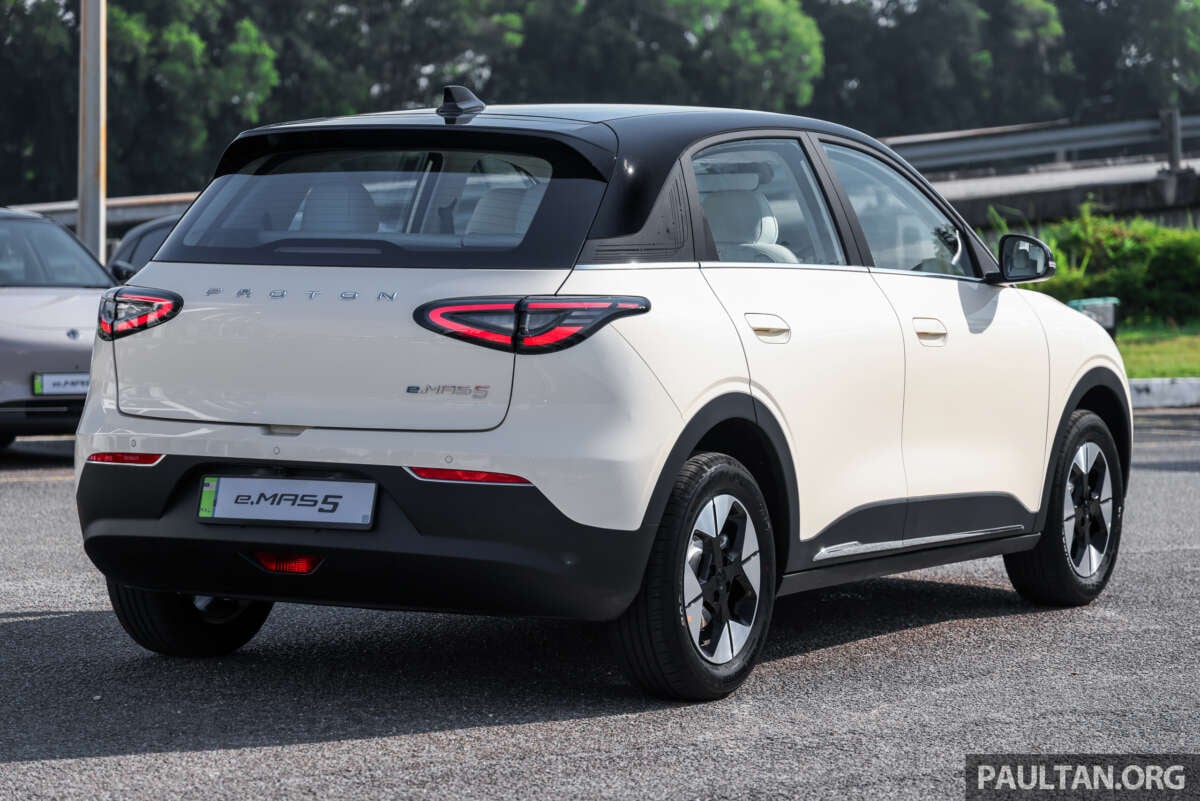
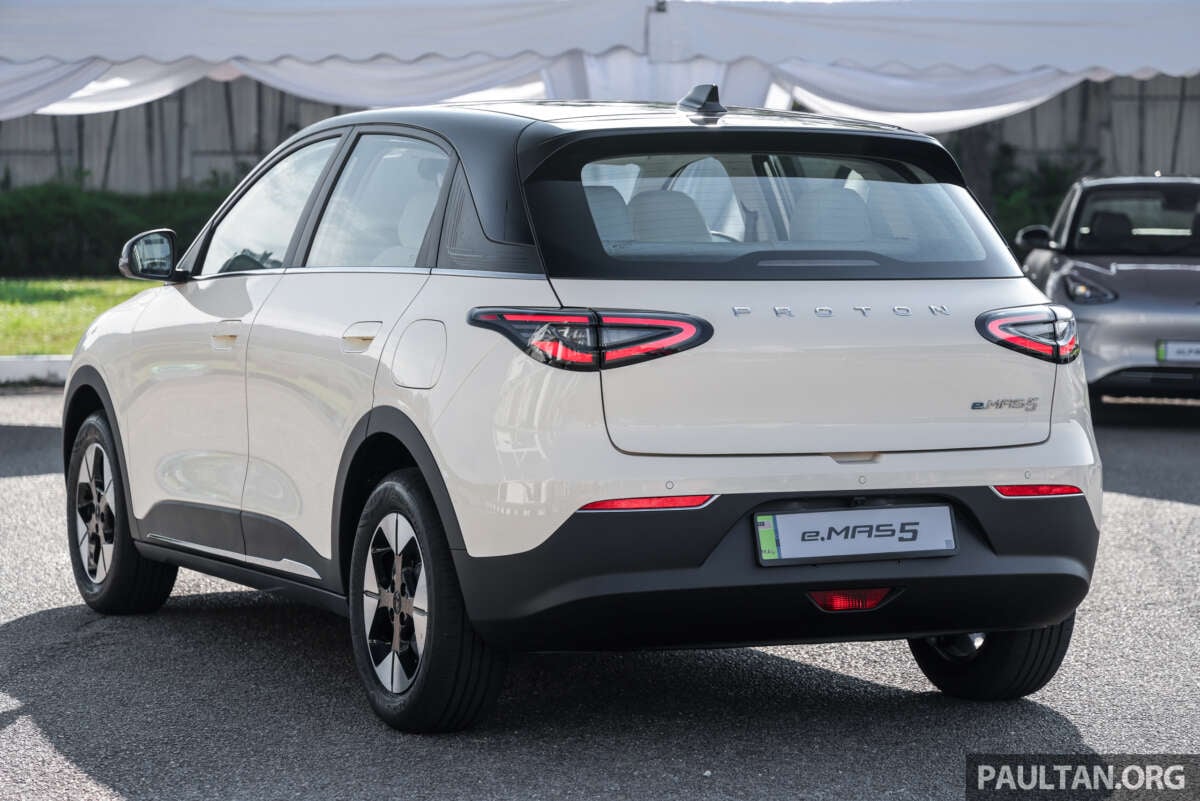
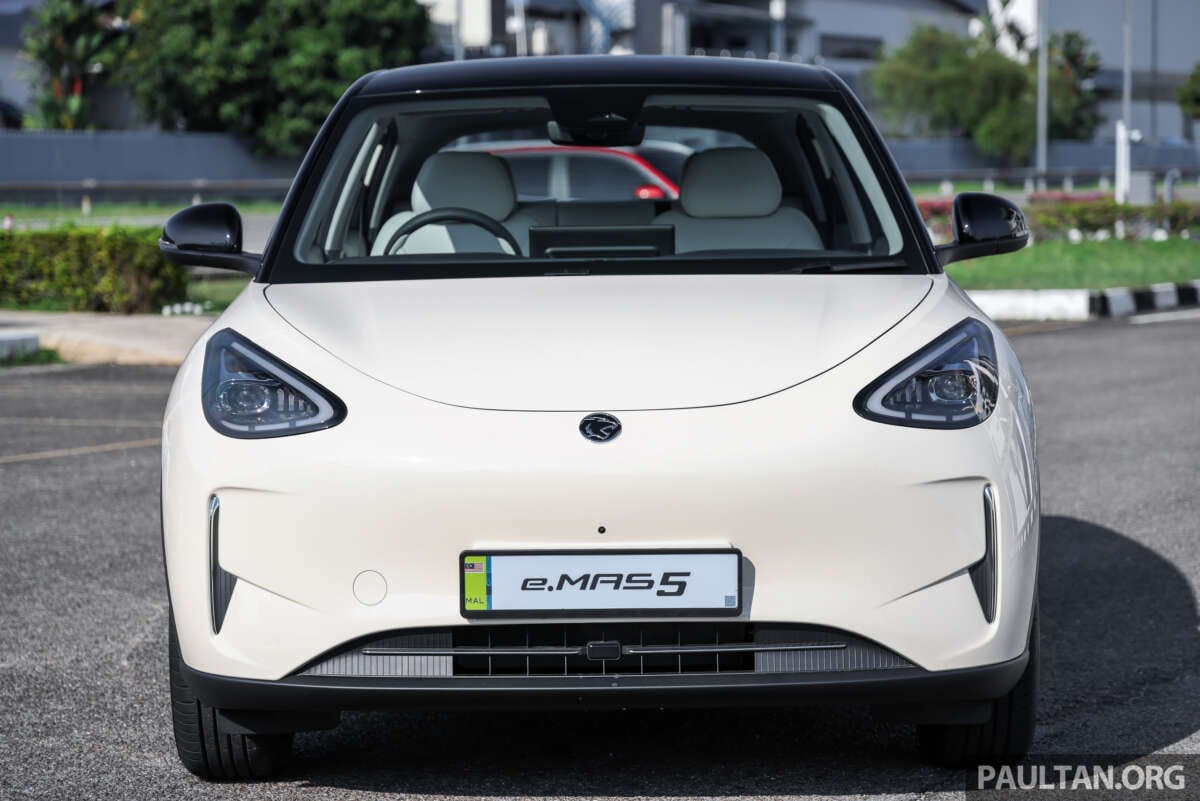
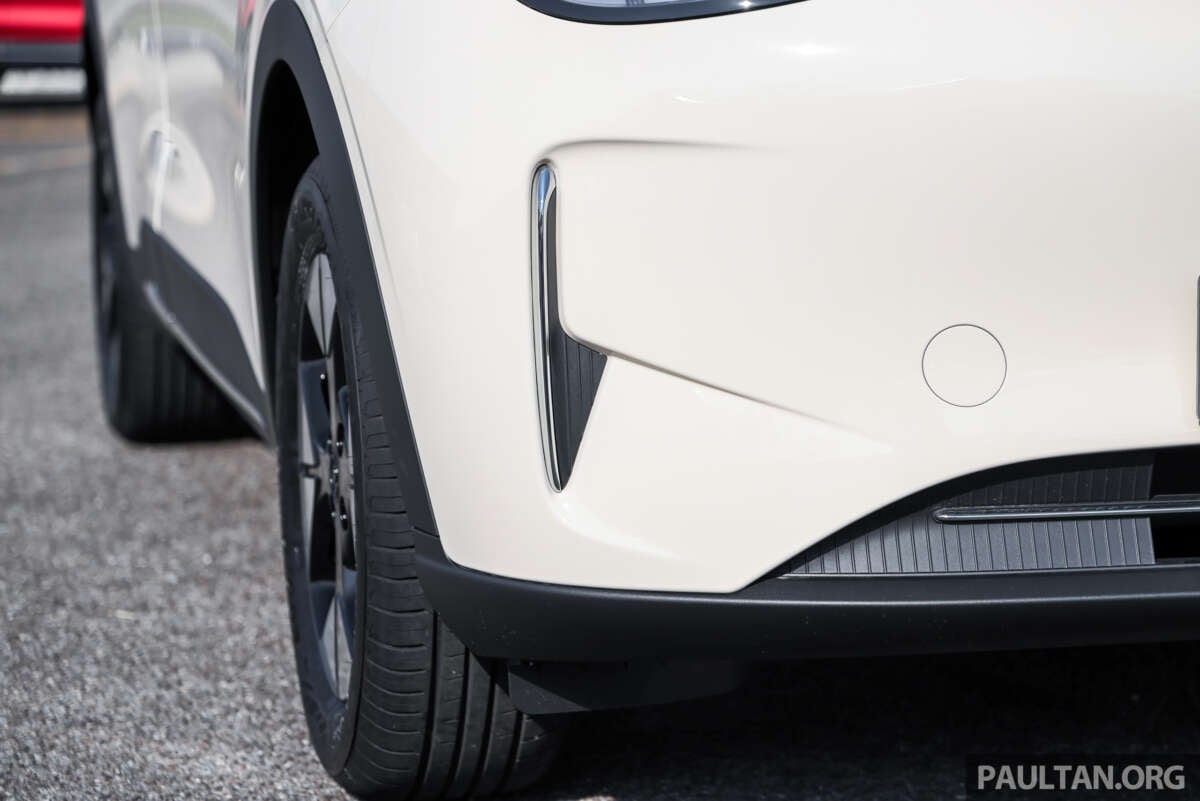
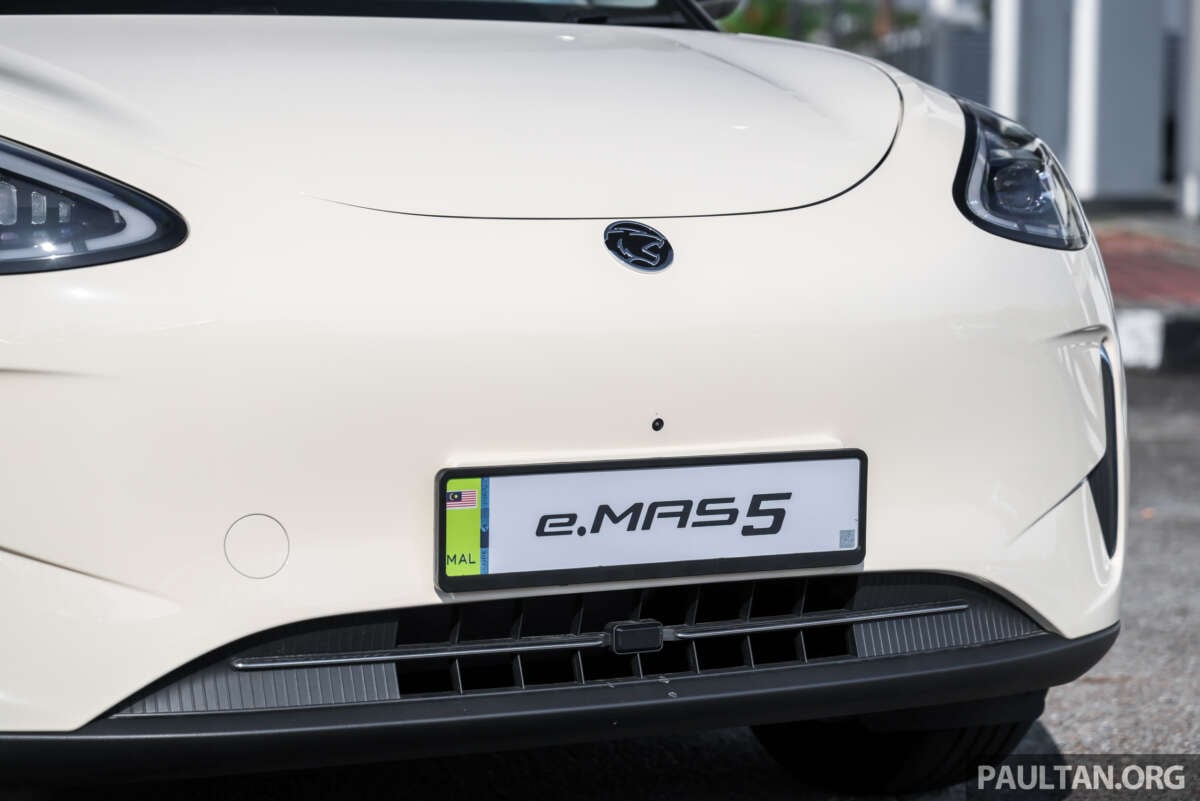
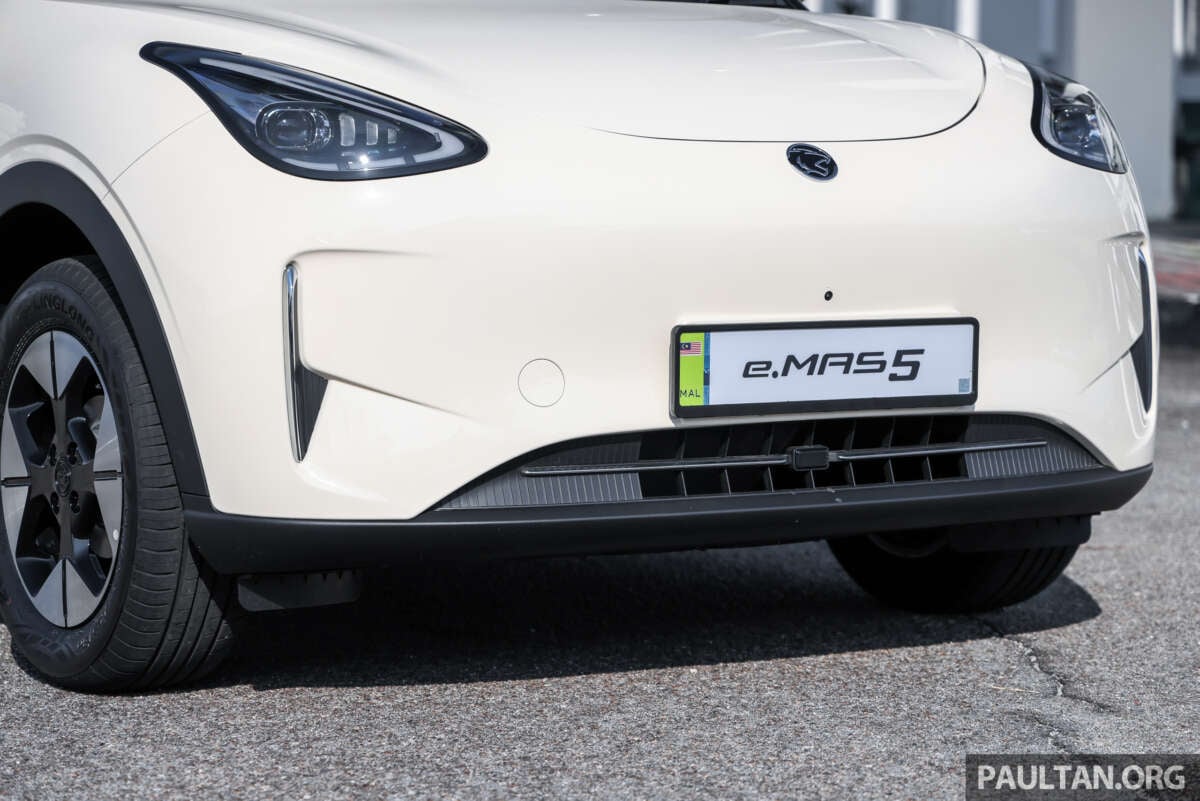
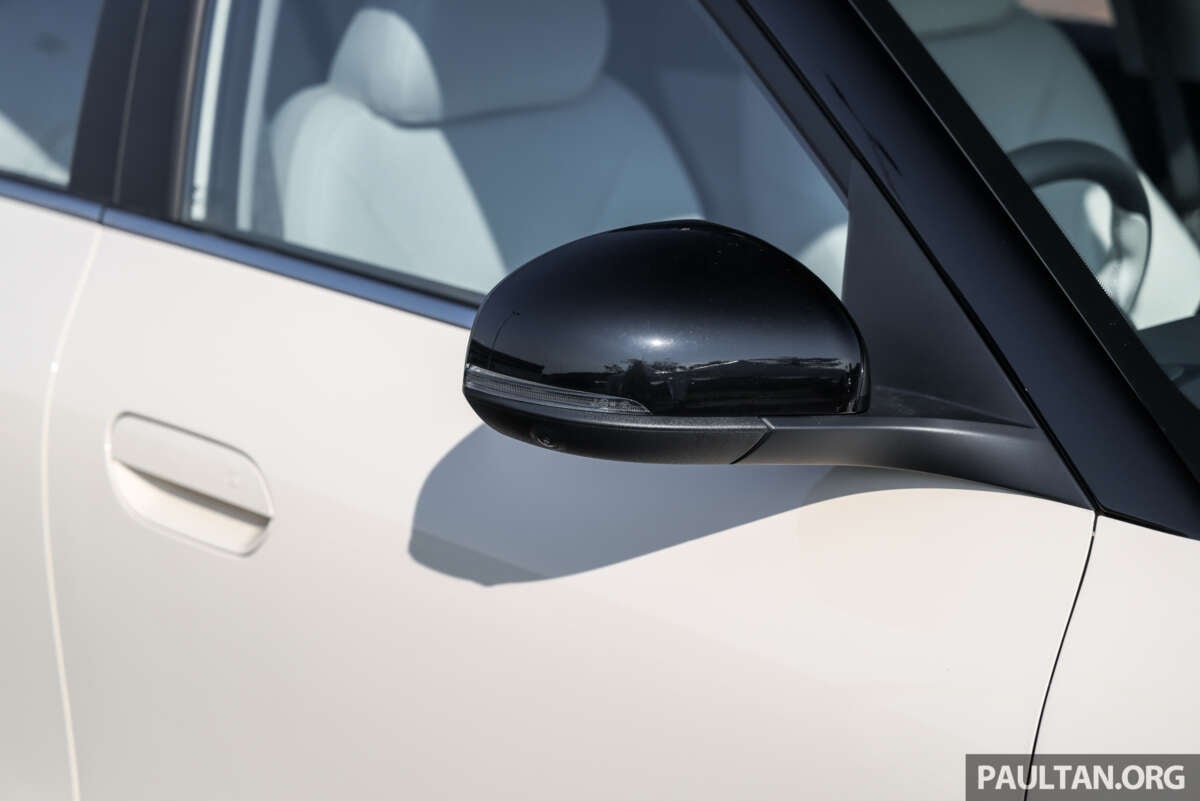
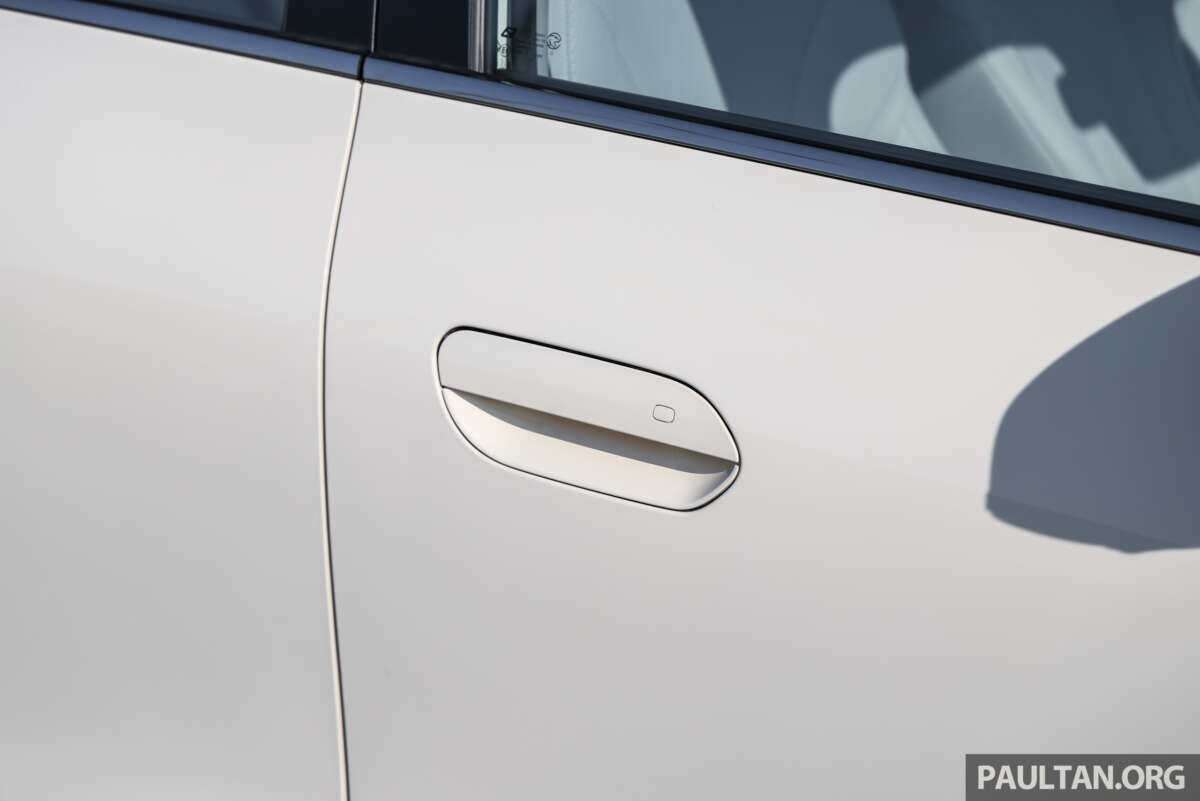
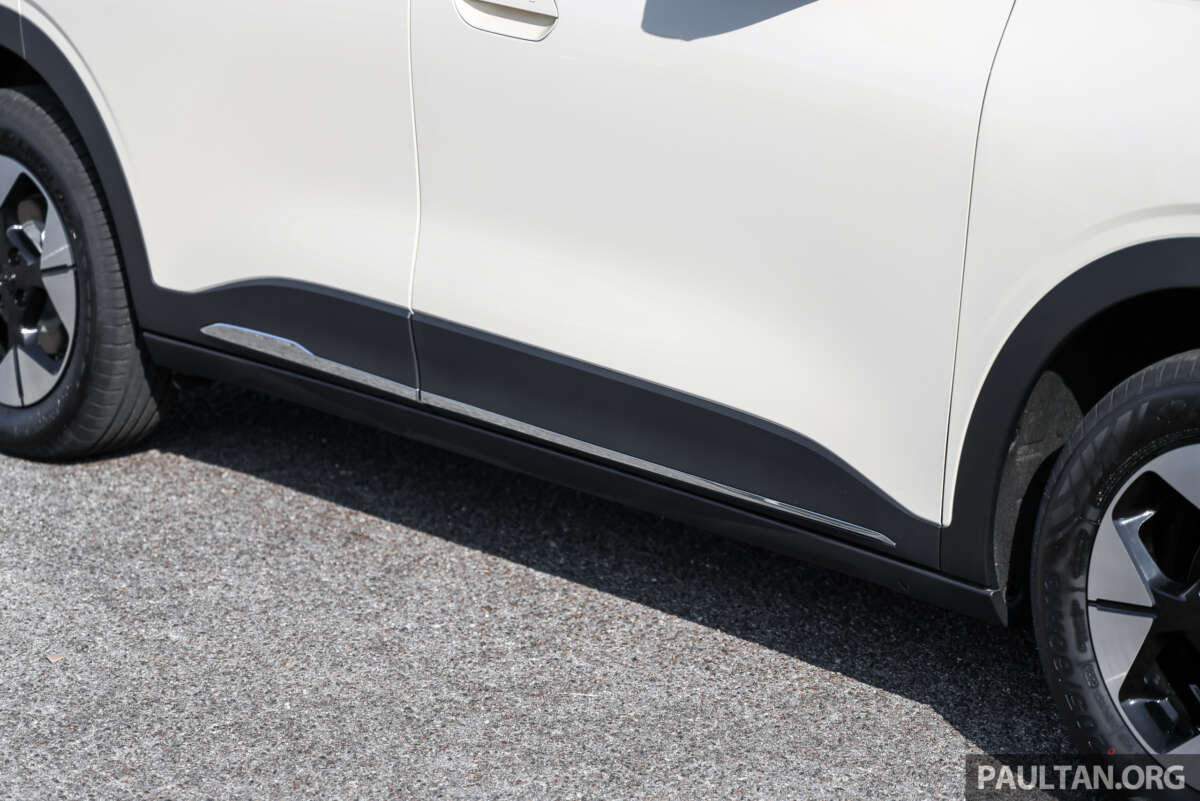
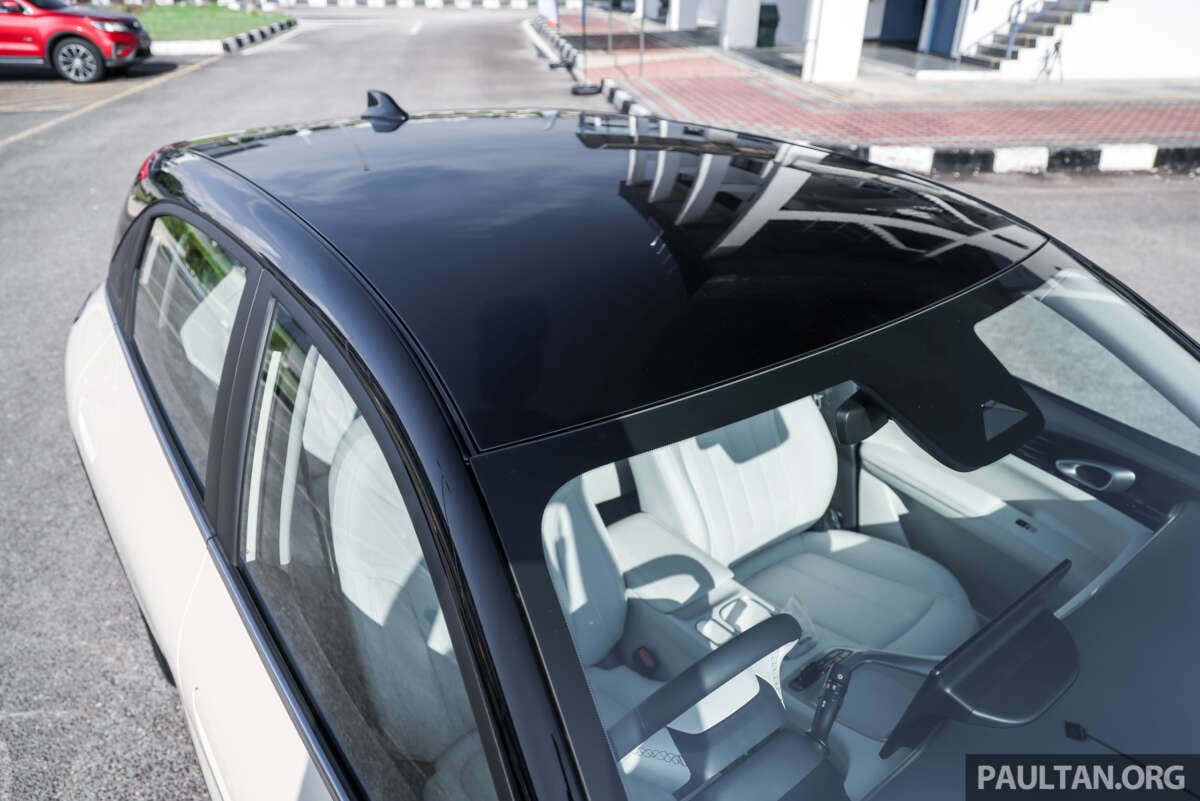
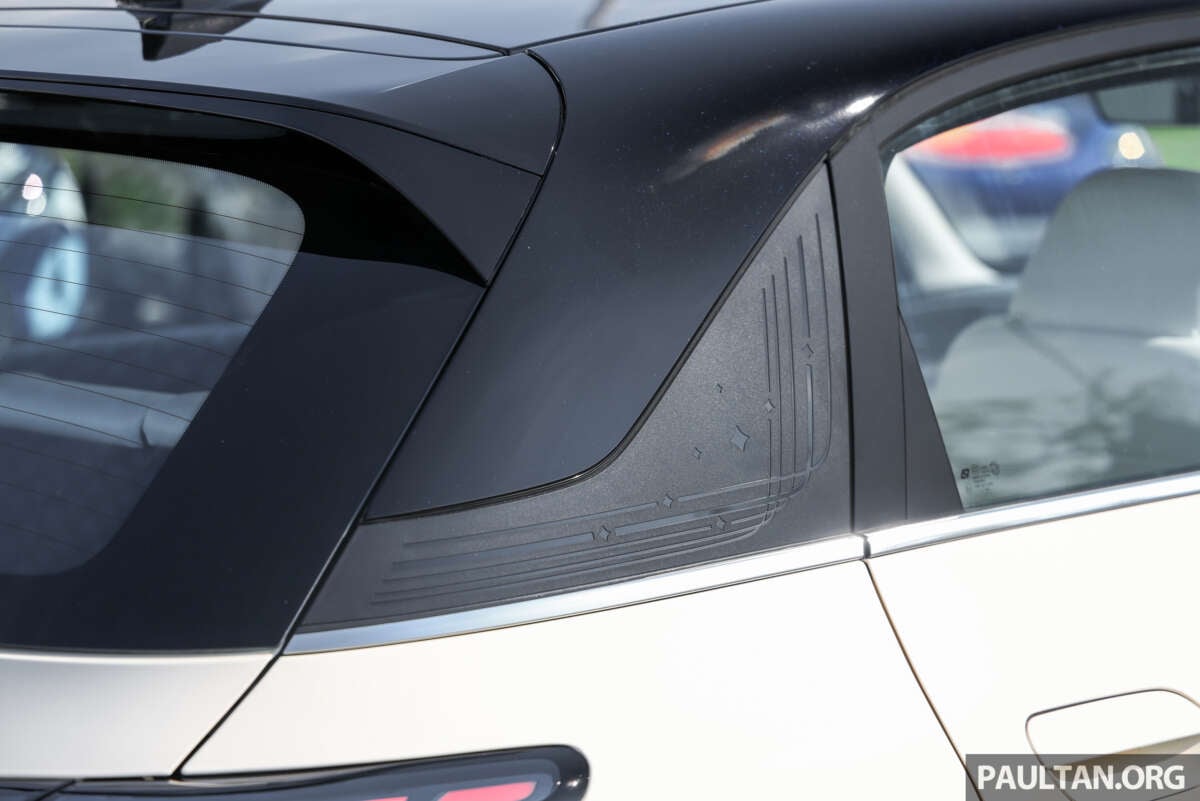
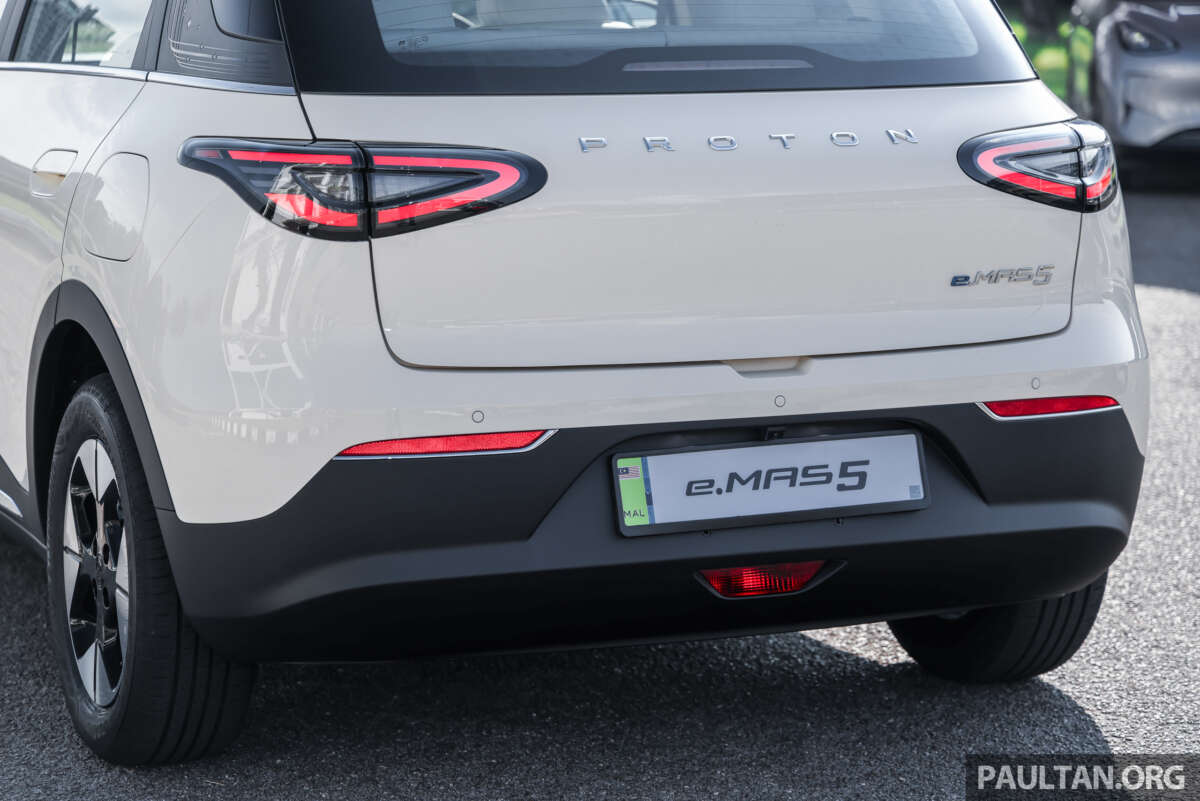
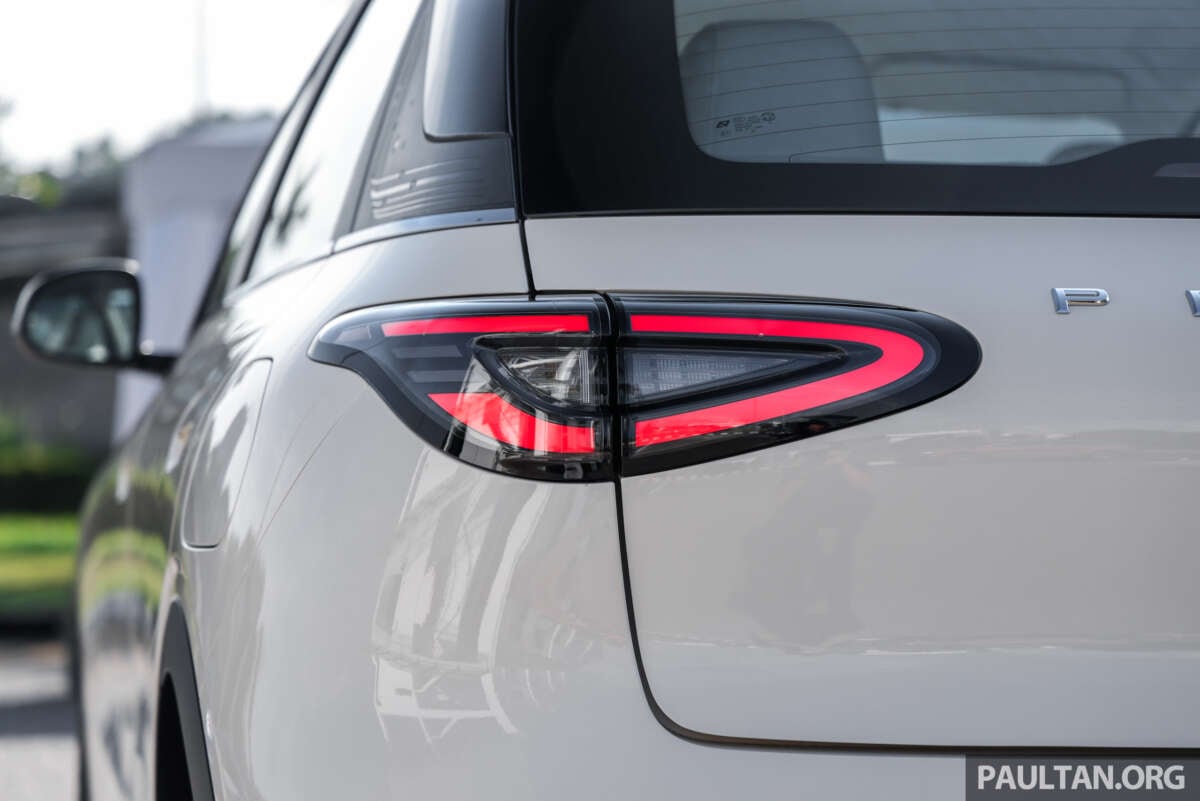
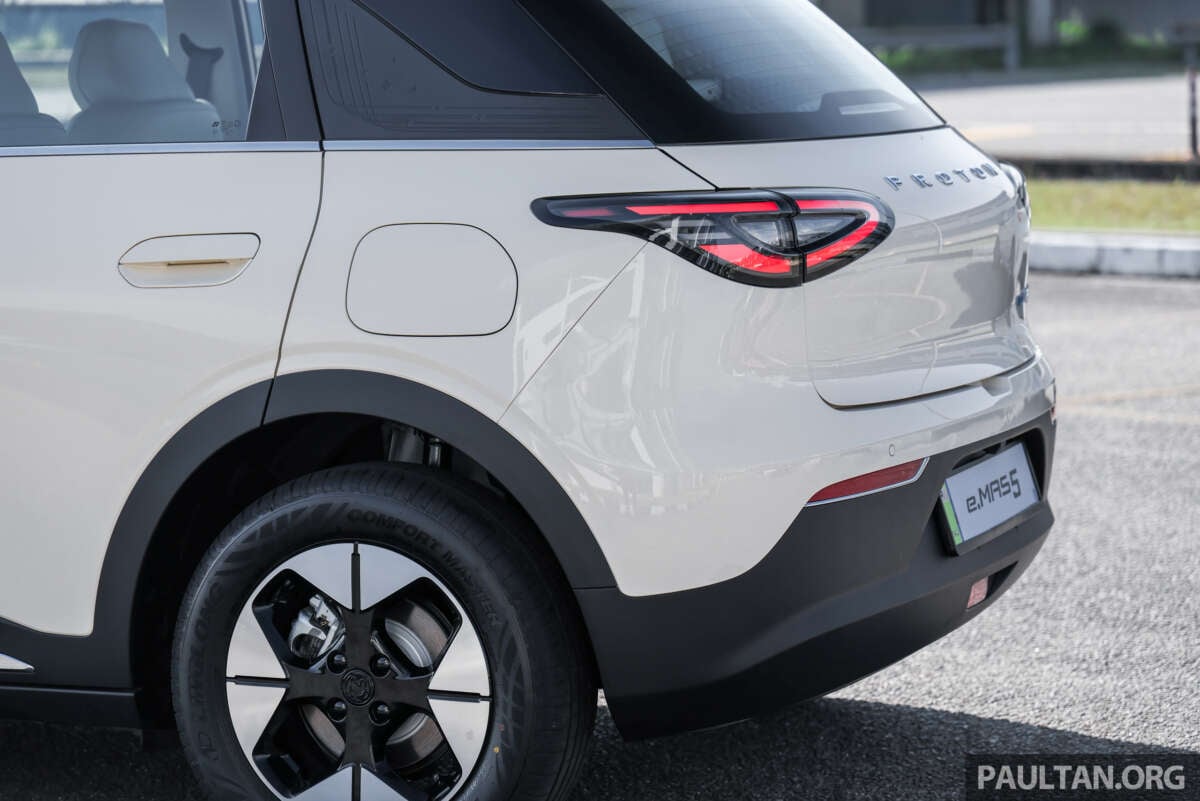
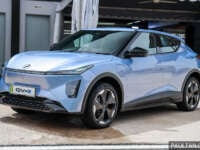
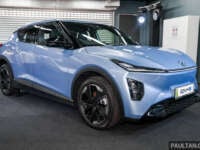
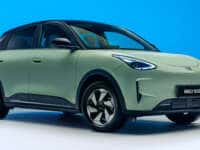
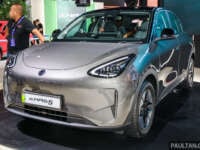
There’s no denying that in terms of showroom appeal, the QV-E has the measure of the eMas 5, at least where the exterior is concerned. Whereas the Proton’s jellybean shape is a common sight these days, the Perodua cuts a fine figure with its sharp styling, coupé-like roofline and hidden rear door handles. If sportiness is what you’re looking for, it’s not even a contest.
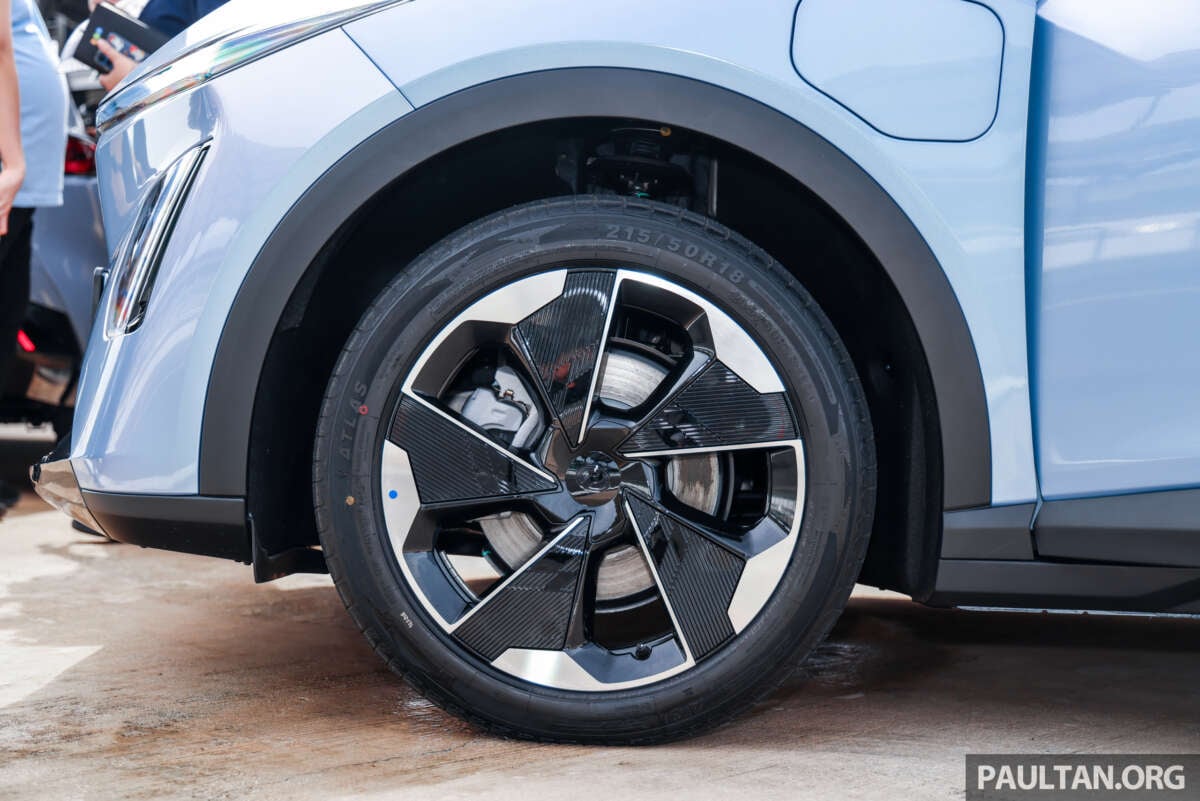
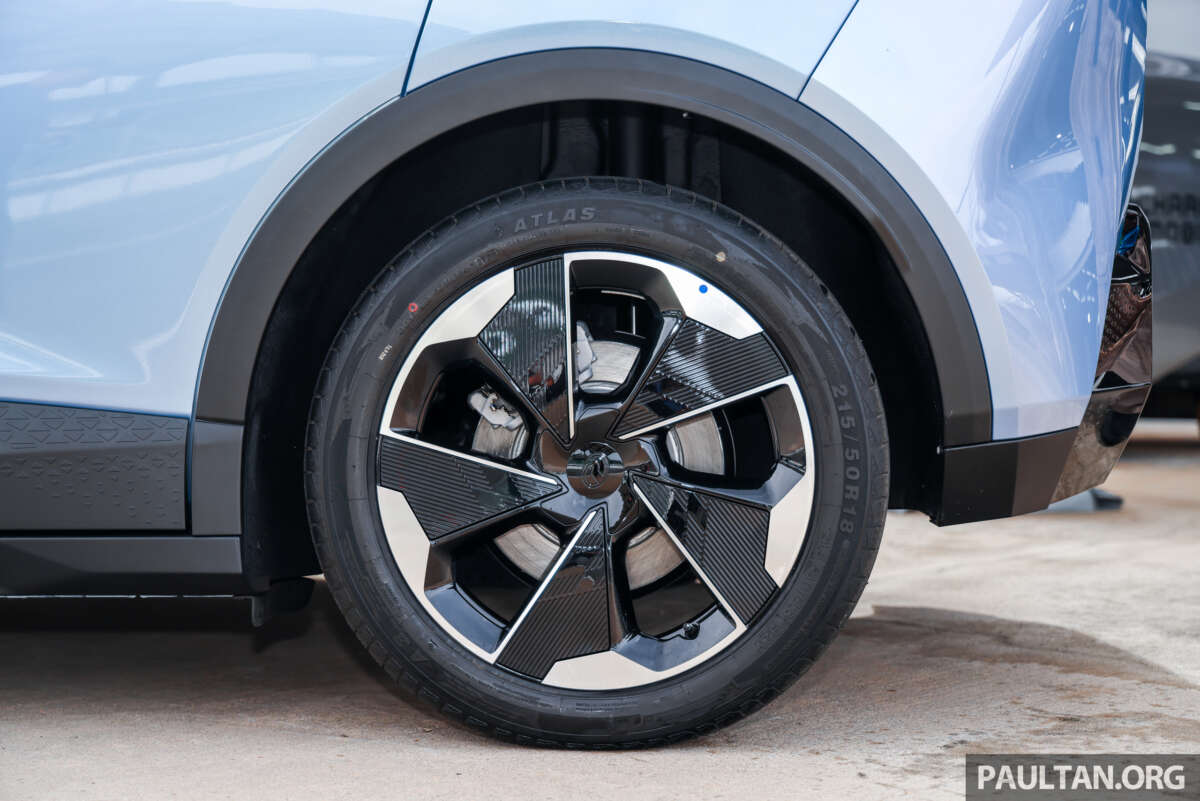
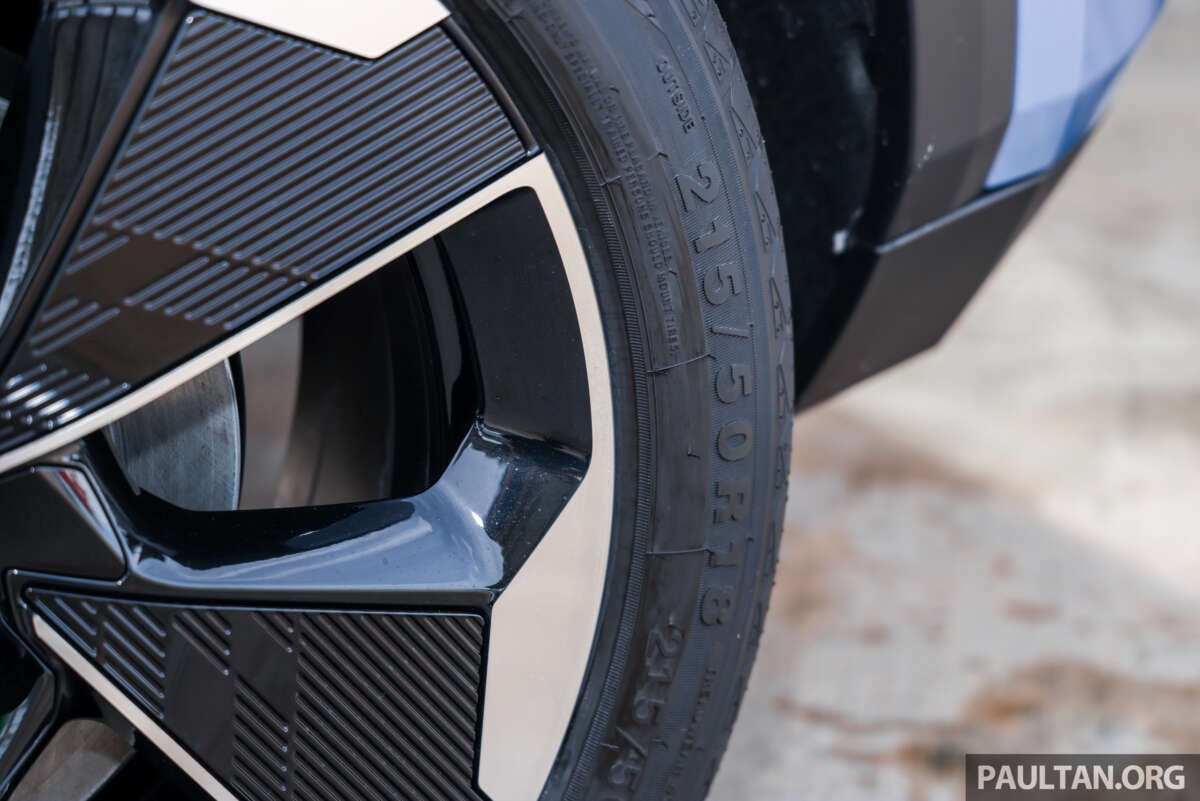
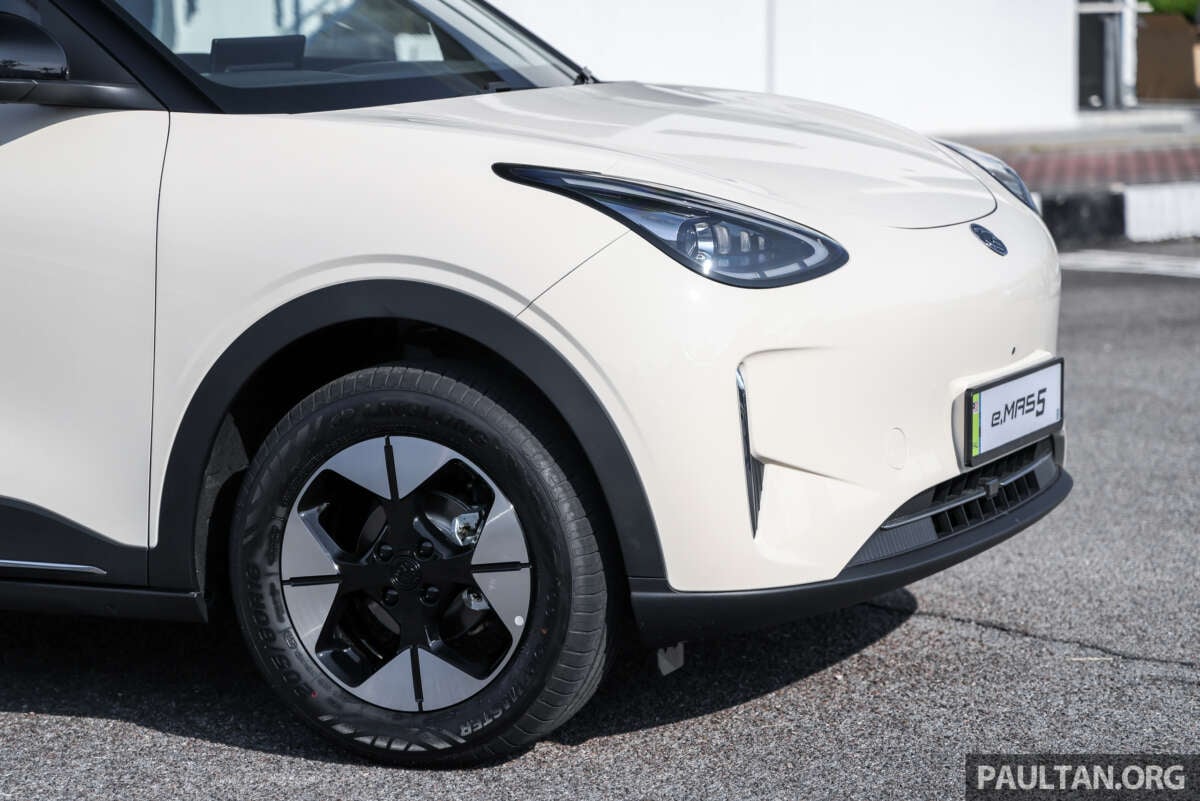
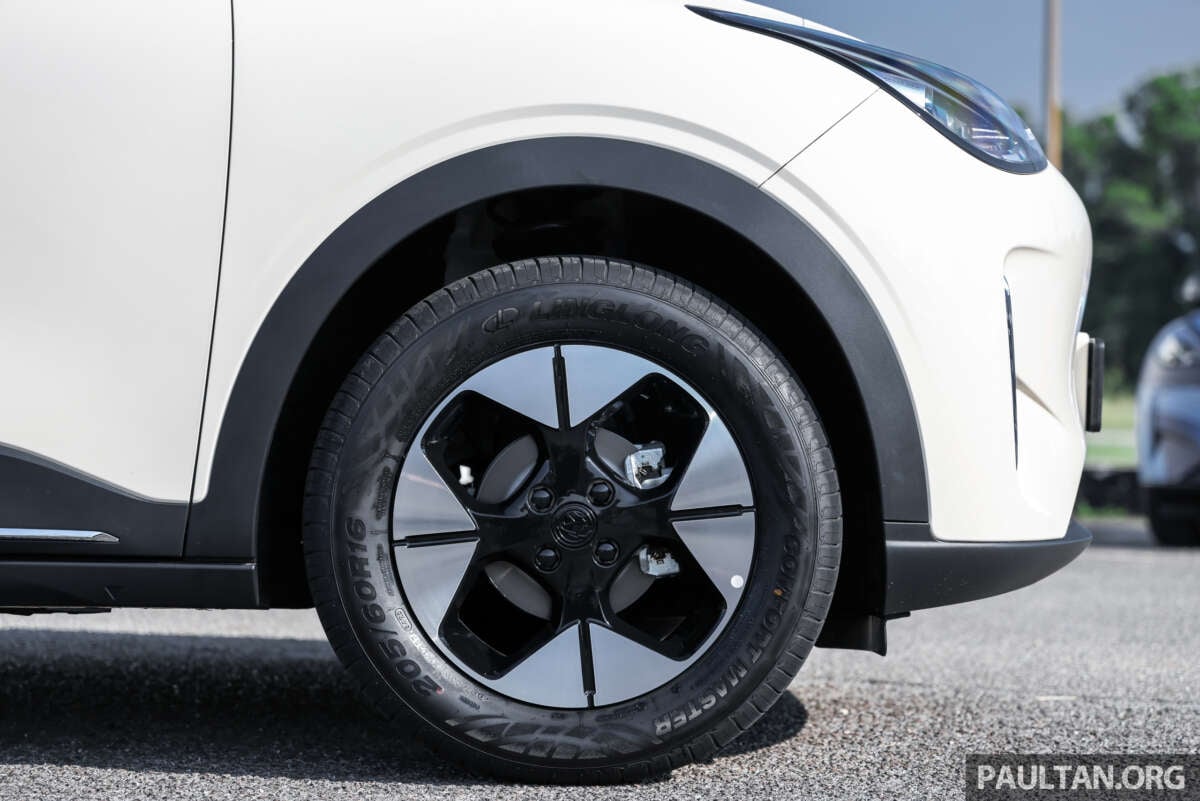
We can’t say which design approach works best for you – cutesy with bright colours, or jutting and aggressive – but to us the QV-E is certainly the looker of the two. Its kerb appeal is bolstered by the fact that it rolls on stylish 18-inch alloy wheels that are two inches bigger than the castors on the eMas 5.
Both cars are shod with sub-par Chinese budget tyres – Atlas A3 on the QV-E, Linglong Comfort Master on the eMas 5. And if you’re looking to replace them with premium rubber from the get-go, as we would recommend, the Proton’s smaller tyre size means it’ll be much cheaper to replace all four. Both cars feature disc brakes all around and ride on MacPherson strut suspension at the front; the QV-E gets a simple torsion beam at the rear, while the eMas 5 receives a more sophisticated independent multilink setup at the rear.


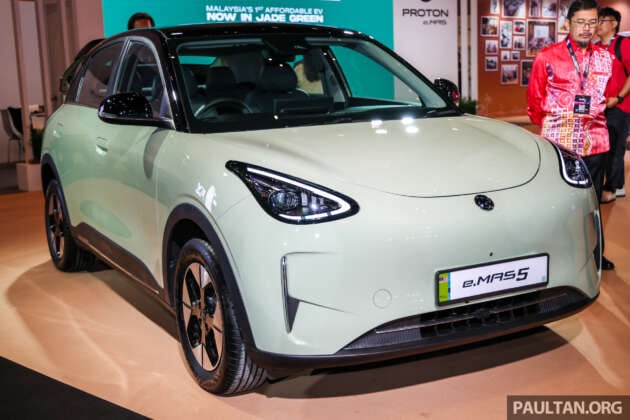
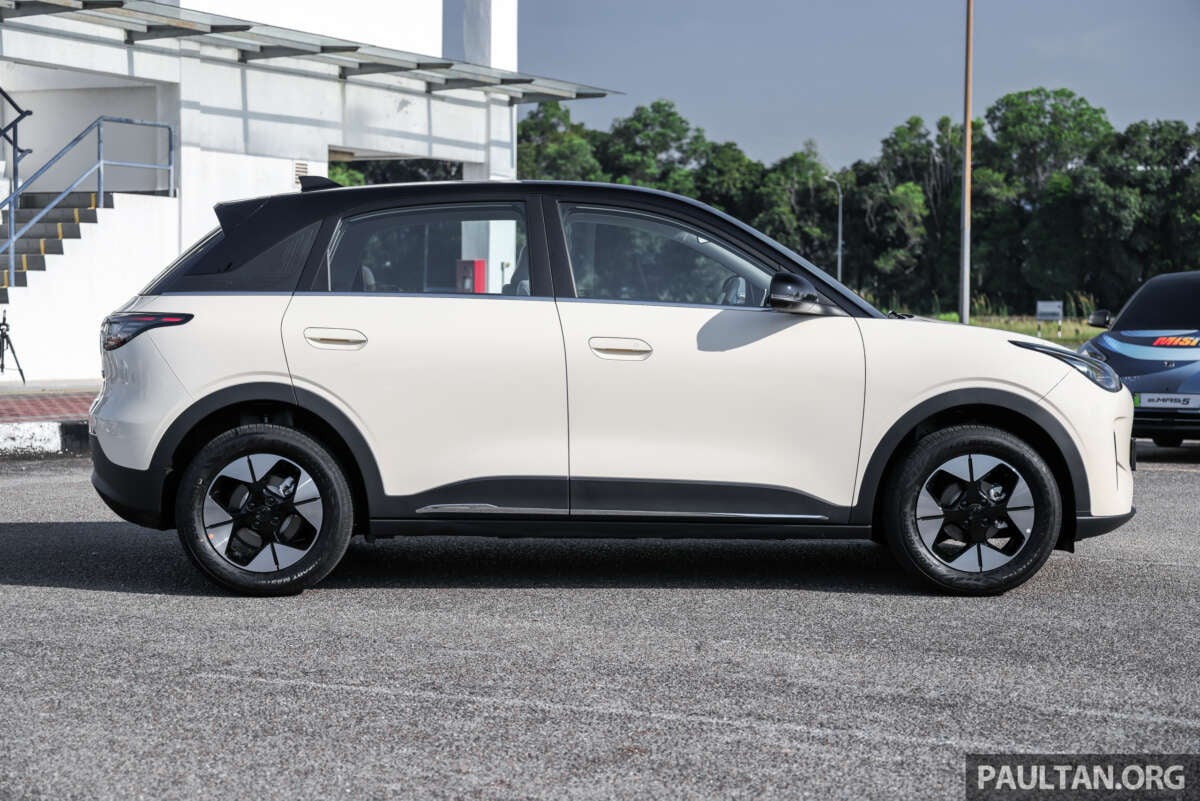
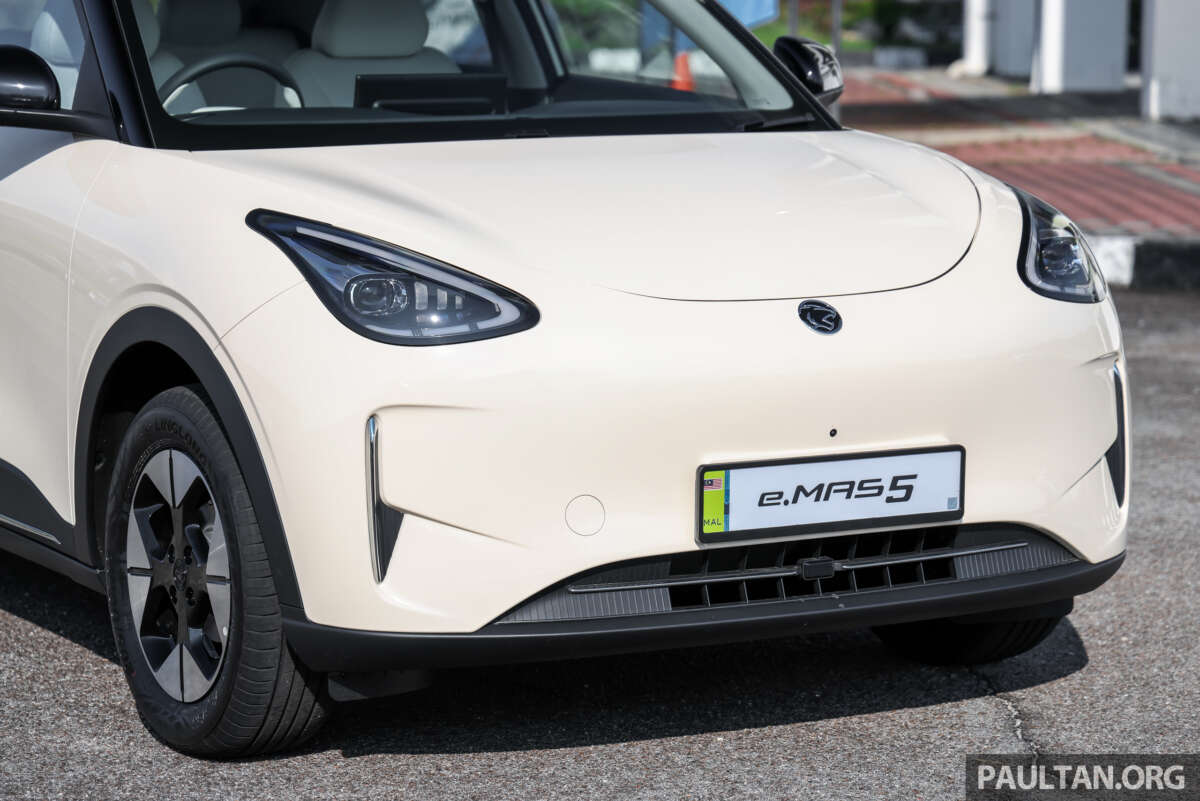
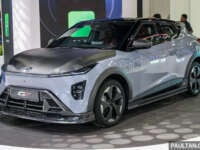
One limitation that hurts the QV-E is the number of colours on offer. There are just two, and both are fairly similar pale-bluish metallic shades – Ice Blue and Caviar Grey. On the other hand, the eMas 5 can be had in a variety of fun hues, including Marble Cream, Quartz Rose and my personal favourite, the recently-introduced Jade Green.
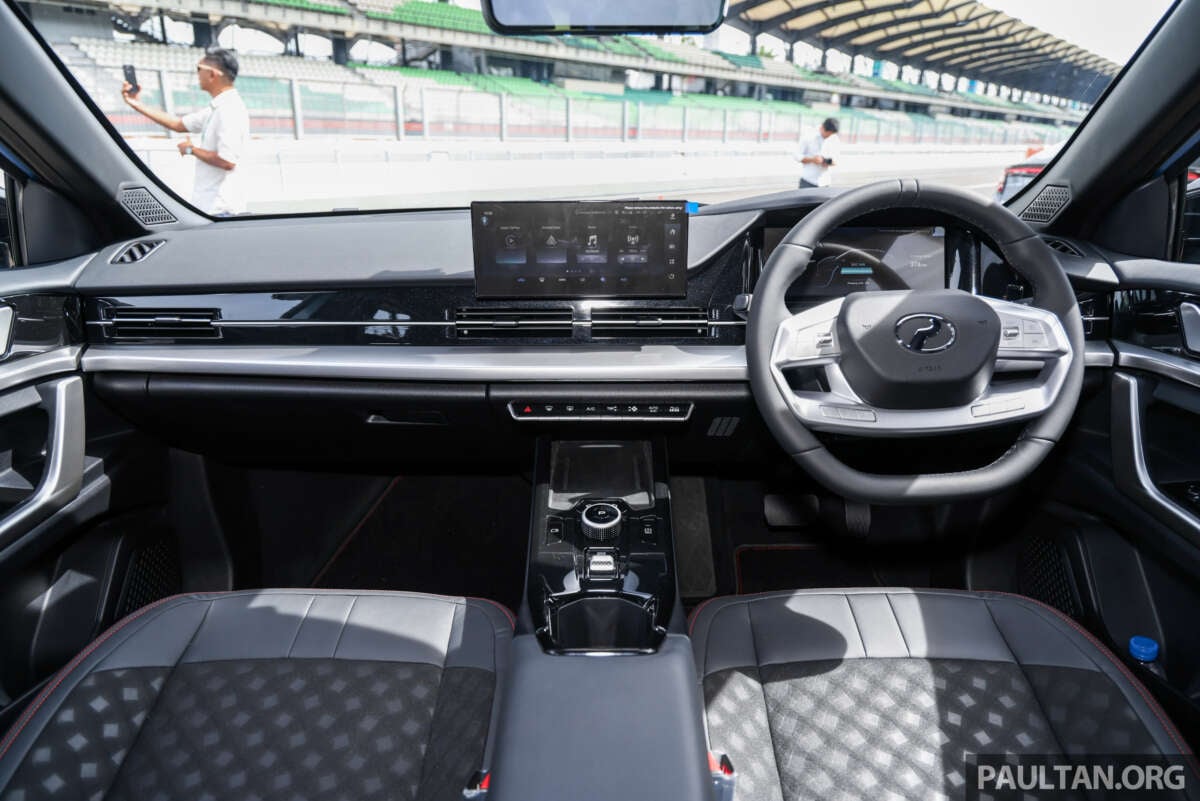
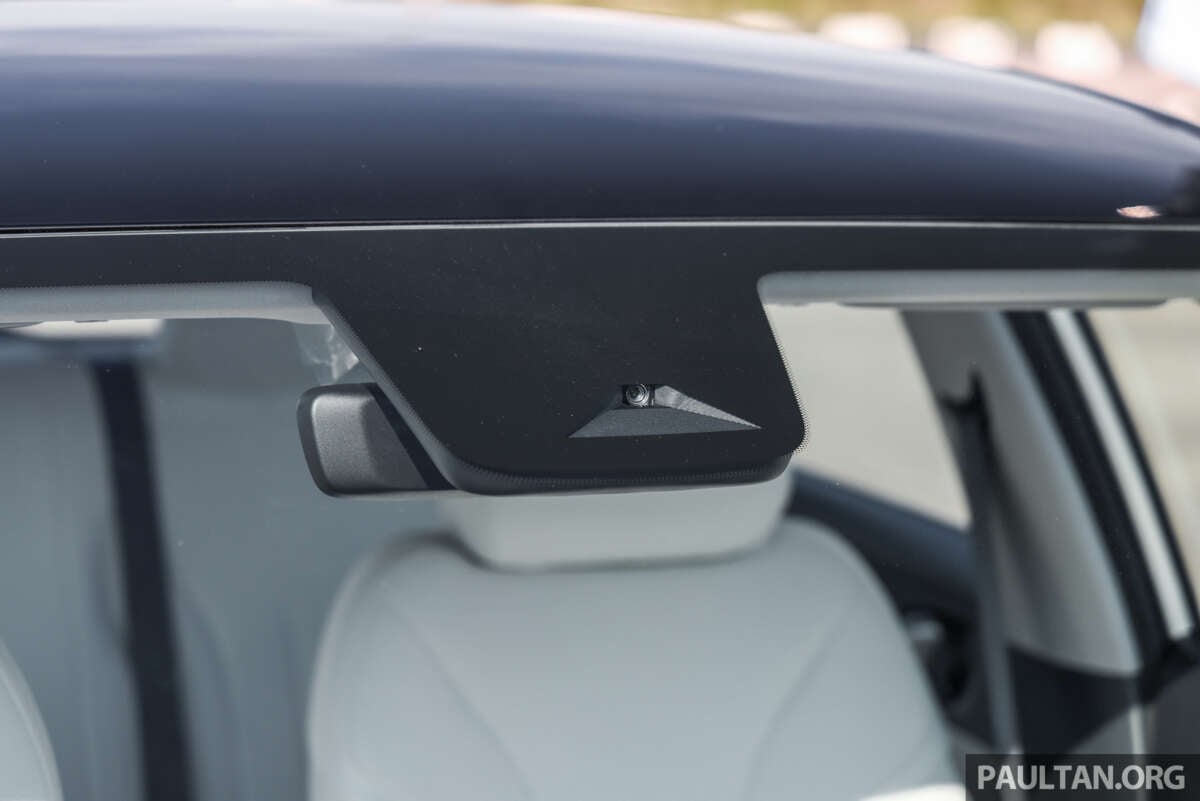
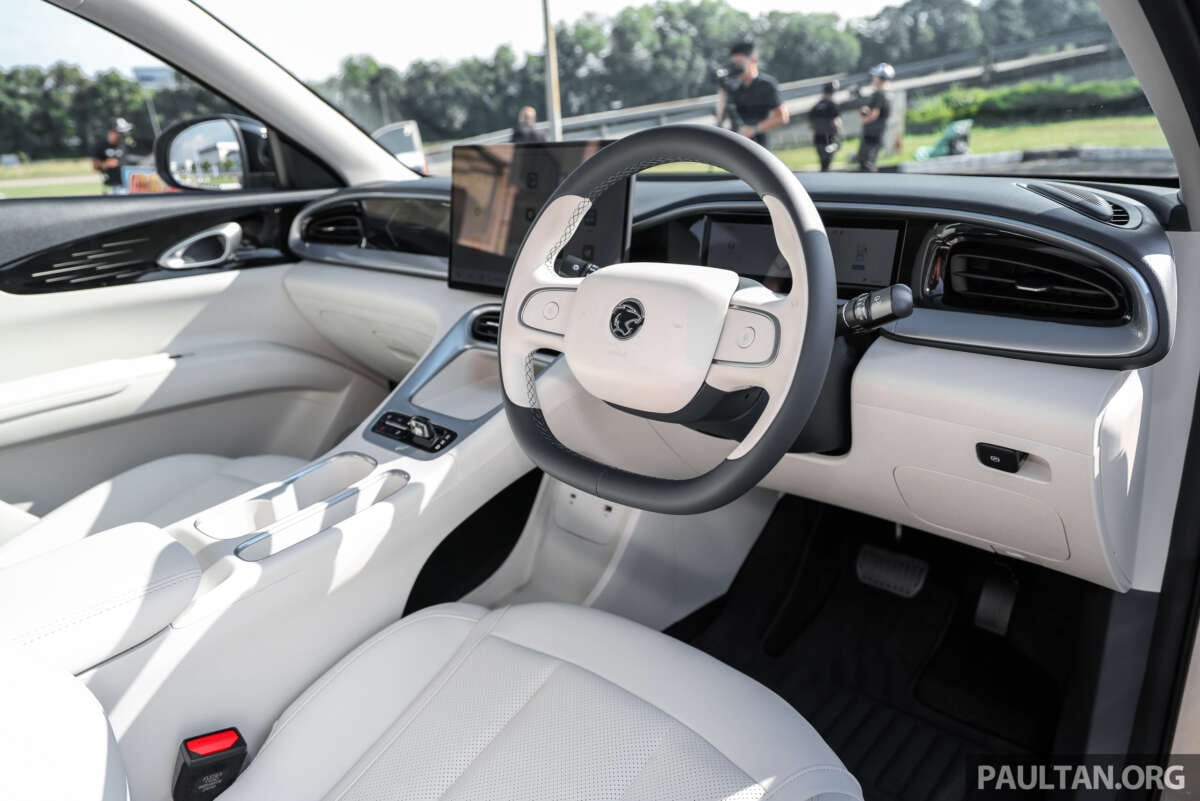
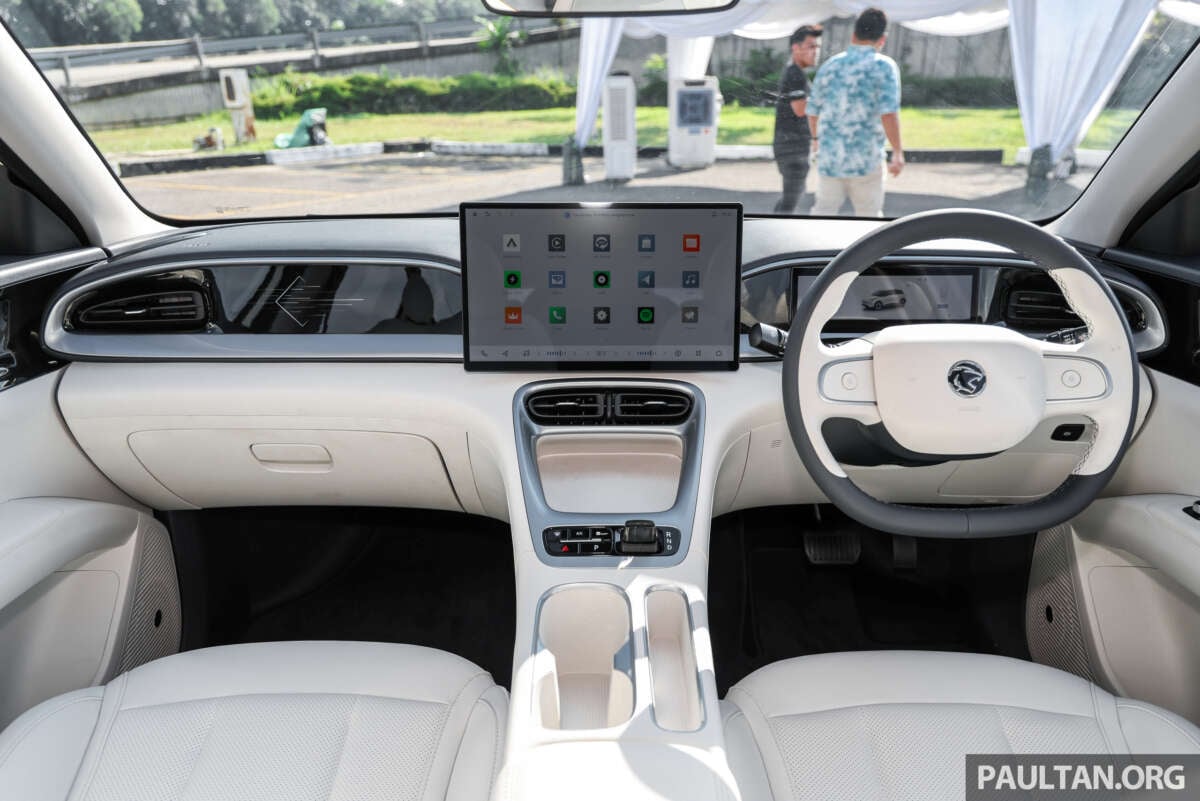
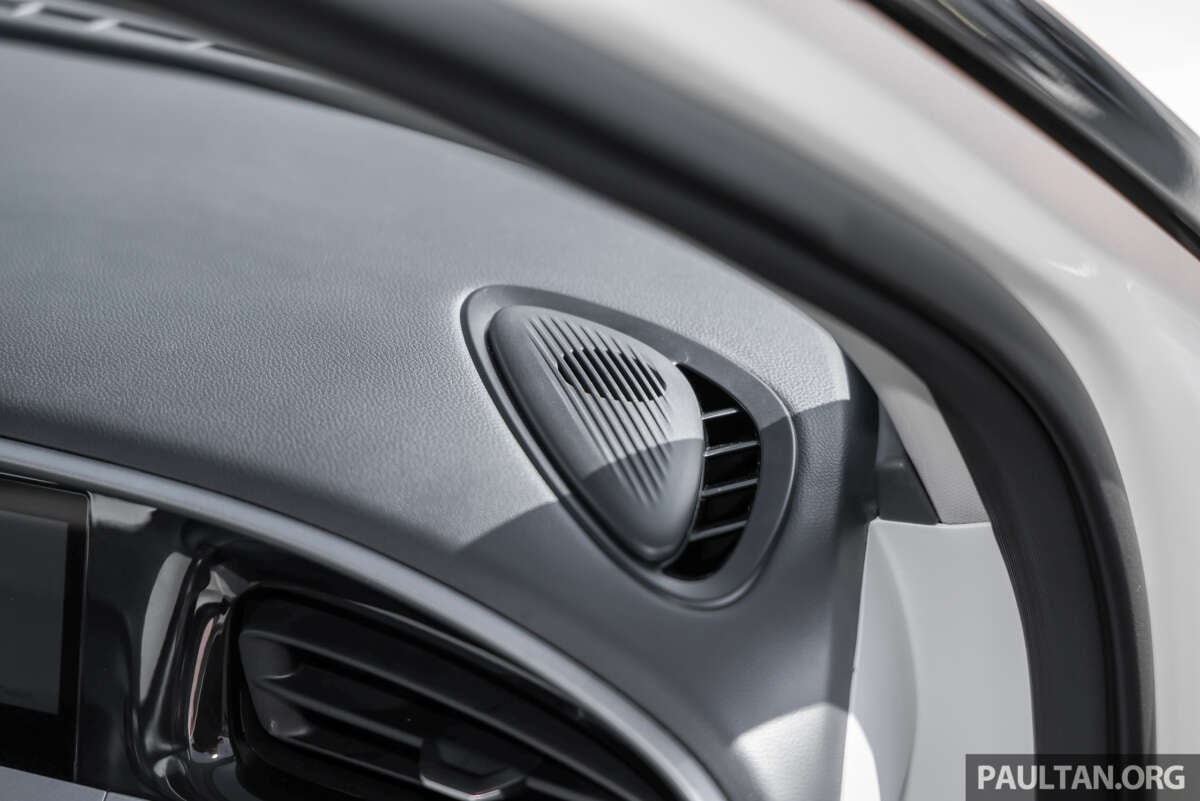
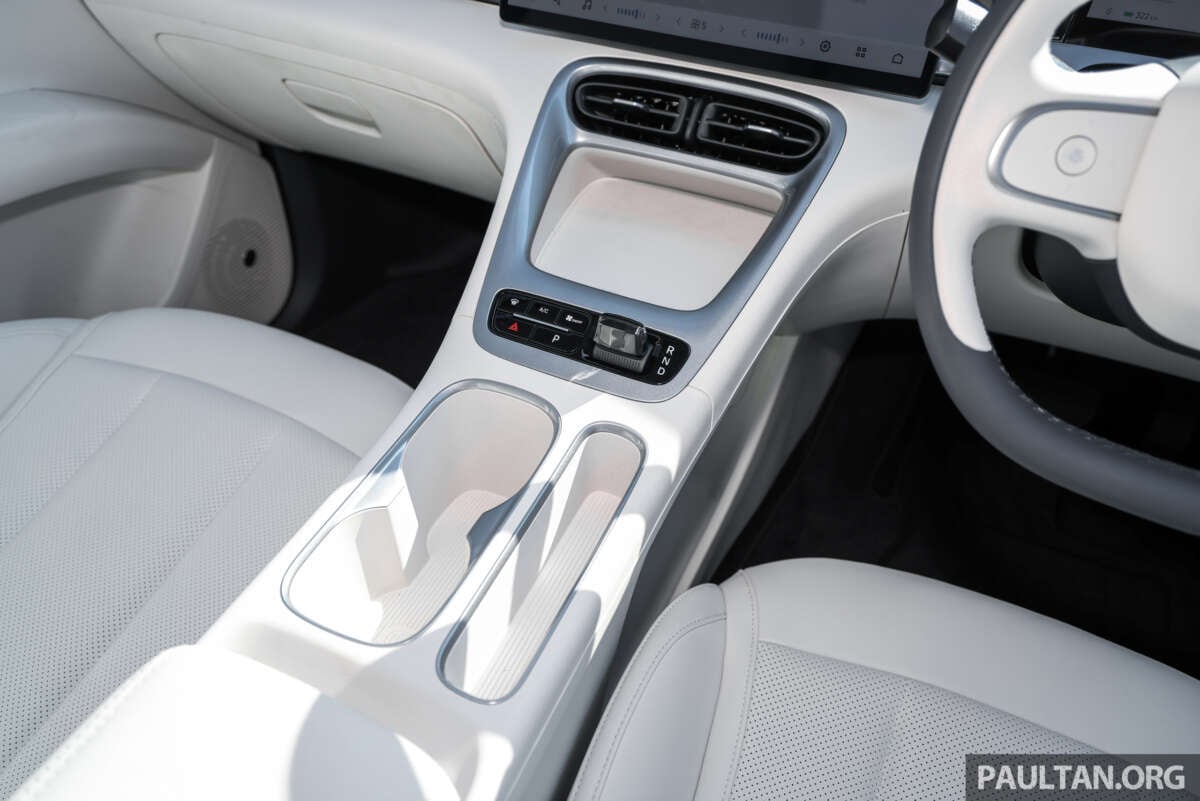
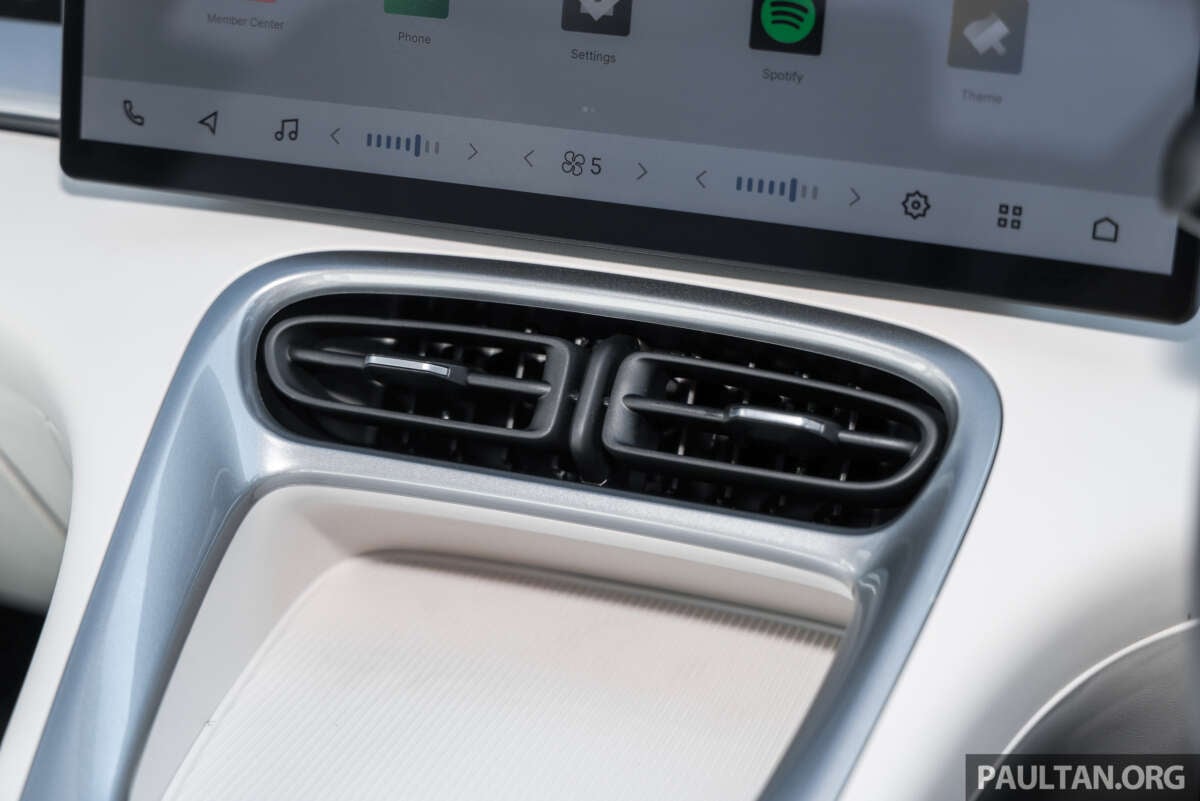
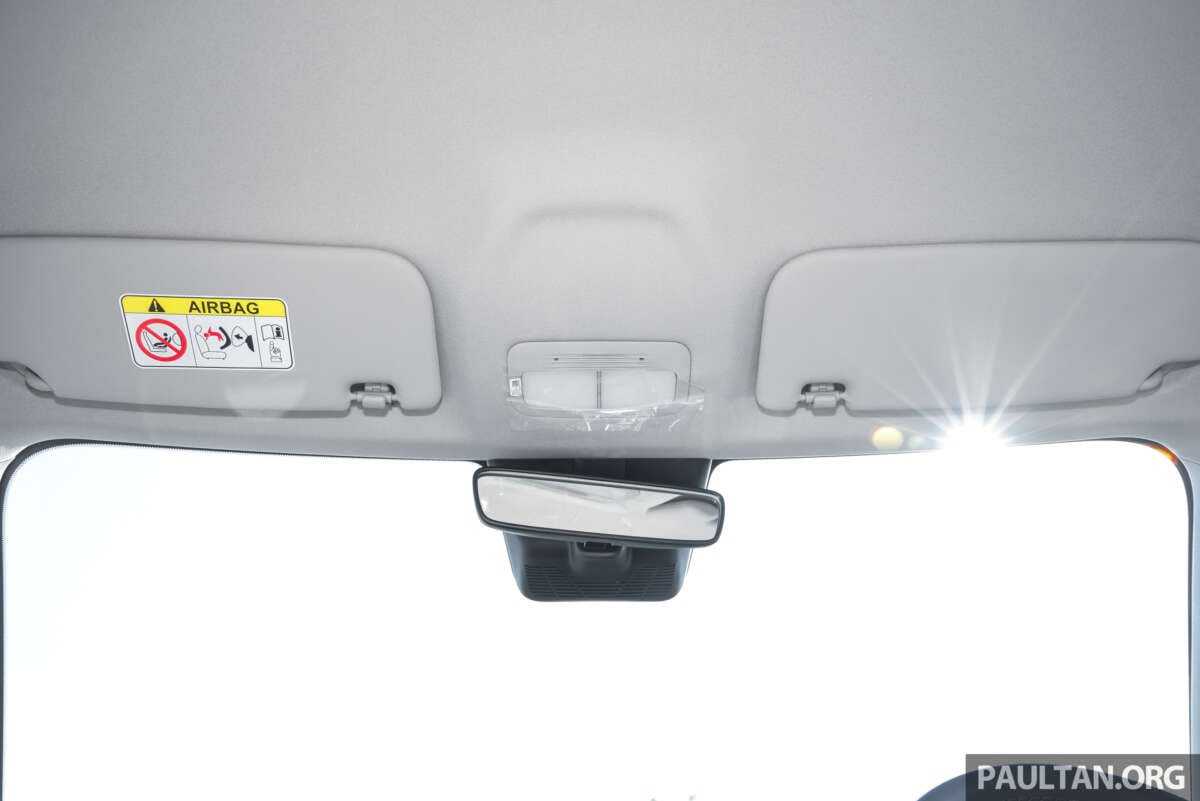
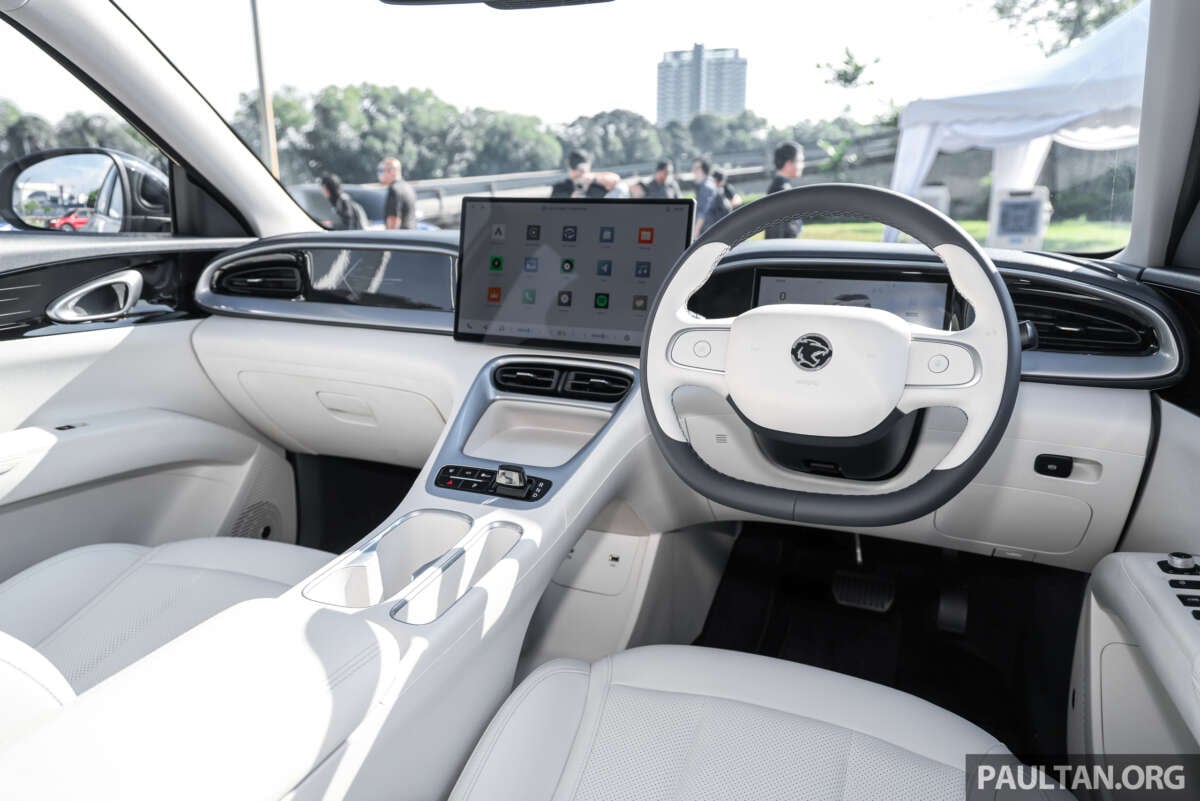
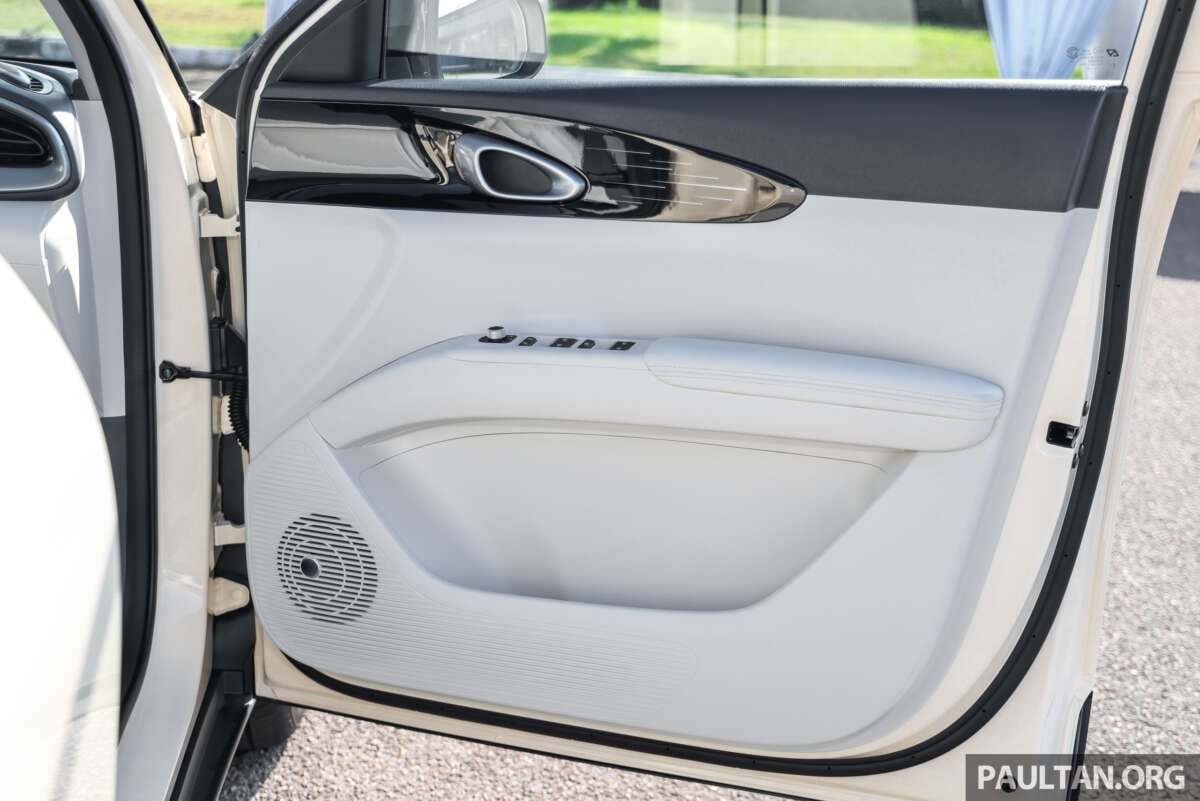
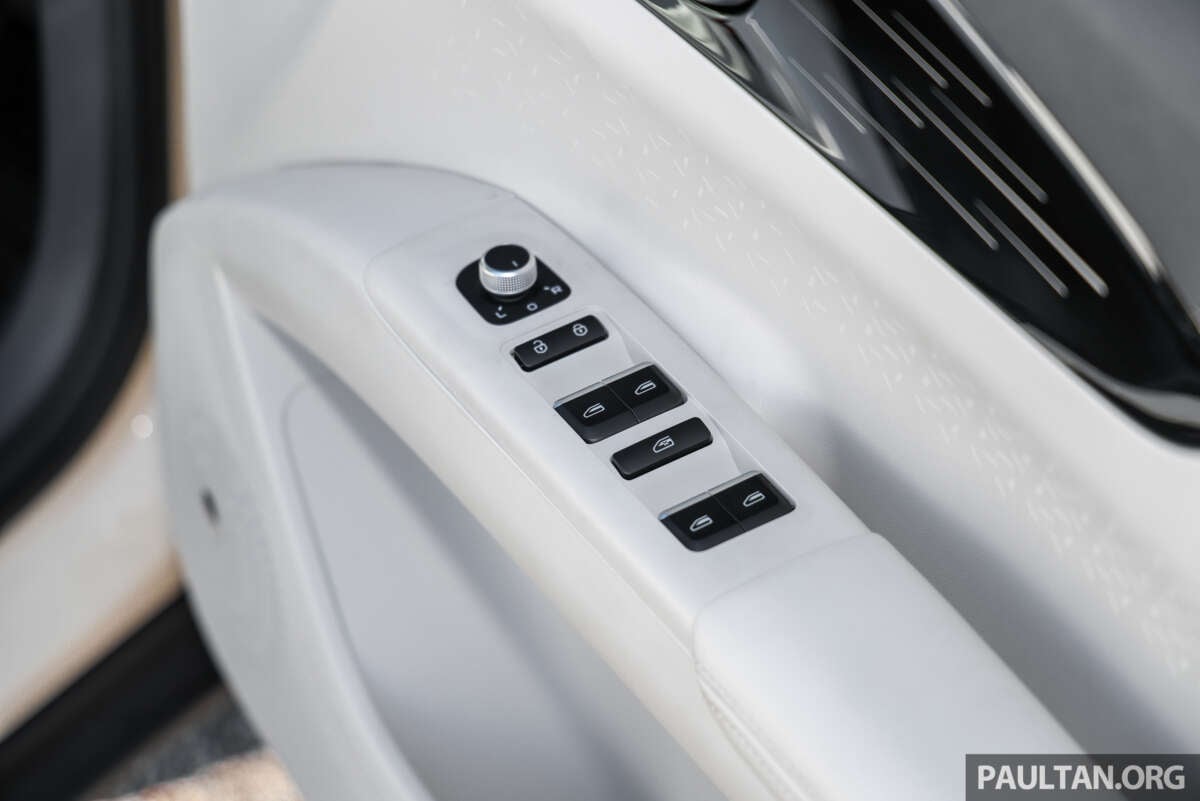
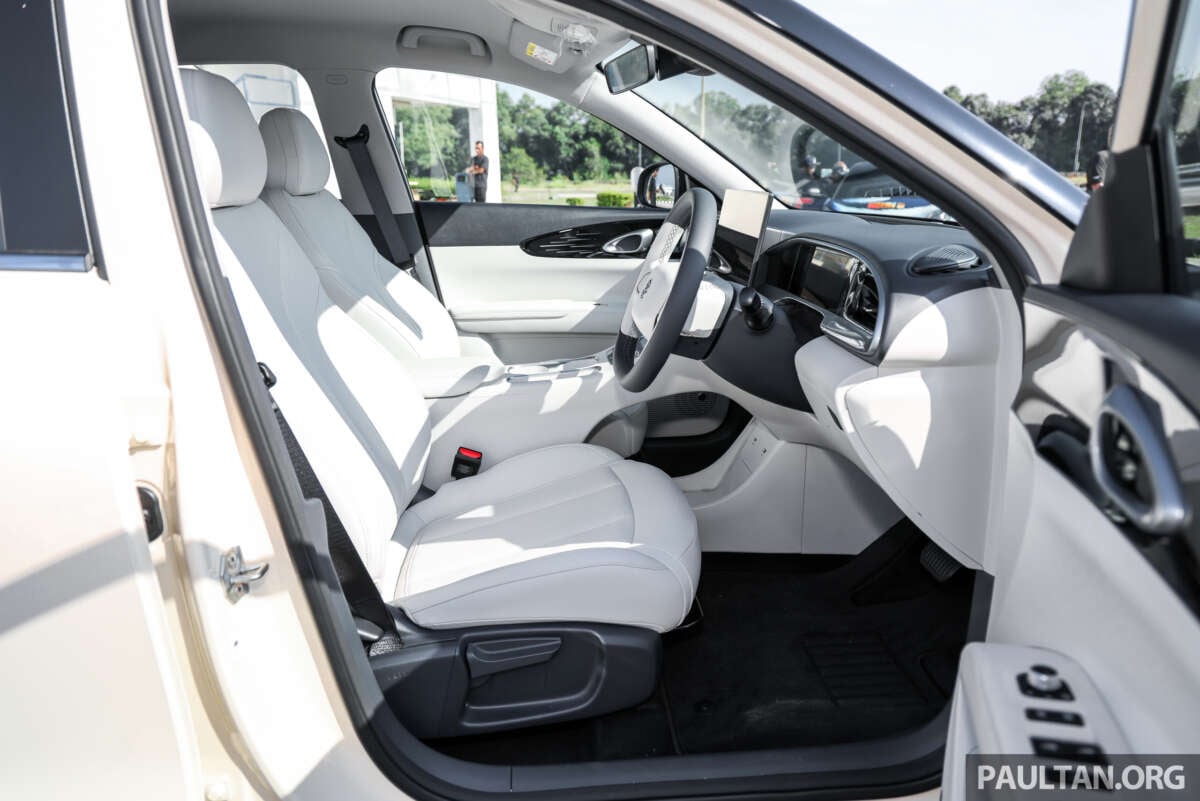
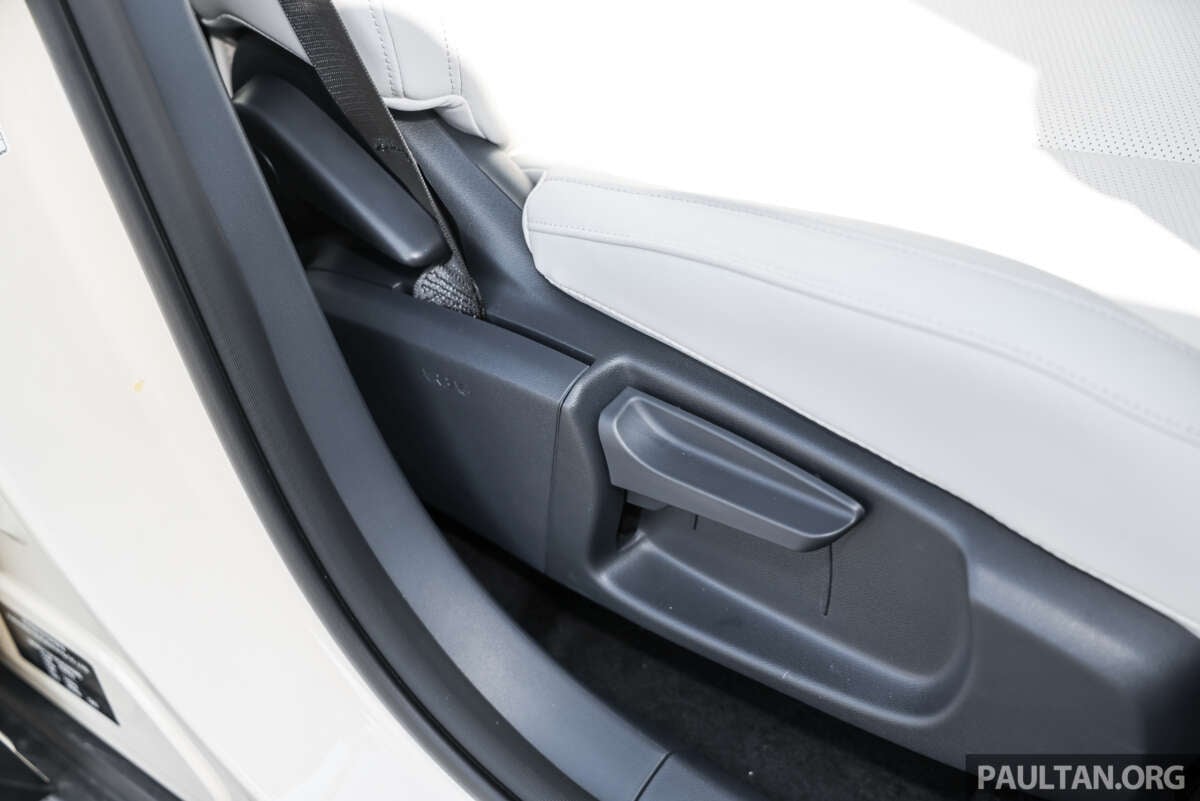
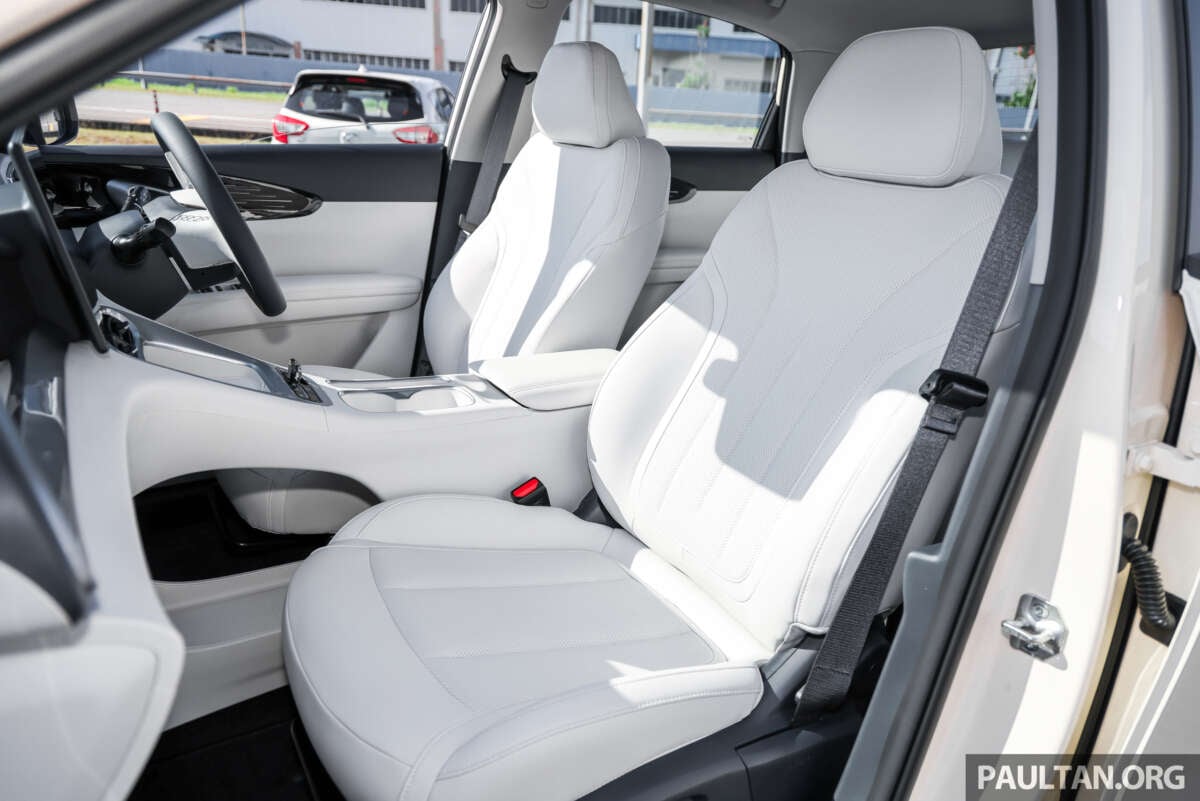
Step inside and at first glance, the QV-E looks to maintain its lead. Its interior features soft-touch materials instead of the hard plastics prevalent in the eMas 5, and it comes with such niceties as a powered driver’s seat and even a digital rear-view mirror.
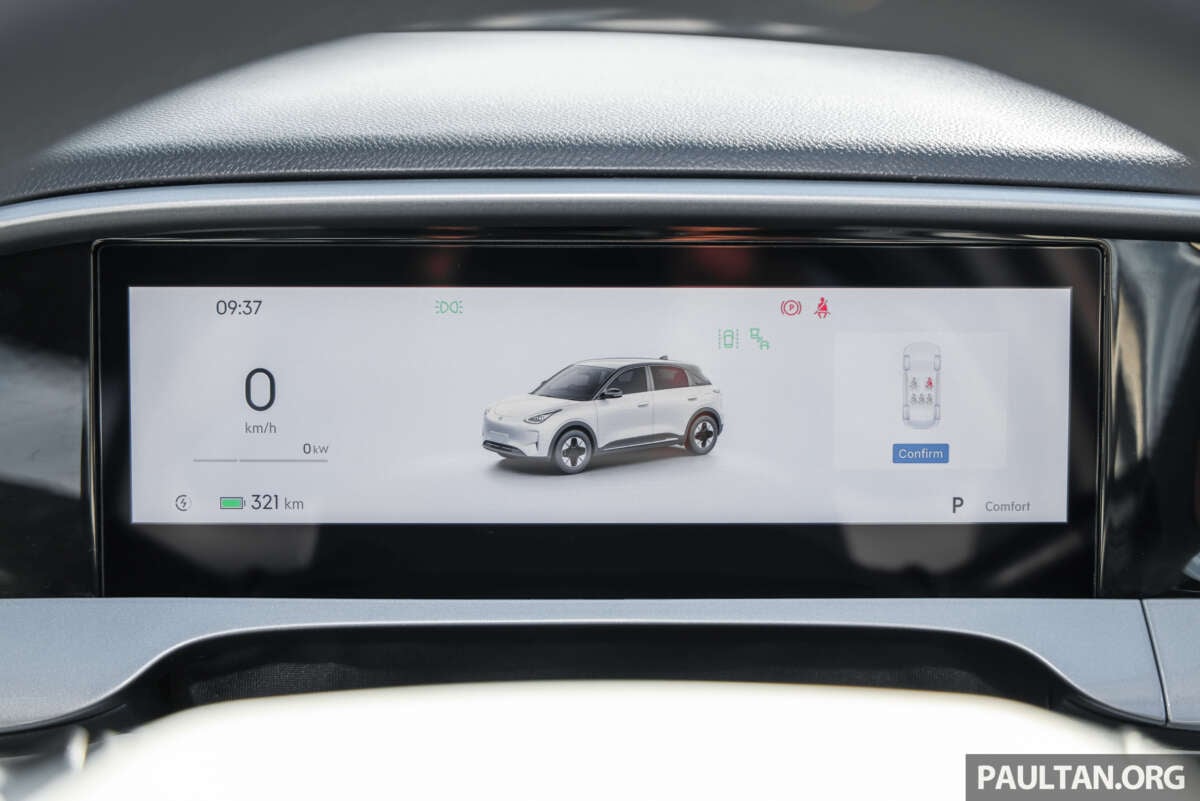
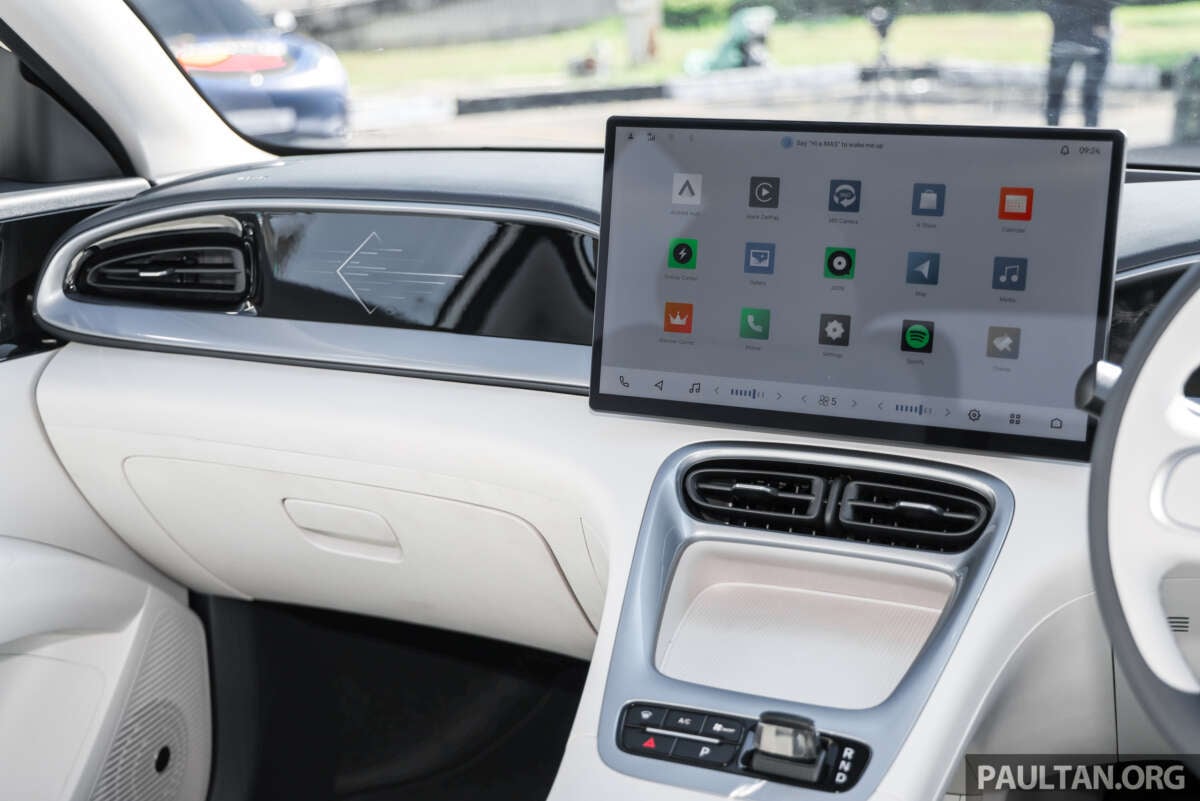
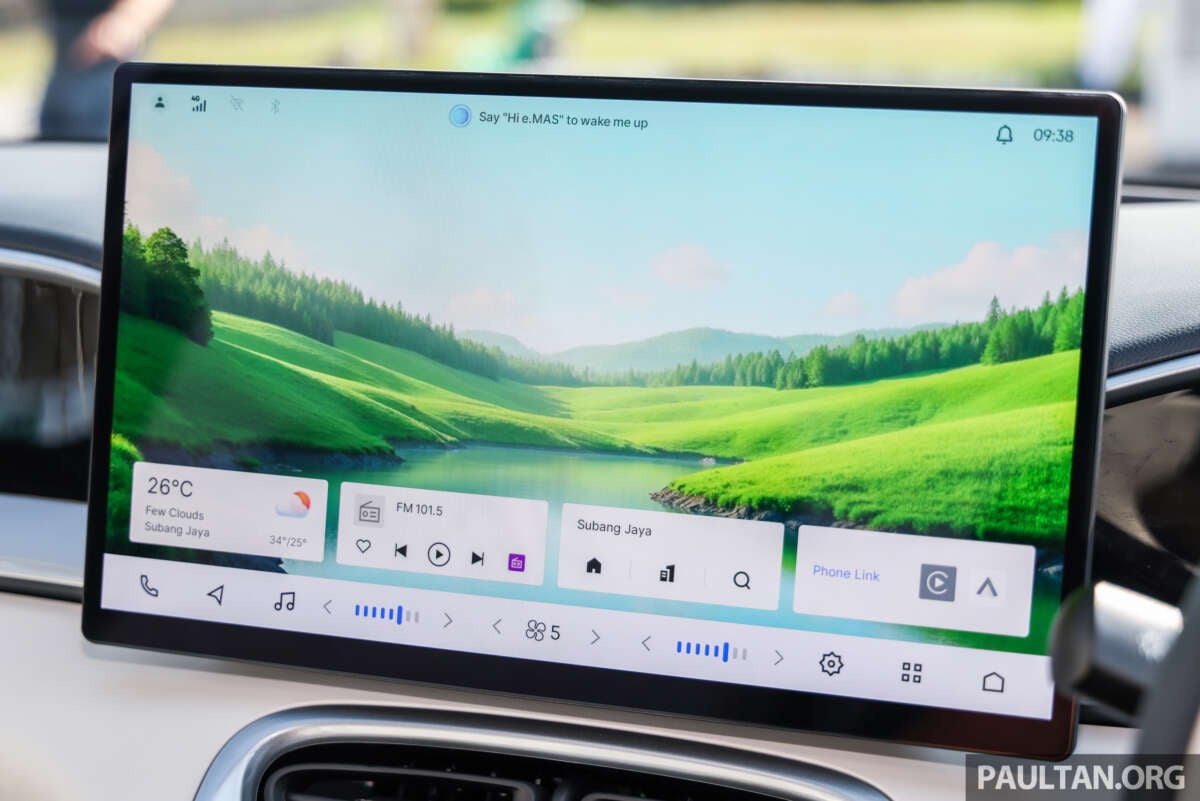
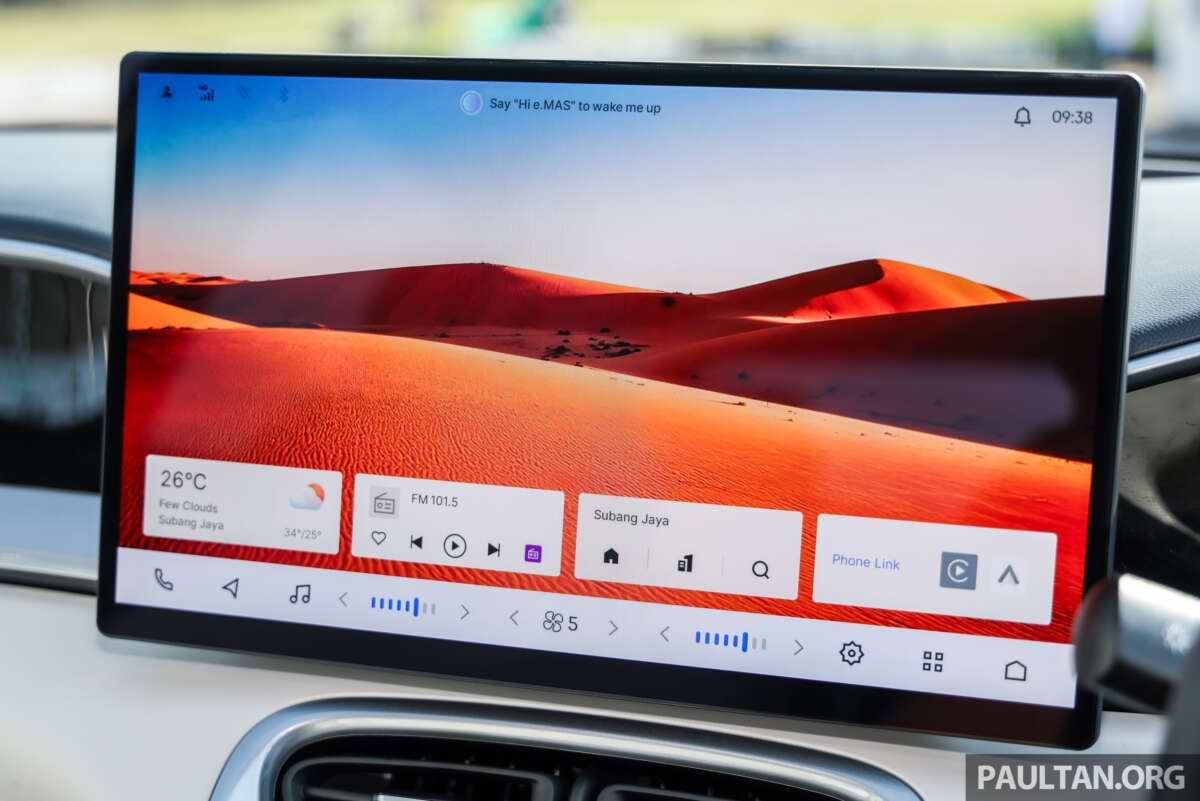
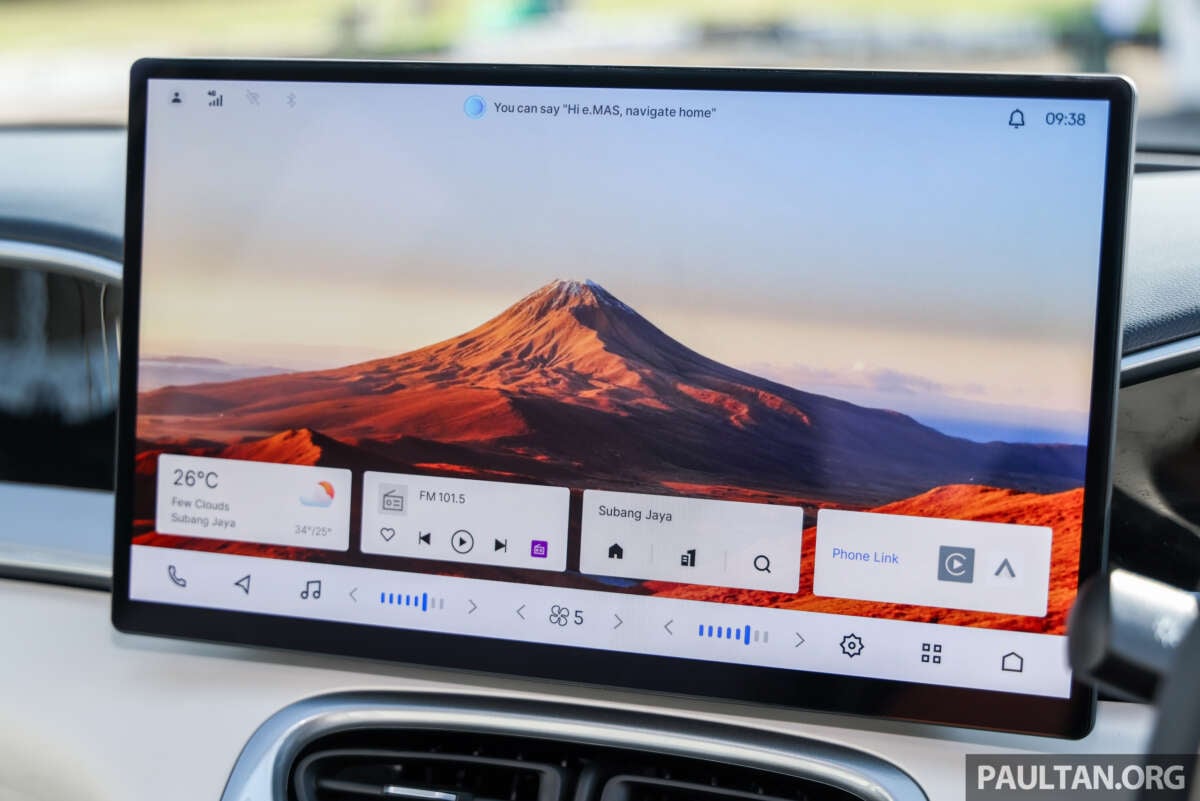
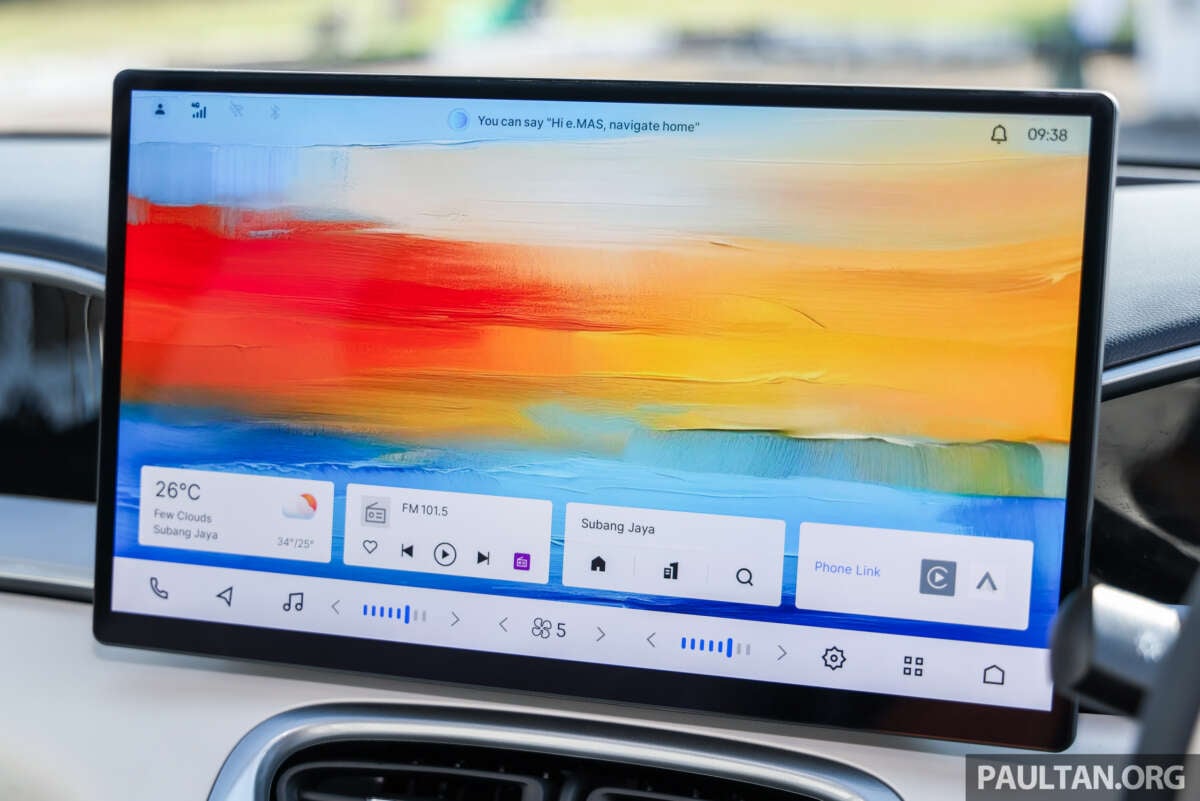
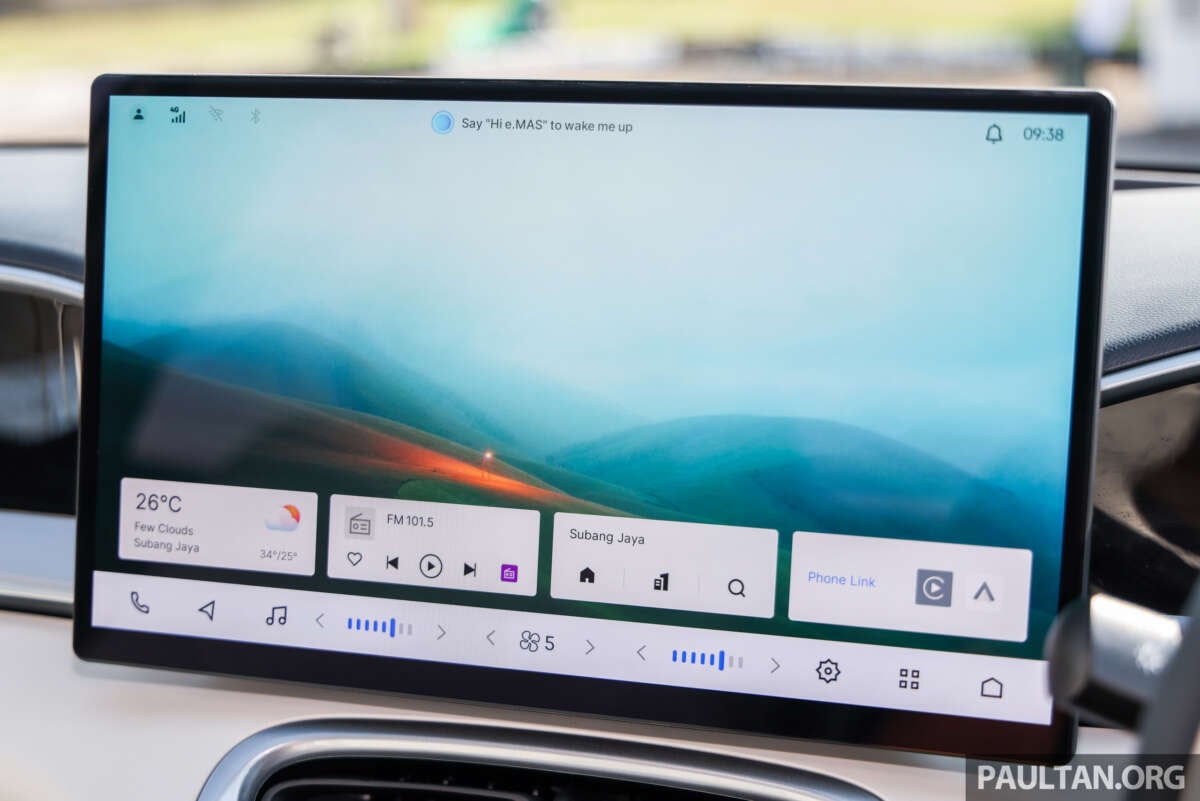
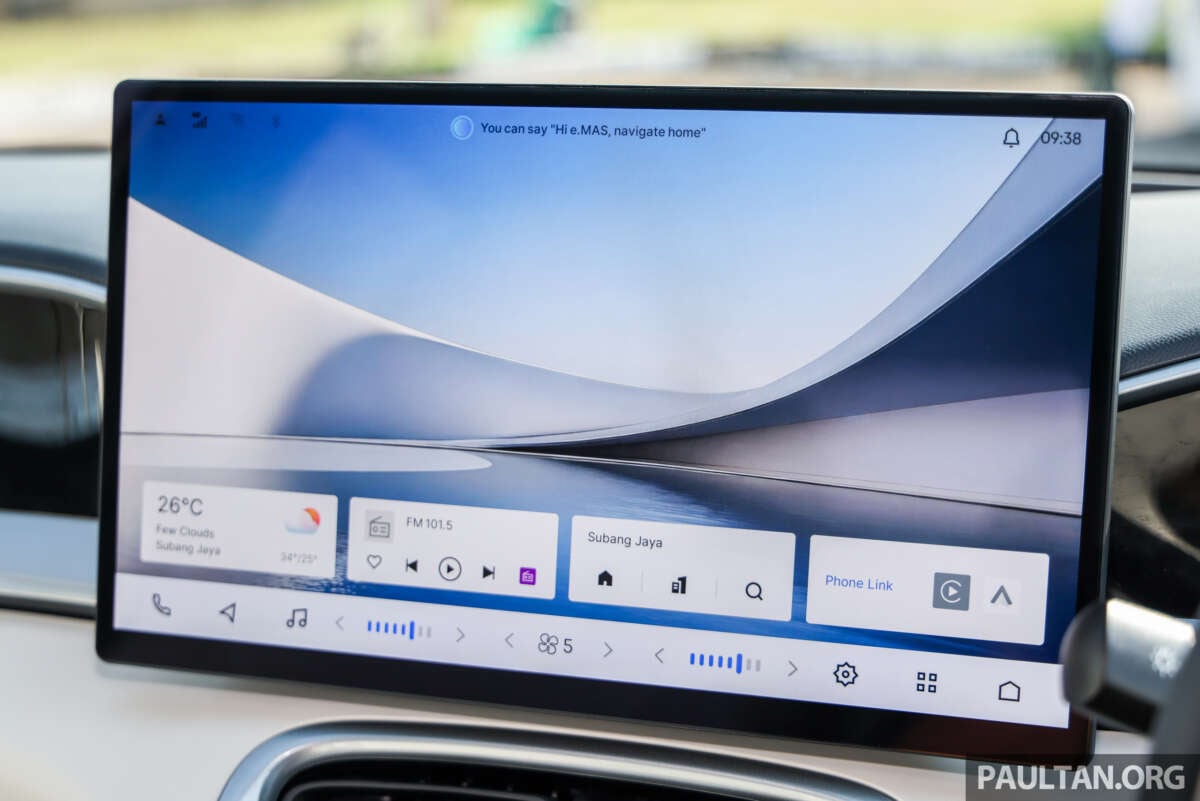
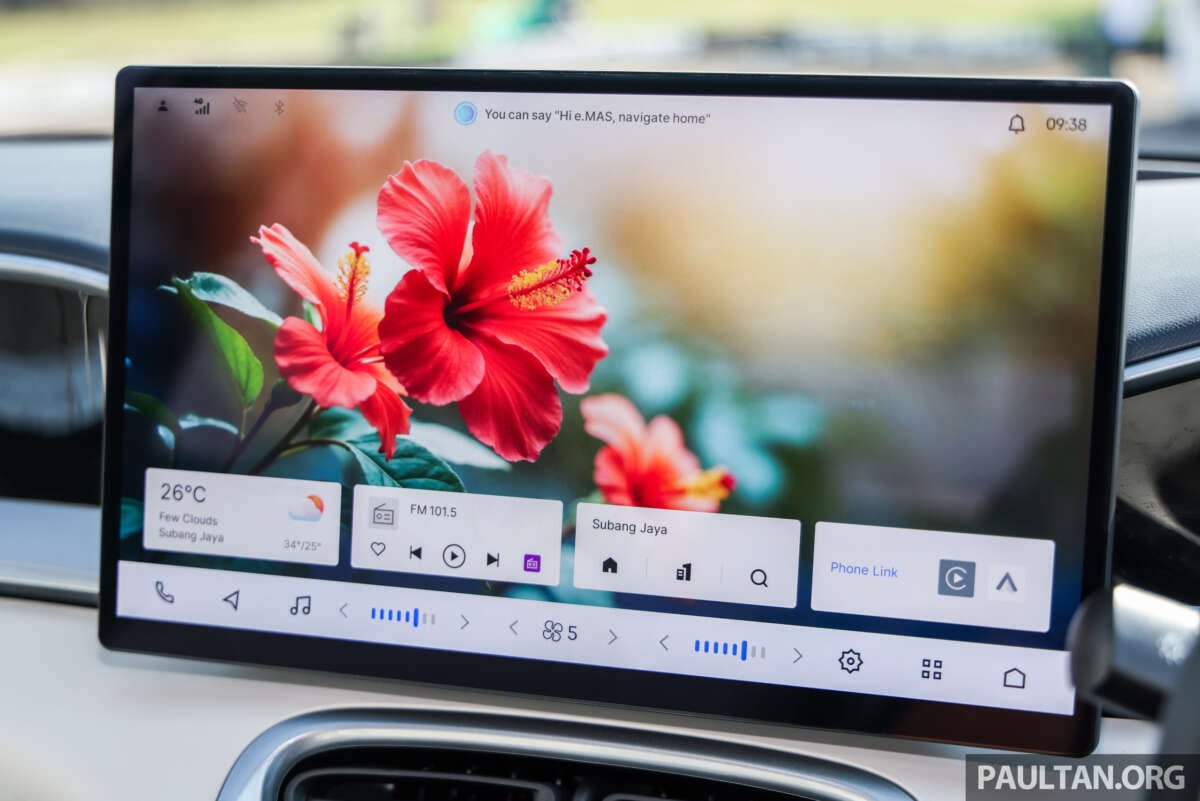
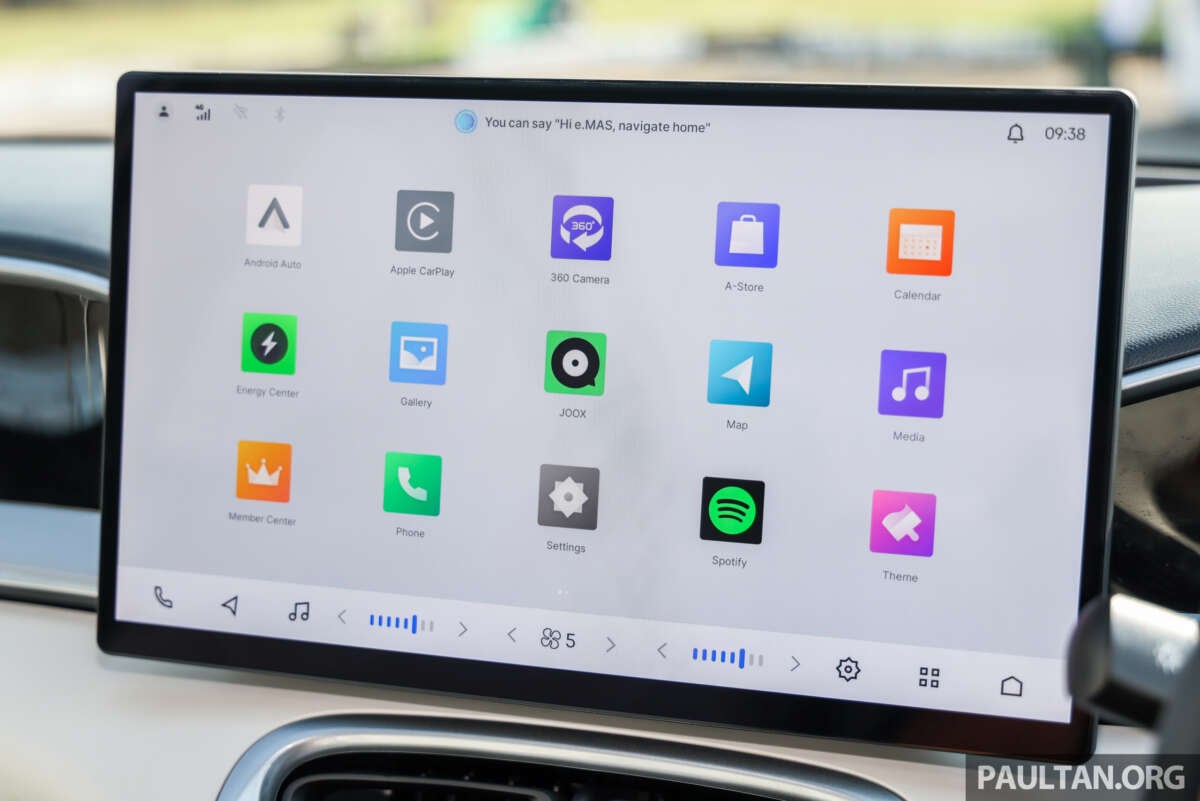
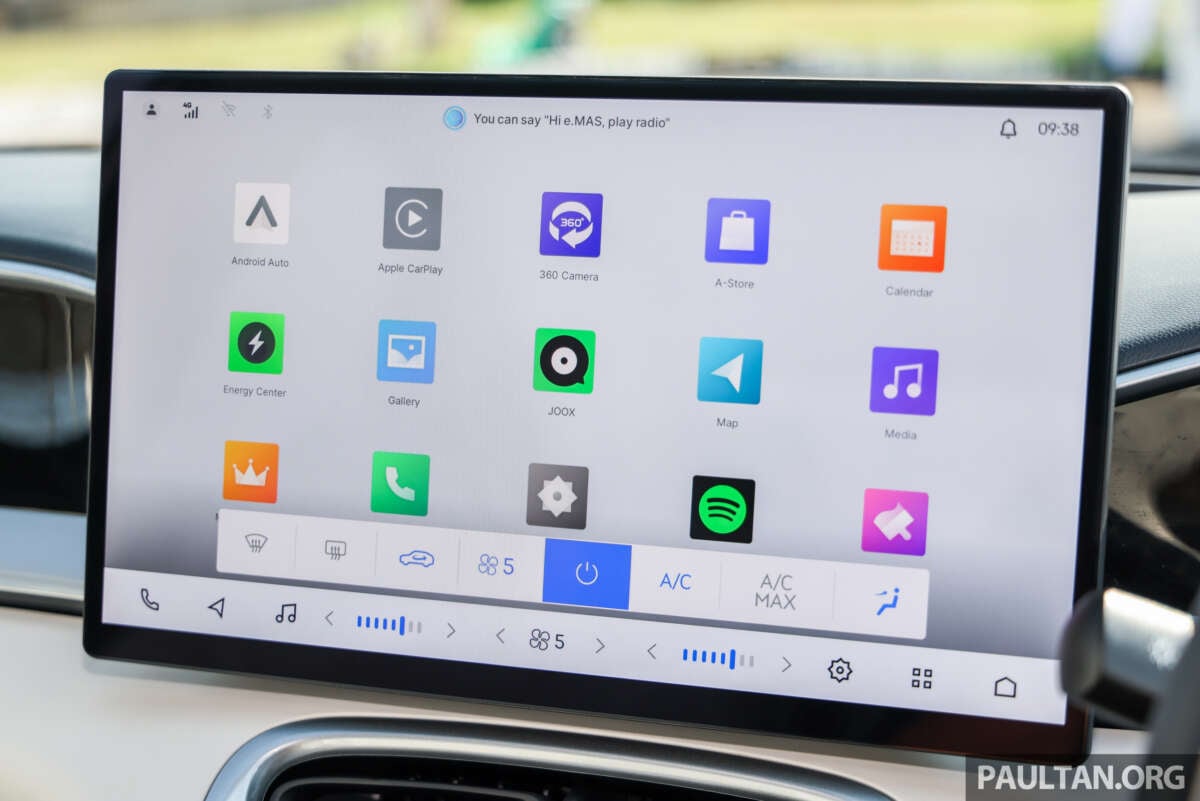
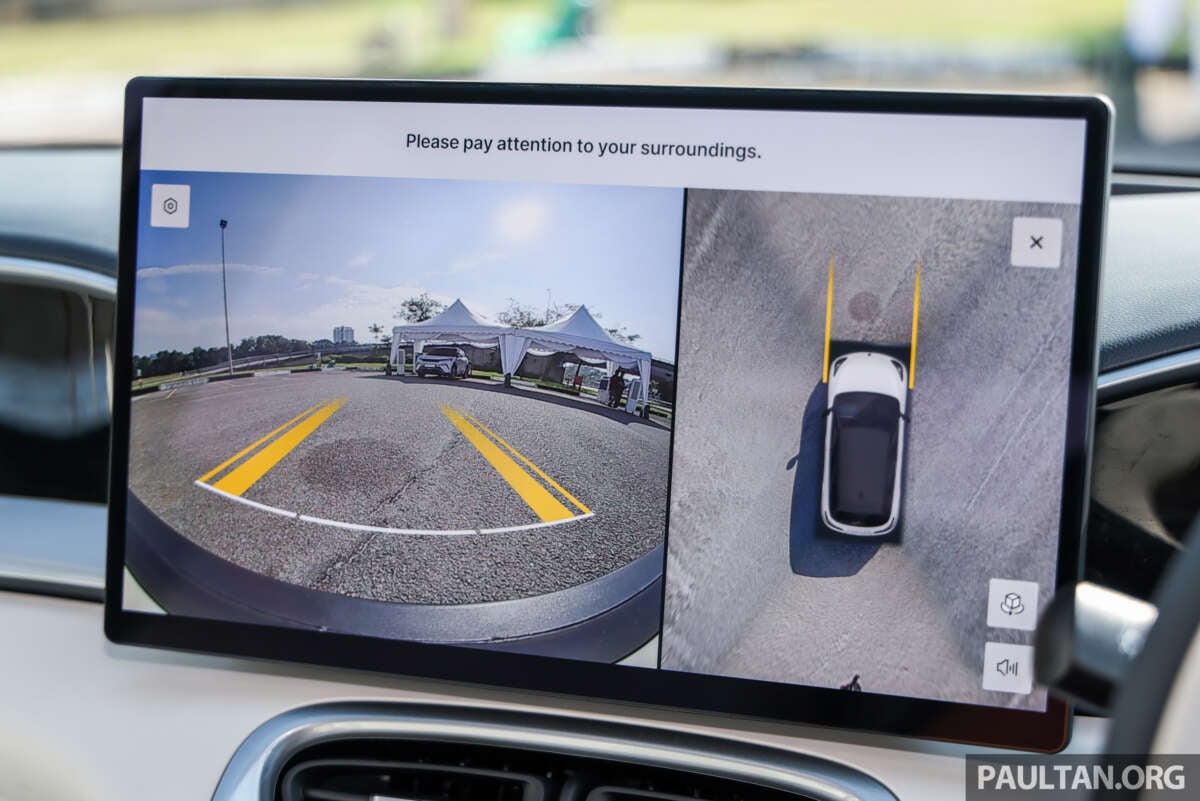
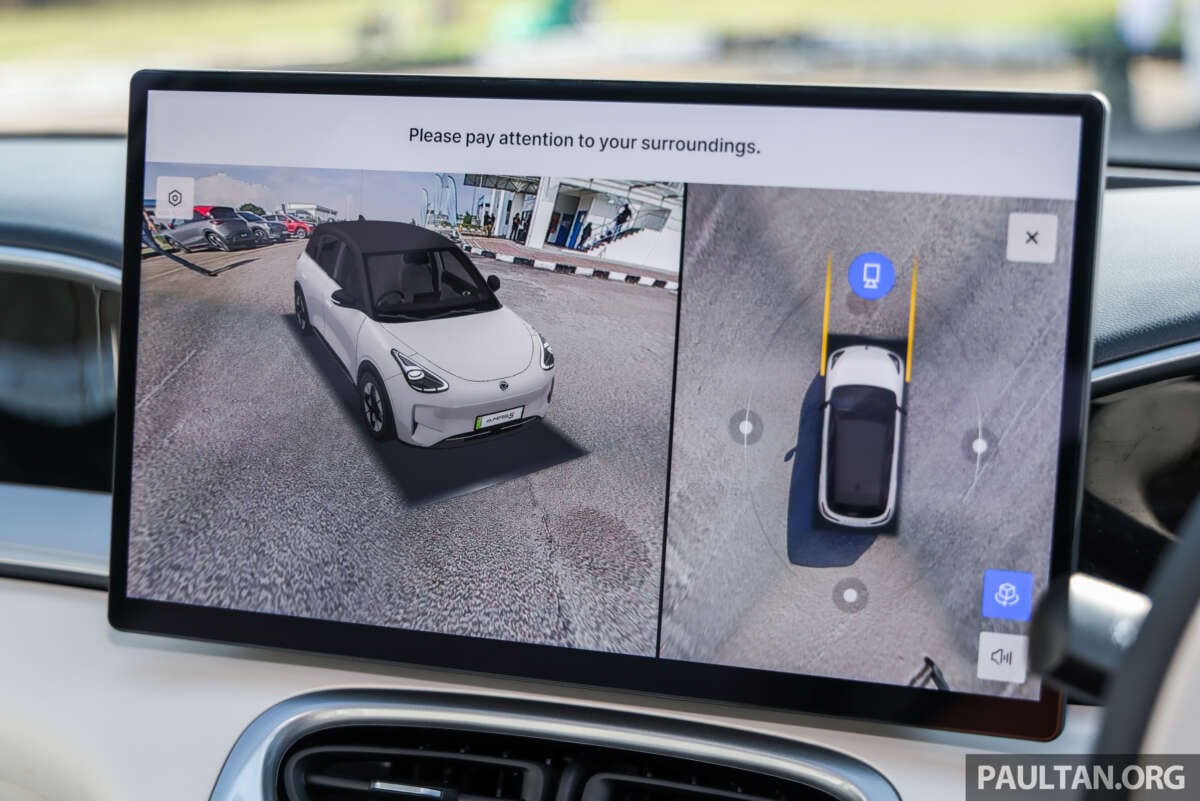
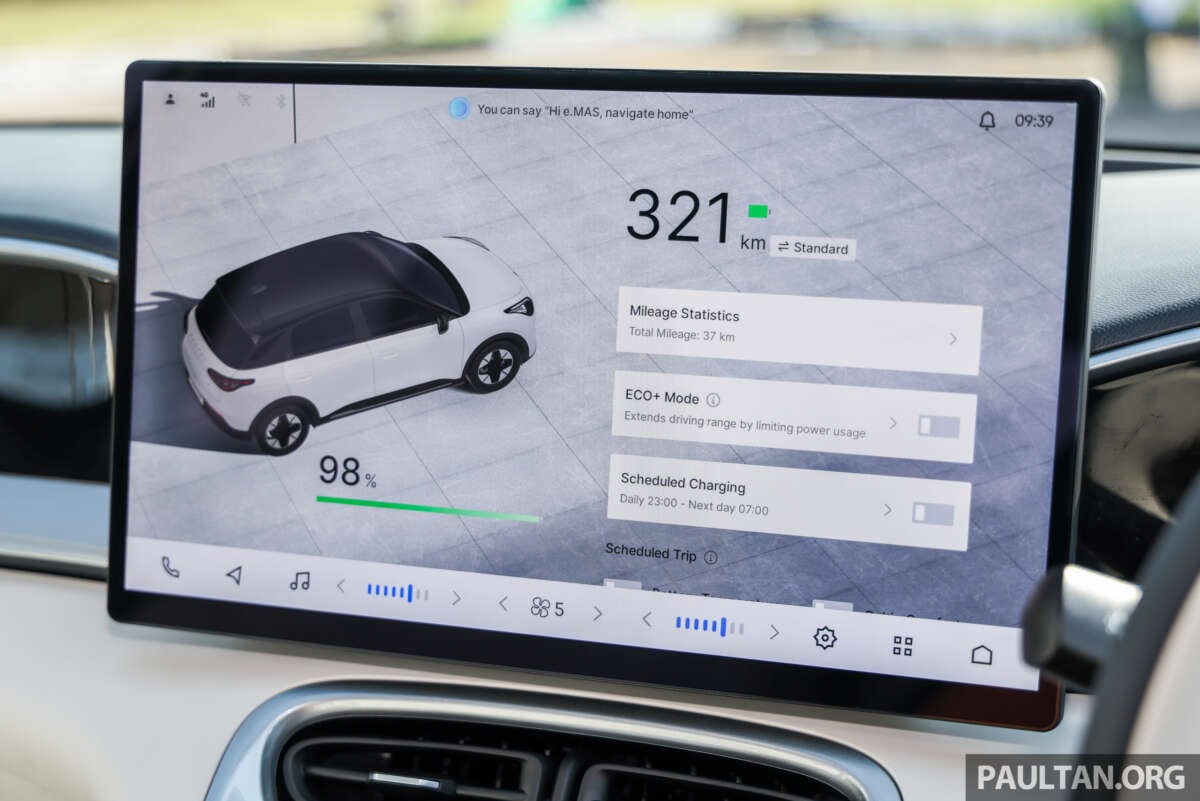
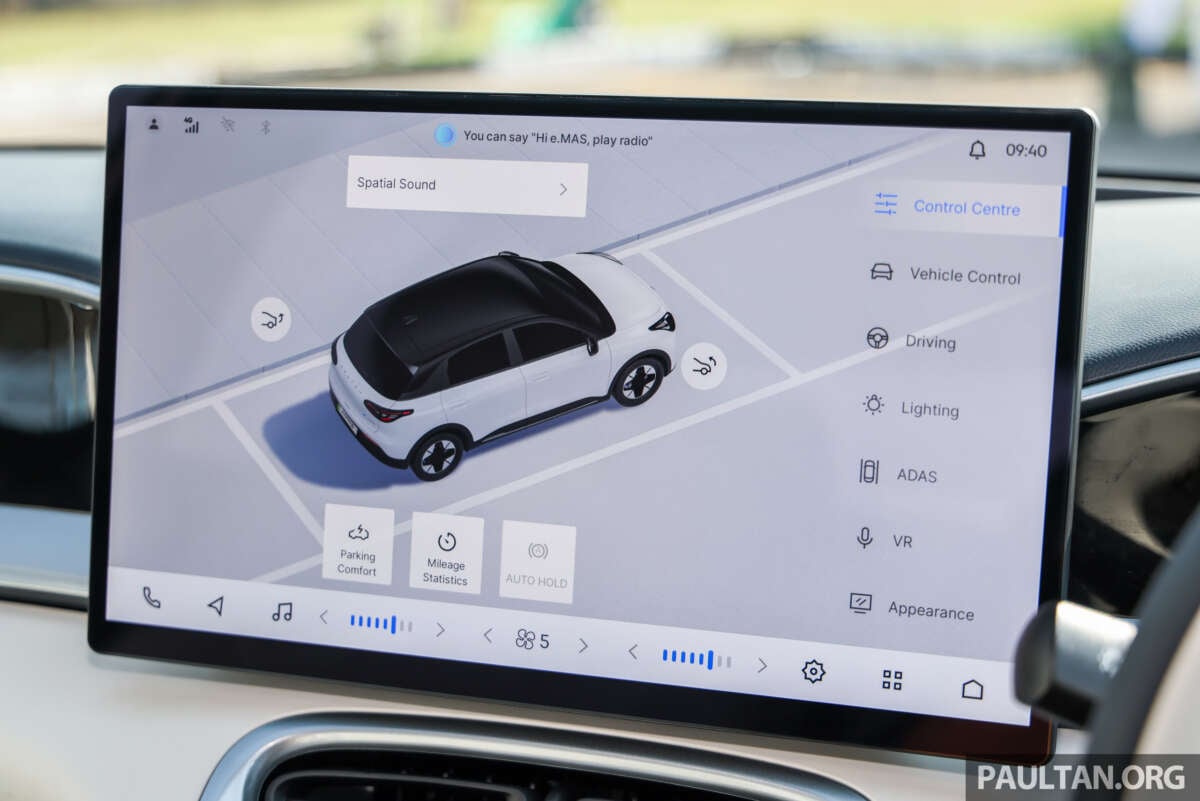
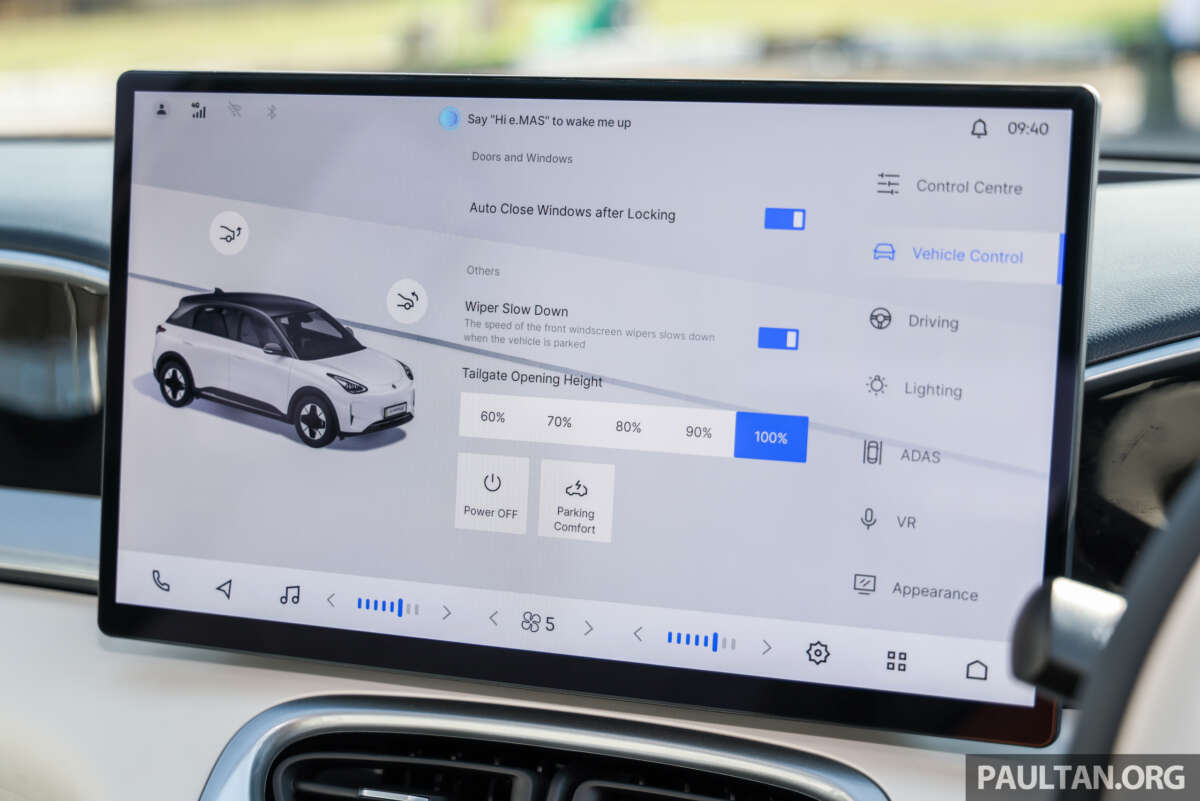
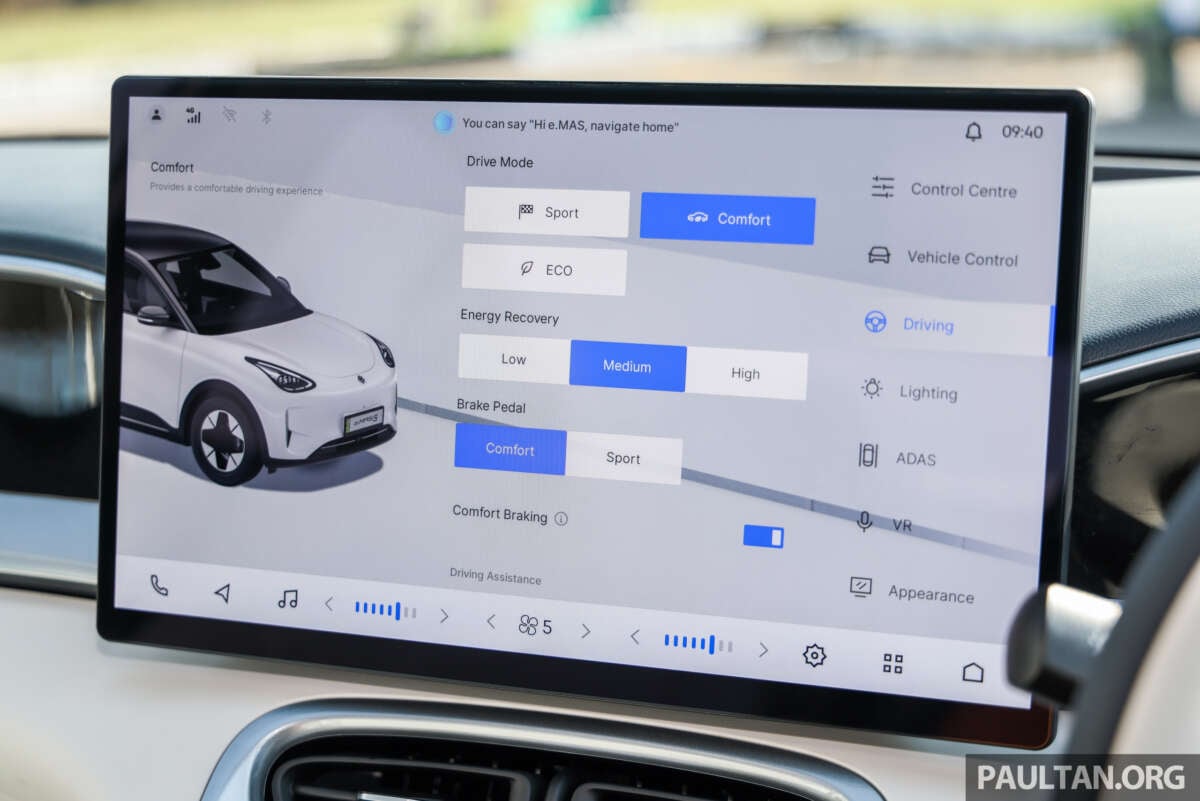
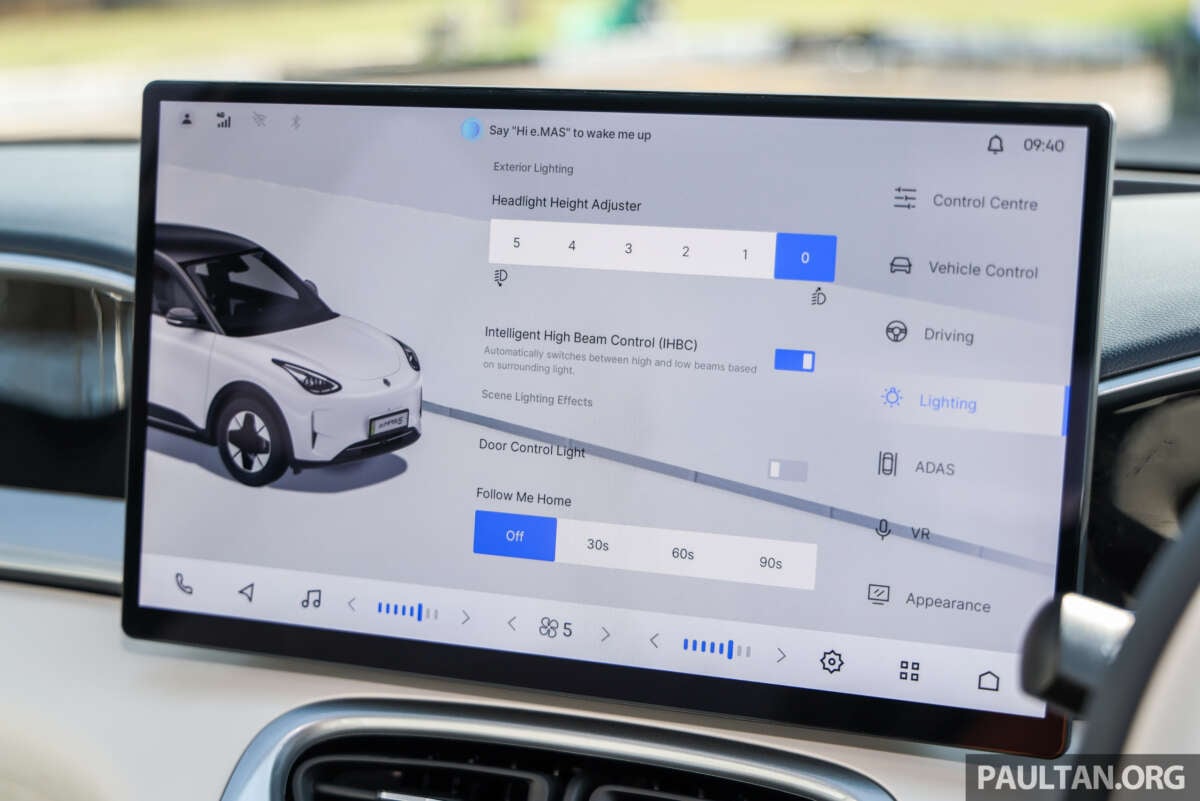
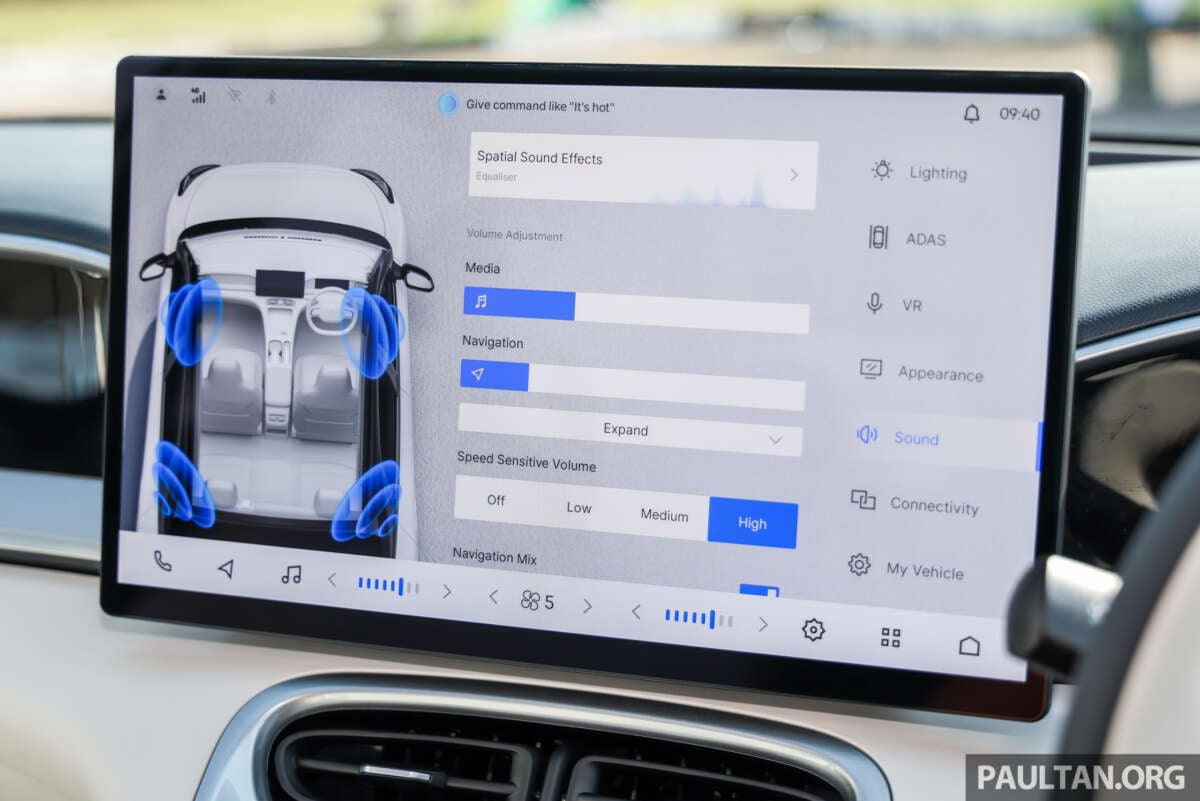
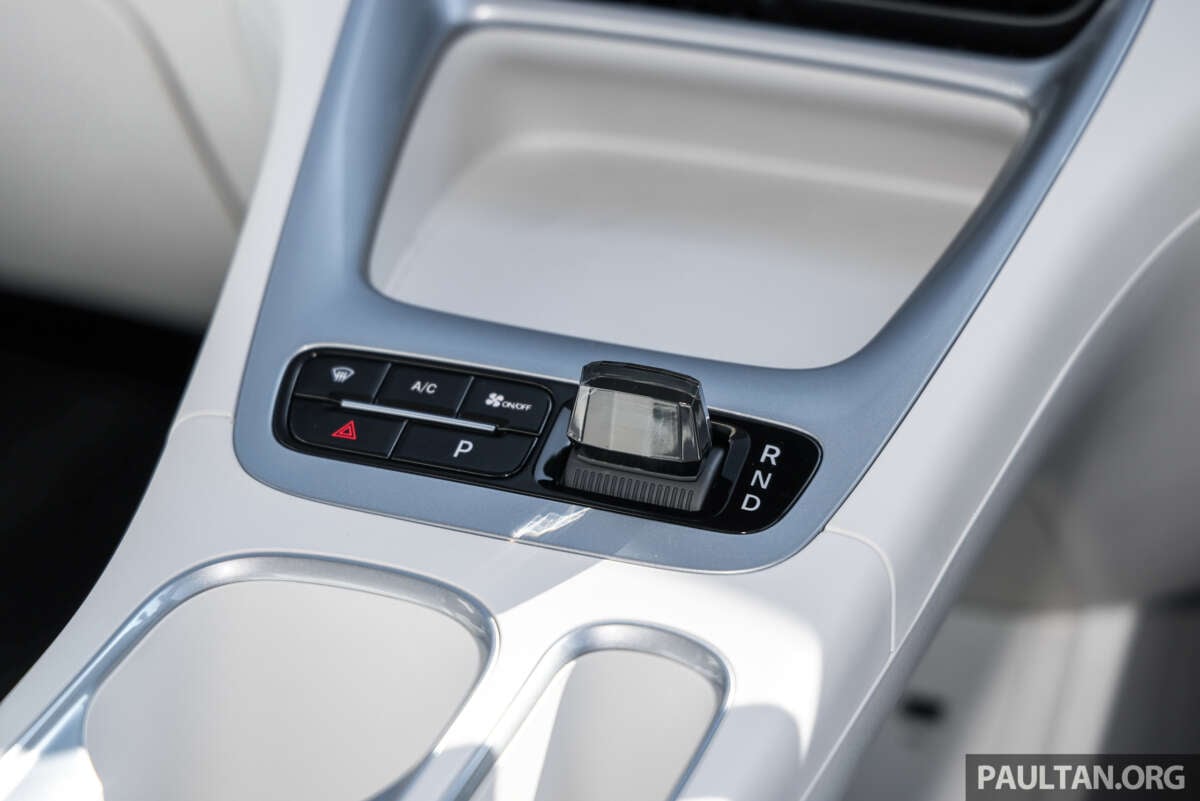
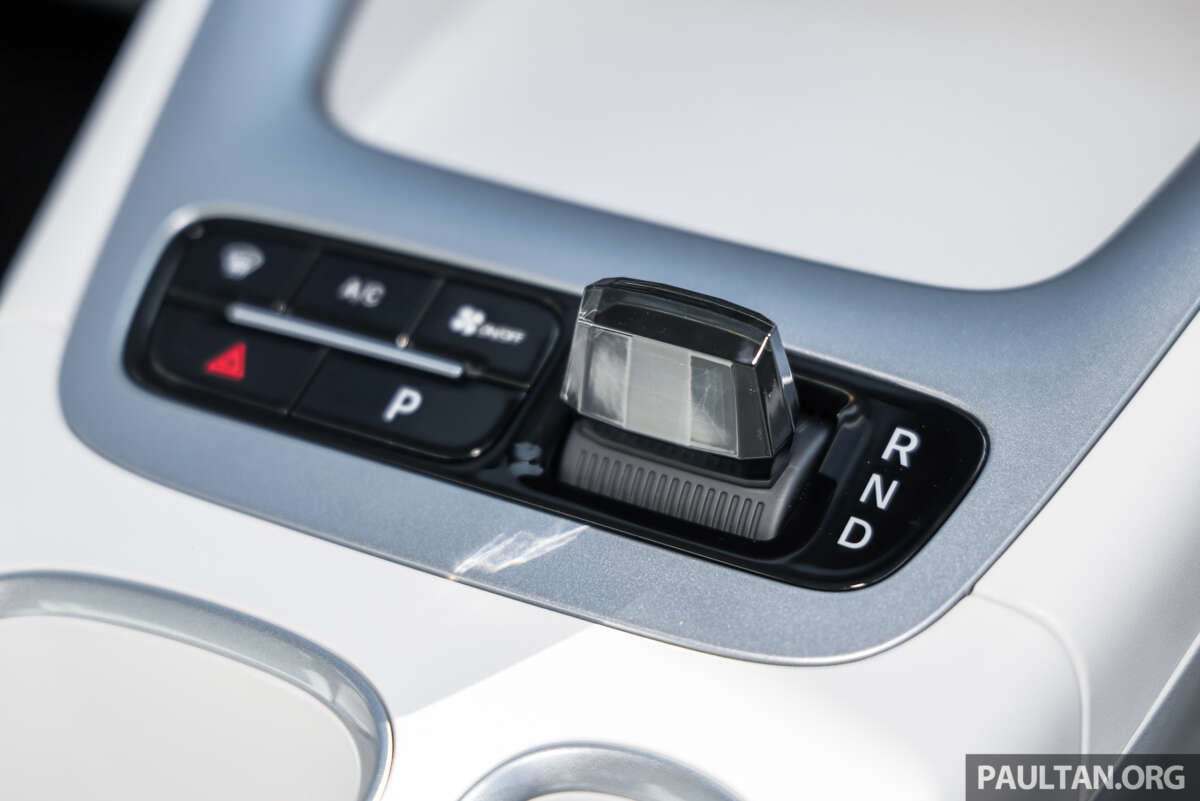
Its 10.25-inch instrument display is also larger than the eMas 5’s slimline 8.8-inch unit, and while its touchscreen (also 10.25 inches across) is eclipsed by the Proton’s massive 14.6-inch panel, you do benefit from physical air-con controls (with an auto function to boot). Both cars come with wireless Apple CarPlay and Android Auto, although the Proton does get built-in navigation with a neat integrated charging map.


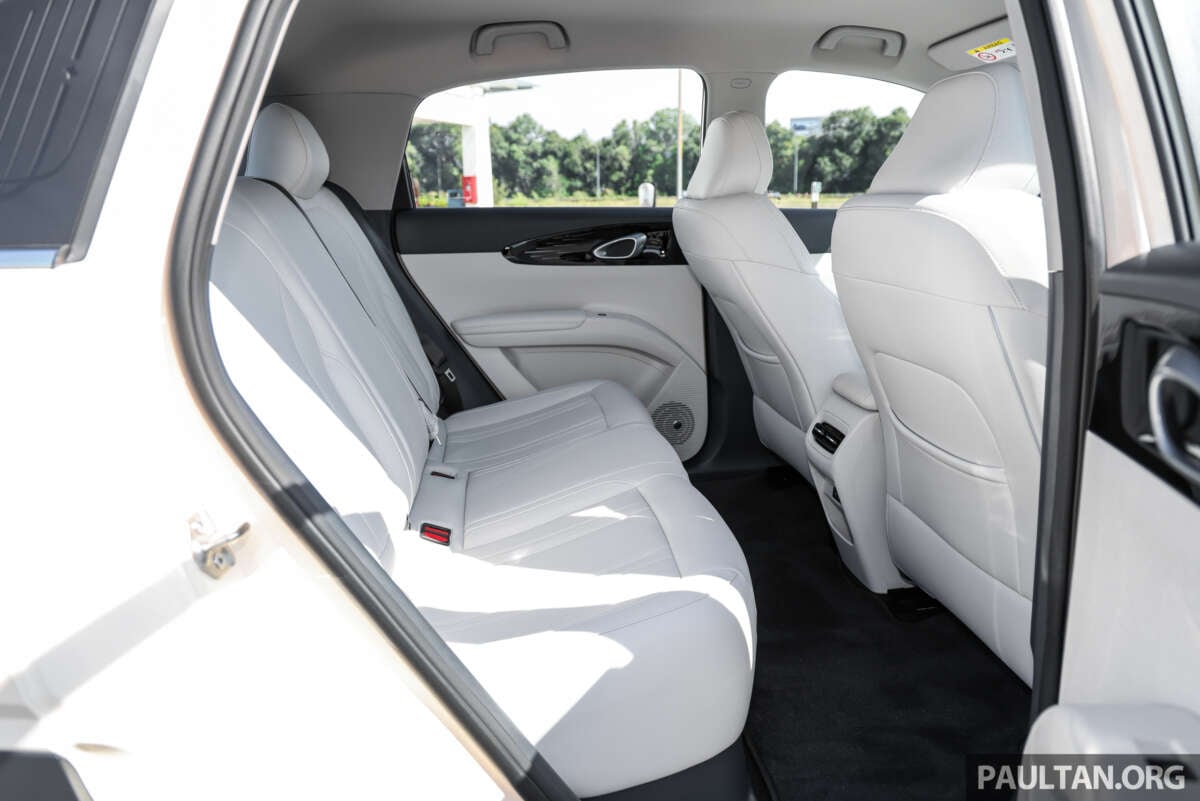
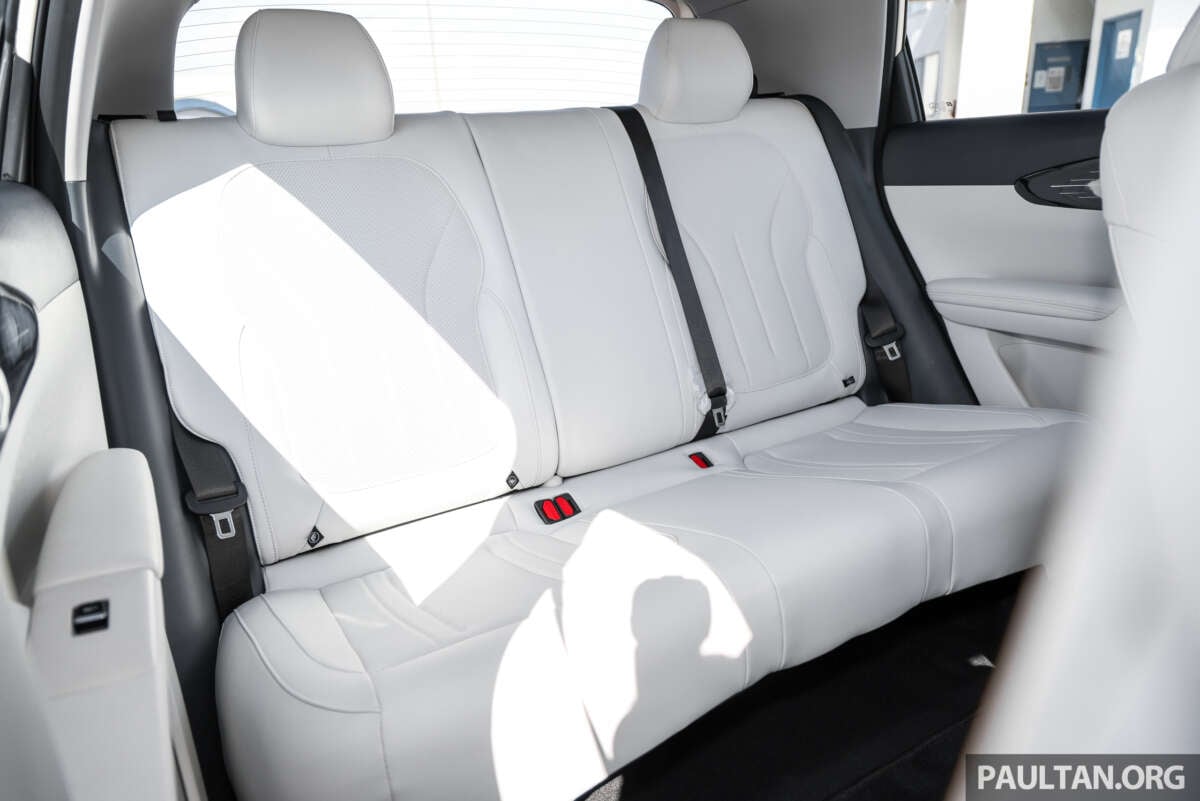
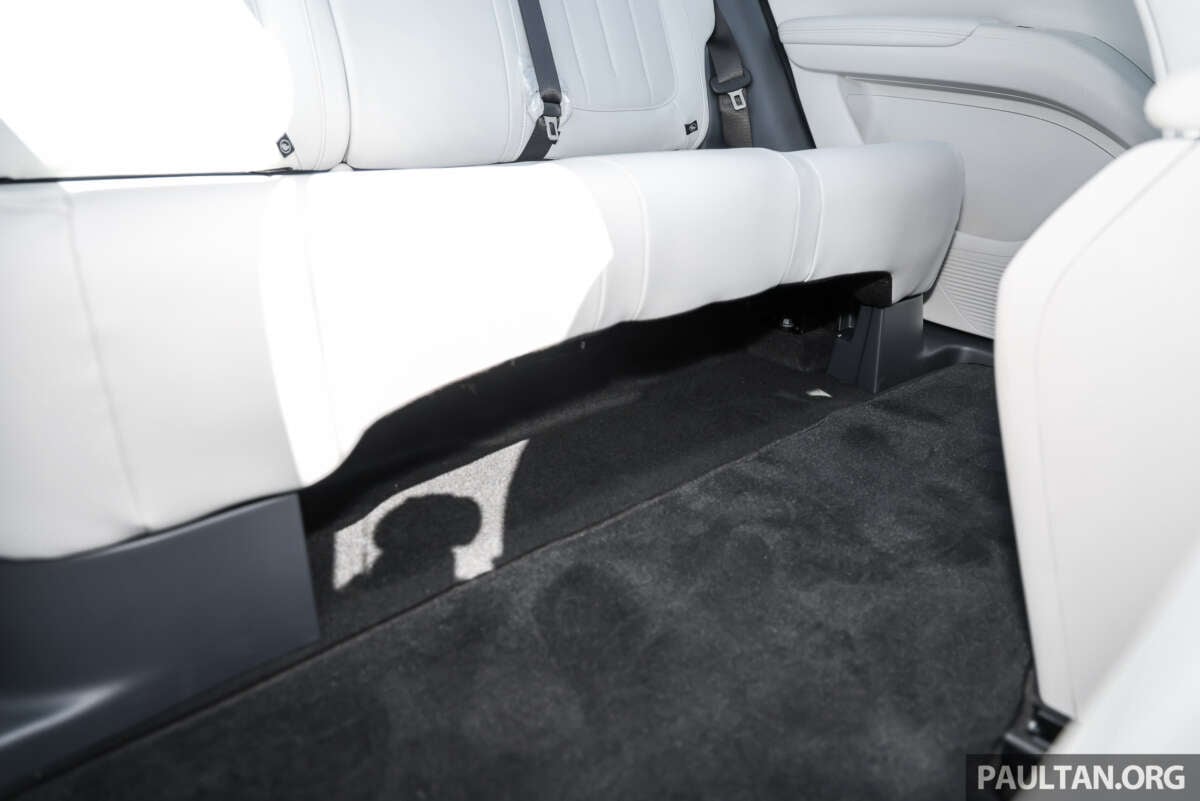
Dig deeper and the QV-E starts to lose its lustre. First of all, the eMas 5 is much more practical – despite being slightly shorter in length (4,135 mm vs 4,170 mm) and wheelbase (2,650 mm vs 2,680 mm), it offers more legroom for passengers behind, while the Perodua’s sloping roof robs rear headroom. The Proton’s extra height (1,580 mm vs 1,502 mm) also allows the rear seats to be mounted higher, allowing for more natural seating compared to the QV-E’s knees-up positioning.
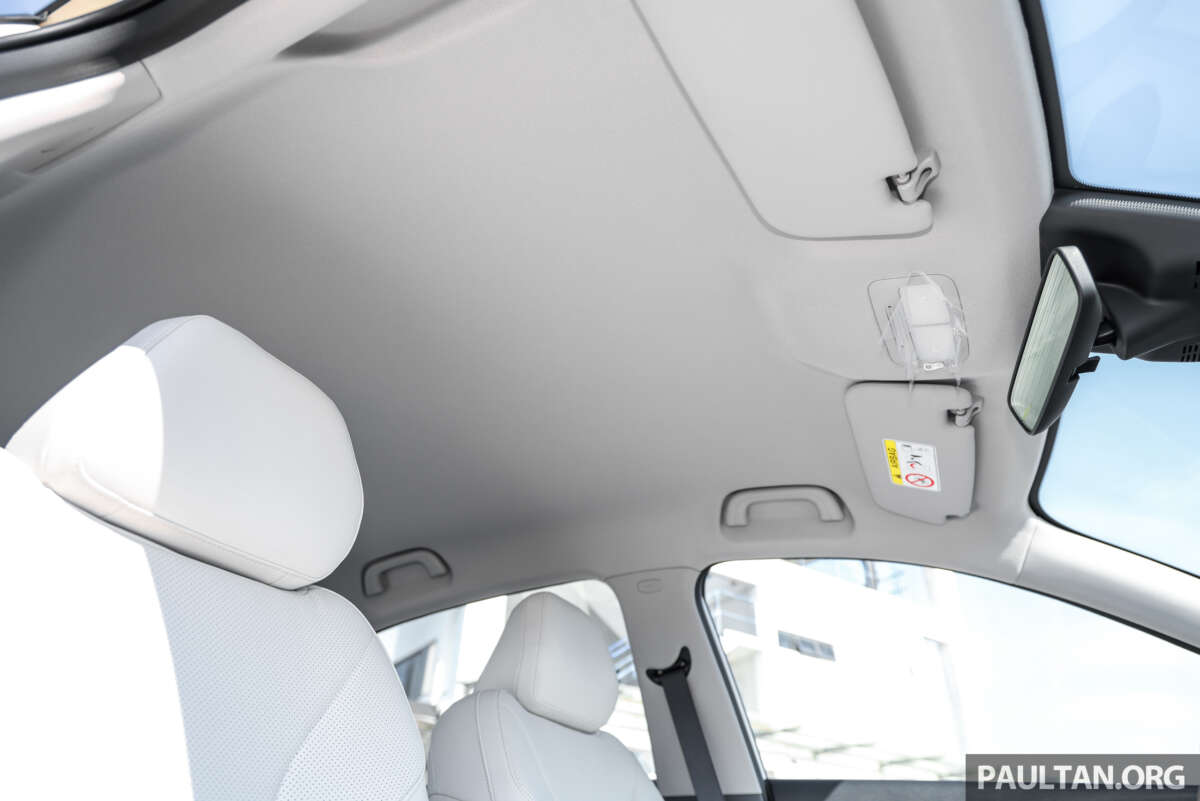
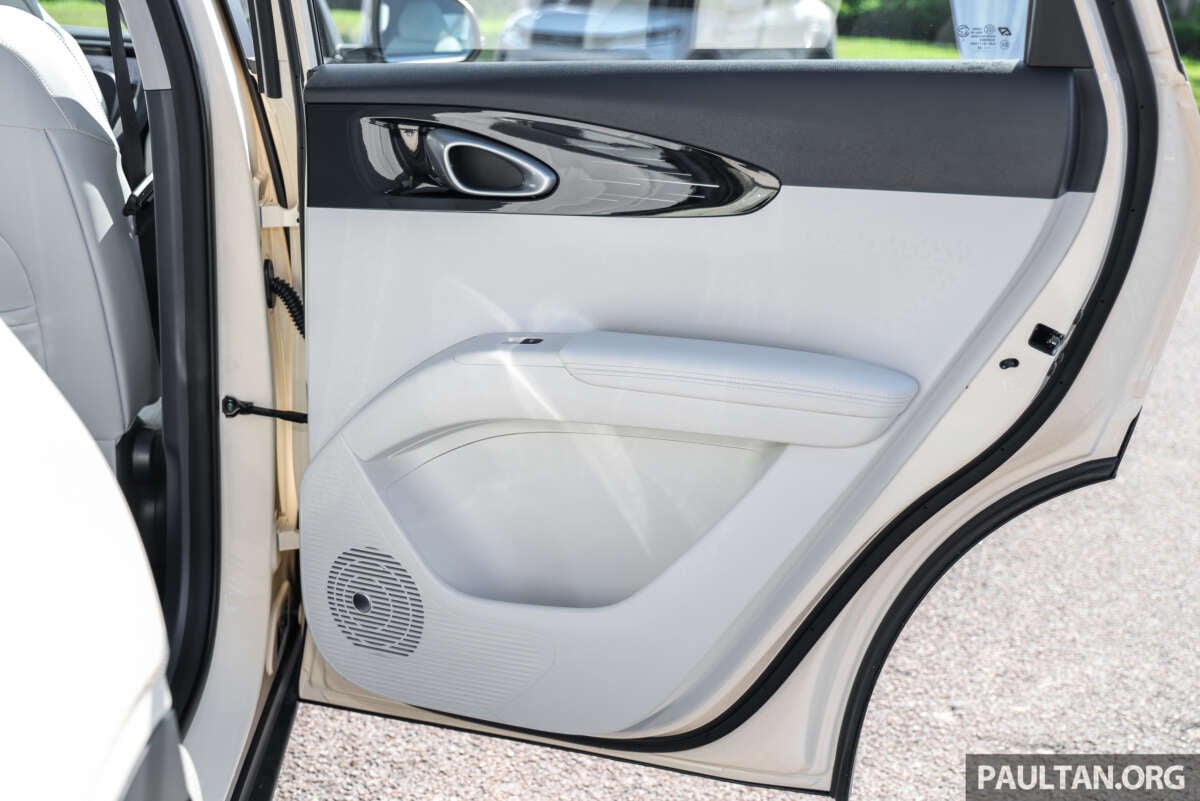
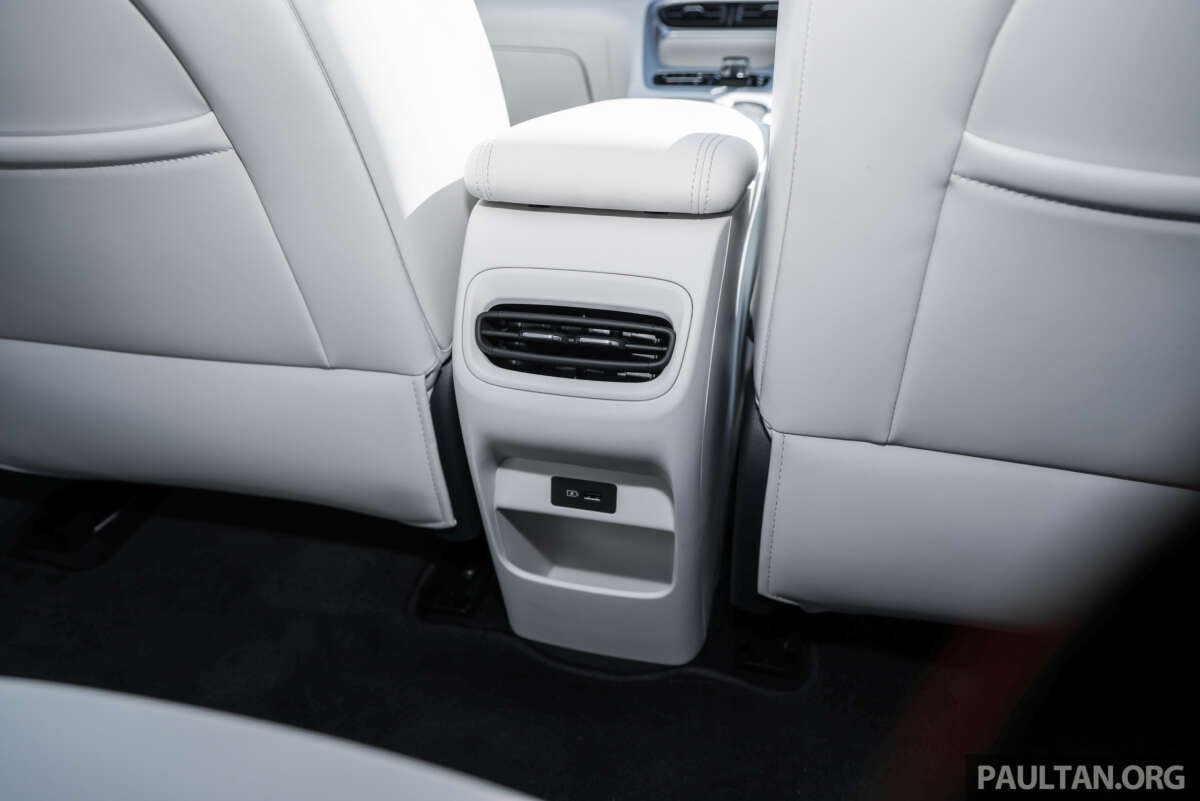
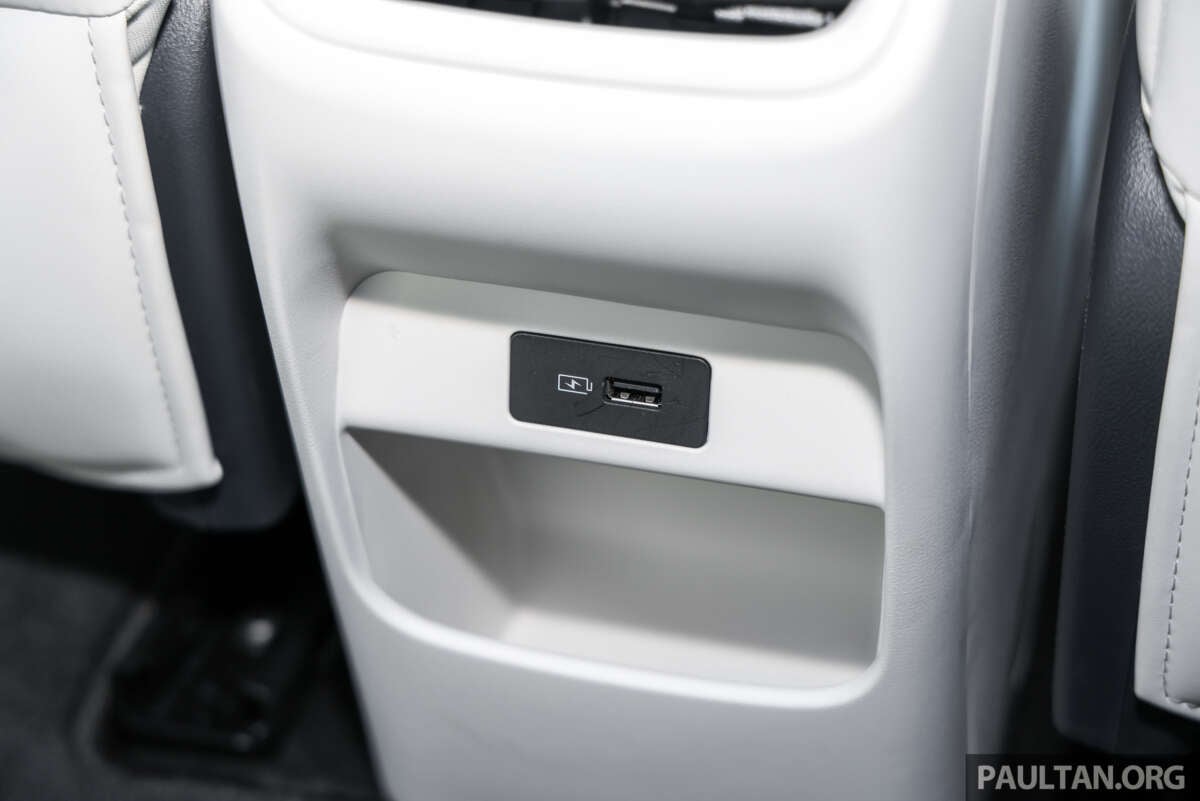
The QV-E isn’t just more cramped for rear-seat occupants, it feels it too, with black headlining and tiny rear windows restricting outward visibility. Entry and egress is also restricted by the small rear door aperture, which isn’t good news for those wanting to fit child seats. Further points in the eMas 5’s favour are its pair of rear air vents (none in the Perodua) and the handy 28 litres of under-seat storage.
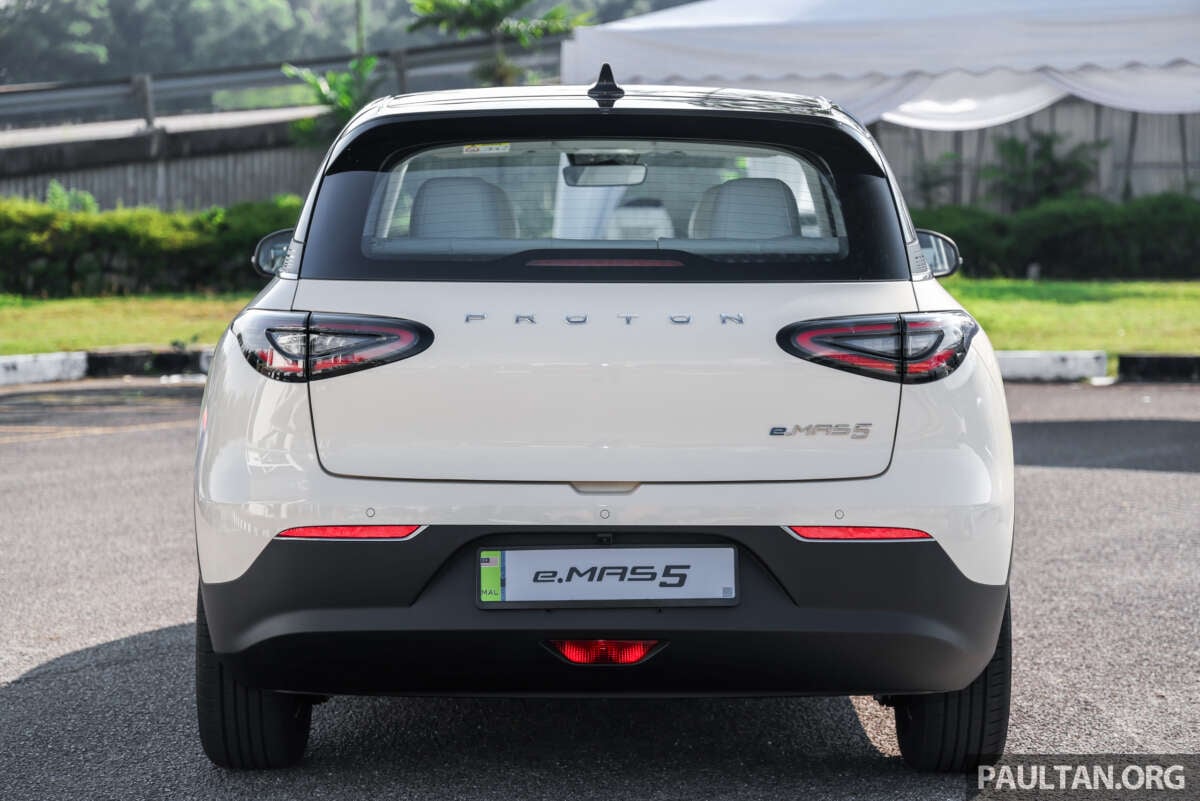
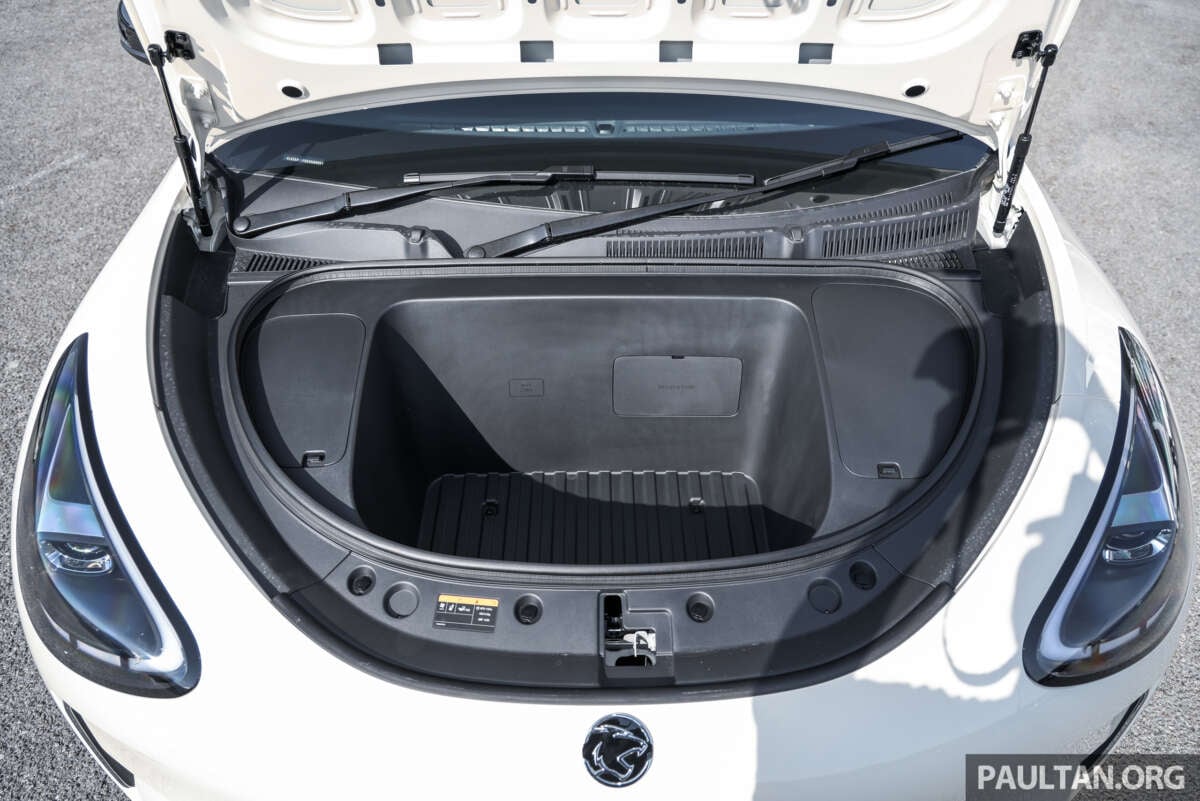
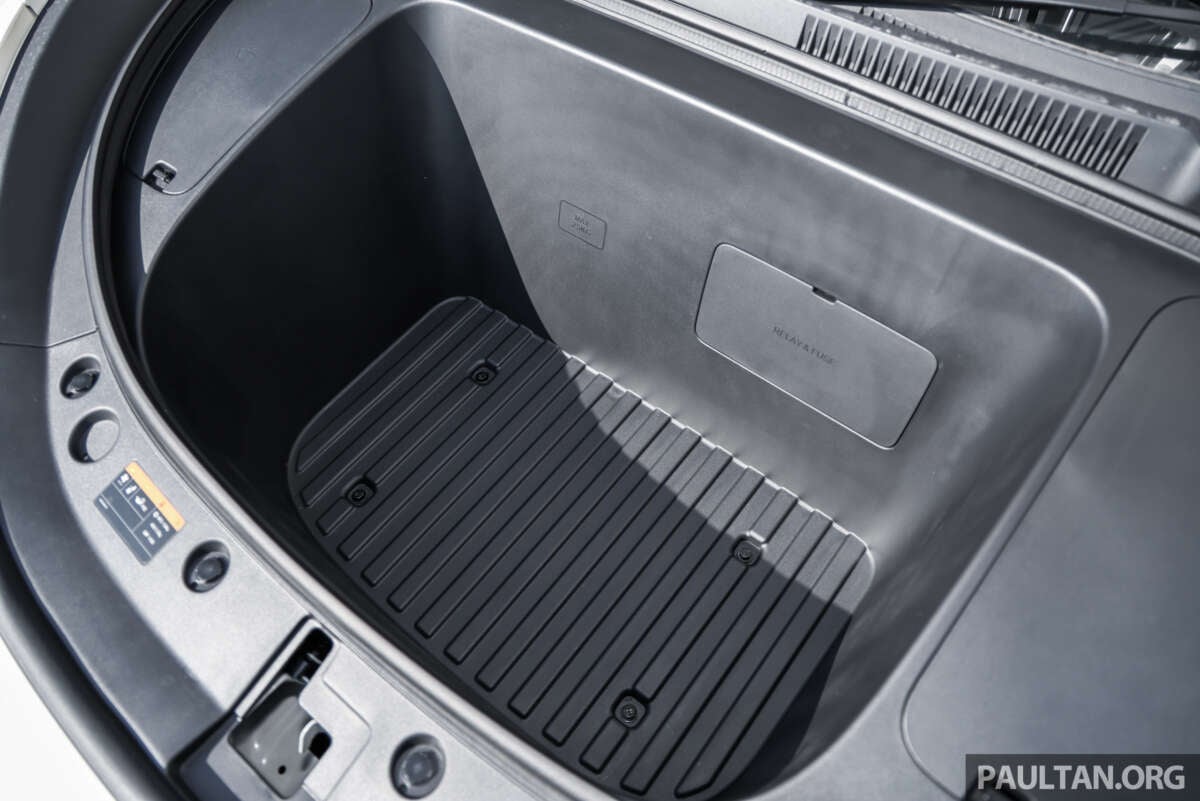
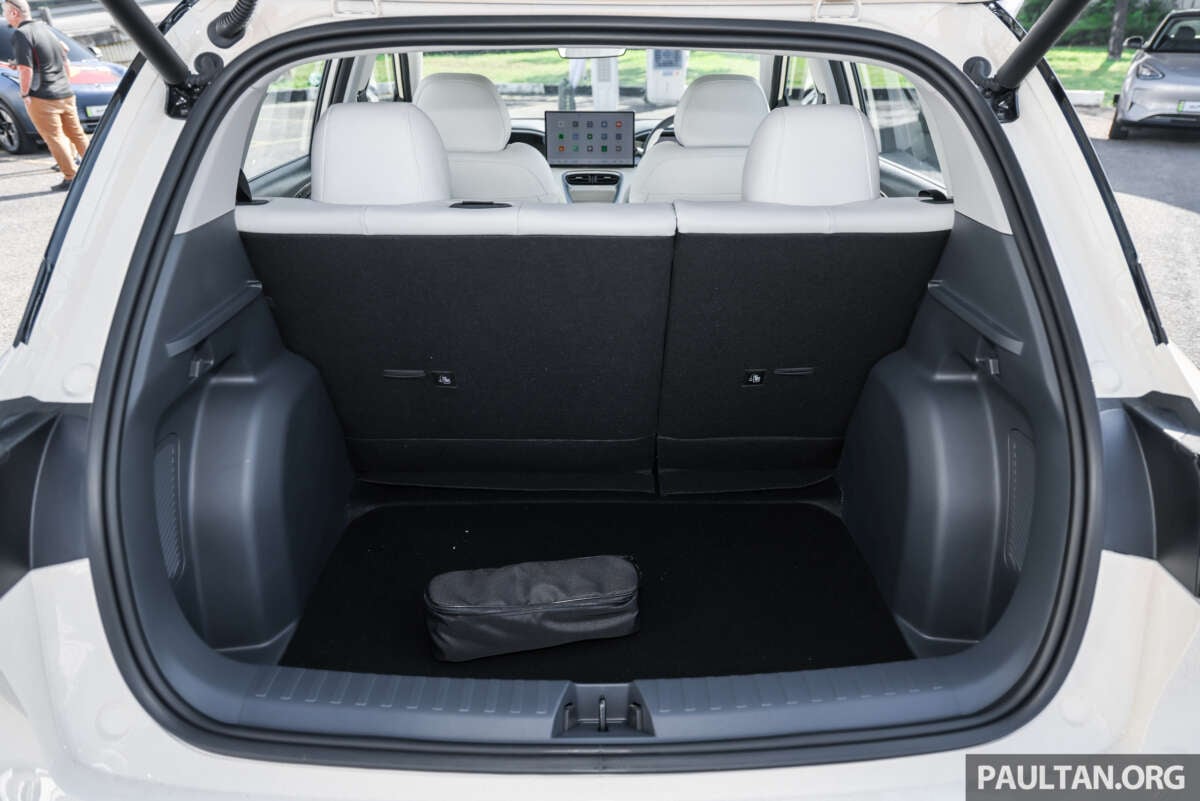
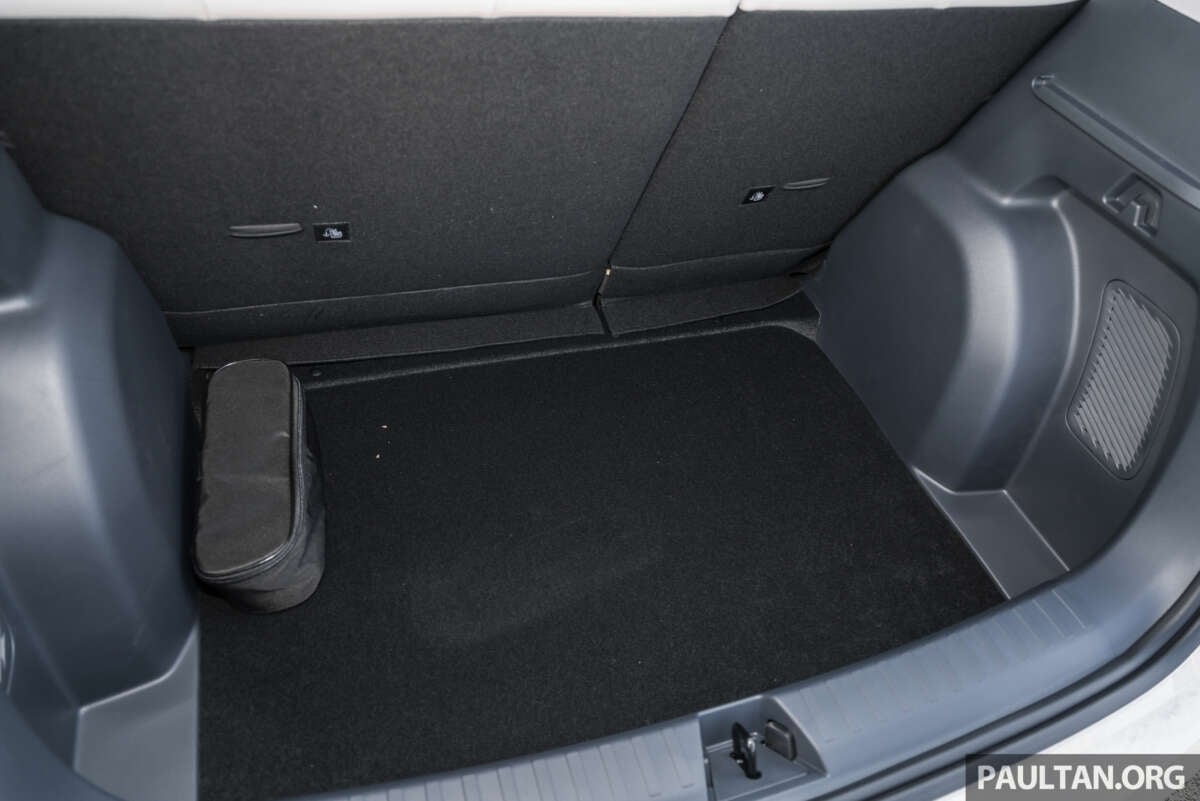
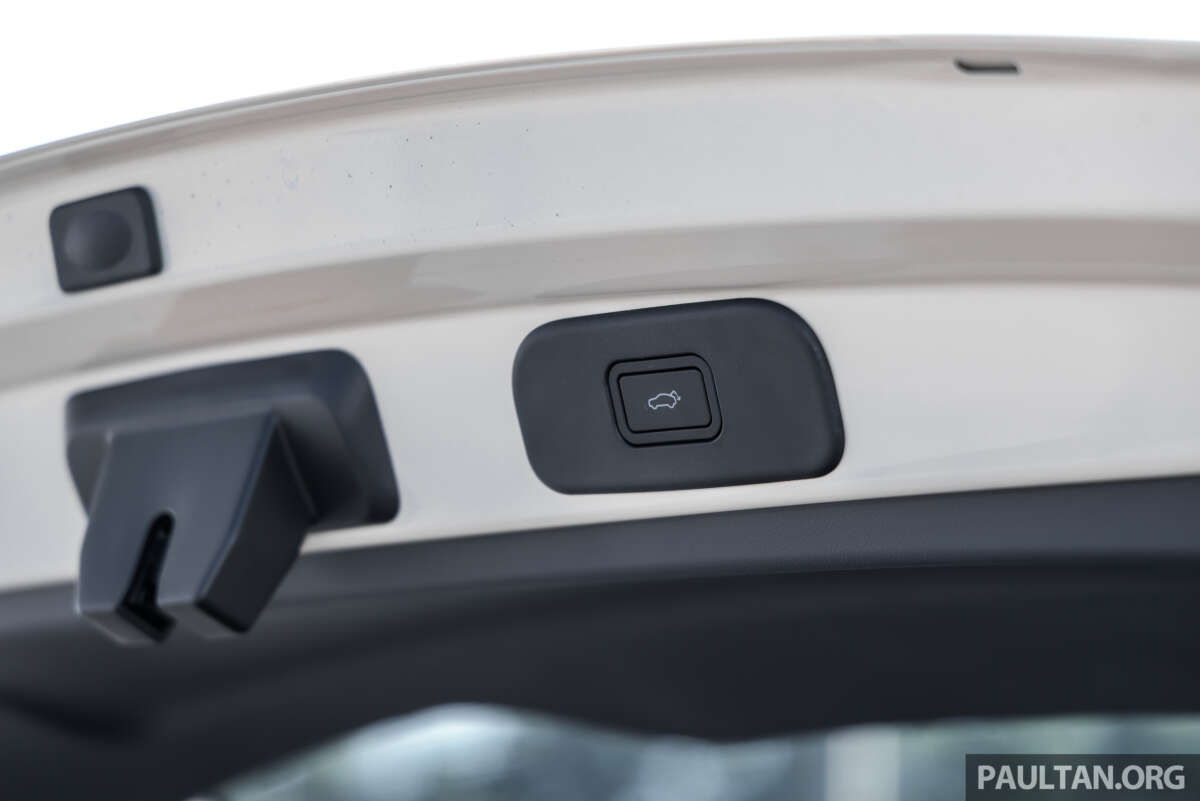
At the back, the eMas 5 trumps the QV-E with a powered tailgate, and once open, you’ll find a larger 375 litre boot, versus 320 litres for the Perodua. The rear-mounted motor also frees up space in the front for a generous 70-litre boot, so if you’re hauling durians on the regular, the eMas 5 is the clear winner.


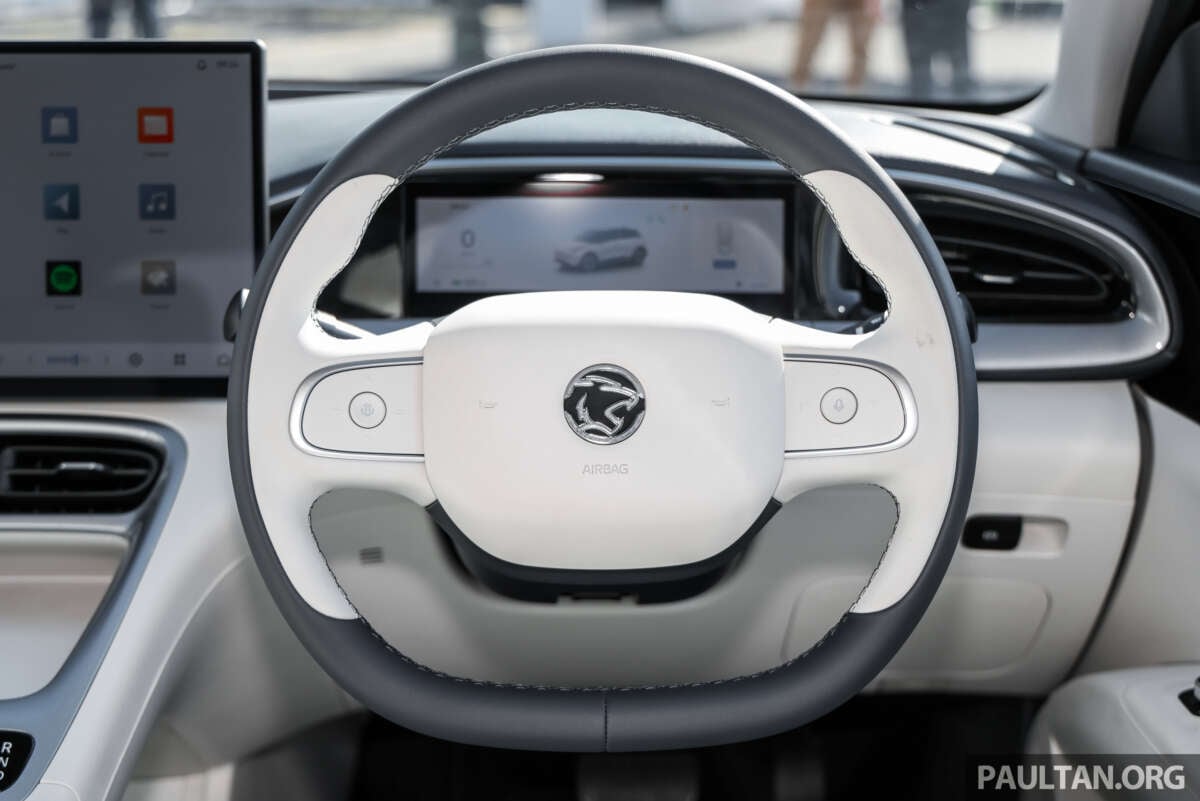
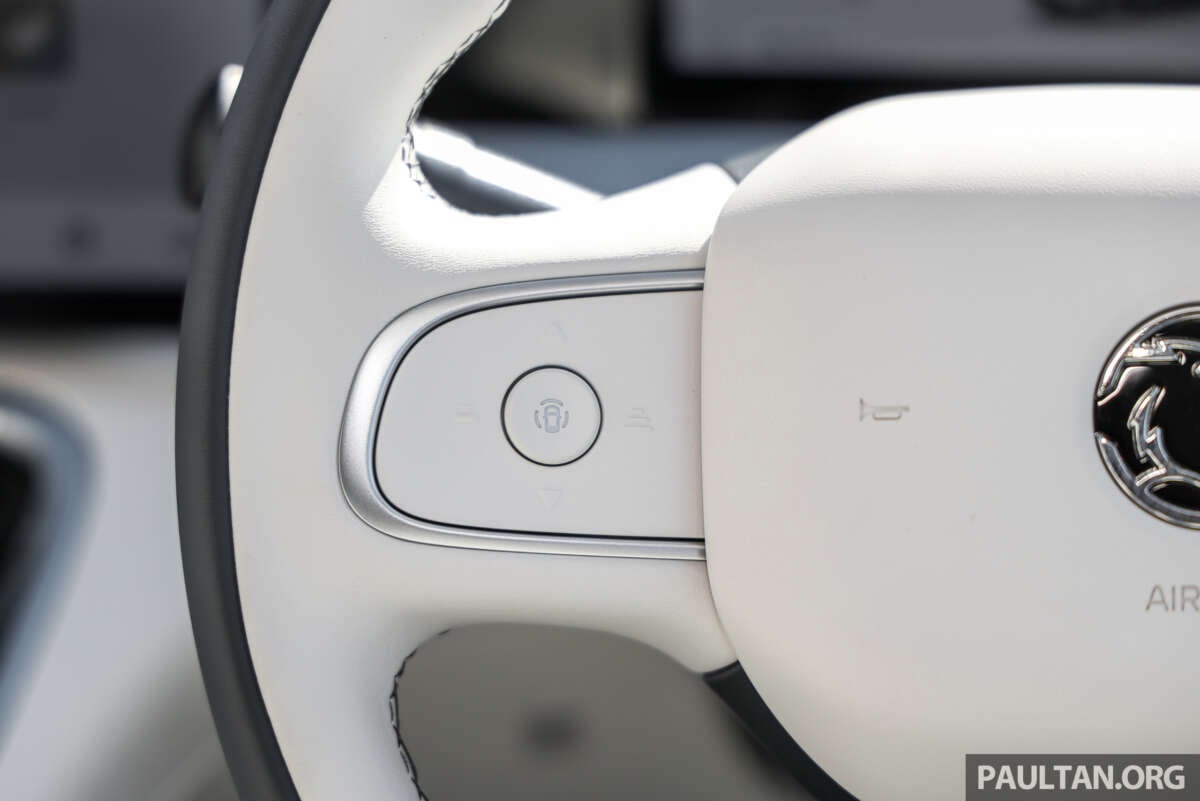
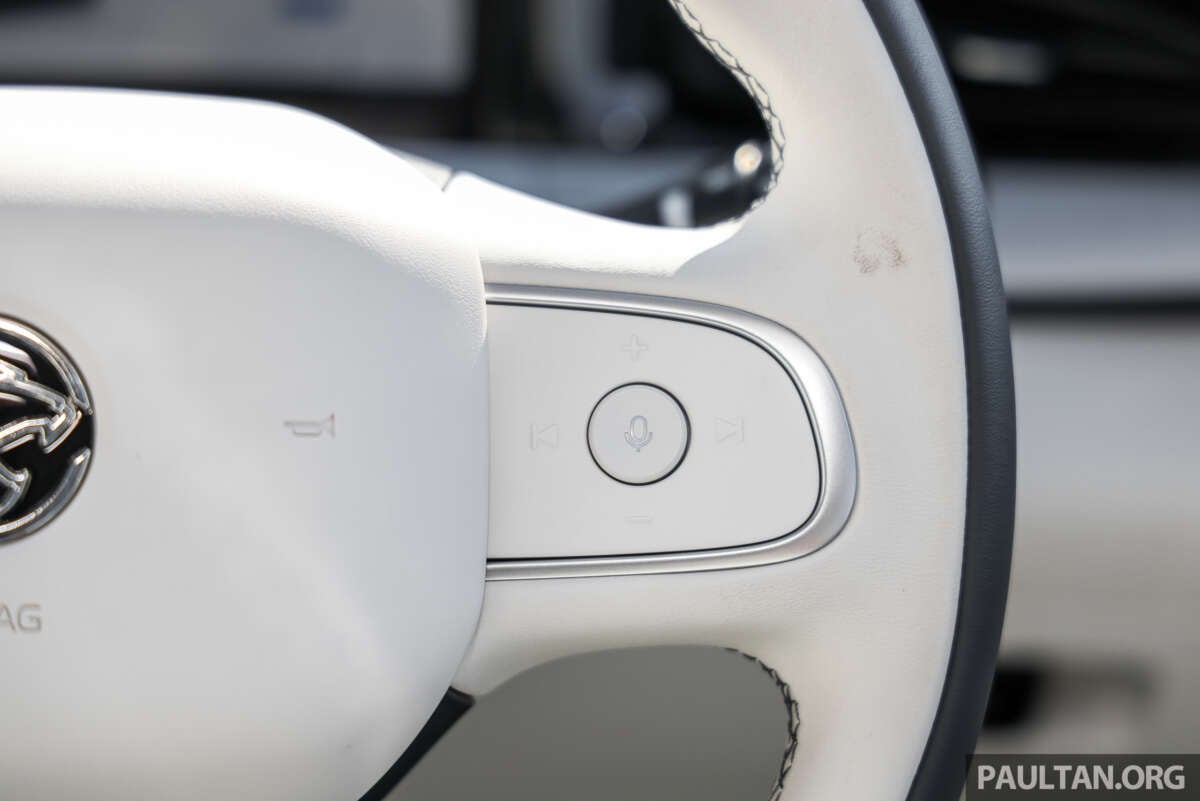
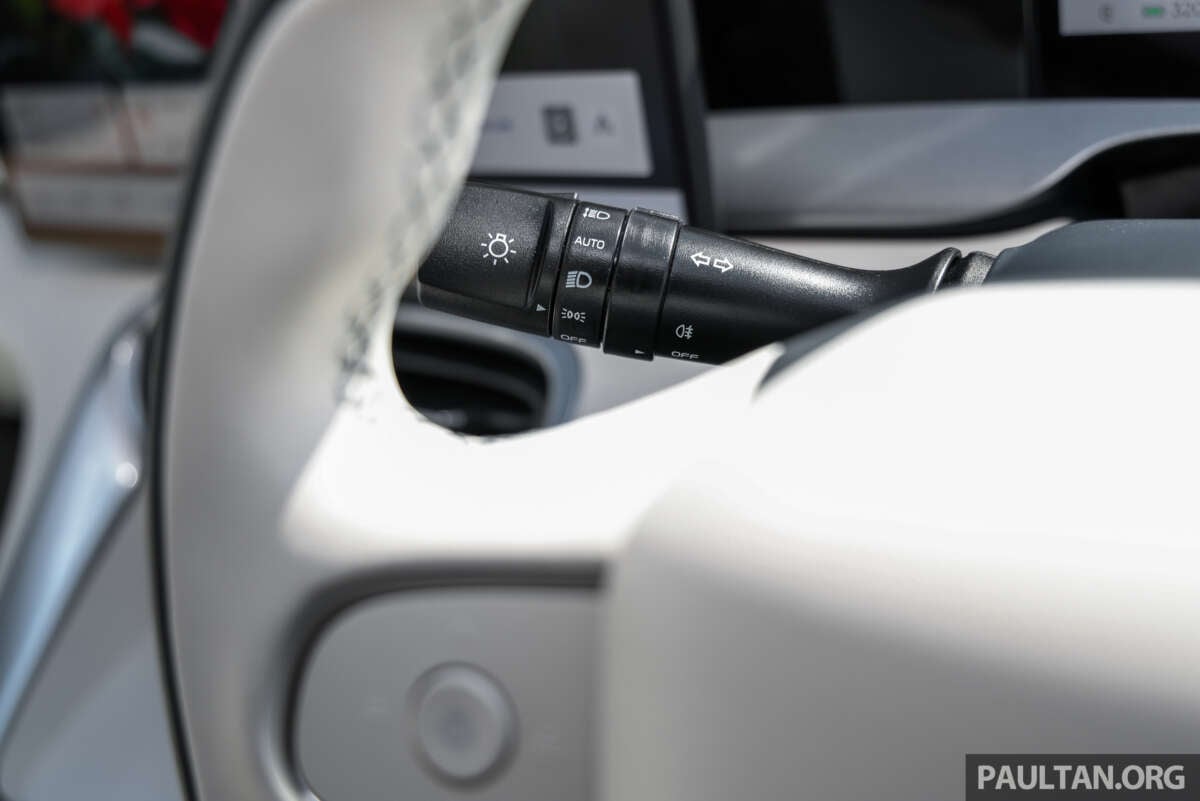
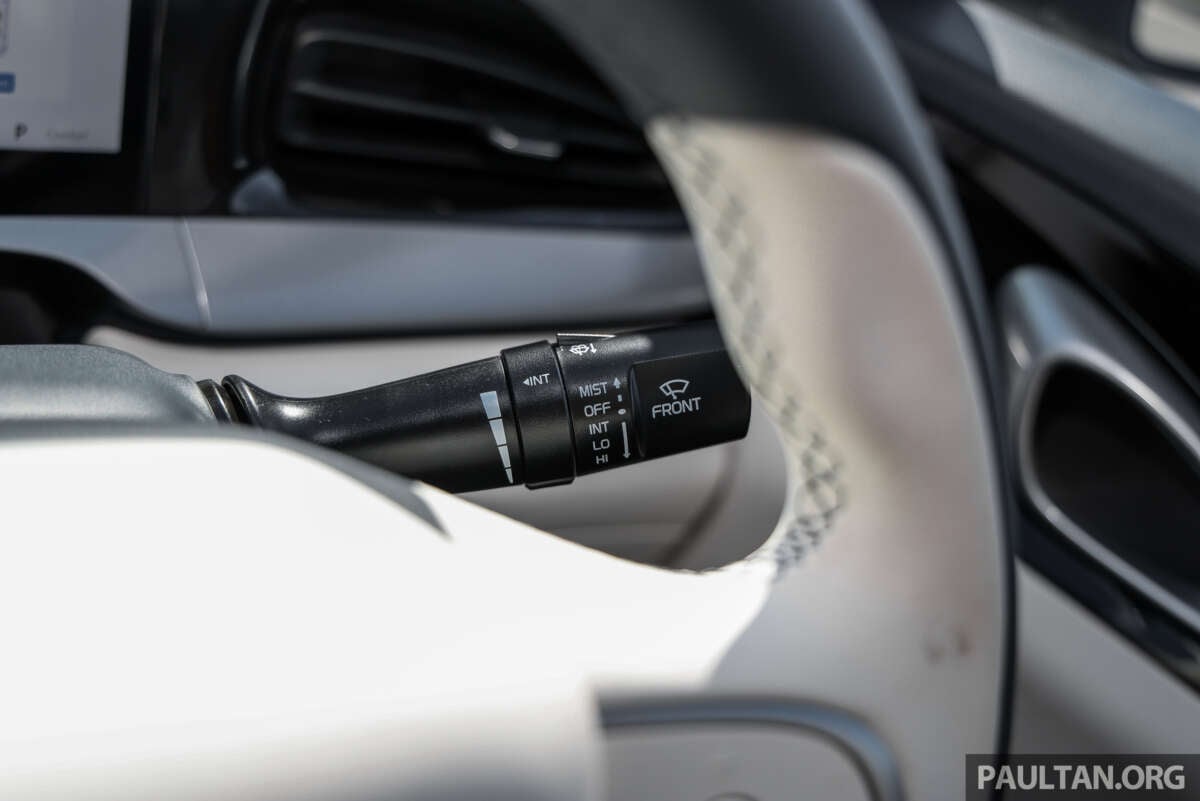
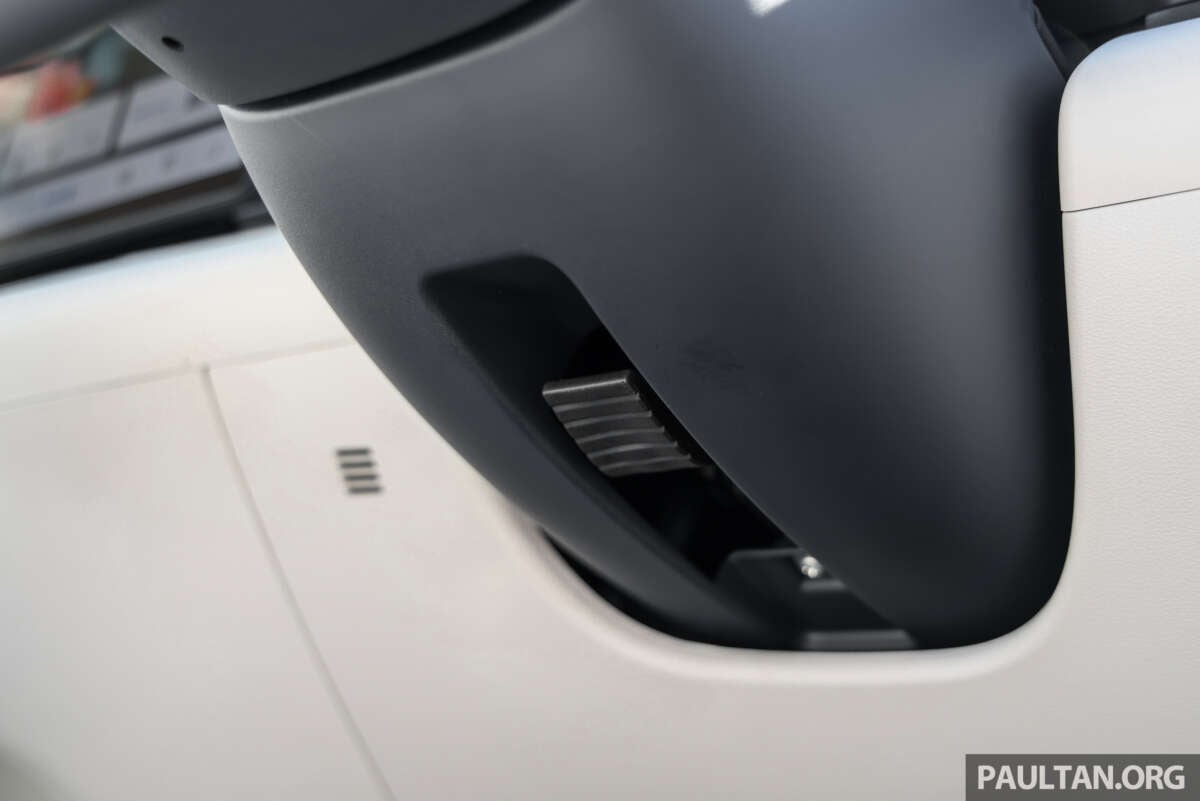
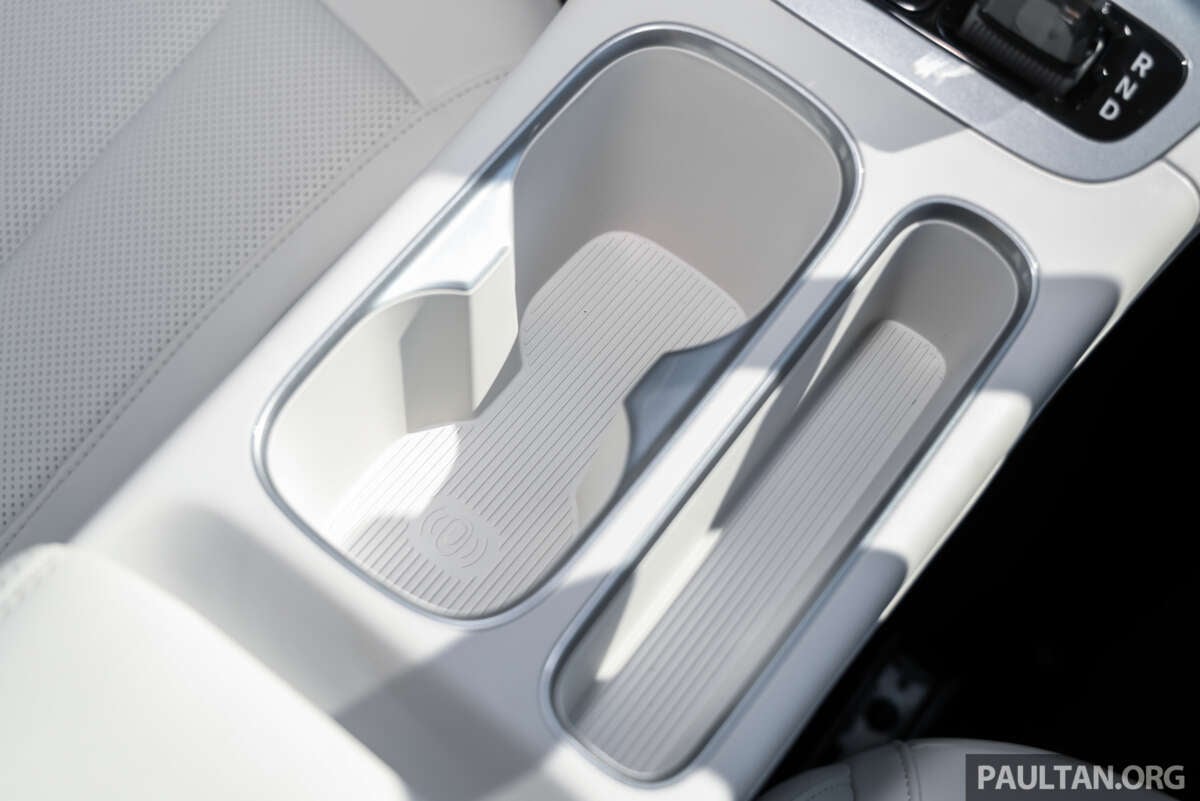
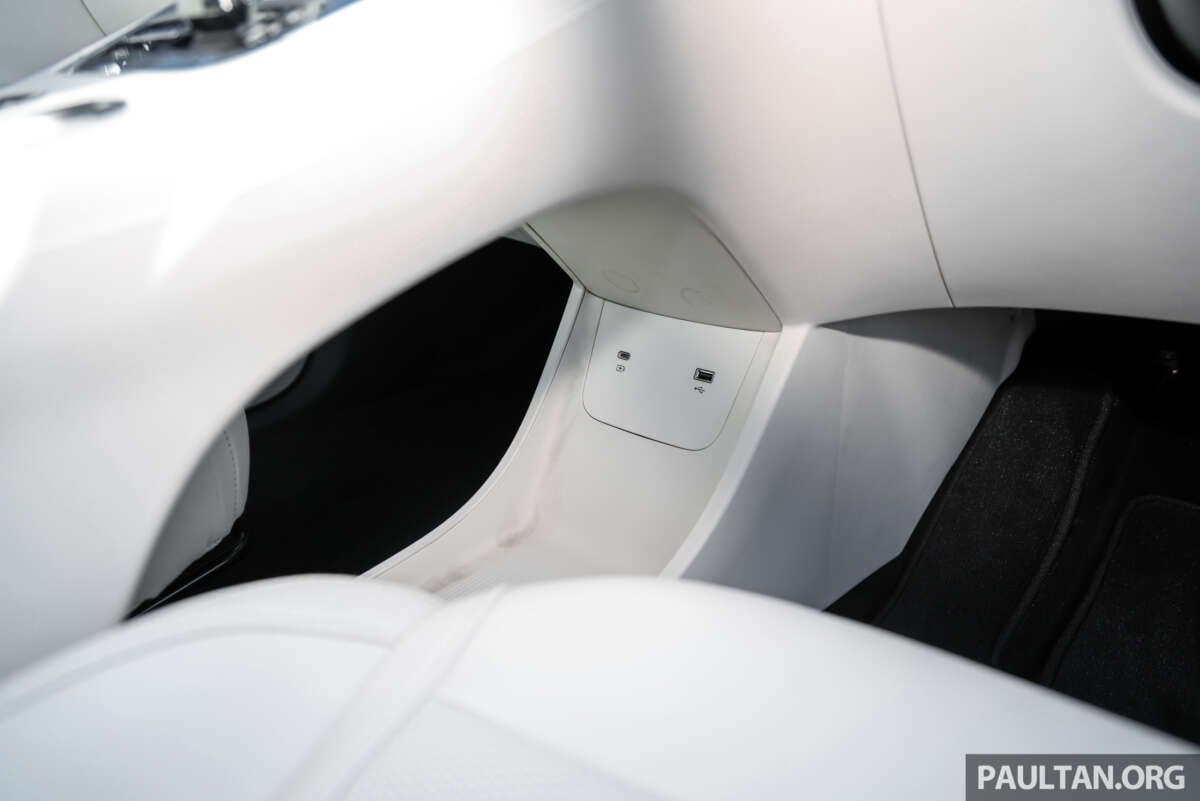
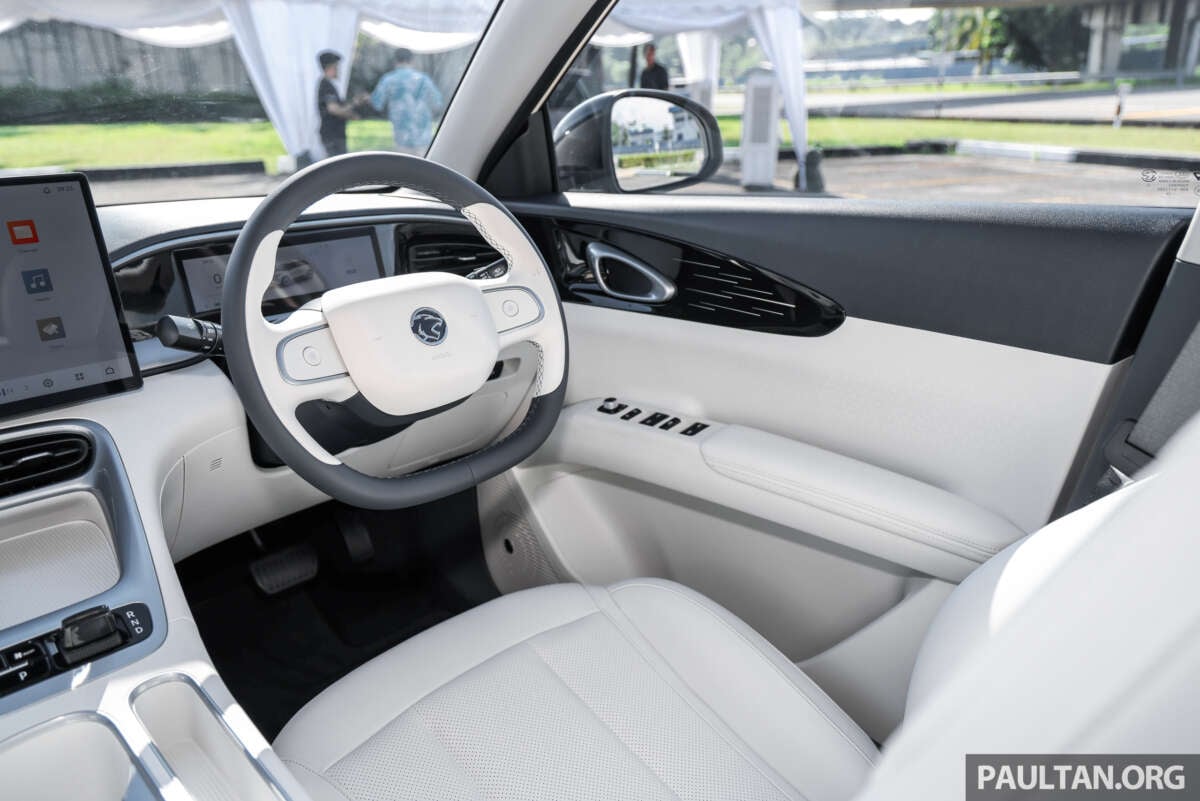
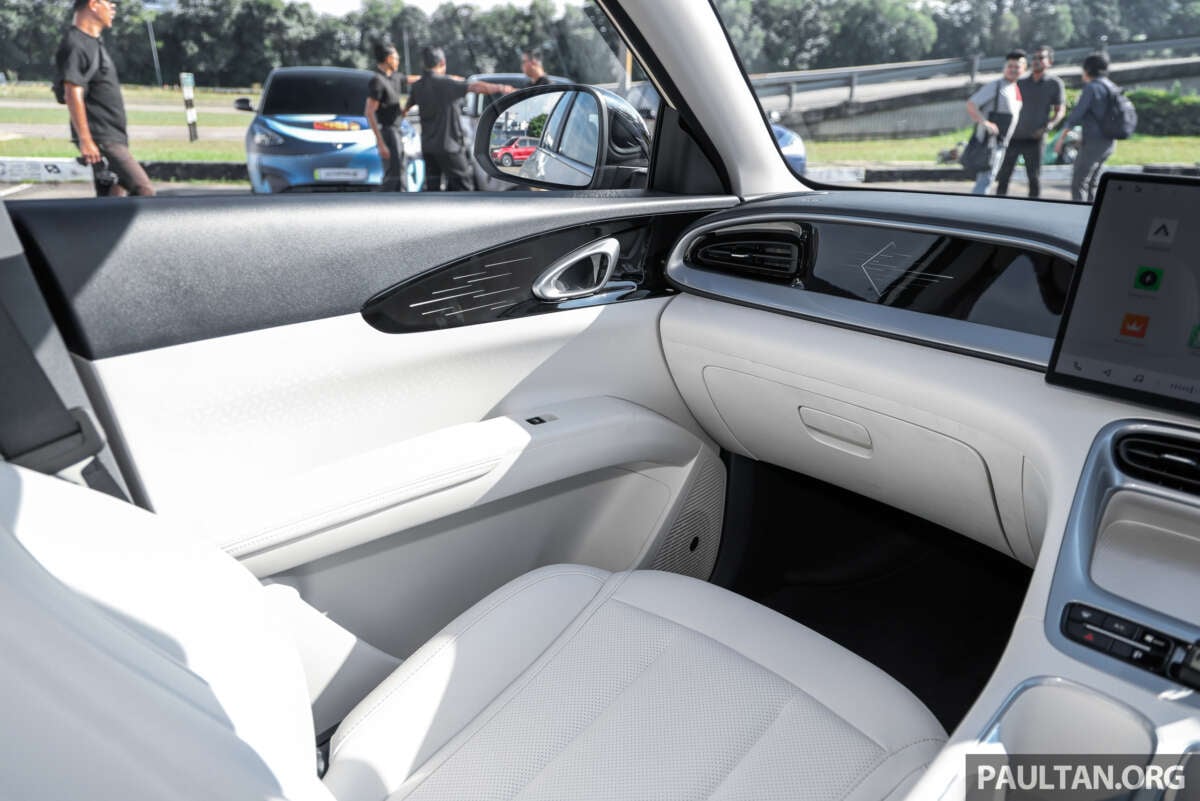
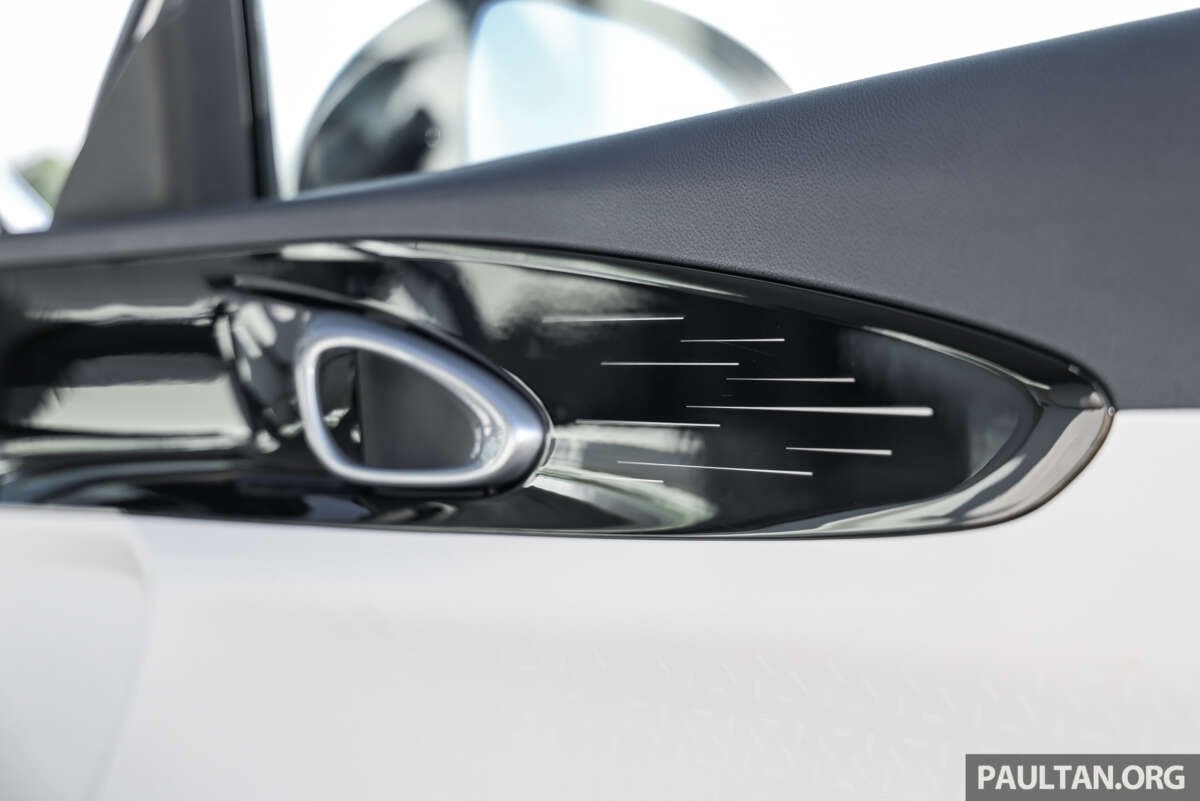
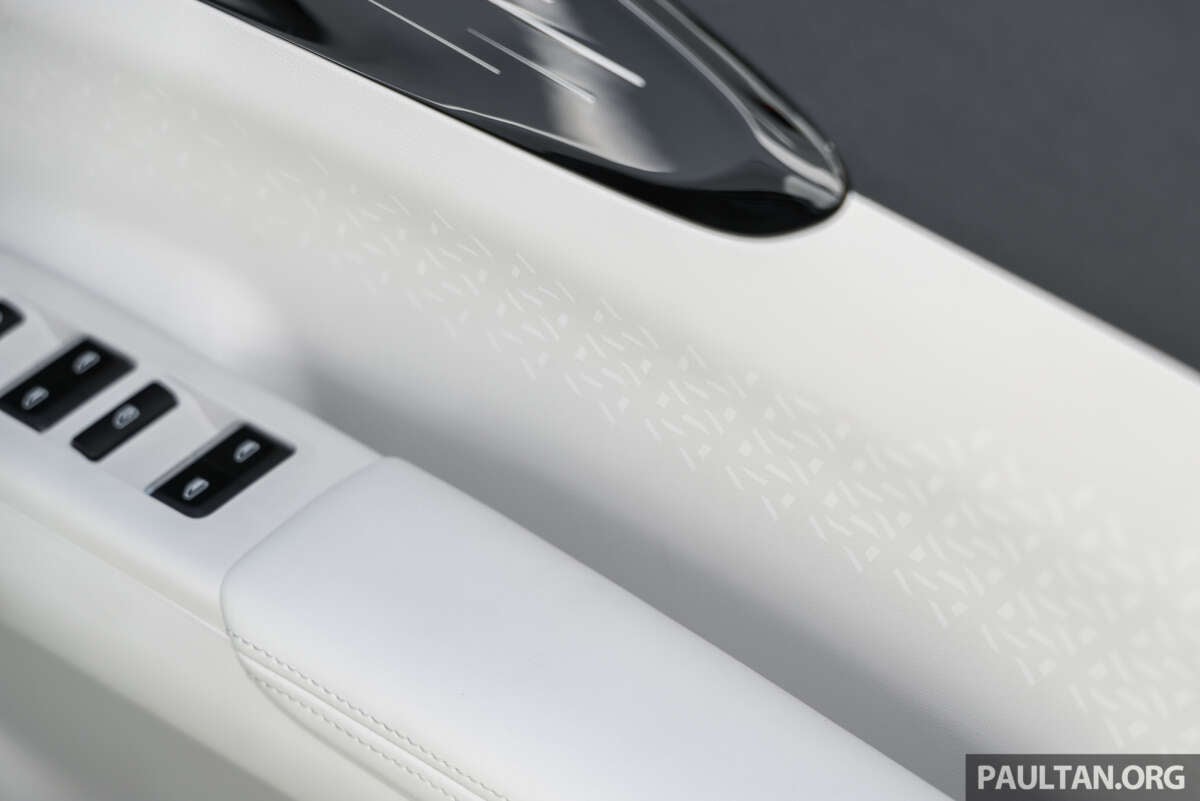
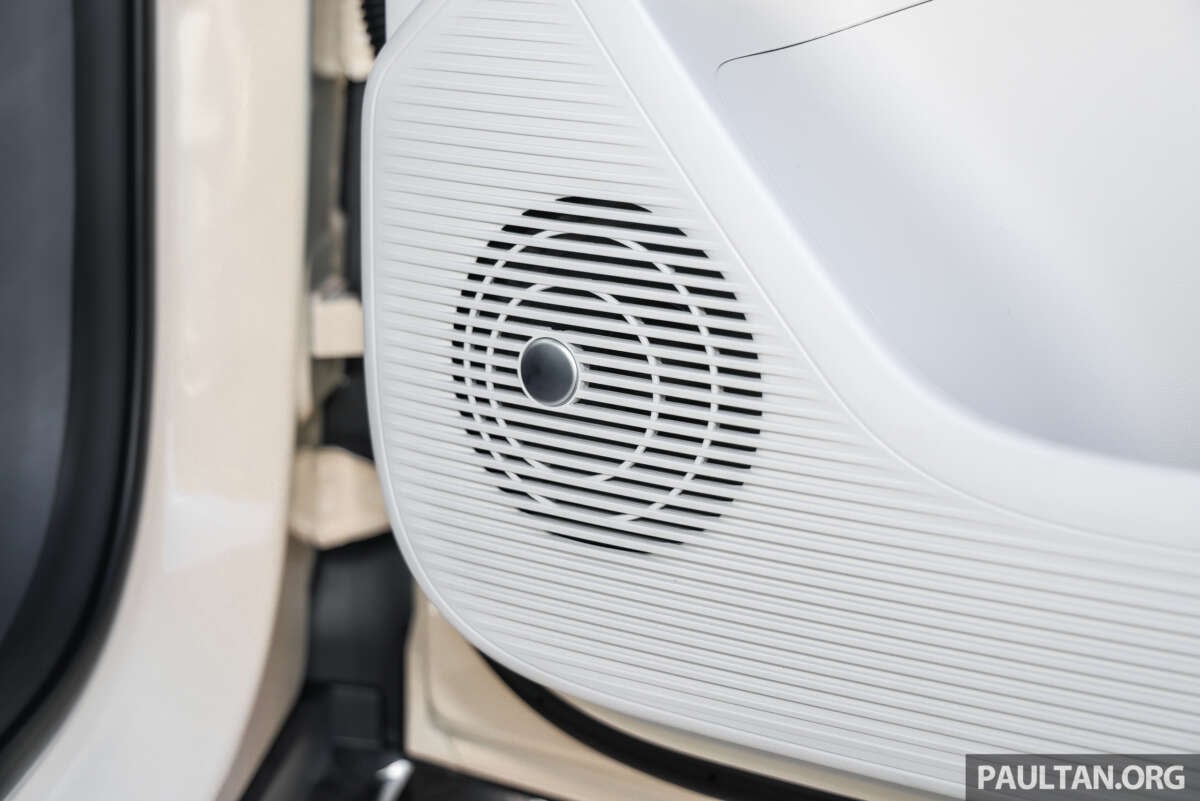
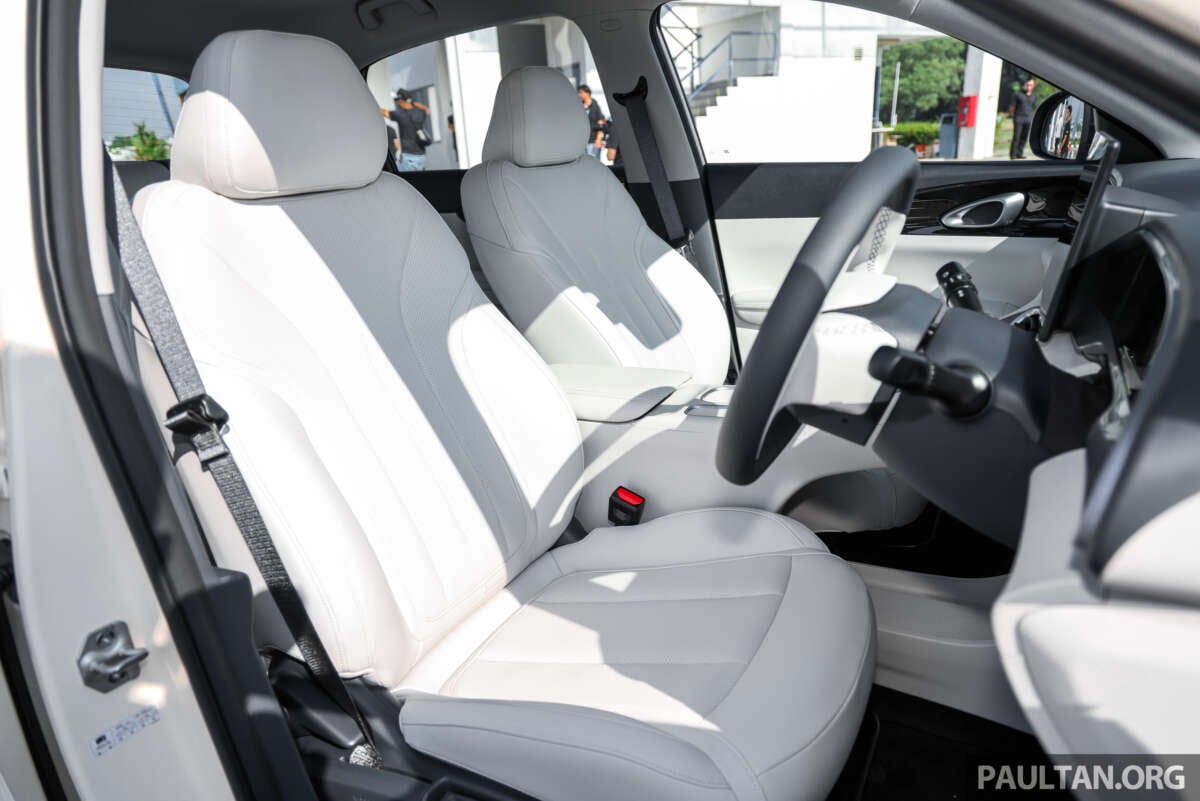
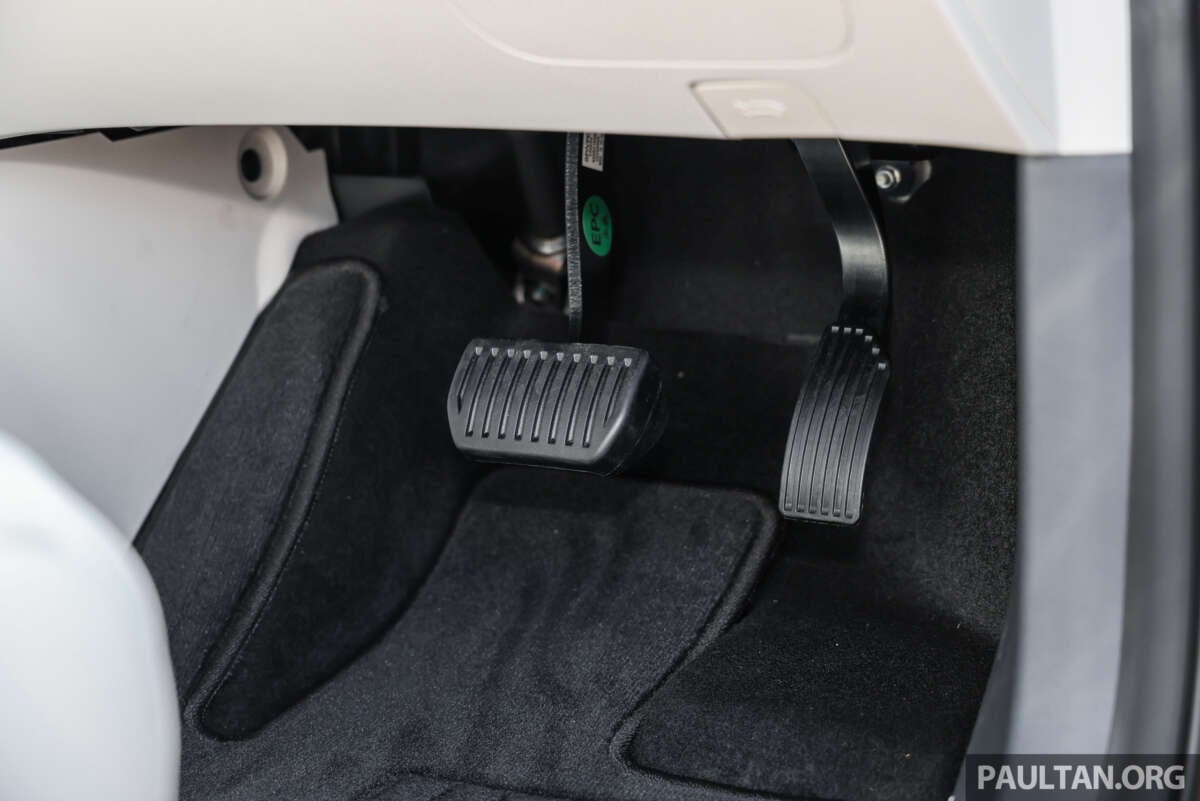
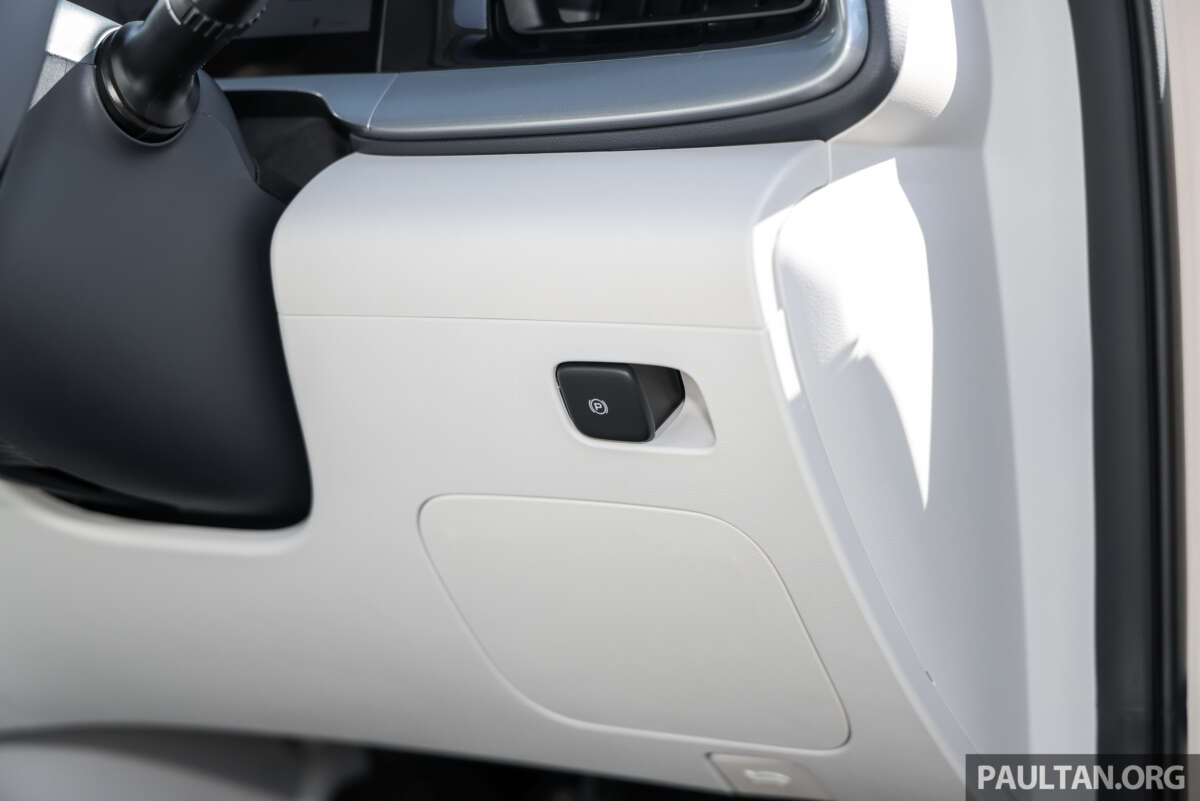
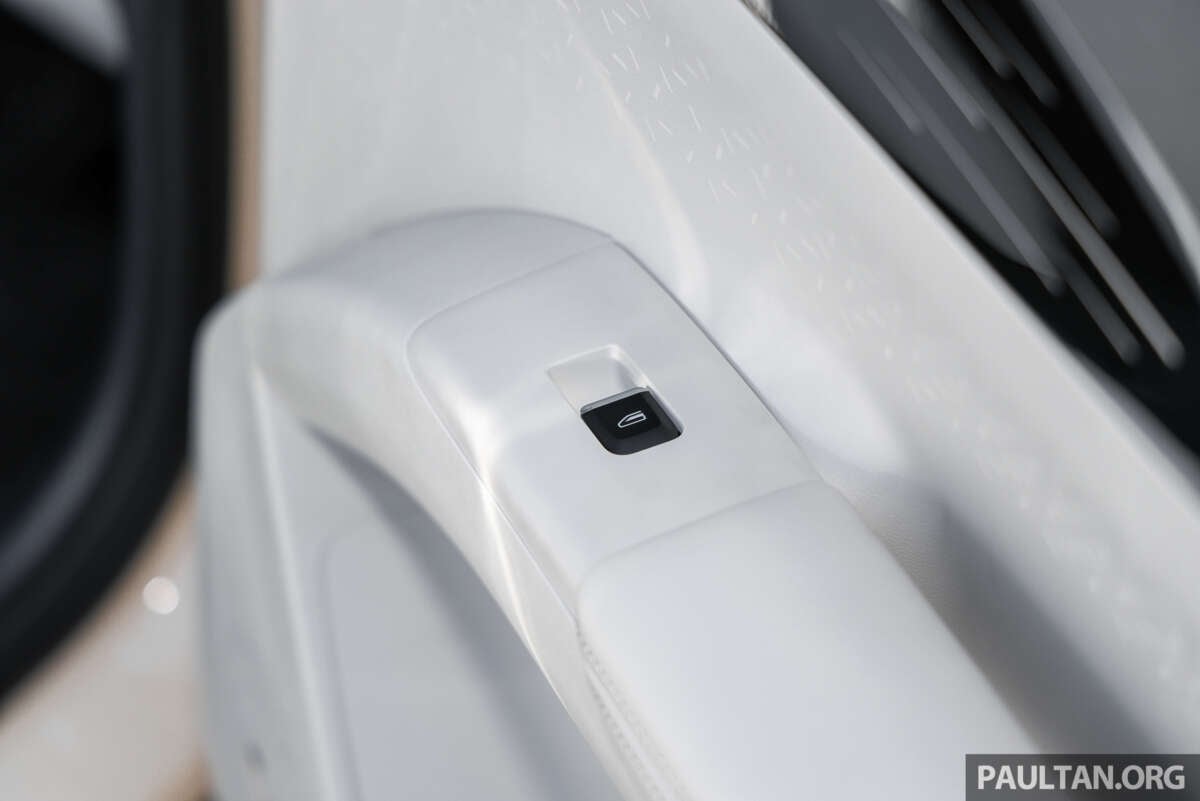
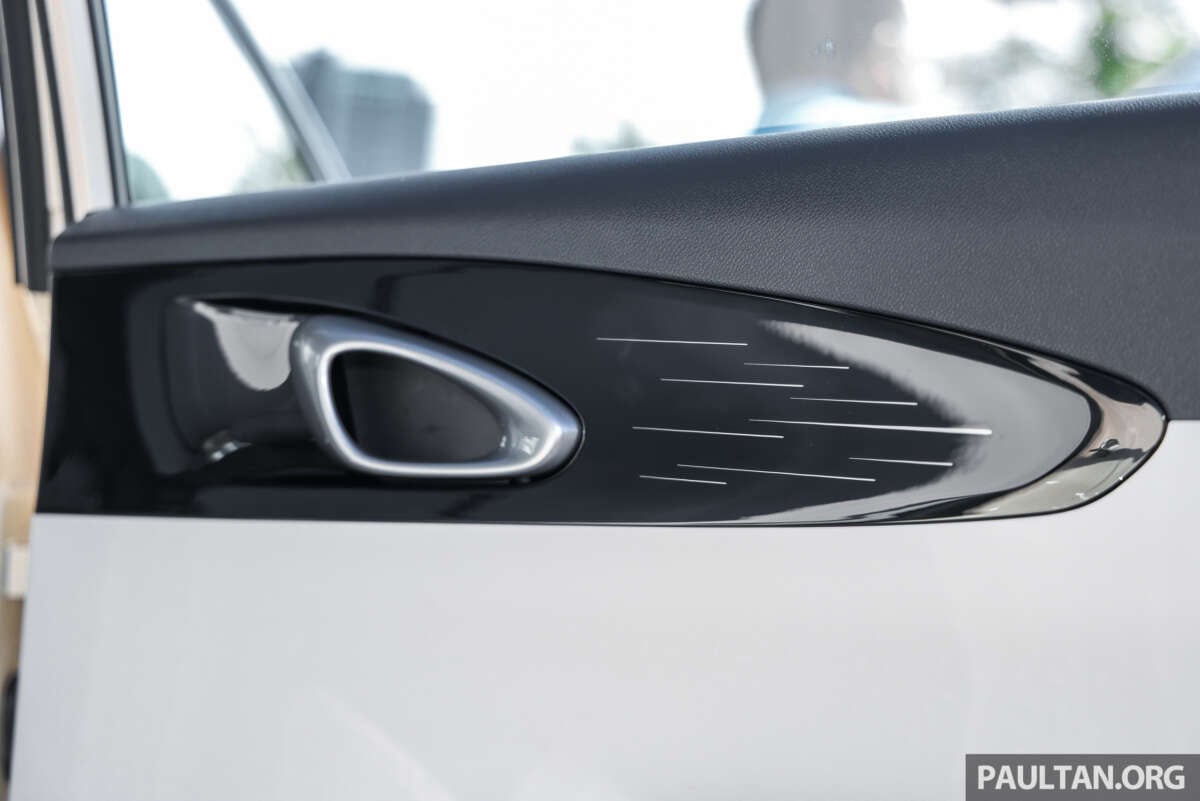
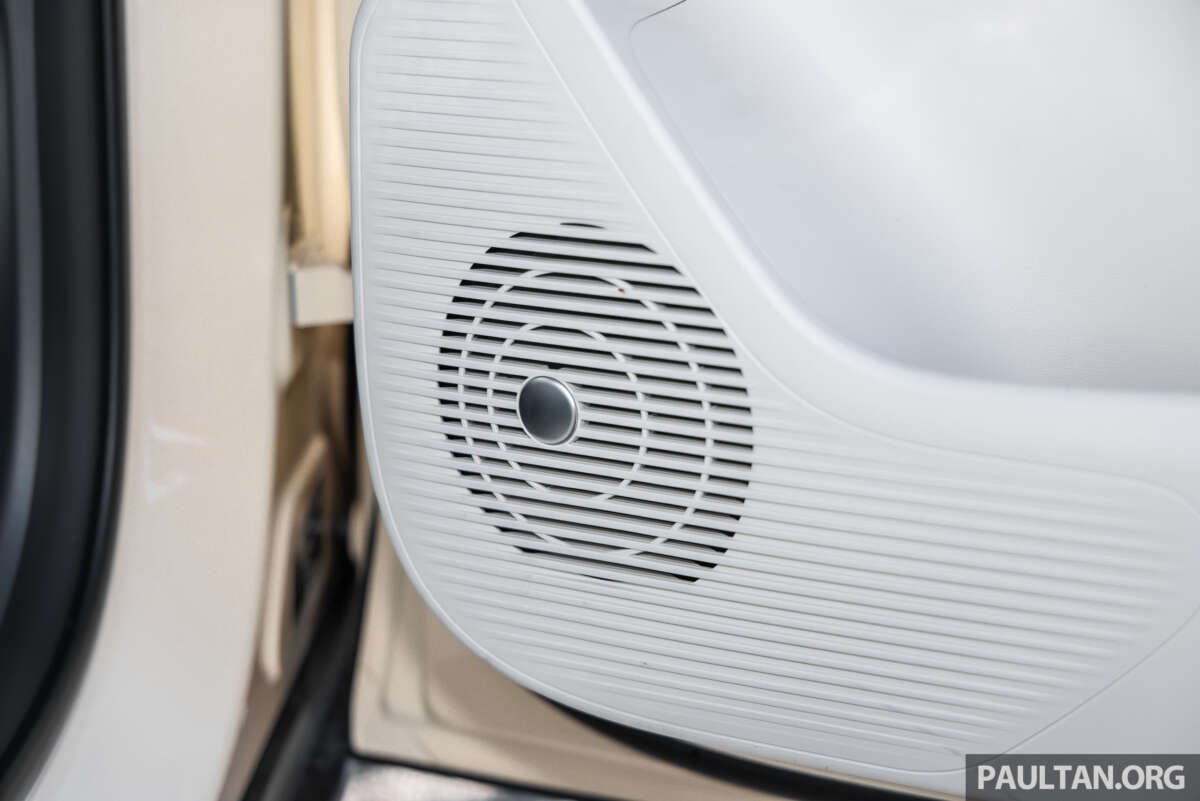
And then we come to the part of the comparison that the specs don’t tell you, and it’s how the cars feel inside. This is where the QV-E really starts to struggle – yes, you’ll find better materials, but the car squanders this advantage both through its design (flat dashboard, too-thick steering wheel spokes, too-small headrests) and the quality (rough part-fabric upholstery, swaths of cheap silver plastic, underdamped door handles).
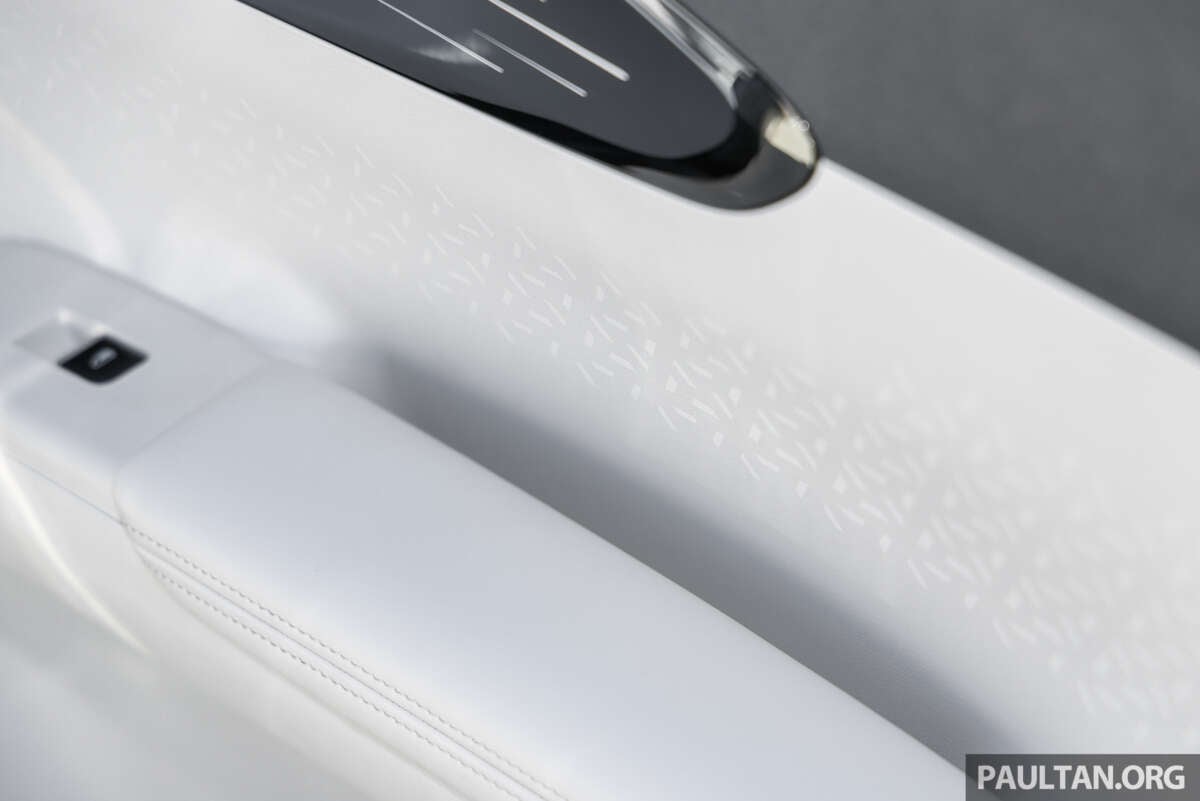
Don’t get me wrong, the eMas 5 is no Rolls-Royce by comparison, but it nails the basics and has nicer faux leather upholstery. You can also opt for an Alabaster White interior which, while easy to stain, lifts the ambience beyond the dour Flint Grey. The Proton may feel like it’s built to a price, but it also feels (and looks) like it’s built to a higher standard.
It’s clear that Perodua is a generation or two behind Proton (again, Geely in this case) in these areas. Some may be more forgiving of these foibles, but to us, these little things combine to make the QV-E less of a “proper” car, which makes the steeper price even harder to swallow.

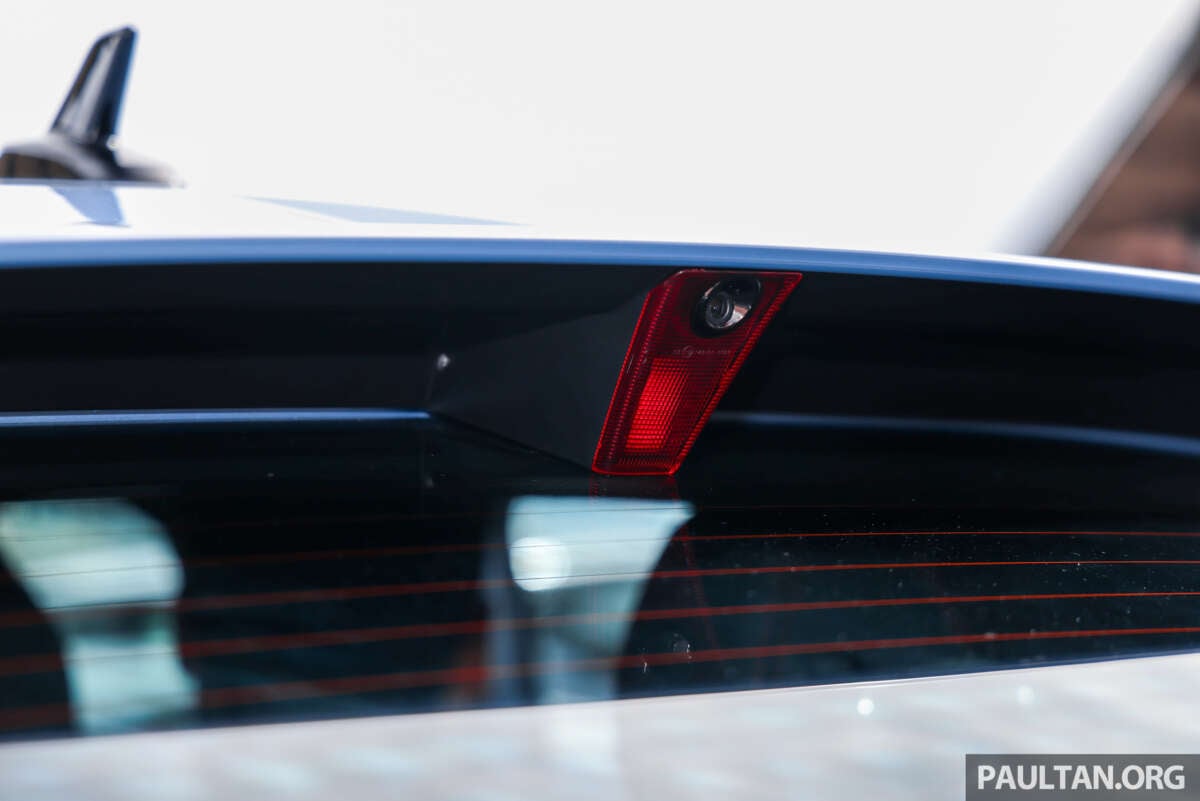
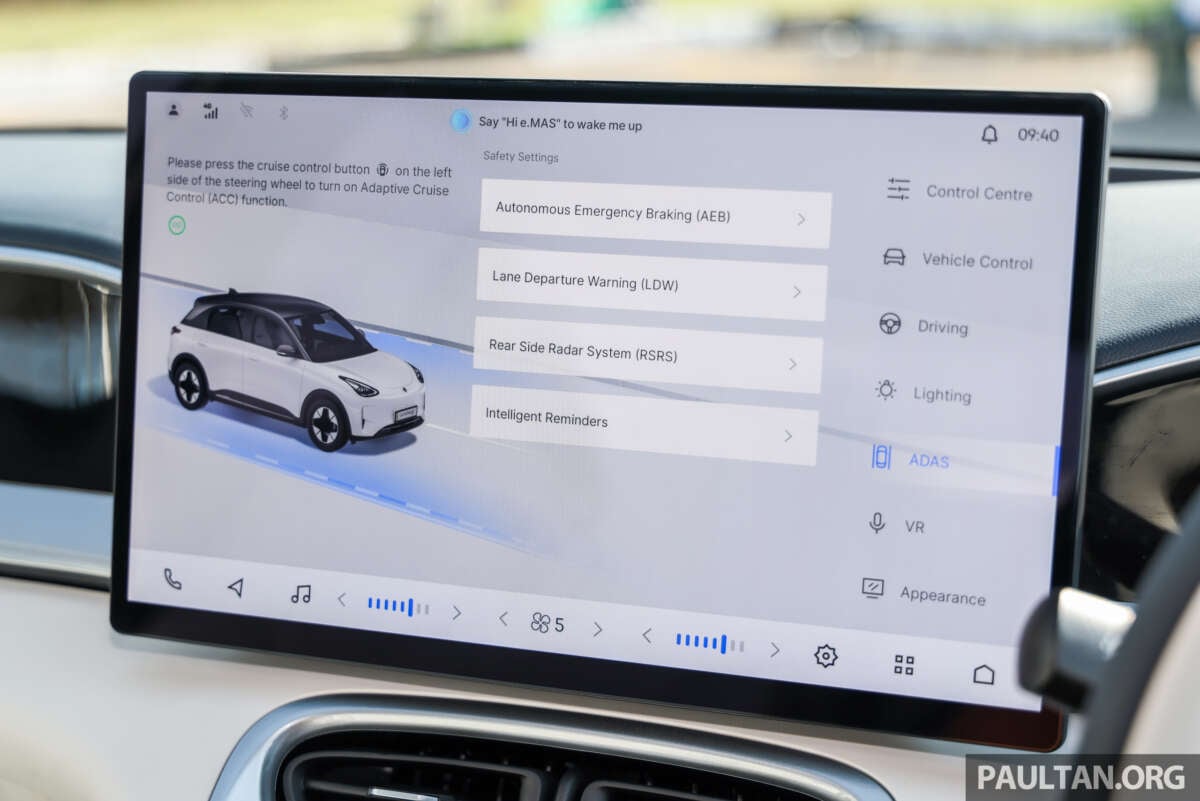
Safety-wise, both the QV-E and eMas 5 are much of a muchness with six airbags and Level 2 semi-autonomous driving functions such as adaptive cruise control and lane centring assist. The Perodua adds a rear-seat reminder that the Proton lacks, with a novel ultrasonic sensor for detecting rear occupants, rather than simply using door opening and closing logic.
Kit count is only part of the story – of greater importance is the actual safety performance, and the QV-E is the only one to have scored a five-star ASEAN NCAP rating. The eMas 5 has yet to be crash tested by any global safety agency, but given that it will be sold in Europe and Australia as the Geely EX2, expect the usual Euro NCAP and ANCAP ratings soon.
Efficiency and running costs

While the QV-E offers more range, the figures suggest that the eMas 5 is more efficient, achieving 12.4 kWh per 100 km versus 14.2 kWh per 100 km for the Perodua (you can blame the extra 300 kg for this). The caveat, of course, is that these numbers were calculated using the cars’ WLTP ranges, and you will invariably consume more energy in the real world.
All things being equal, however, the QV-E will likely cost more to charge in the long run, although its longer range may give drivers more leeway to search for cheaper charging options to reduce running costs. So it’s swings and roundabouts, really.
In terms of warranty coverage, the QV-E comes with a six-year/150,000 km warranty, which the eMas 5 beats by having no mileage cap. Perodua touts a total service cost of RM2,520.50 over nine years or 180,000 km, and while Proton’s service schedule is slightly different (there’s an initial service at 5,000 km, which P2 skips in favour of a complimentary inspection at 1,000 km), even at nine years and three months or 185,000 km, the eMas 5 is predicted to cost just RM2,275.15 in maintenance, which is a fair saving.

Additionally, both cars (if you opt for outright pricing for the QV-E) come with an eight-year/160,000 km battery warranty, with Perodua guaranteeing a replacement if the state of health falls below 70% before the warranty is out. Proton hasn’t outright stated if it offers the same guarantee for the eMas 5, but it likely does so, in line with the larger eMas 7.
Of course, with the QV-E, you do get the option of battery leasing, which Perodua claims guards buyers against battery degradation and severe EV depreciation. The RM215 monthly fee covers any maintenance on the battery (not covered under the regular service schedule, so no savings there), and just like with the battery warranty, the company will replace the battery if its health drops below 70% during the lease period.
However, any battery replacement after the lease requires buyers to sign a new nine-year leasing contract, trapping you into another long payment cycle. You also have to pay a steep three-month upfront advance payment of RM645 before you get your car, although this does cover the final three months of your lease.

Plus, every used vehicle sale has to be either performed by or facilitated through Perodua’s Pre-Owned Vehicle (POV) service, and the new buyer has to sign a new nine-year lease contract. And given that the company does not provide a guaranteed future value for the QV-E, you can’t be sure if its resale value claims hold any water, either.
You will also never own the battery outright – even once the lease payments end after those nine years, the pack will still belong to Perodua, for better or worse. You are also locked into your decision to lease the battery the second you put money down; you can’t buy it after the fact, and if you’re an existing owner and want to switch, your only recourse is to sell your car and buy another one. All in all, the scheme just doesn’t seem worth the trouble.
All this goes on top of the fact that the eMas 5 Premium is usefully cheaper to buy outright than the QV-E in the first place, to the tune of RM17,699. This covers a good chunk (if not all) of the cost of a battery replacement, so you can effectively buy three batteries for the price of a QV-E – the one that comes with the car, a free replacement under warranty if the first one dips below 70% SoH, and another replacement after that. If that’s not enough of a safeguard against battery degradation, I don’t know what is.
Final verdict
At the end of the day, which among the Perodua QV-E and Proton eMas 5 is best for you depends on what you’re looking for. If it’s all-out performance and range you’re after, then the QV-E wins, hands down. For the money, it gets closer to the class above (eMas 7, Atto 3) in these areas, although it stumbles when it comes to charging speeds.
But in a reversal of roles, it’s the Proton that’s the more practical choice. Quite apart from the fact that it is much cheaper to buy, the eMas 5 Premium should cost less to run and offers more space for passengers and luggage, plus it’s faster to charge.
It’s also hard to overstate the gulf in quality between the two cars, which is less of a compliment to the eMas 5 and more of a criticism of just how poor the QV-E is inside. Last but not least, there’s the option of an even cheaper Prime to save even more money, albeit at the expense of range (just 225 km WLTP) and active safety features.
There are other options too, including the eMas 7 Prime and the BYD Atto 2. Incredibly, there are still tax-free 2025 units of the latter available, and with various rebates and deals around, both can be had for not much more extra outlay. They may deliver a shorter range at 345 km on the WLTP cycle, but they are larger and offer much nicer cabins than the QV-E.
Still, the QV-E does stand alone as Malaysia’s only homegrown EV, which does count for something. If you can look past its various faults, the latest price cut – and the ability to purchase the battery outright – means that buying one is now a much more rational decision.
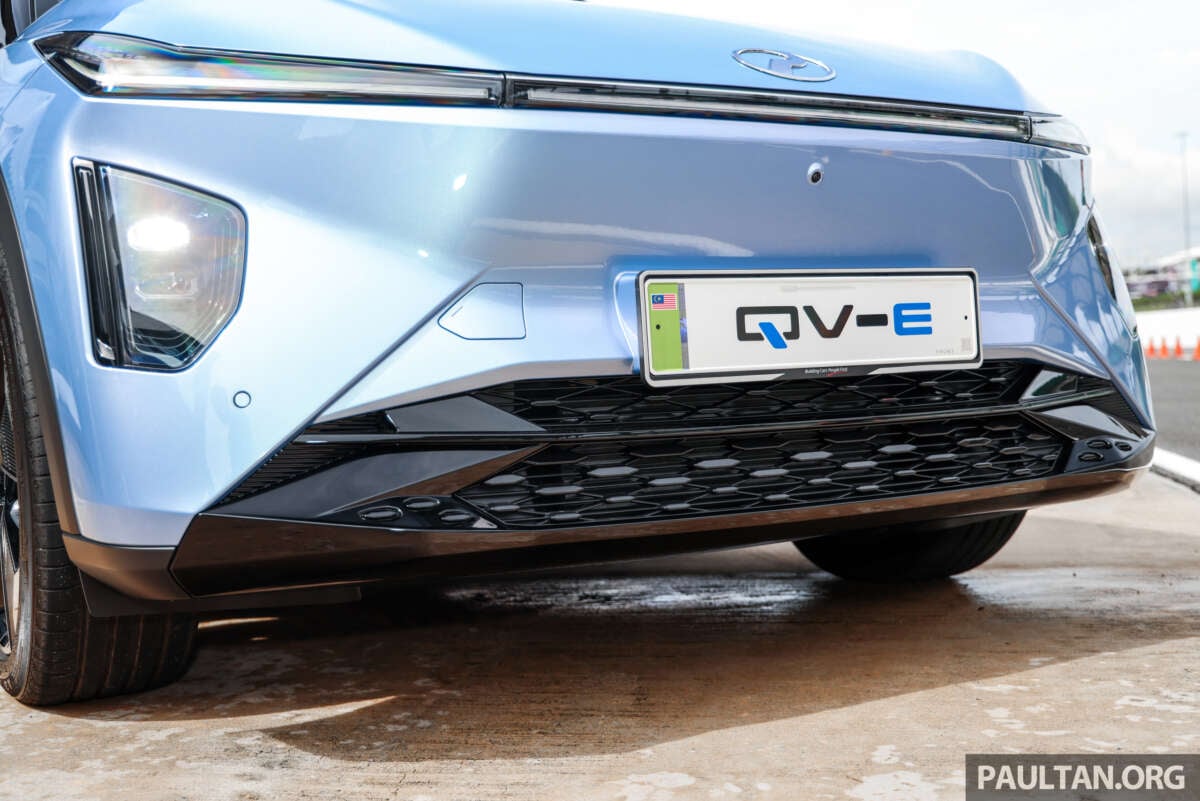
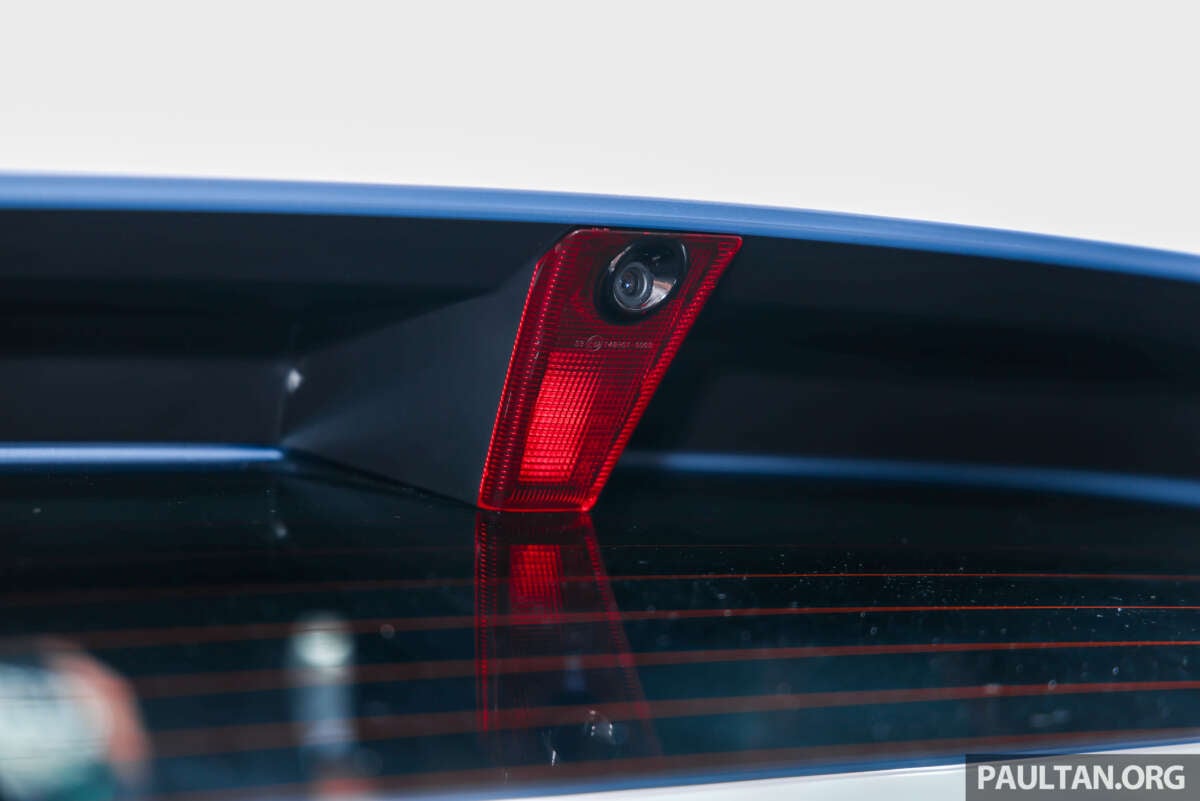
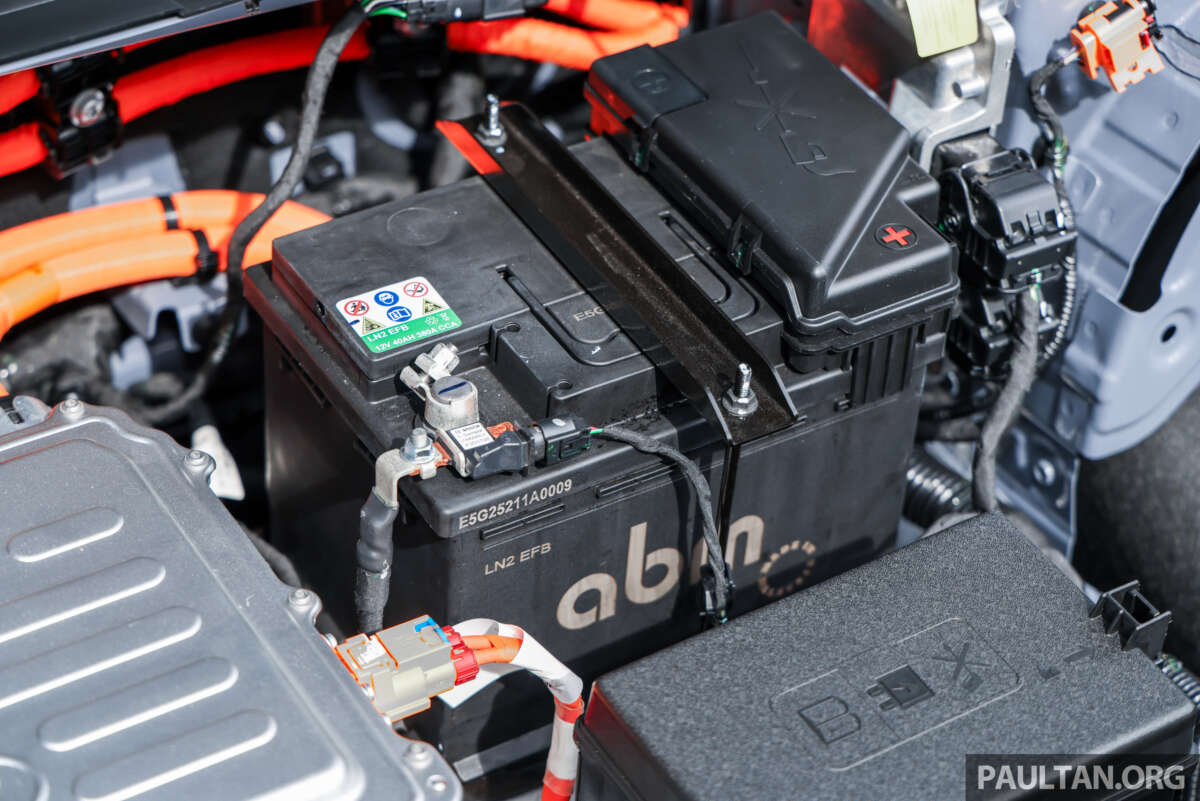
GALLERY: Perodua QV-E























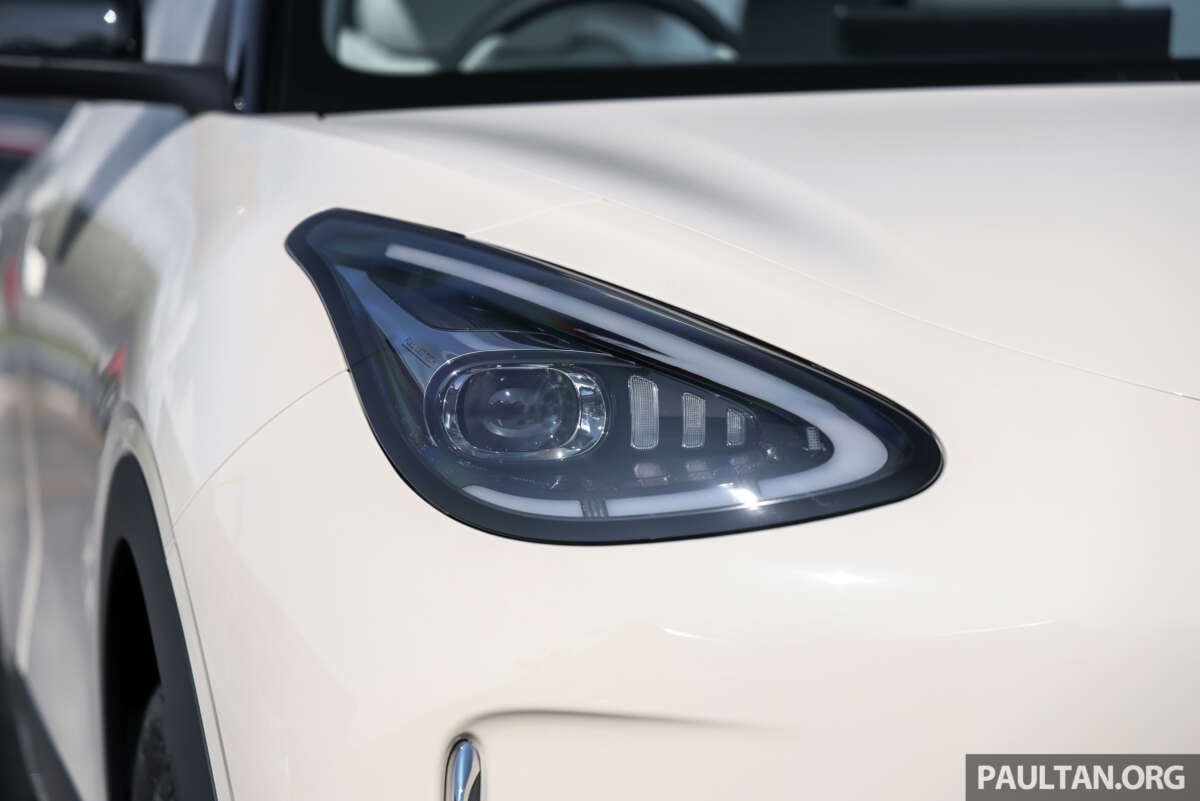
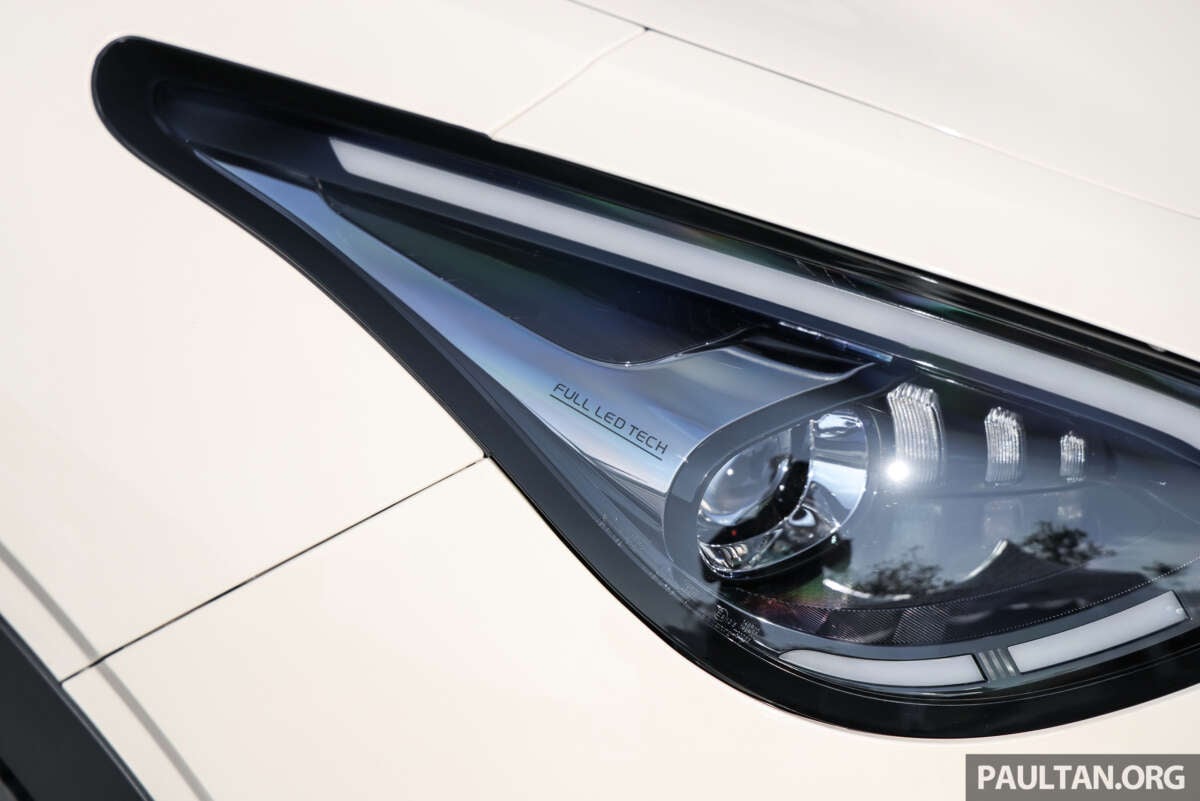
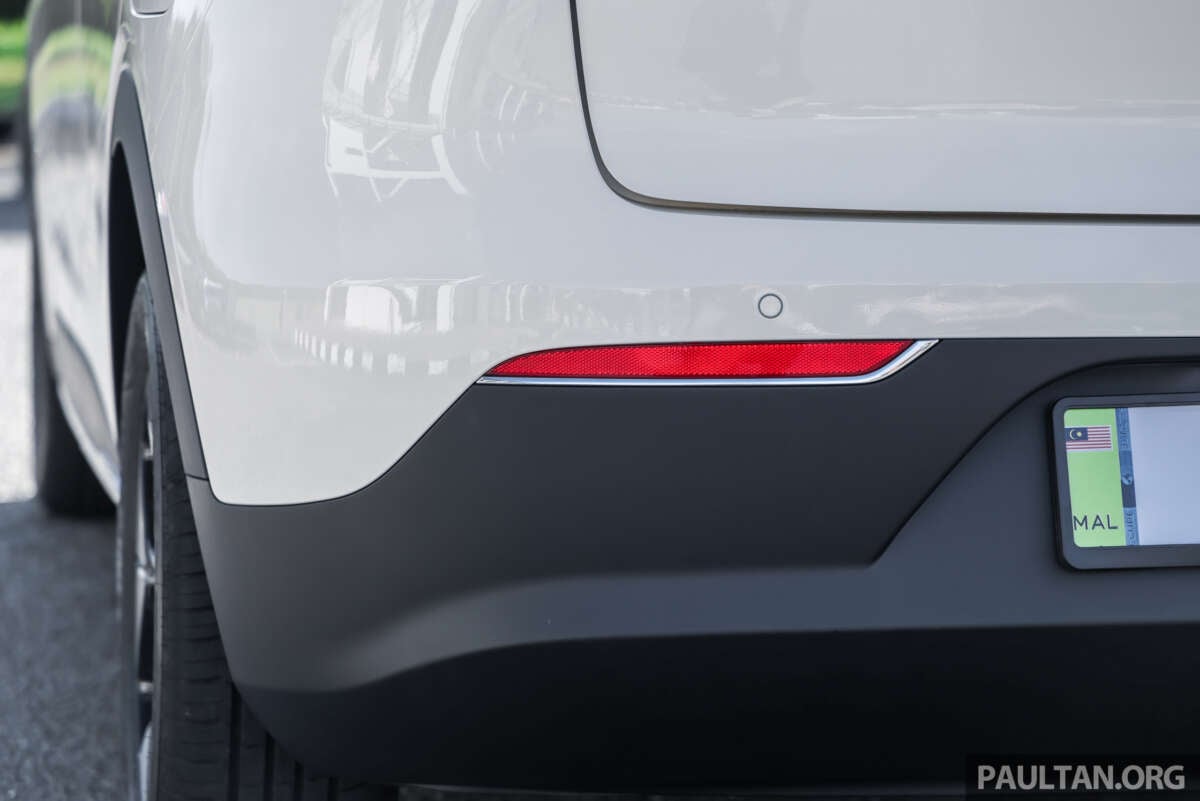
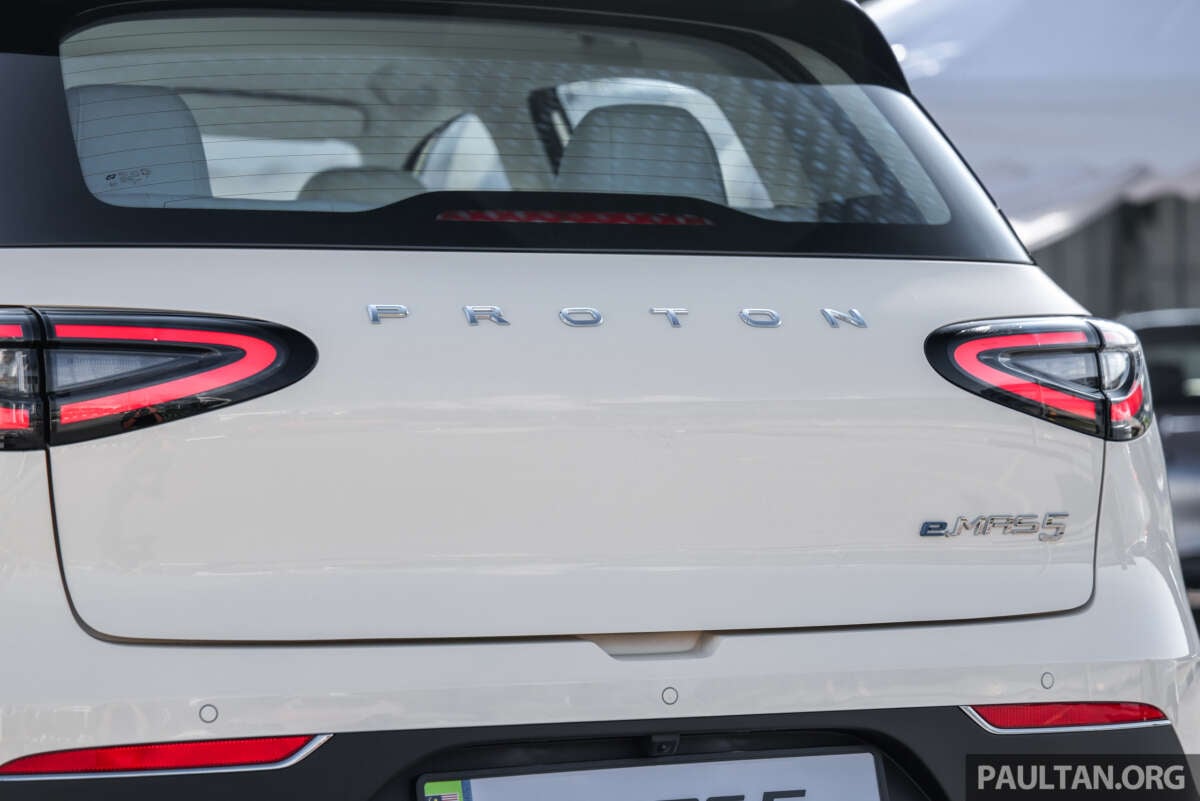
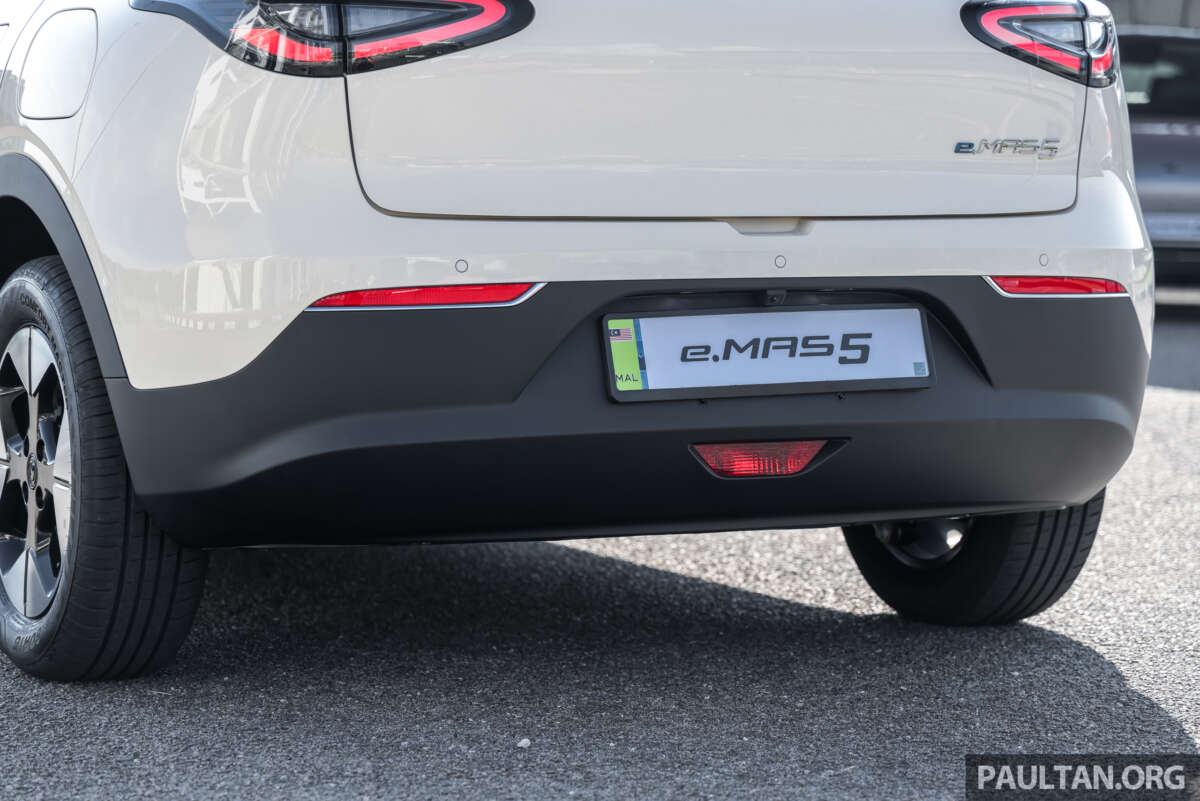
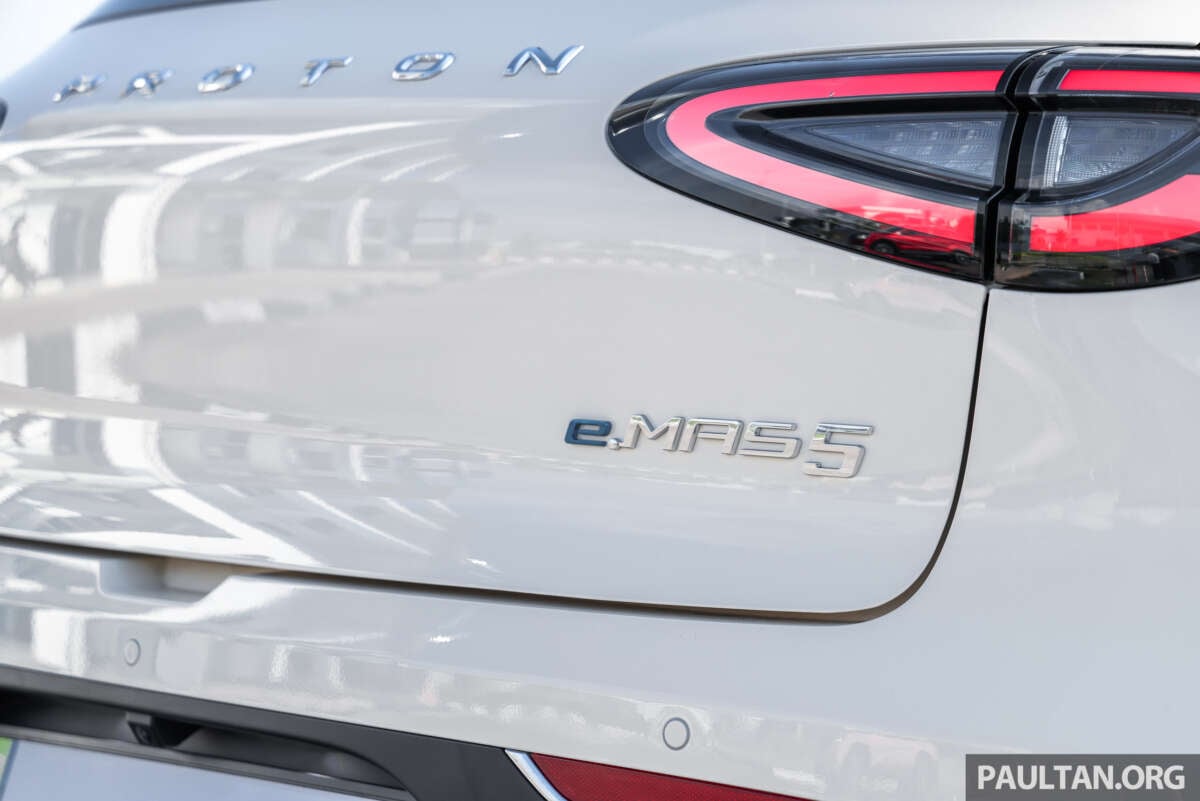
GALLERY: Proton eMas 5 Premium


Looking to sell your car? Sell it with Carro.

 Perodua QV-E
from RM69,999
Perodua QV-E
from RM69,999  Perodua Traz
from RM76,100
Perodua Traz
from RM76,100  Perodua Axia
from RM38,600
Perodua Axia
from RM38,600  Perodua Alza
from RM62,500
Perodua Alza
from RM62,500  Perodua Myvi
from RM46,500
Perodua Myvi
from RM46,500  Perodua Ativa
from RM62,500
Perodua Ativa
from RM62,500  Perodua Bezza
from RM34,580
Perodua Bezza
from RM34,580  Perodua Aruz
from RM72,900
Perodua Aruz
from RM72,900 
After 8 years past we will buy back your battery at rm1 wokay
The biggest blockbuster failure of P2 is to spend 800 juta Rm on this failed QVE.
Kedekut P2,serve u right.
A failed launch is a FAILED launch.
A relaunch is only getting you the crumbs,P2.
Perodua Qve is proof that a product can be relaunched in the same year and fail twice. RM90k for a local product is a complete scam, just like their battery service. Not even B40 can buy this overpriced bull crap even if they do grab or foodpanda 24/7 without resting. If not for Bapak Miti kuat tongkat, Perodua would go bankrupt just like Potong before getting rescued by China saviour Geely.
Emas 5 is a proven product by Geely that is very advance in EV..jepunis also can’t be seen on the rear view mirror. So what to expect when come to this QVE? Why even bother to compare them unless u just want a Malaysia ln EV and willing to donate your money freely. It’s just not apple to apple. Situation is worse with the higher price and batter lease for life
Wait a bit more. Surely the price can come down a lot more.
Even with the price drop and rebate at 87k, it is still expensive even with the battery this time. It should be priced closer to the Emas 5 premium. The design is also is like a P2 BEV version of the CHR and to an extend the Gen2, a niche product with weird styling.
At the same time we should all vote with our wallets for so that EMAS 5 CKD will be cheaper and have better kit. If we can make P2 rethink the price for QV-E, I am sure we can make P1 rethink the price and kit for EMAS 5 CKD. Sure end of the year Emas 5 CKD will have good promotion if sales crater.
I hope people realise P2 were really willing to sell the QVE for 120k before, while being the same segment as the e.MAS 5, cheaper interior, slower charging, less spacious than it looks. The utter disrespect to the people of Malaysia. Probably the ridiculous profit margins from no competition has gone to their heads, being able to do this in their right minds is crazy/
I hope Perodua going die forever because Chinese cars more value. Perodua still trash and trash forever
Read that many Chinese auto companies in red due to unhealthy competition..that is why we are getting cheapo crap here due to dumping…seems these Chinese auto are slowly dying..bye3
ironic that even ccp cheapo crap is still functionally superior to homegrown perodua.
Funny how you interpret competitiveness as a bad thing. Then again it’s understandable coming from a stooge for Perodua, the company that epitomizes protectionism.
“unhealthy competition” , i gueess malaysia is more healthy because here we have NEP to protect the boomees.
Namba 1 Perodua Qve
Namba 2 Perodua Qve
Namba 2 Perodua Qve
The only EV in the world with Gurantee Resale Value
QV-E outline reminds me of Toyota C-HR.
nice from outside but it didn’t sell much. over priced at rm180k compared to HR-V of same class. I think QV-E is making same same mistake like C-HR.
It will hard for QV-E to catch up with Emas 5 since Geely product facelift is at almost annually. this is typical china local market facelift frequency. they need to facelift very frequently to keep competing in their local market. so fast that proton will have hard time to catch up if local pats making involved.
let’s see how this dynamic will change our automotive industry.
FYI
QV-E is the most powerful 204ps P2 ever produced and also the most heaviest 1.6tonnes P2 ever produced vehicle.
p2 boss: you all kecam kecam and dont want buy nevermind one, wait till later perodua report loss and bankruptcy government will still use your tax money to bail us out, either way i win.
The thing i like the most about QVE is its exterior design. Other thing, unfortunately Emas 5 wins.
Truly designed by Magna Steyr Fahrzeugtechnik GmbH & Co KG headed by chief designer Chok Jia Junn
ROTFLMAO Thankfully not penned by Theophilus Chin
but once you step inside the QVE the entire fantasy crumbles. The interior is so poorly made. Quality of material is cheap and thin. and making matters worse is the fitting. It is so bad it shouldnt even appear in a myvi.
Which just shows P2 is good at coming up with sporty designs but fails to capitalize years of cooperation with Daihatsu and Toyota to learn about packaging, material science and build quality above economy segment. Or P2 just too arrogant thinking they can easily overcharge Malaysians for a mediocre product.
It is so satisfying seeing Perodua and Proton swapped places after so many years . In the turf of EV , Perodua now has become the syok sendiri one who indulge in its own fantasy making EV that is way overpriced , bad build quality and nobody wants. Meanwhile , Proton is the practical one admitting that they are the “tukang rebadge” and nothing shame about that. Who give a damn if QVE is much faster than eMas 5 and have more power ? Remember the internet used to mock Iriz handling and tough chassis doesn’t matter as people will still go and flock to buy the Myvi ?
Perodua is getting a taste of what proton had suffered far too long , a result of their arrogance and their complacency , making the QVE so ridiculously priced and with virtual zero rear space. Anyway , the entire QVE are all made up of China components and Perodua just assemble it . Whats that to be proud of ?
So satisfying seeing Perodua having its “savvy” moment . lol
In reality your statement is true. P2 now feels the heat of developing own vehicle. Same experience like P1.. but let’s see how flexible and smart is P2 to turn around.
If indeed it turns out a big failure then it’s a sad sign that our country cannot have a true automotive maker. Market size just too small to sustain a real competitive company. Perhaps what Thailand do all these while is a better model for advancing automotive industry
Buy Malaysian product…the genuine Malaysian product here is QVE.
Emas5 wins in every area la it’s cheaper, better quality, have longer range and less complicated. As for the QV-E style is subjective, found its styling was a bit ahbeng for my taste though. Also, it isn’t a Toyota rebadge like other Perodua products… definitely wouldn’t spend my 90k on unproven Perodua engineering. My take
actually QVE has longer range than emas5.
Agreed. Make sure only 40kg driver with no passenger for a 1.6 tonne ev
qv e battery , motor, sensor pakai siapa punya ?
supply chain china?
What is happening to P2 withbQV-E is what P1 was in its earlyninception until buyout by Geely.
Imagine G during Tun tenure was task to spearhead internal capabilities to make the 1st national fully fledge cars. Then came Waja which 100% in house. But the market didn’t response well.
Years gone and their.product not reflecting what the market needs and wants.
“Kerajaan tak boleh uruskan perniagaan, tugas kerajaan seharusnya meluluskan undang-undang dan hukum orang, kamu buat salah kami tangkap dan hukum, itu kami sangat efisyen.
“Tapi untuk uruskan perniagaan kami tidak efisyen, kami akan rugi, sektor swasta mereka tahu buat duit, mereka ada idea,” kata Dr Mahathir.
“Kerajaan tidak bantah kamu buat duit kerana 36% akan kami dapat semula. Kami mahu orang berjaya dalam perniagaan supaya kami dapat duit.
“Kami tidak melabur sesen pun tapi kami dapat 36%,” katanya
nobody cares what that delusional old man thinks or says lah. He is the reason MYR is so low compared to SG and Brunei.
What were the designers at Perodua doing? The rear seat could have been done so much better. No excuses.
I just checked out QVE at KLIMS. The interior is basic, cheap hard plastics and design is nothing special. Externally it looks sportier than e-Mas but much less practical, rear seat cramped, boot much smaller, no auto boot door even. The only only thing better than e-Mas is the better power and slightly better ranges, but all other practical aspects it loses out. So IMHO, RM87k is still to expensive, this is a car neck to neck with e-Mas premium and should be at e-Mas prices, around RM75k max