
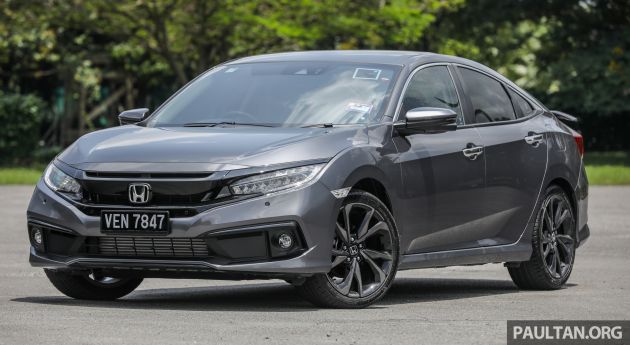
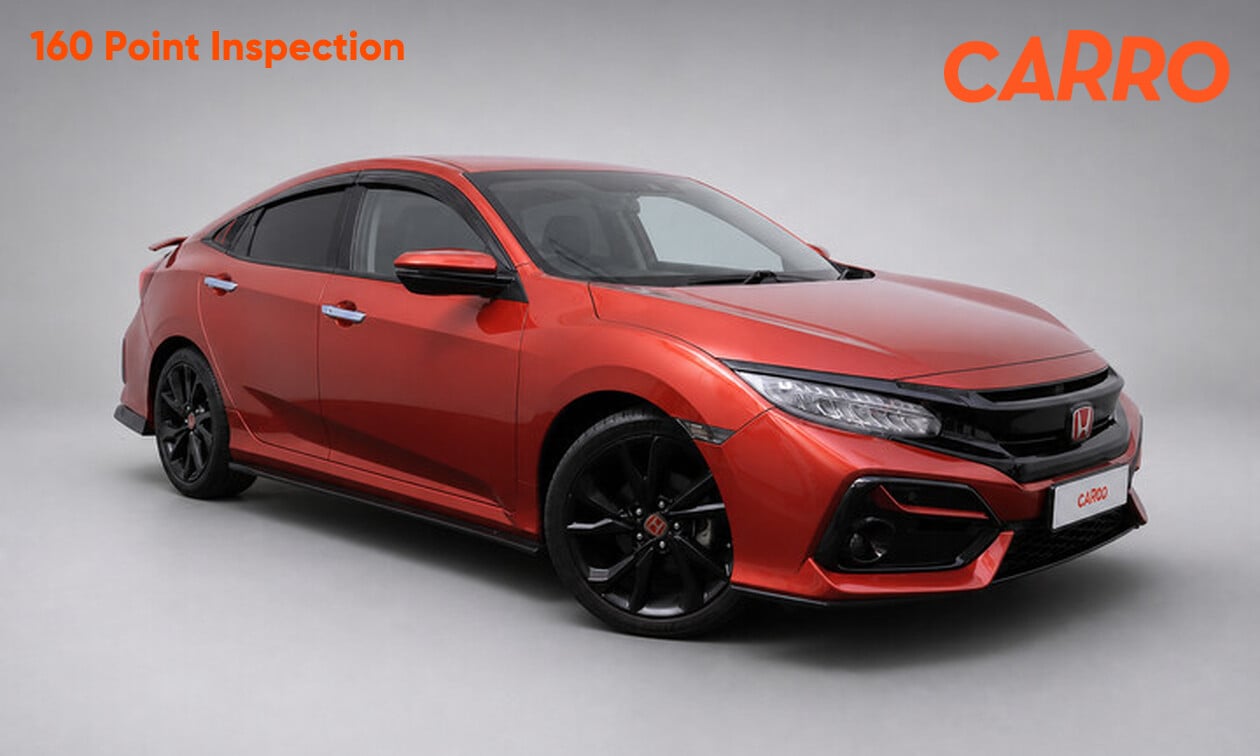
The tenth-generation Honda Civic – chassis code FC – is one of the most sought-after used C-segment sedans in Malaysia, and for good reason.
It was the car that brought turbo power and genuinely head-turning styling to the mainstream Civic, and a decade on it remains hugely popular on the used market. Malaysians know it best by its nickname: the “Civic Ketam.”
This is a used-buyer’s guide to the FC Civic (2016-2021): what the variants are, the all-important 1.5 turbo vs 1.8 NA decision, a full spec table, how the 2020 facelift differs from the earlier car, what to budget, and – crucially – the known issues to check before you hand over any money.
Why is it called the “Civic Ketam”?
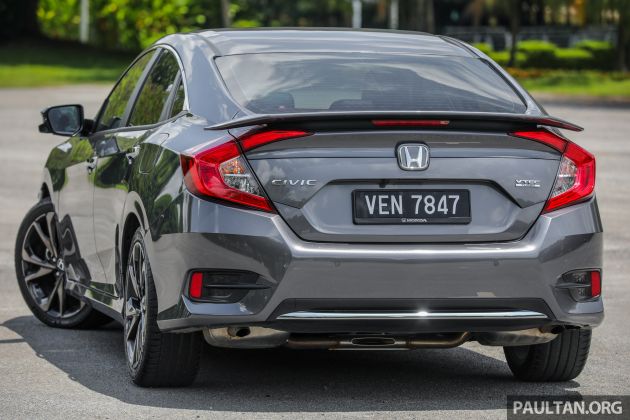
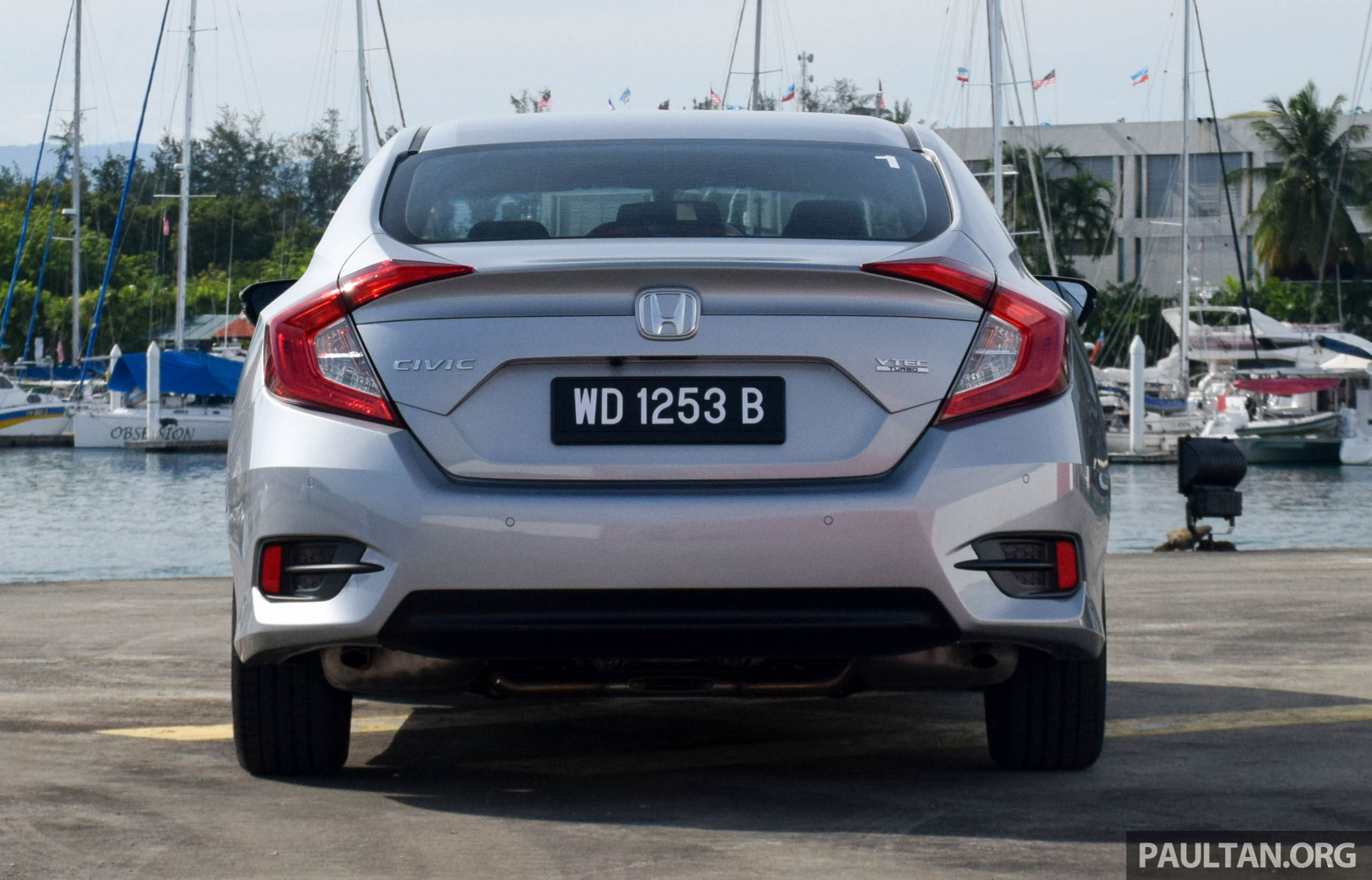
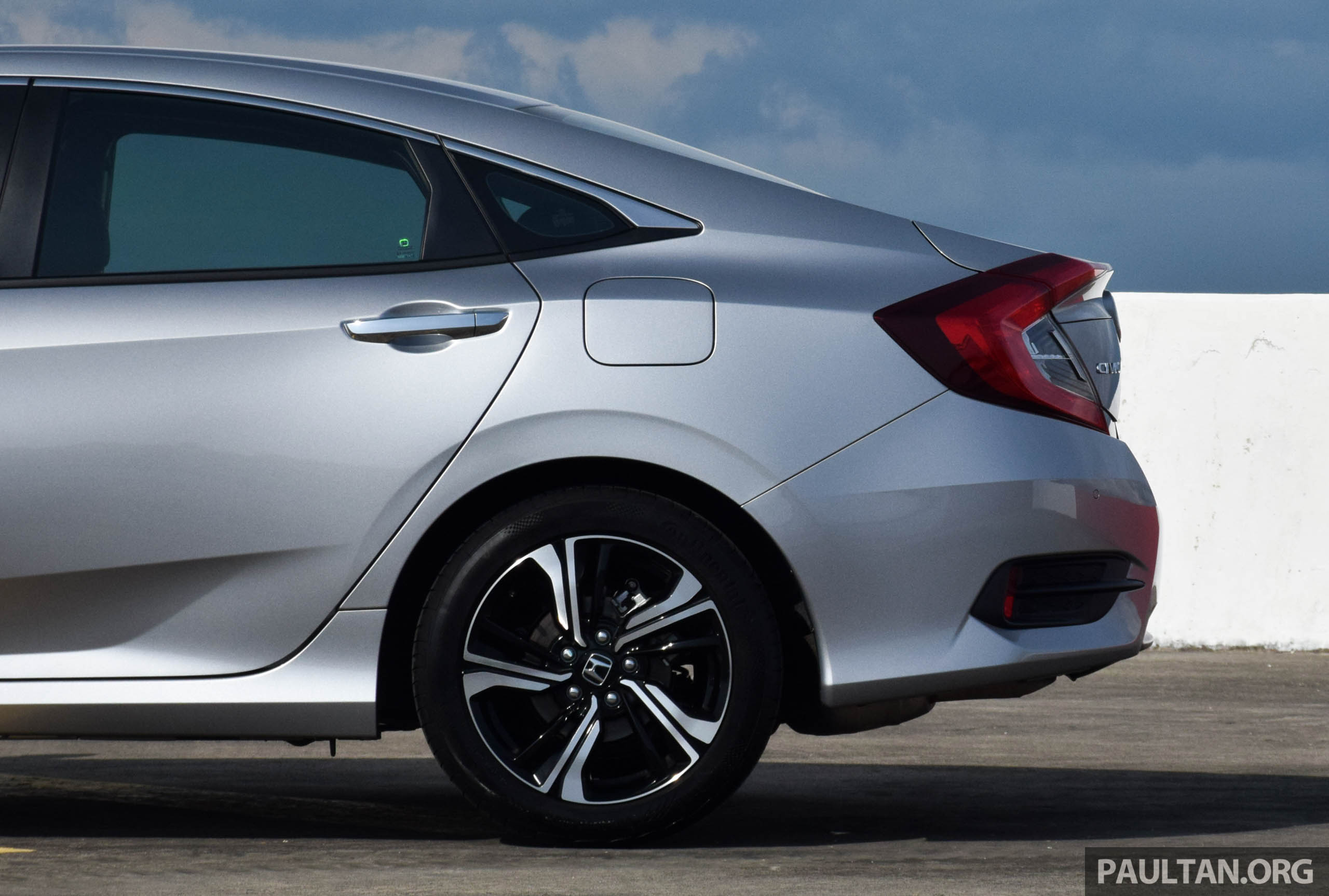
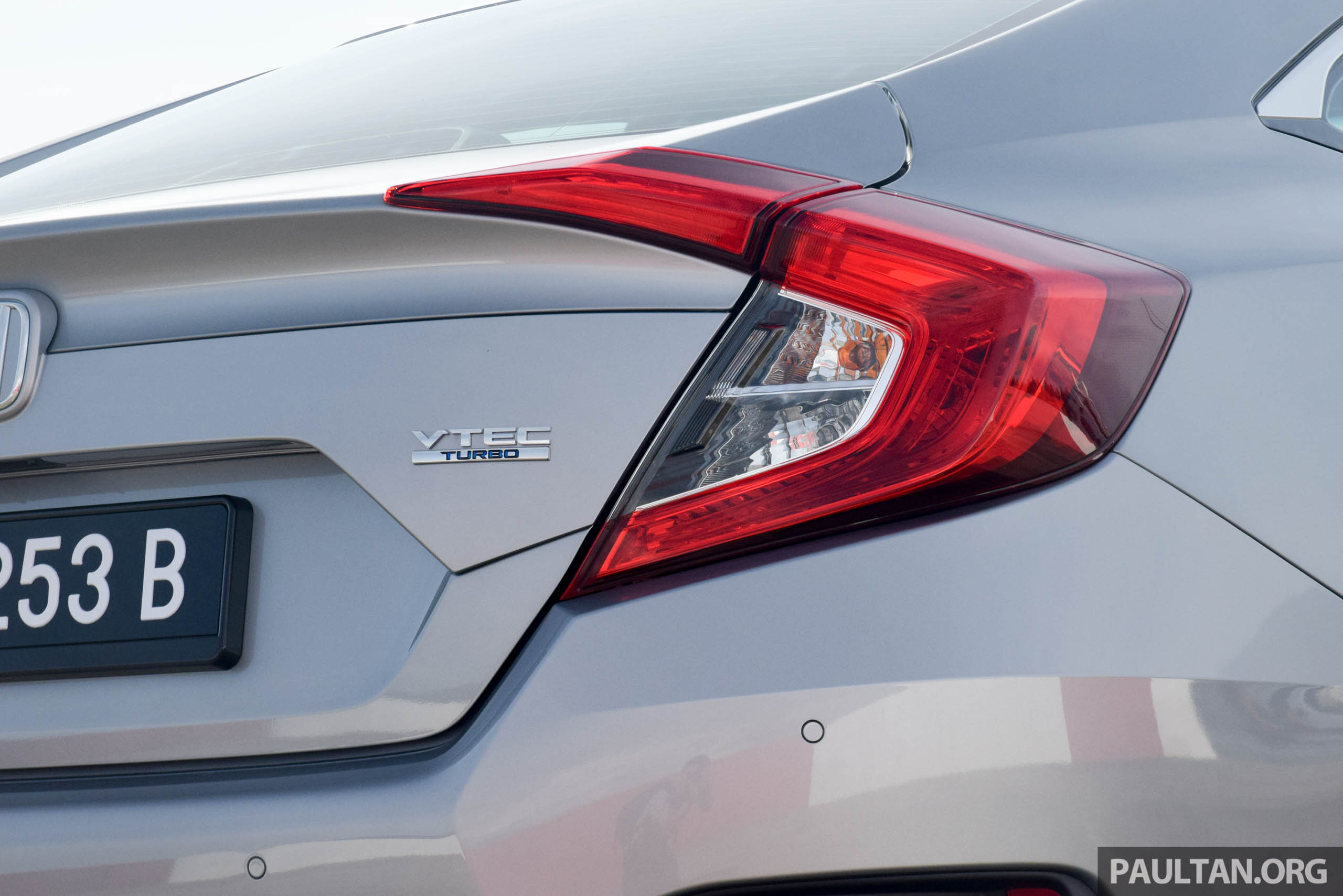
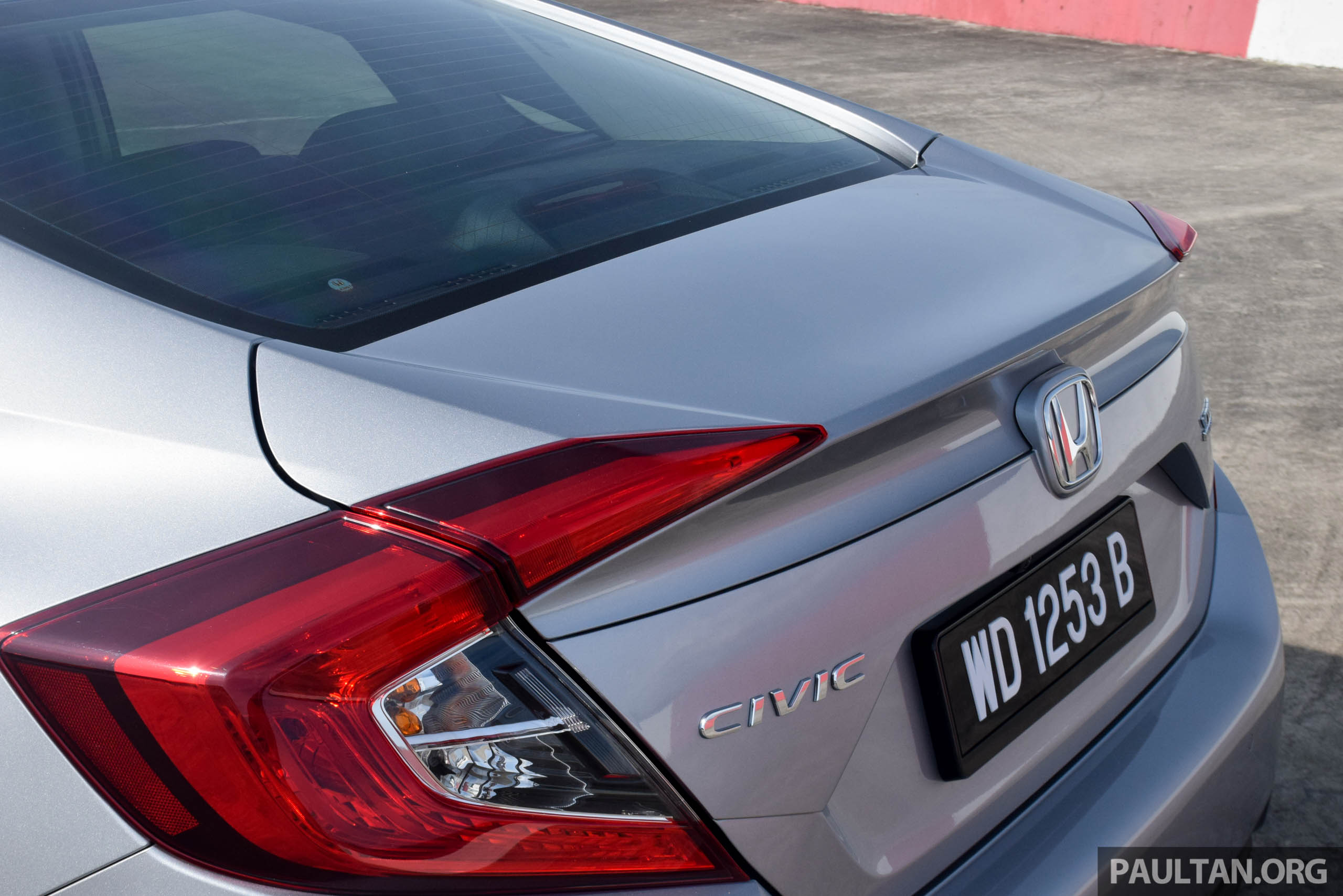
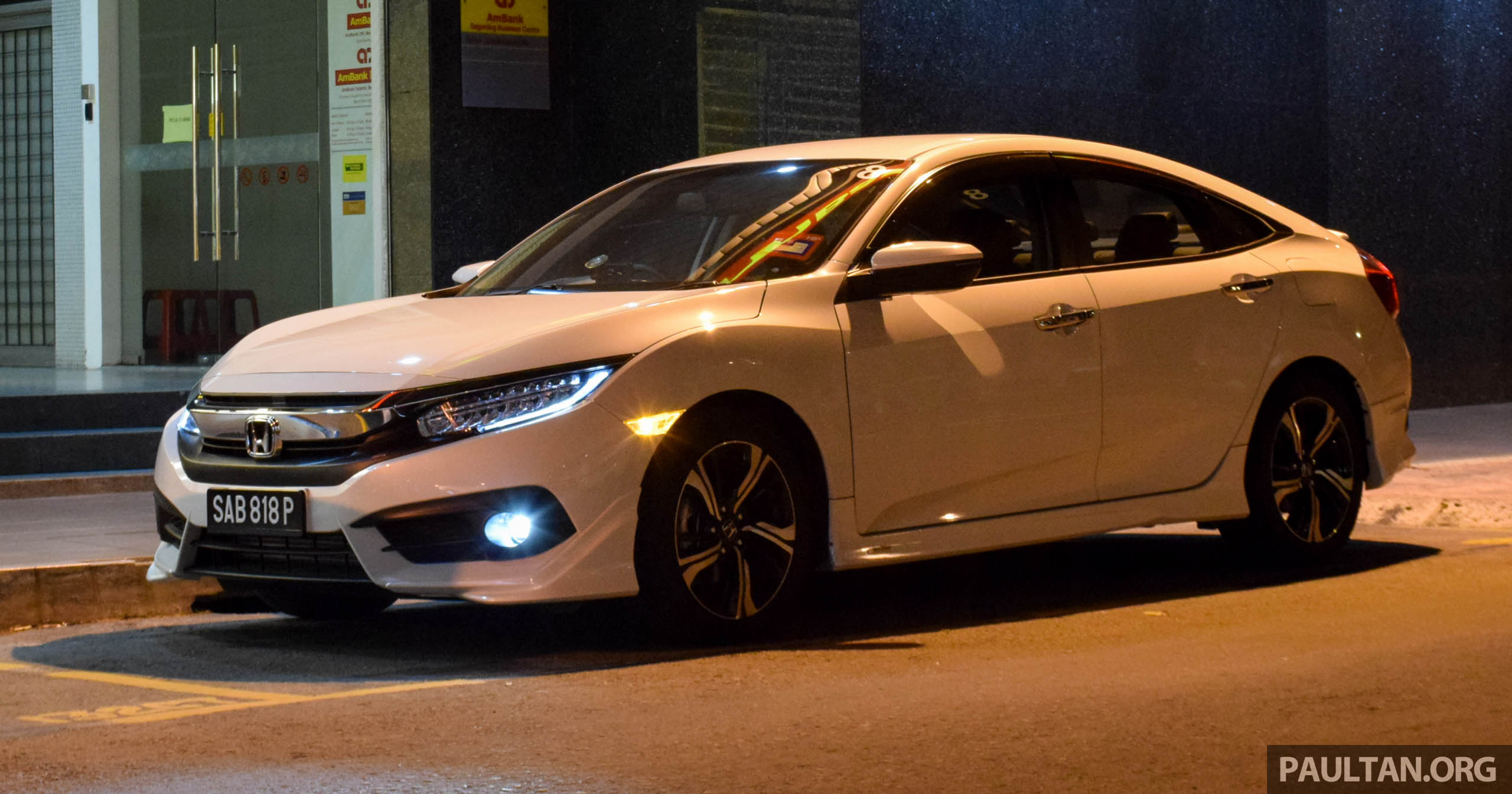
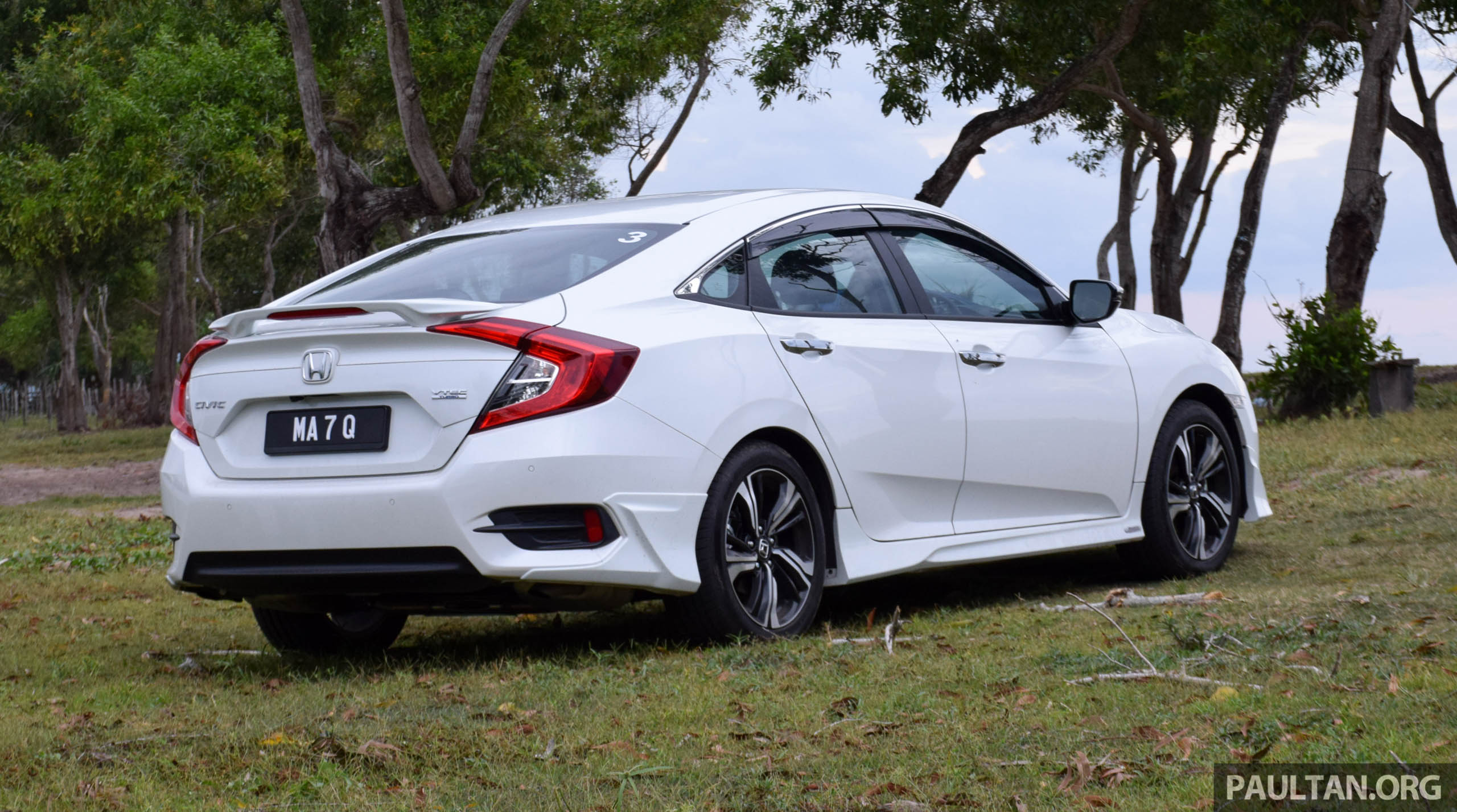
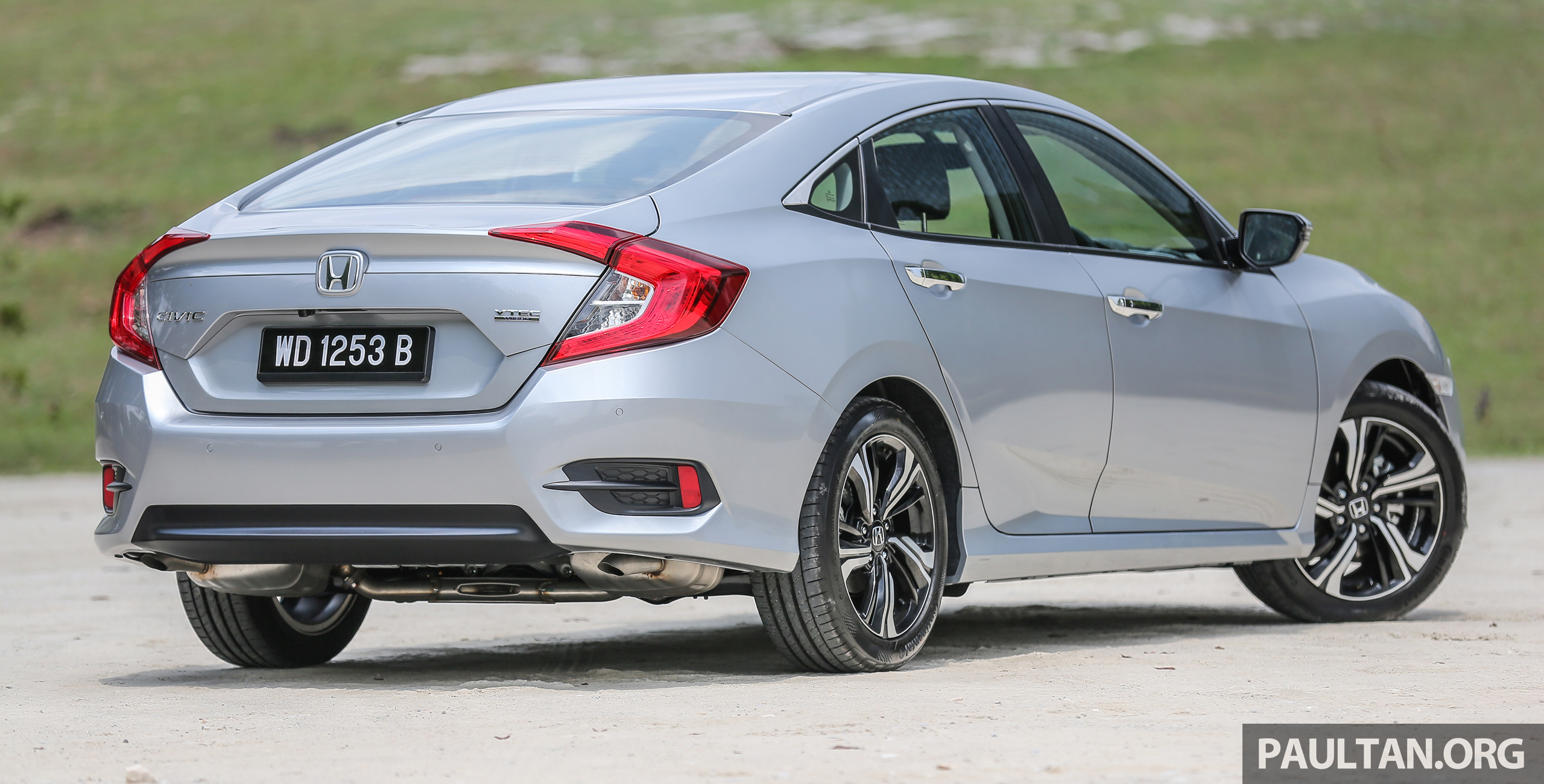
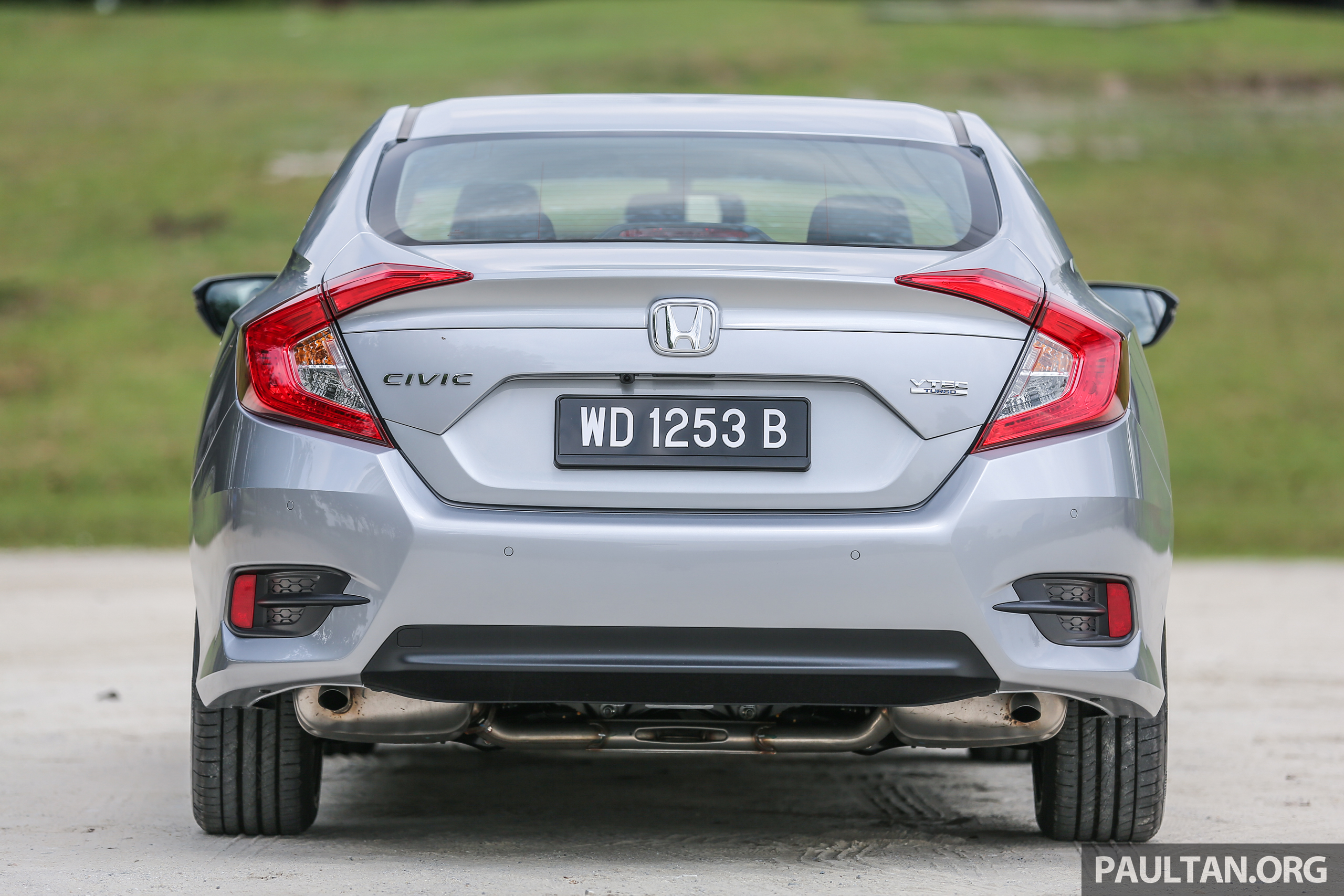
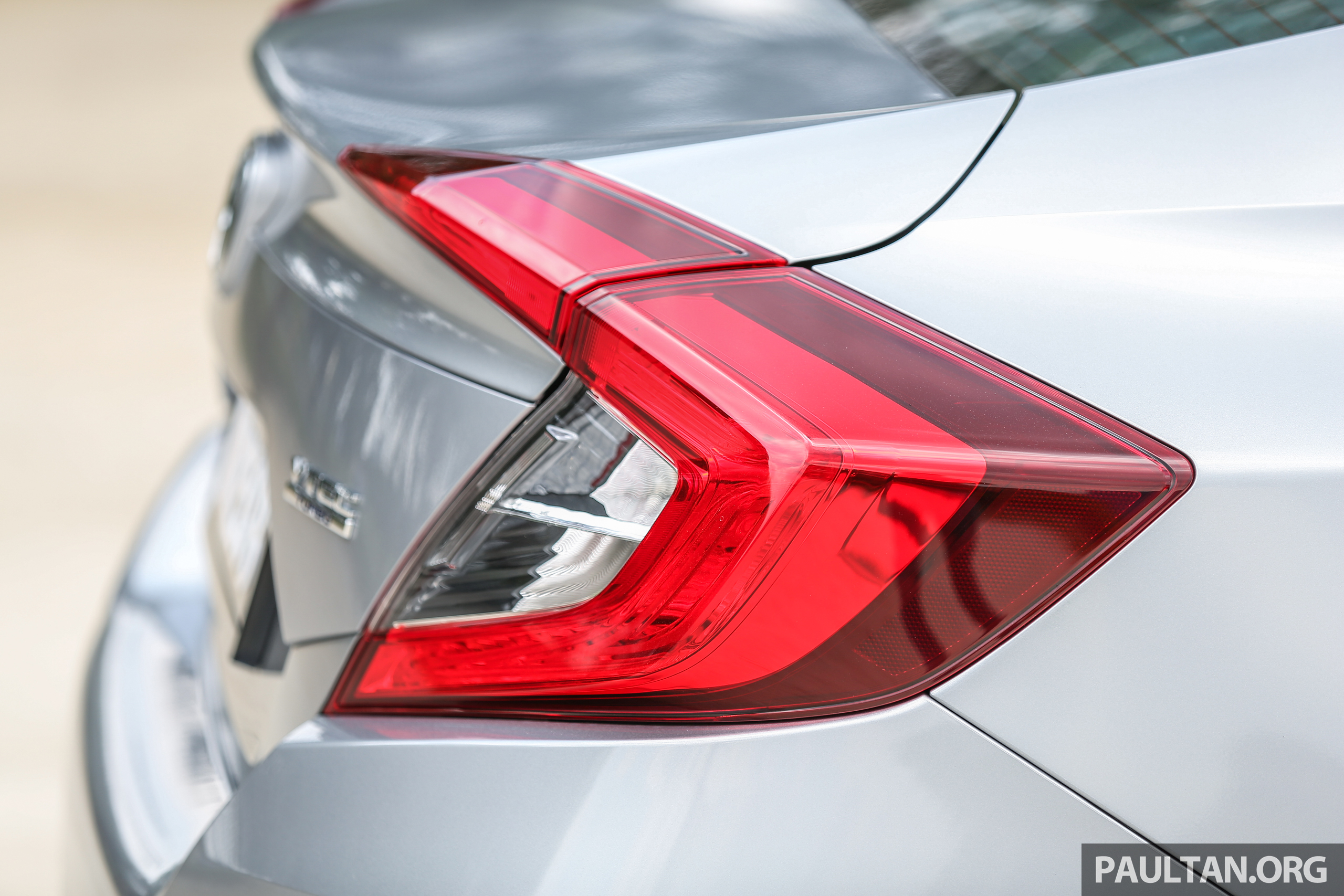
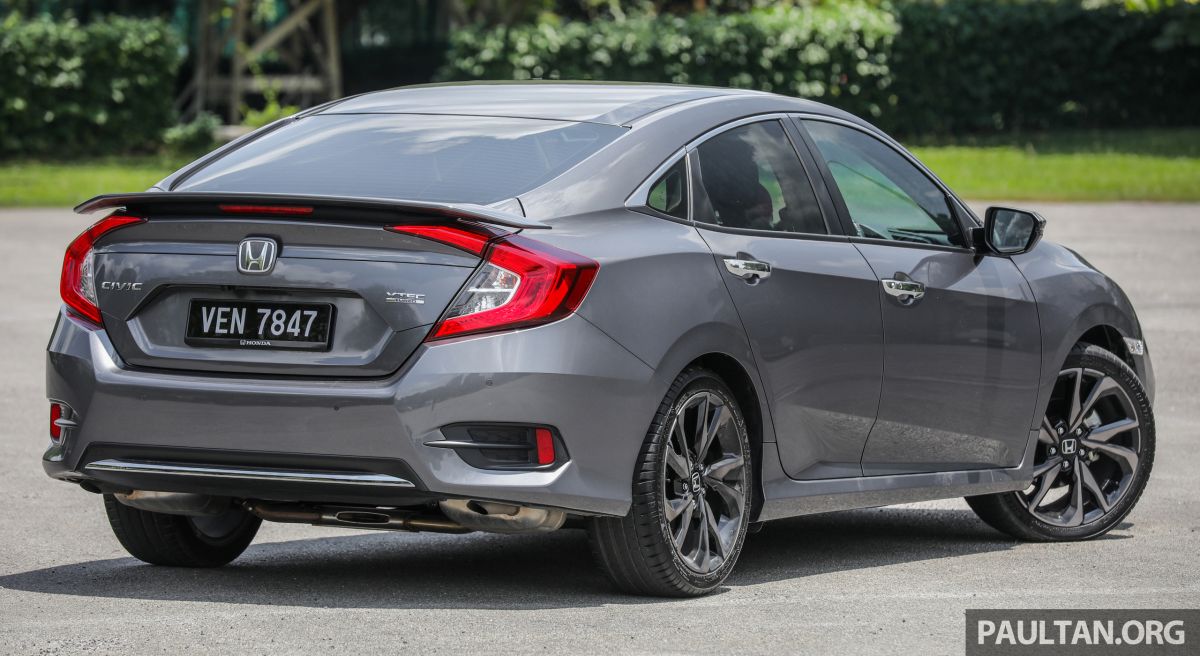
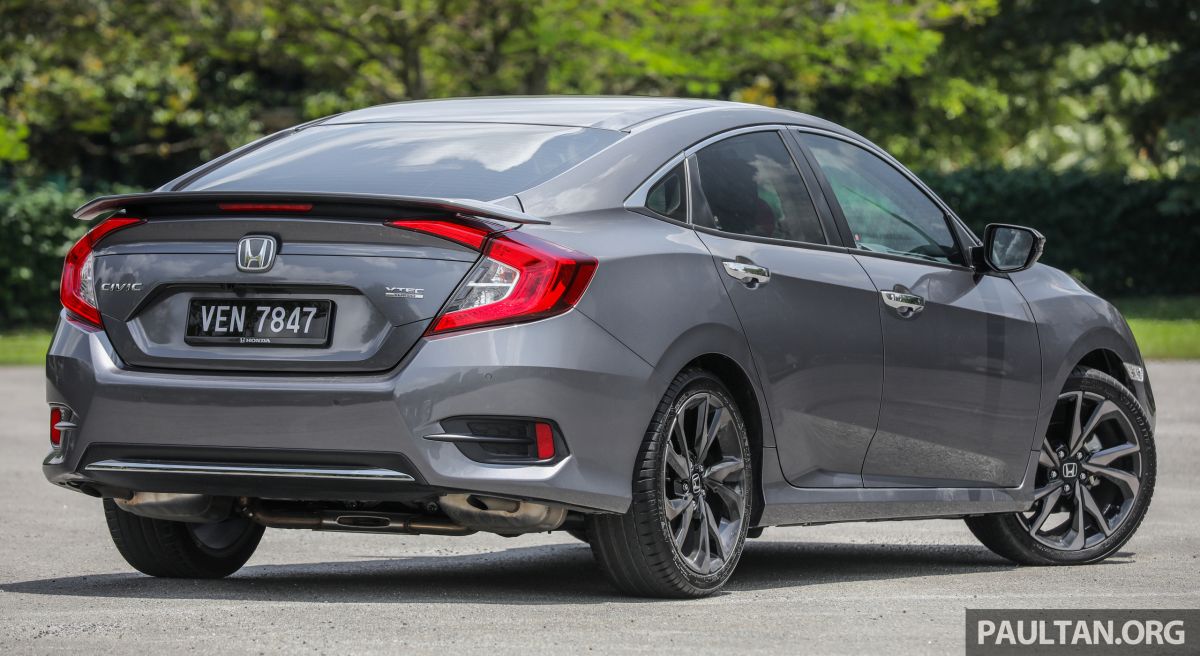
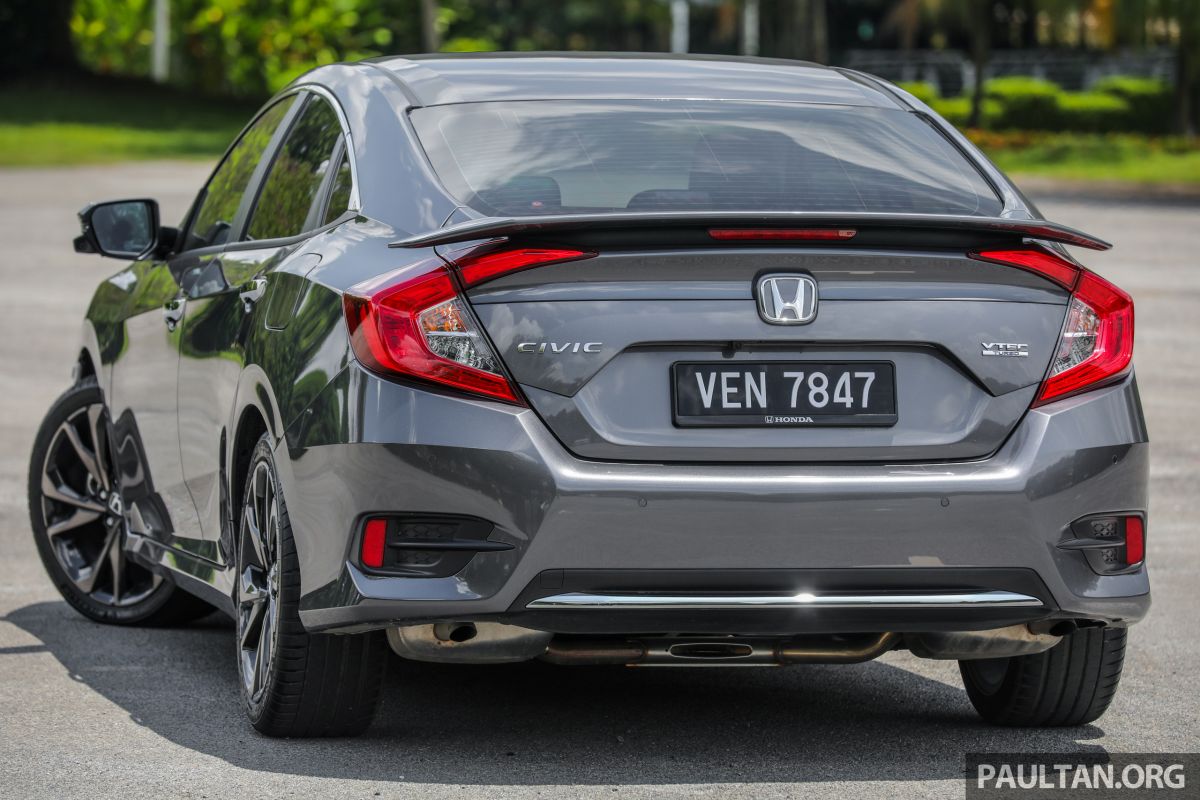
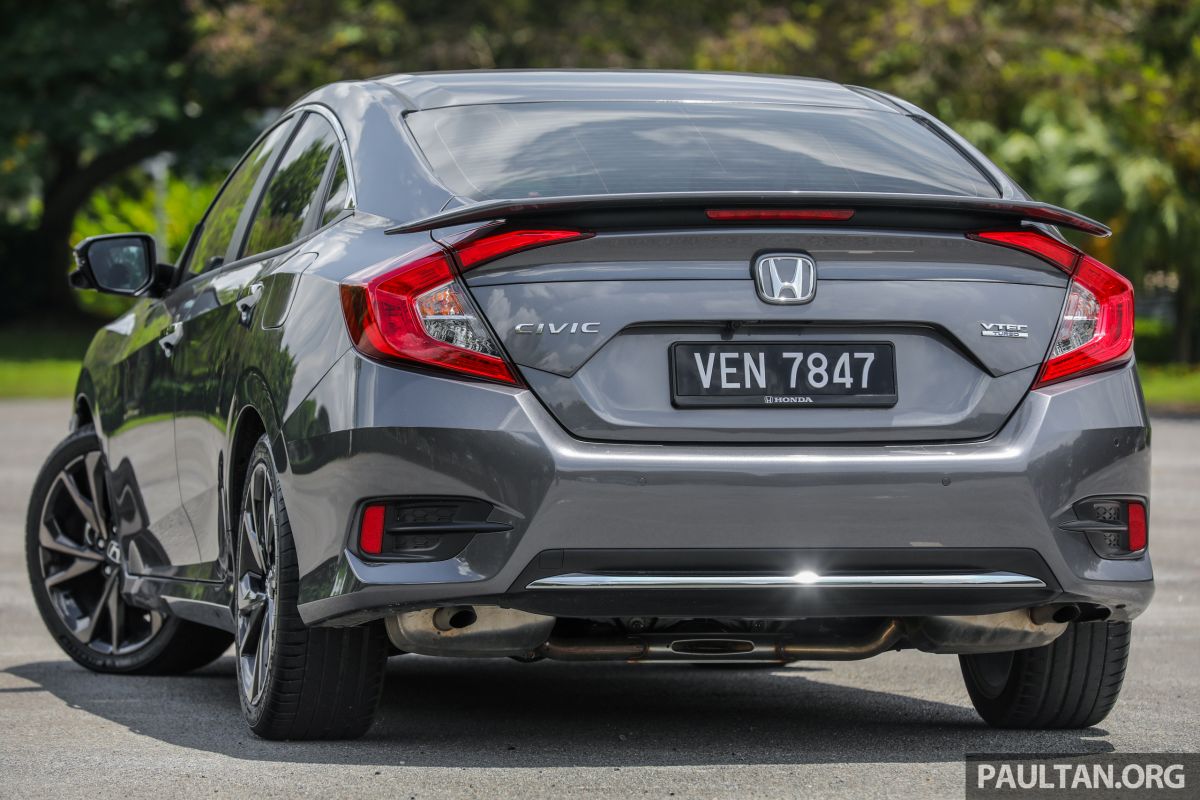
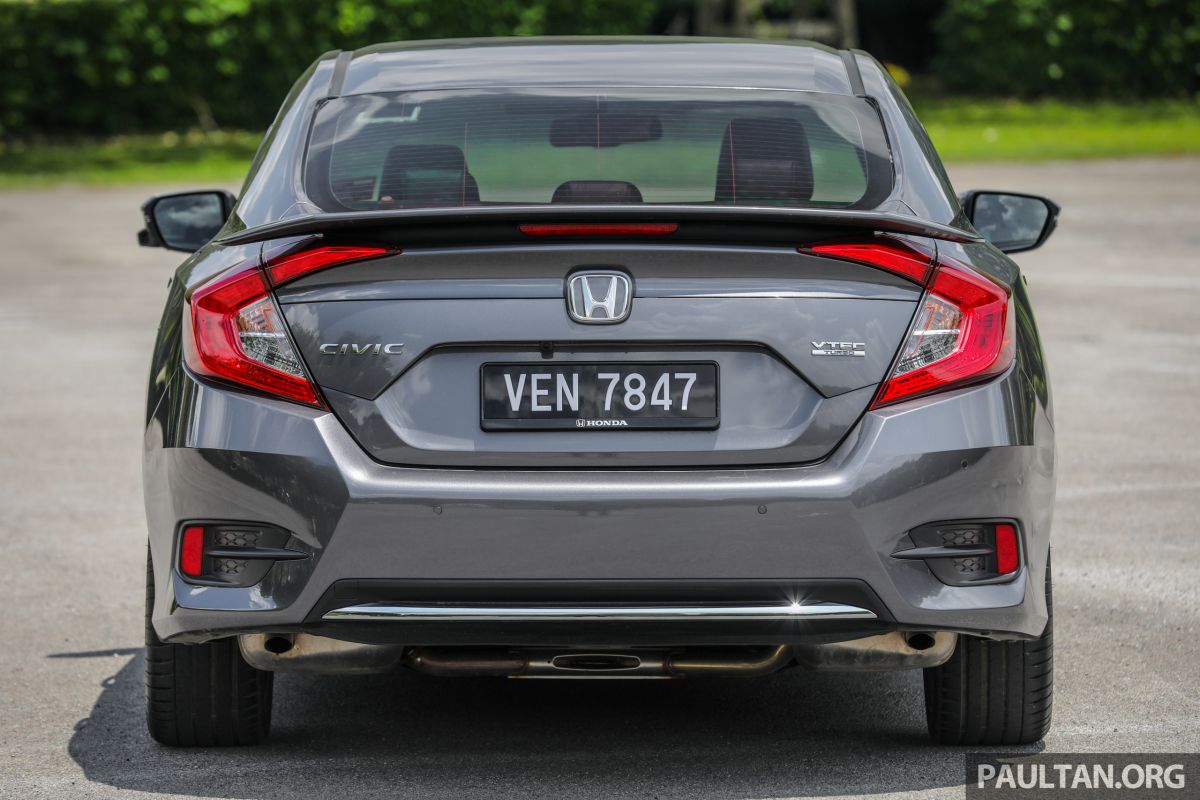
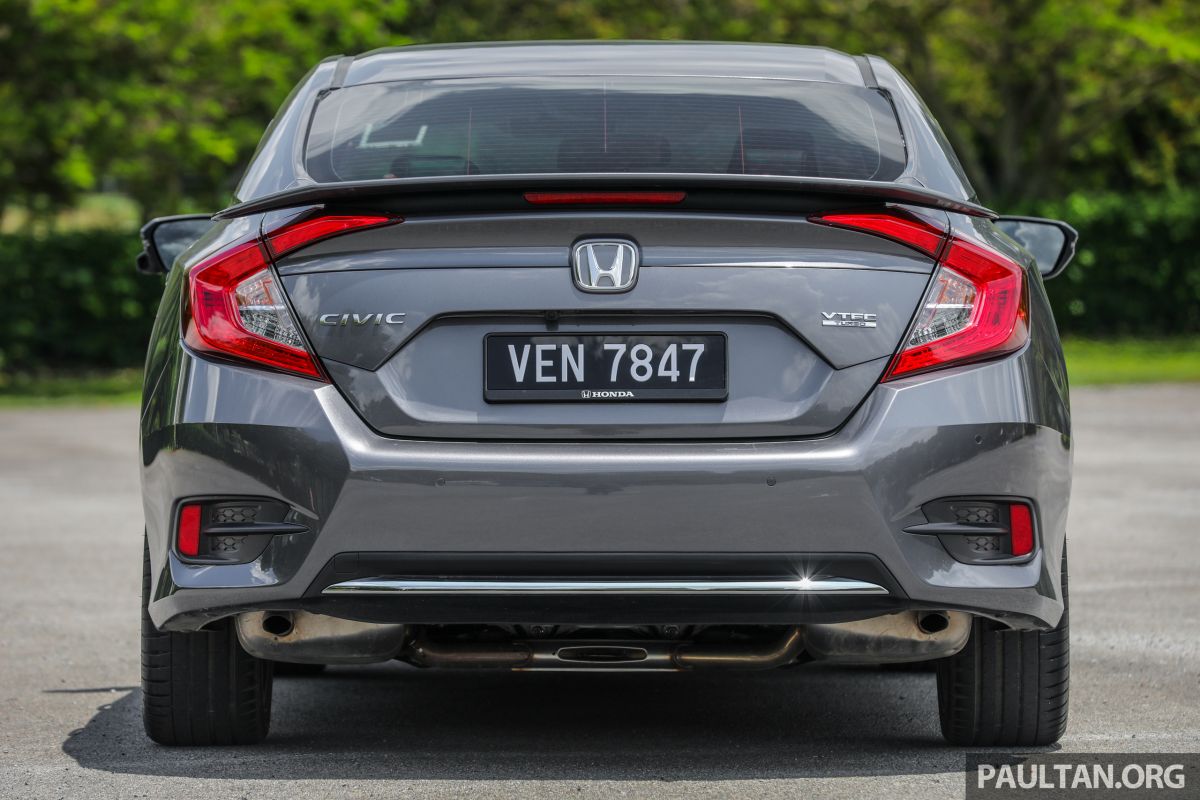
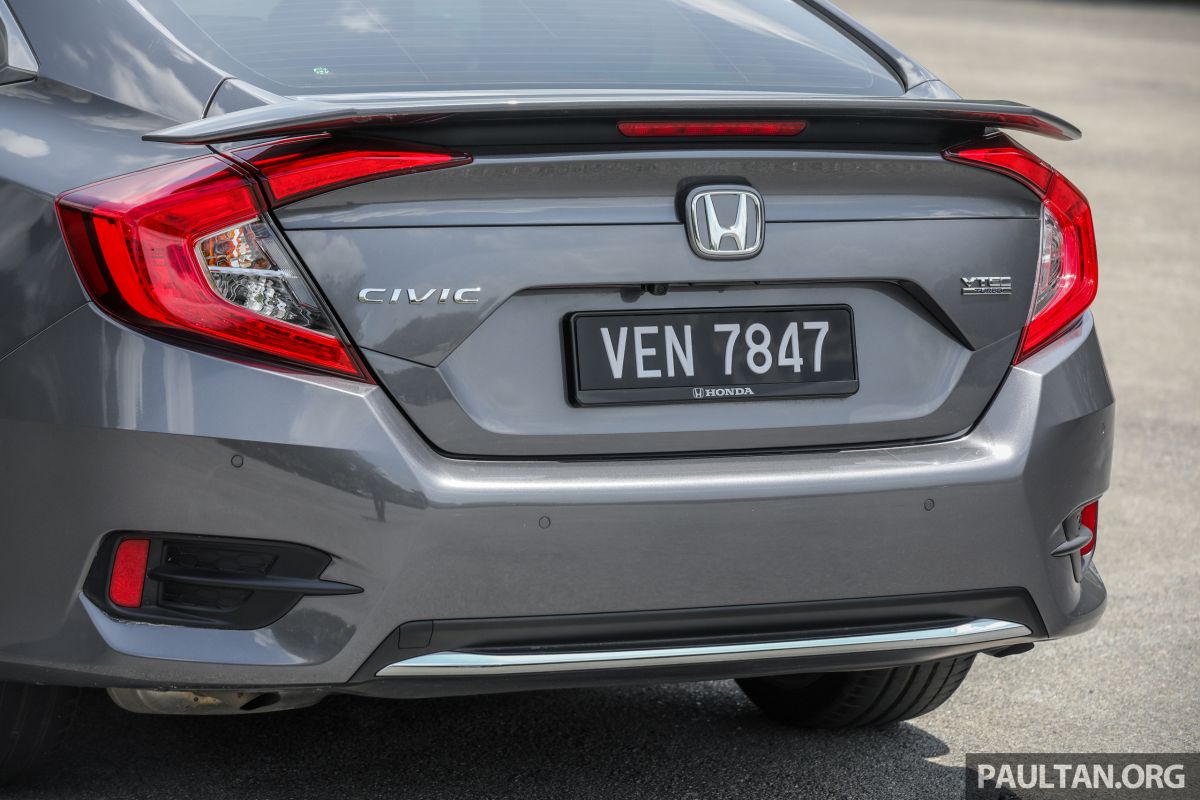
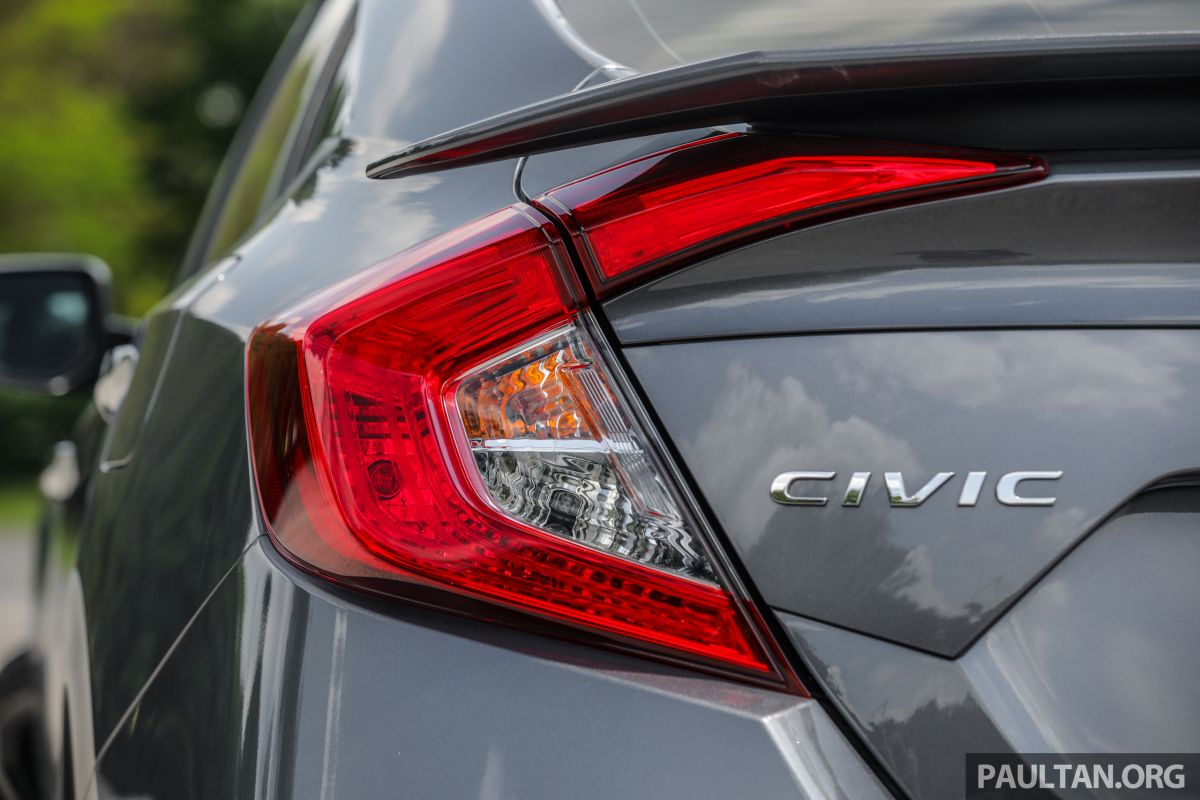
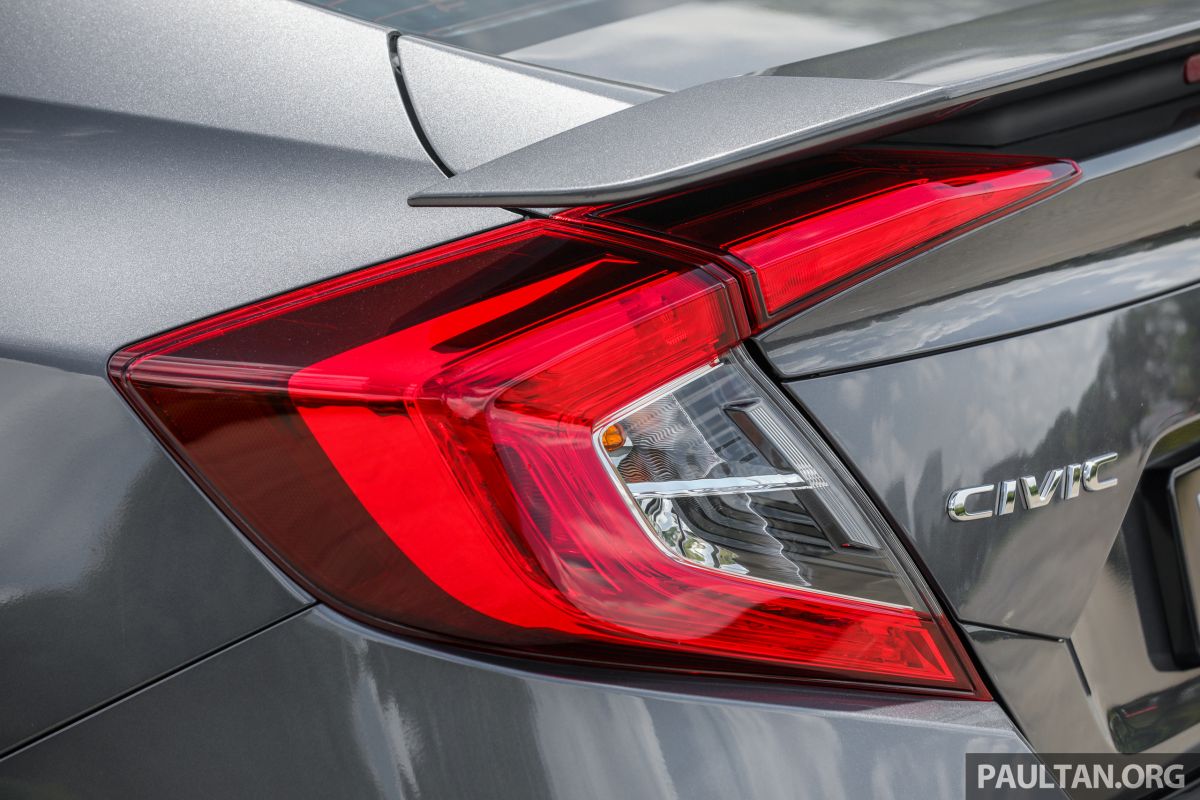
“Ketam” is Malay for crab, and the nickname is local slang for this tenth-gen FC Civic. It’s a nod to the car’s sharp, claw-like rear light signatures.
The name stuck so firmly that “Civic Ketam” (and “Honda Ketam”) is now everyday shorthand for this generation, the range-topping Type R sibling included. If you’re searching used listings, the term will turn up exactly these 2016-2021 cars.
FC Civic at a glance
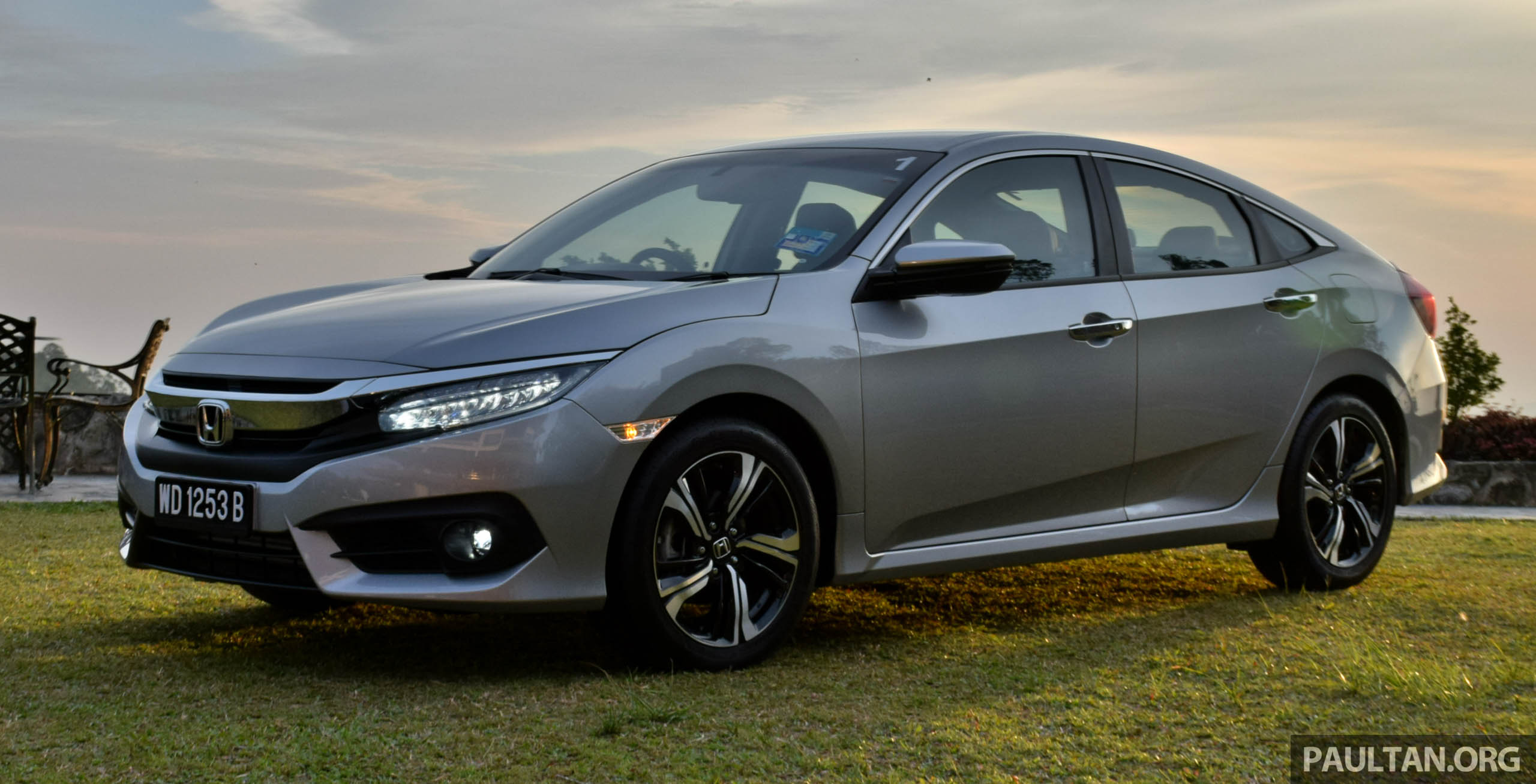
The FC was sold in Malaysia from June 2016, locally assembled (CKD), and given a mid-life facelift in February 2020 before the all-new 11th-gen Civic FE replaced it in 2022. Across its life it came as a five-seat sedan in three core trims – the naturally-aspirated 1.8 S, and two turbocharged versions, the 1.5 TC and the range-topping 1.5 TC-P (badged 1.5 TC Premium on the earlier car).
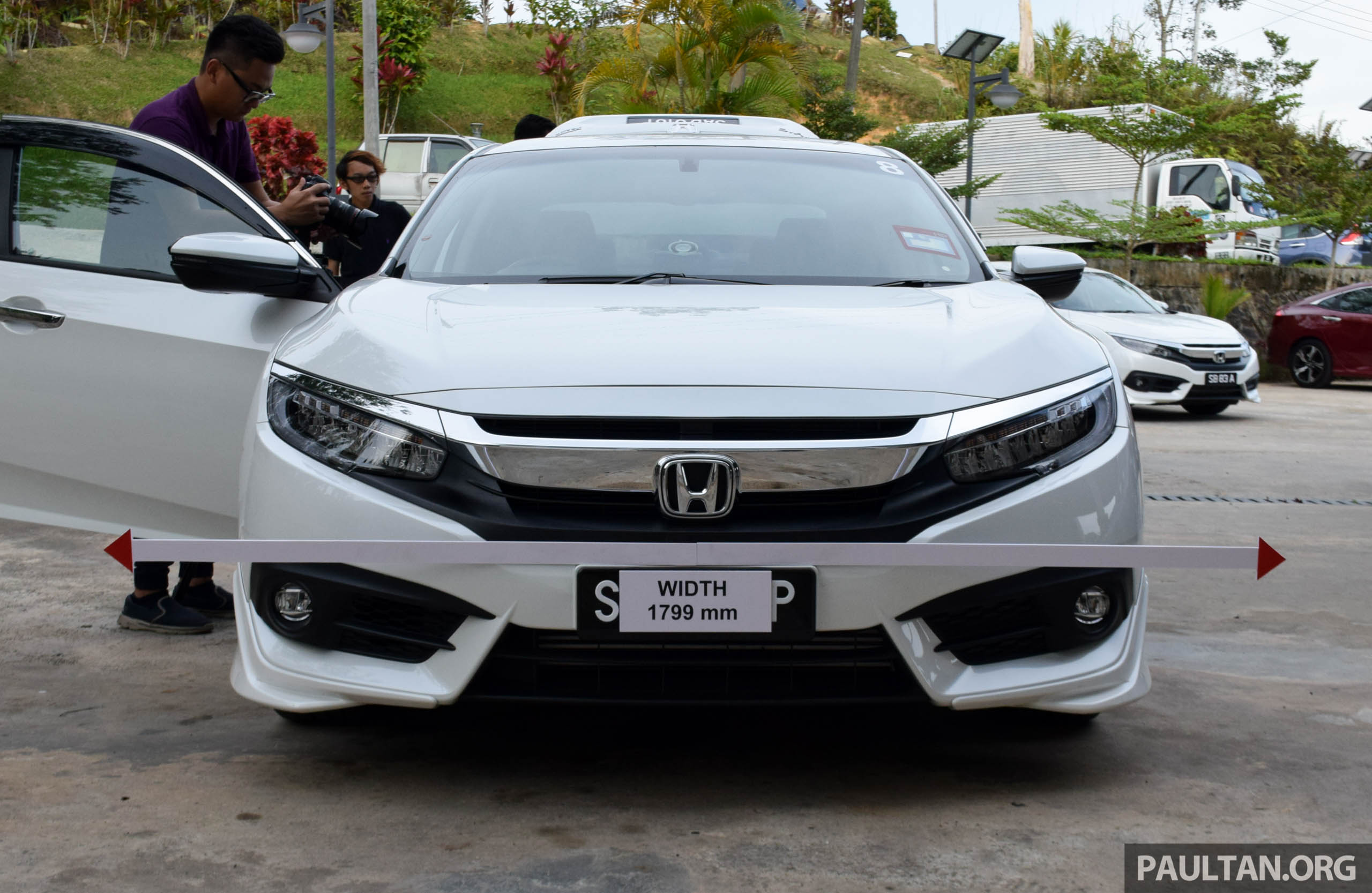
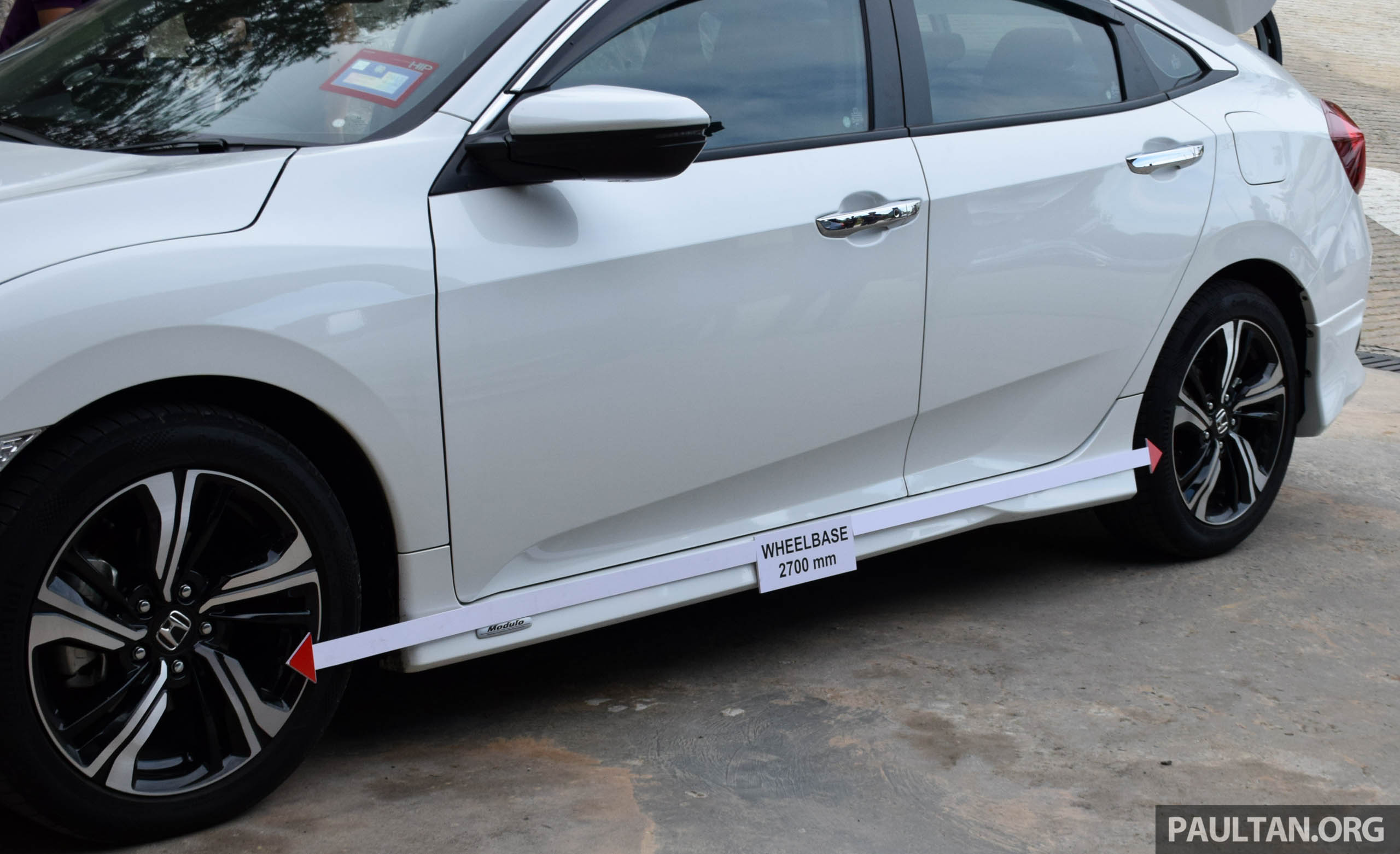
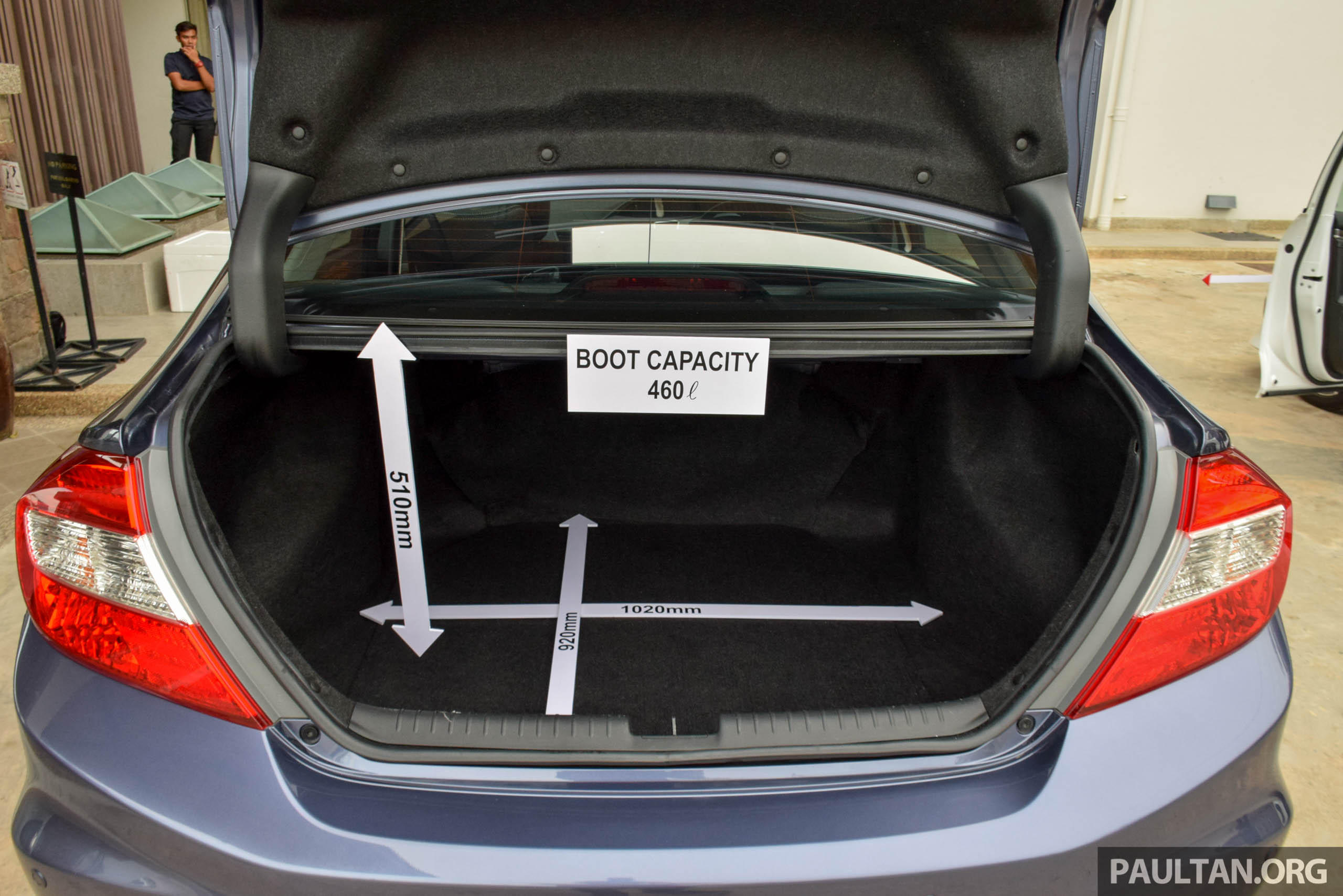
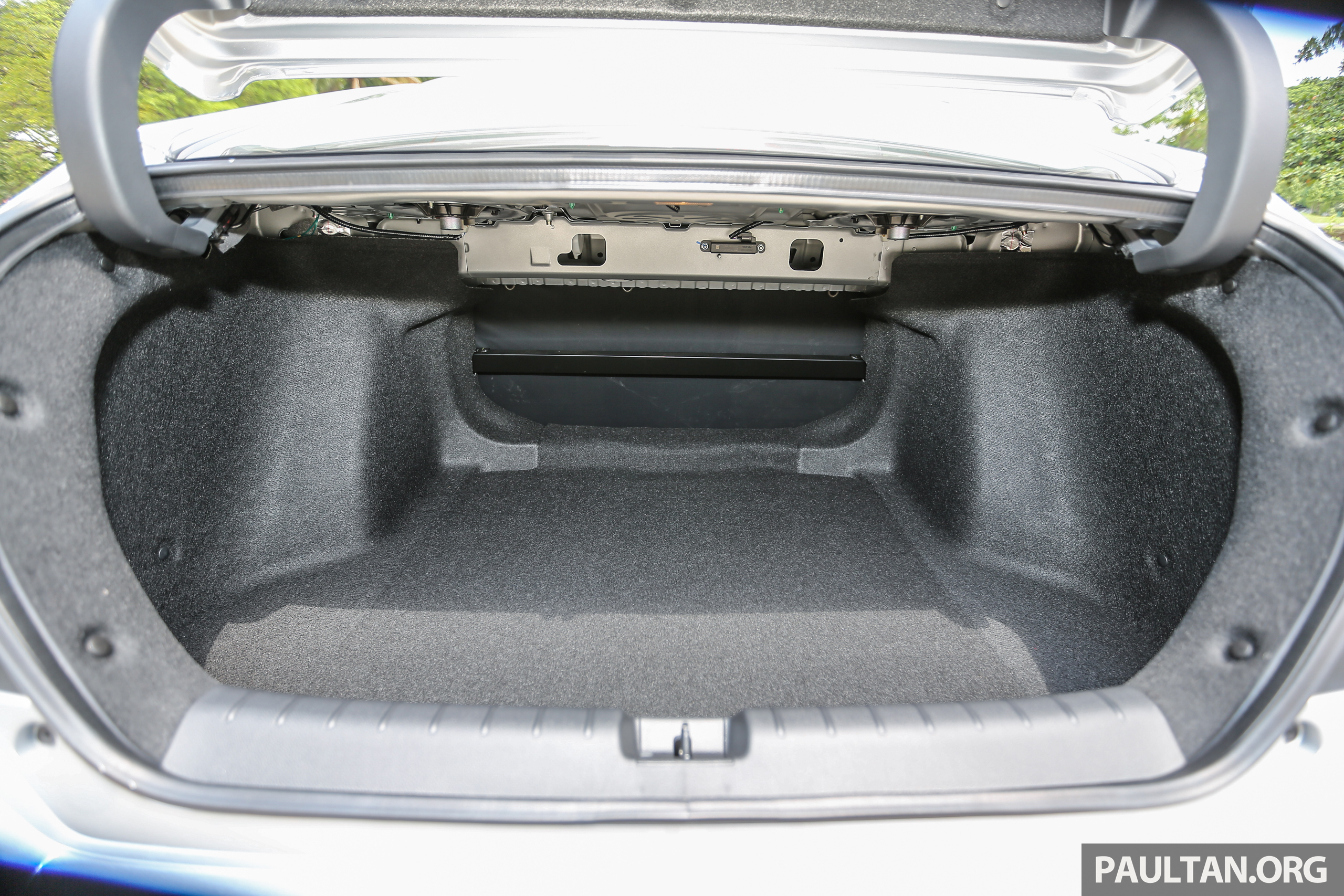
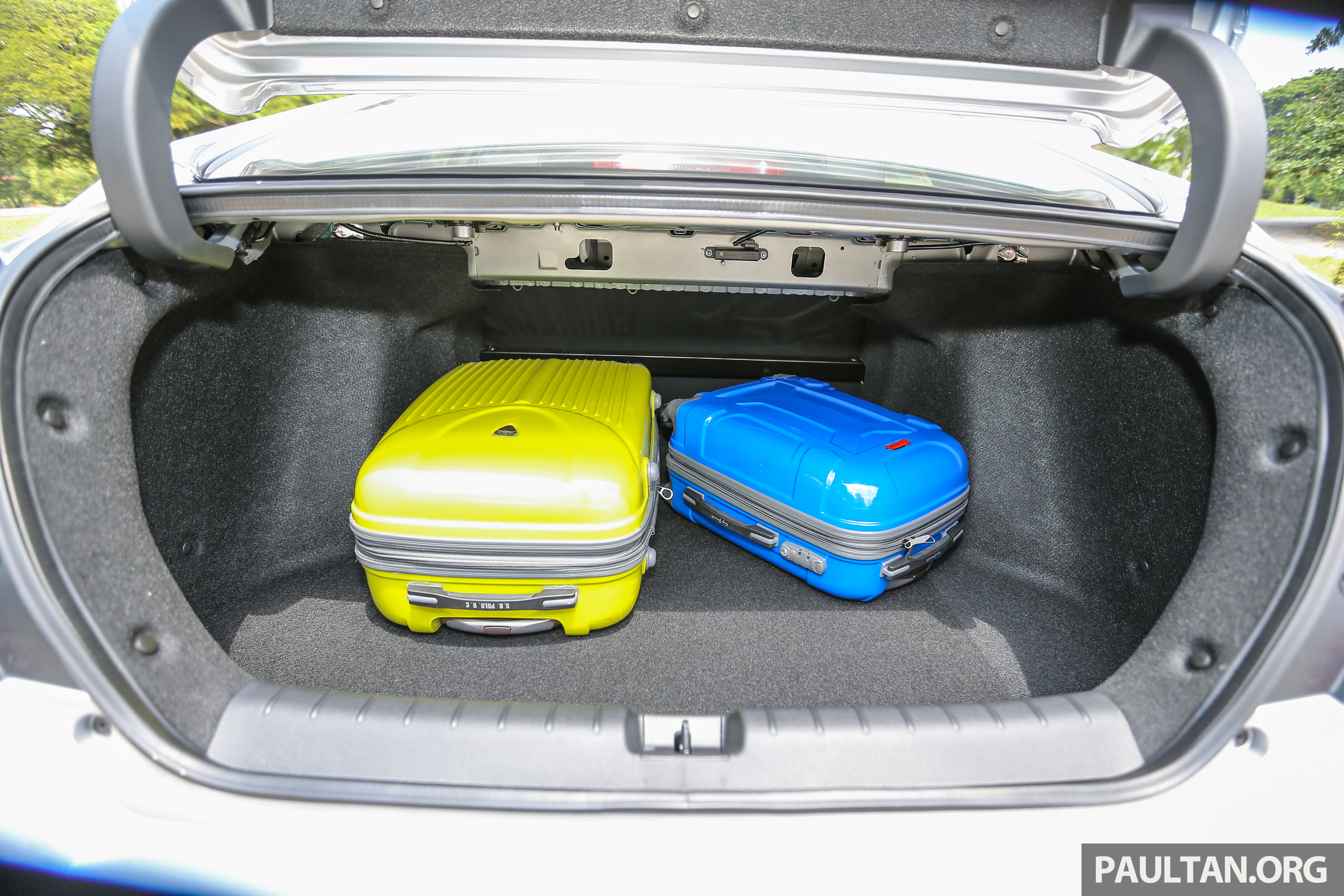
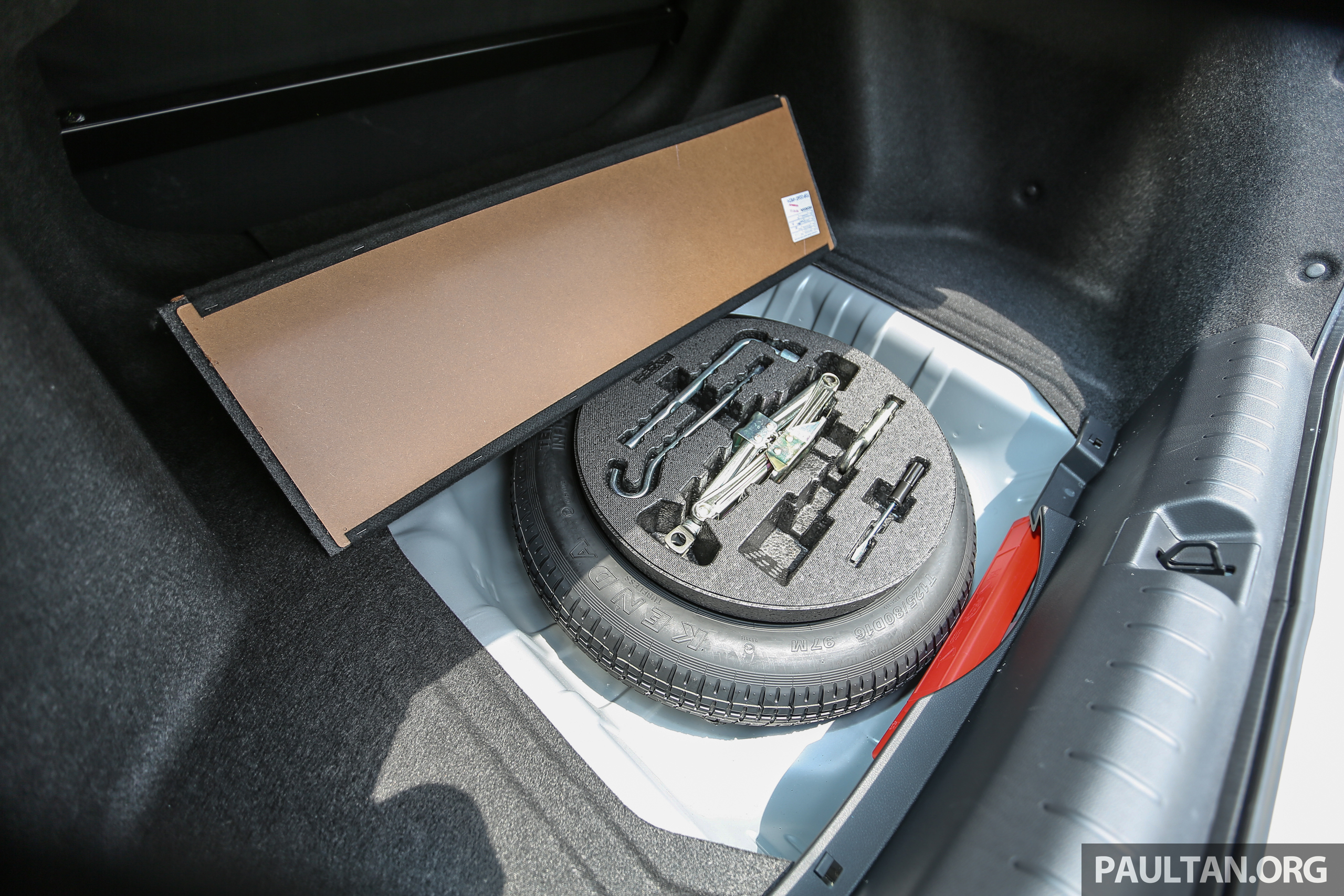
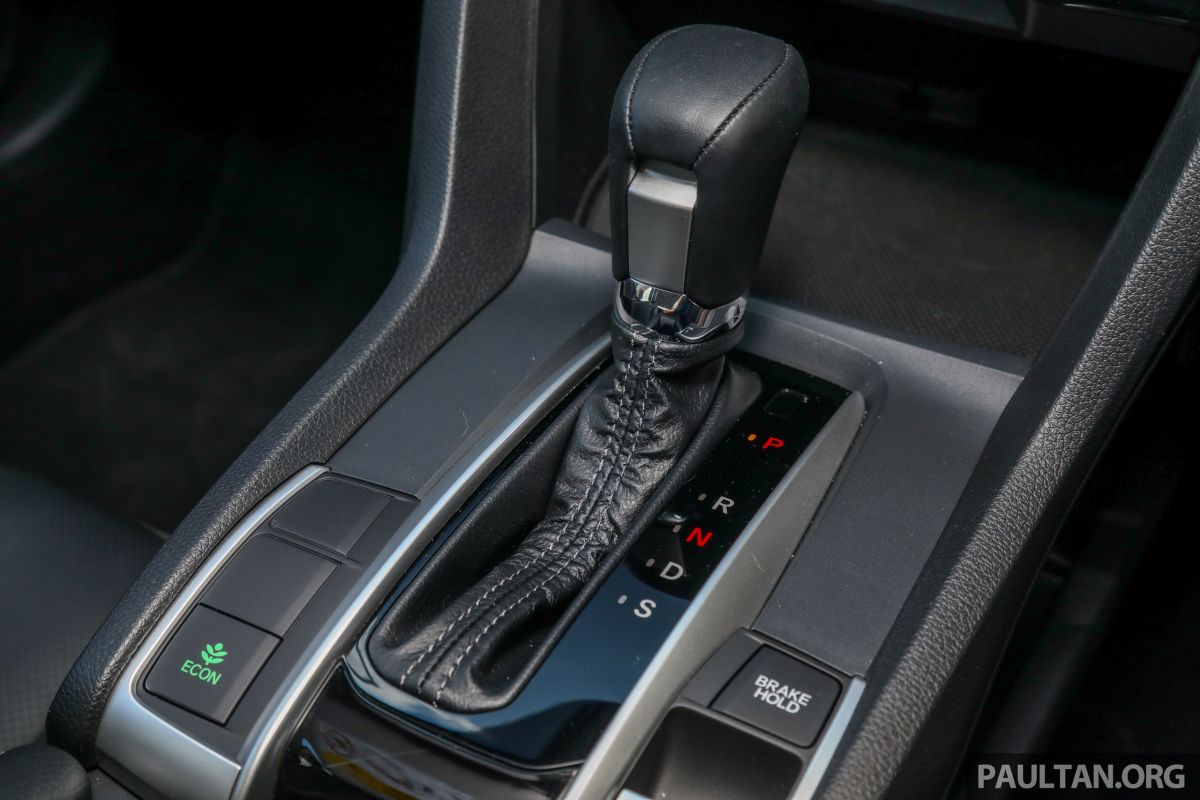
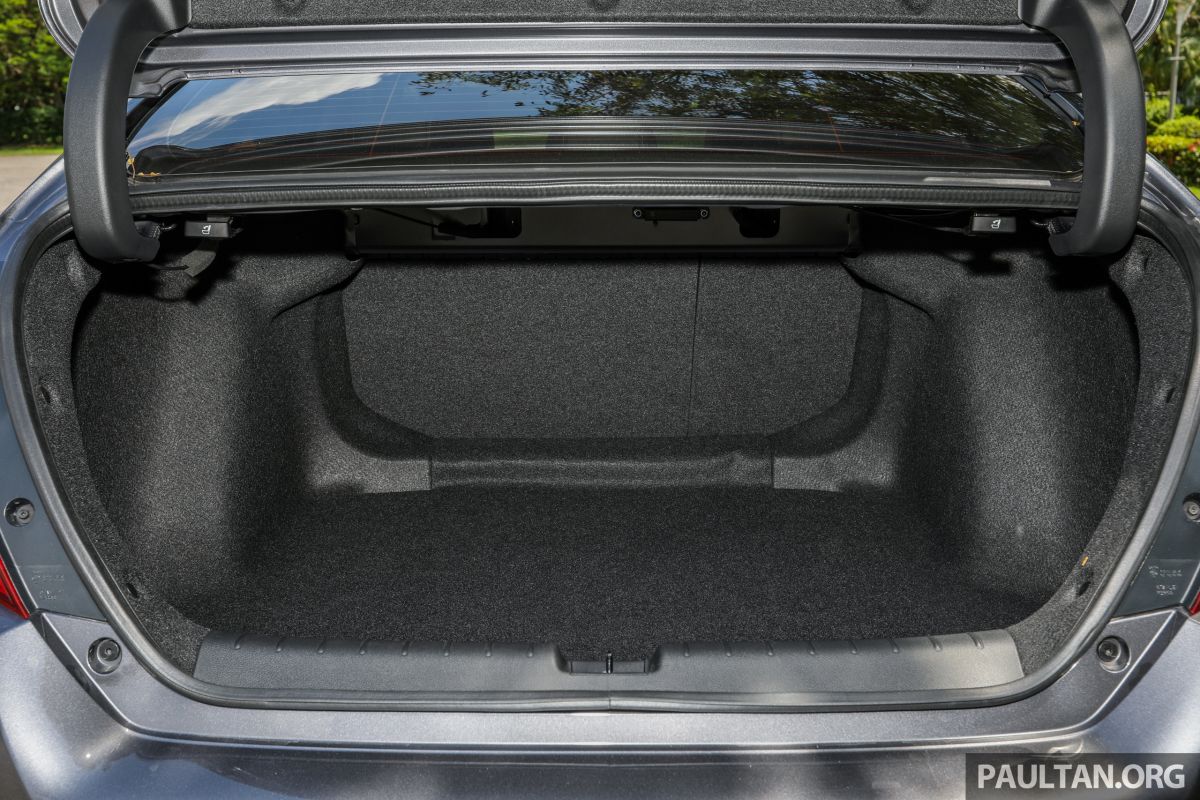
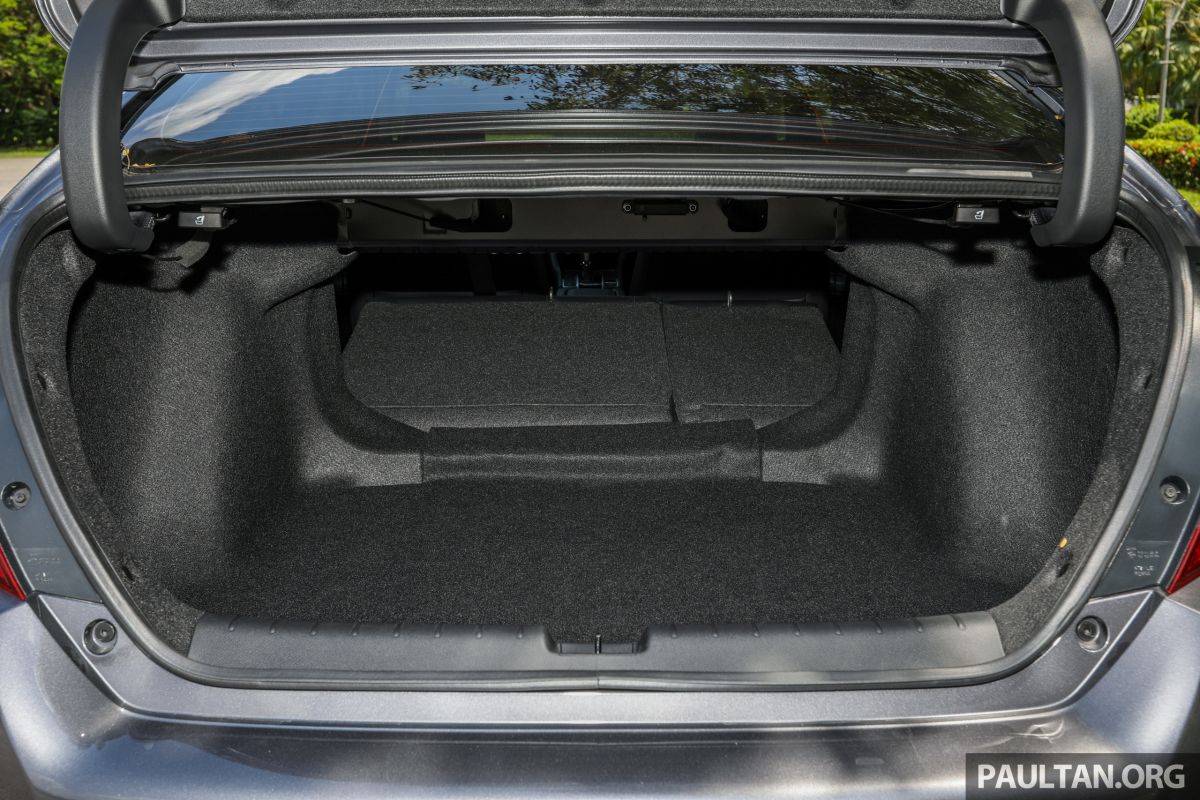
Every FC drives the front wheels through a CVT automatic; there was no manual. Boot space is a generous 519 litres and the fuel tank holds 47 litres. All variants came with six airbags and Honda’s standard five-year, unlimited-mileage warranty when new.
The spec sheet
Here’s how the three trims compare. Power figures shown are for the 2020 facelift; the pre-facelift car made a touch less (139 PS for the 1.8, 171 PS for the turbo).

| Specification | 1.8 S | 1.5 TC | 1.5 TC-P |
|---|---|---|---|
| Engine | 1.8L SOHC i-VTEC NA | 1.5L DOHC VTEC Turbo (L15B7) | 1.5L DOHC VTEC Turbo (L15B7) |
| Power | 141 PS at 6,500 rpm | 173 PS at 5,500 rpm | 173 PS at 5,500 rpm |
| Torque | 174 Nm at 4,300 rpm | 220 Nm at 1,700 rpm | 220 Nm at 1,700 rpm |
| Transmission | CVT, front-wheel drive | CVT, front-wheel drive | CVT, front-wheel drive |
| 0-100 km/h | 10.4 seconds | 8.2 seconds | 8.2 seconds |
| Fuel economy (claimed) | 6.3 L/100km | 5.8 L/100km | 5.8 L/100km |
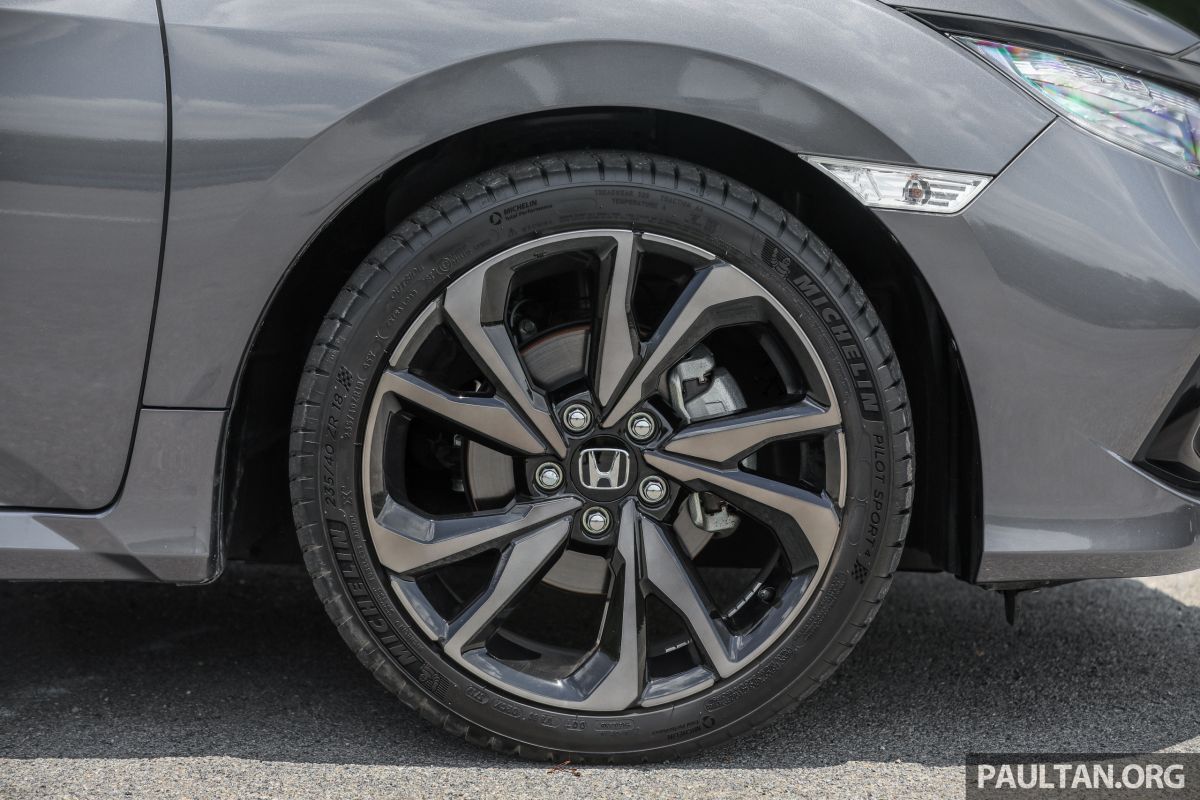
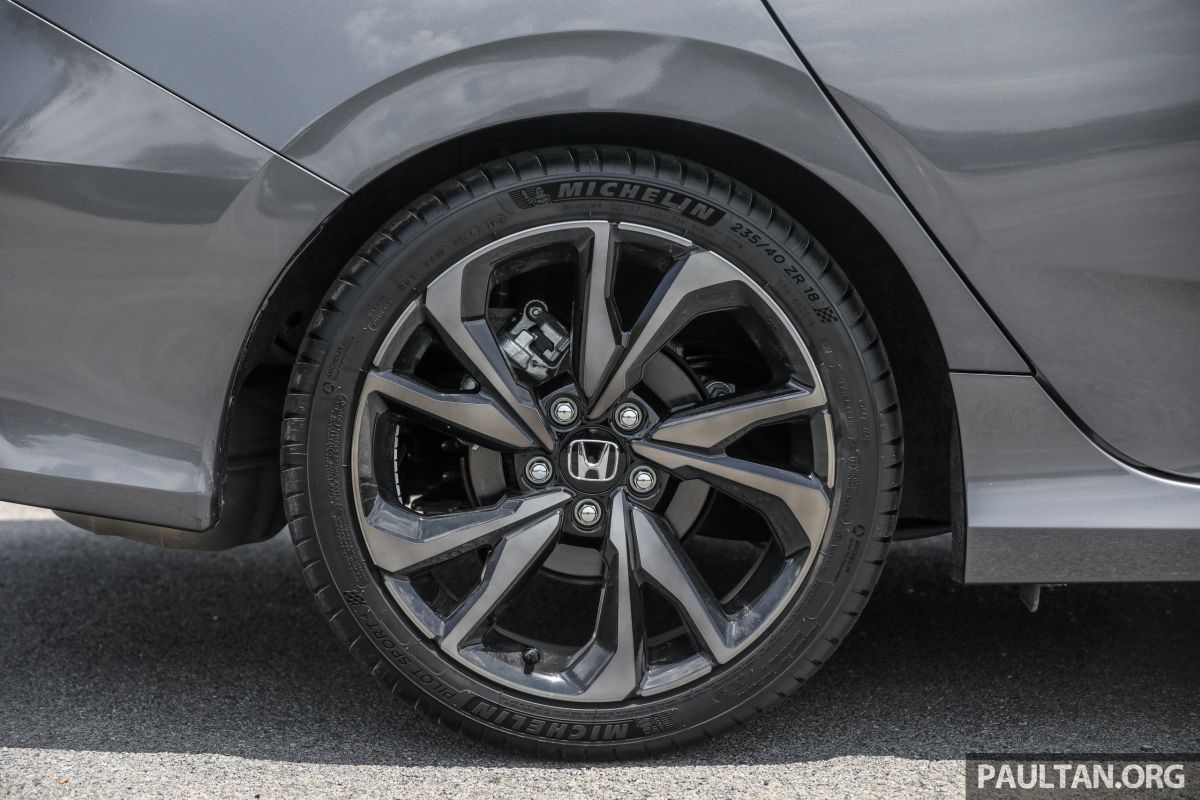
| Wheels | 16-inch | 17-inch | 18-inch (Michelin Pilot Sport 4) |
| Honda Sensing | Not available | Not available | Yes (2020 facelift only) |
| Boot space | 519 litres | 519 litres | 519 litres |
| Fuel tank | 47 litres | 47 litres | 47 litres |
| Kerb weight | 1,251 kg | 1,314 kg | 1,316 kg |
| Launch price (2020, OTR) | RM113,600 | RM129,600 | RM139,600 |
1.5 turbo vs 1.8 NA – which should you buy used?


This is the central question for any FC buyer, and the answer depends on what you want.
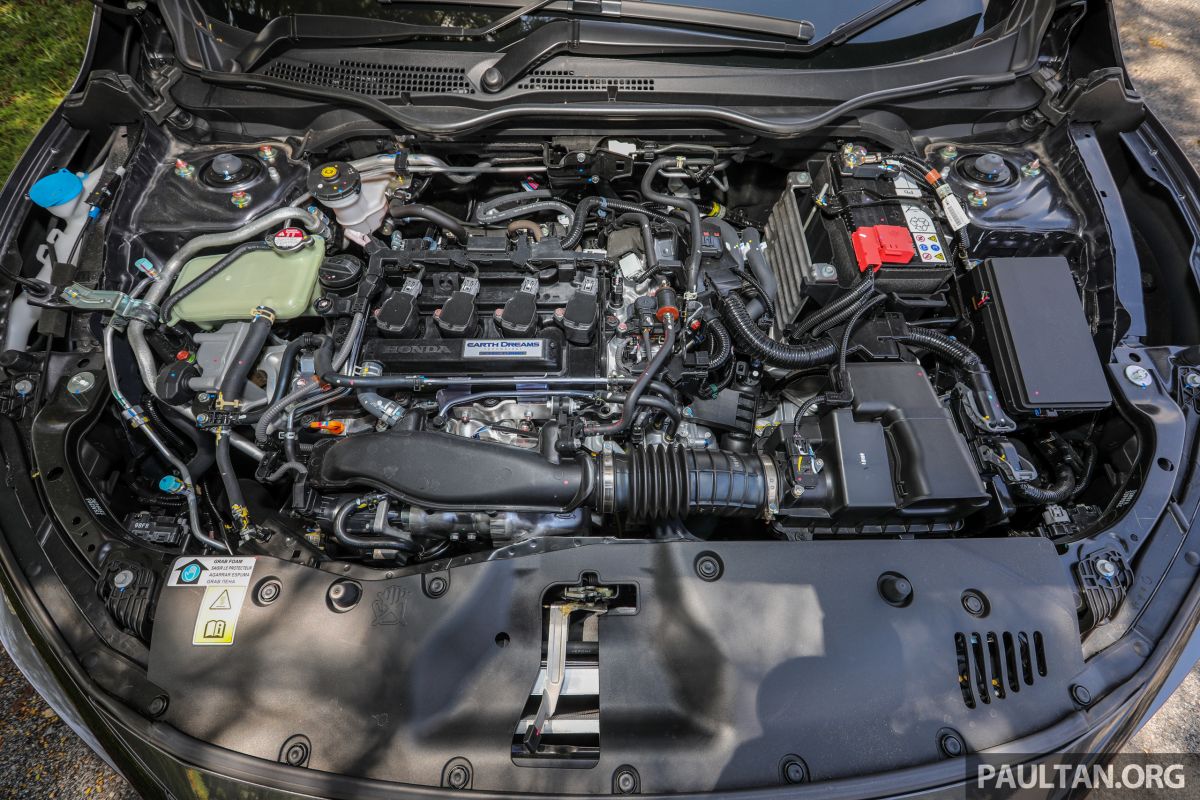
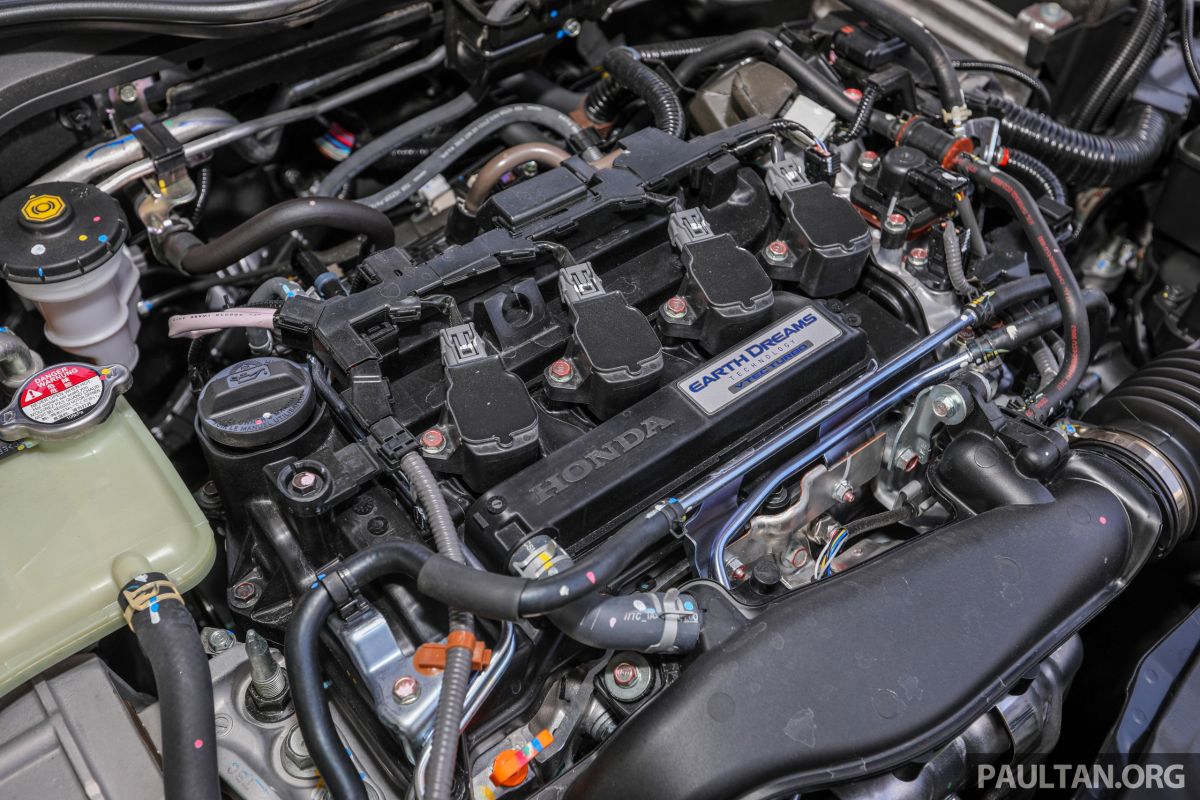
The 1.5 litre VTEC Turbo (Honda’s L15B7) is the star of the range. With 173 PS and a fat 220 Nm of torque available from just 1,700 rpm, it transforms the Civic – 0-100 km/h drops to 8.2 seconds, overtaking is effortless, and the claimed fuel economy is actually better than the 1.8 at 5.8 L/100km thanks to the relaxed, low-rpm torque. This is the engine most buyers chase, and the reason the FC built its sporty reputation.
The naturally-aspirated 1.8 litre i-VTEC is the simpler, more affordable entry point. At 141 PS and 174 Nm it’s noticeably more relaxed – 10.4 seconds to 100 km/h – and it needs to be revved to feel willing. But it’s the mechanically simpler choice, with none of the turbo era’s specific concerns (more on those below), which is exactly why some used buyers prefer it for low-stress, long-term ownership.
In short: buy the 1.5 turbo if you want the performance and don’t mind staying on top of maintenance; buy the 1.8 if you prioritise simplicity, a lower purchase price and peace of mind.
Pre-facelift vs facelift – what changed in 2020


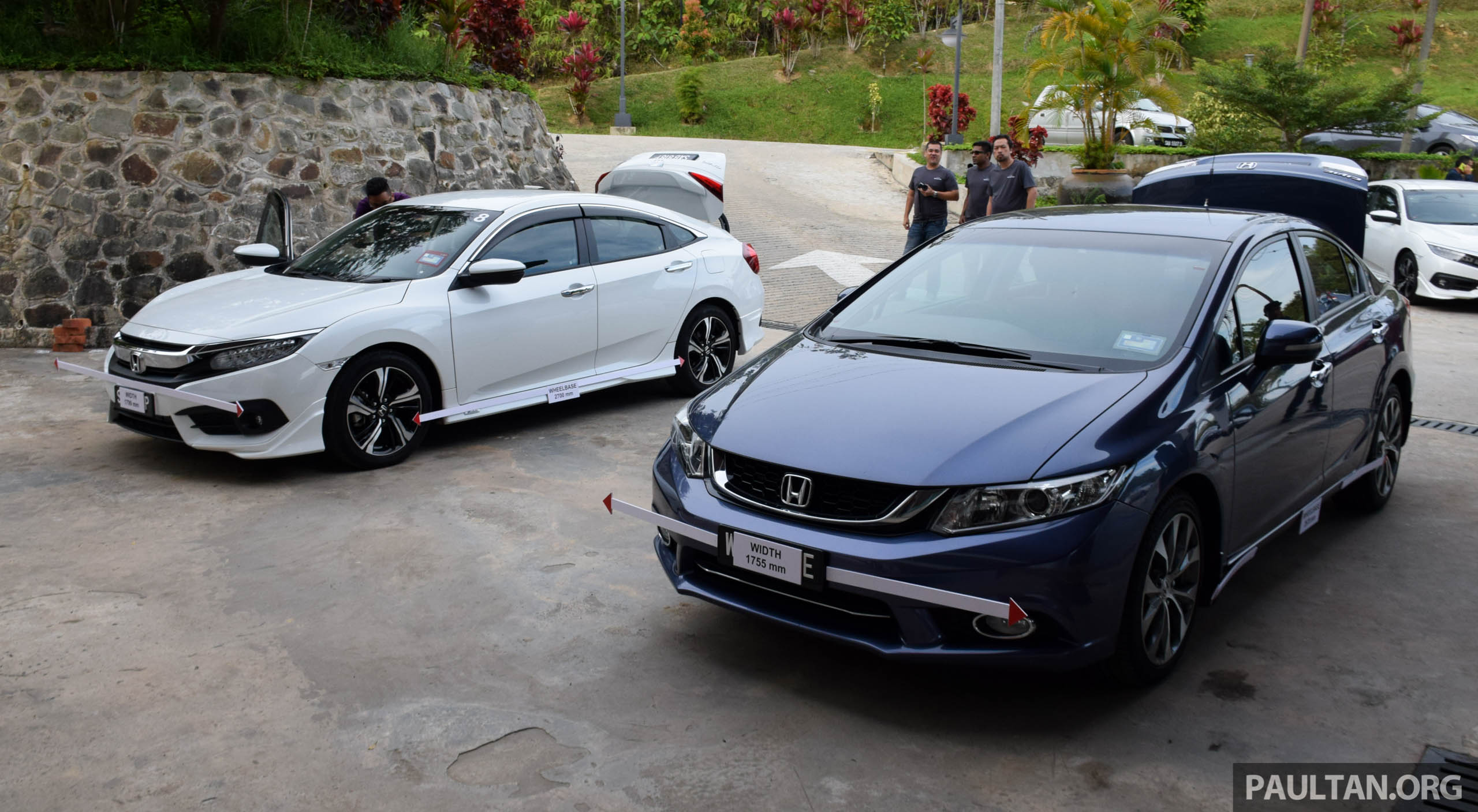
The FC’s February 2020 facelift was a light touch visually but added some meaningful kit. Prices rose with the facelift too – by between roughly RM5,400 and RM11,000 depending on variant. Knowing the difference matters when you’re comparing used listings, because a facelift car commands a premium.
Here is a list of what changed:
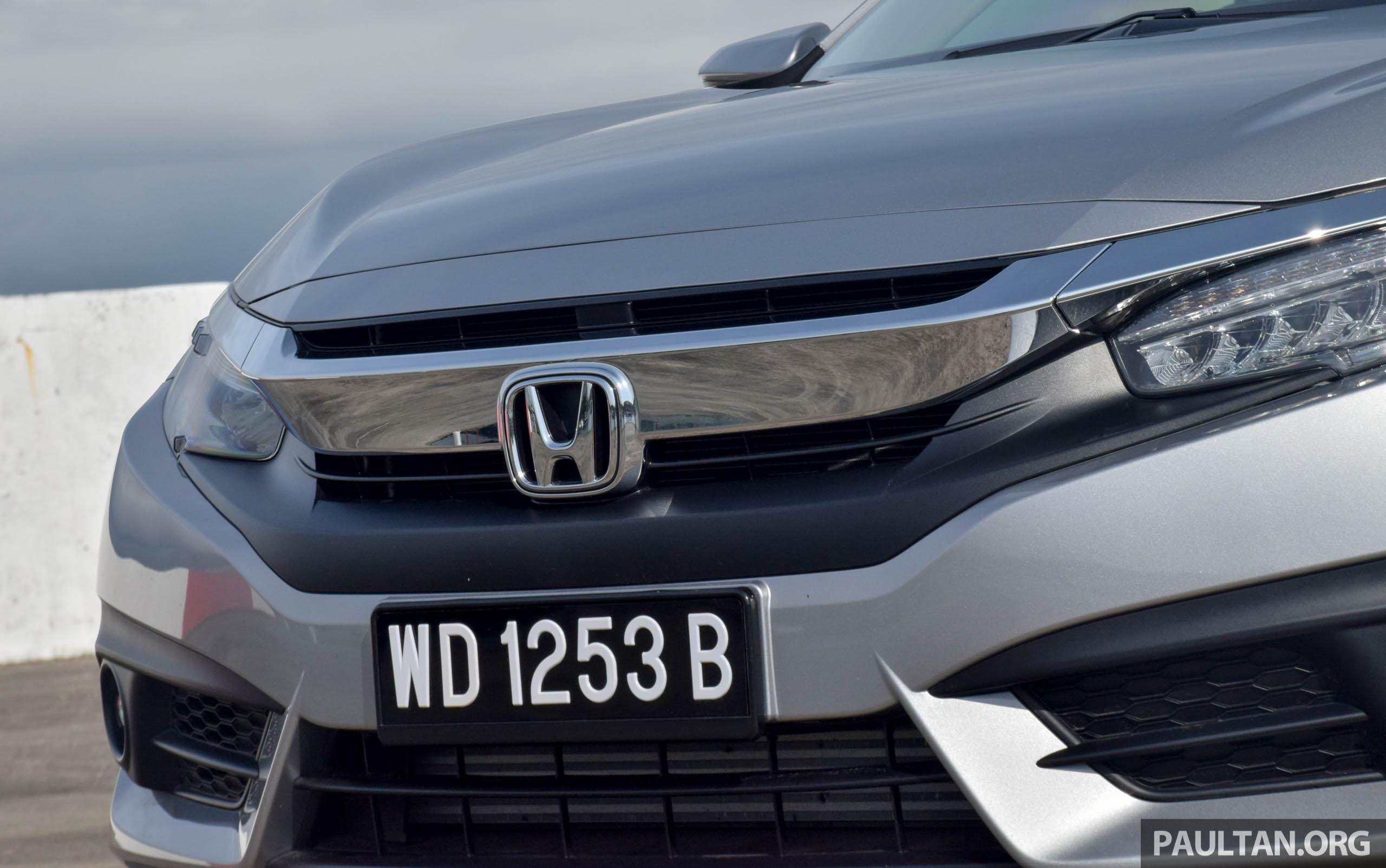
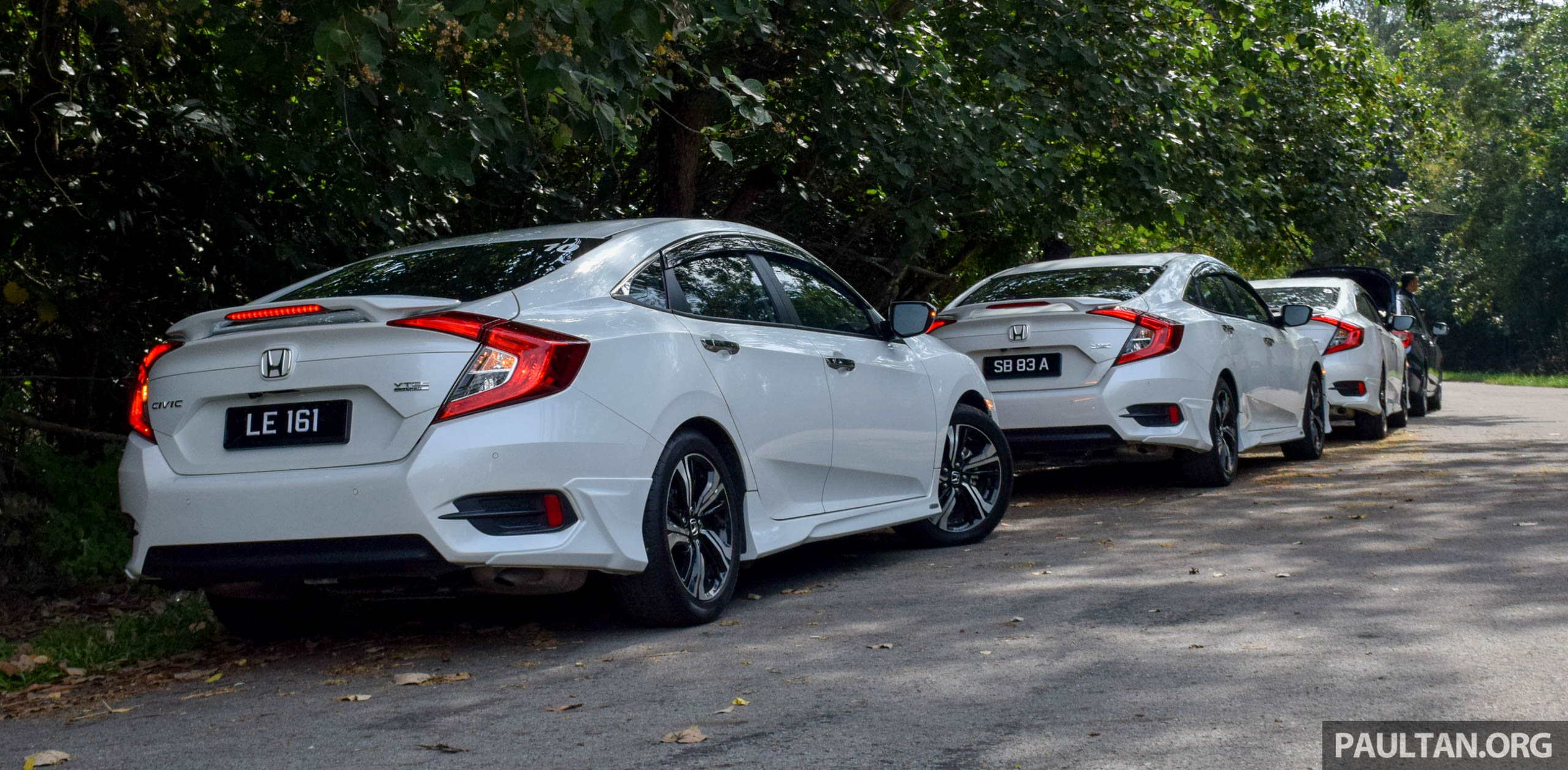
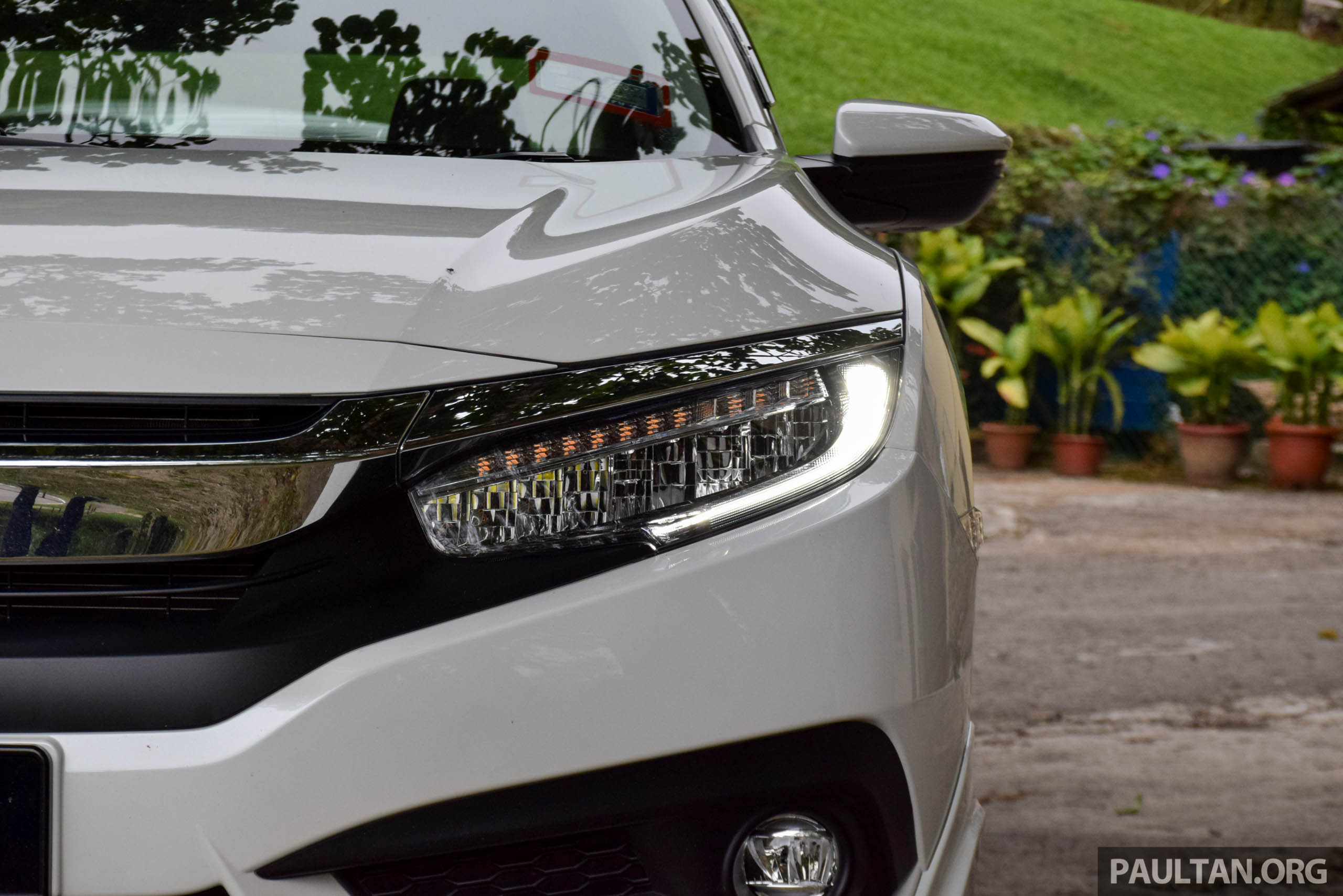
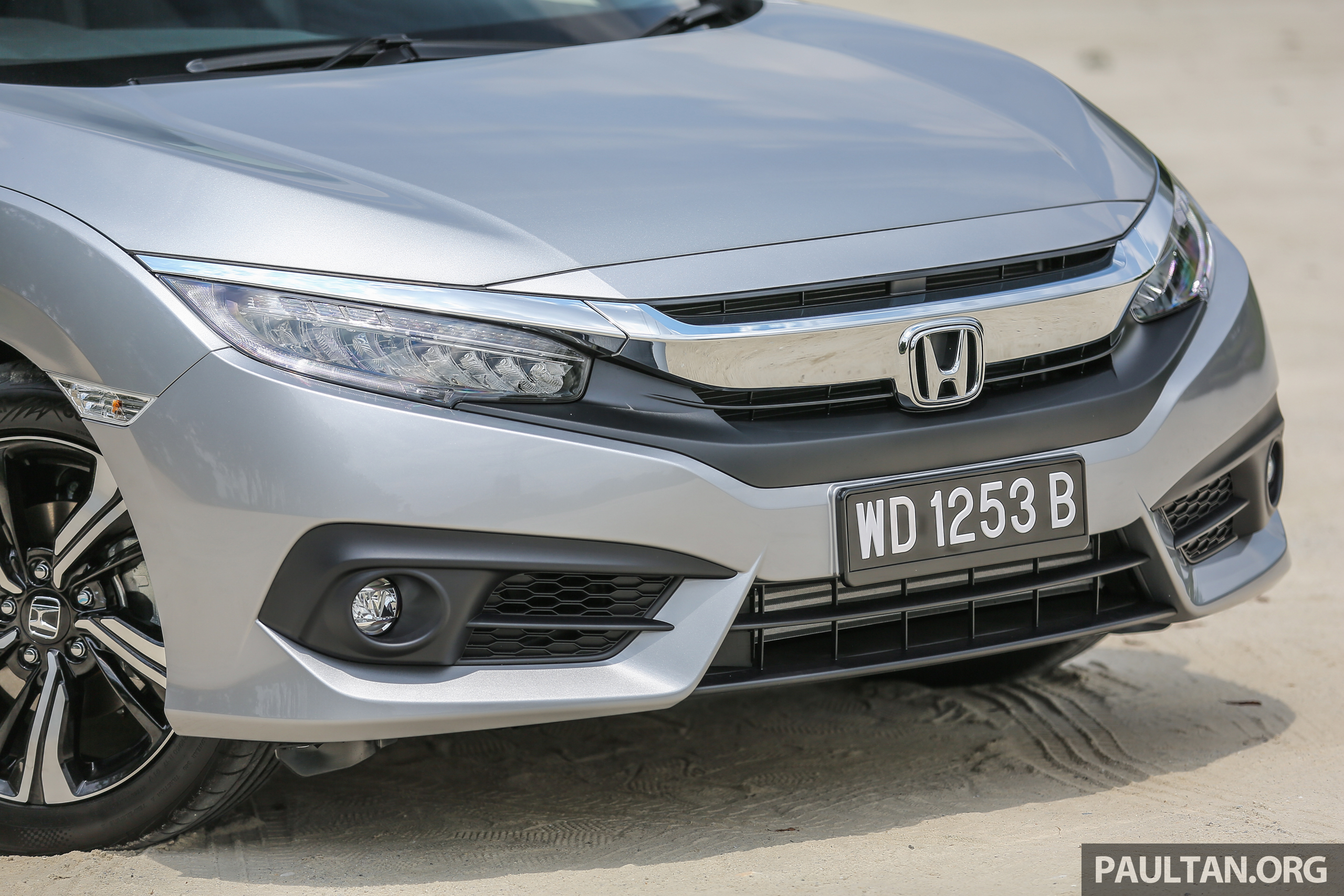
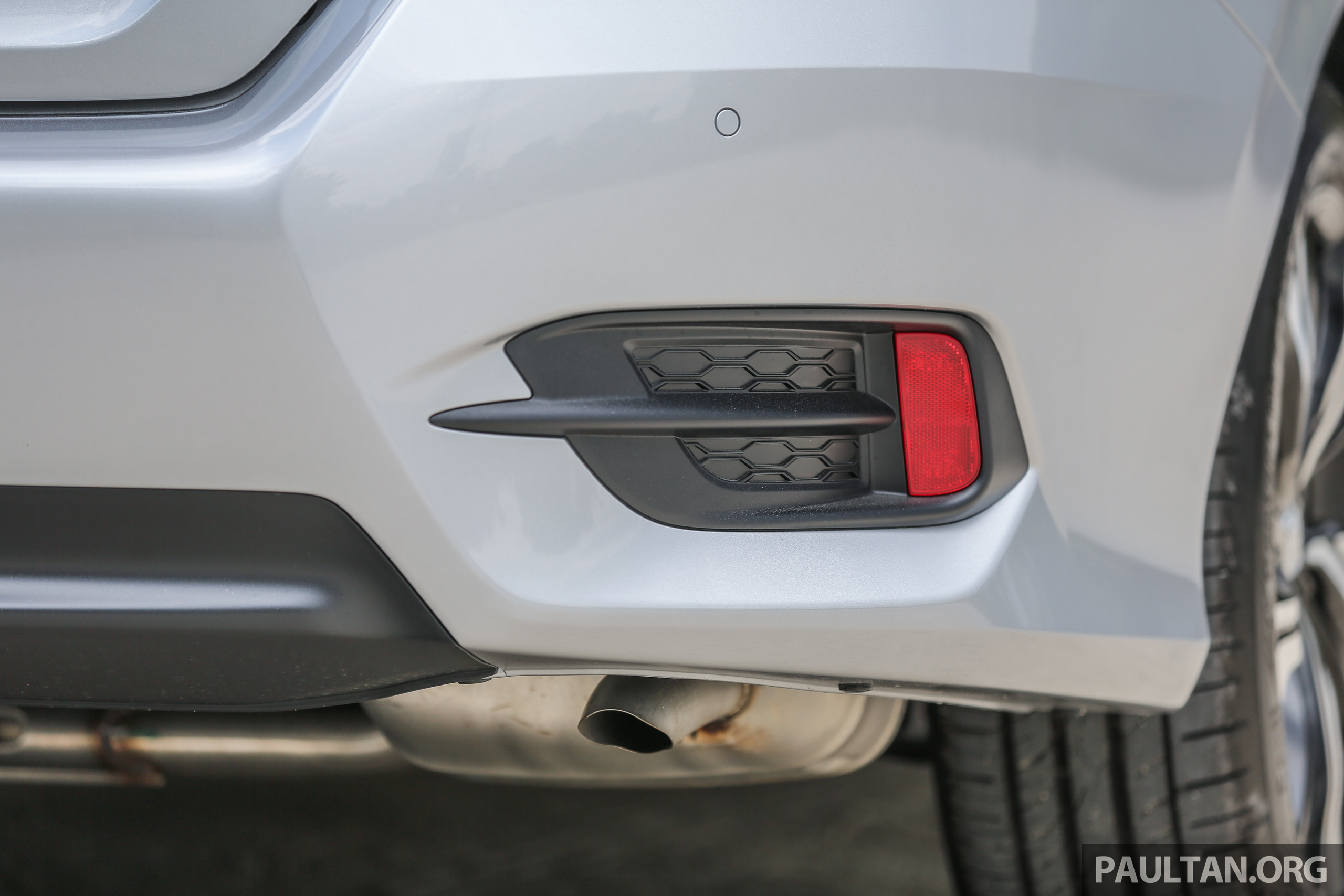
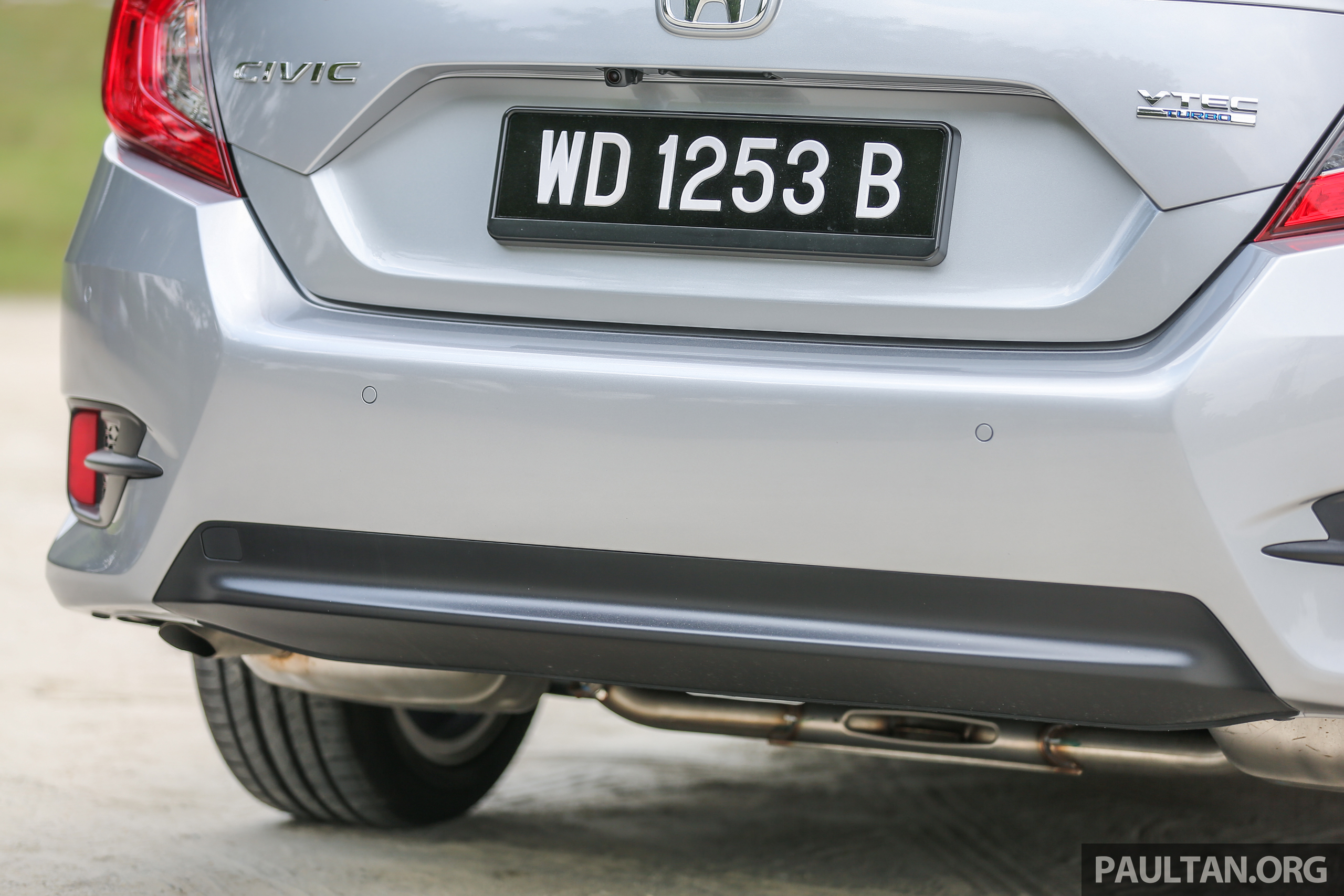
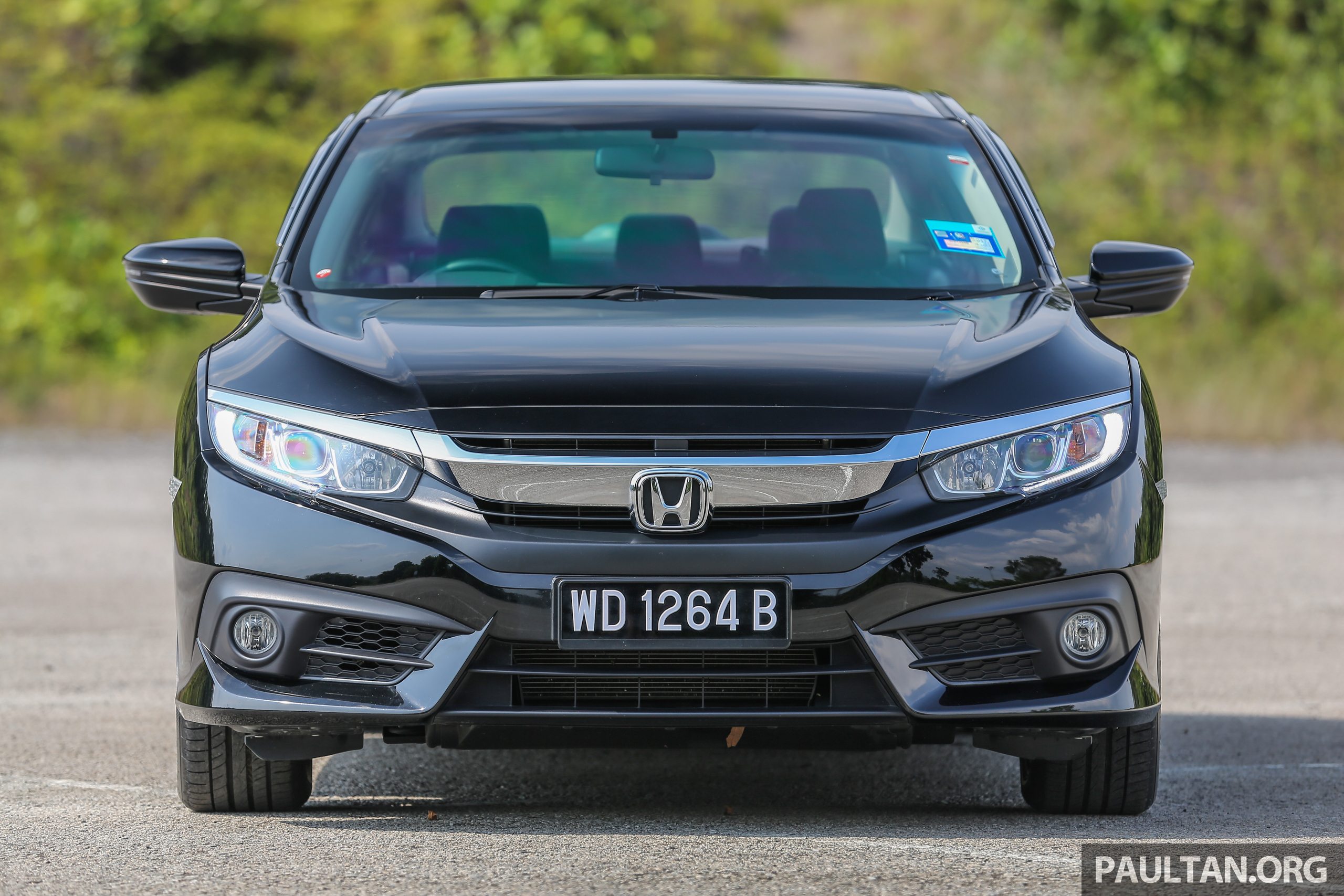
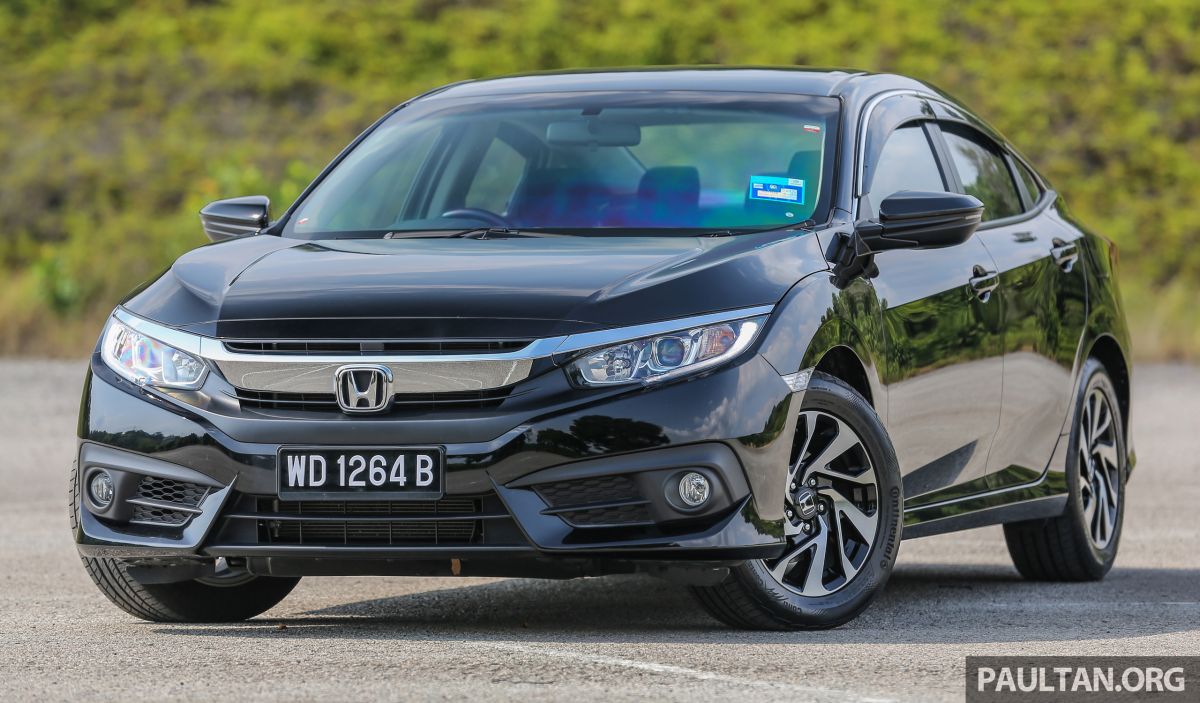
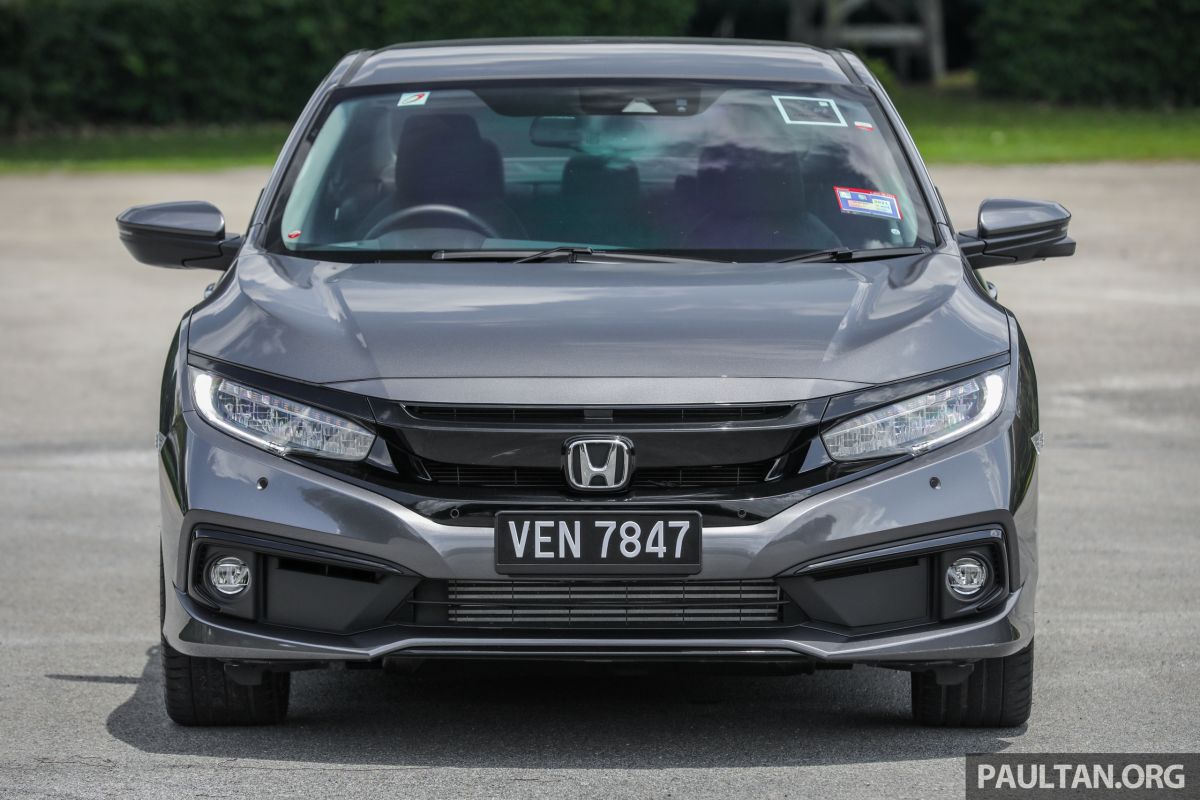
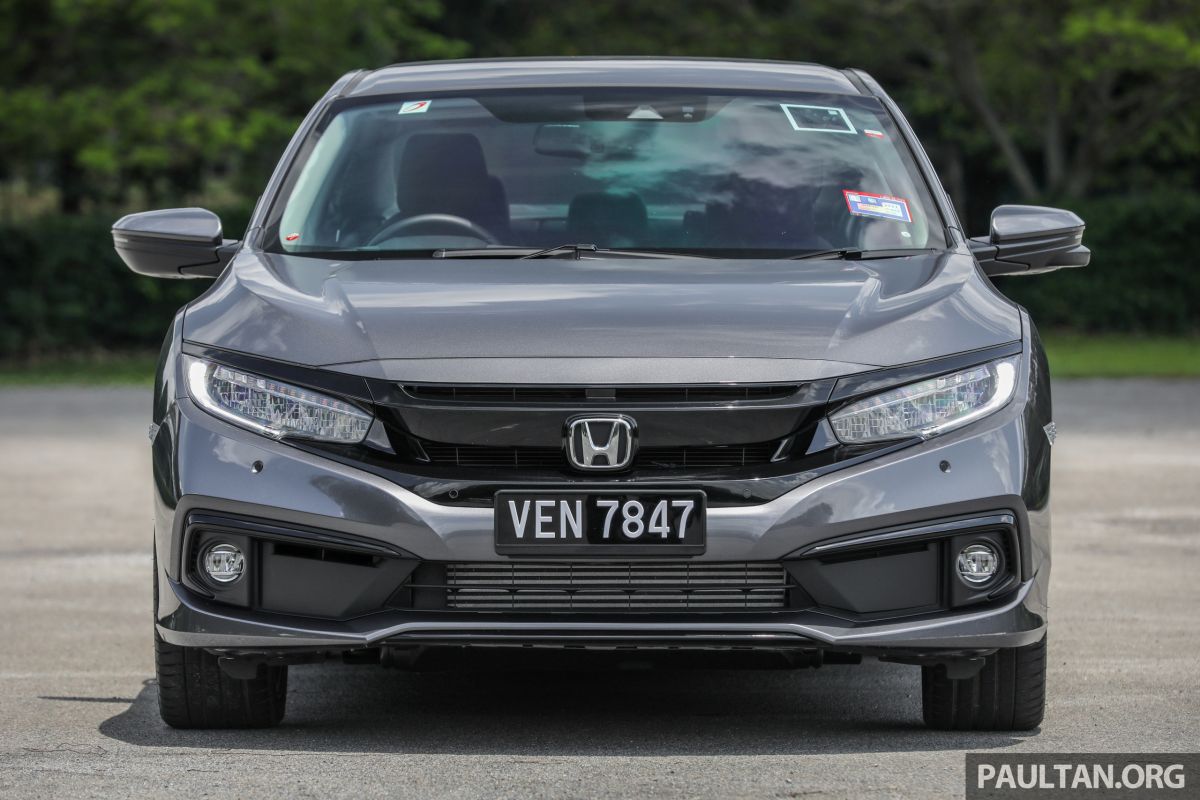
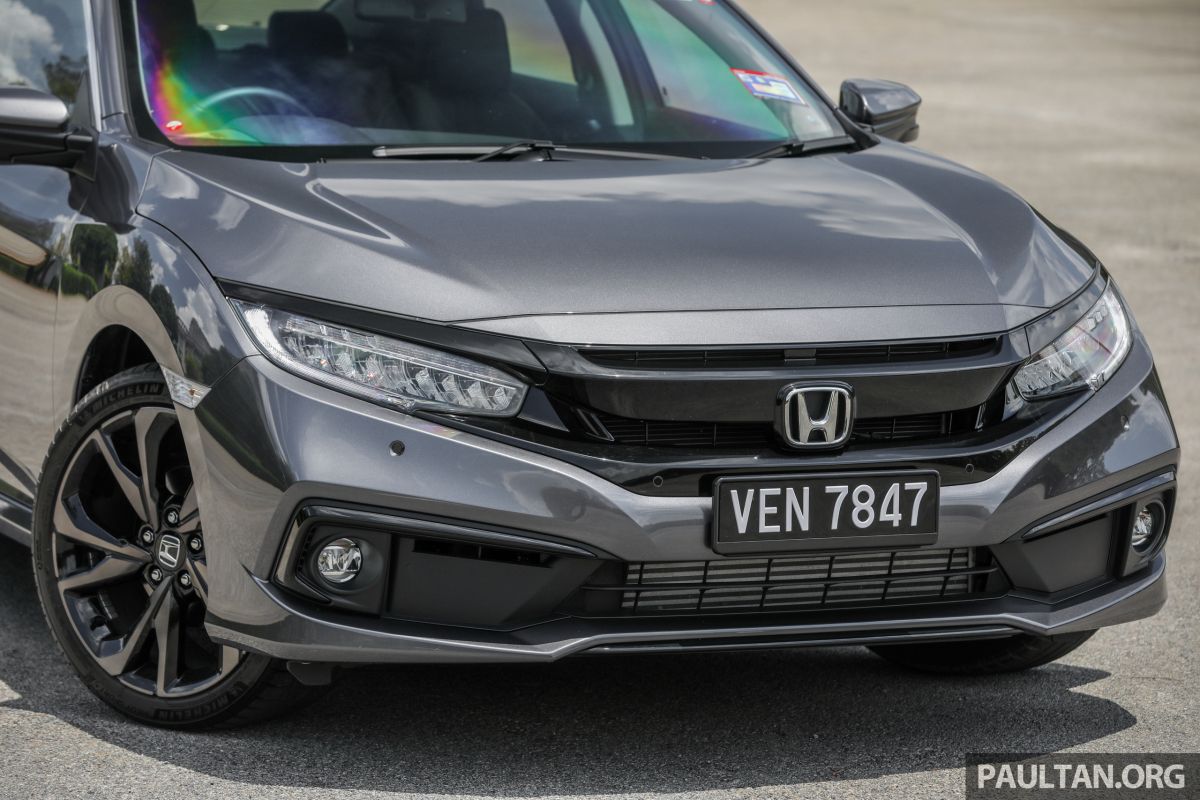
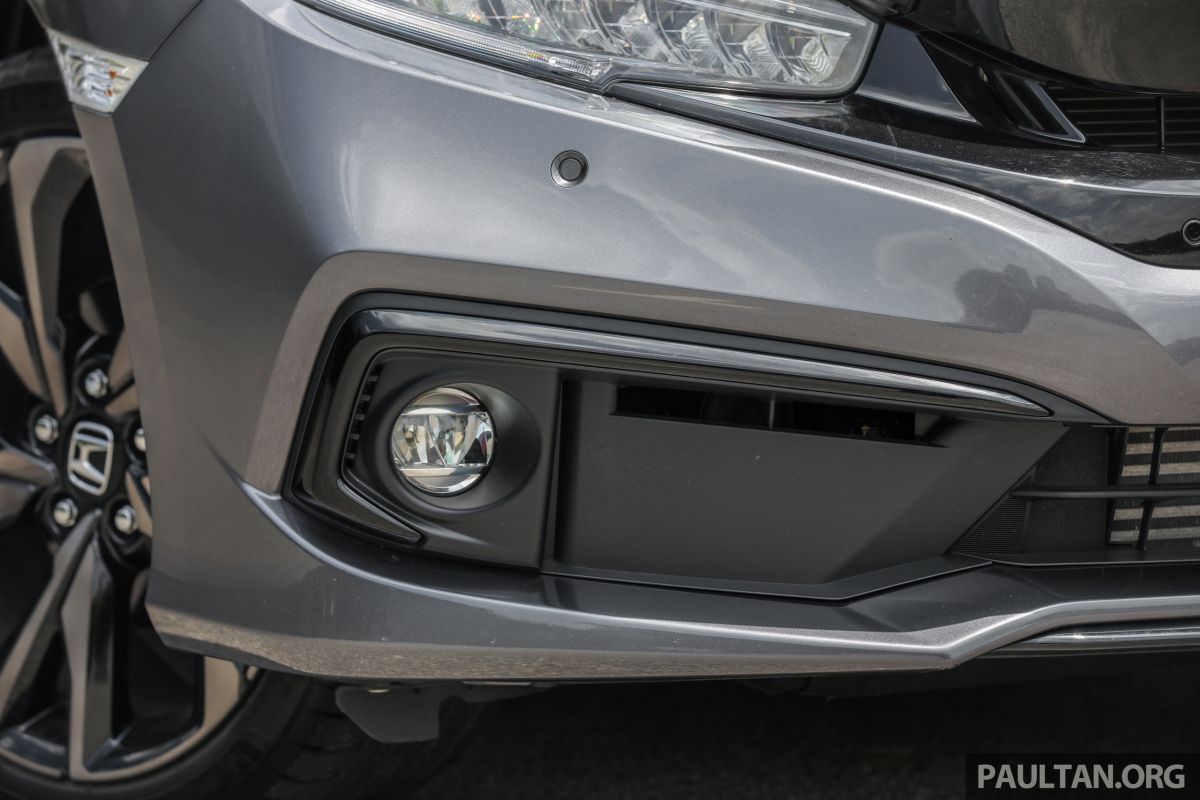
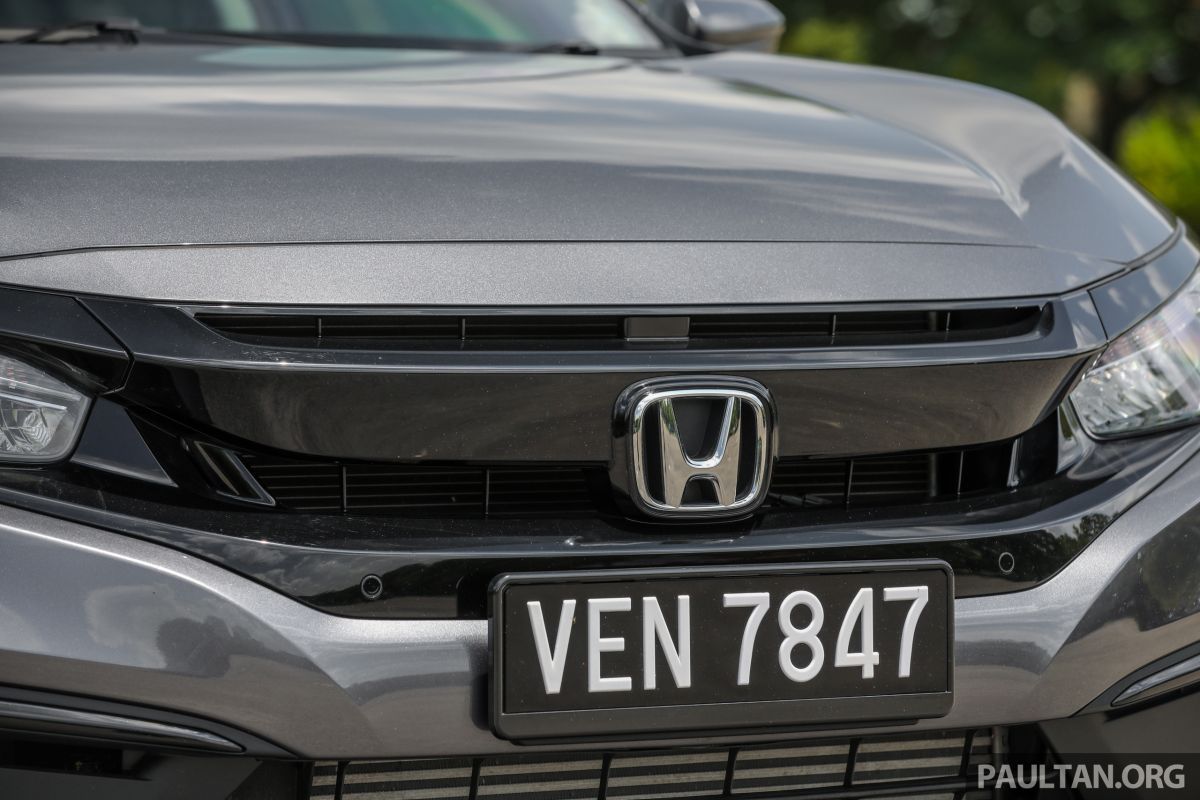
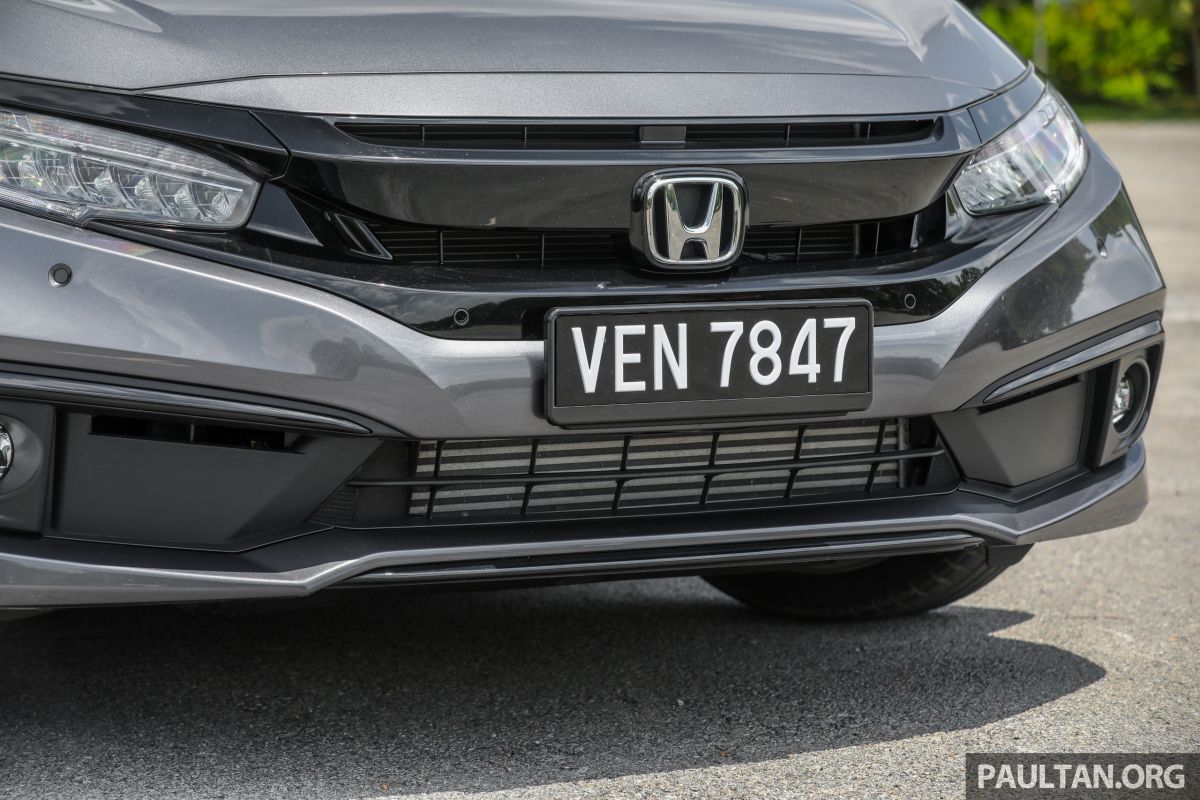
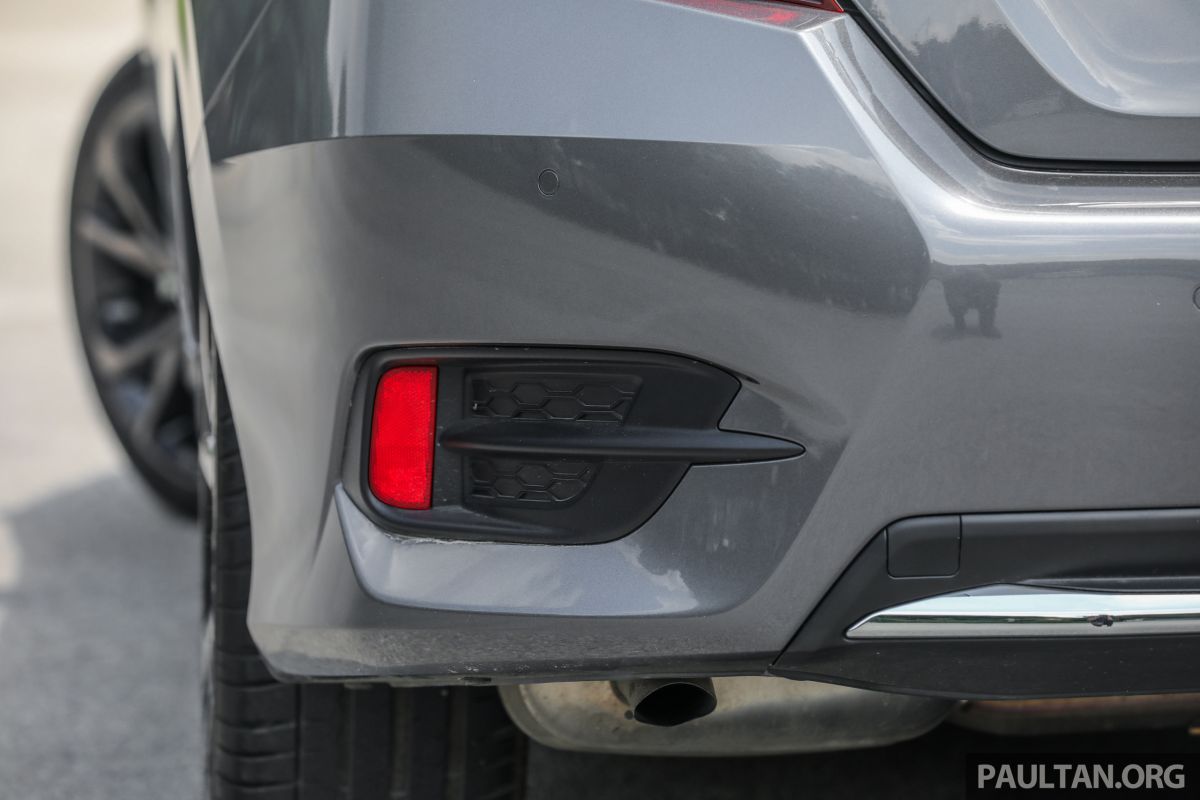
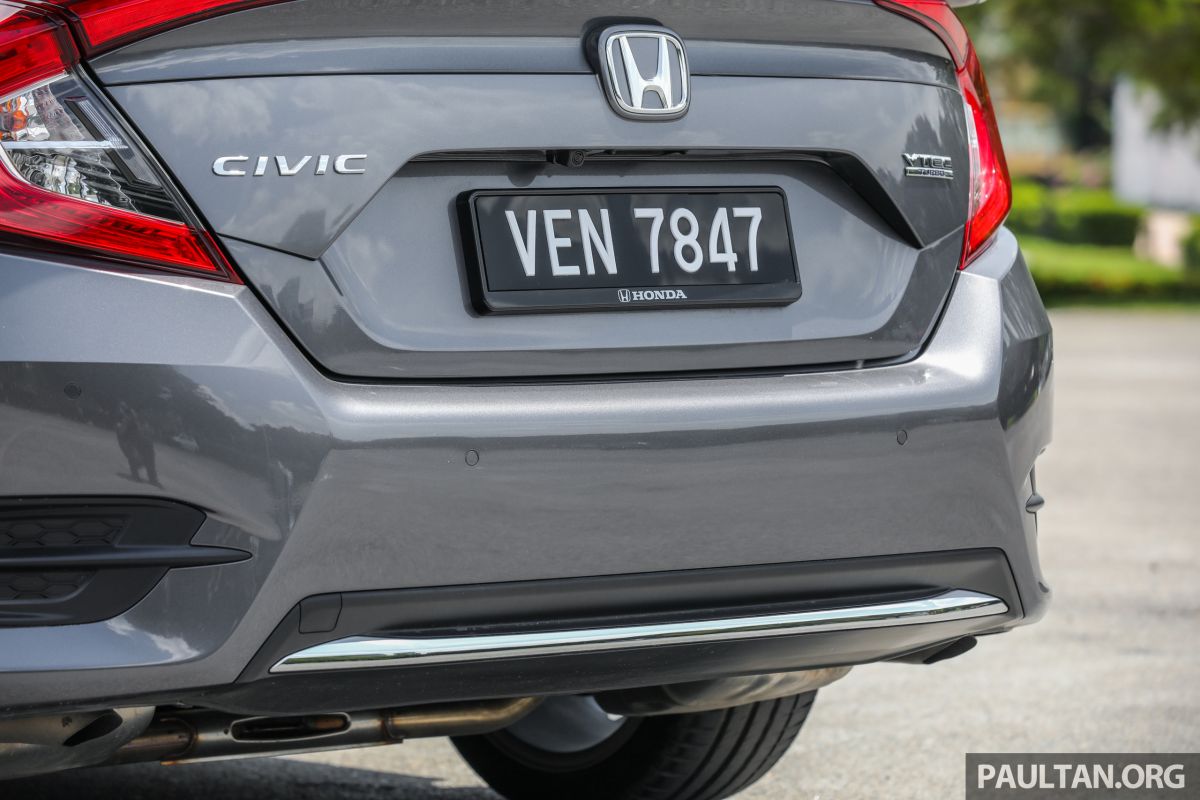
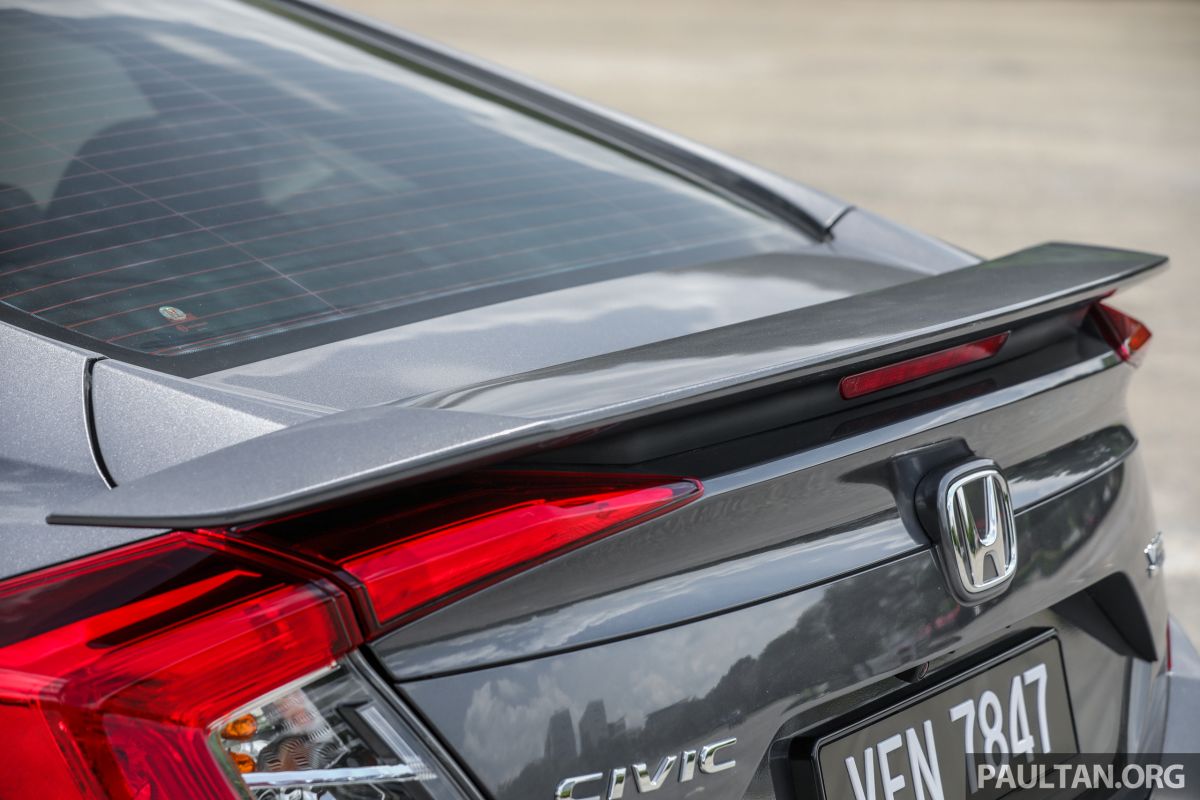
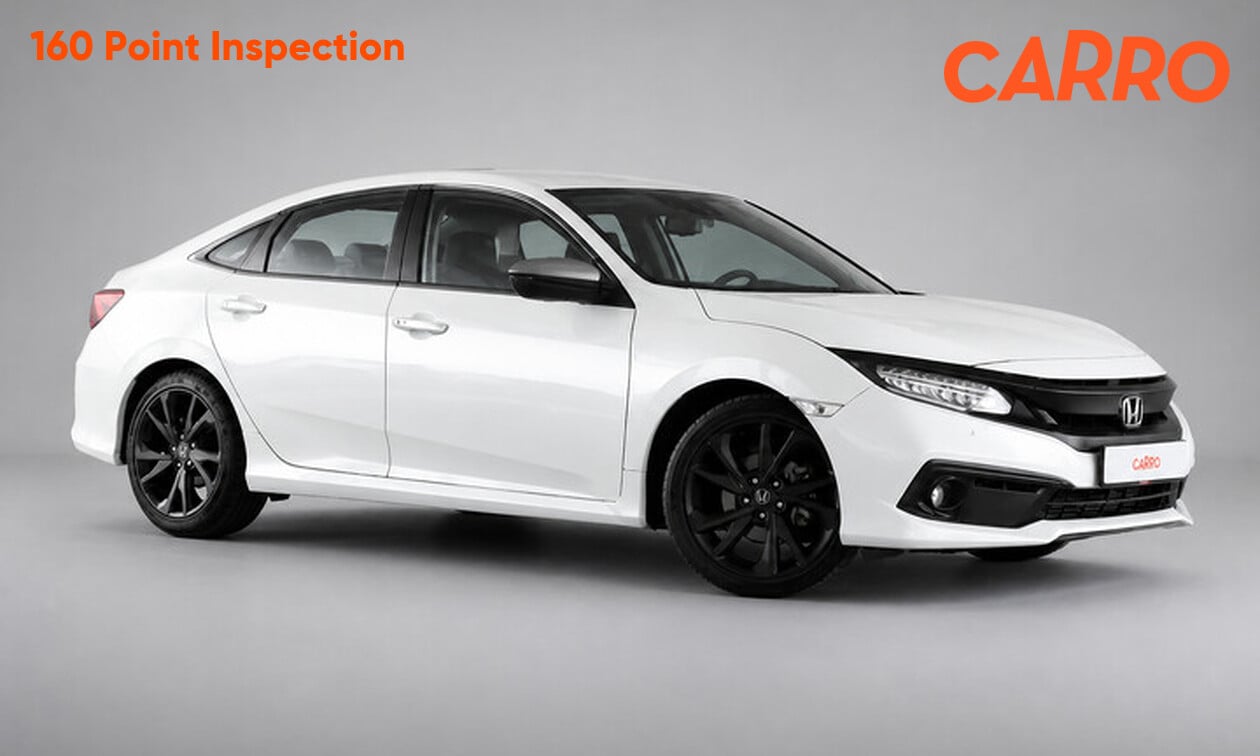
– Styling: a redesigned front bumper with a single full-width black trim piece, a new rear bumper garnish, and – on the TC-P only – a piano-black “wing” across the grille, a boot spoiler and new 18-inch alloys (wrapped in Michelin Pilot Sport 4 tyres).
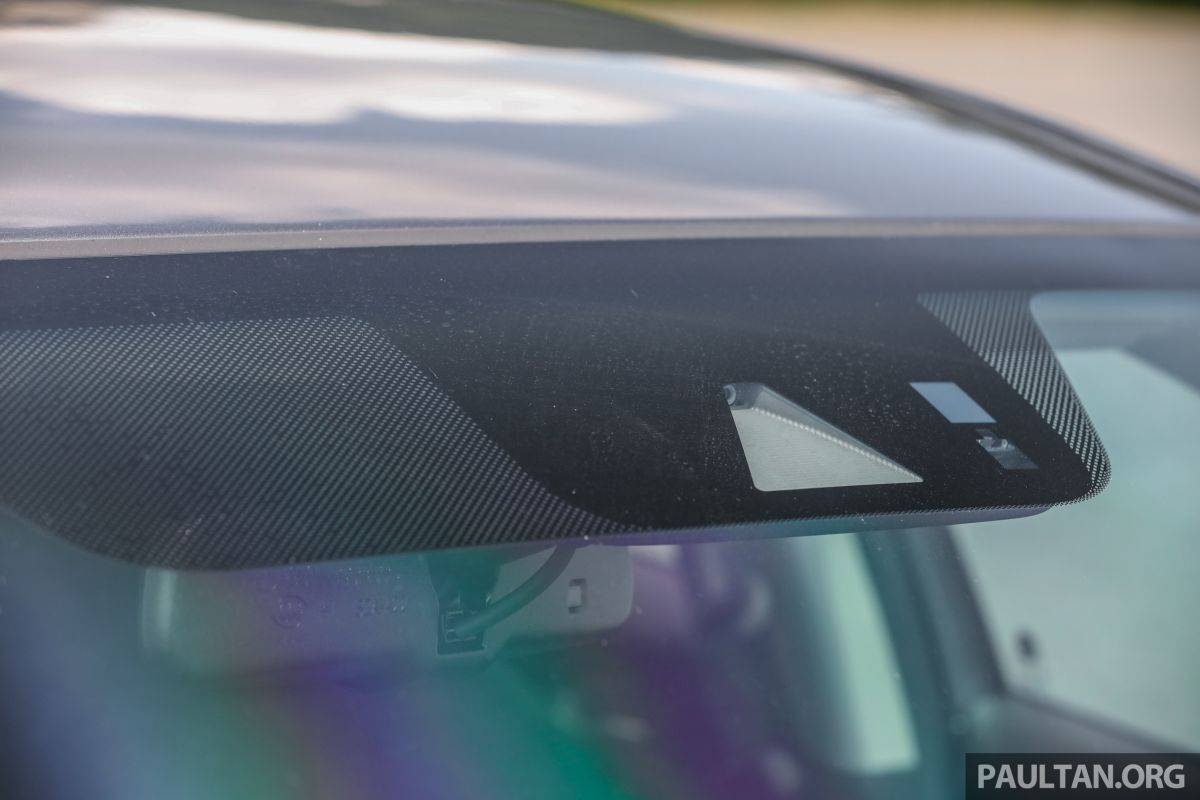
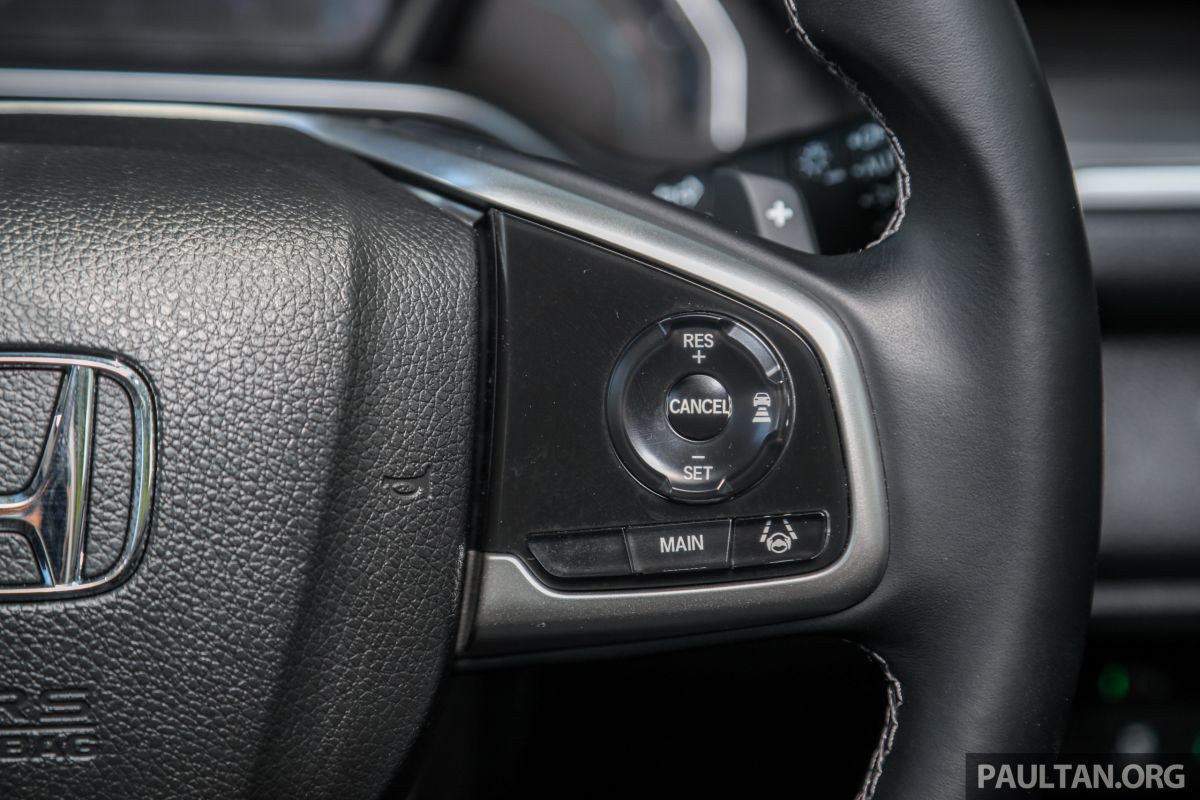
– Honda Sensing: the headline addition, but fitted to the range-topping 1.5 TC-P only. The suite includes adaptive cruise control with low-speed follow, forward collision warning, collision mitigation braking, lane keep assist, road departure mitigation and auto high beam, plus Honda’s LaneWatch side camera.
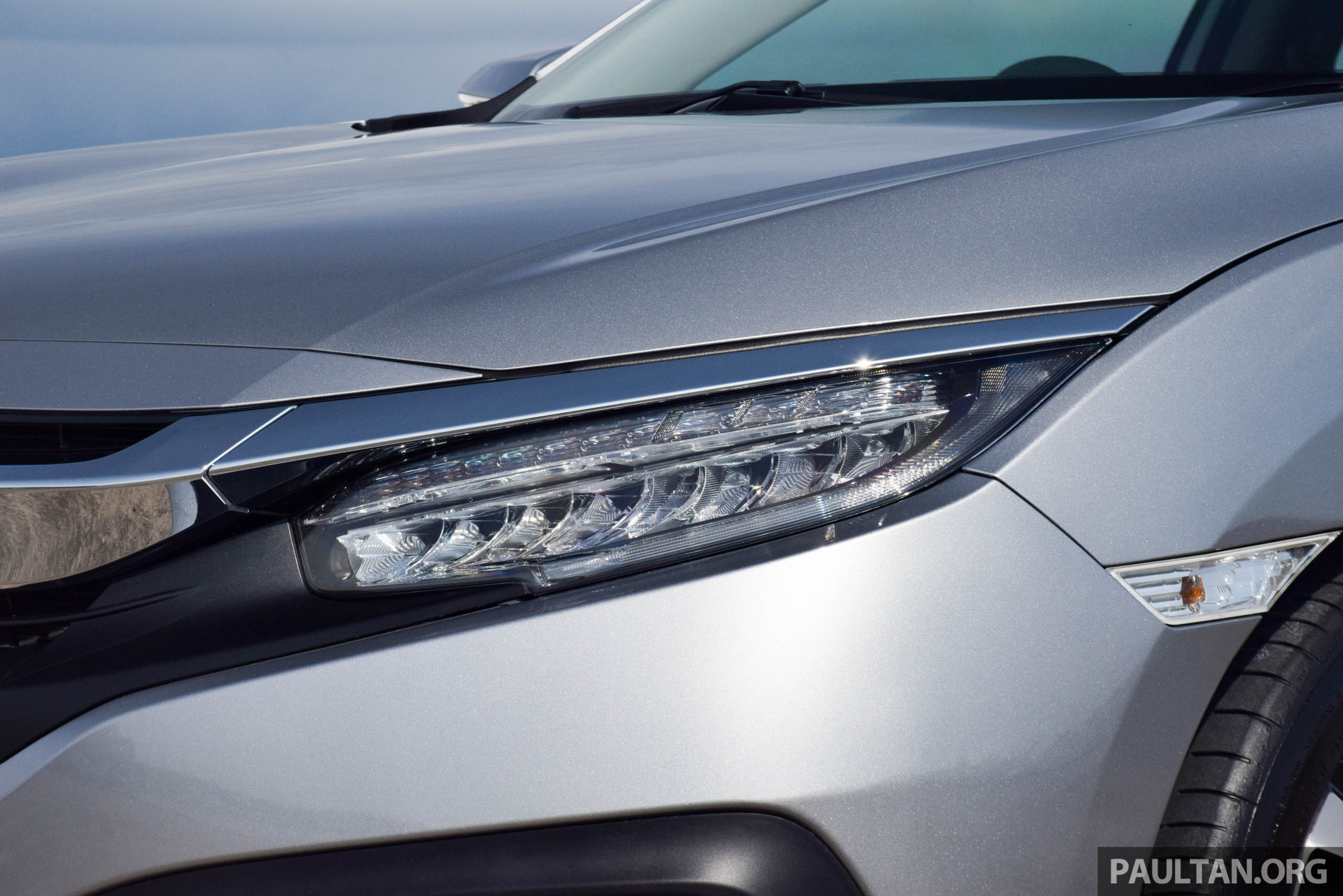
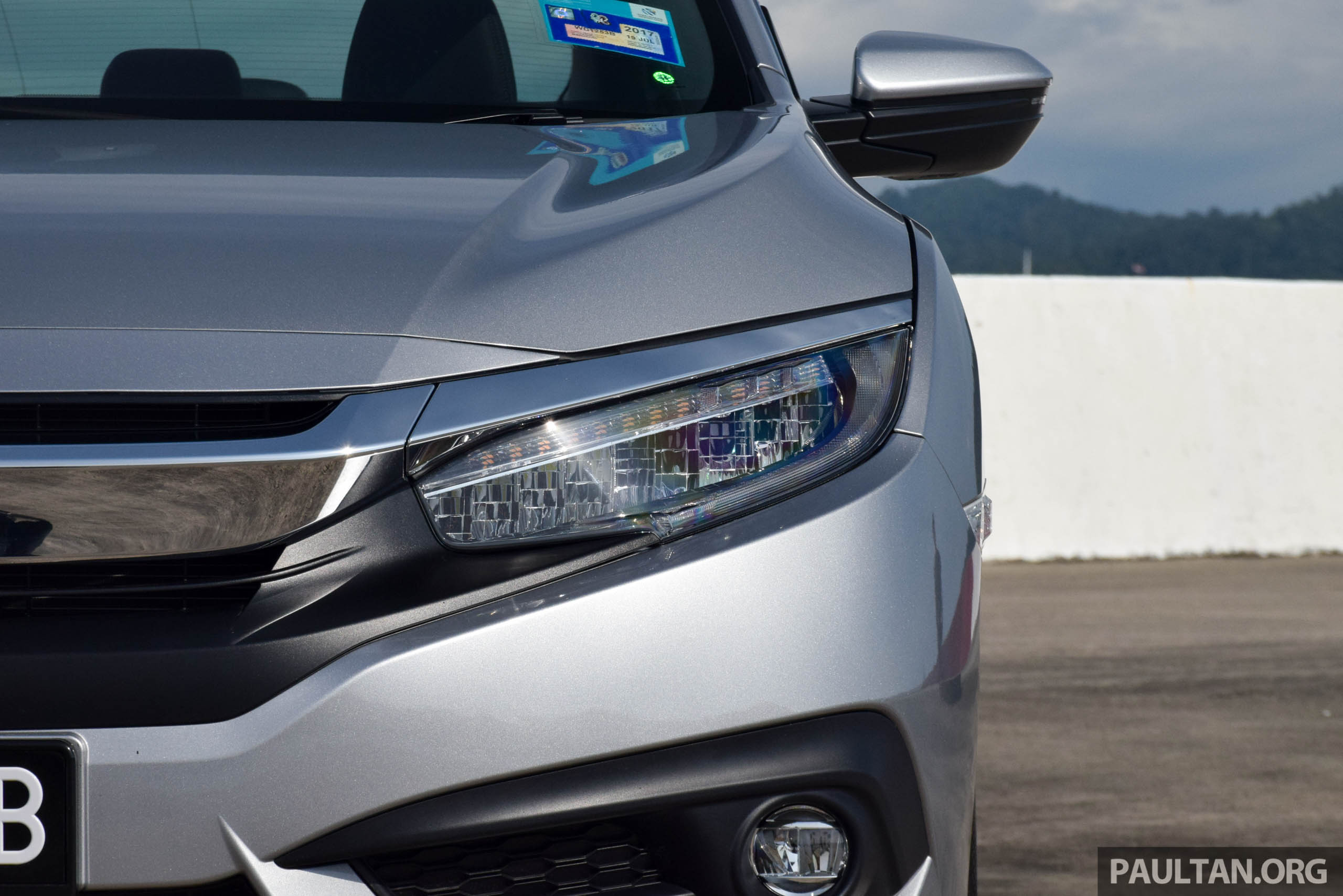
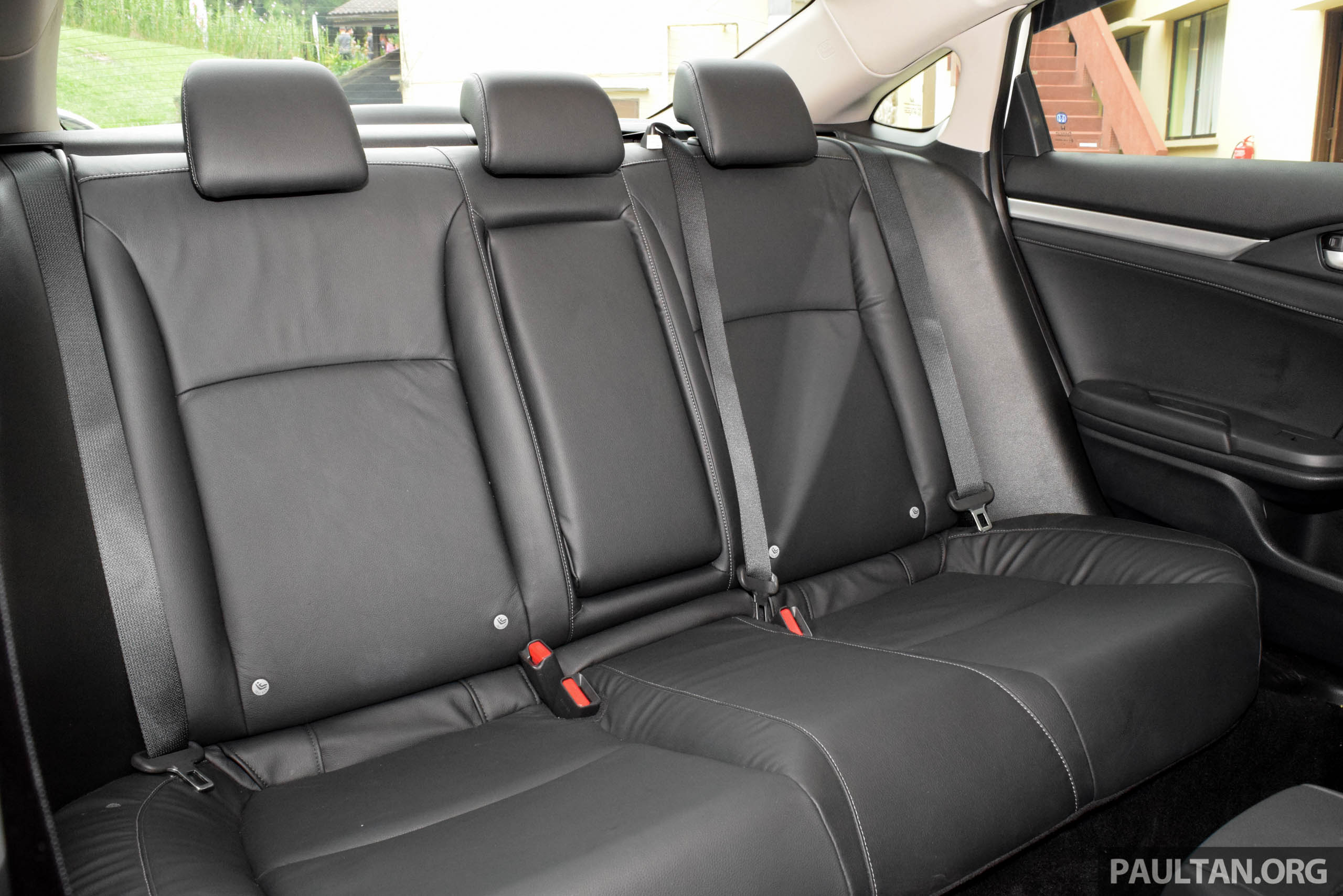
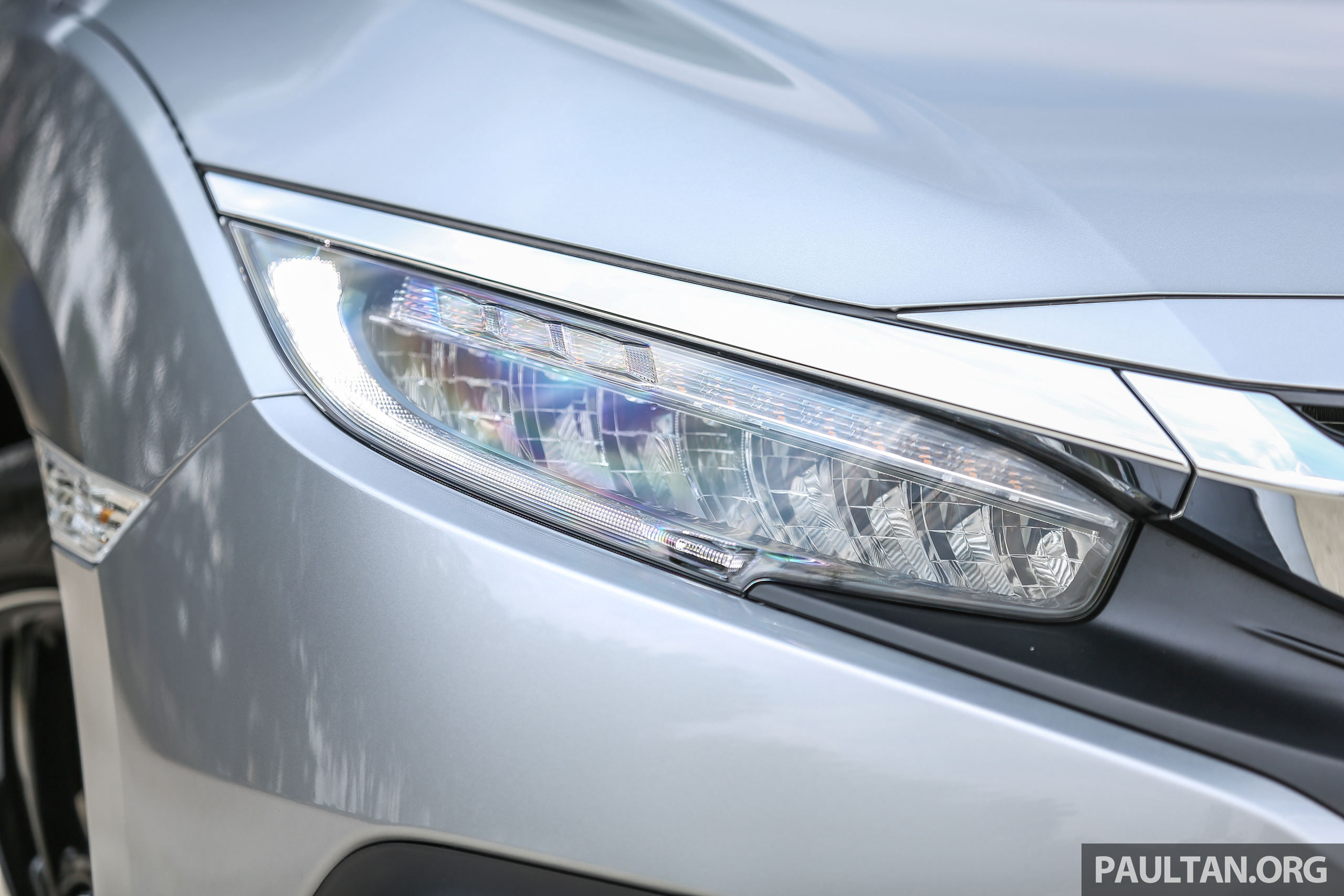
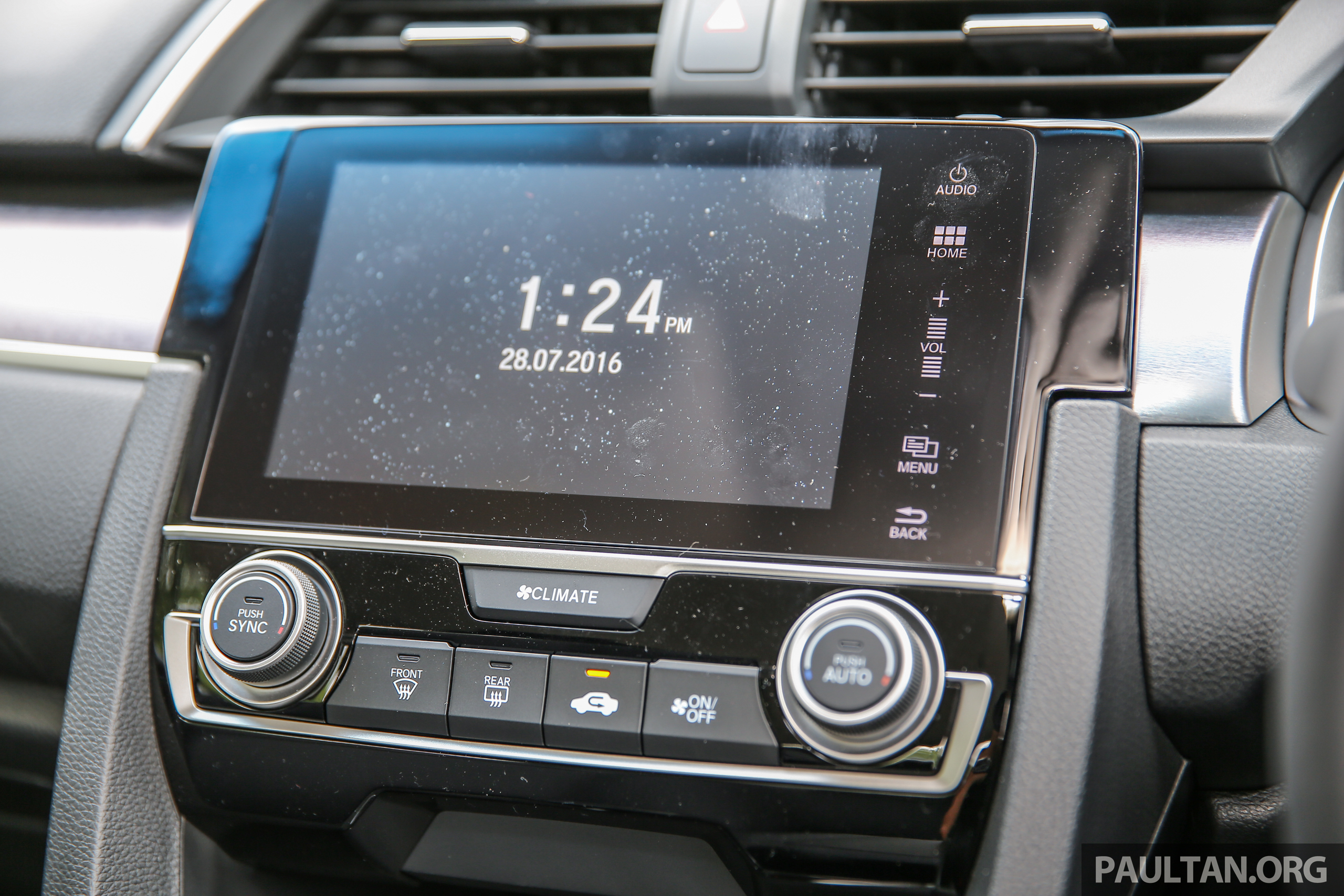
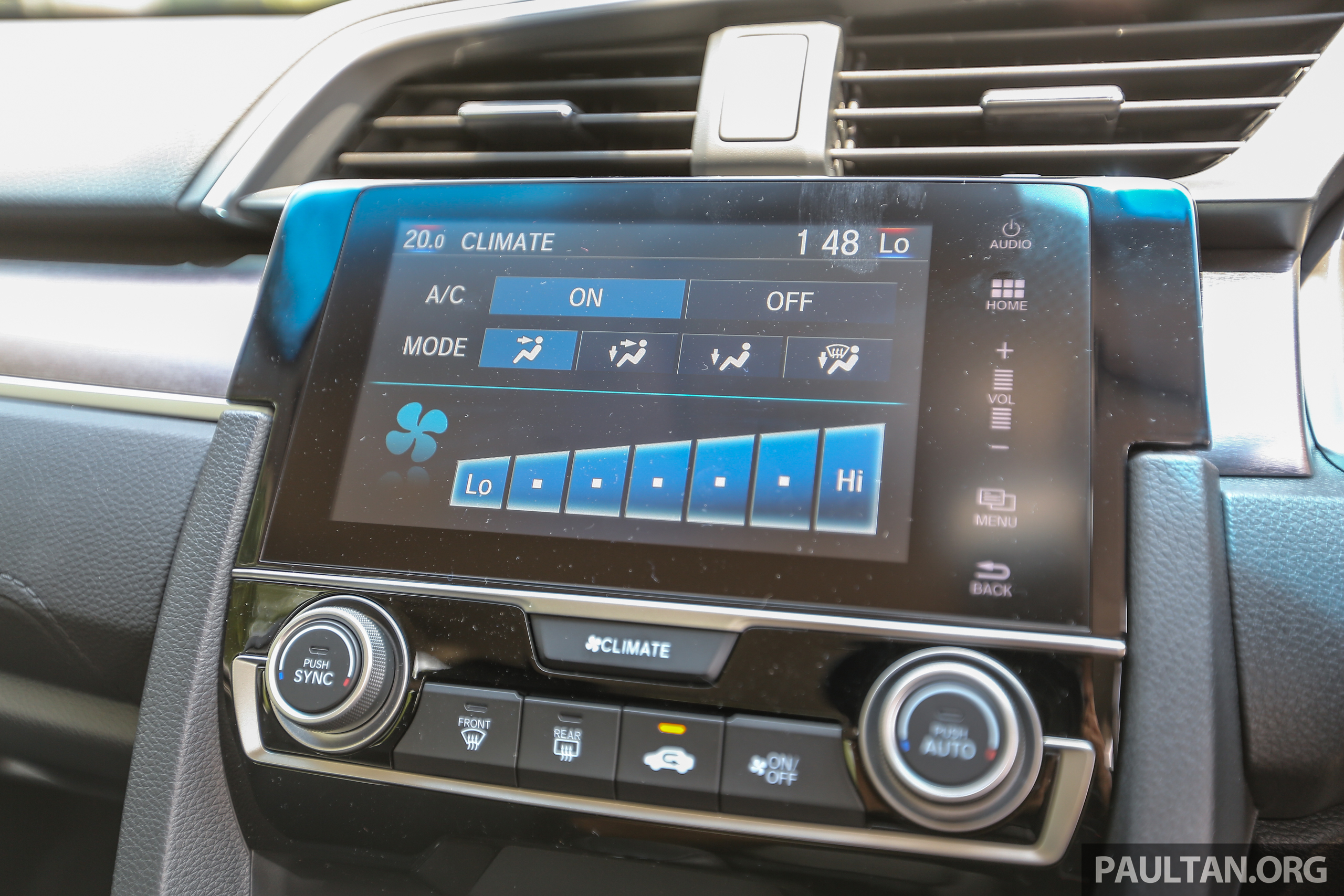
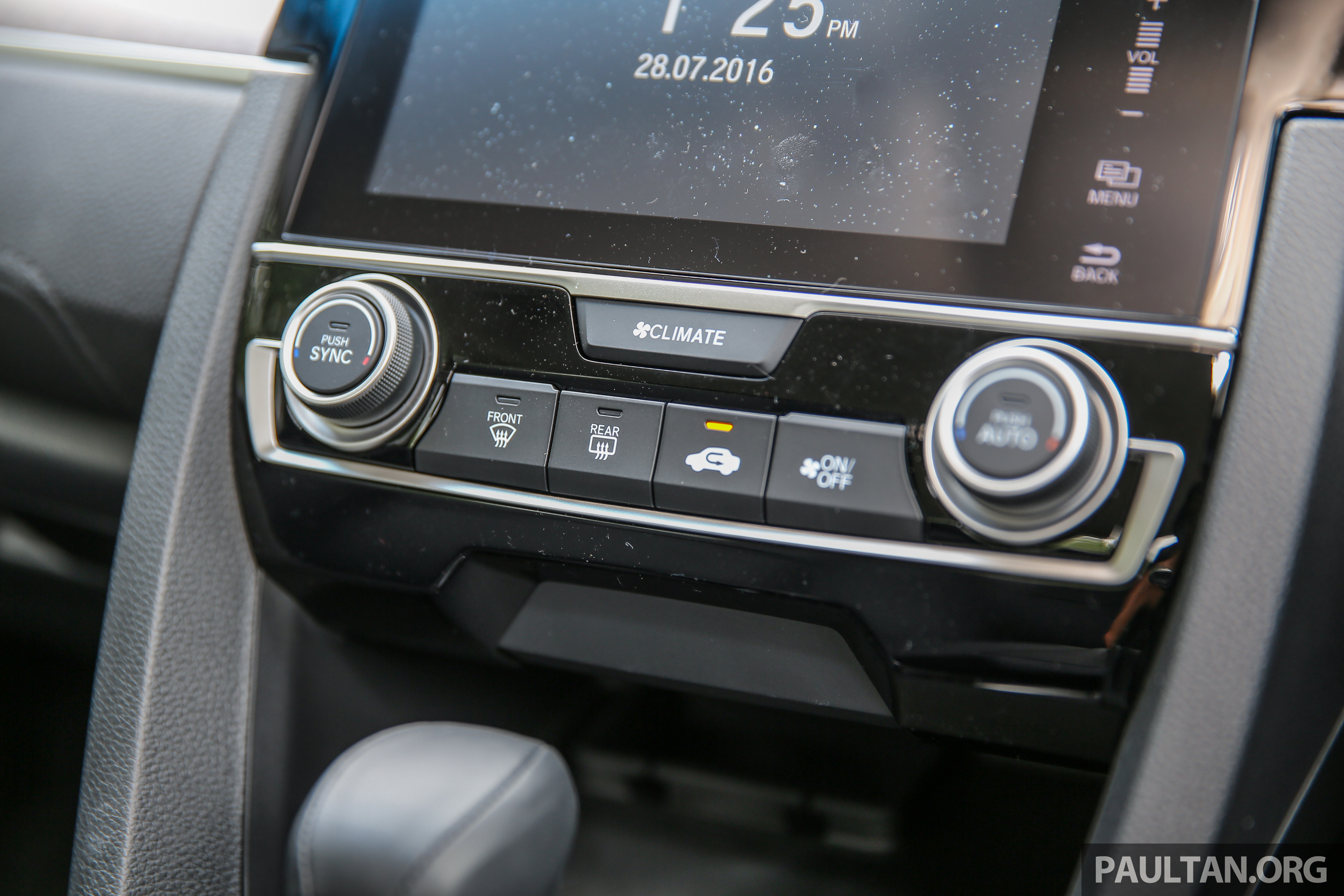
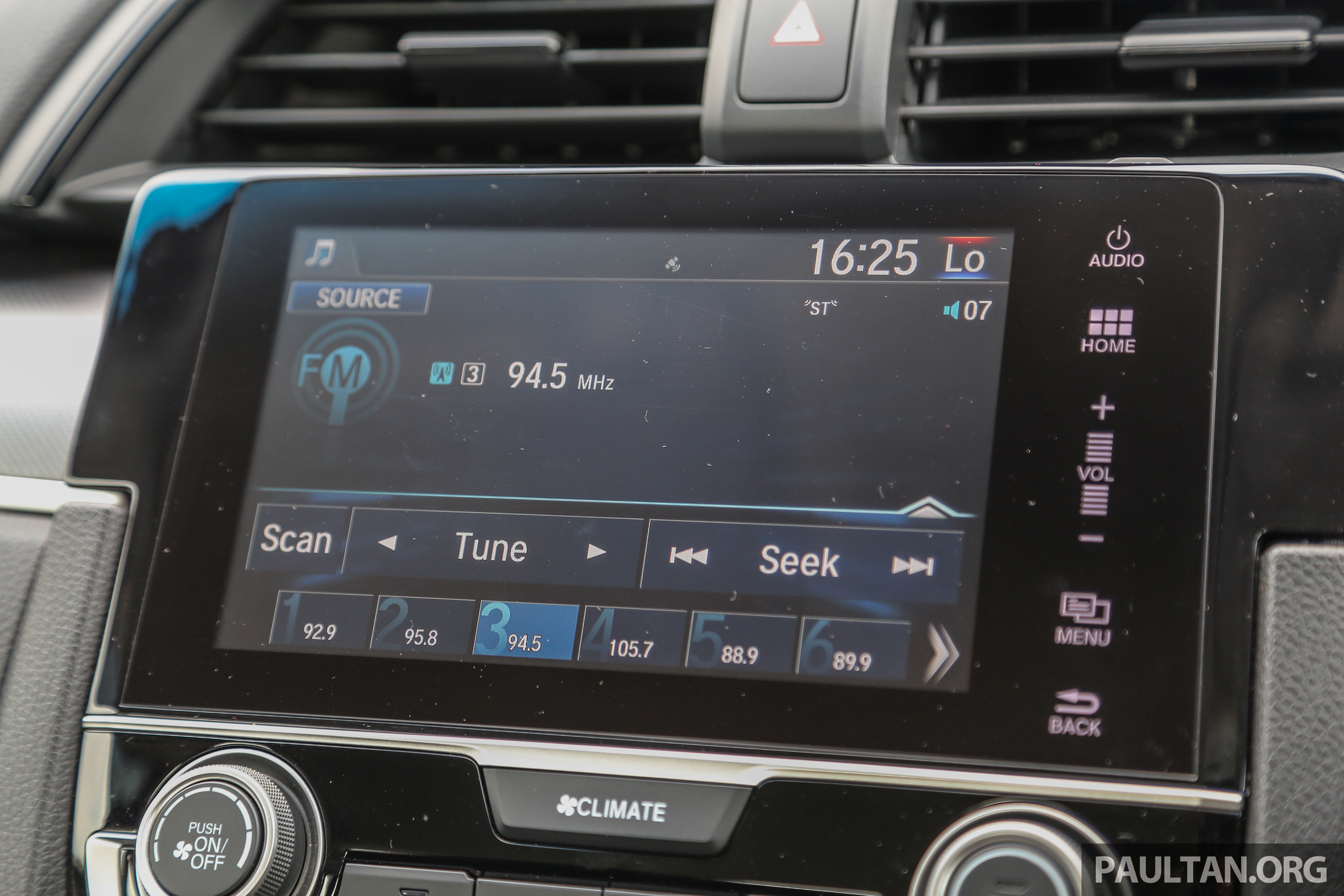
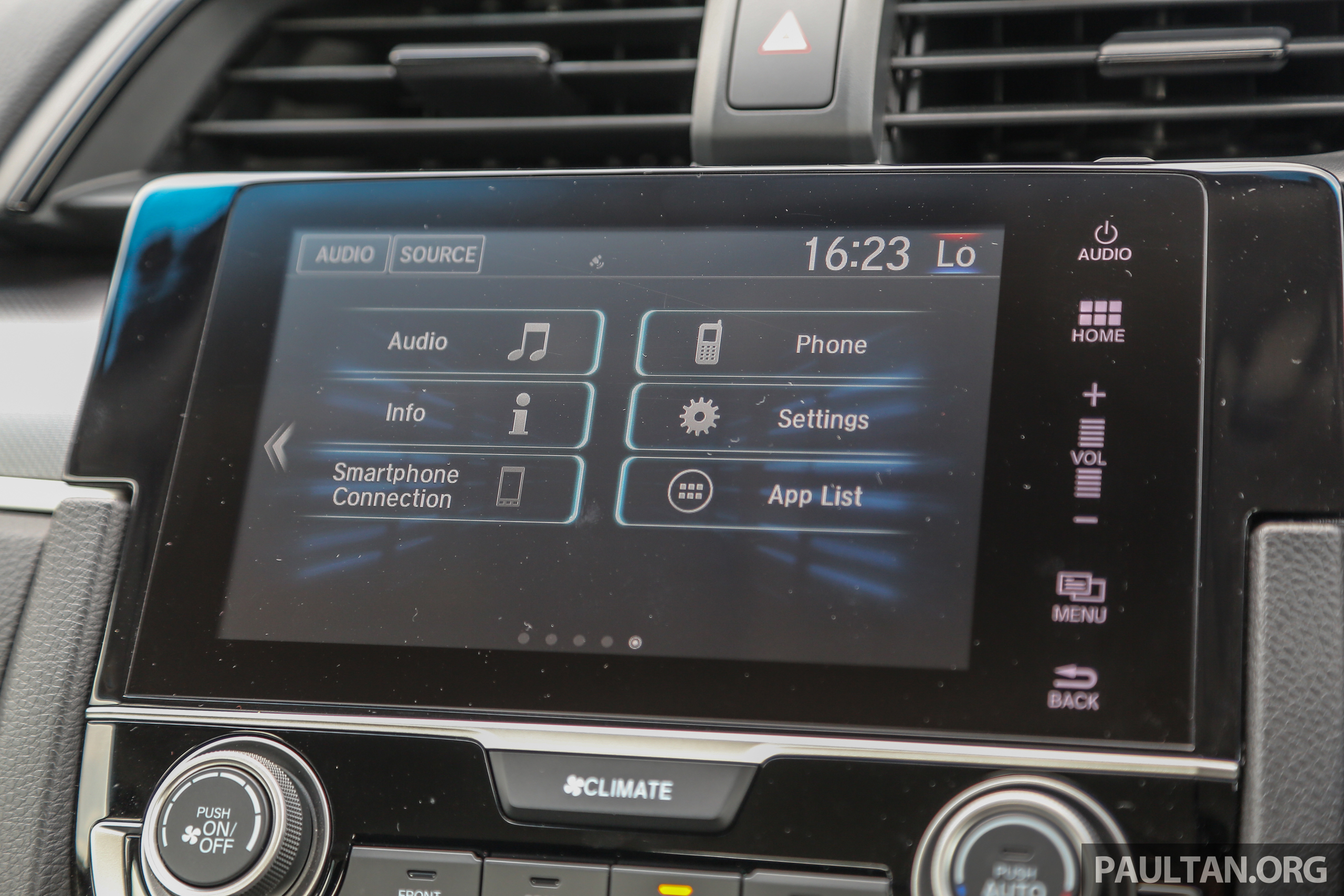
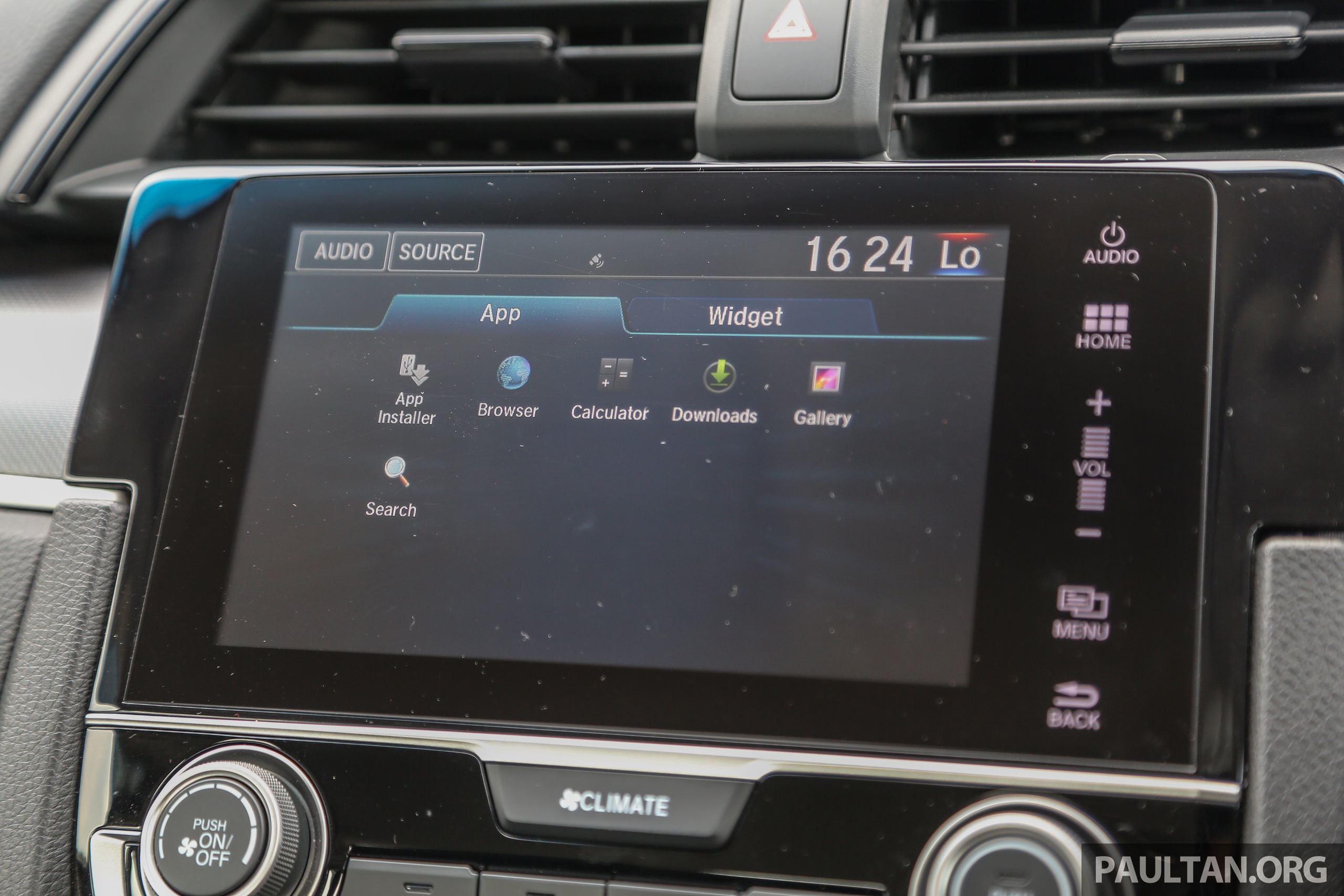
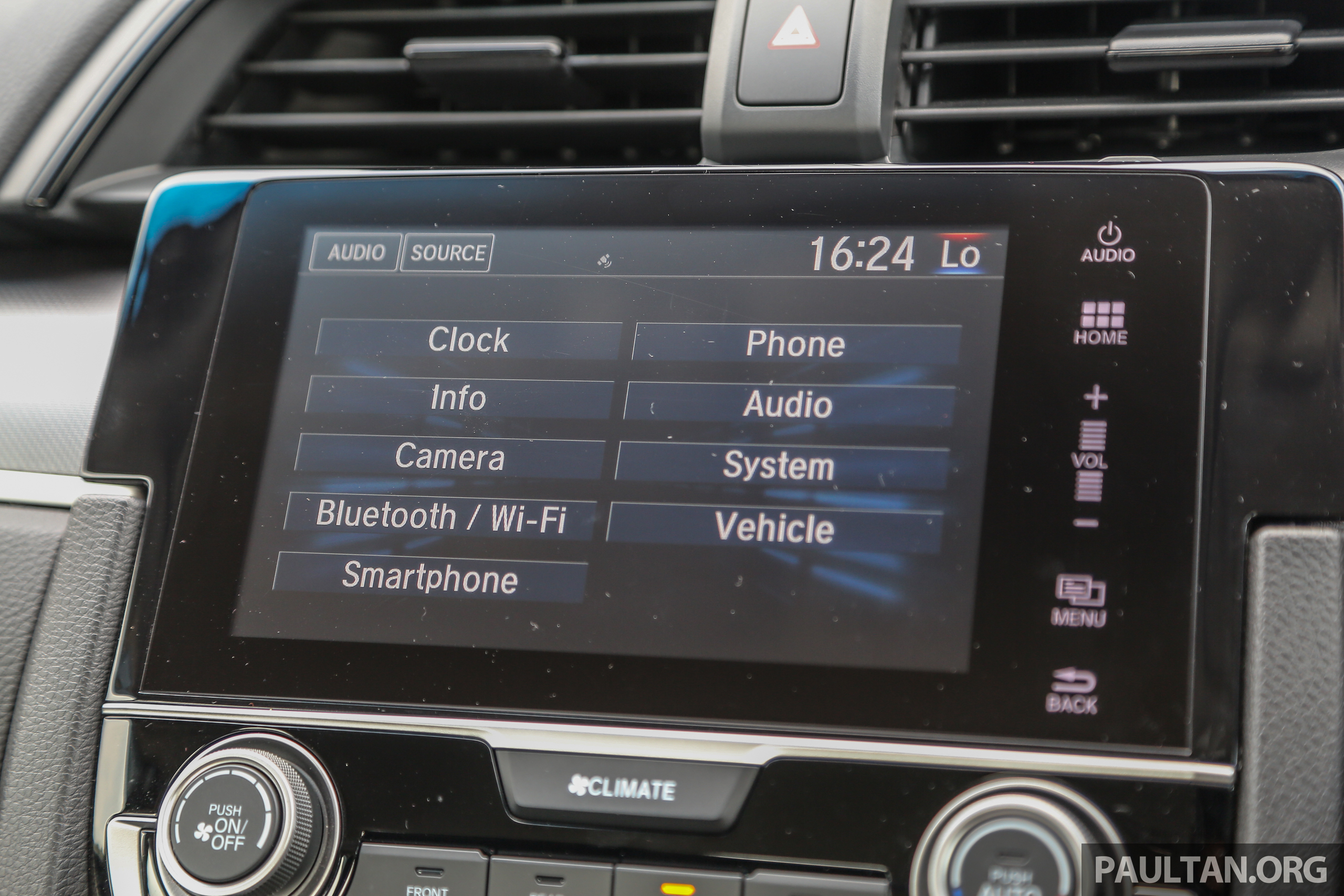
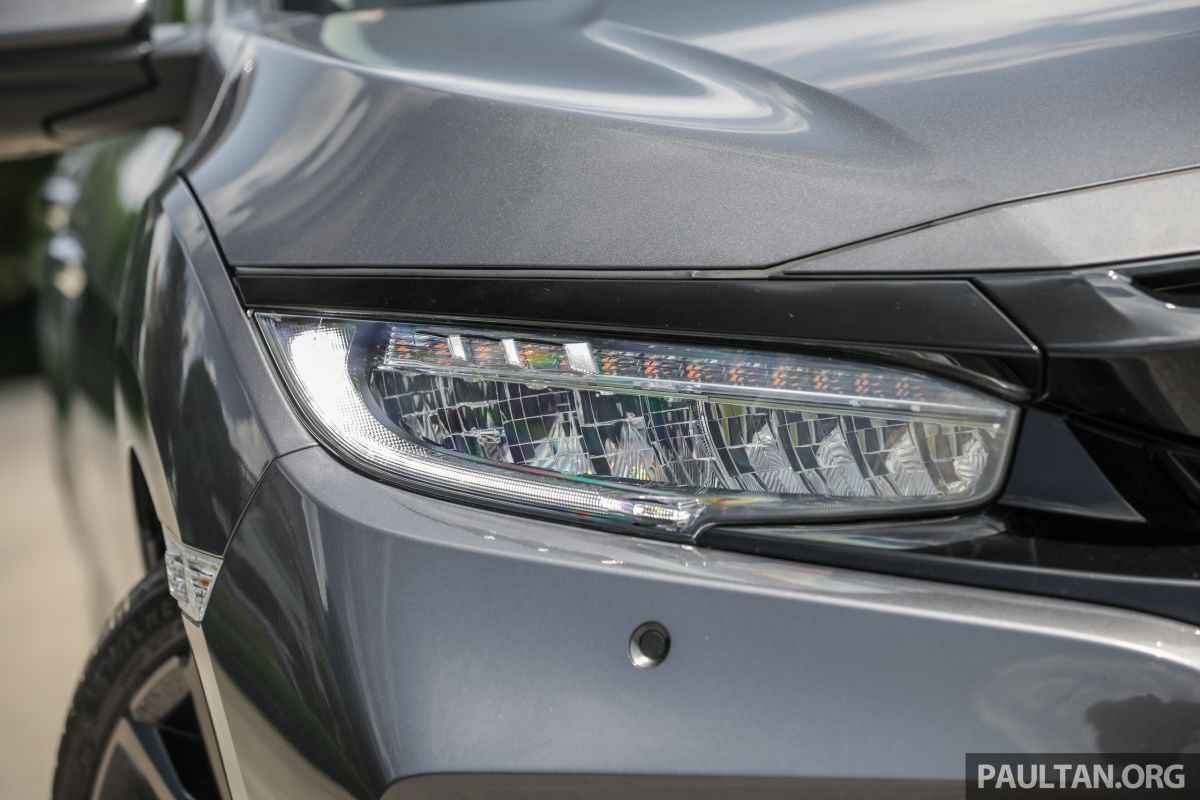
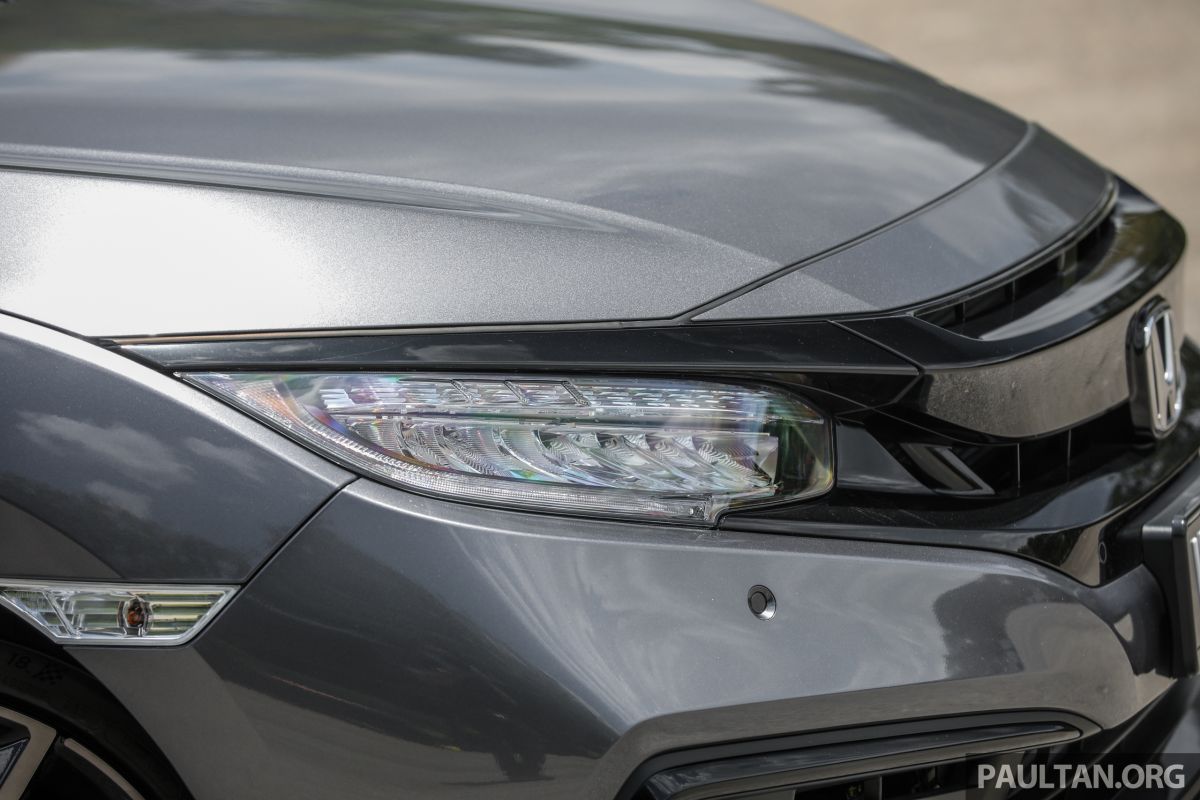
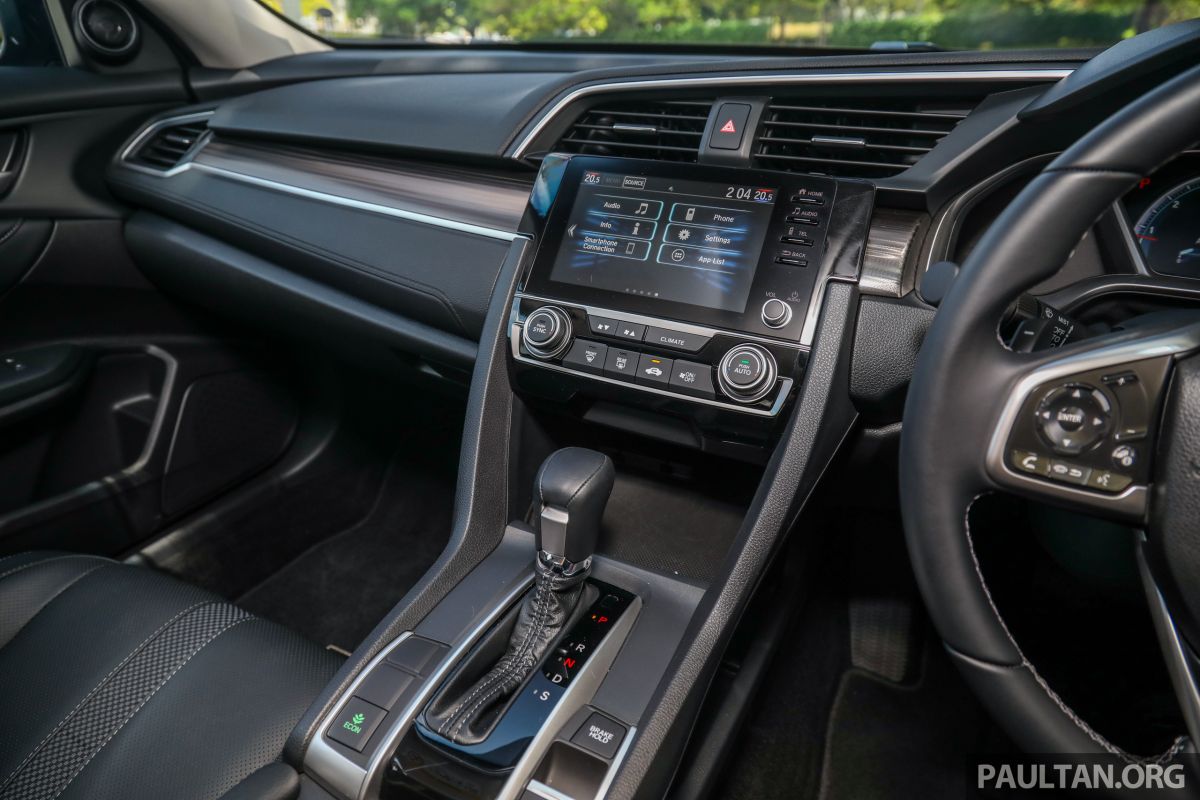
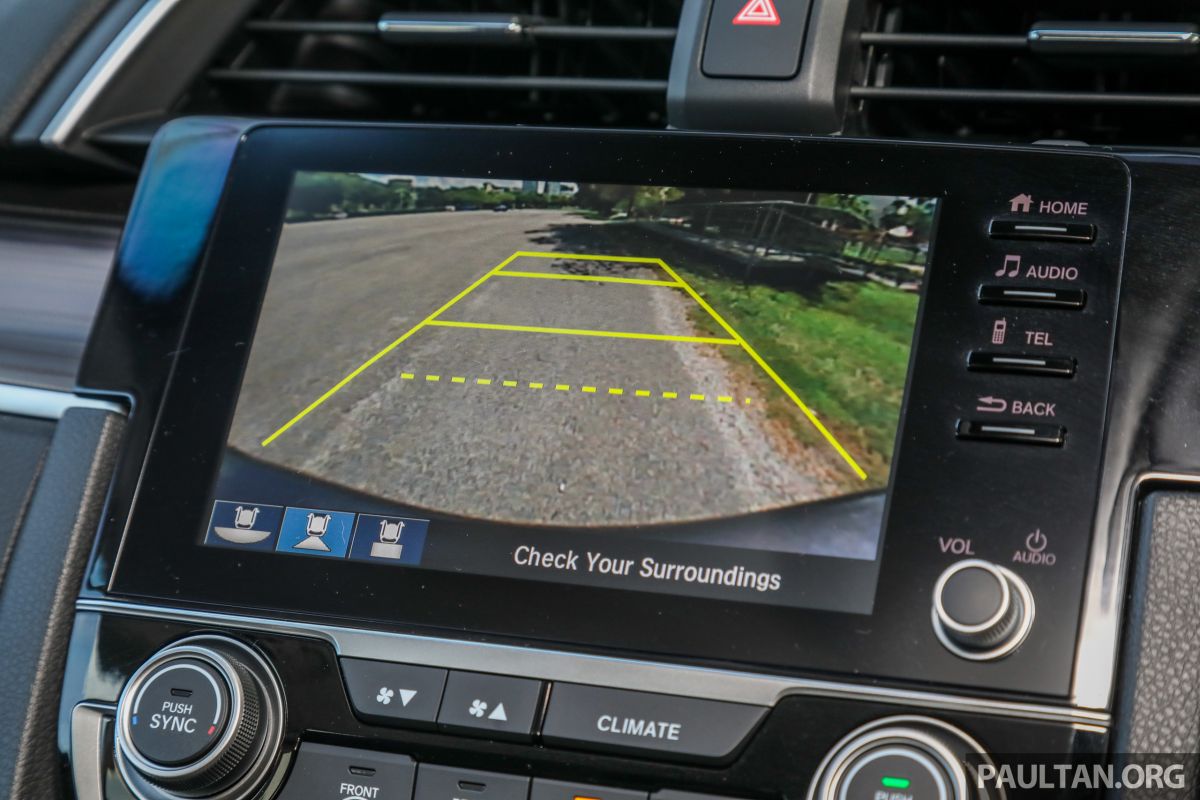
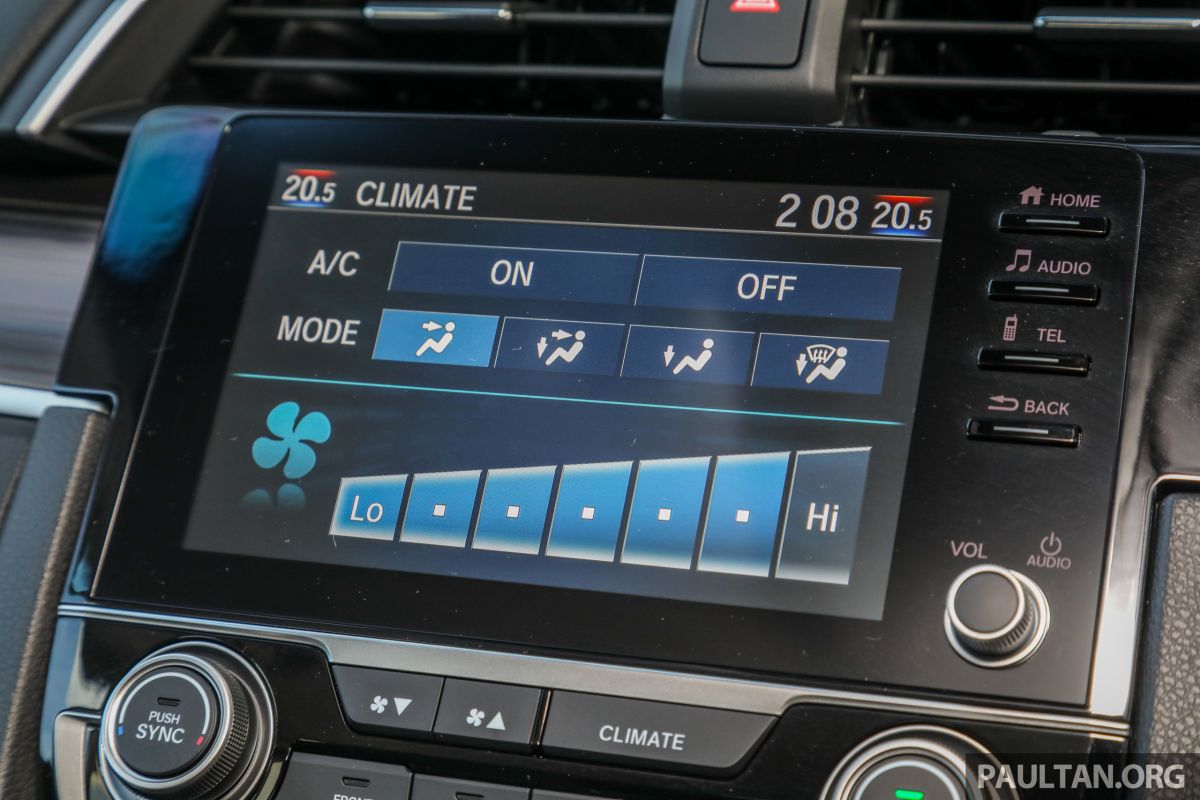
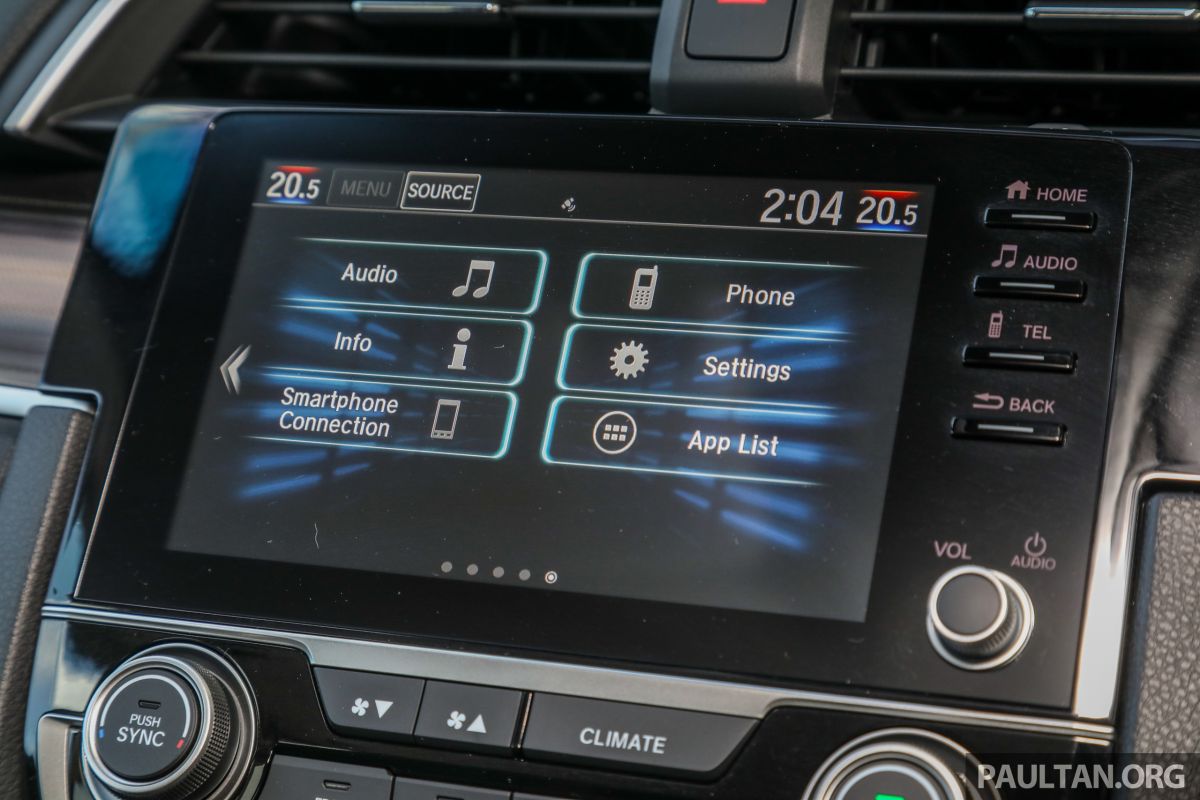
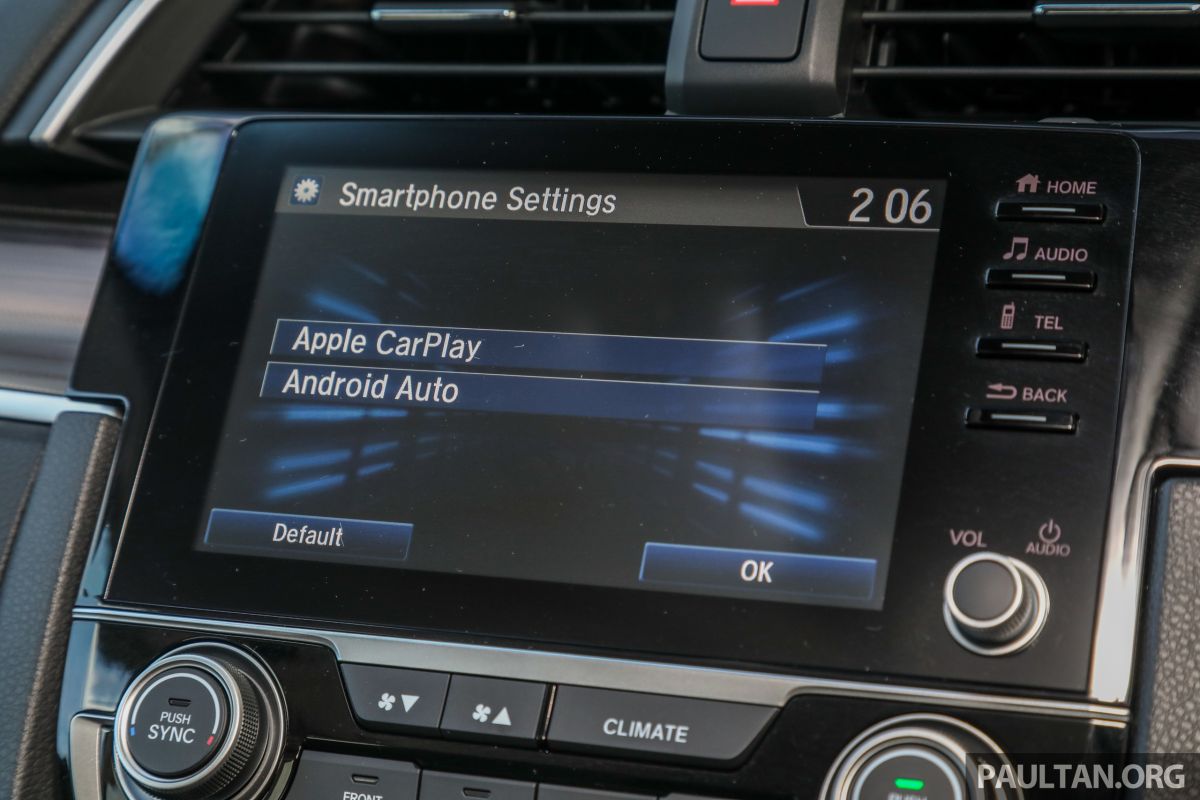
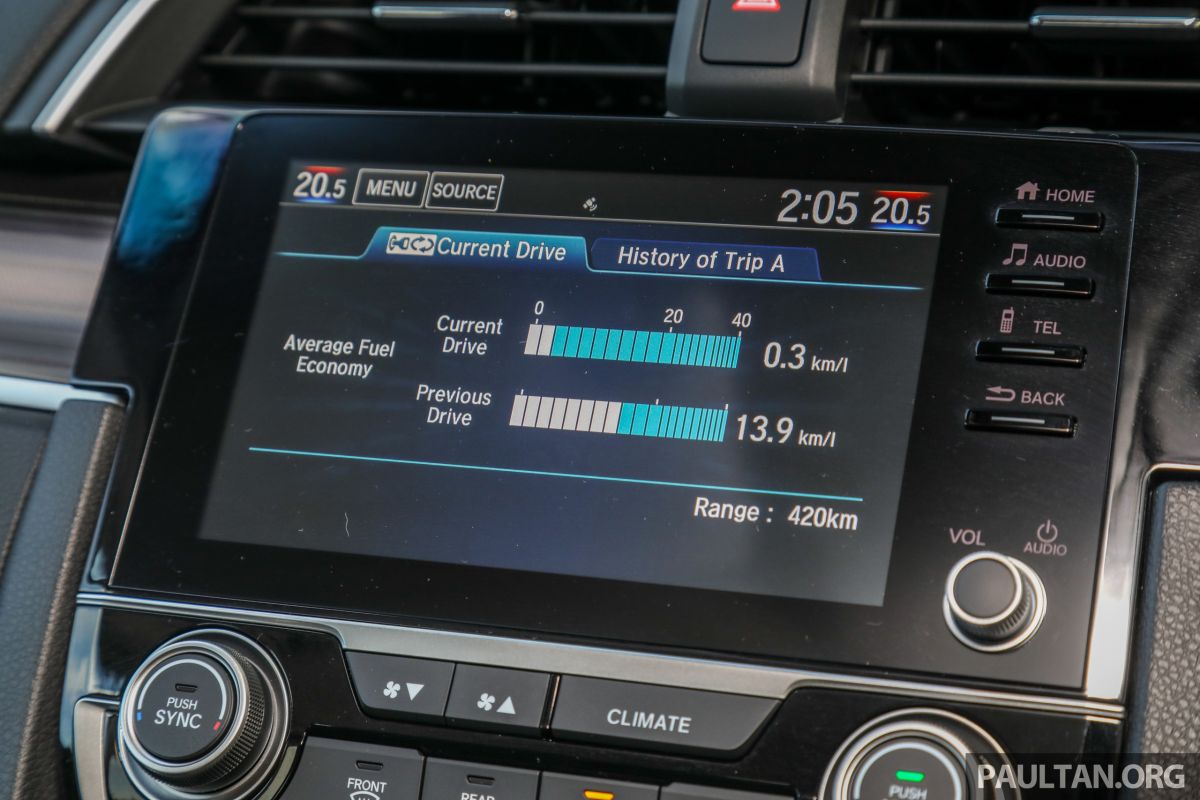
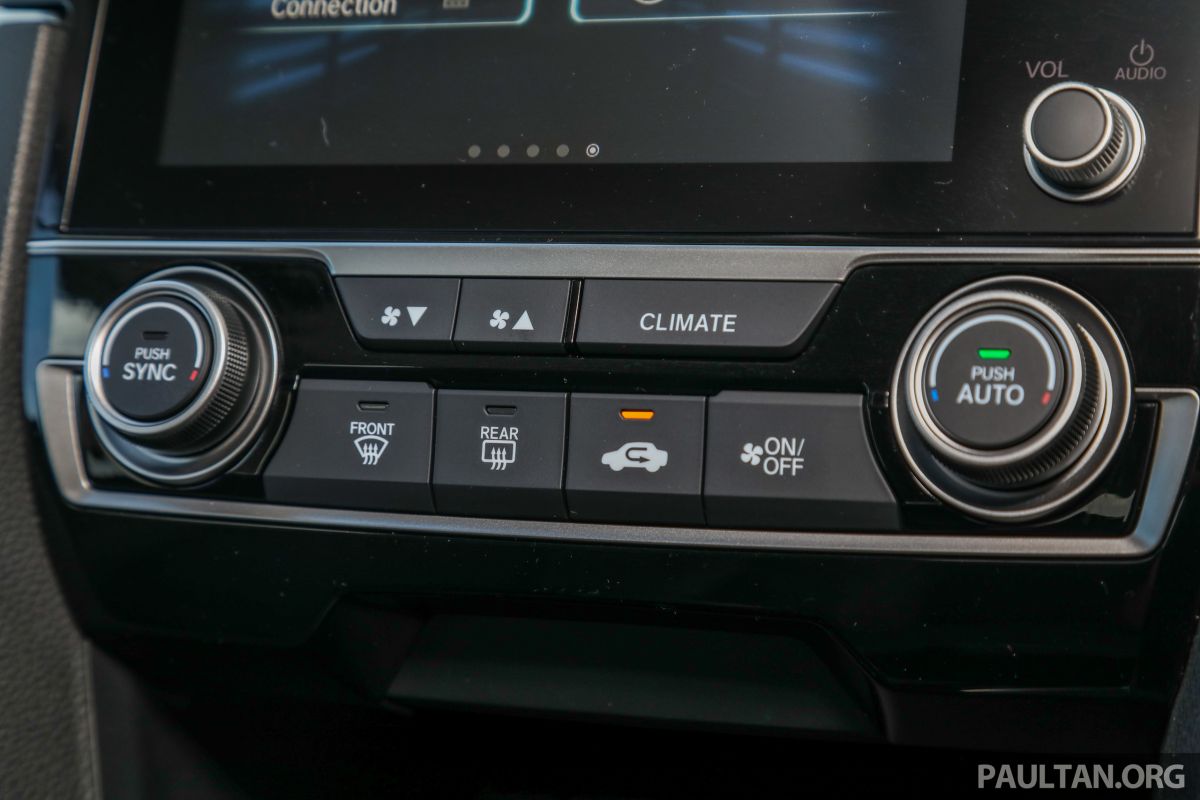
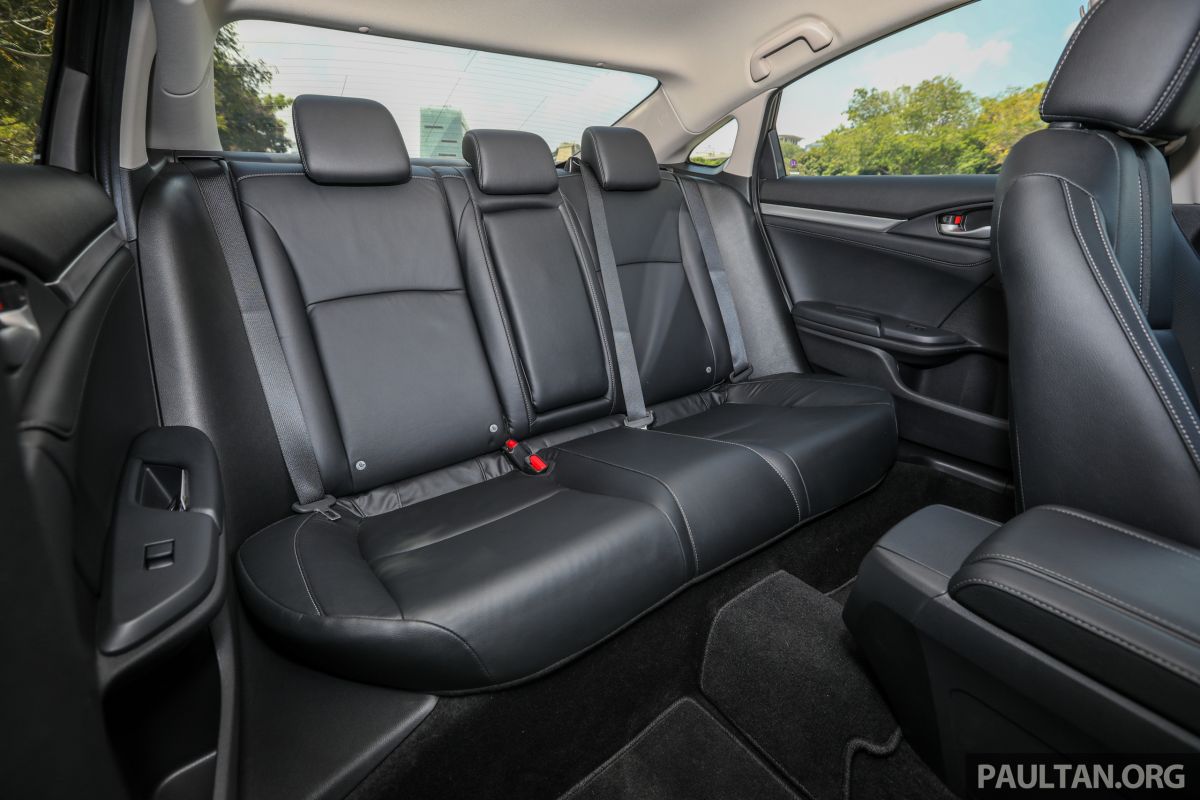
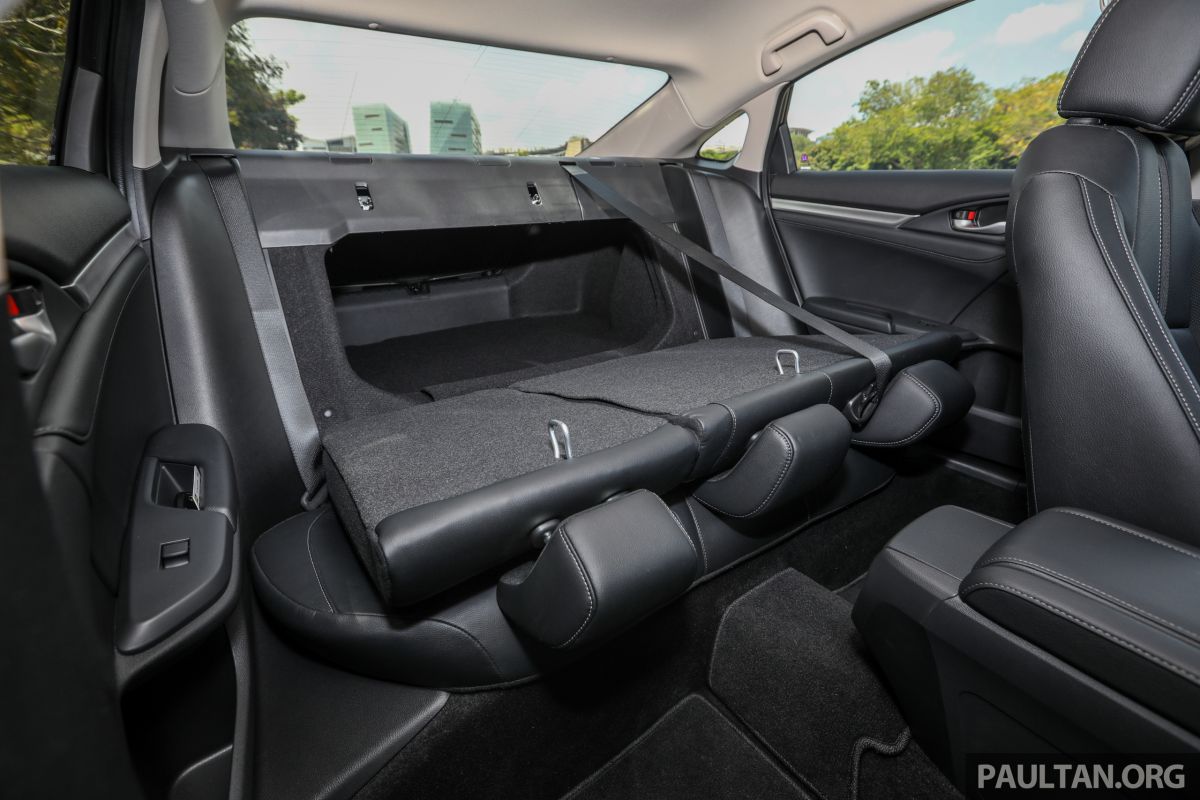
– Other kit: the 1.5 TC gained LED headlamps and fog lamps (previously halogen) plus LaneWatch; all variants picked up front parking sensors, automatic rain-sensing wipers, 60:40 split-folding rear seats (the earlier car had a fixed bench), and a revised seven-inch head unit with proper physical knobs and buttons.
– A tiny power bump: 139 to 141 PS for the 1.8, and 171 to 173 PS for the turbo.
If you want the safety tech, note that Honda Sensing only ever came on the facelift 1.5 TC-P. A pre-facelift car, or a facelift 1.8 S / 1.5 TC, will not have it.
What to budget on the used market
As a reference, here’s what the FC cost new (2020 facelift, on-the-road without insurance): 1.8 S at RM113,600, 1.5 TC at RM129,600 and 1.5 TC-P at RM139,600. The pre-facelift cars launched a little lower, from around RM108,000 for the 1.8 to about RM132,000 for the turbo Premium.
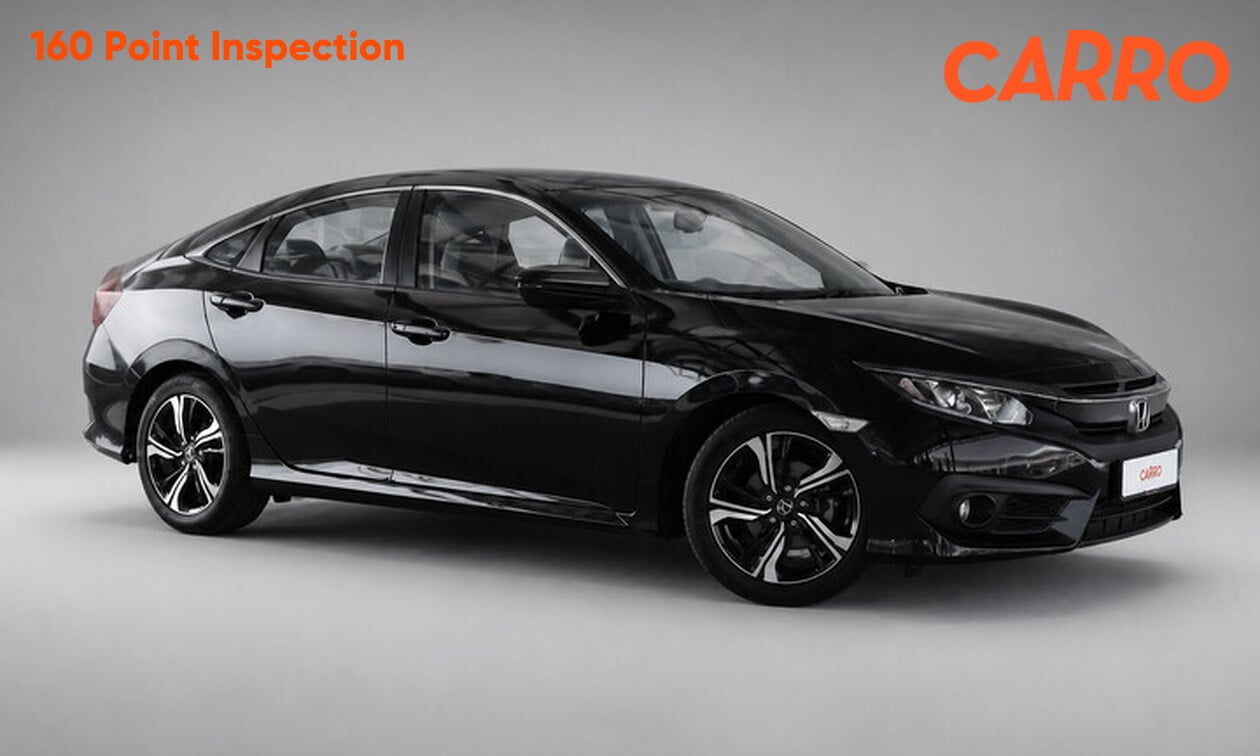
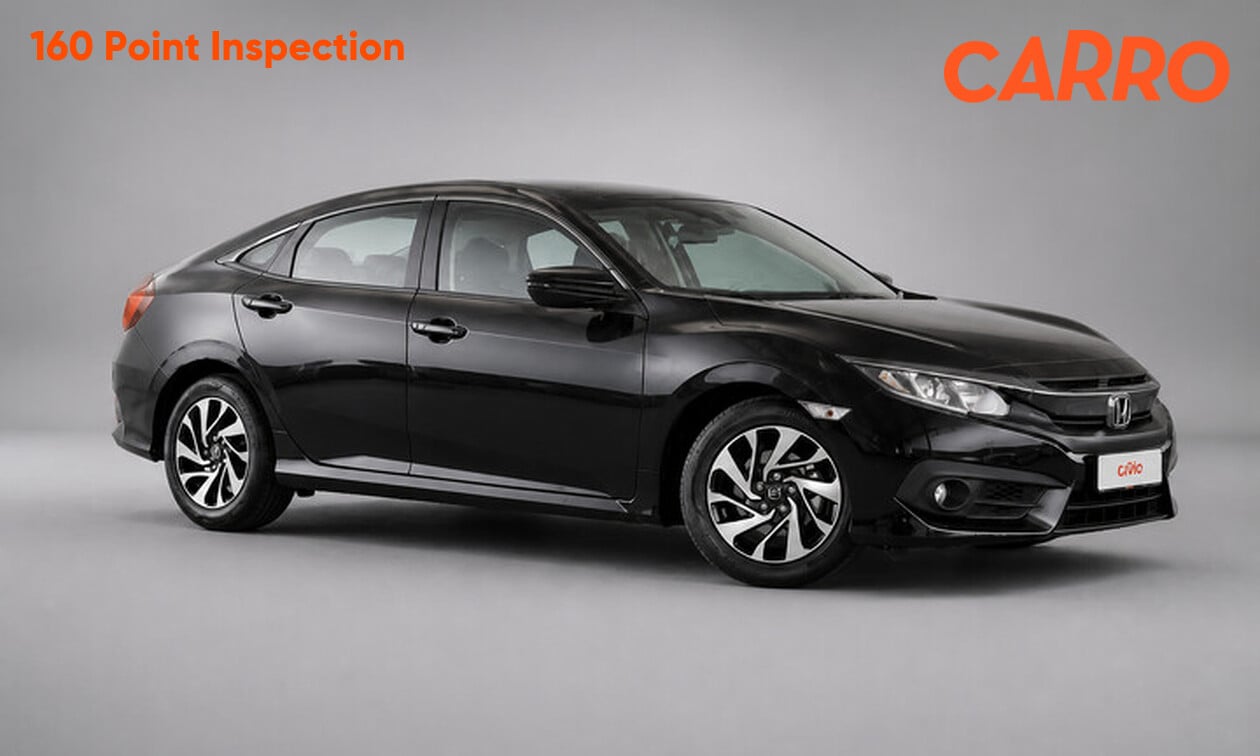
To see what FCs actually change hands for today, we looked at Honda Civic listings from the 2016-2021 period on Carro’s Malaysian used-car inventory – a sample of 244 cars. Two clear patterns emerge: the turbo commands a premium over the naturally-aspirated 1.8, and later cars hold their value noticeably better.
By engine, typical asking prices (the middle half of listings) work out to:
– 1.8 S (naturally-aspirated): roughly RM60,000 to RM84,000, with a median around RM72,000. The full spread runs from about RM38,000 for an early, high-mileage car to RM93,000 for the cleanest examples.
– 1.5 TC / TC-P (turbo): roughly RM70,000 to RM96,000, with a median around RM84,000. The full spread runs from about RM44,000 to RM116,000.
Here’s how median listing prices break down by year of manufacture:
| Year of manufacture | 1.8 S (NA) | 1.5 TC / TC-P (Turbo) |
|---|---|---|
| 2016 | ~RM58,000 | ~RM66,000 |
| 2017 | ~RM67,000 | ~RM70,000 |
| 2018 | ~RM69,000 | ~RM67,000 |
| 2019 | ~RM79,000 | ~RM82,000 |
| 2020 | ~RM79,000 | ~RM93,000 |
| 2021 | ~RM79,000 | ~RM94,000 |
The turbo premium is the general rule, but it isn’t absolute – a high-mileage turbo can dip into 1.8 money, which is why the 2018 medians sit so close. As always, condition and history matter as much as the badge on the bootlid.
Known issues – what to check before buying
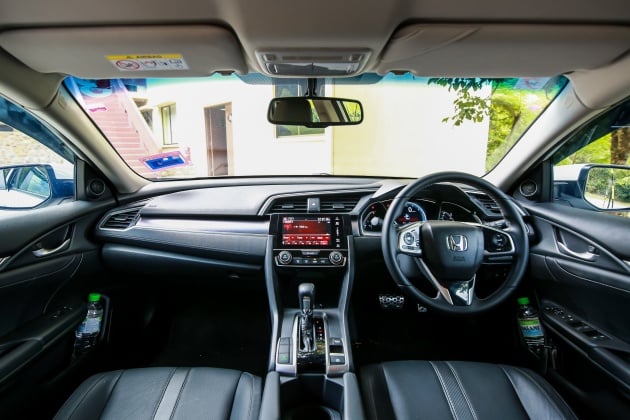
The FC is a well-built, generally reliable car. The normally aspirated model will be cheaper to maintain, since it is simpler. Minor service will cost you between RM300-RM400. Expect between RM700-RM900 and above for major service.
Potential issues include the CVT gearbox and the steering rack. There has also been a fuel pump recall for the Civic FC built between 2017-2018 so if you’re buying cars from that particular model year, do check if the recall has been performed.
Look for signs of good CVT health. Look for smooth, judder-free pull-away and a documented CVT fluid service. And with a car like the Civic, “standard itu indah”, try to look for an unmodified car.
– General used-car checks: verify service history, look for accident repairs and panel-gap inconsistencies, check the tyres, and take a test drive that includes hard acceleration to confirm the turbo pulls cleanly.
Fuel Consumption
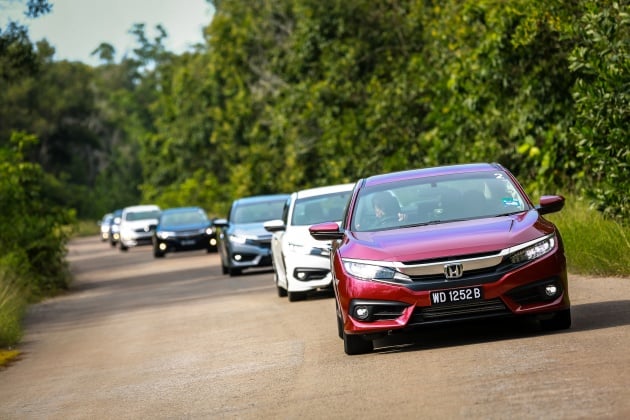
The Honda Civic FC typically can go between 500-600km in the city, or 650-850km on the highway, with mileage averaging between 10-13 km per litre in the city depending on how heavy your foot is, or 14-18 km per litre on the highway.
So, which FC Civic should you buy?
For most buyers the sweet spot is a 2020-2021 facelift 1.5 TC-P: it pairs the strong turbo engine with Honda Sensing, the nicest wheels and the most complete kit, and as the newest FCs they’ll have the most life left. If your budget is tighter, an earlier 1.5 TC gives you the same brilliant turbo engine for less, just without the driver-assist tech. And if you simply want a dependable, fuss-free Civic at the lowest entry price, the naturally-aspirated 1.8 S is the pragmatic pick.
Whichever you choose, buy on condition and service history first – a well-kept FC is one of the most satisfying used C-segment buys in Malaysia, which is exactly why the “Ketam” remains so in demand.
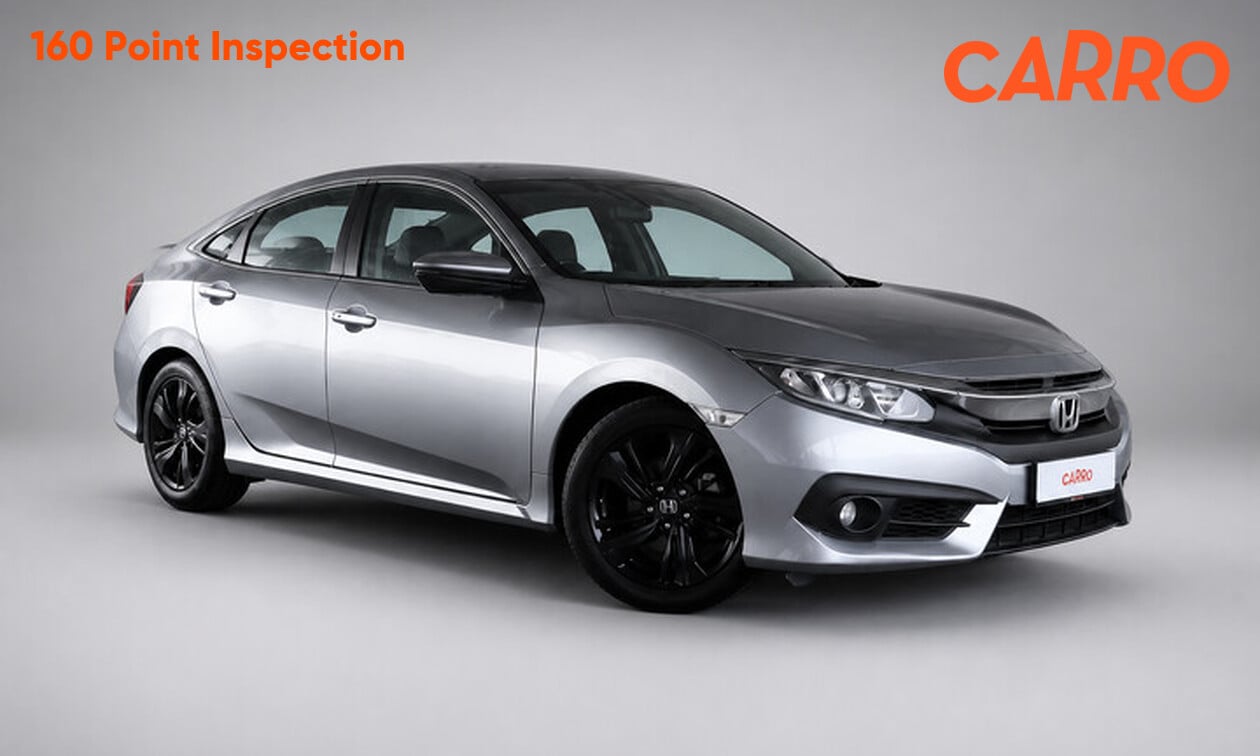
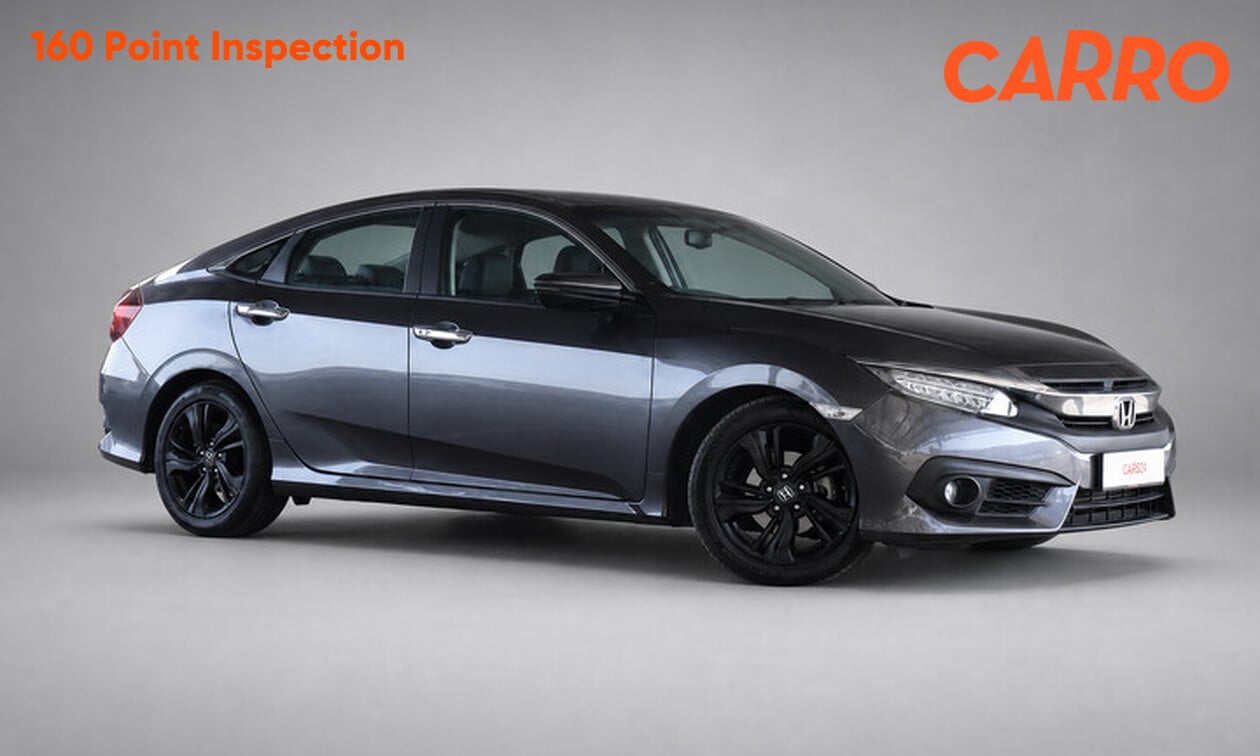
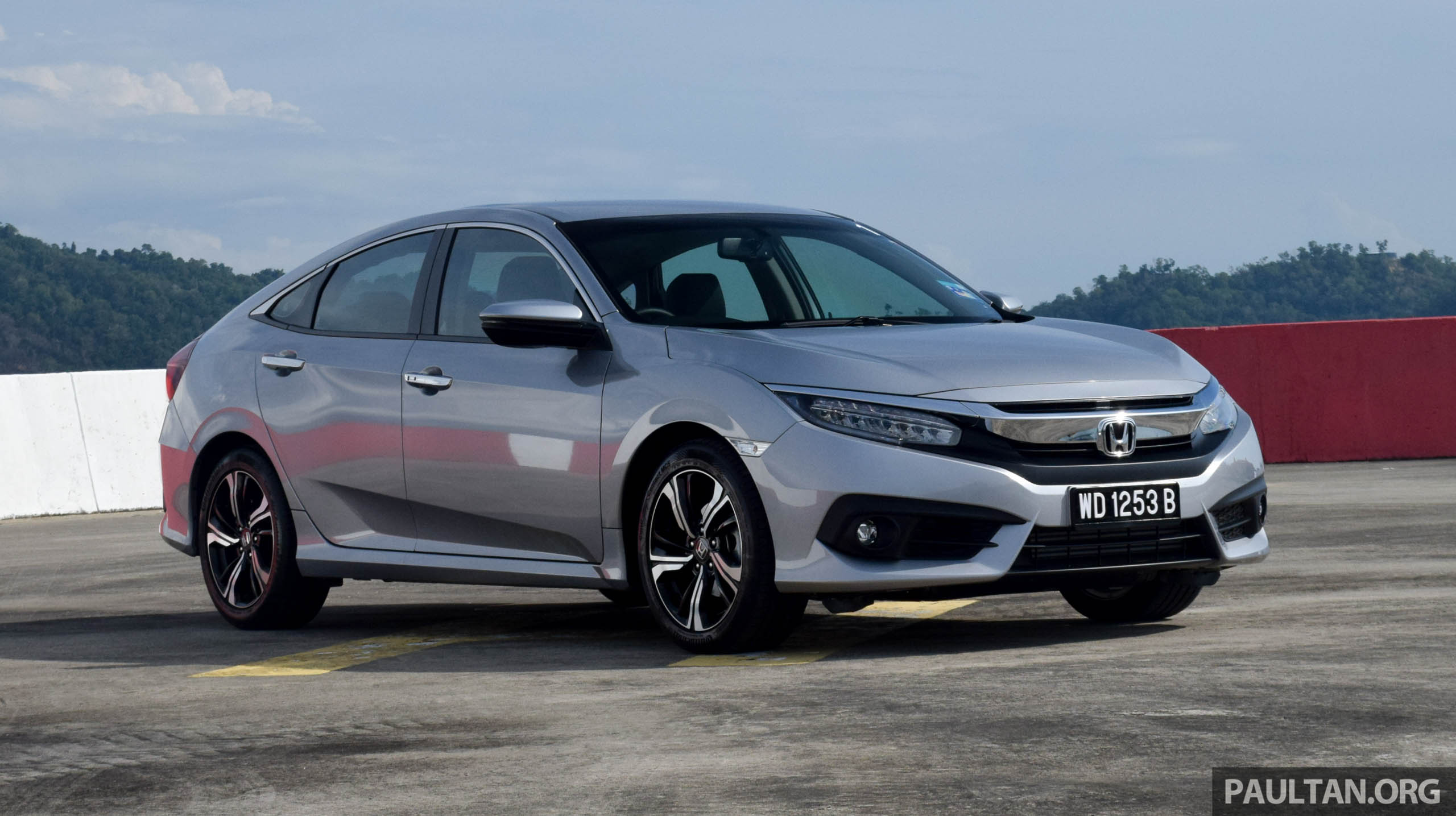
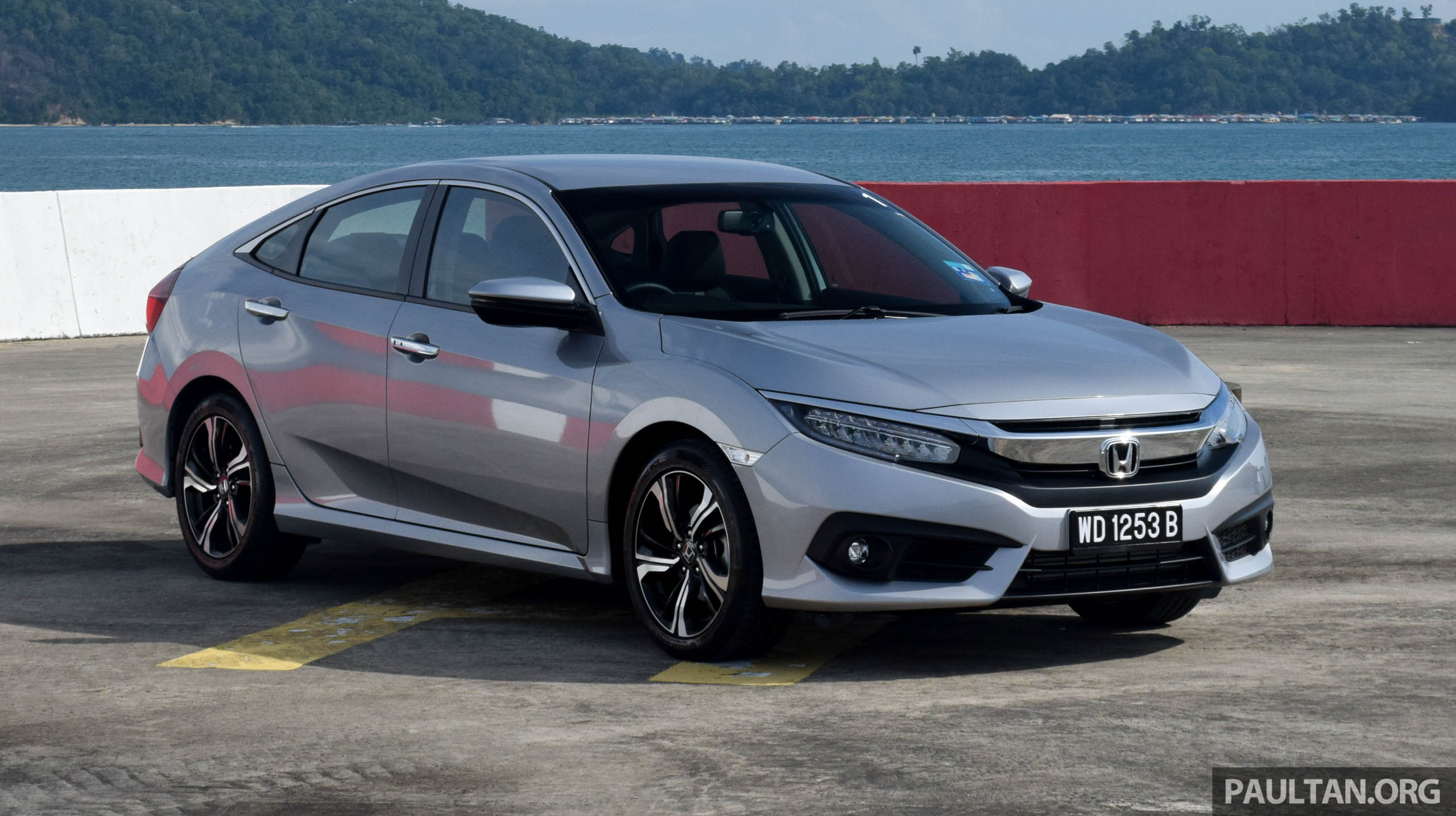
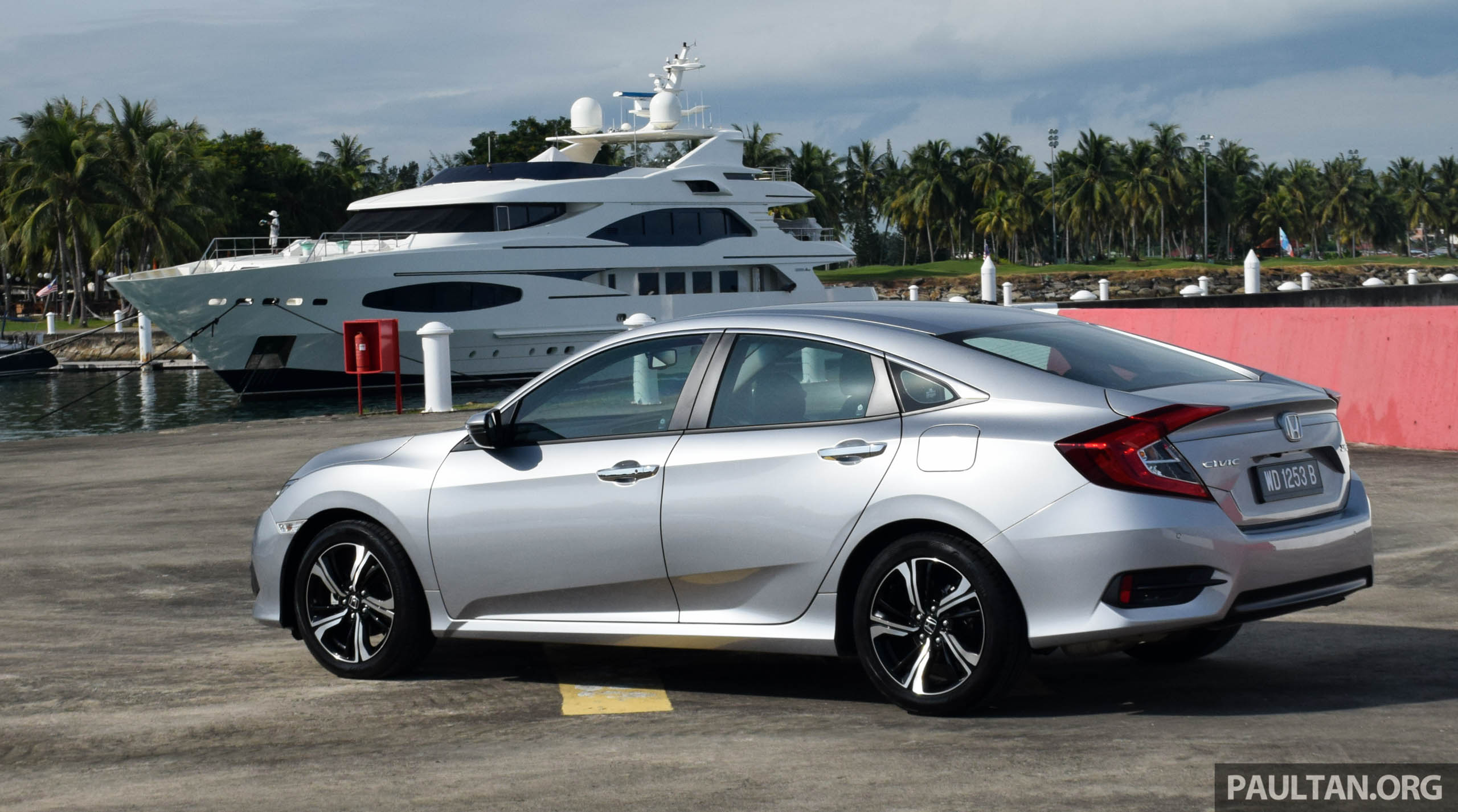
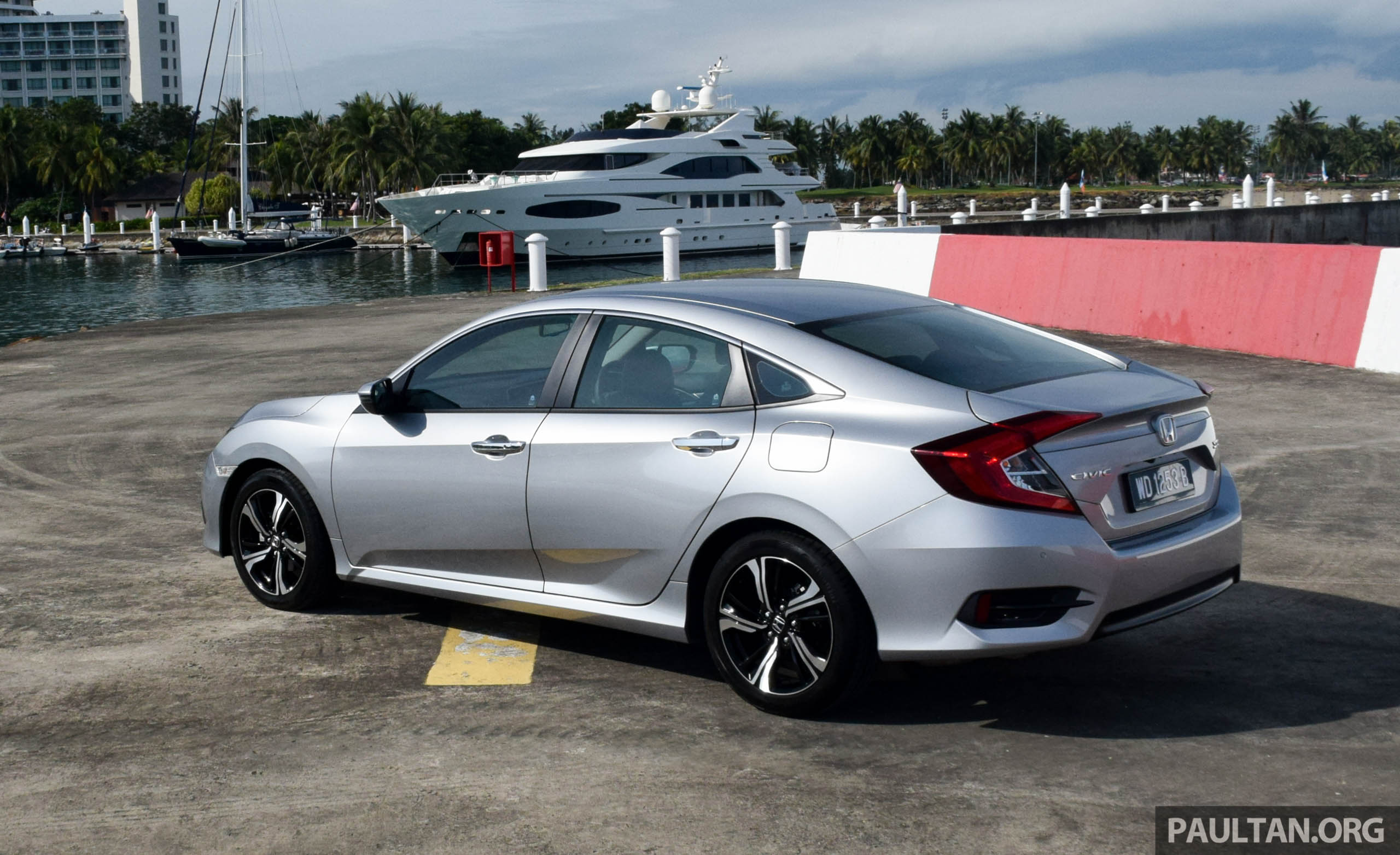
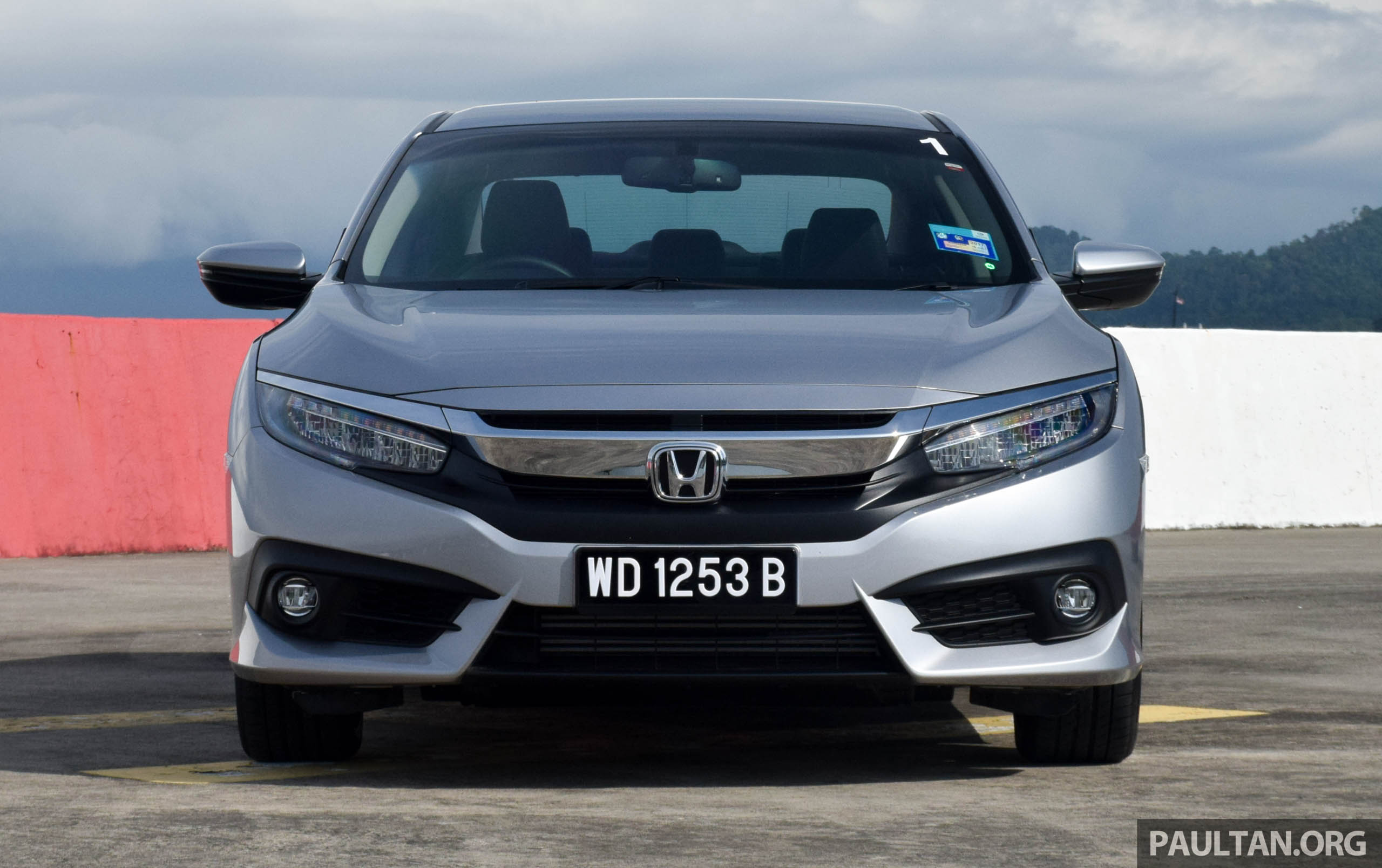
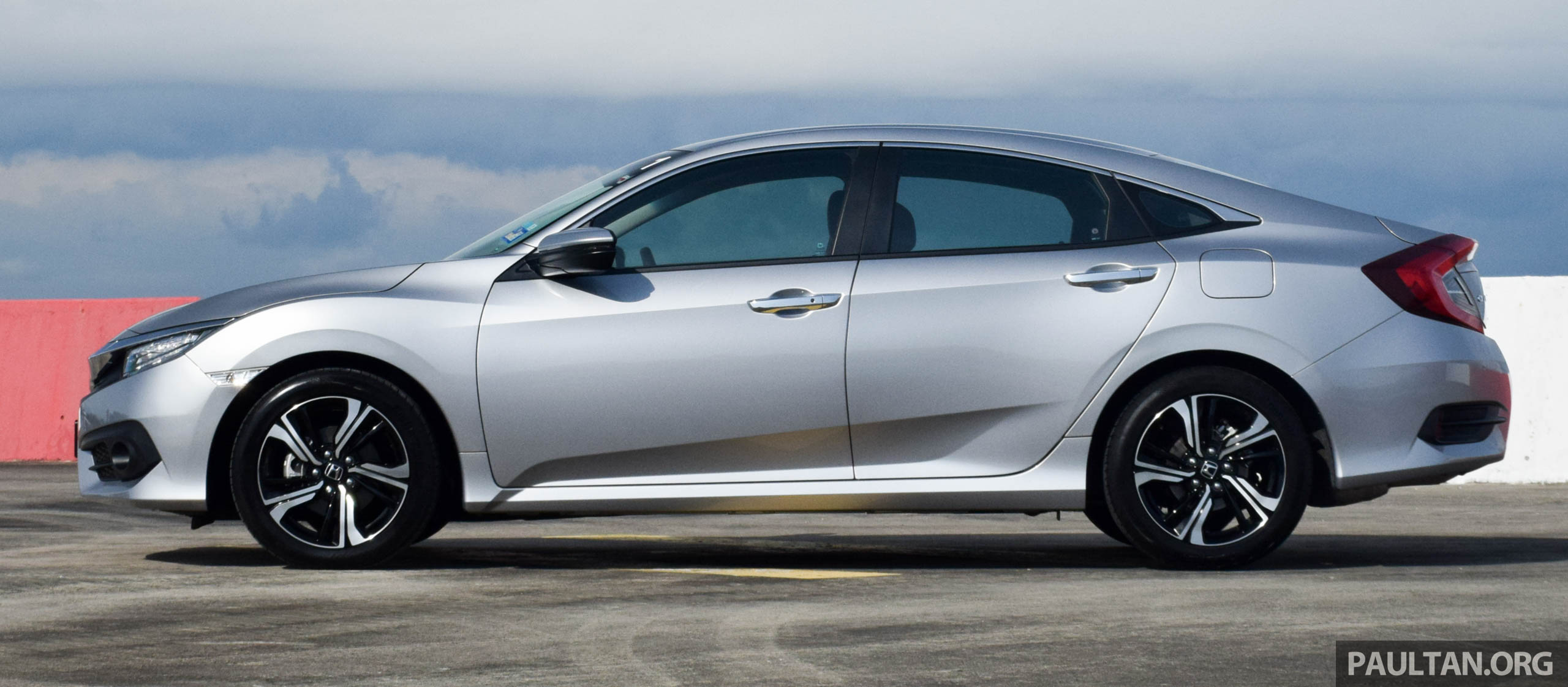
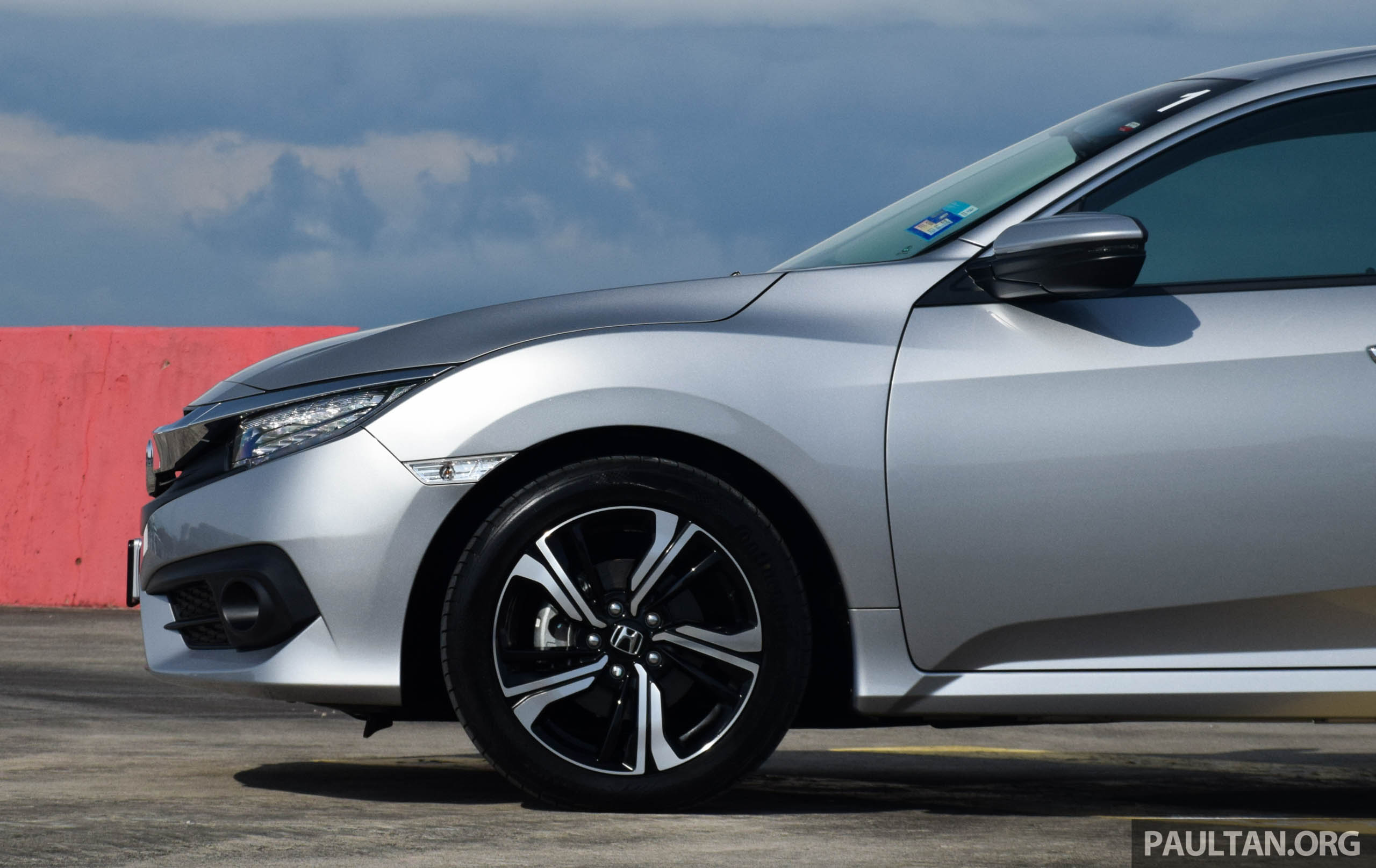
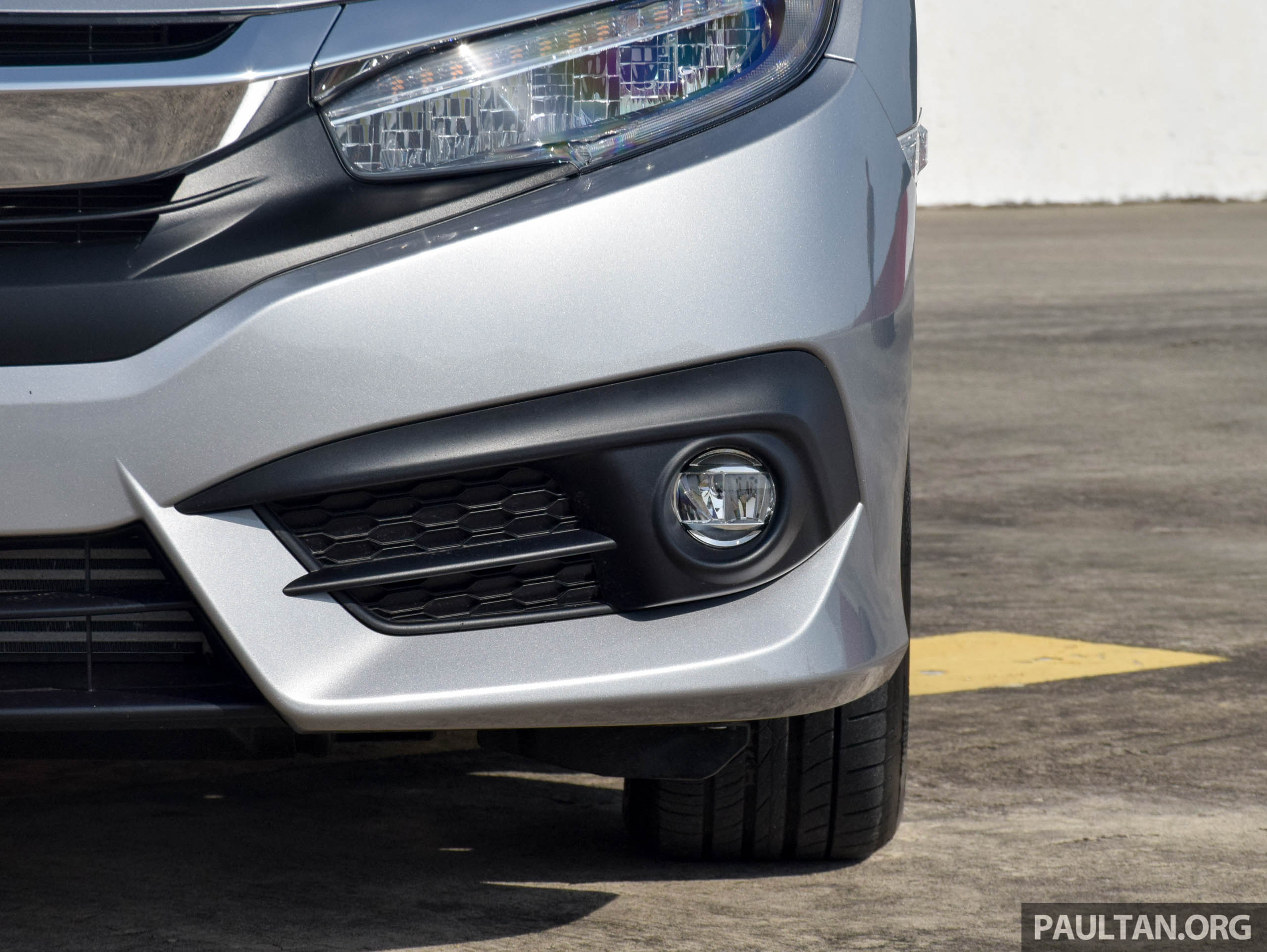
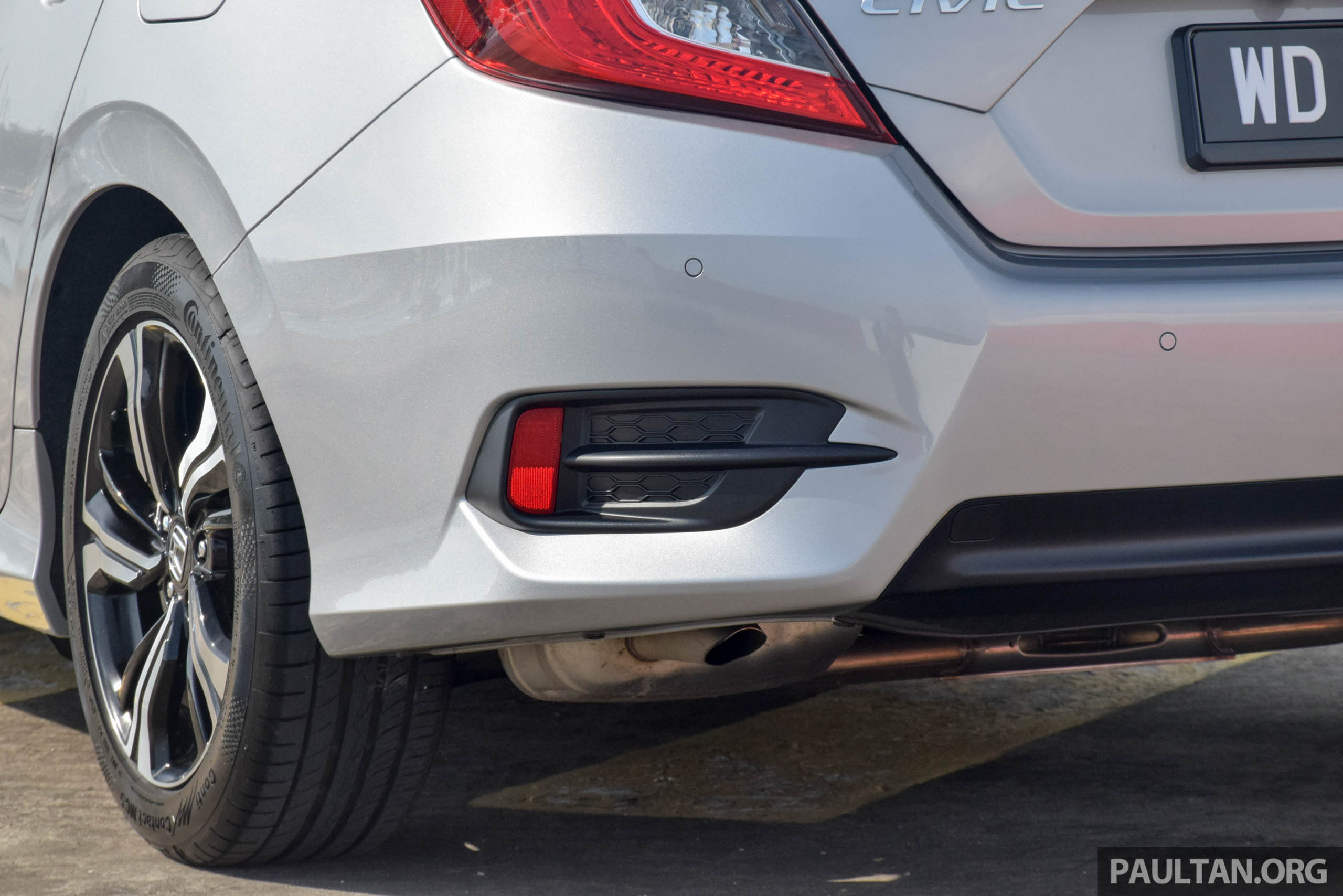
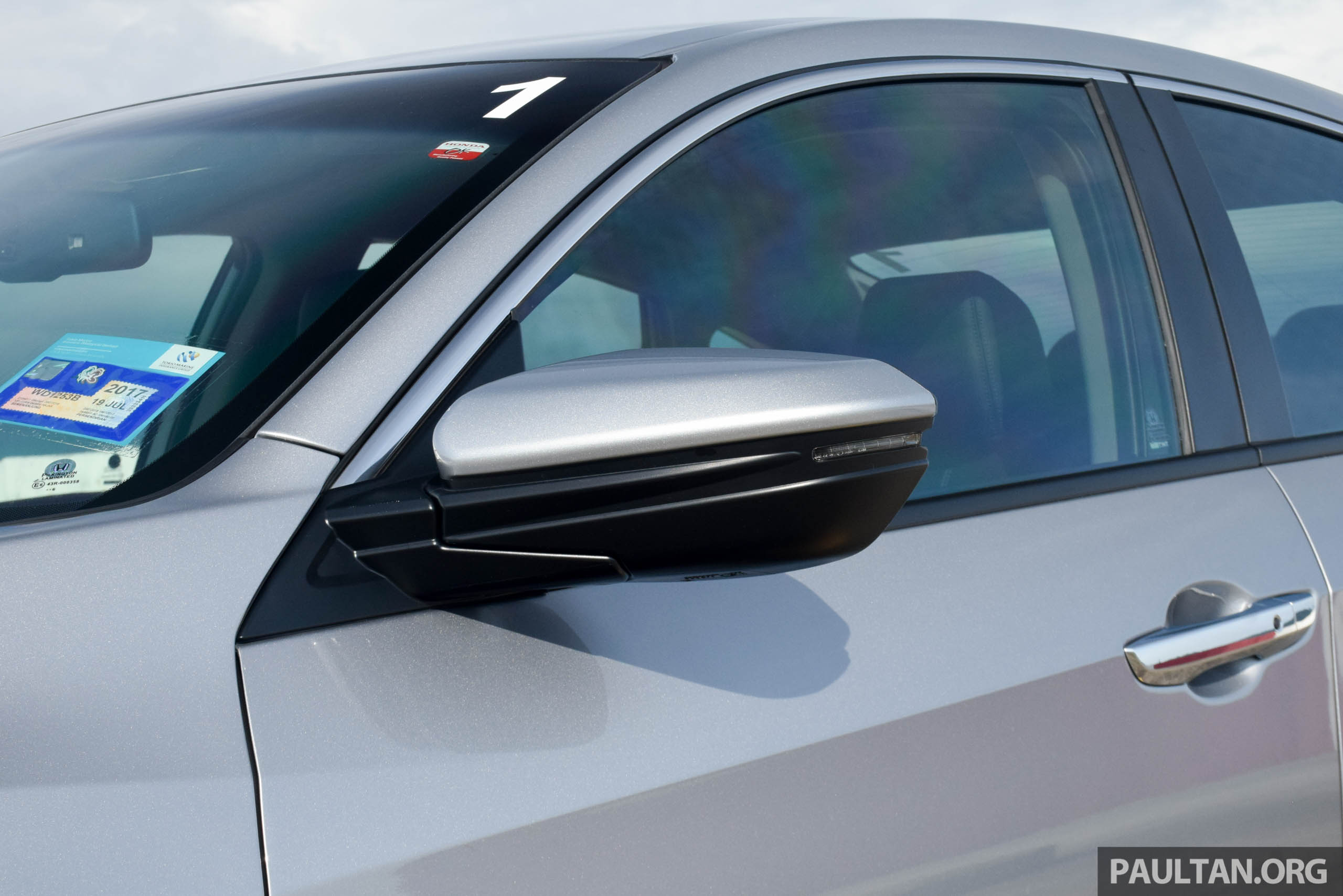
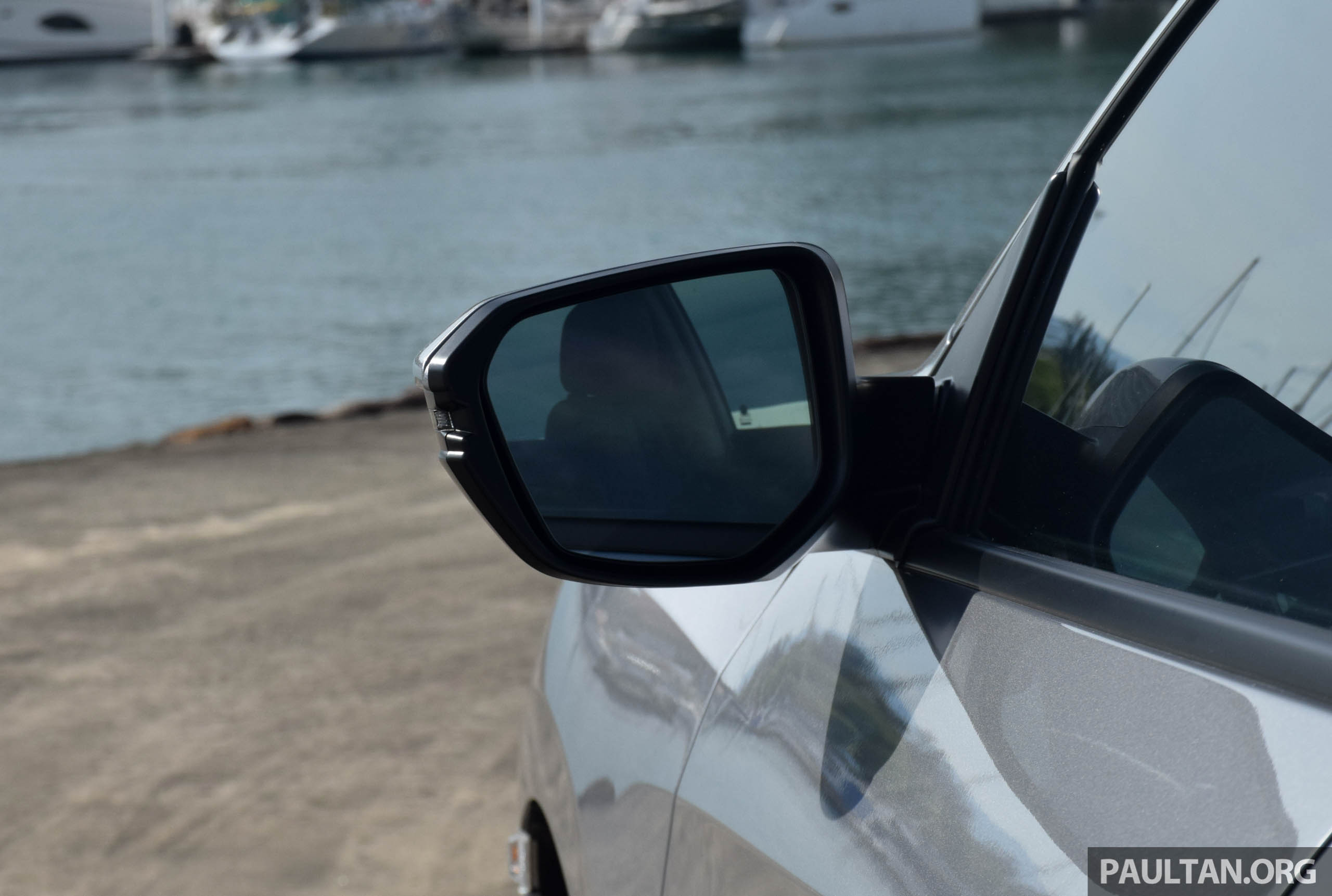
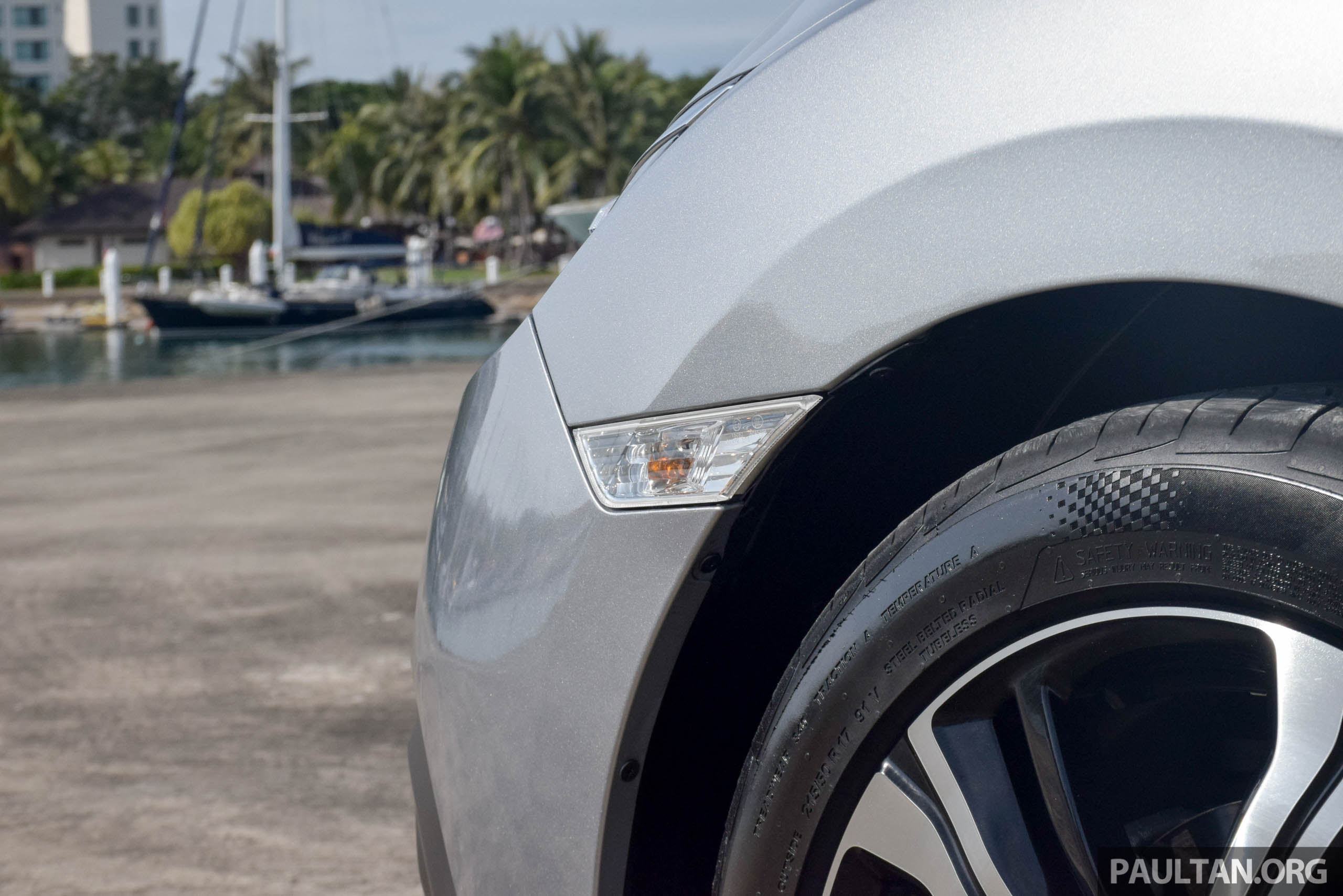
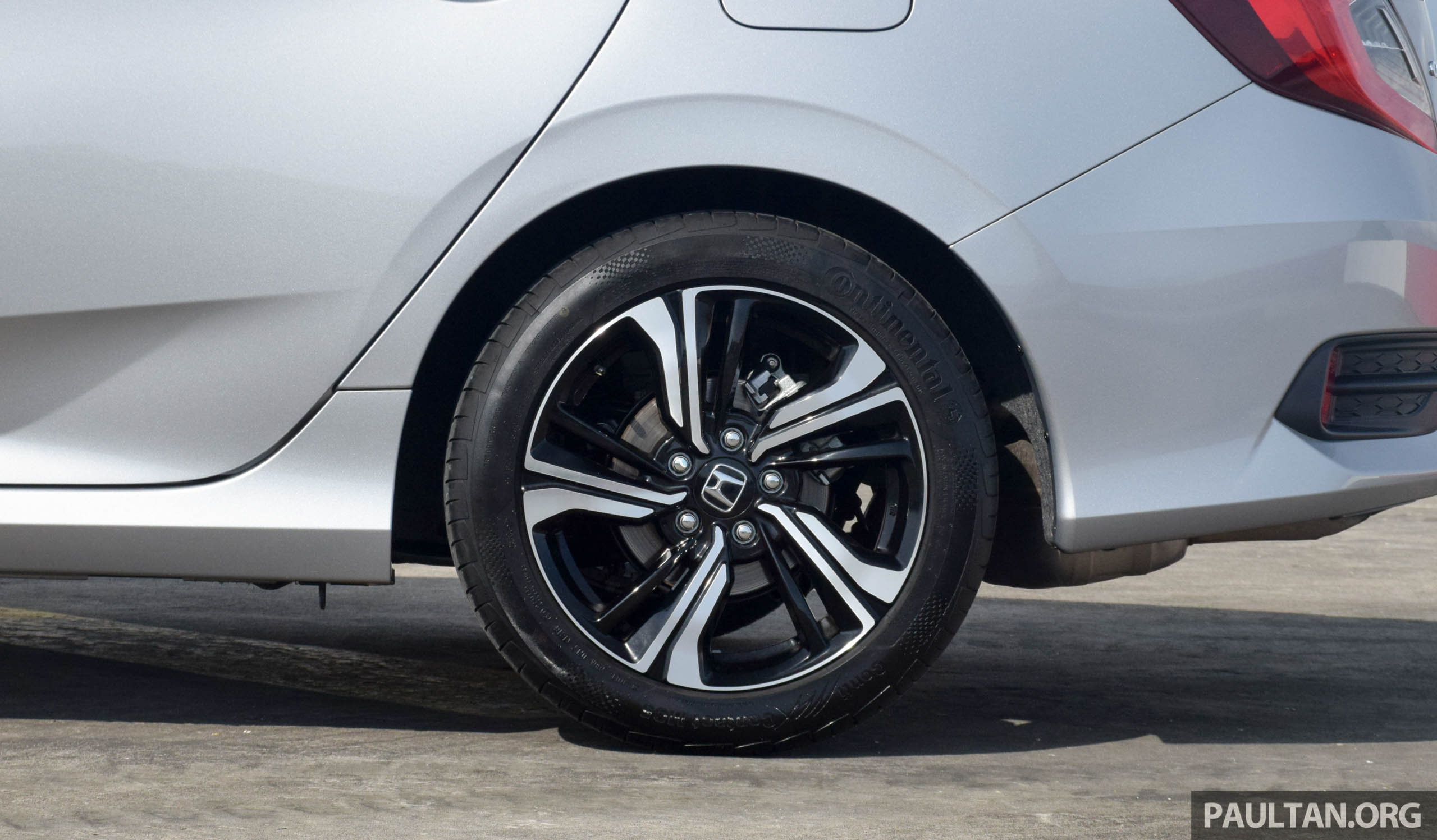
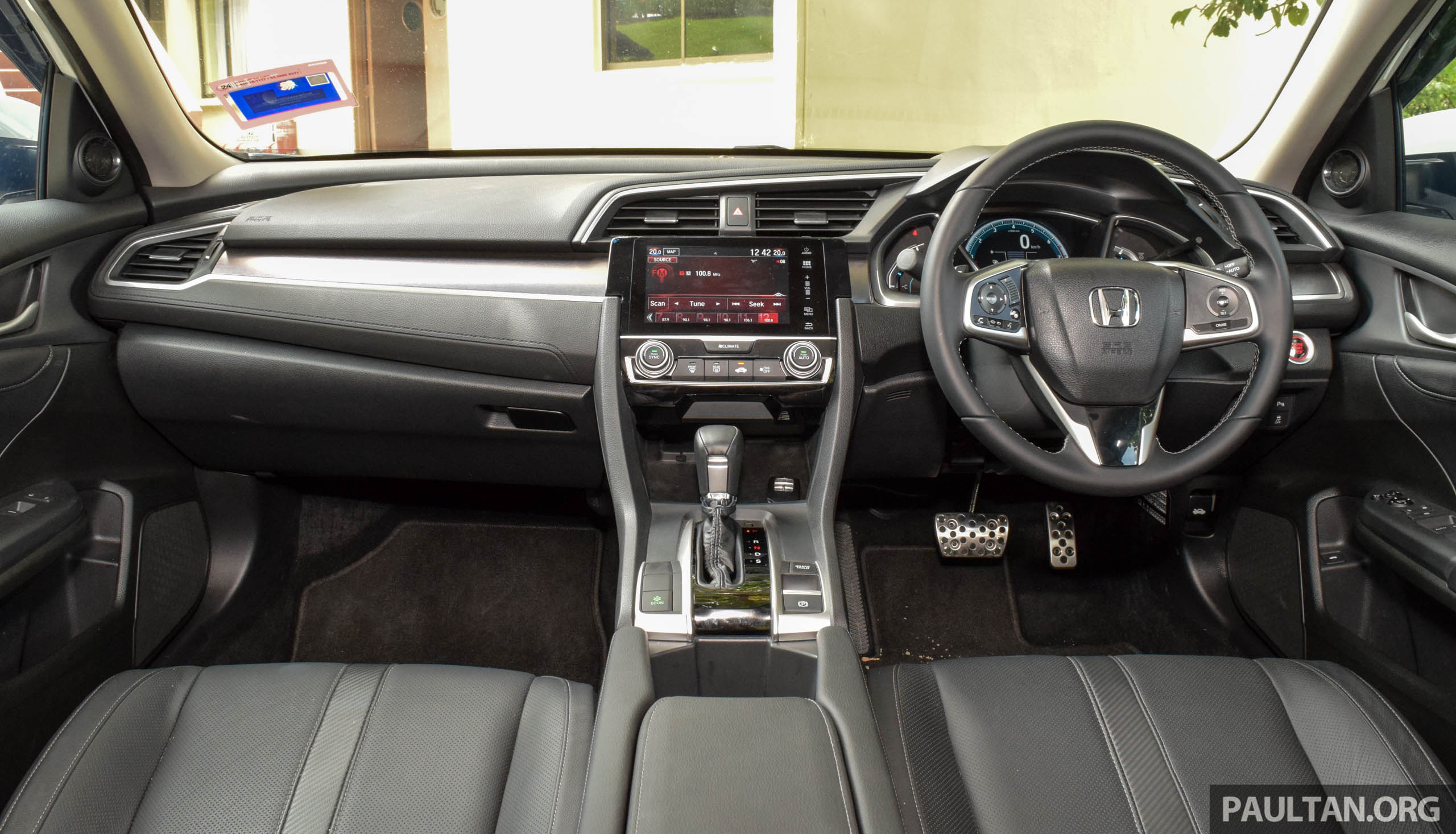
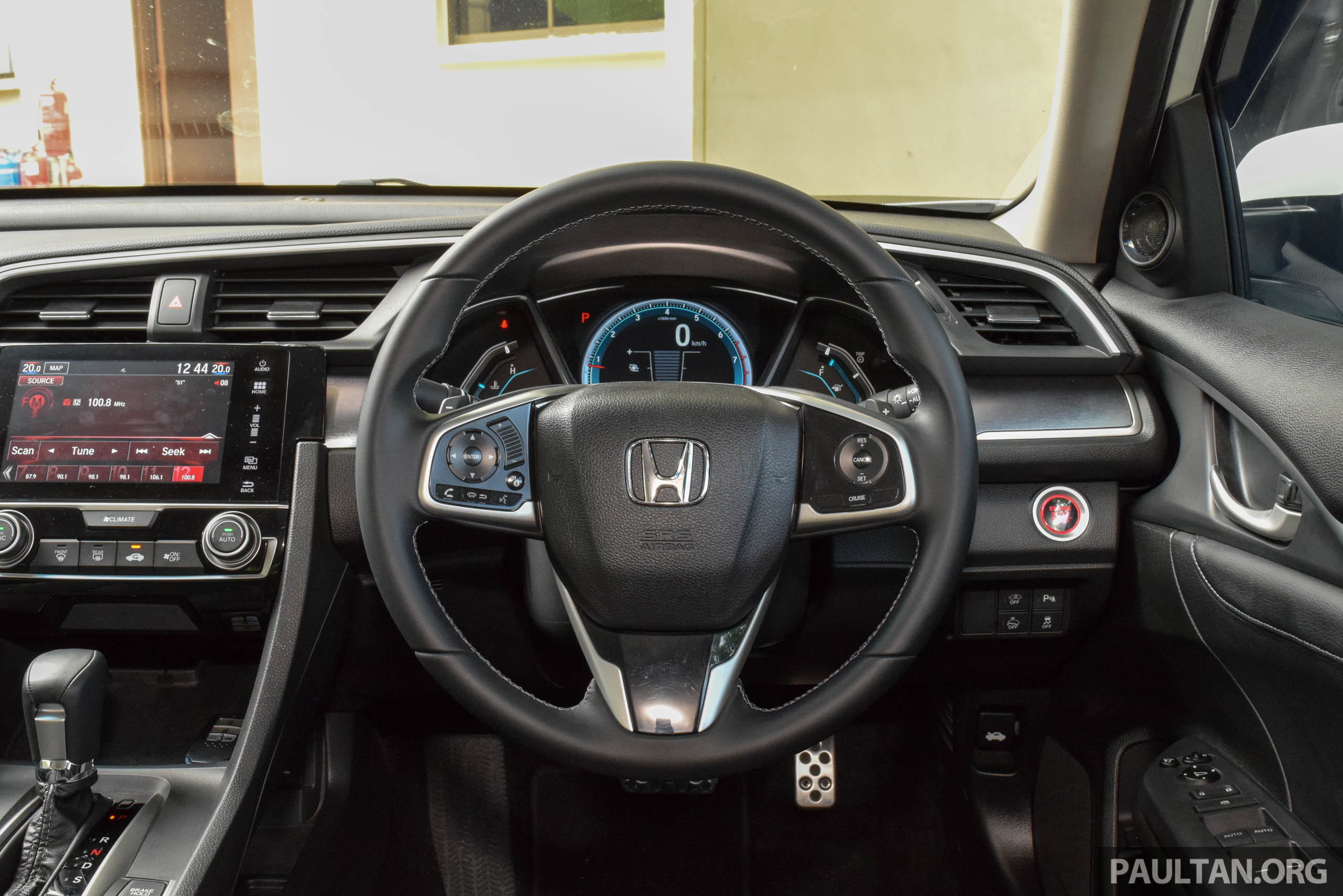
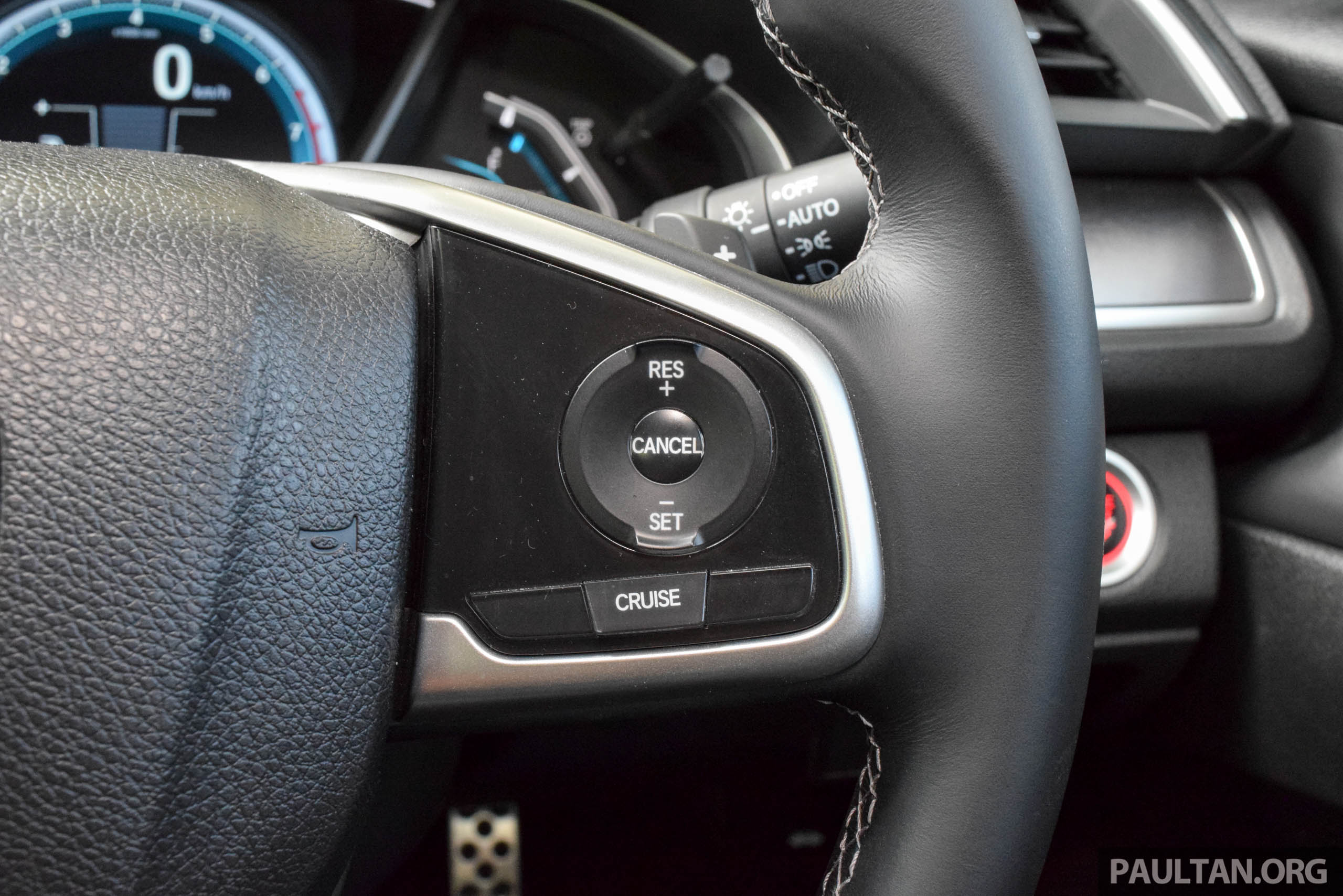
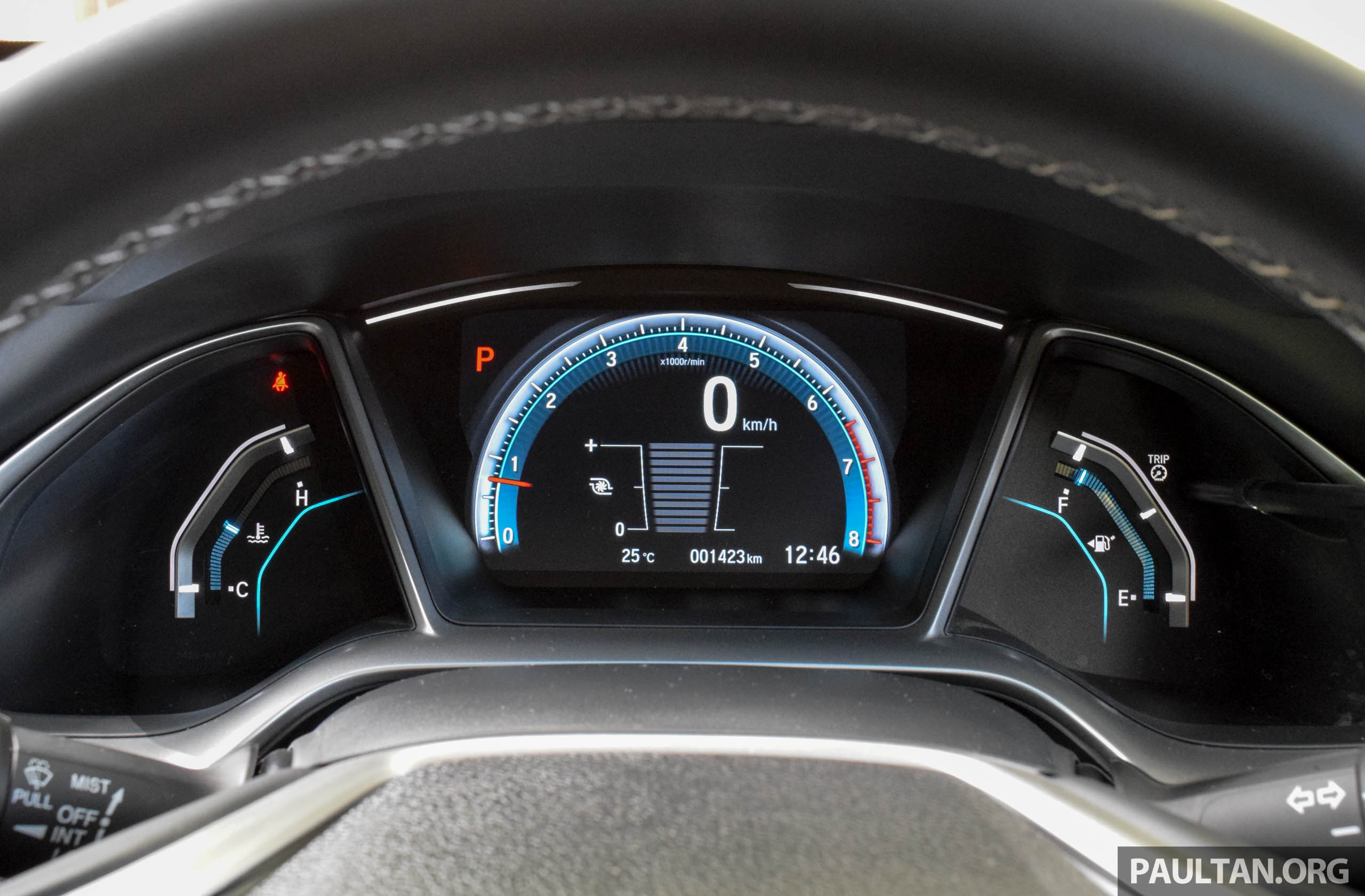
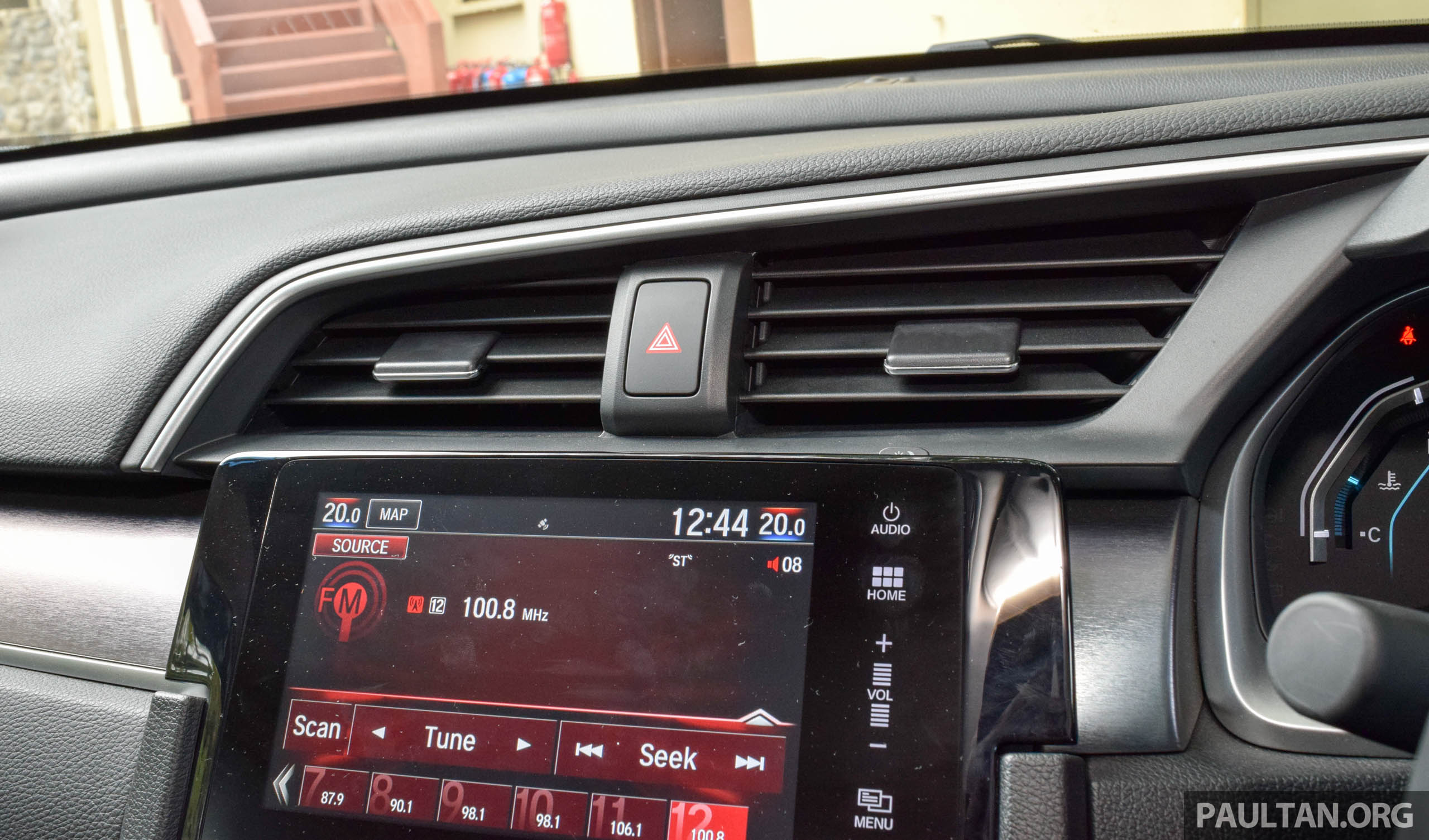
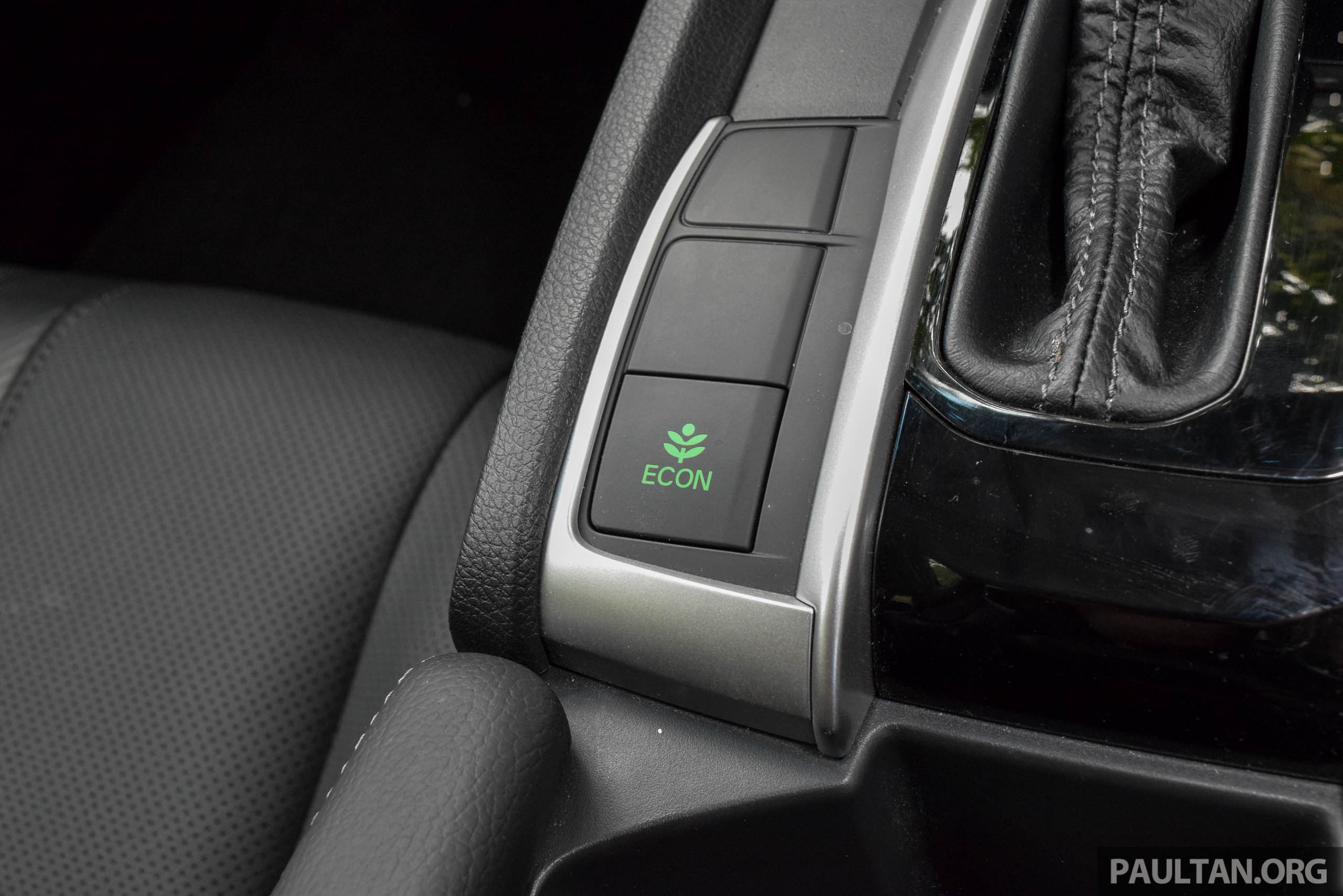
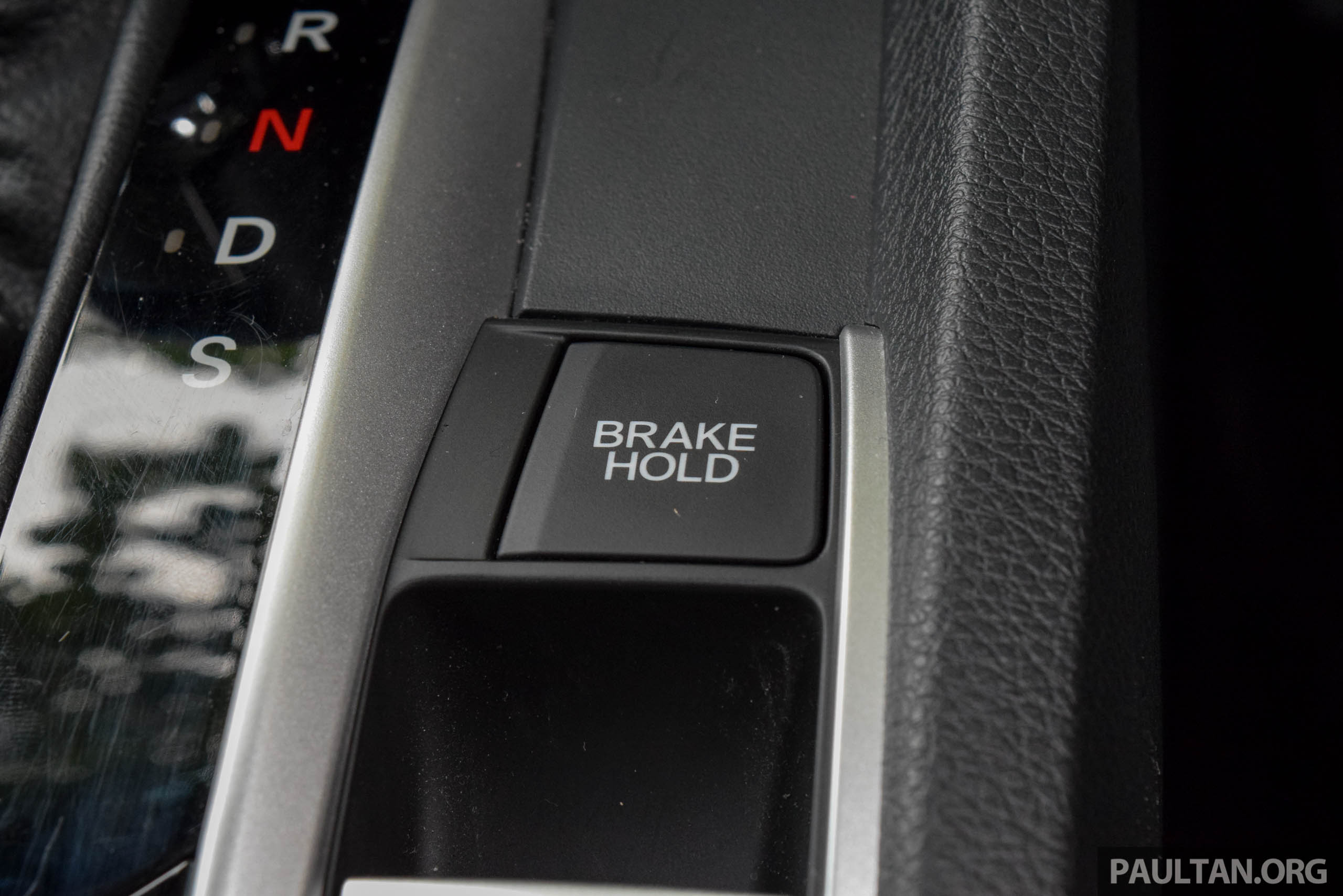
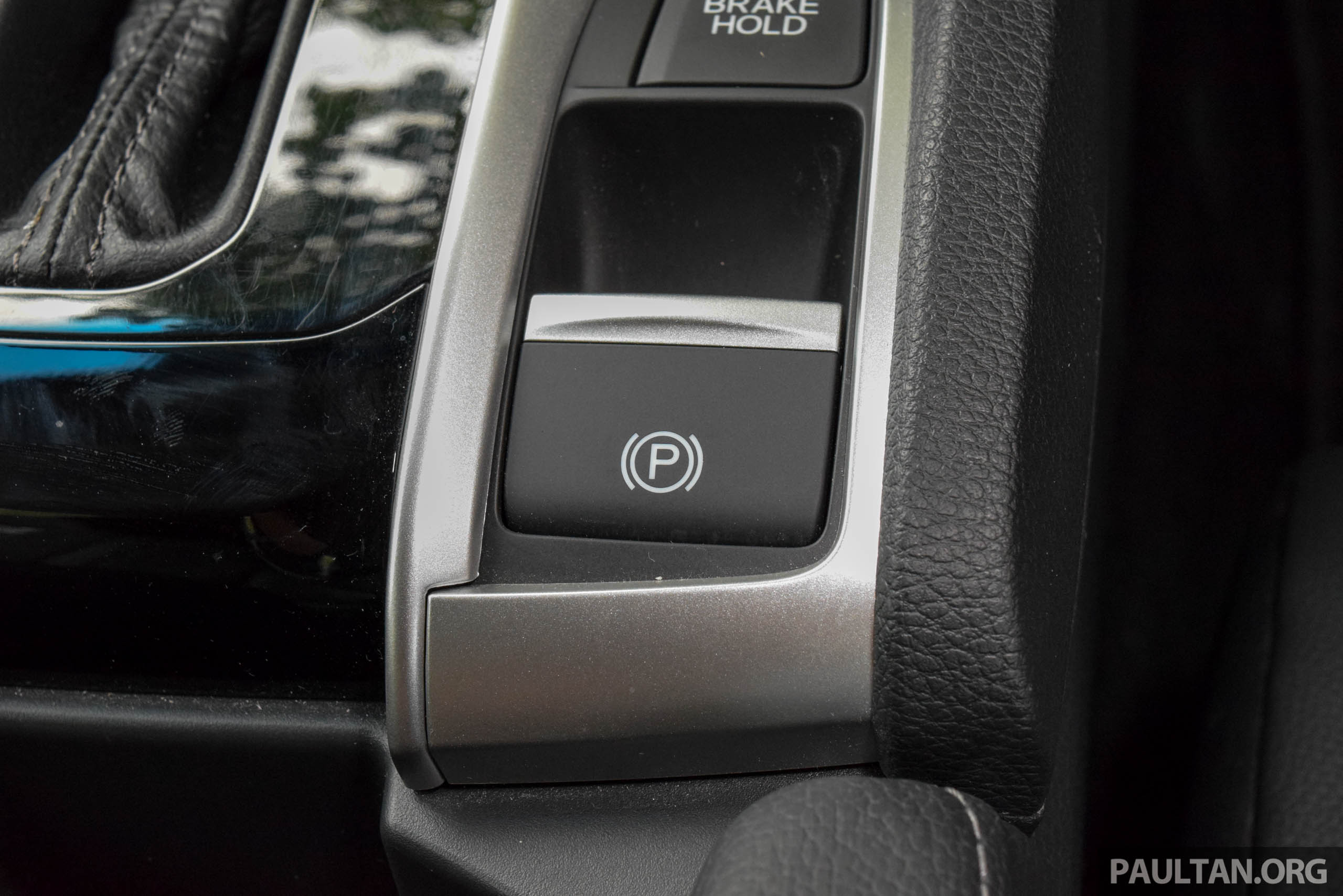
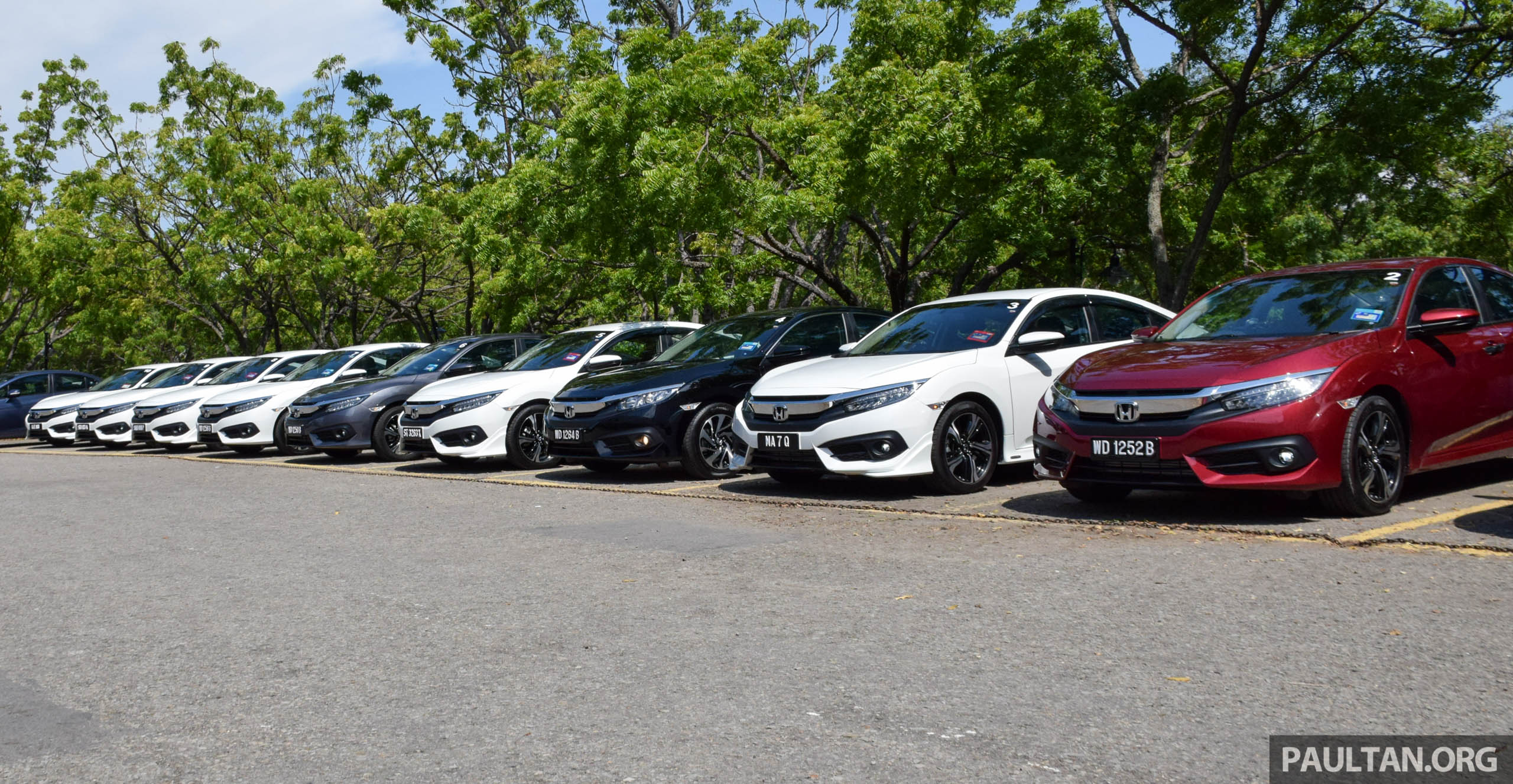
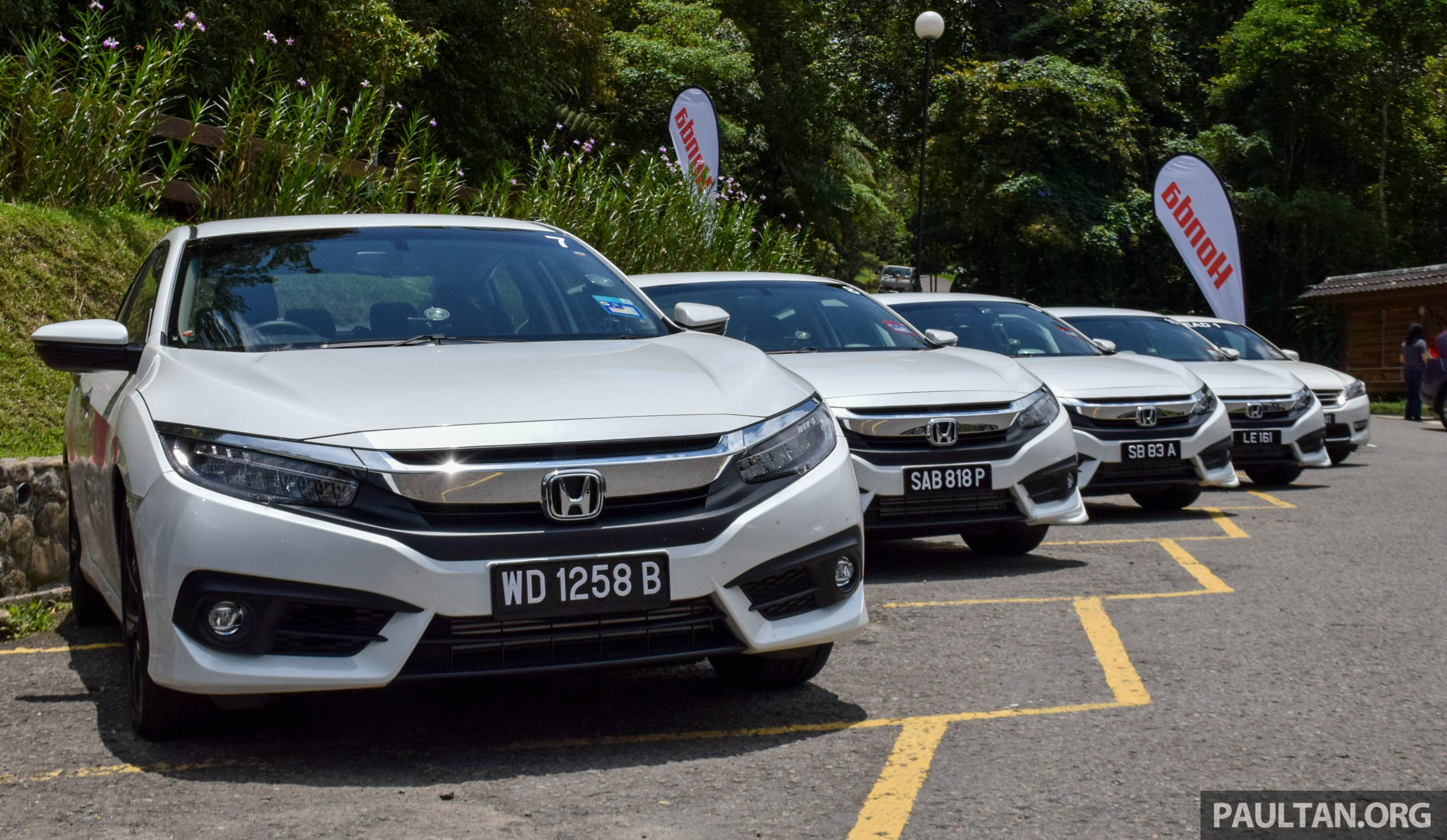
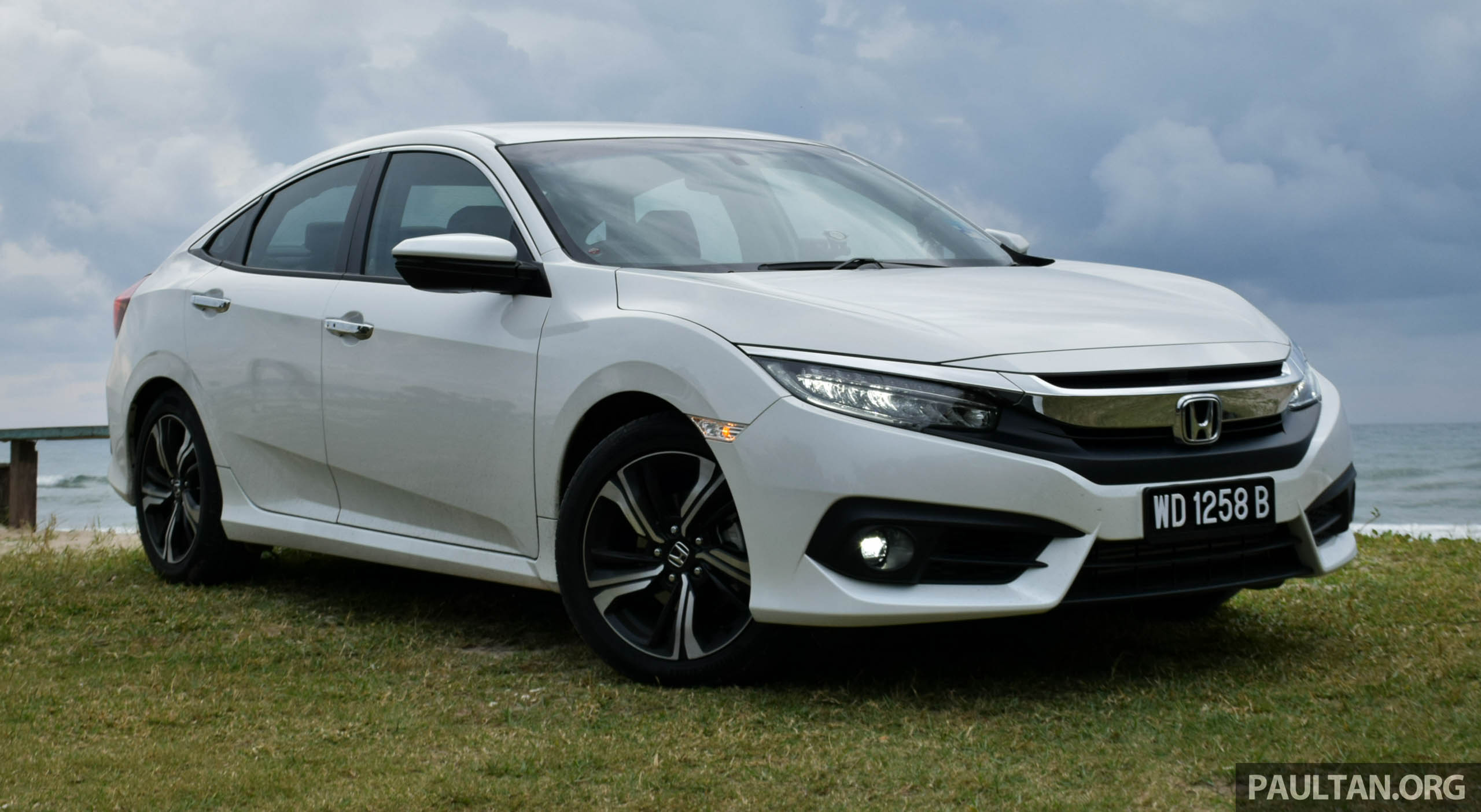
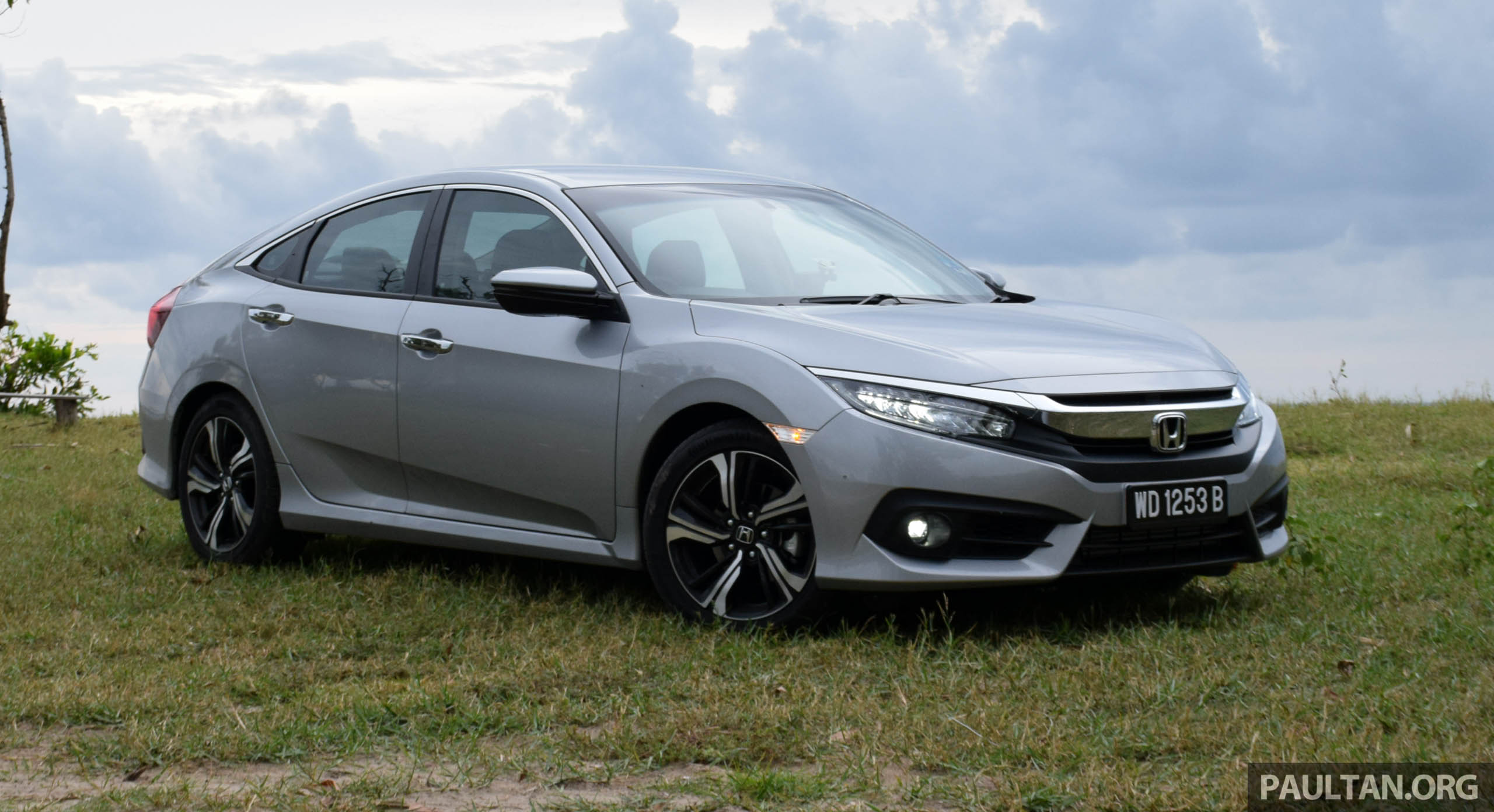
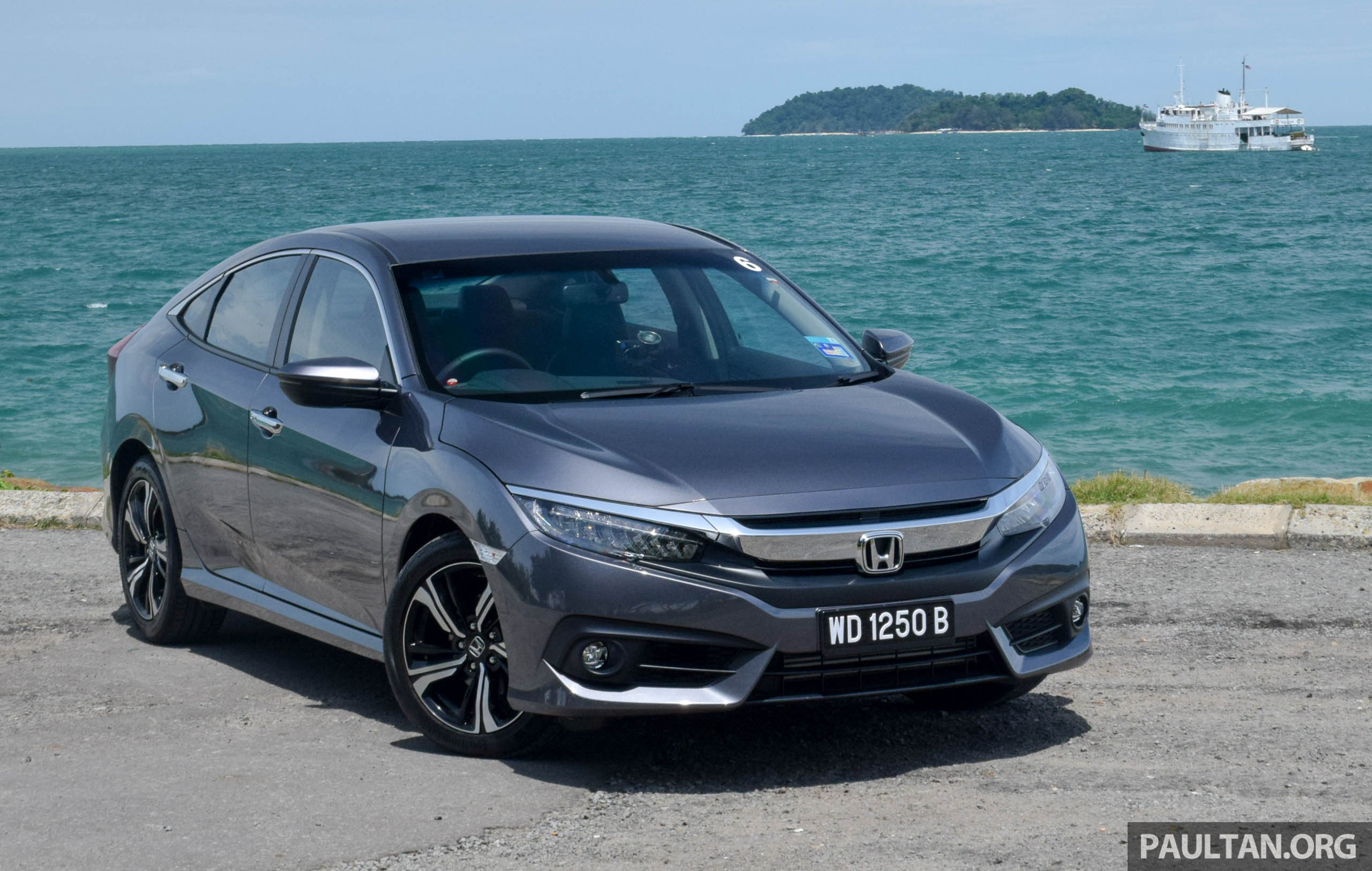
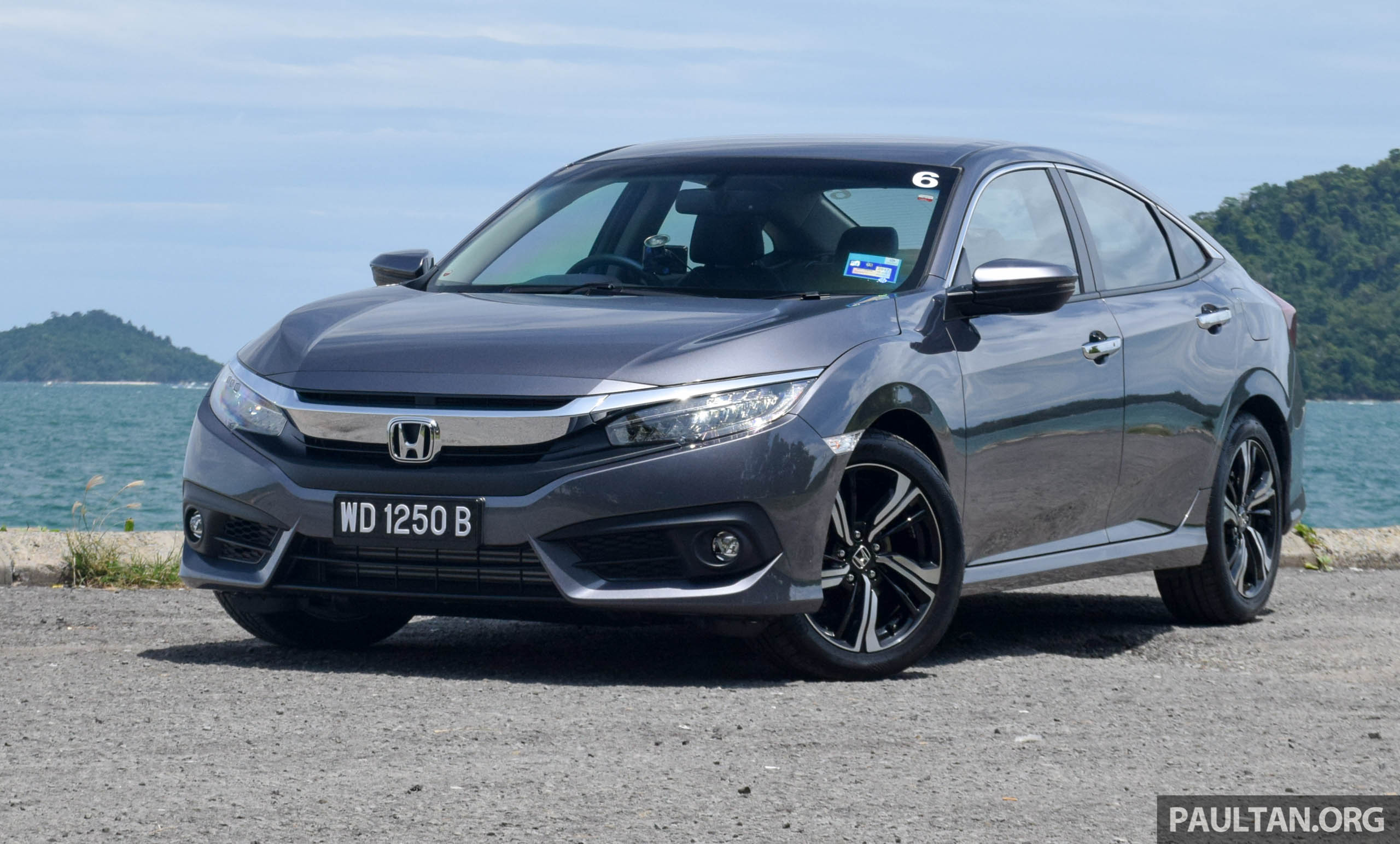
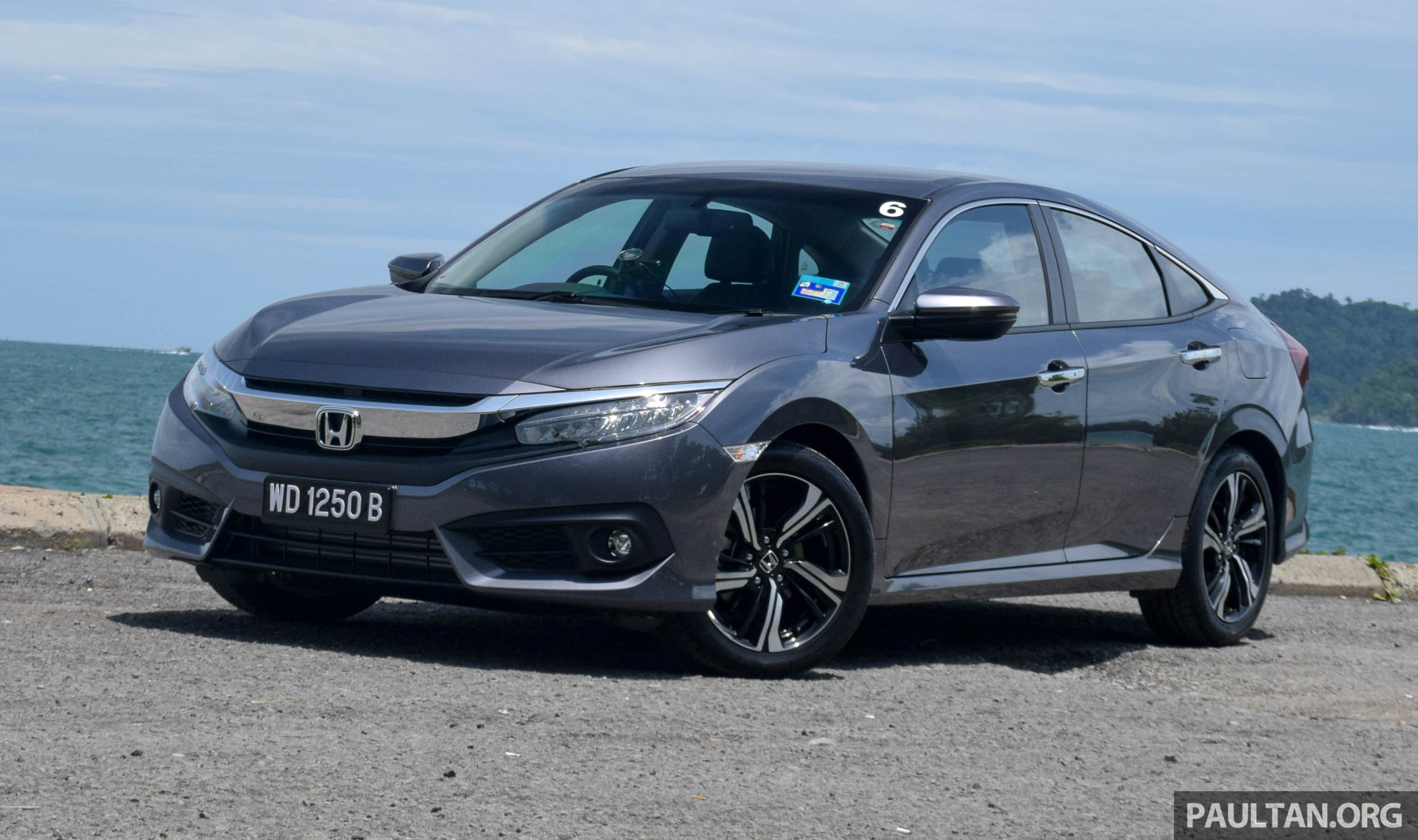
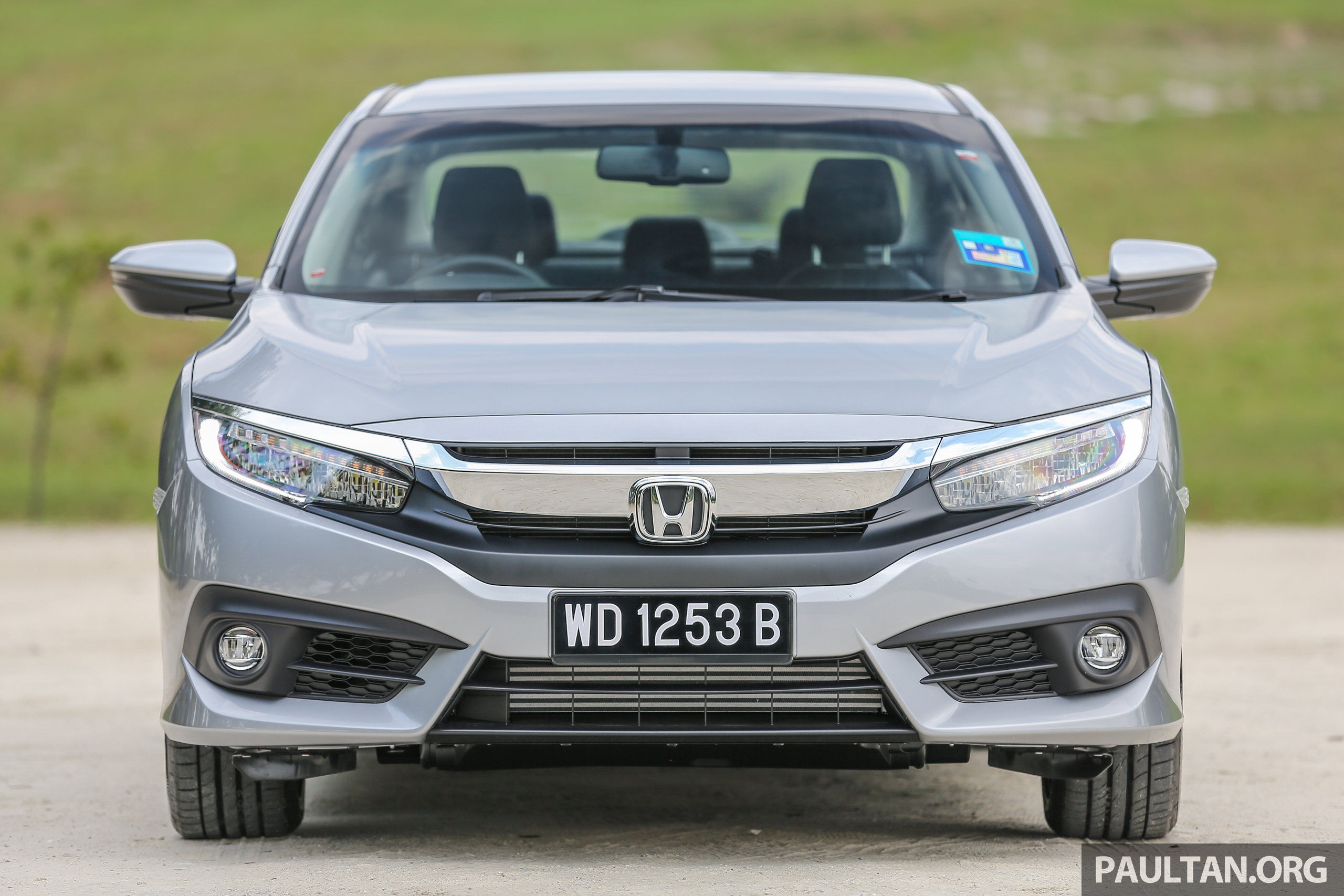
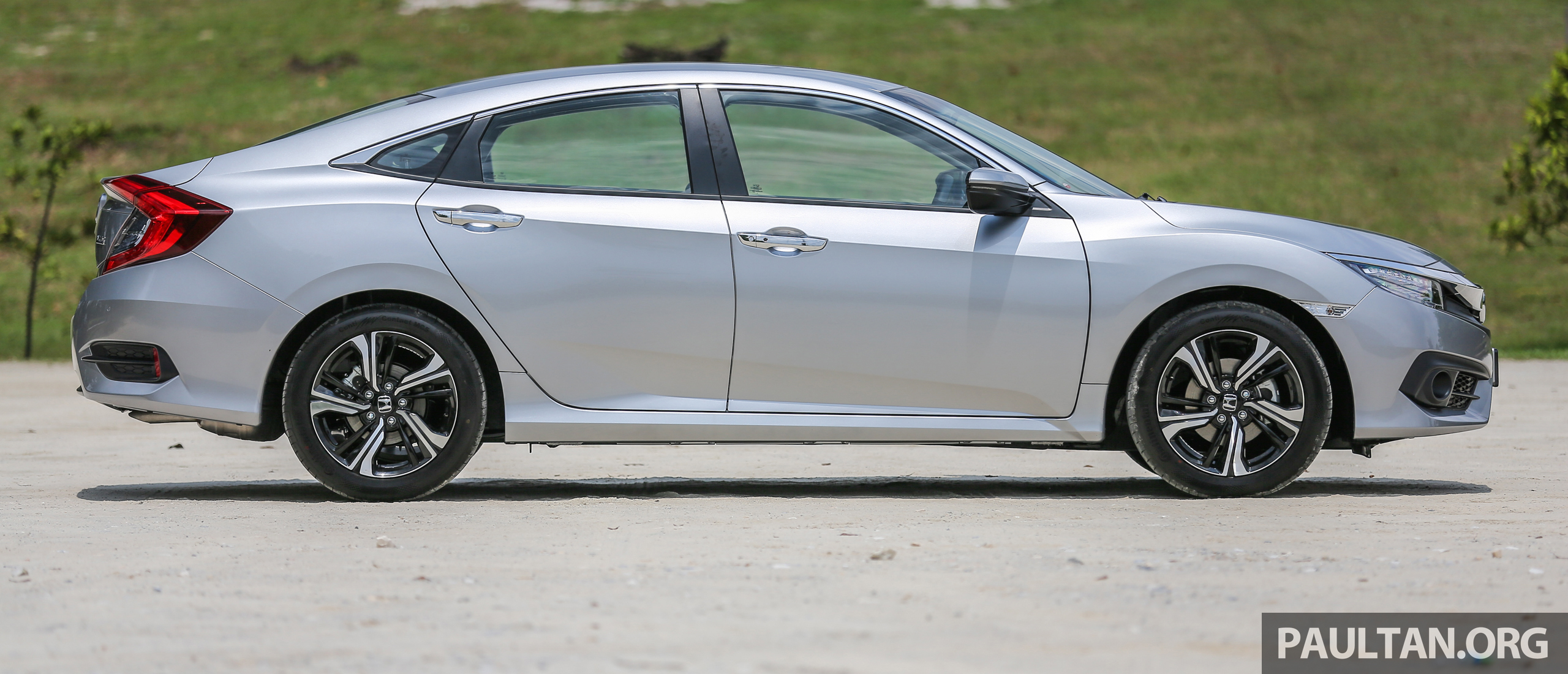
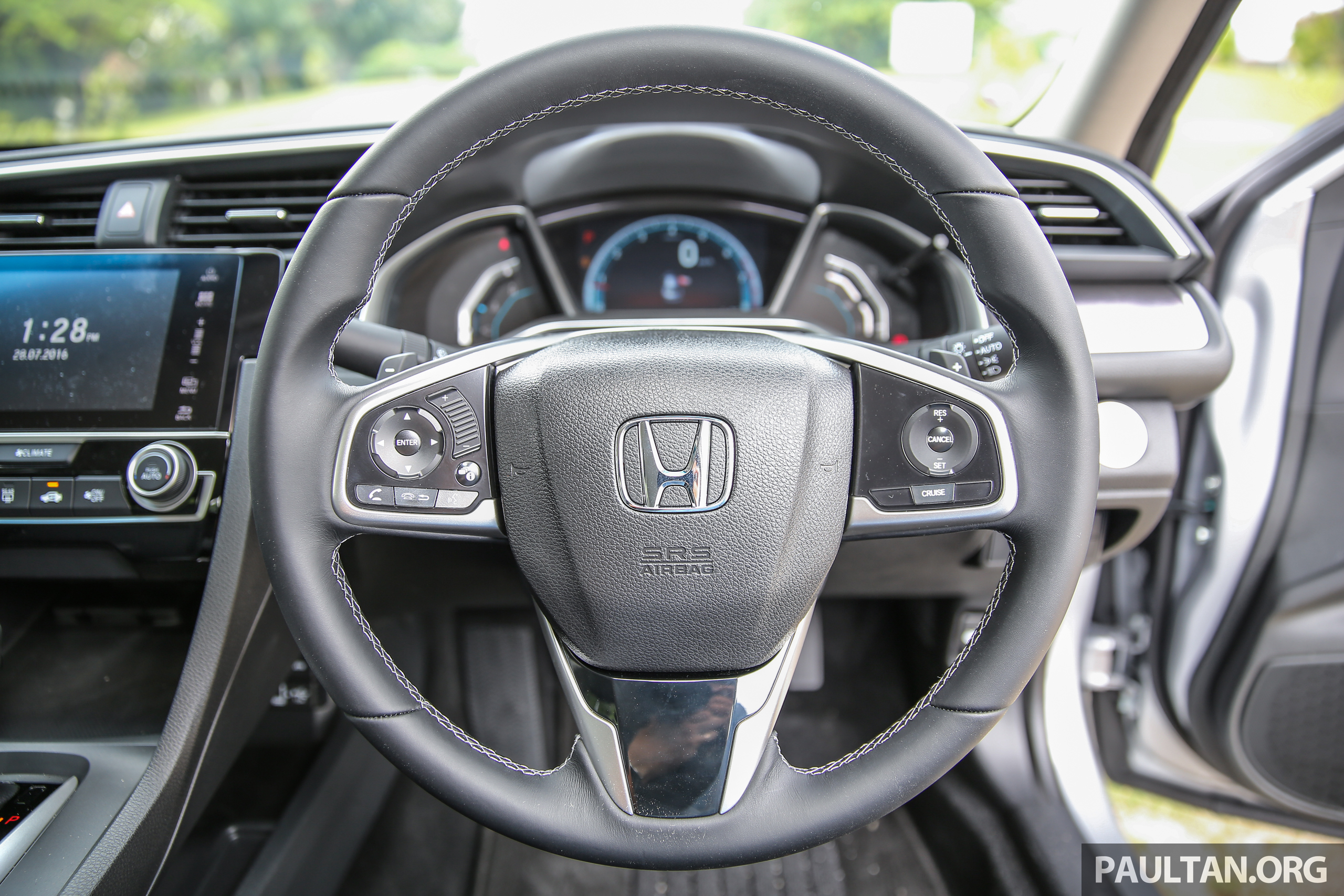
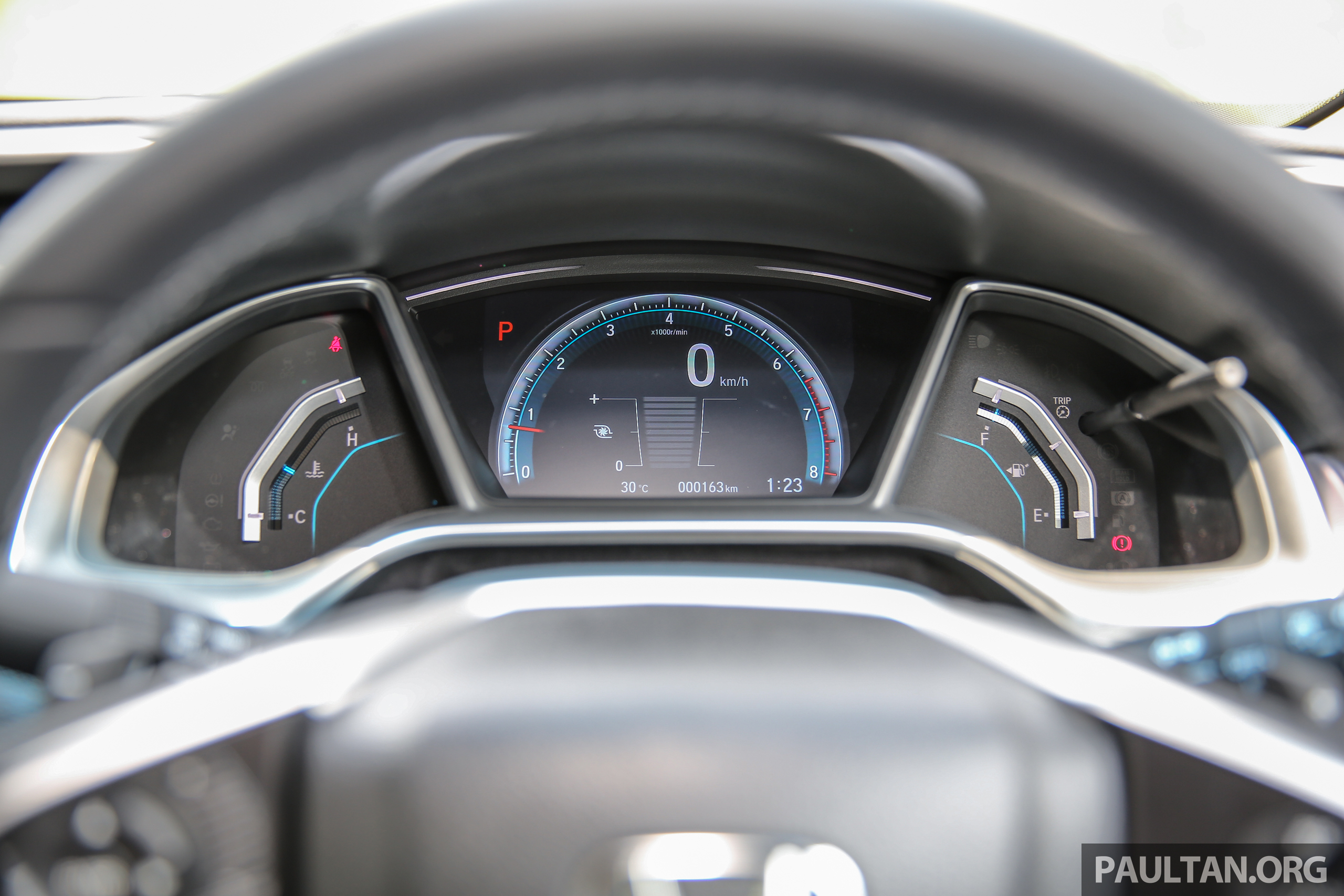
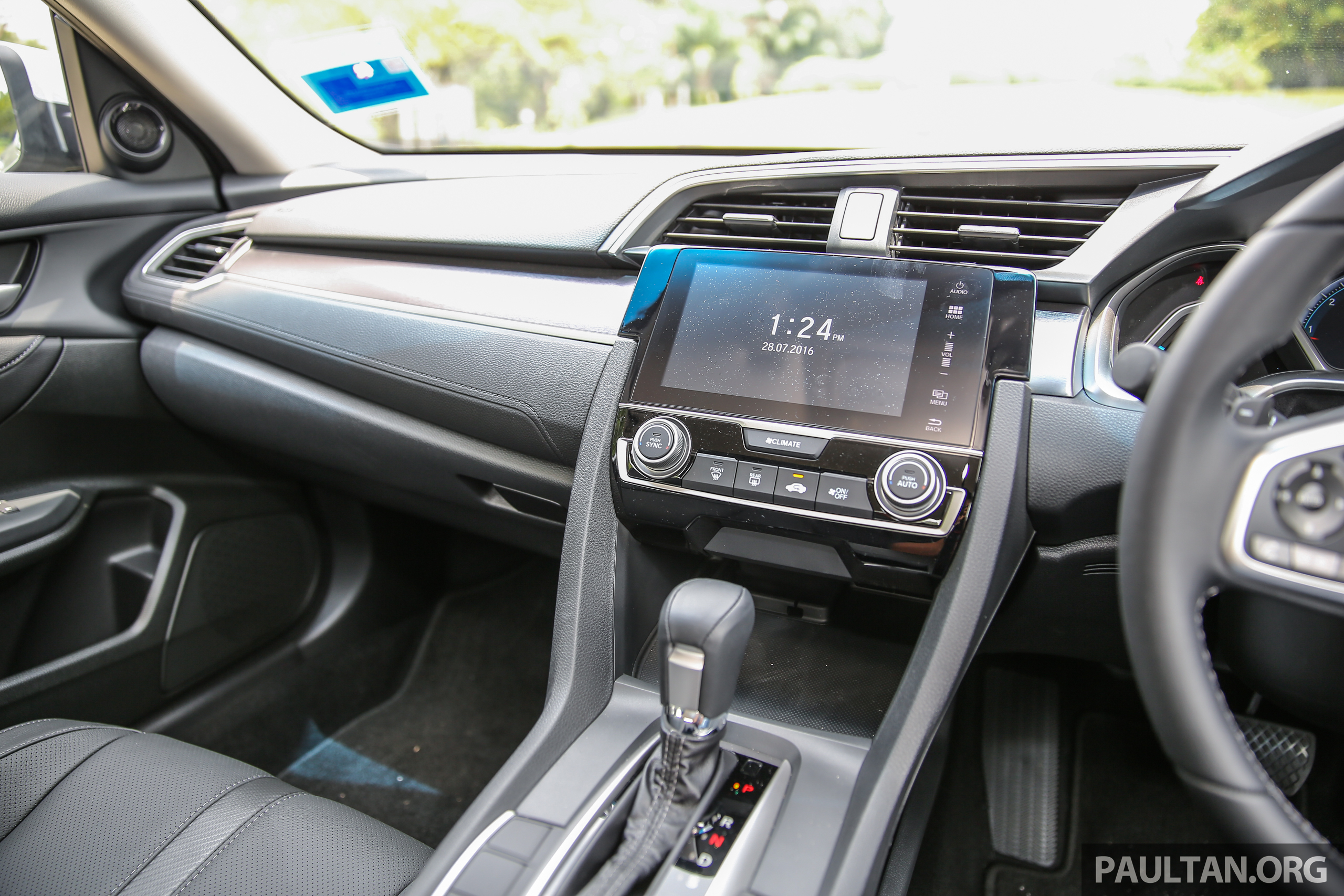
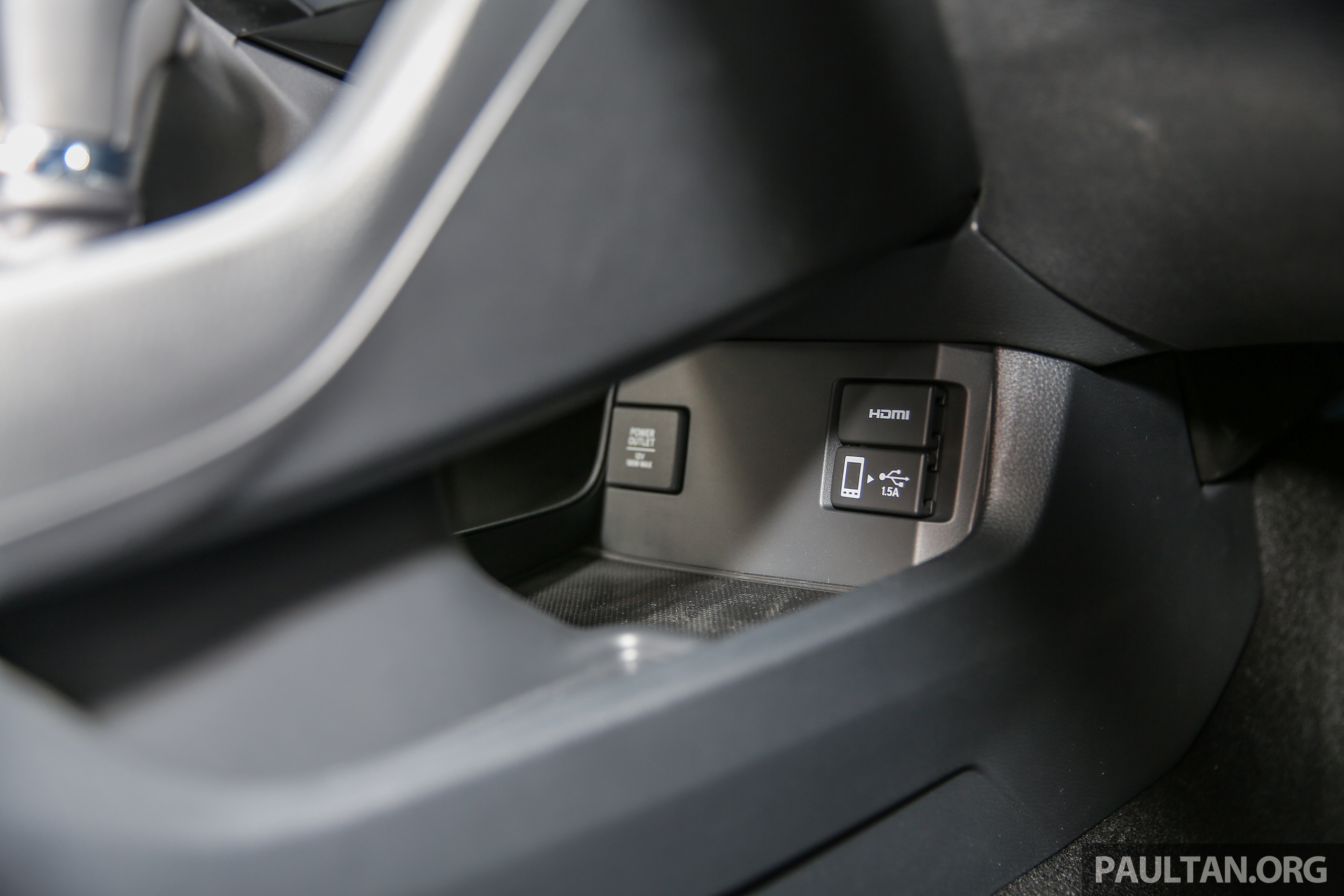
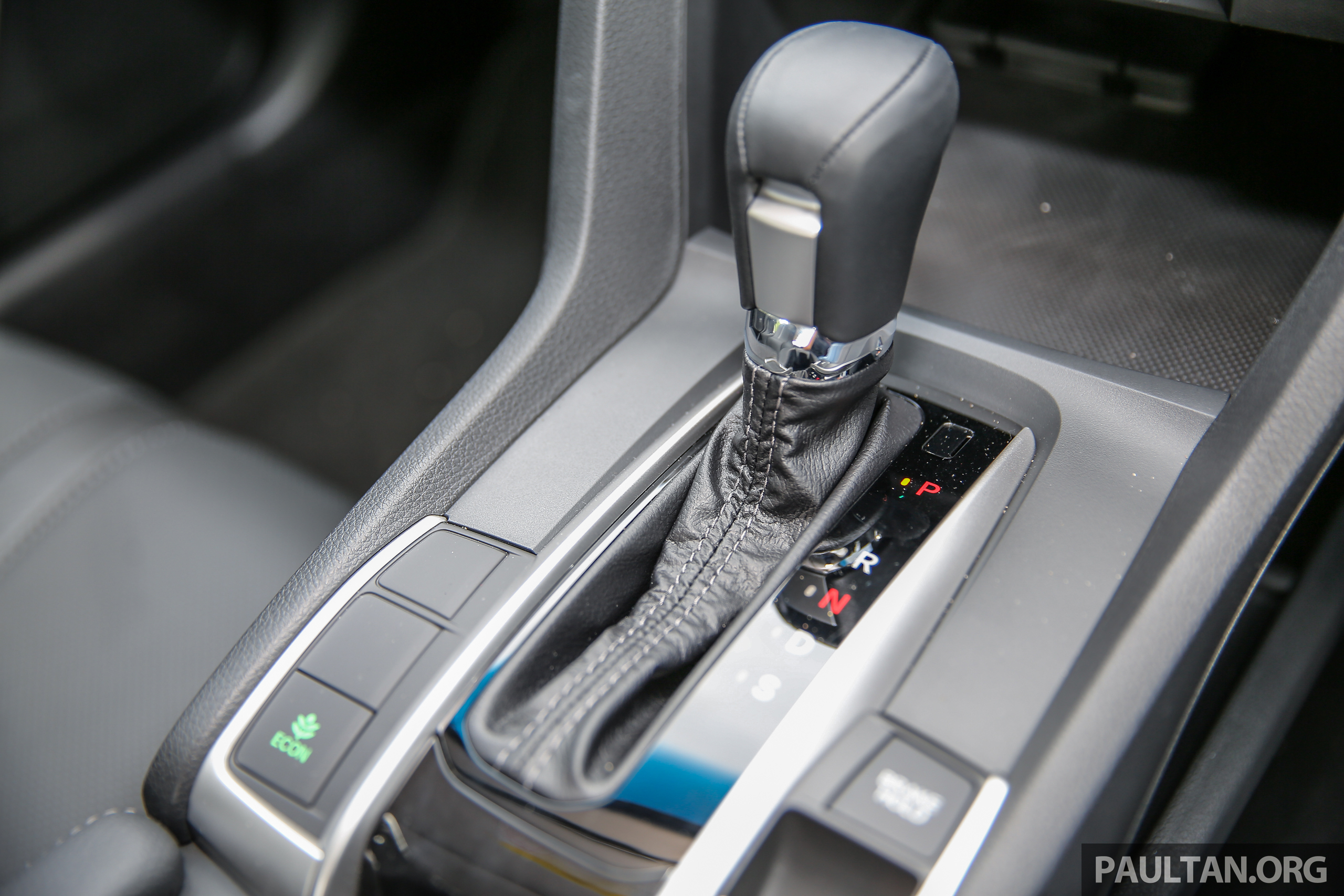
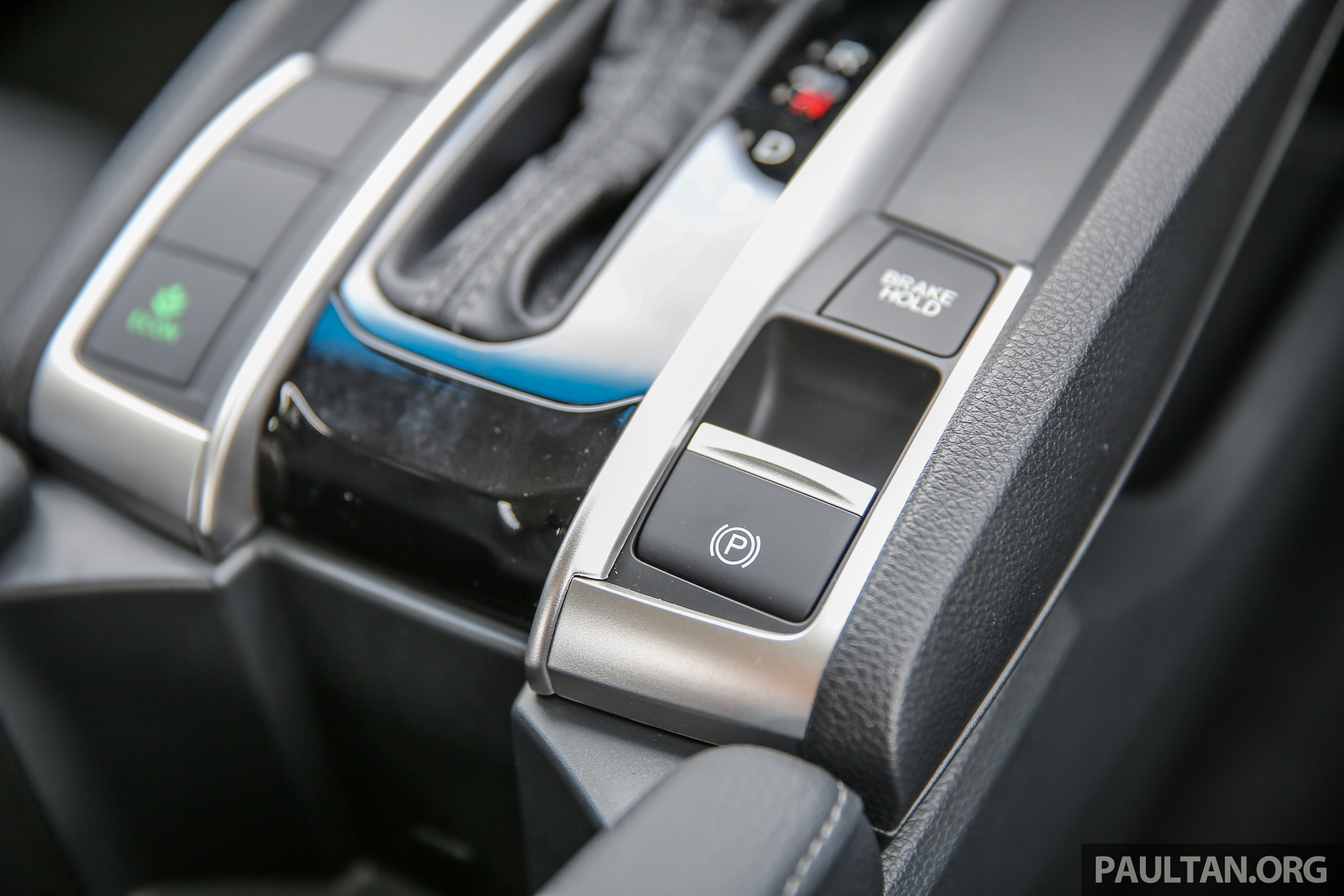
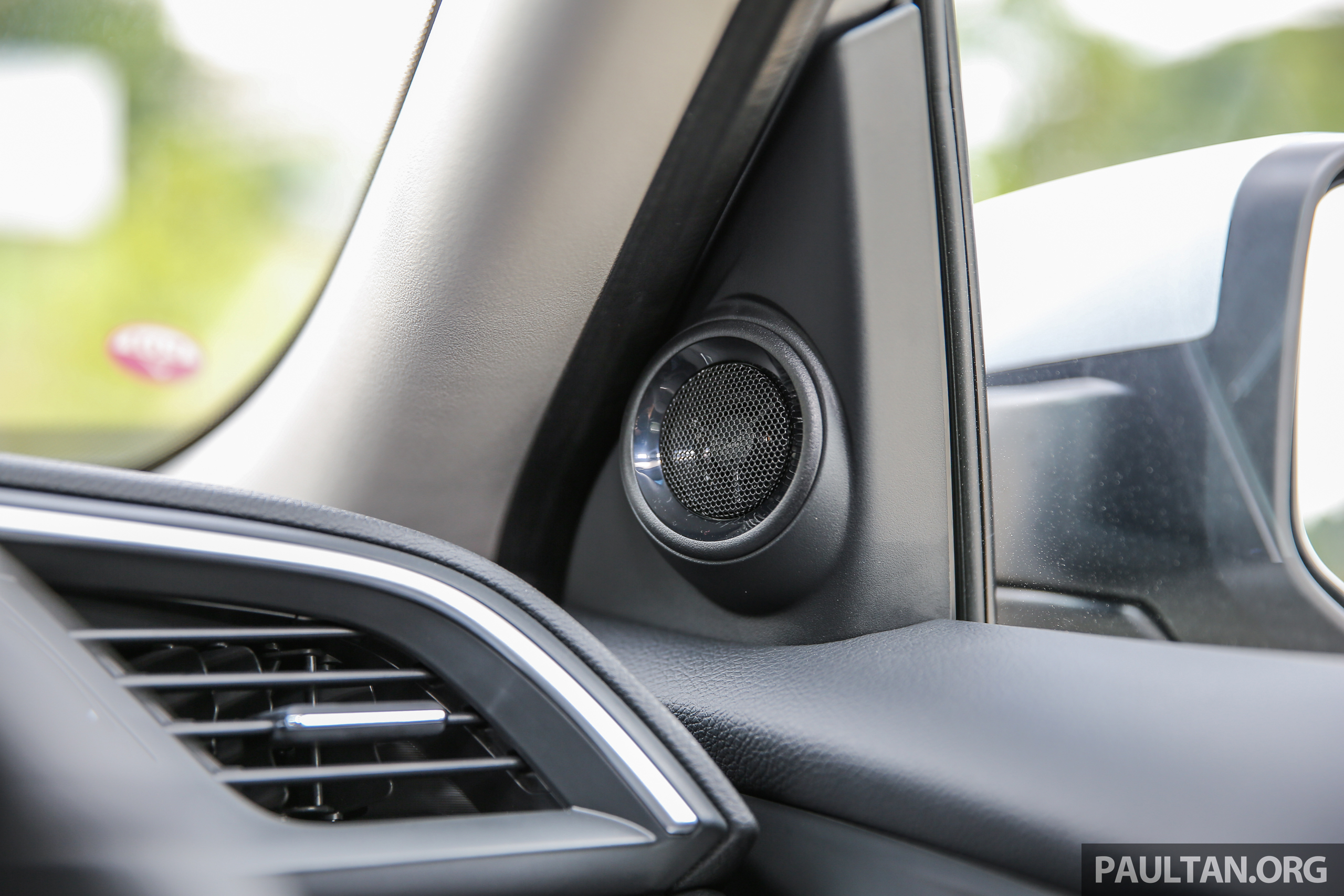
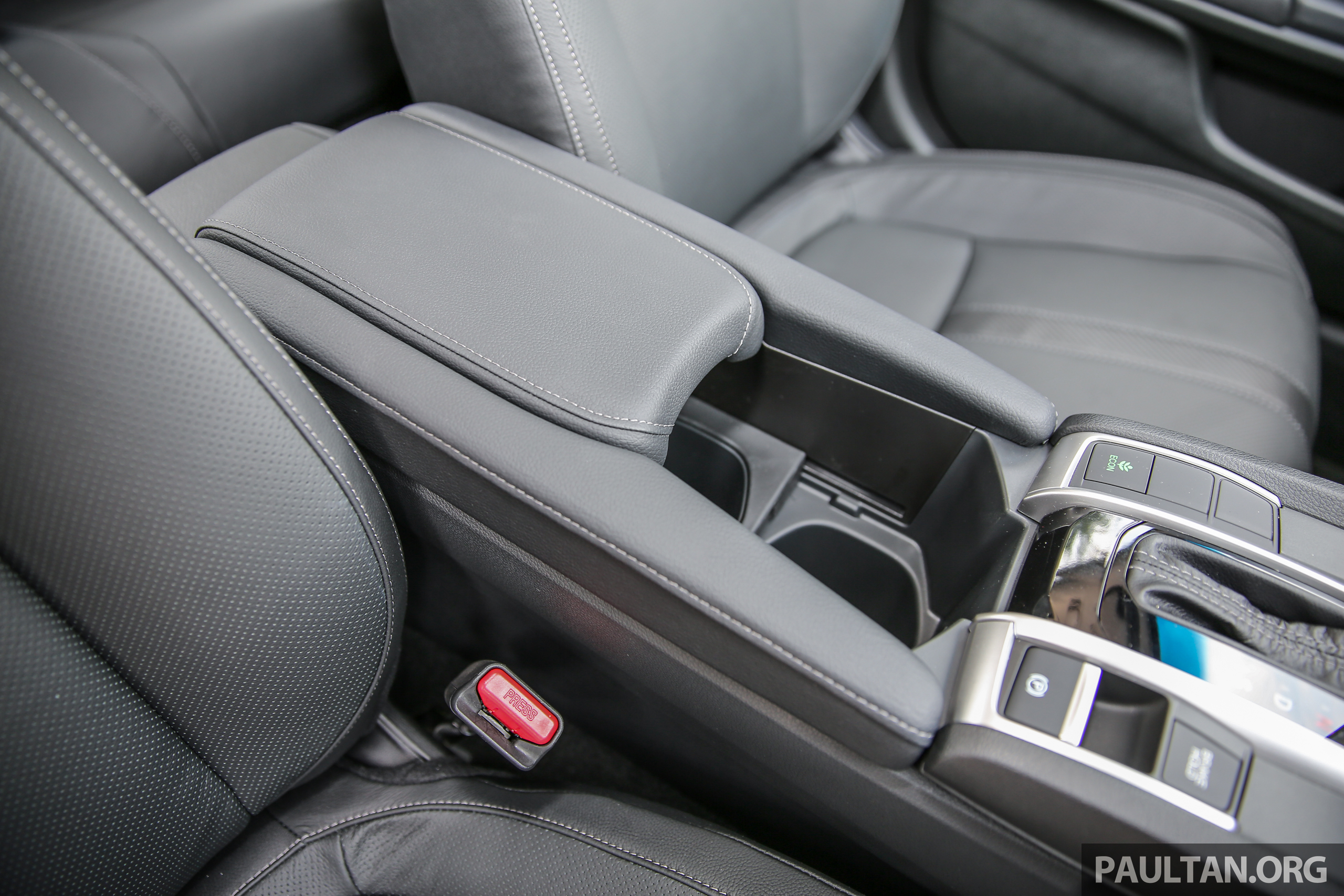
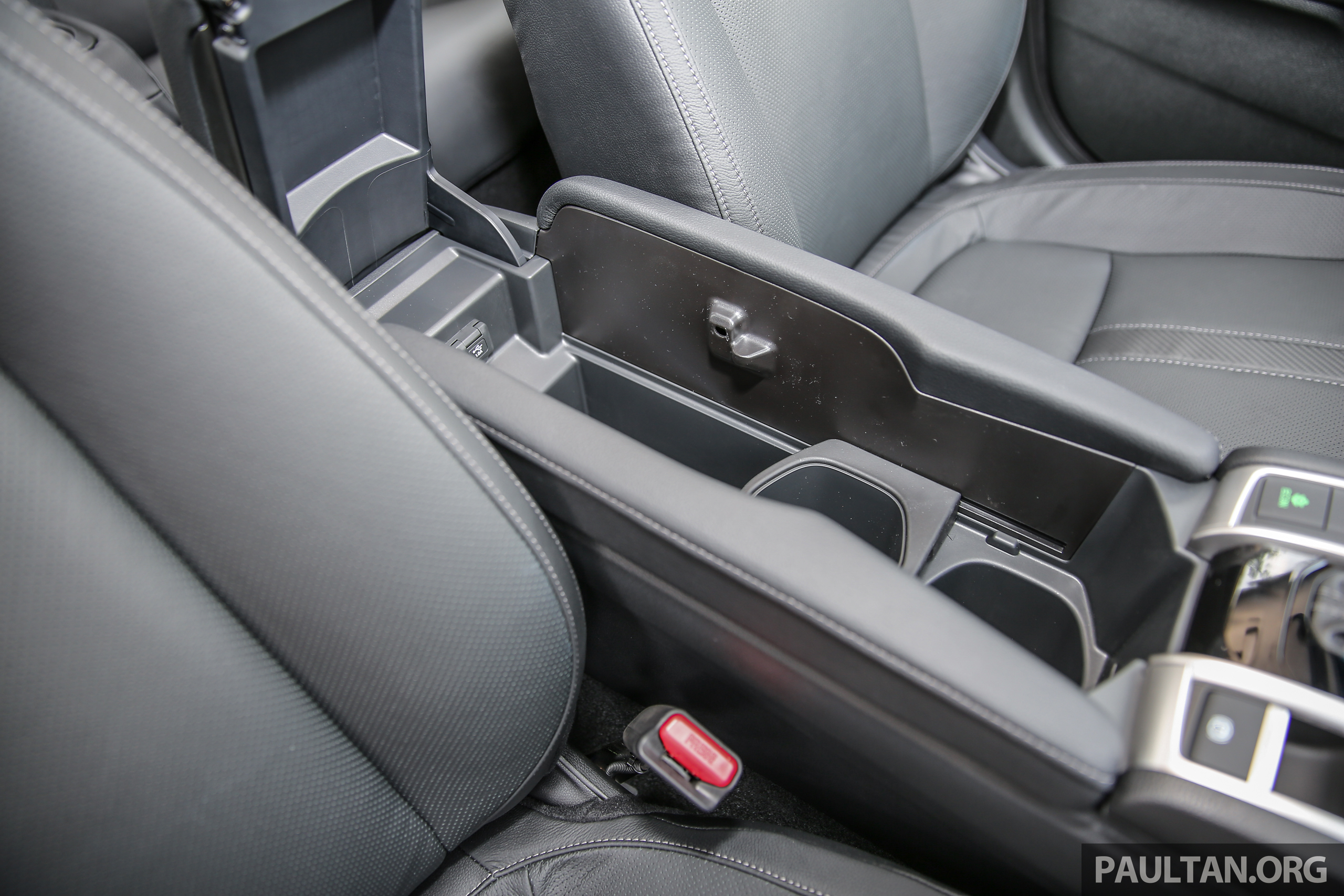
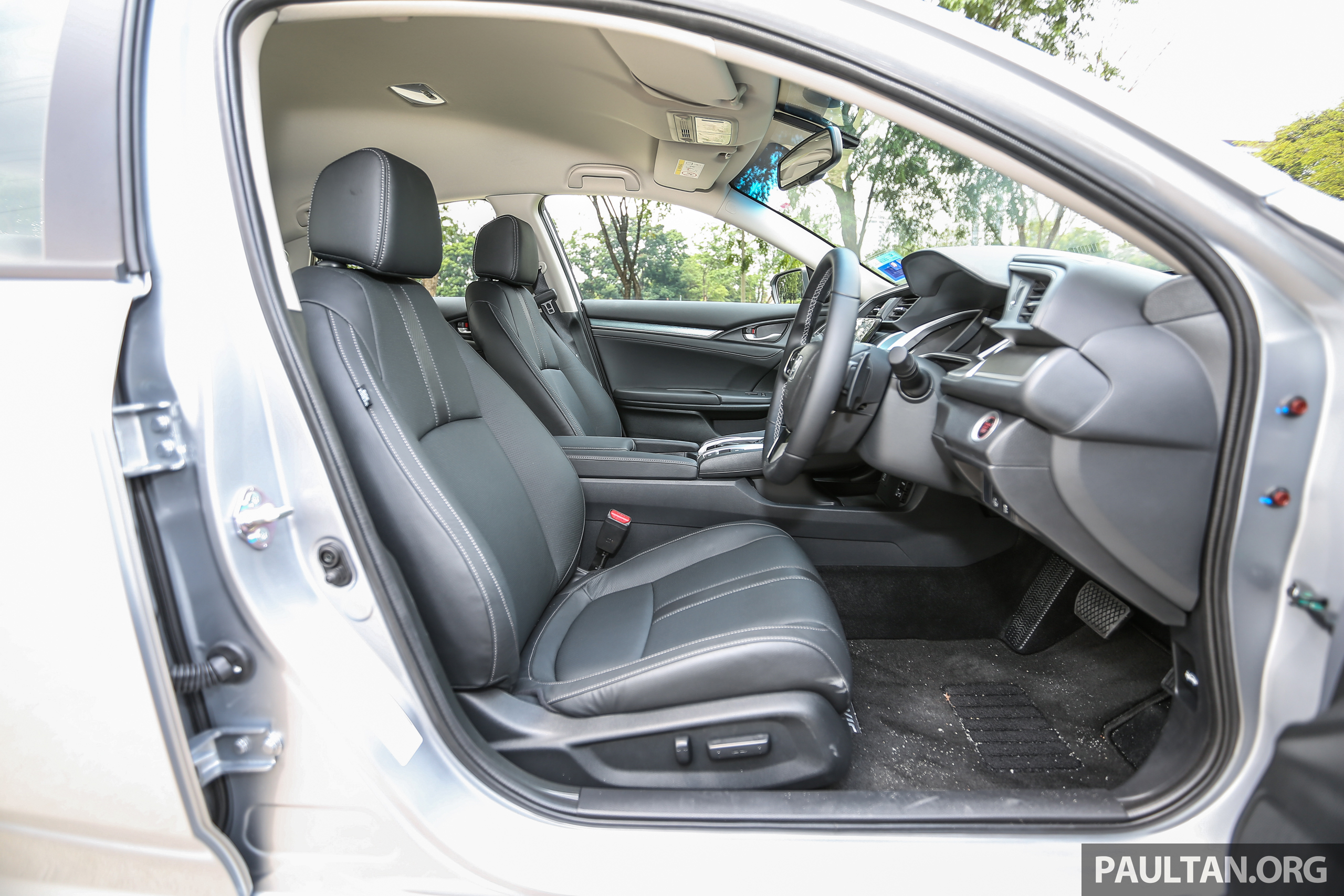
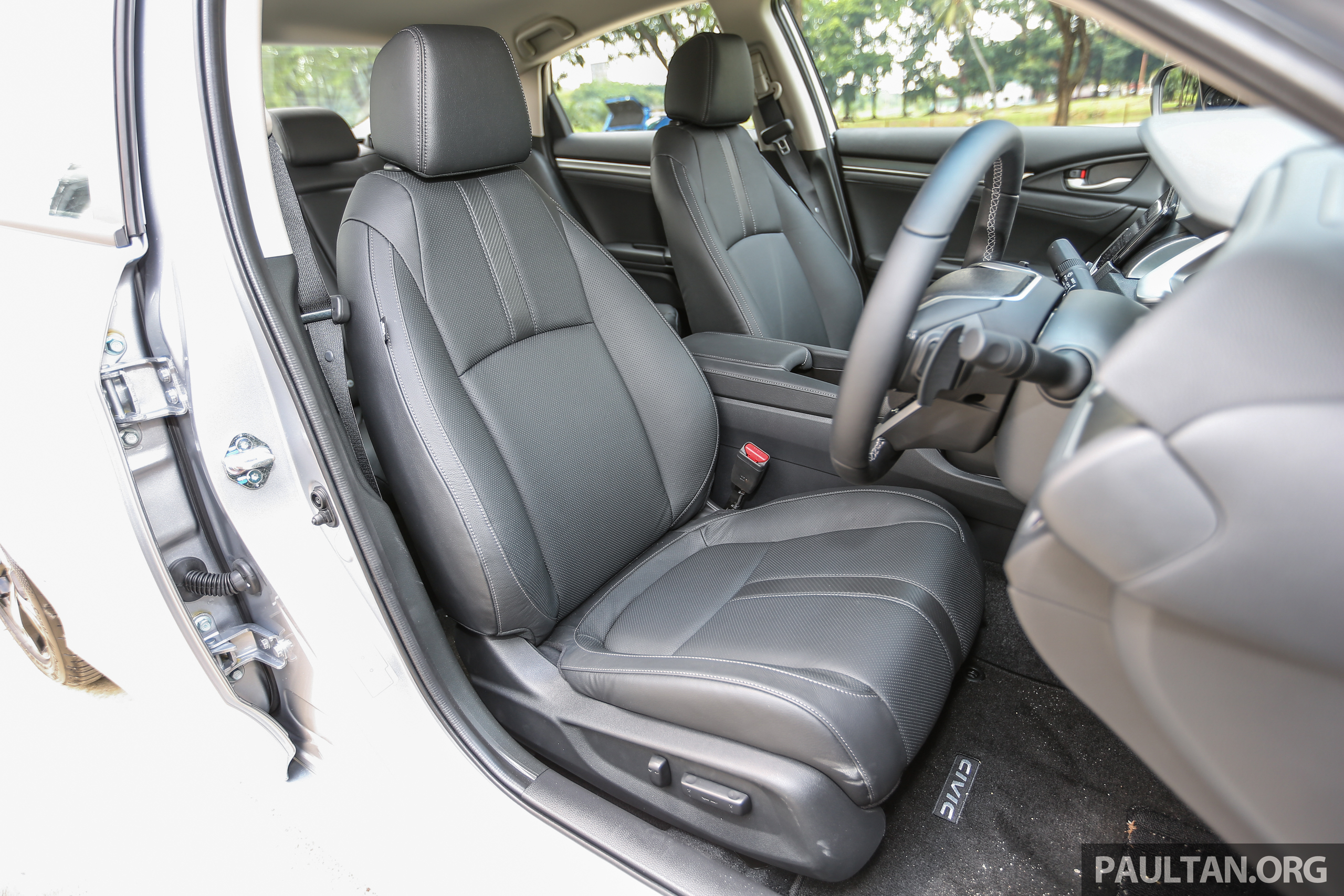
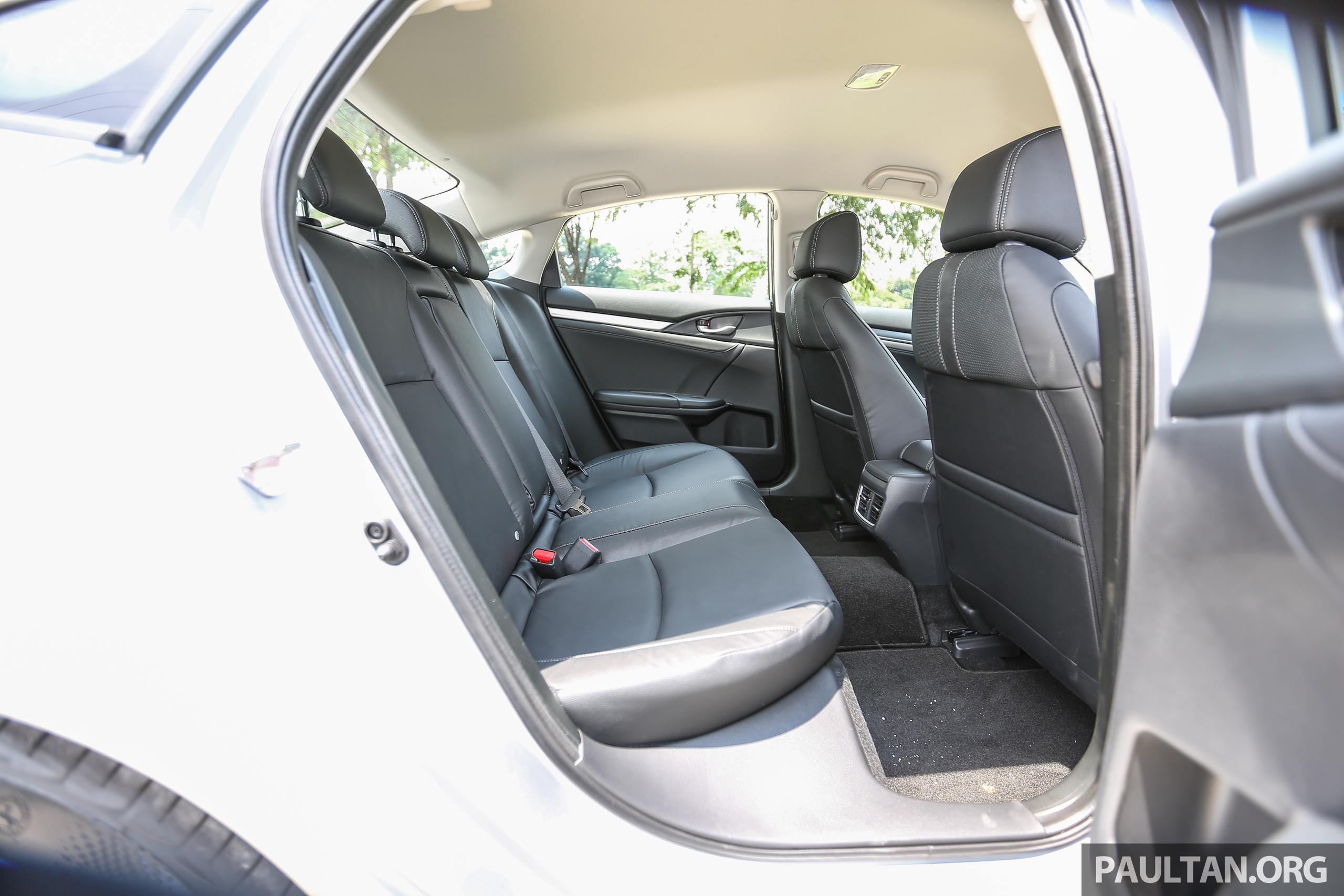
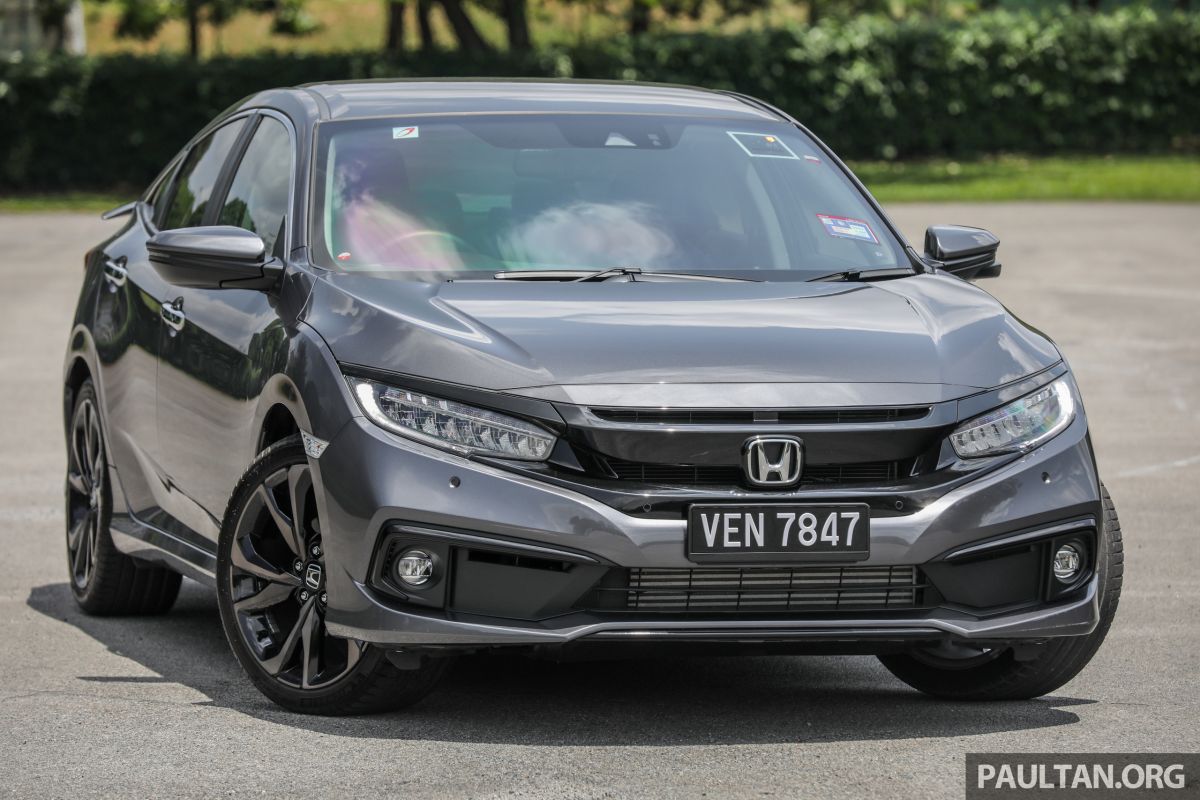
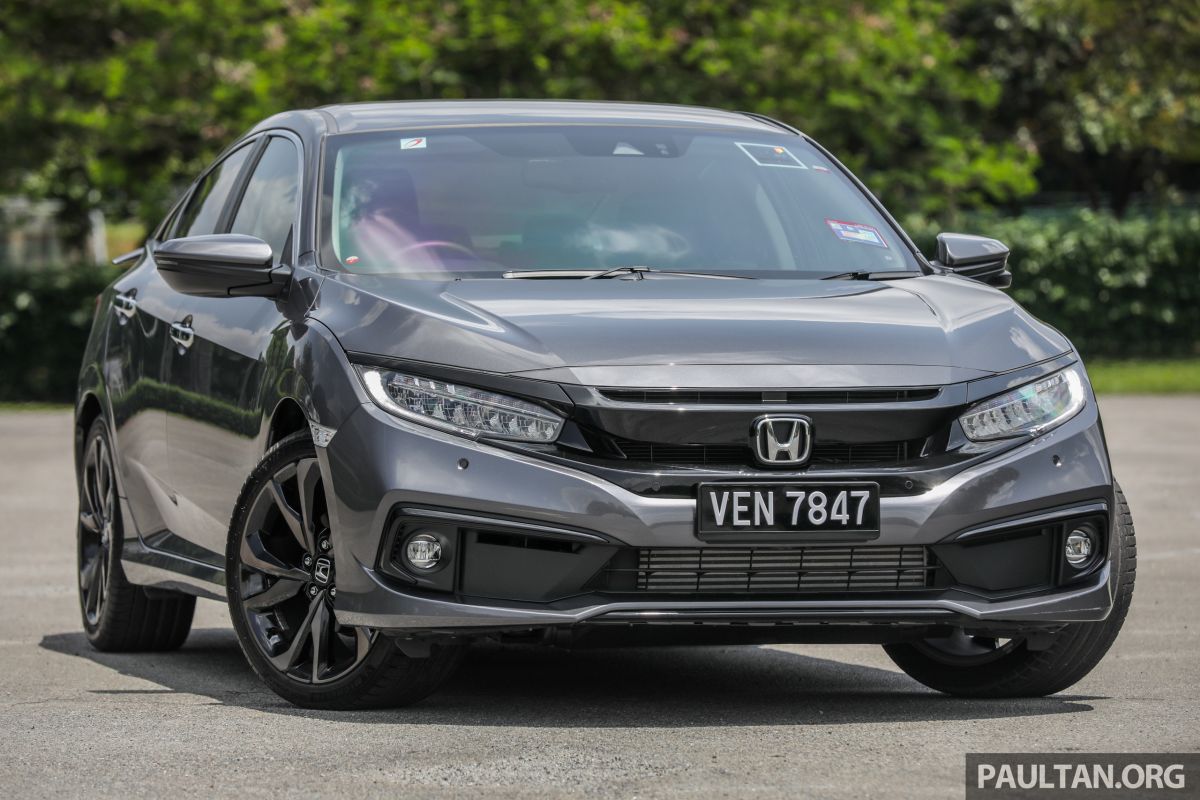
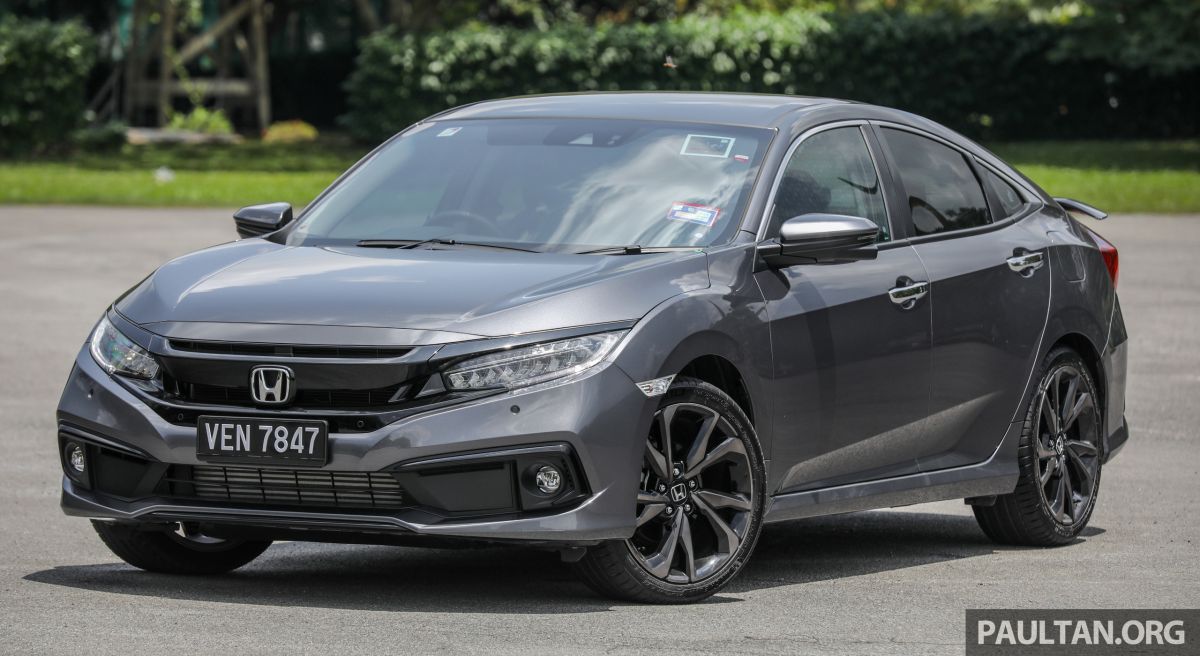
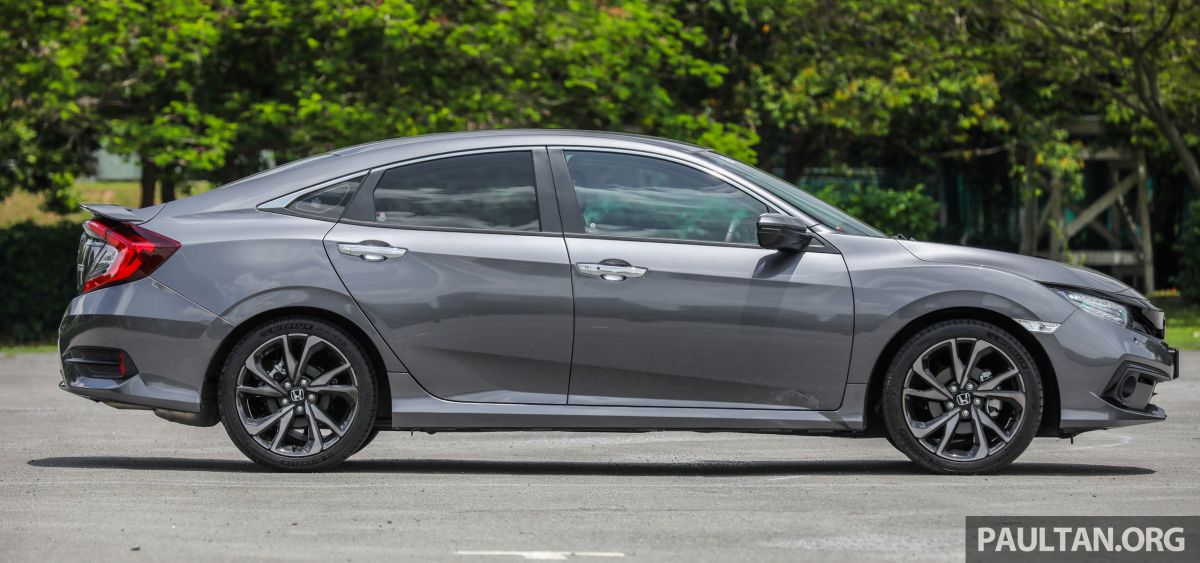
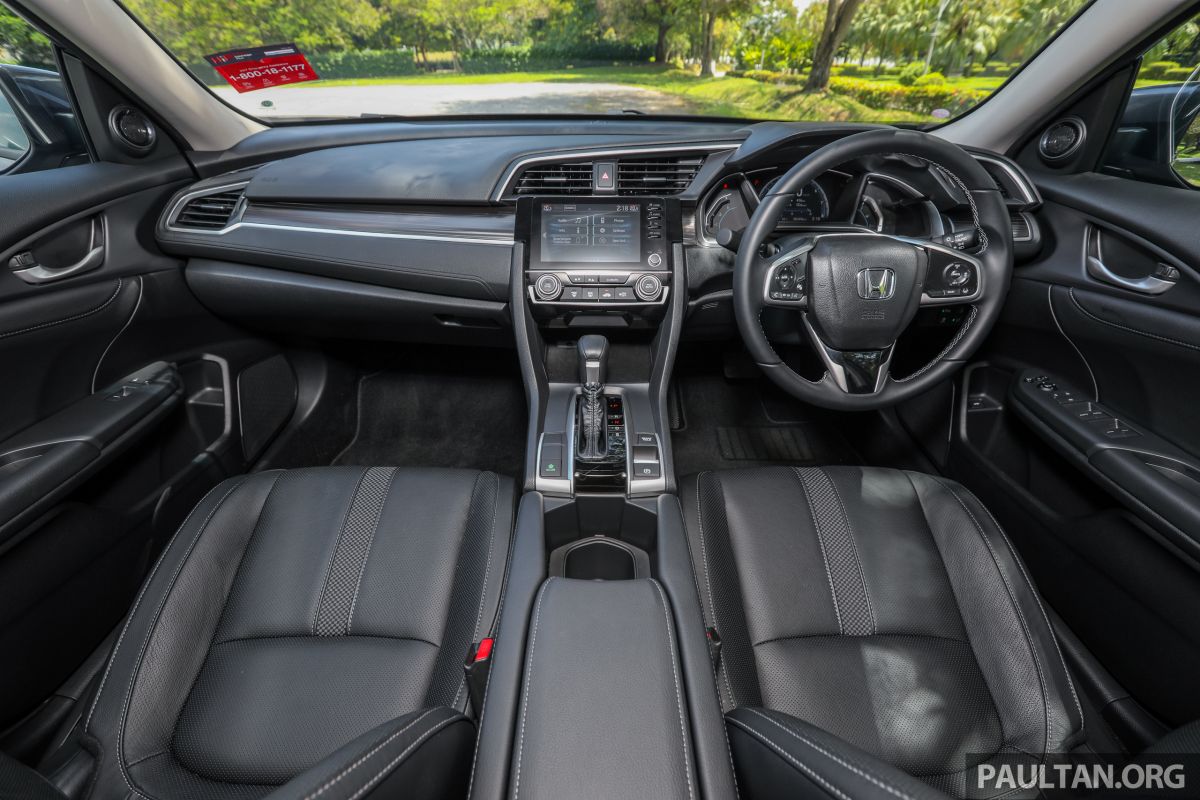
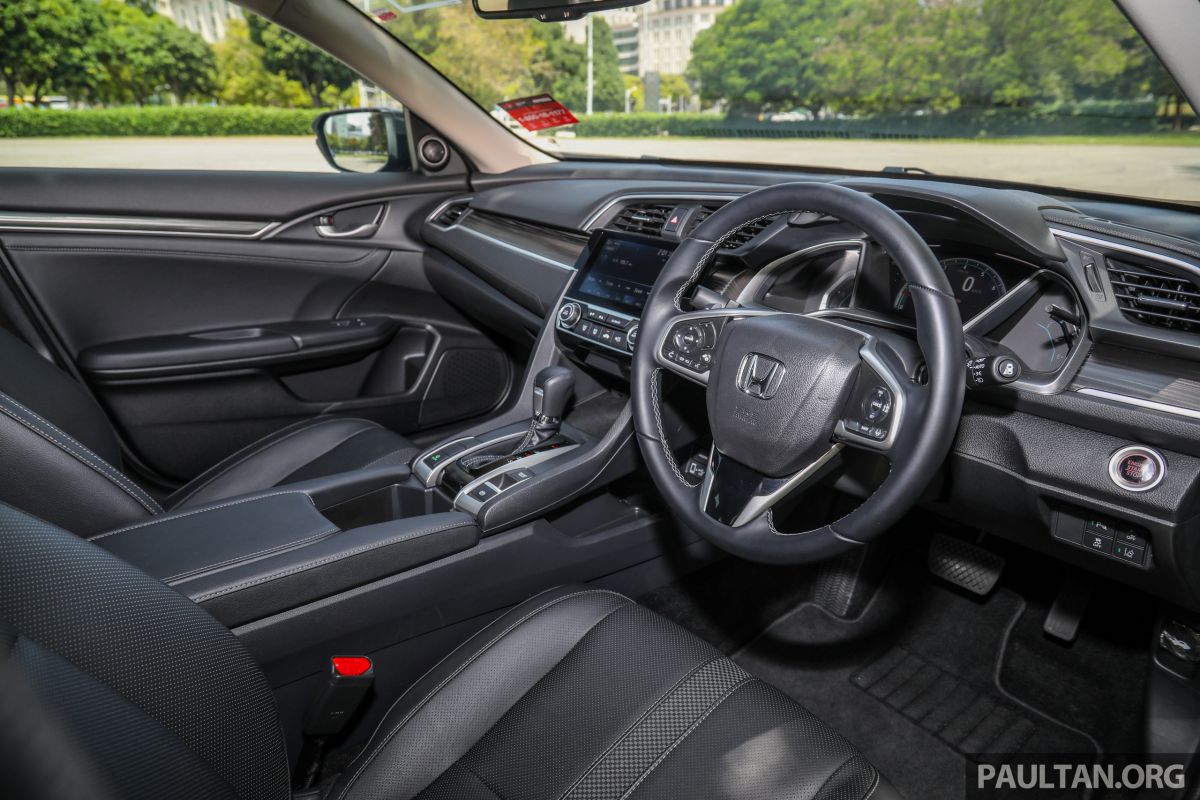
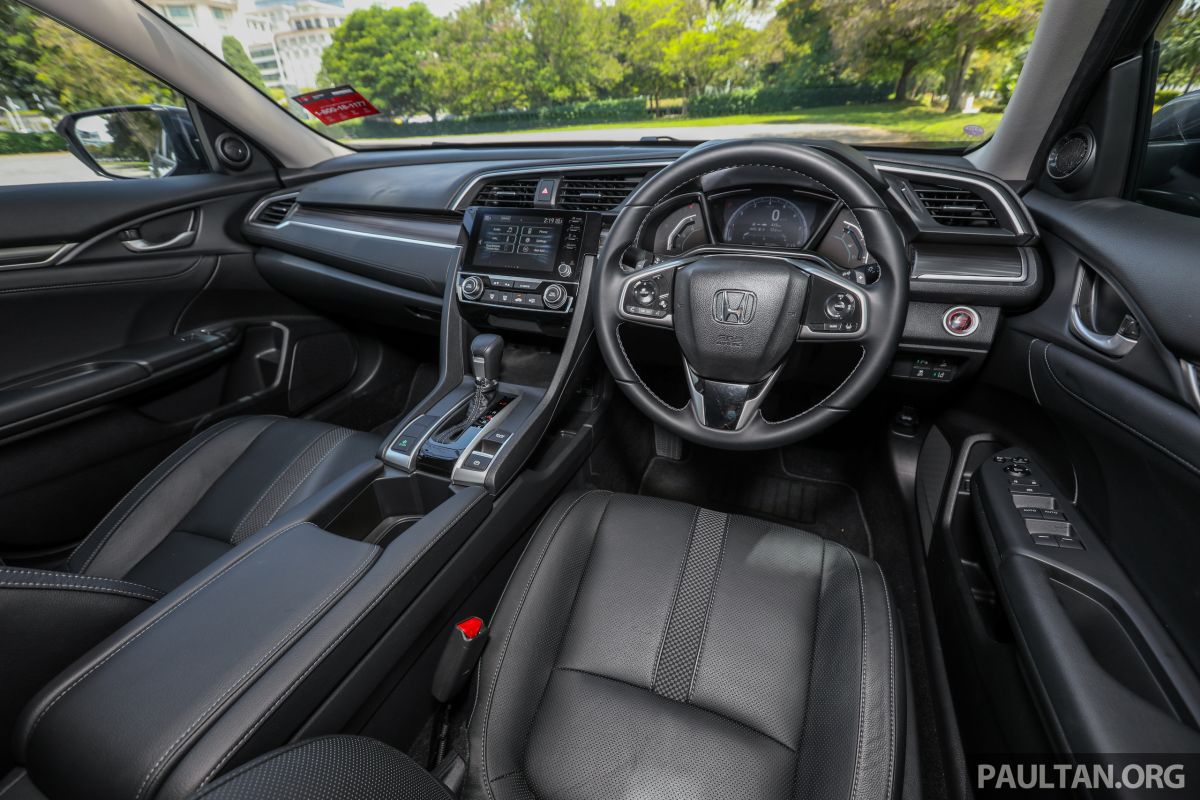
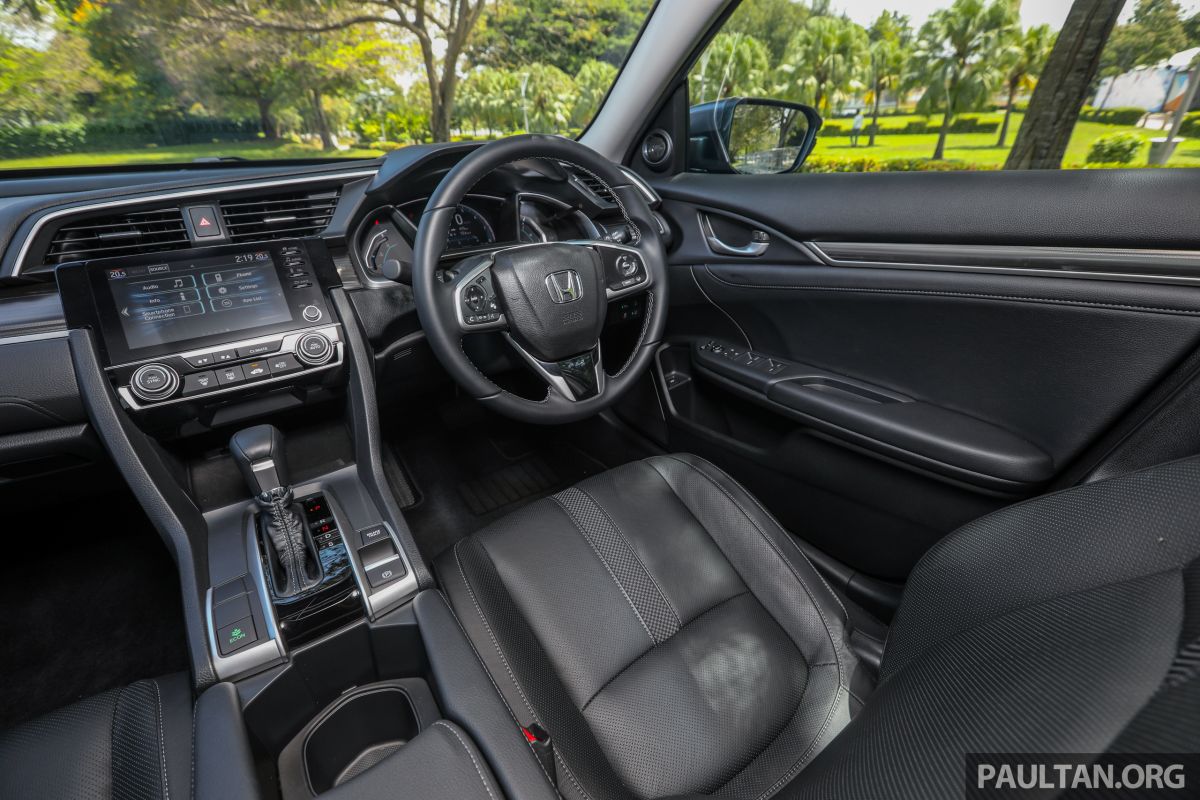
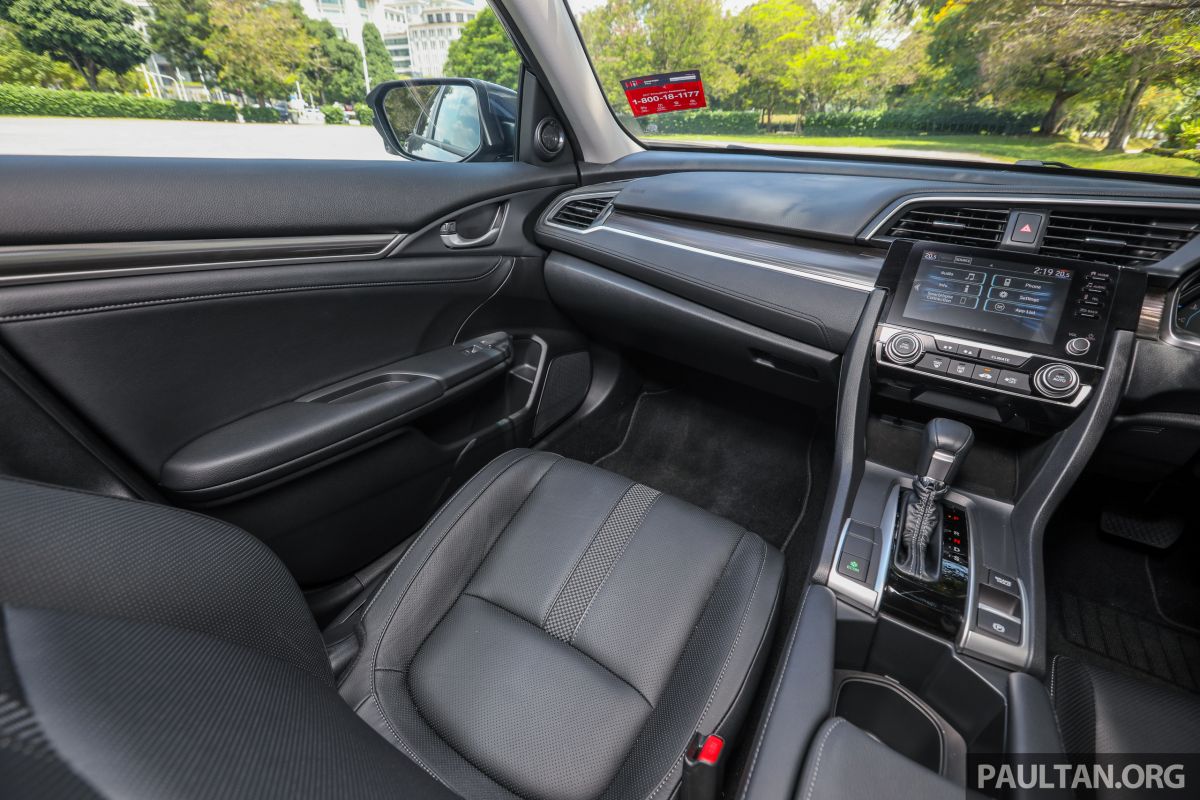
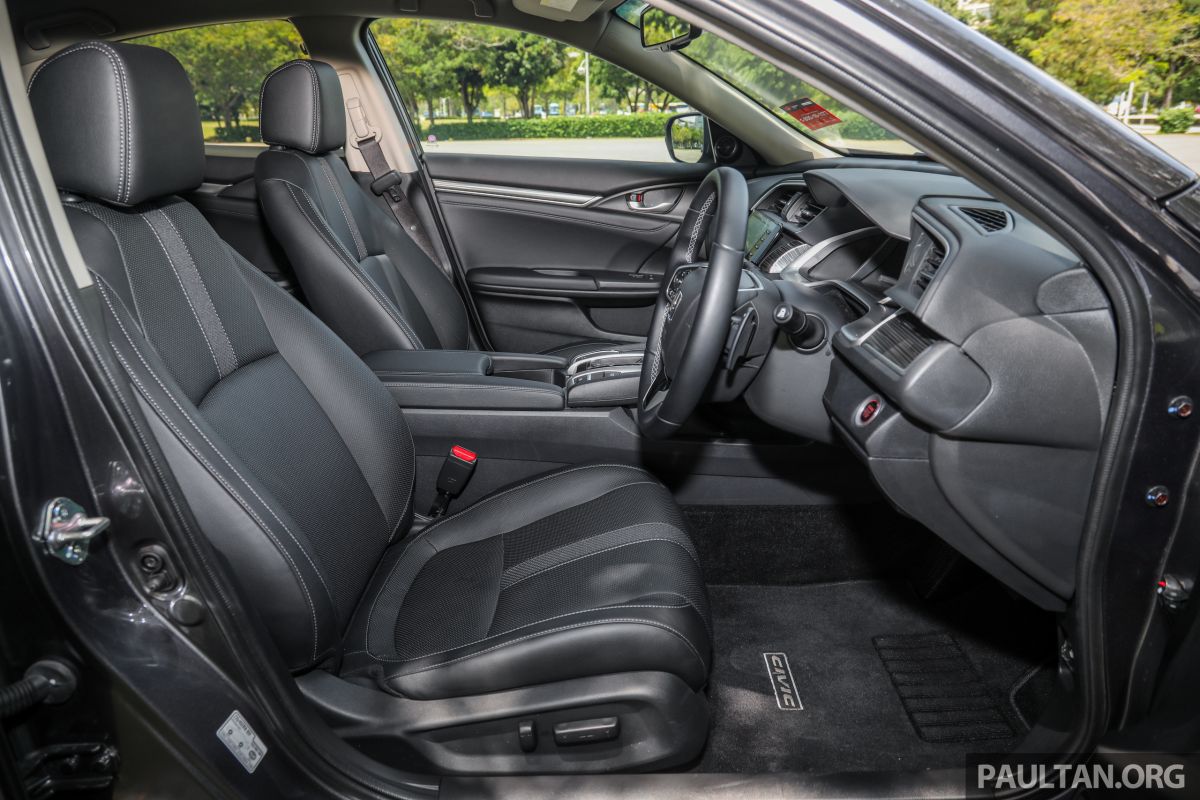
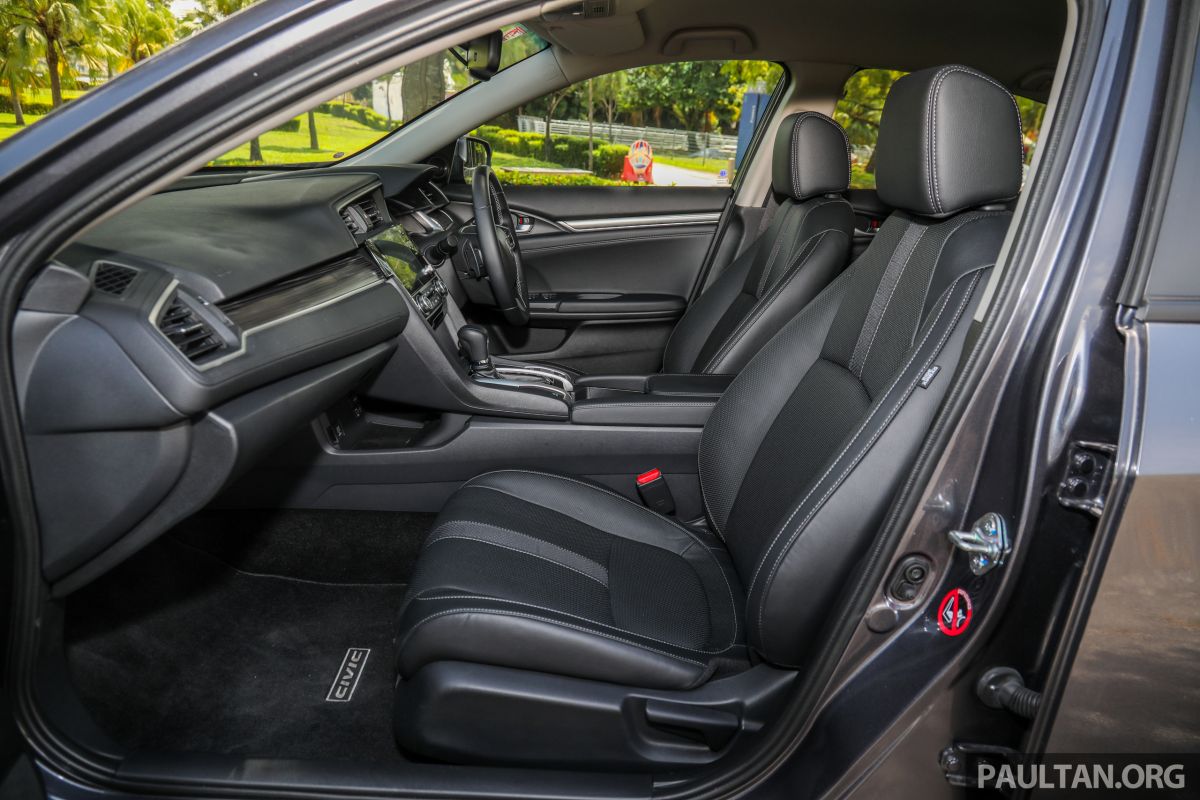
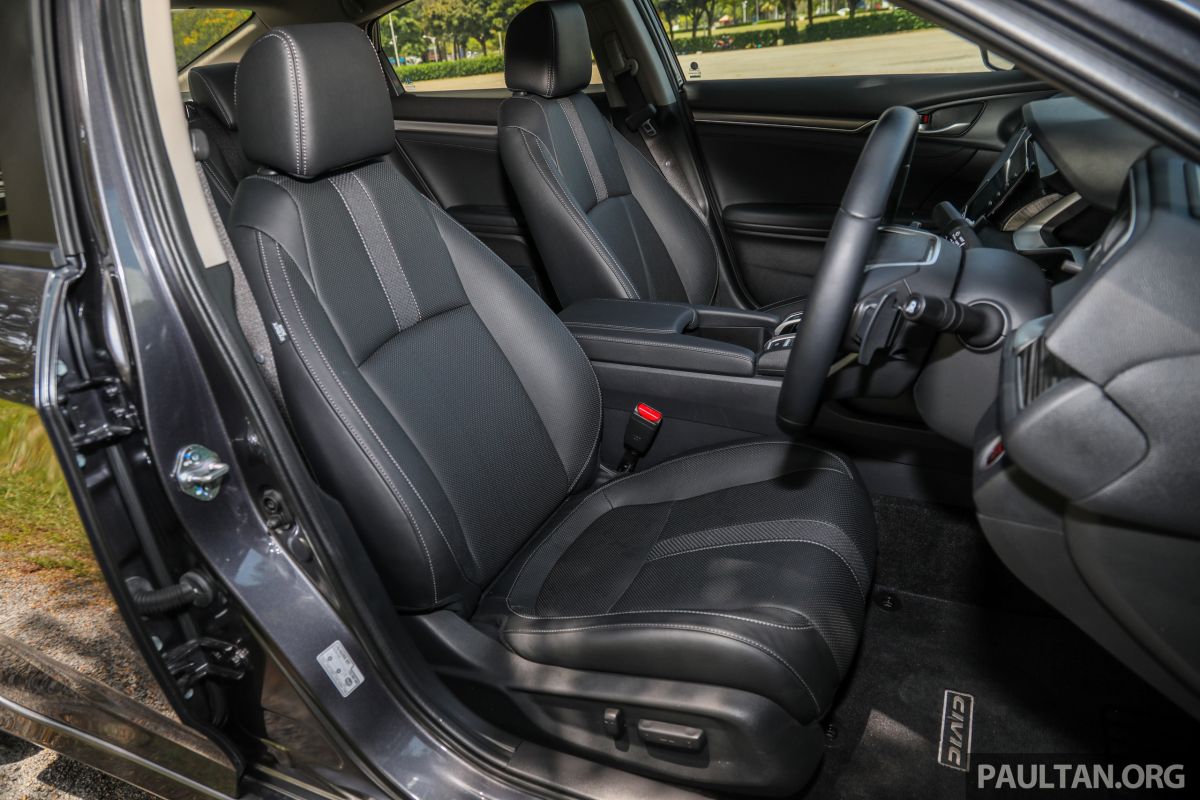
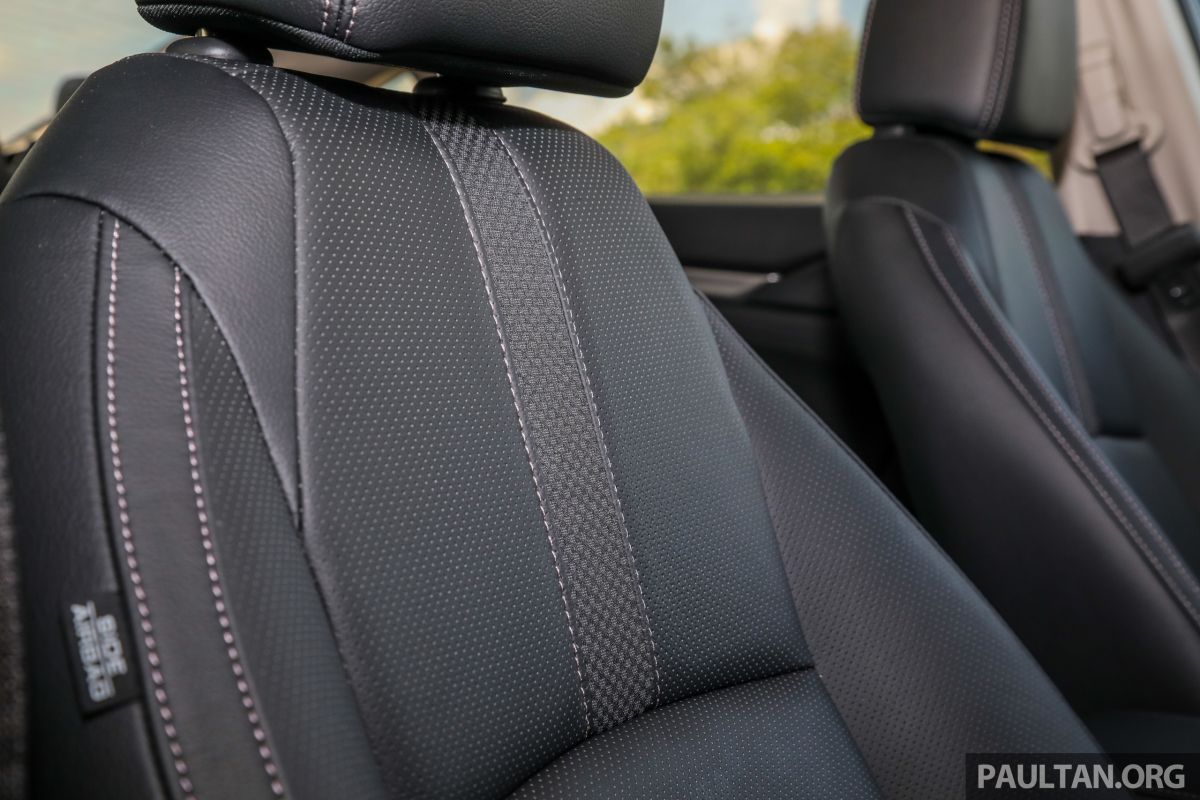
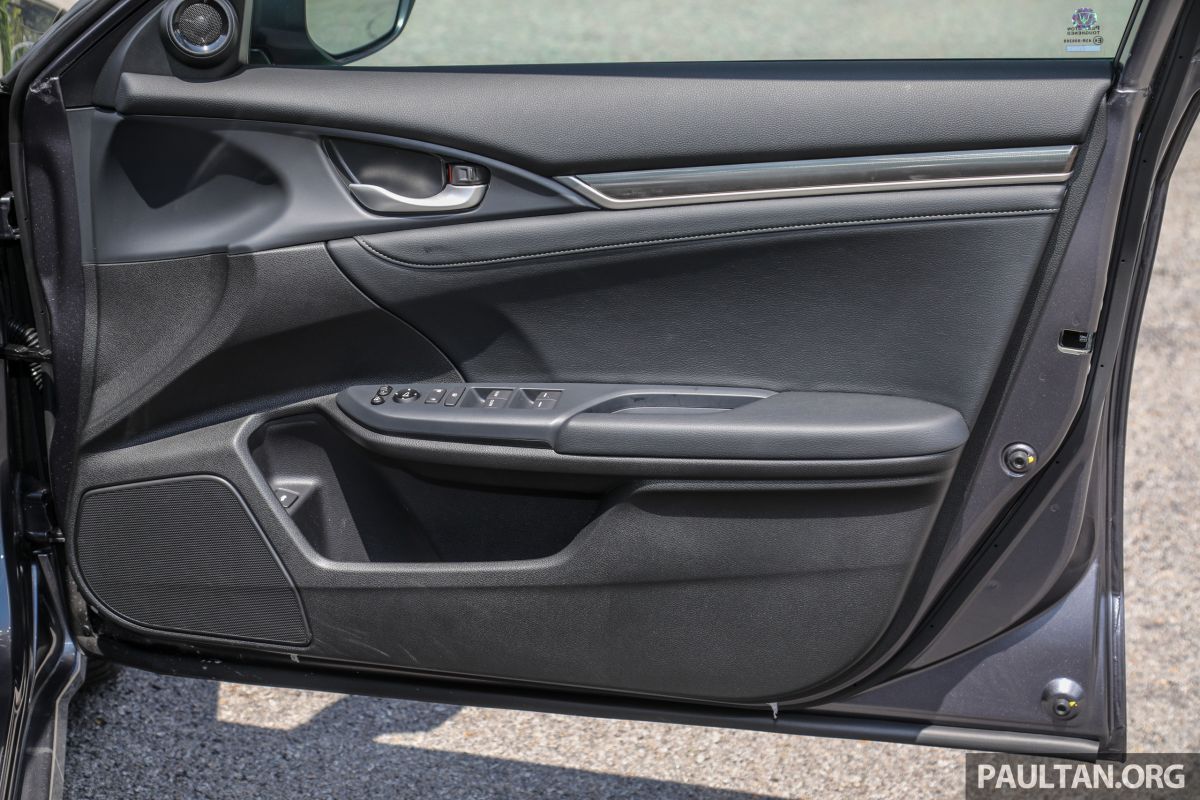
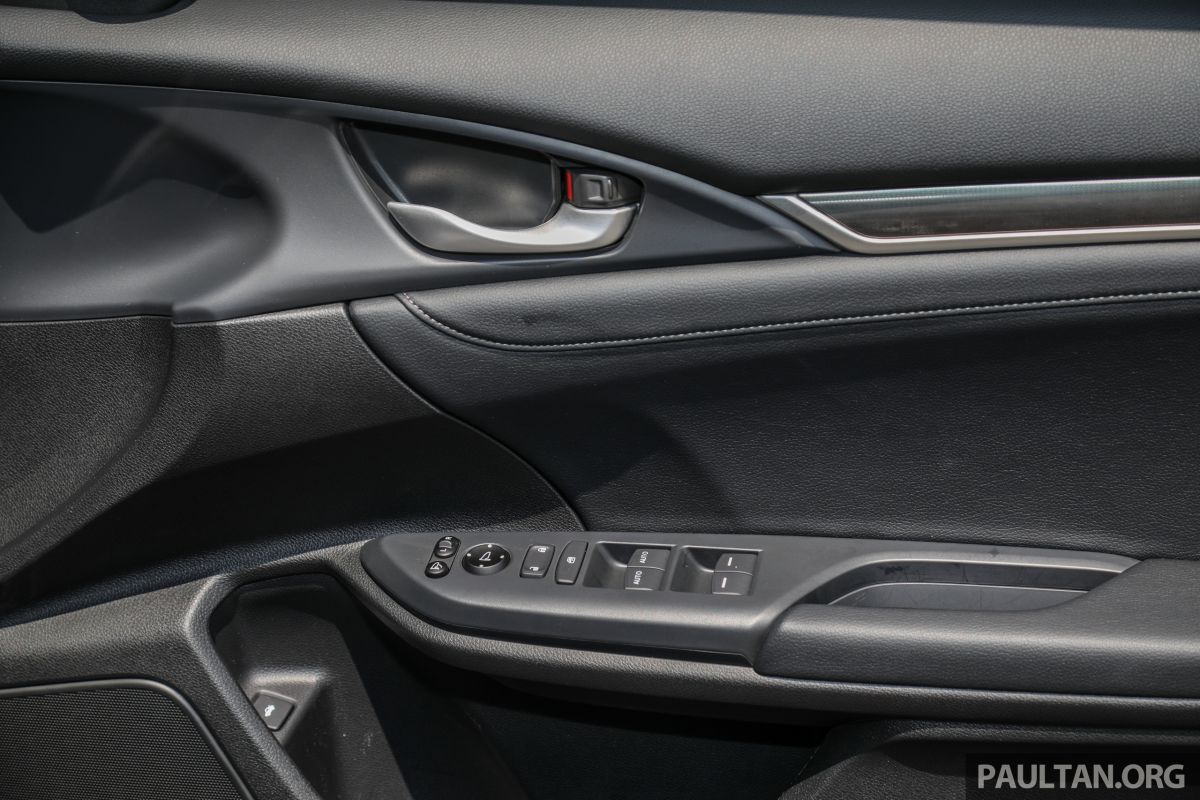
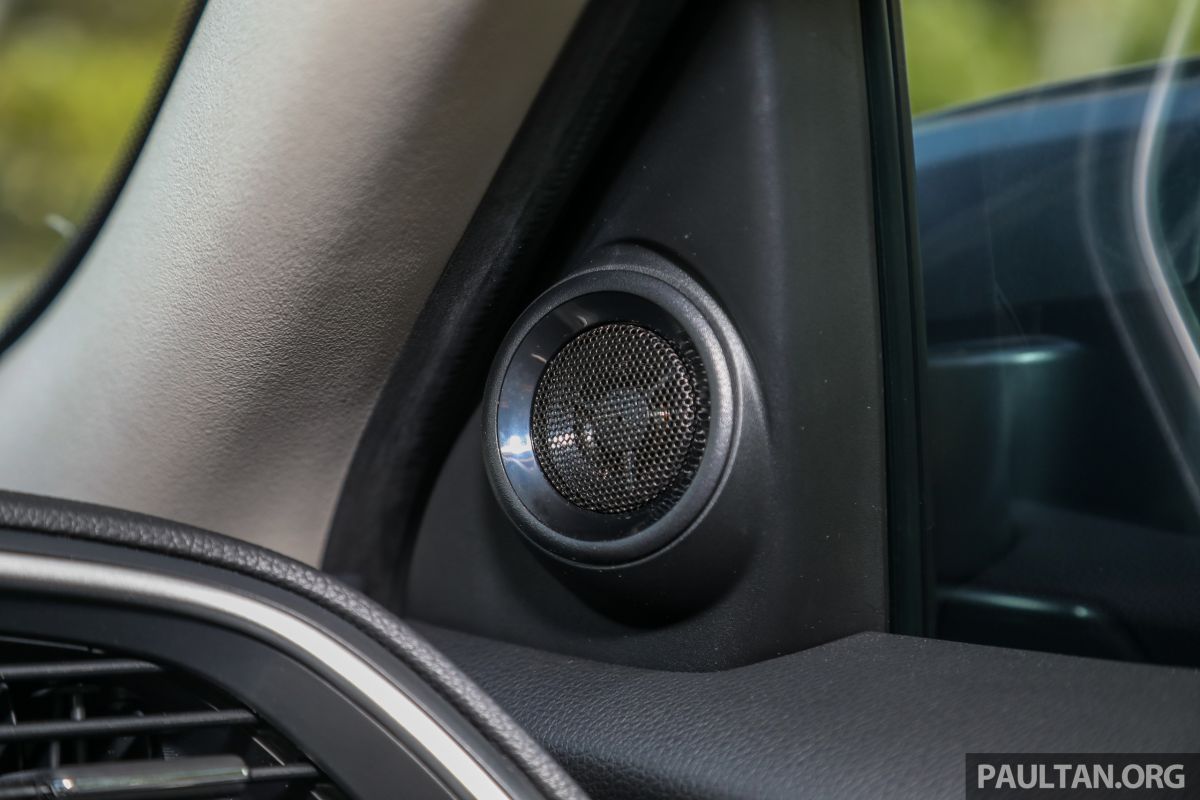
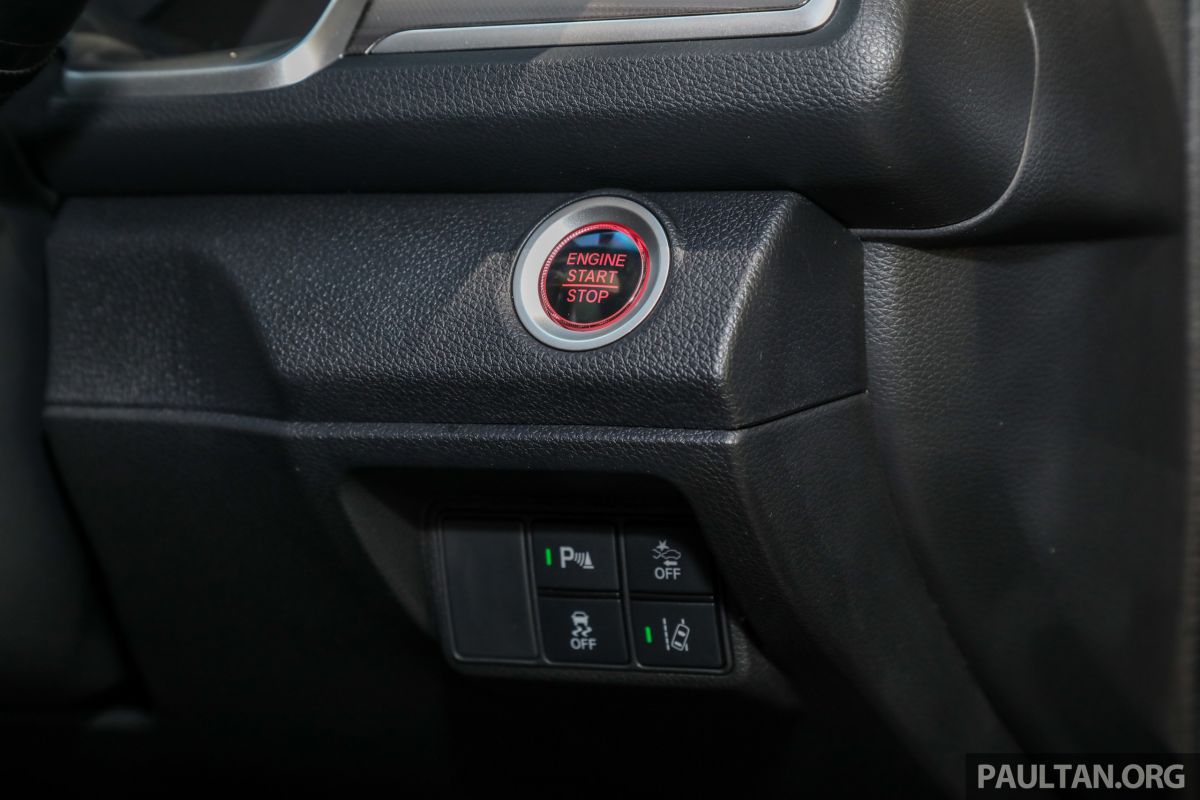
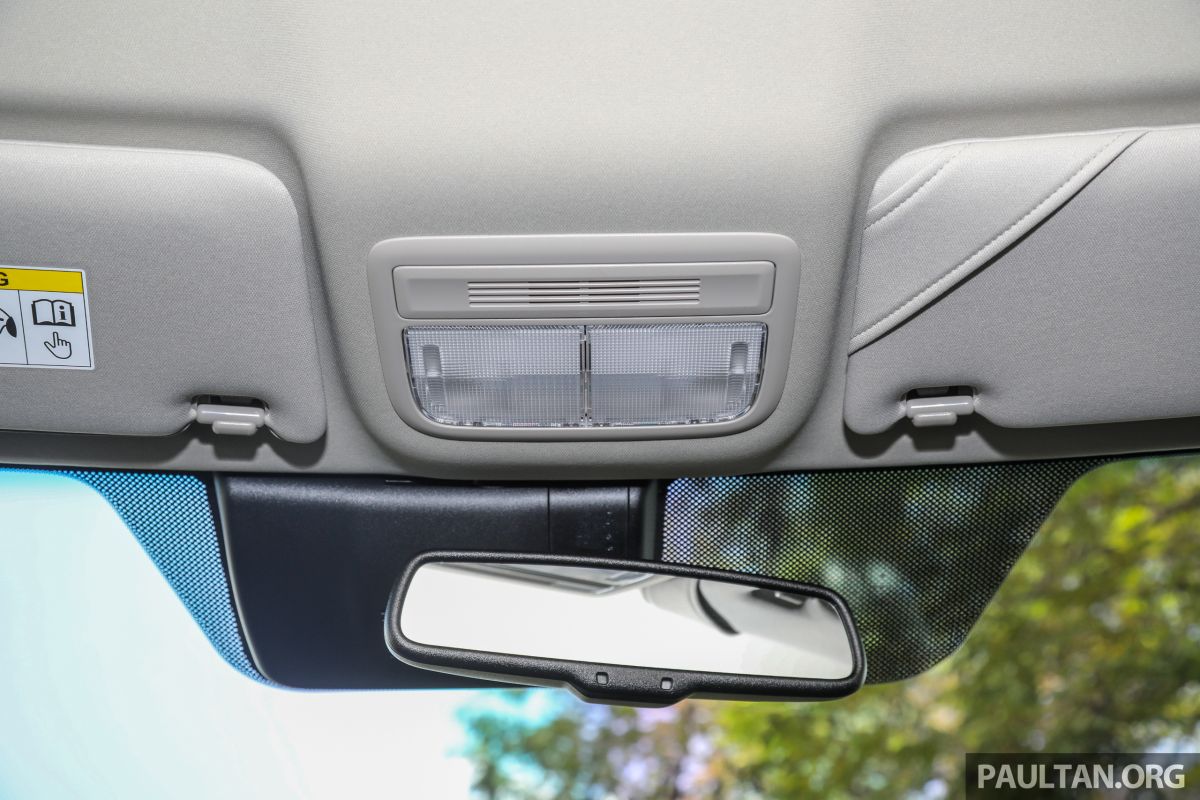
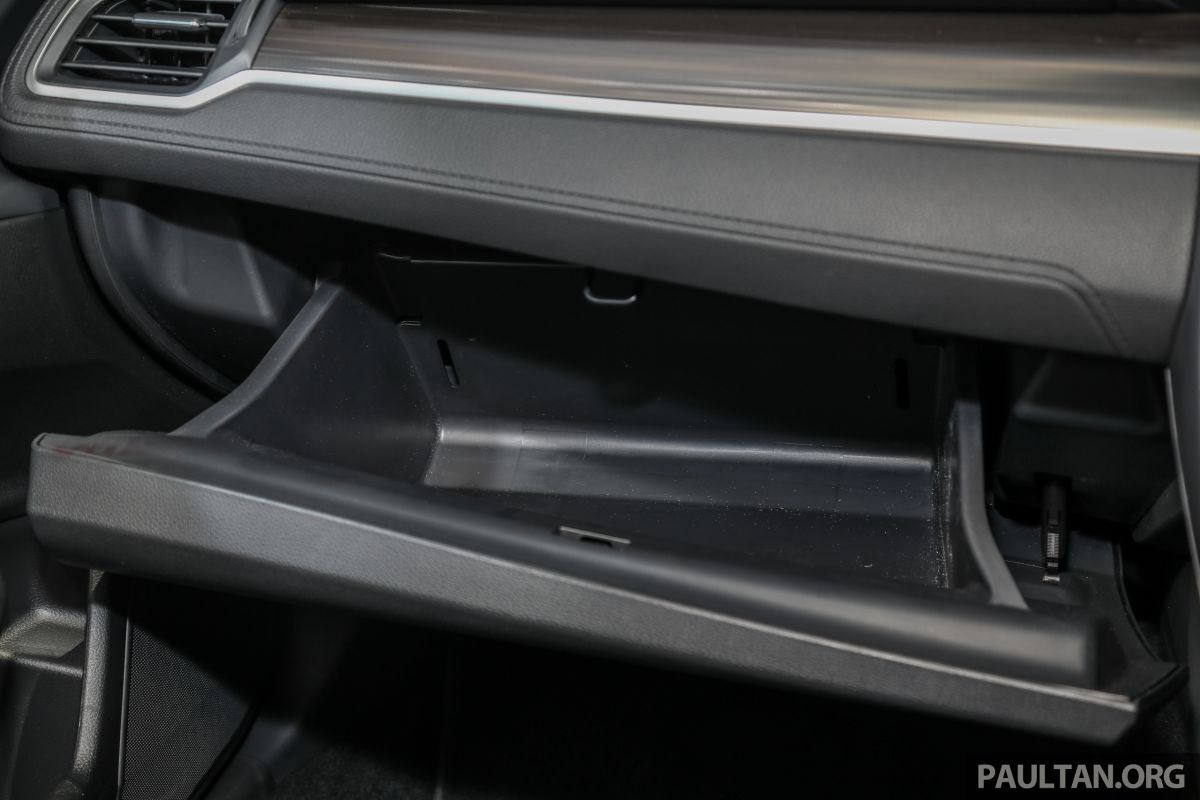
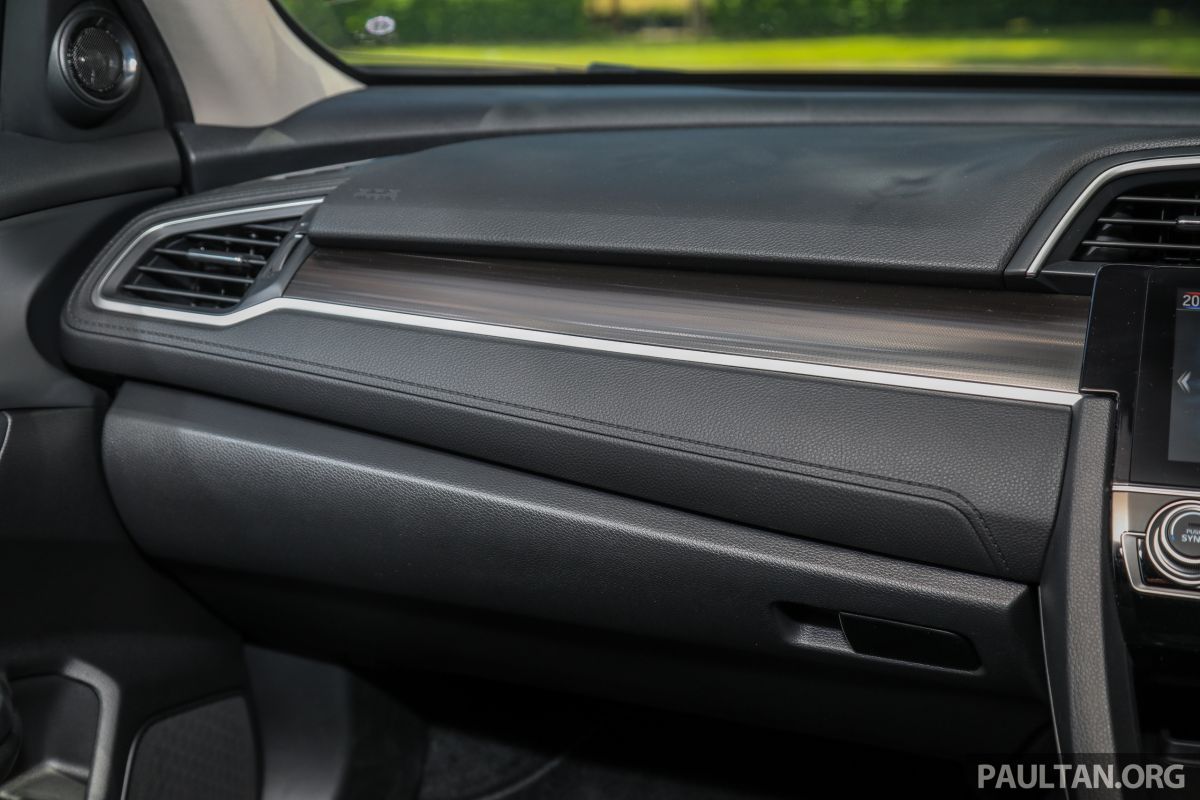
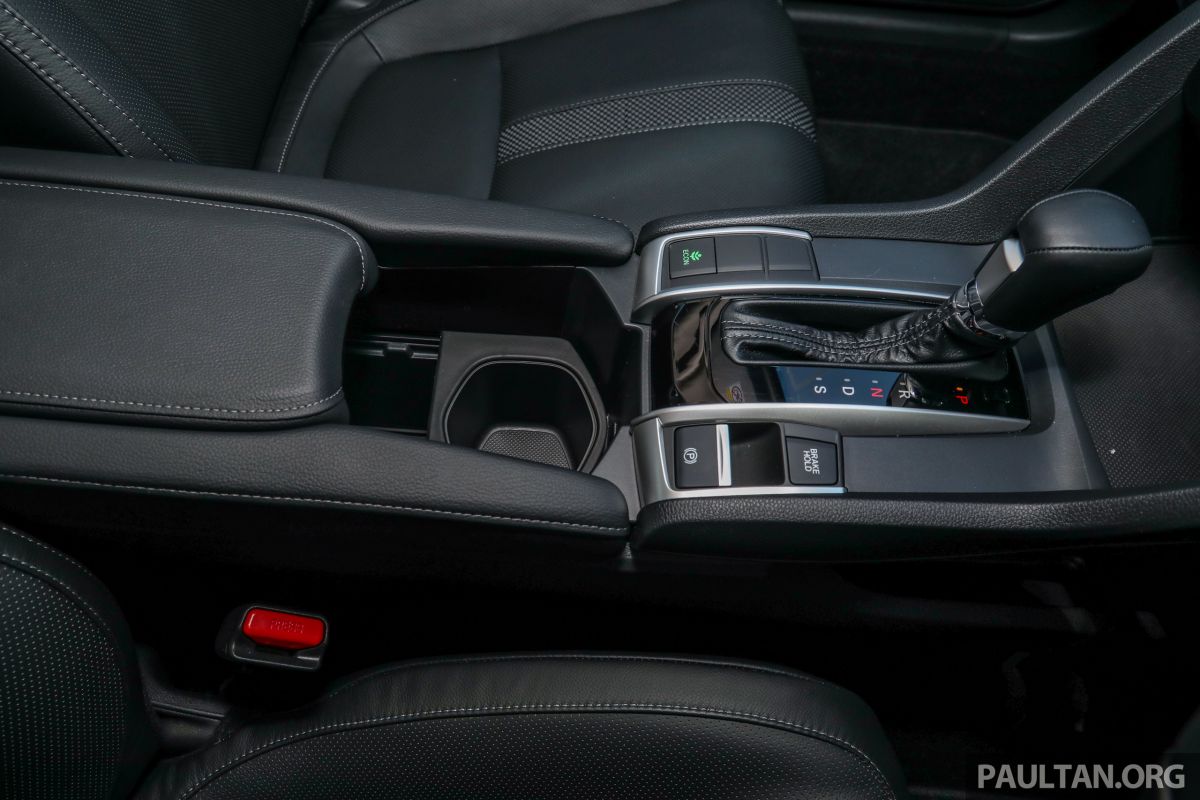
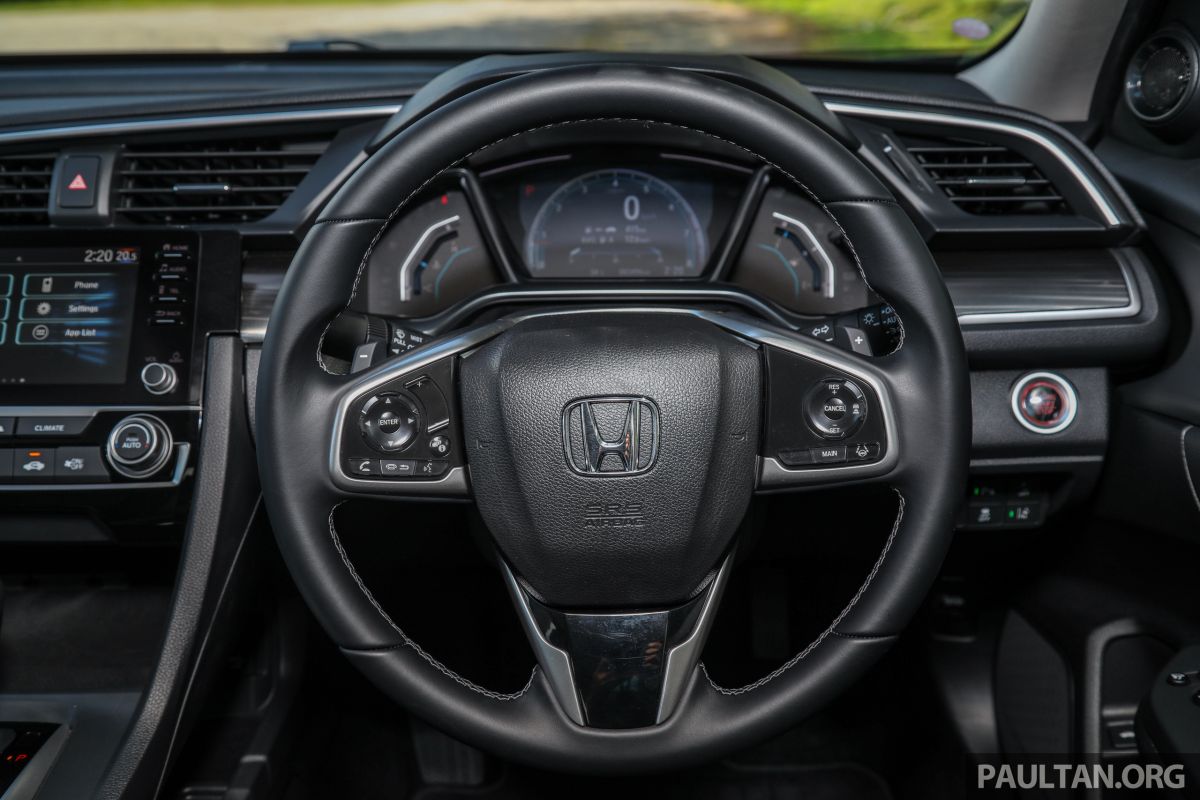
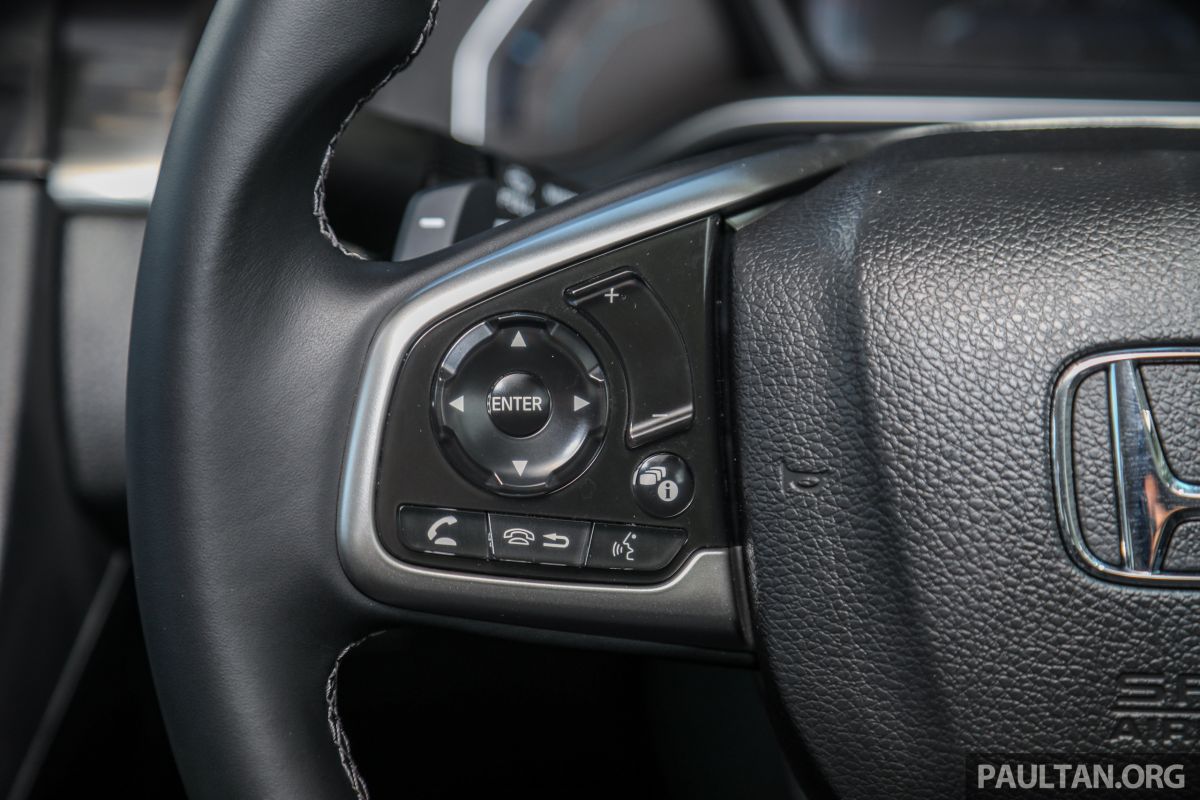
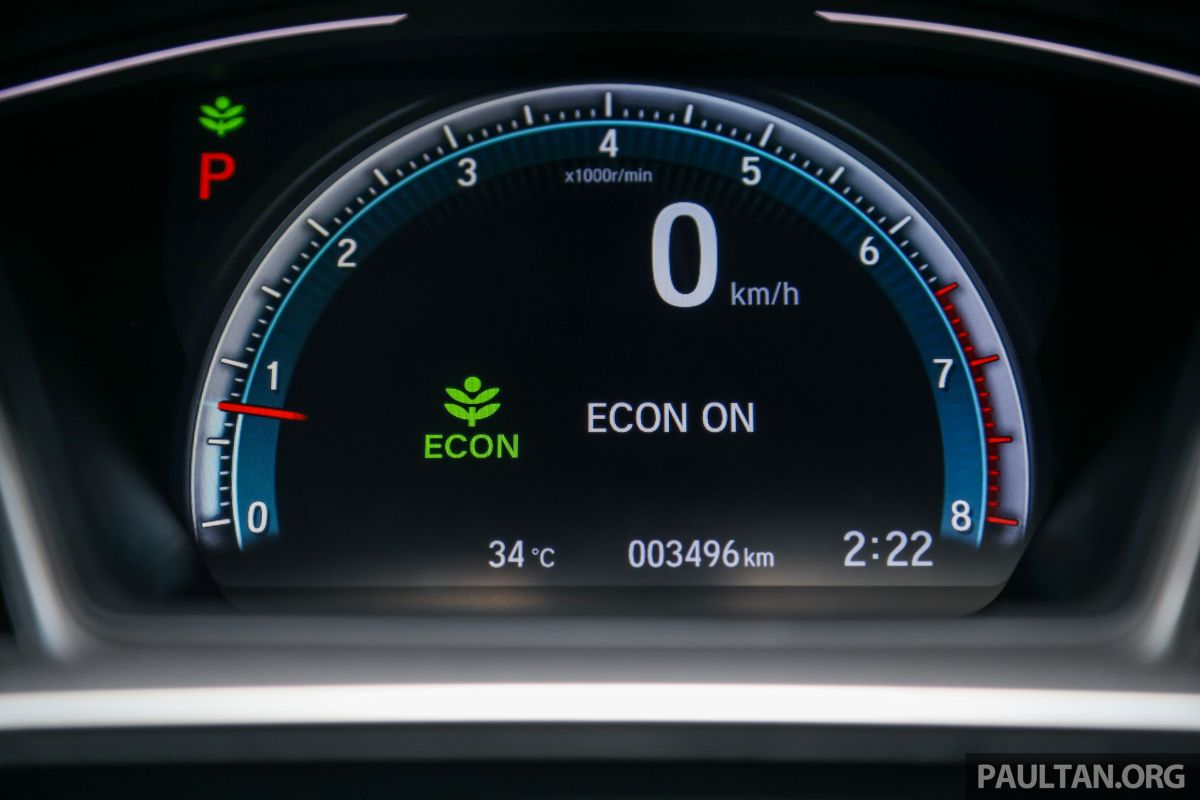
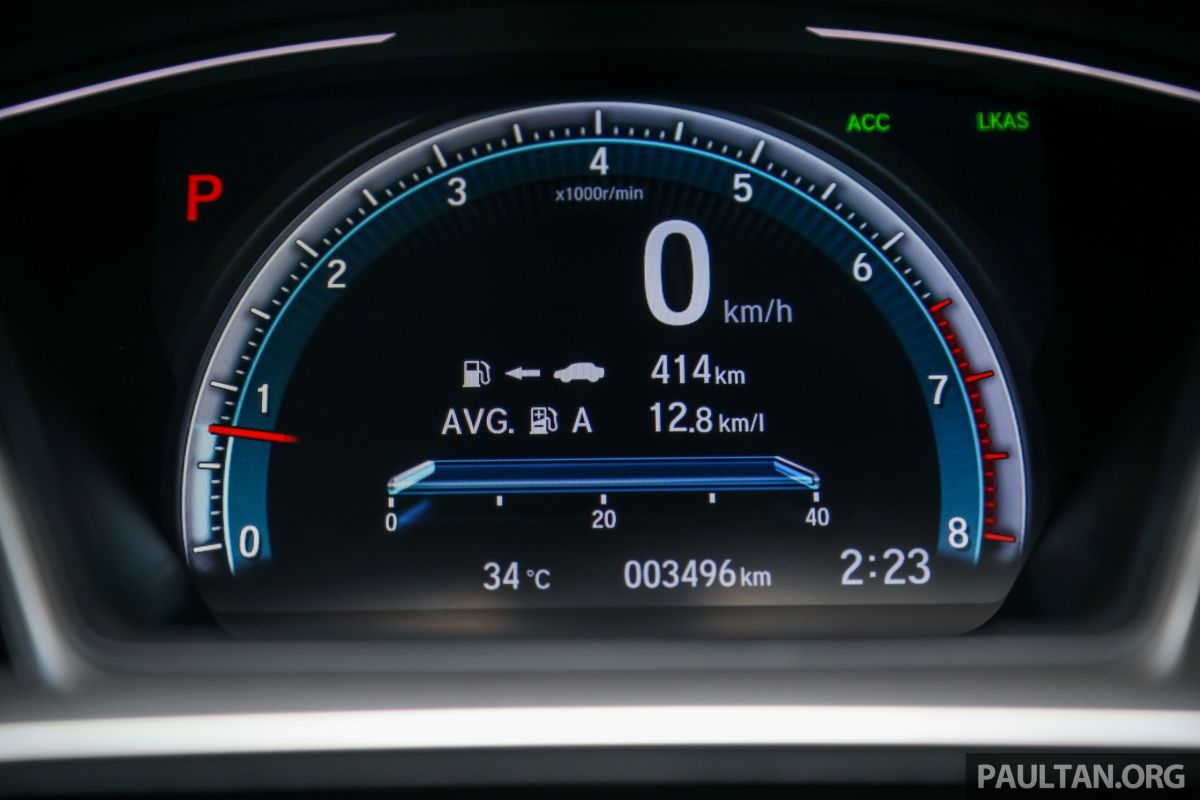
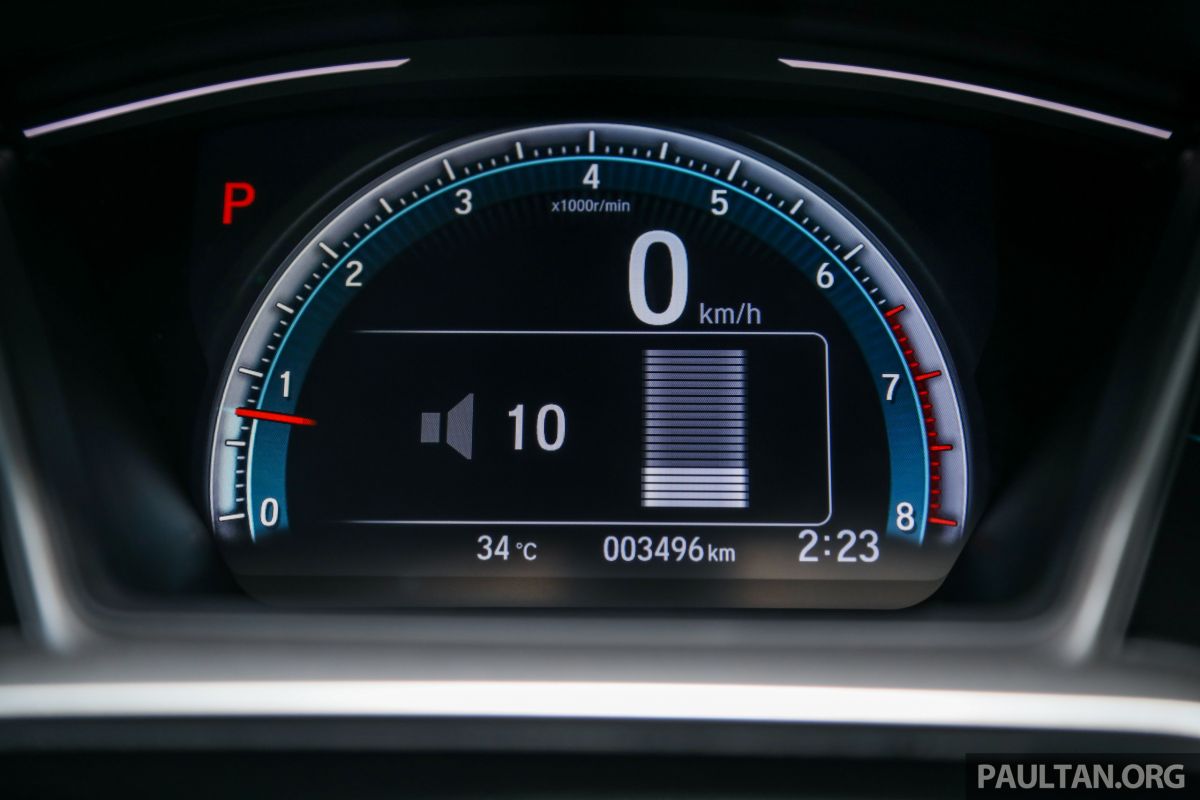
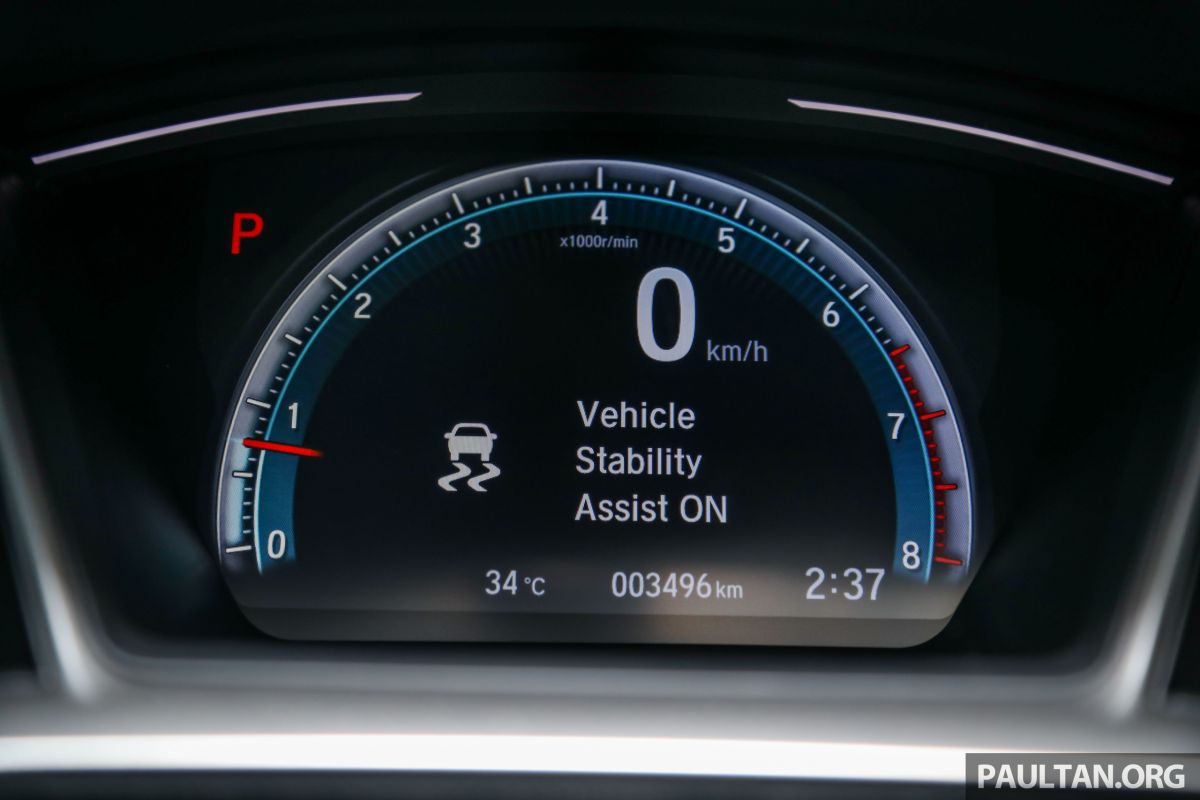
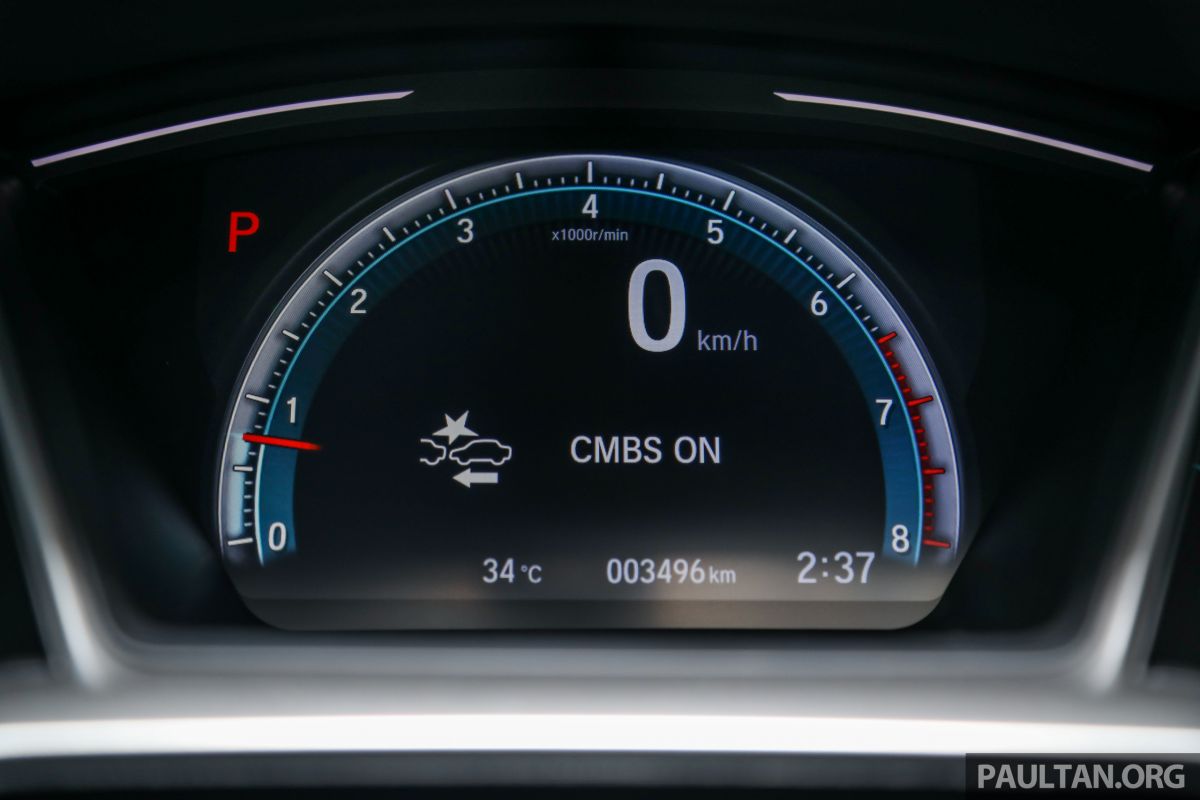
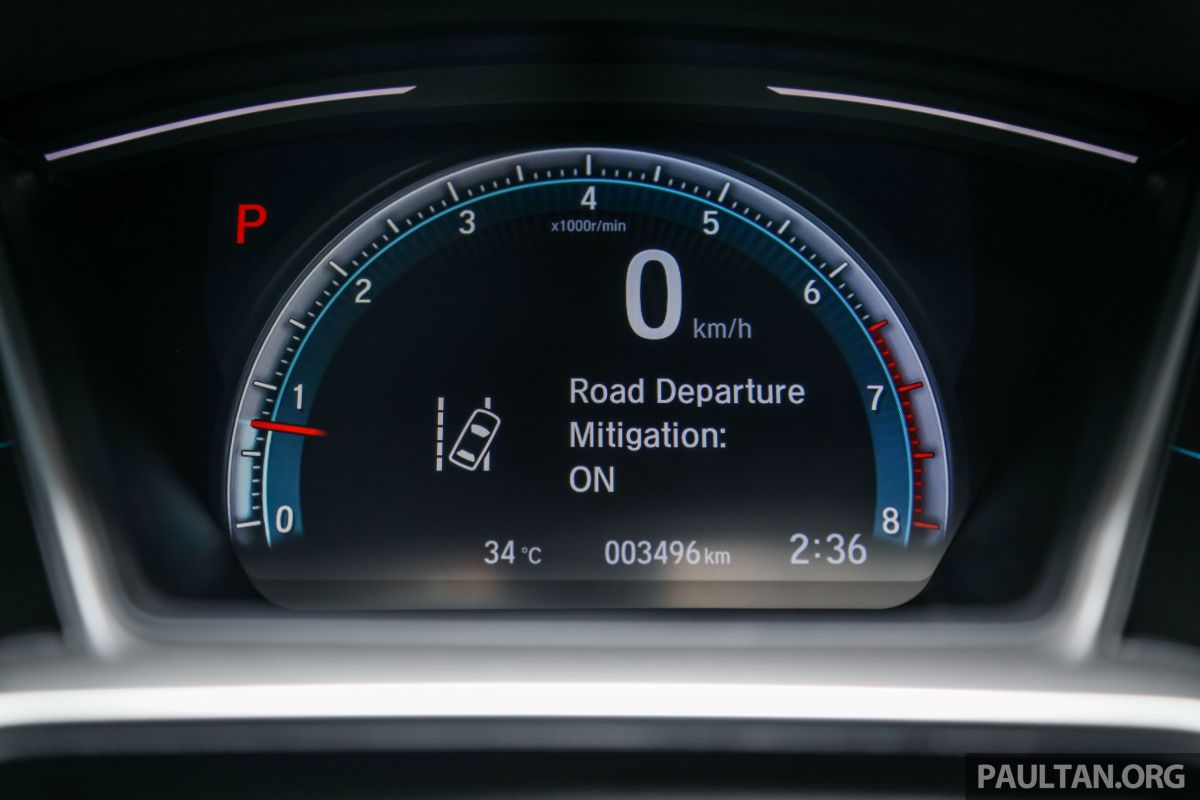
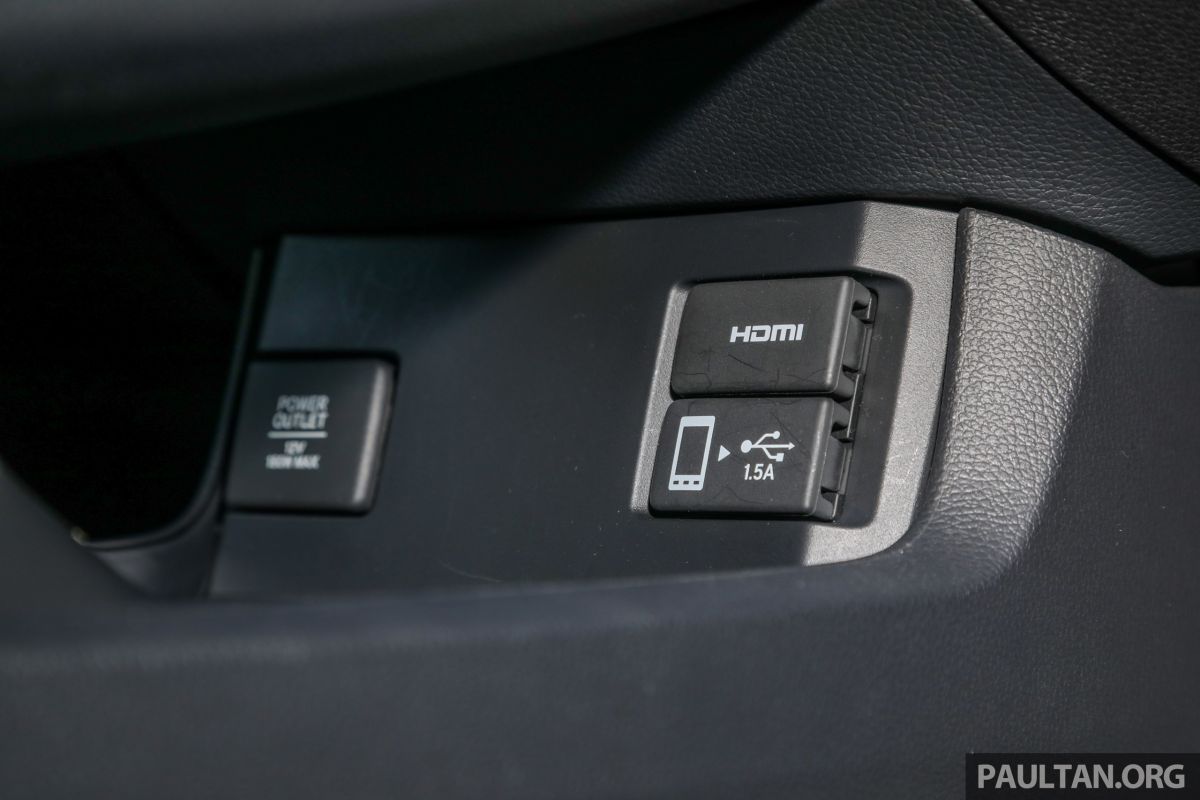
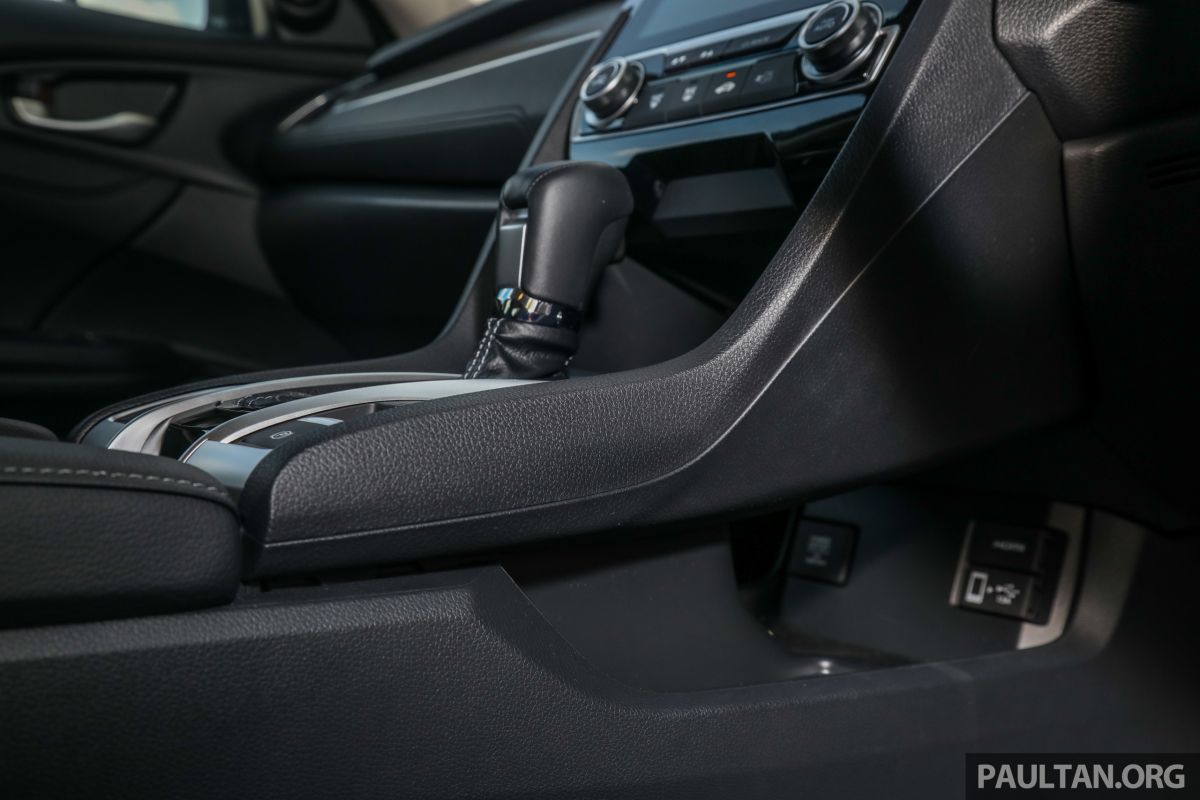
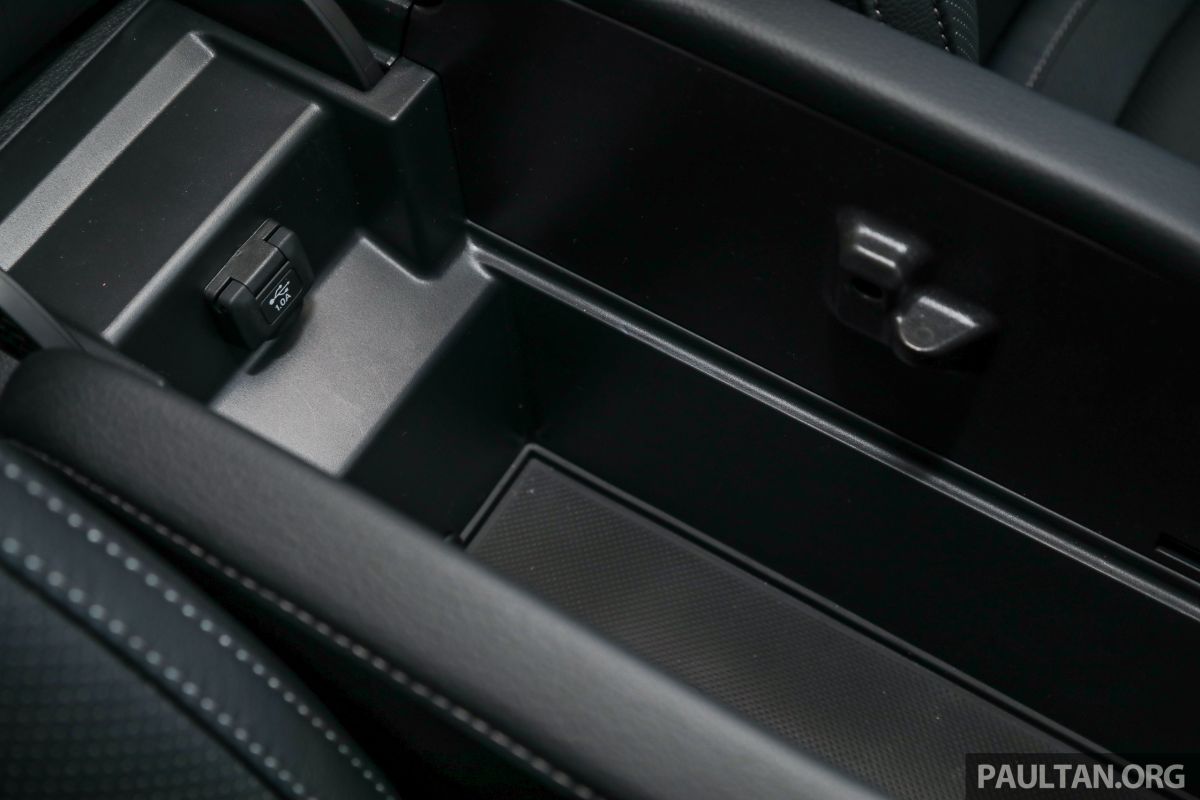
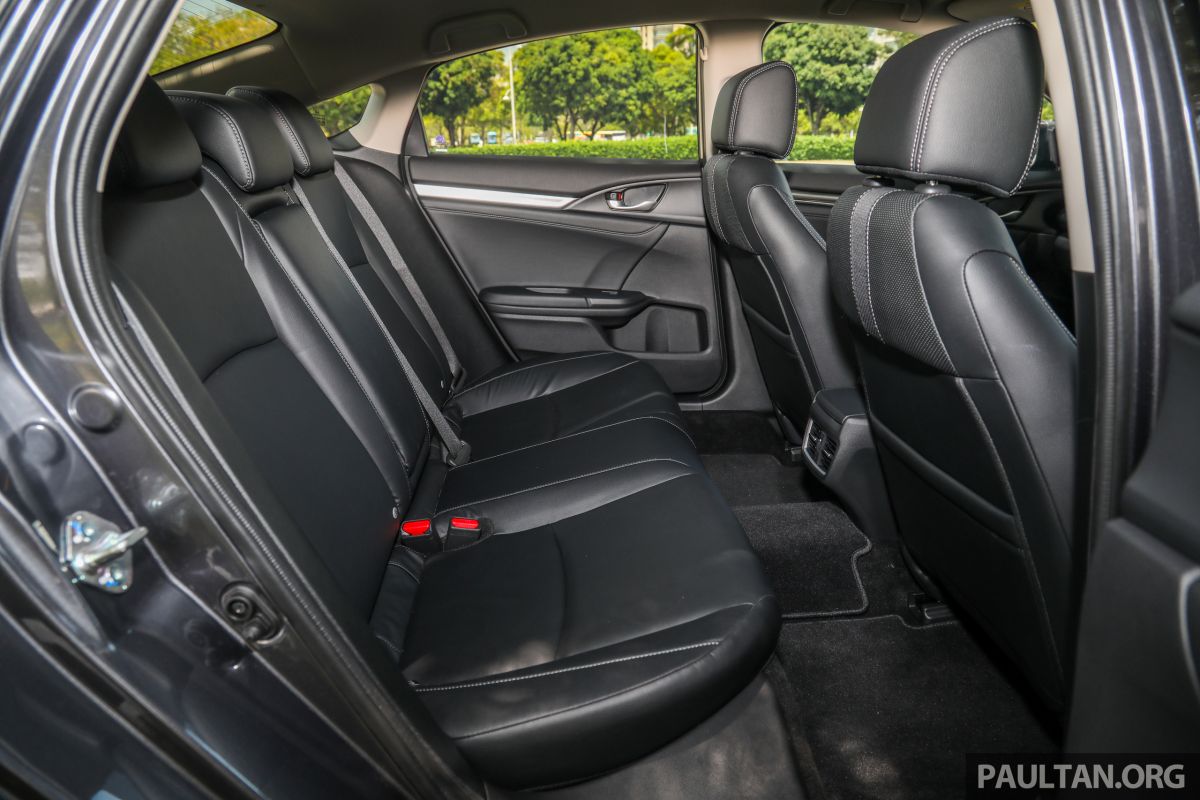
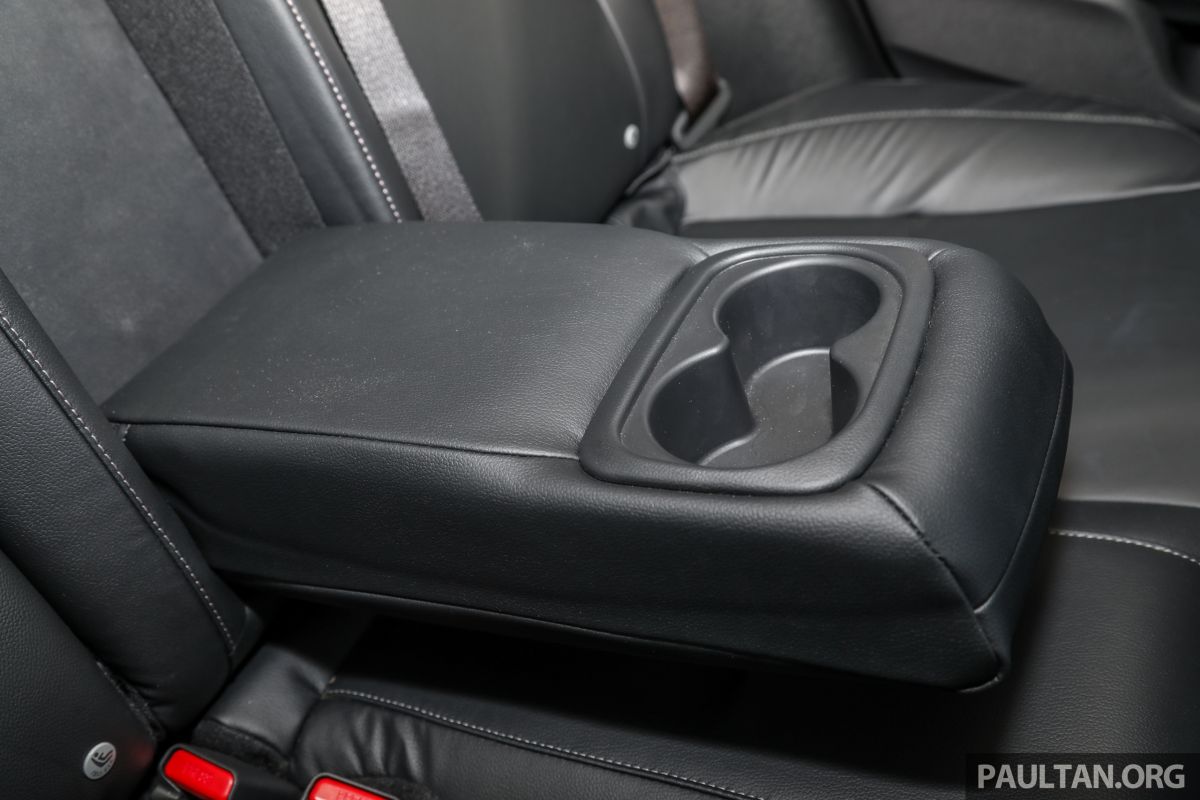
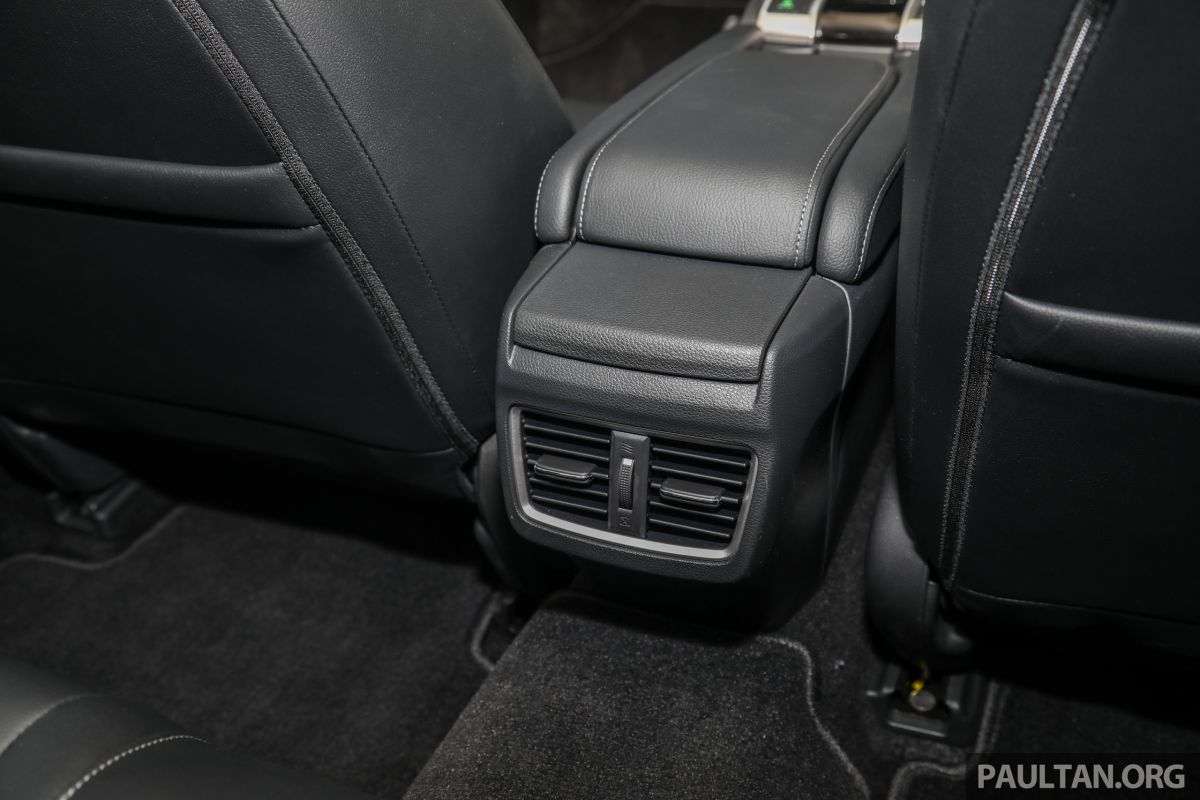
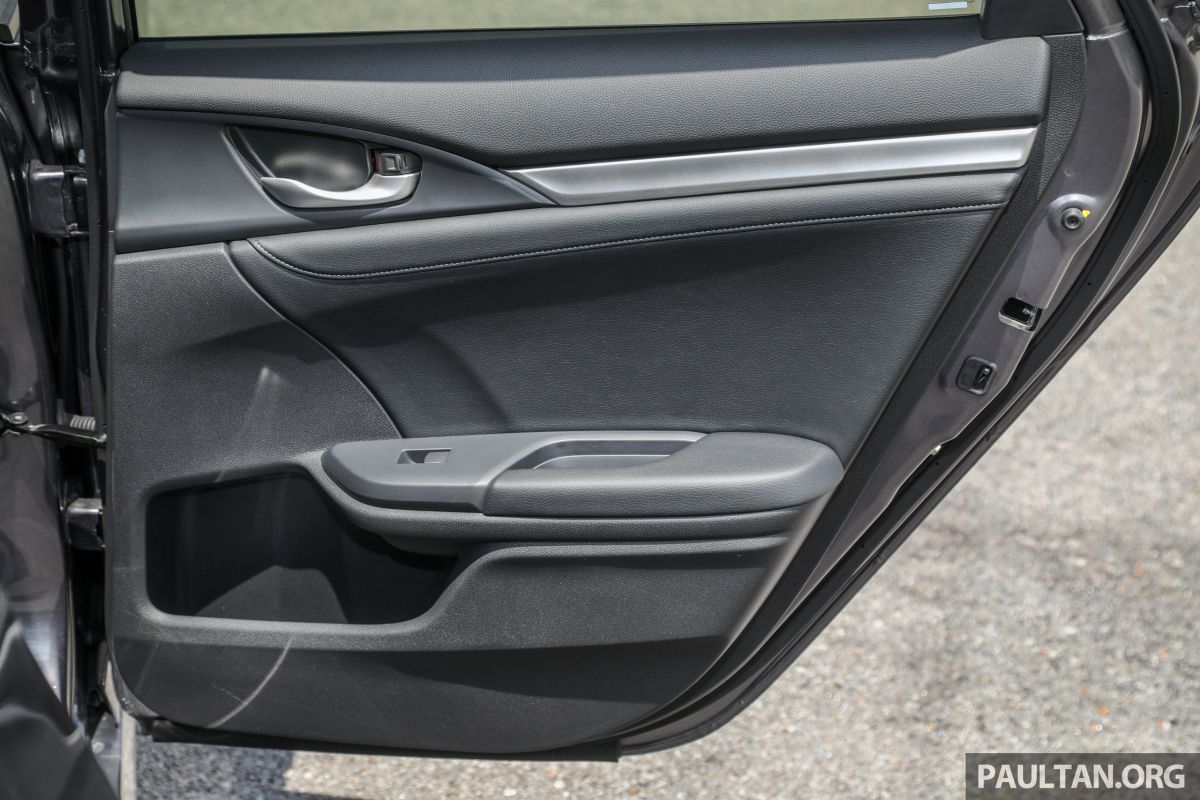
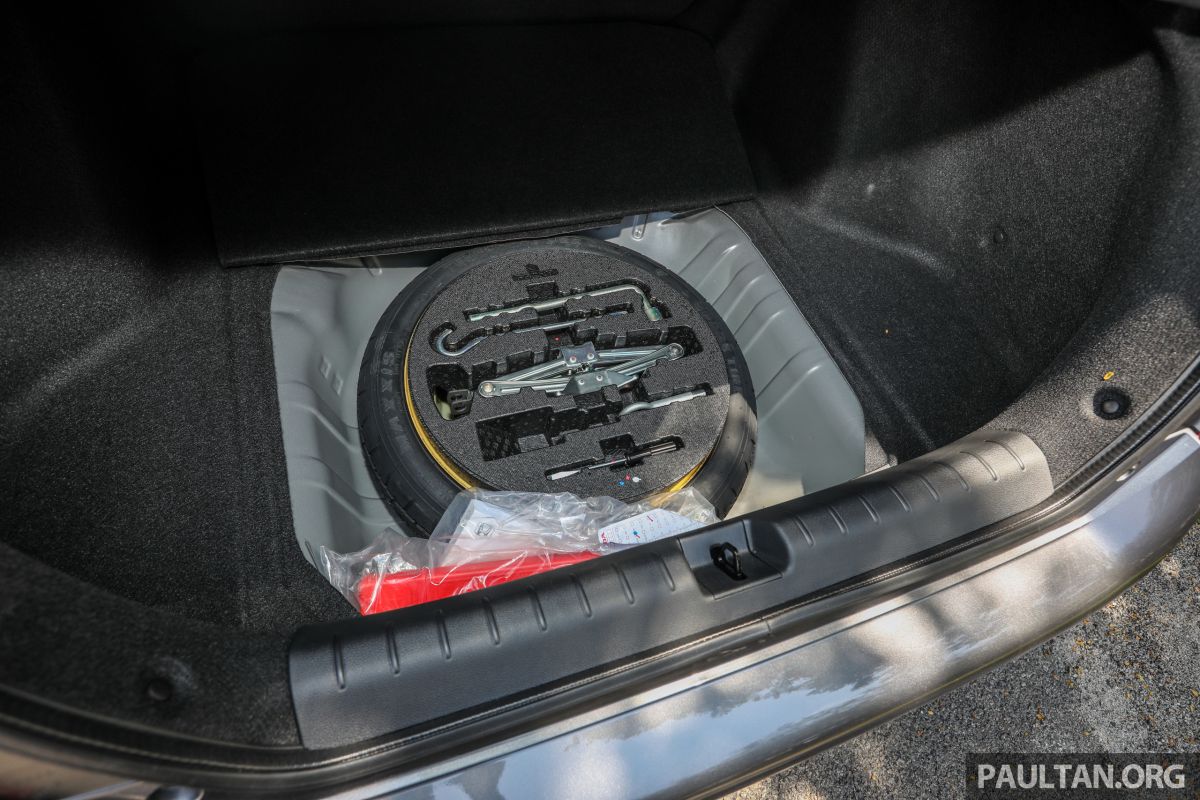
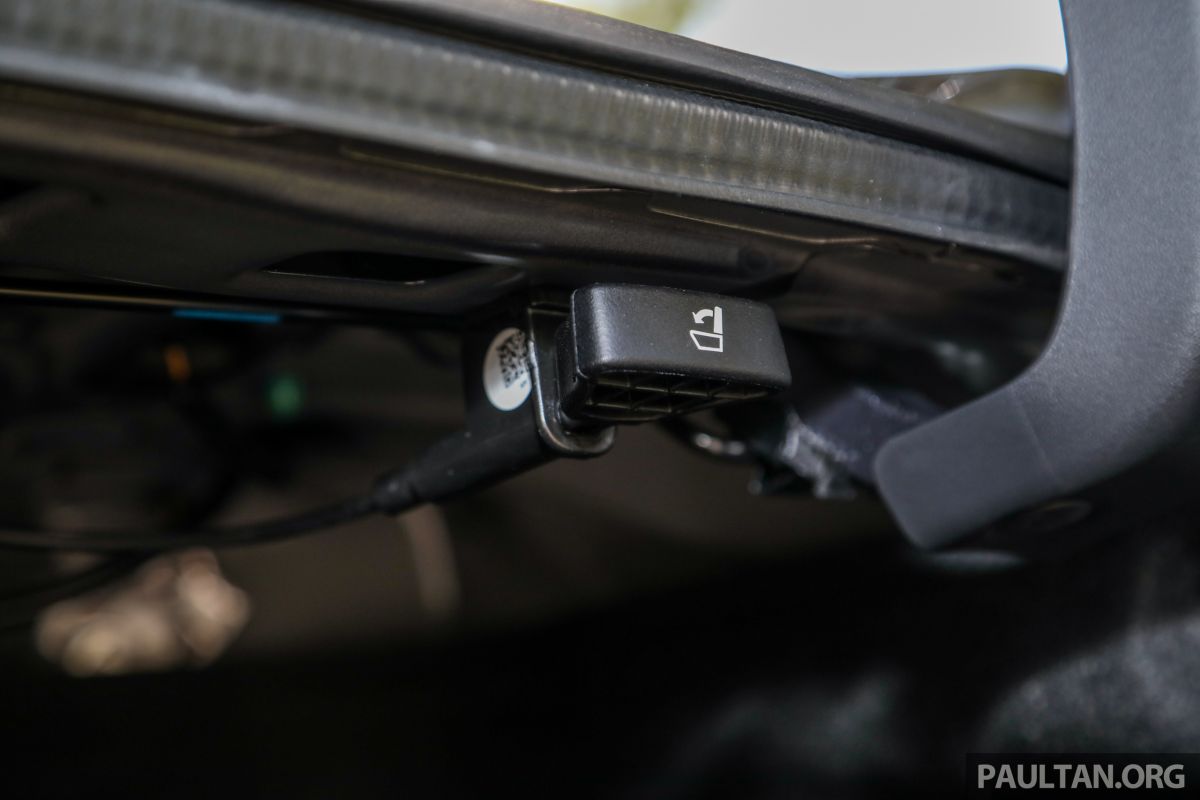
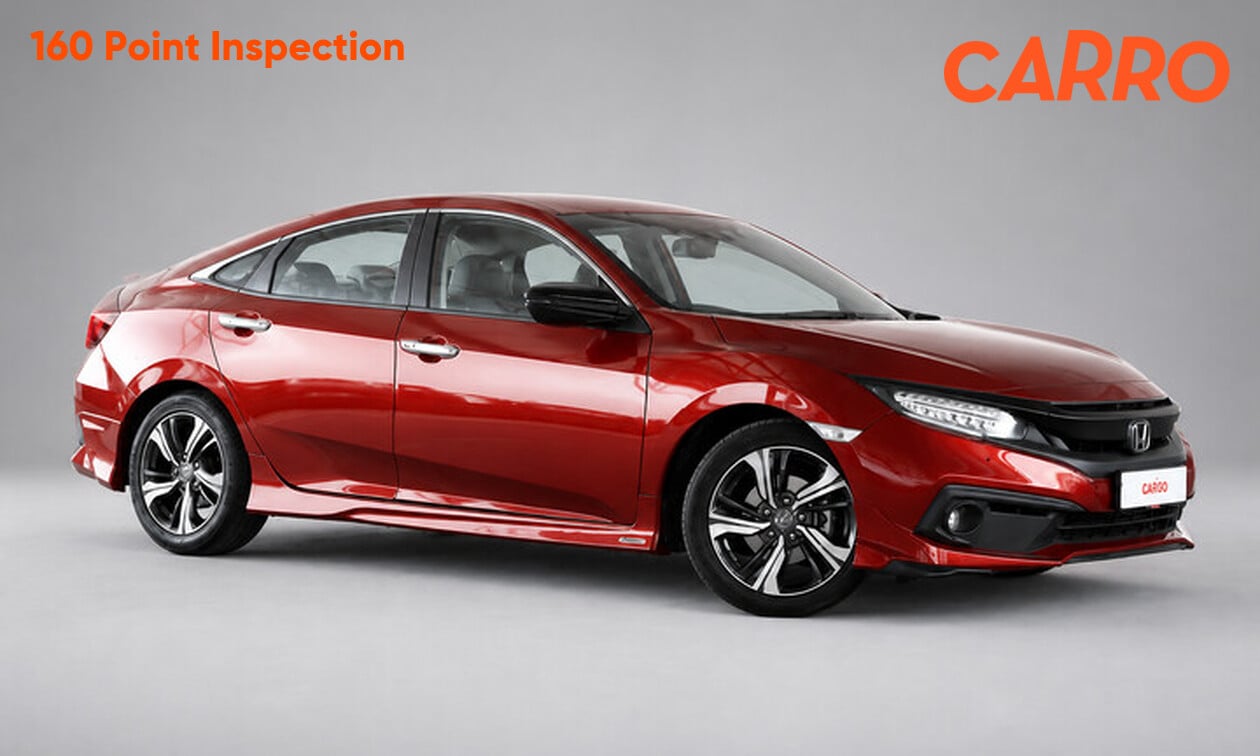
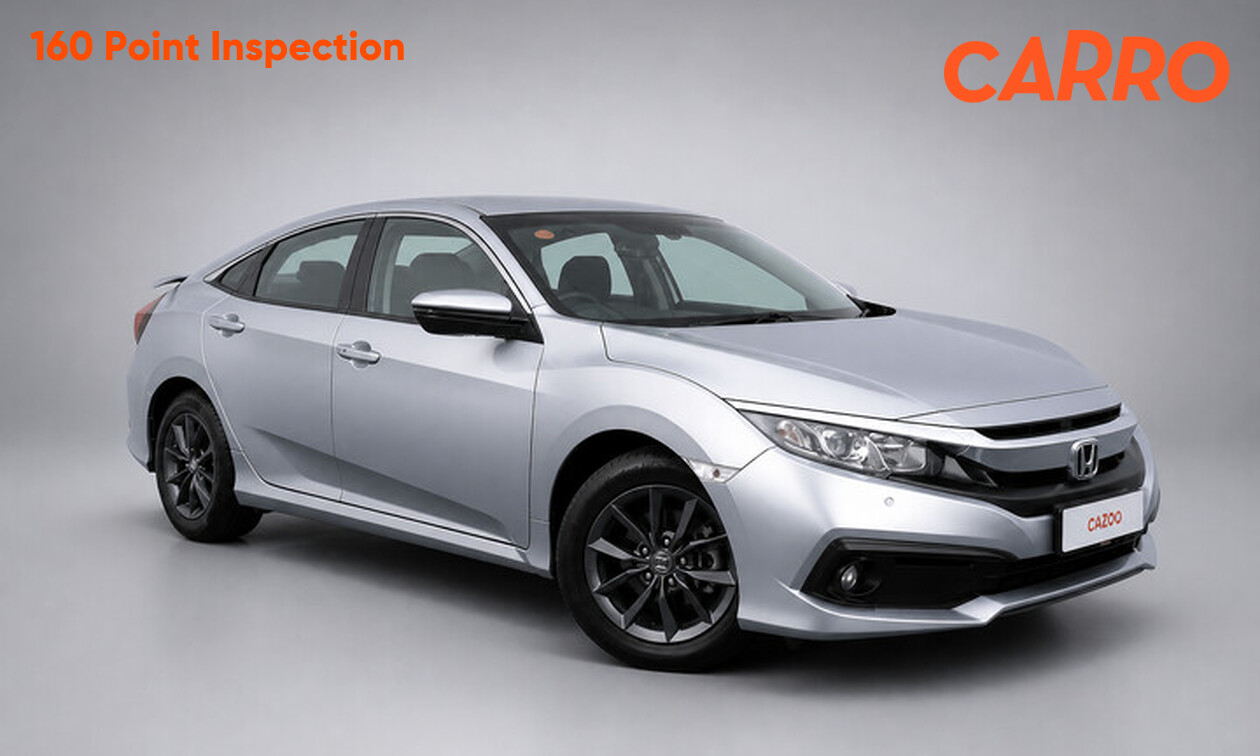
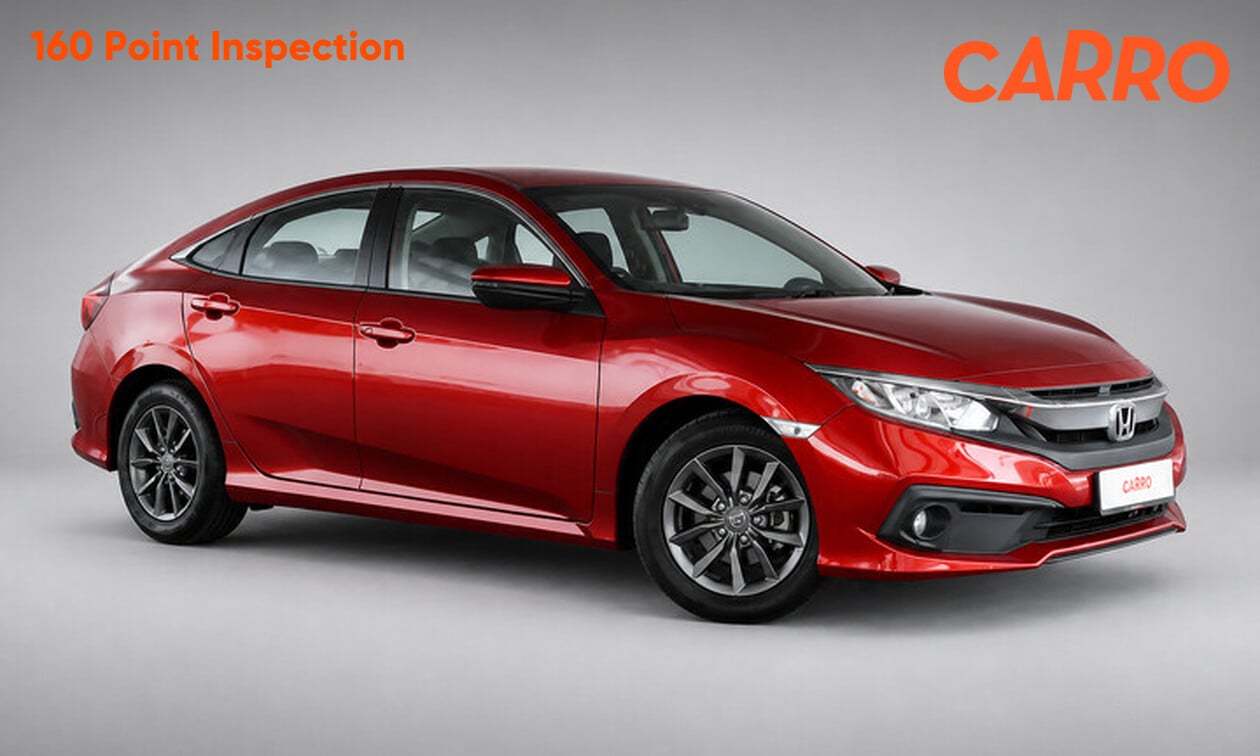
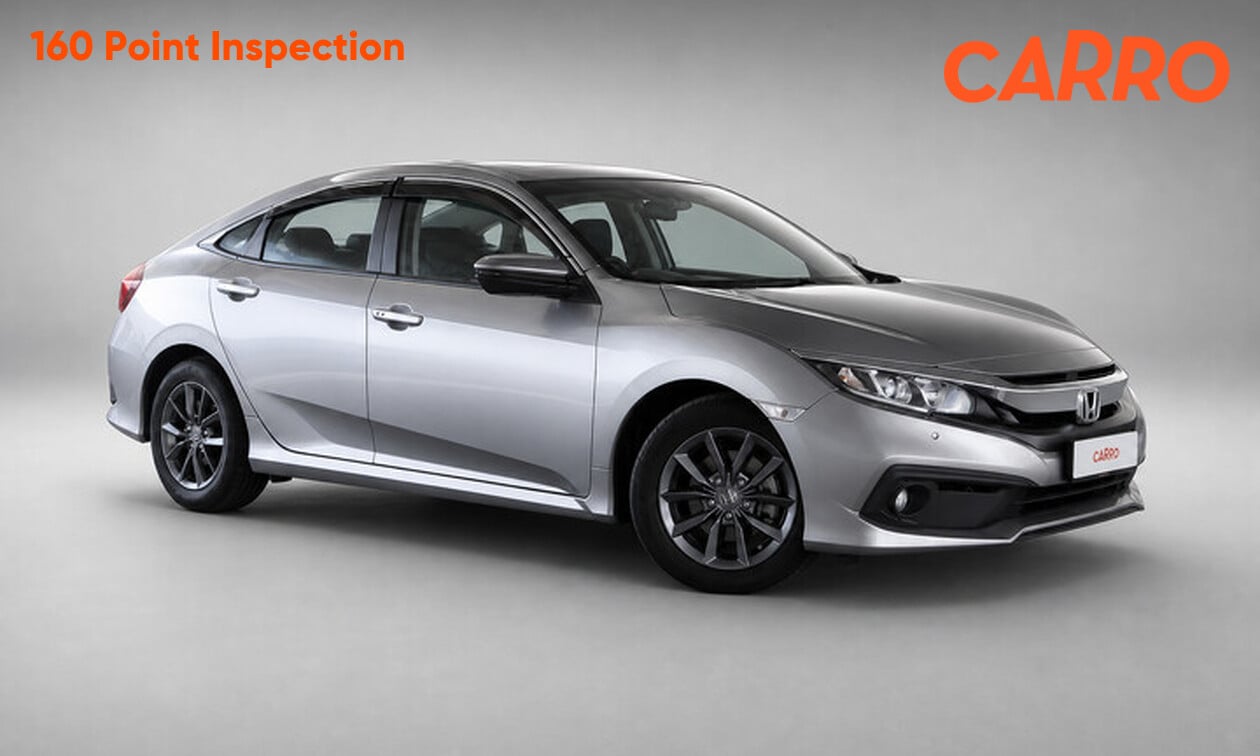
GALLERY: 2016 Honda Civic 1.5 Turbo







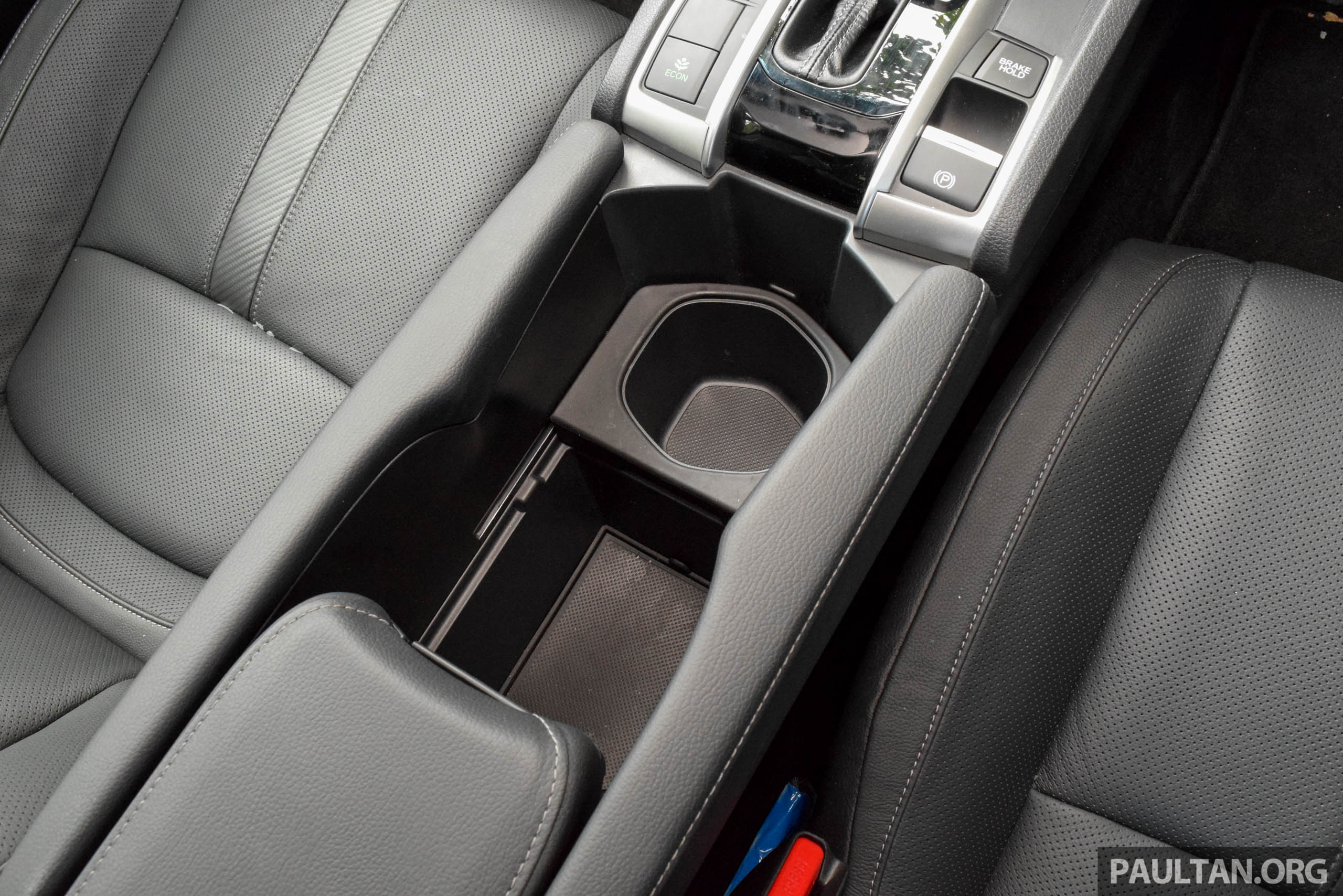
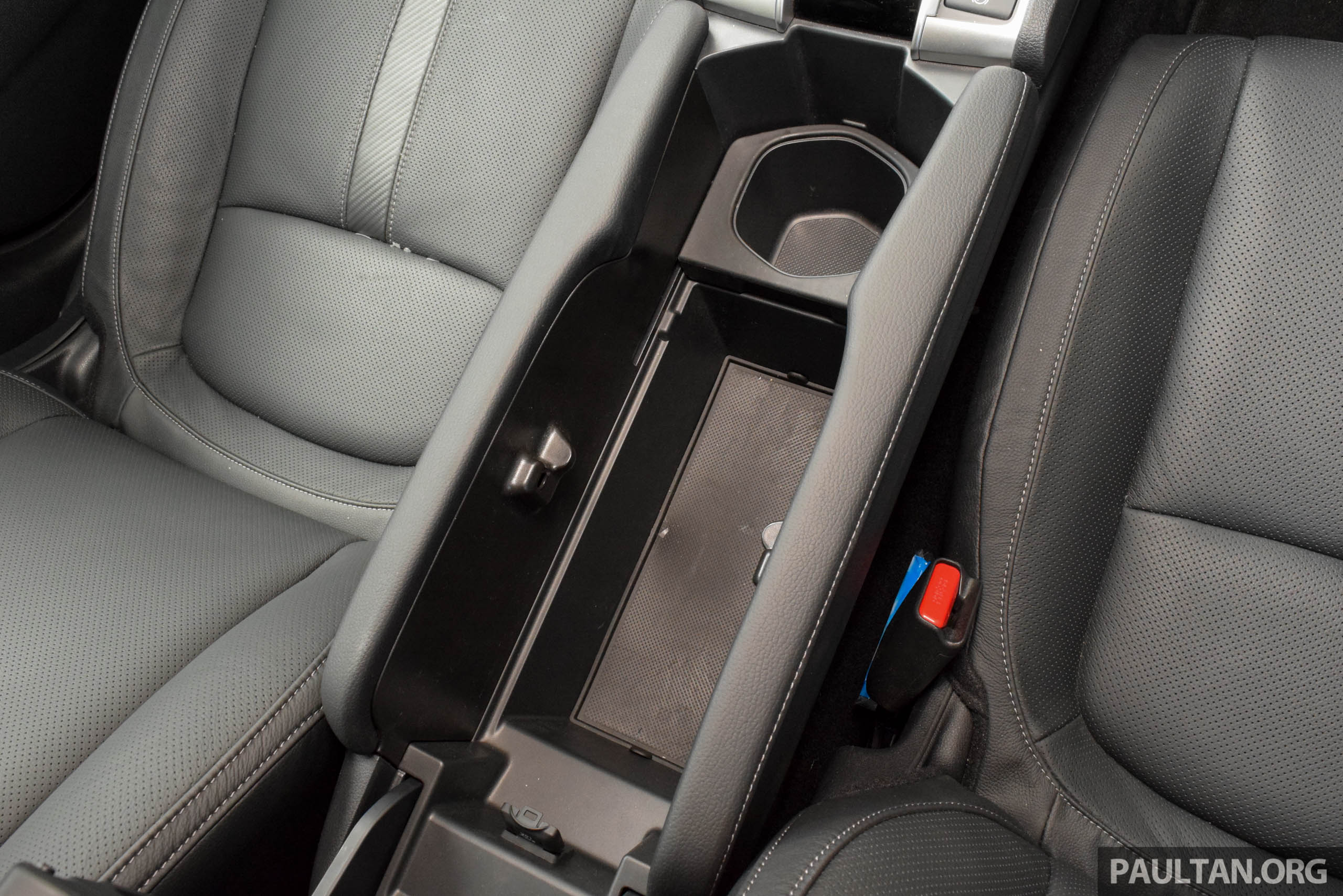
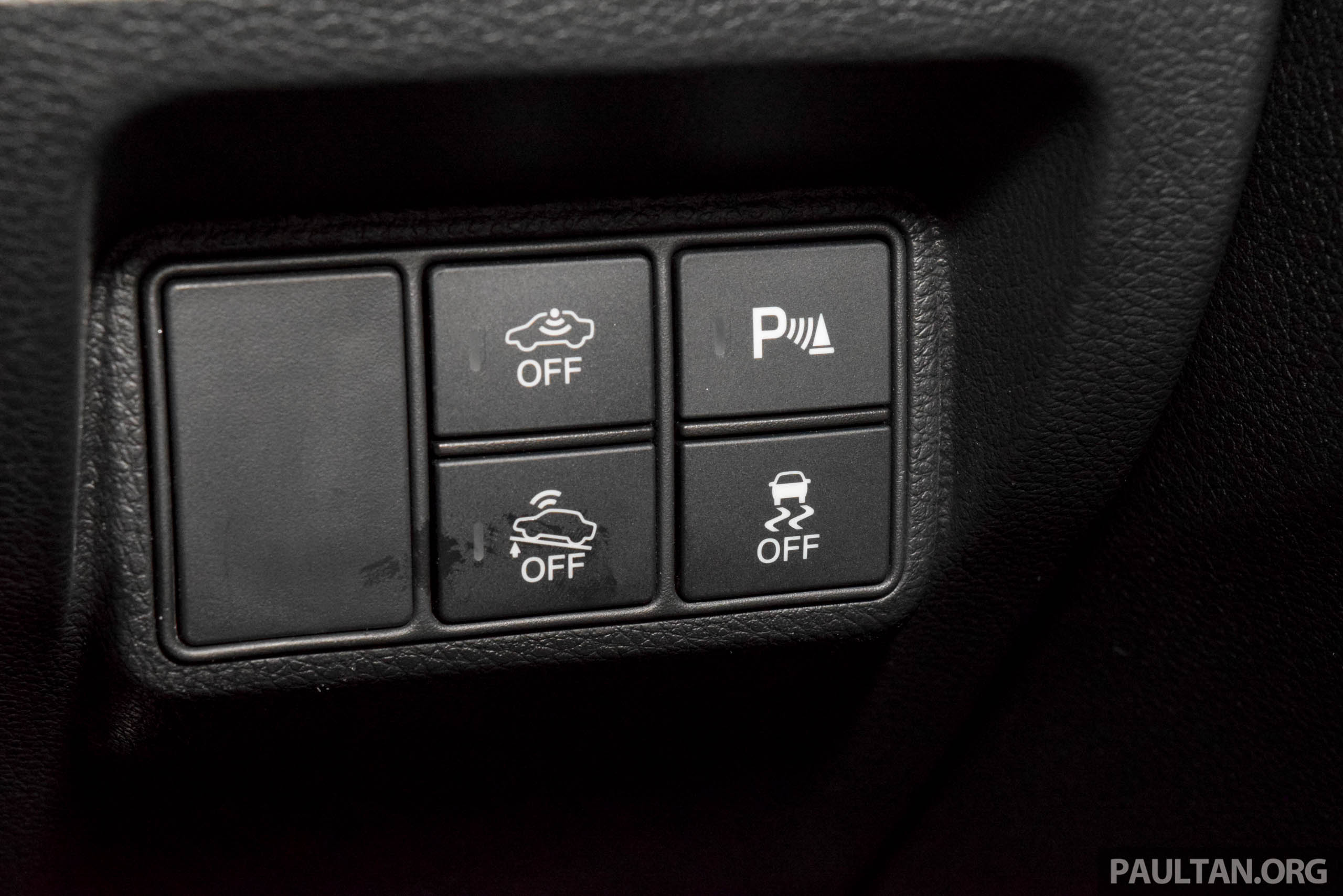
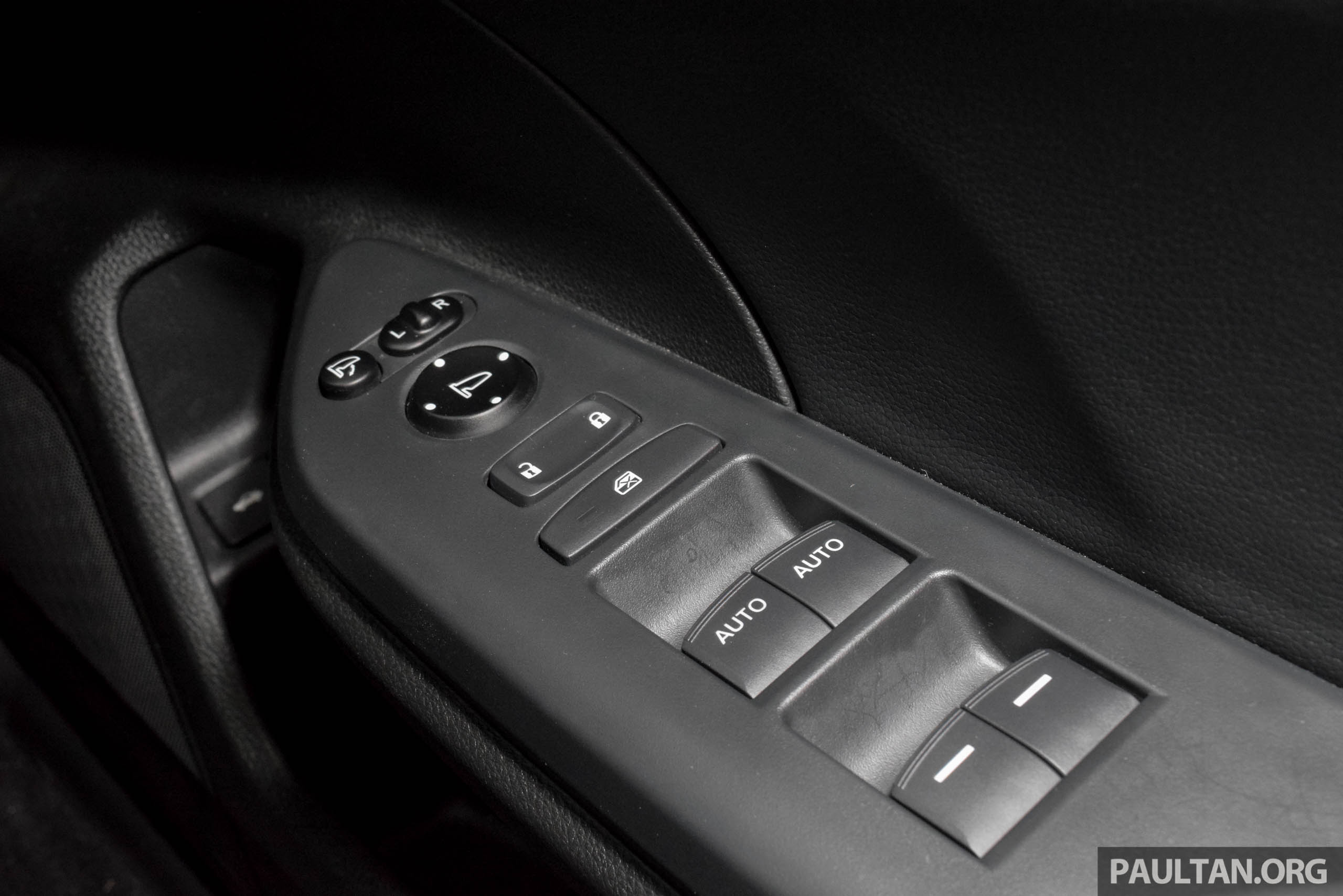
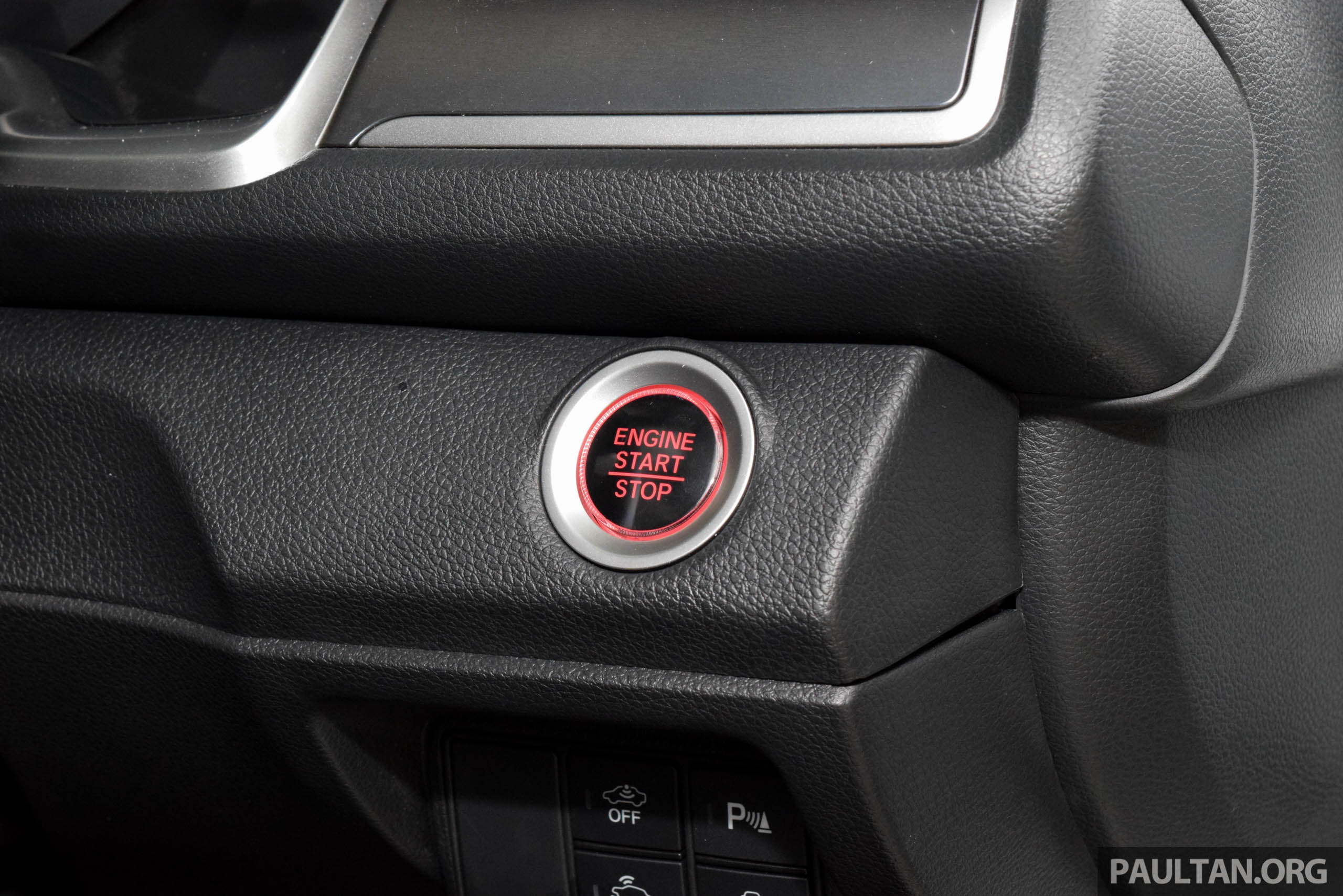
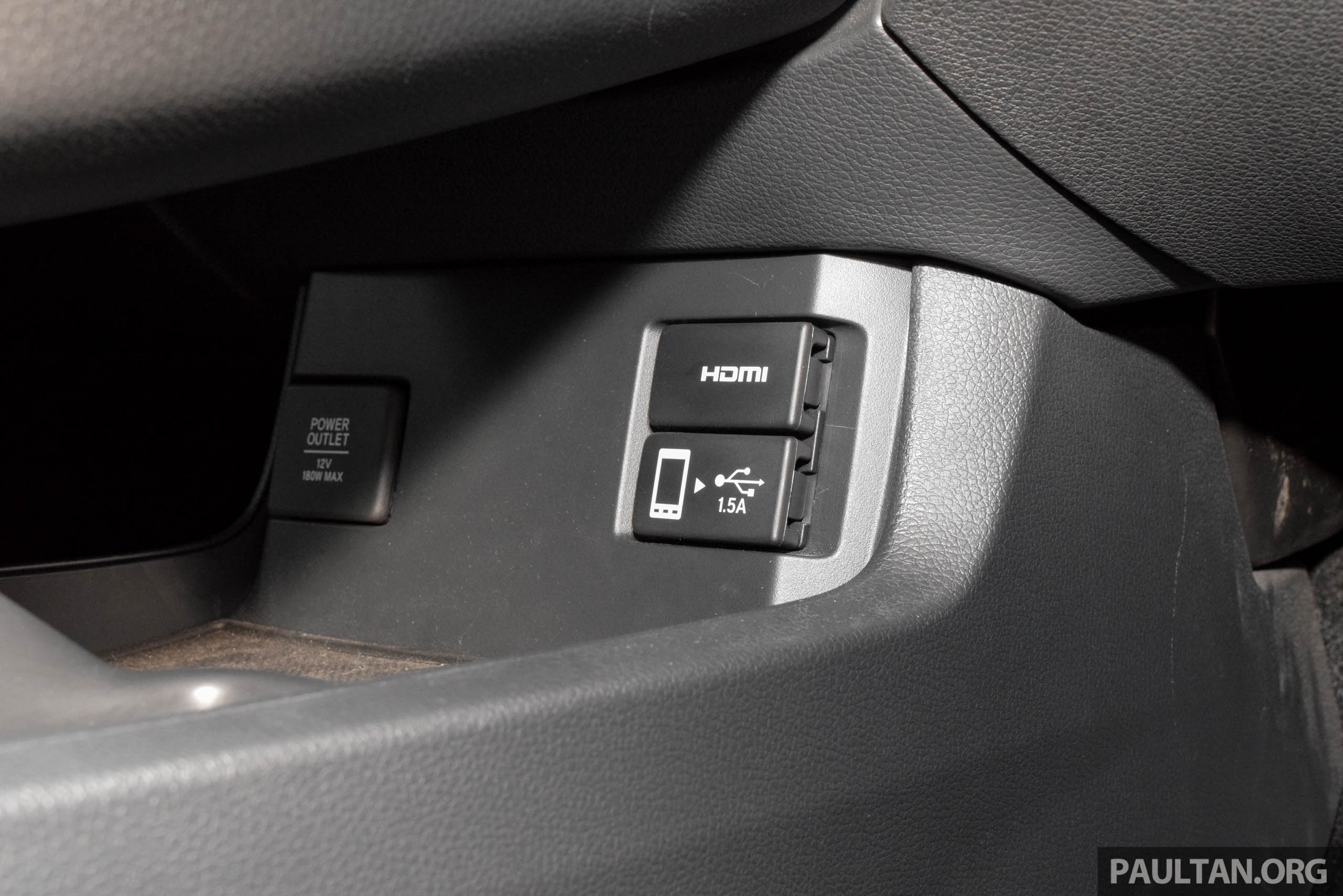
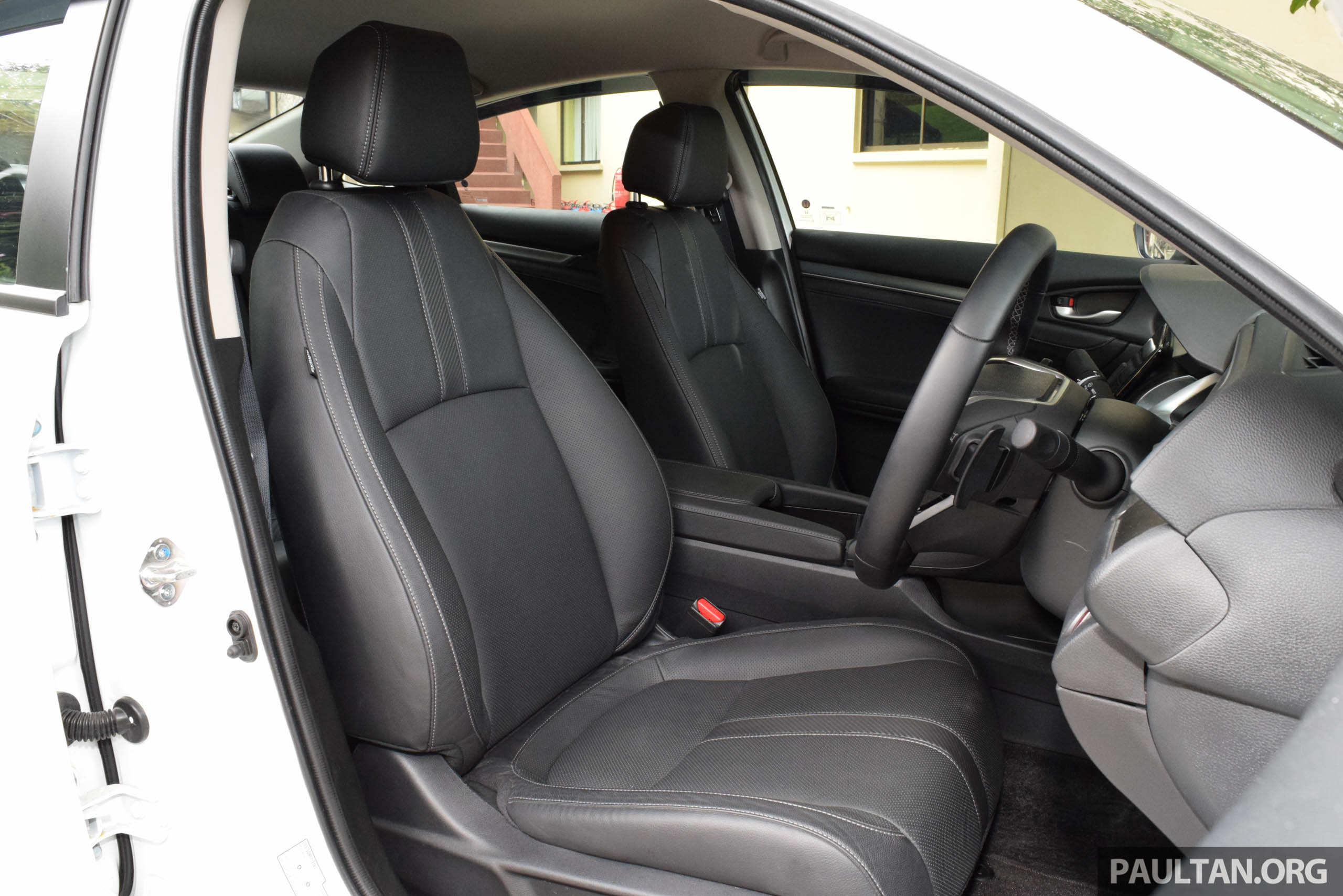
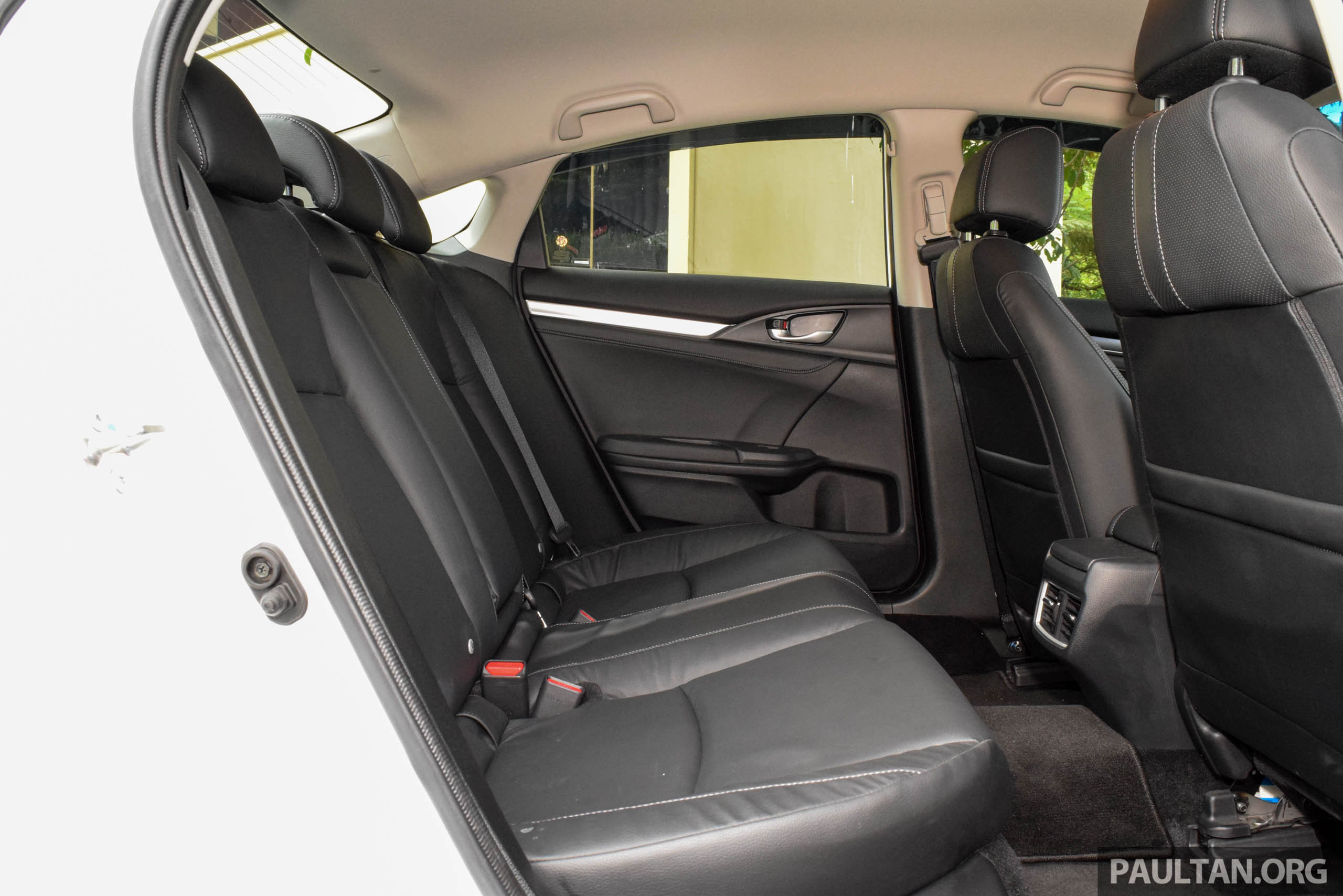











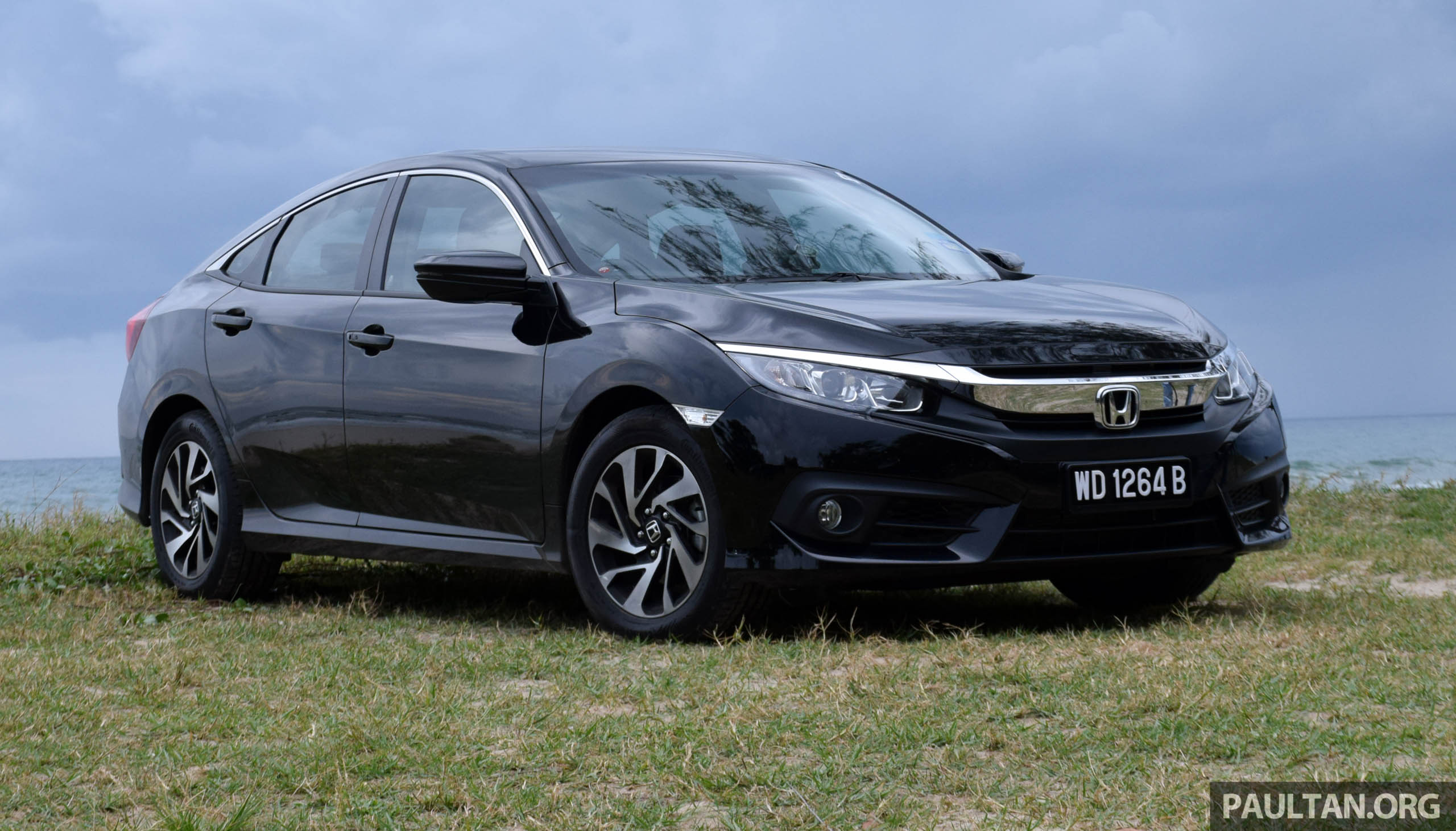











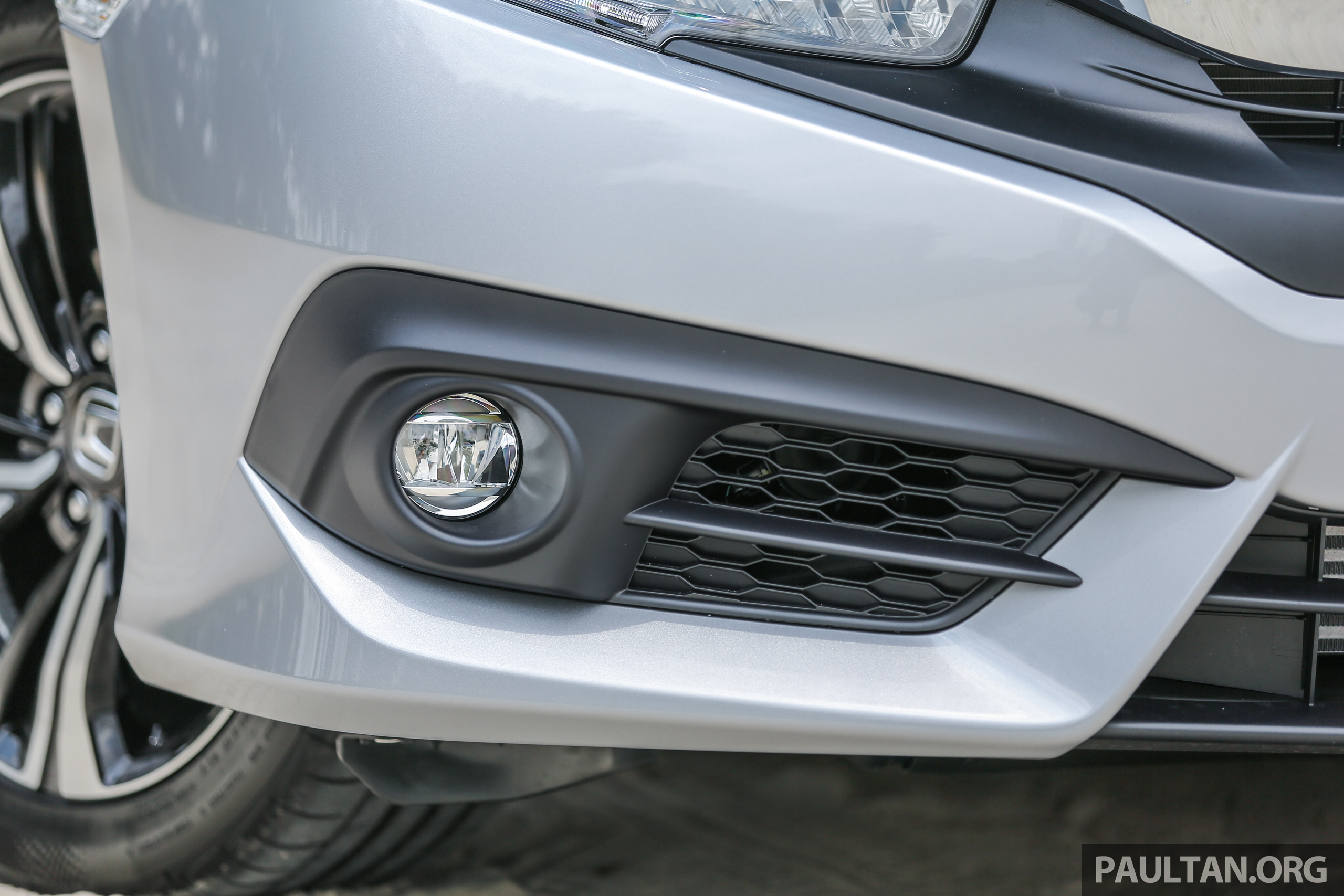
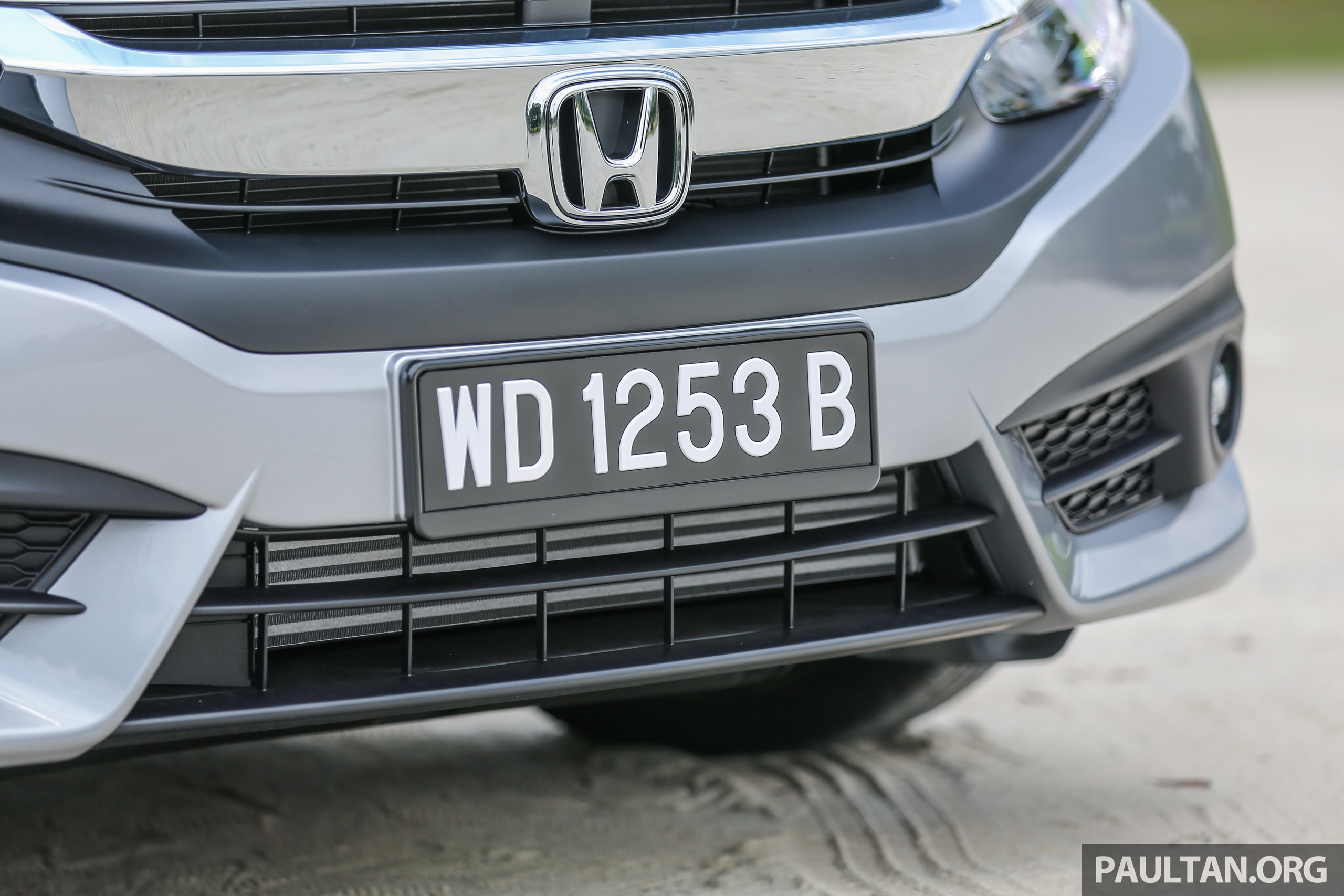

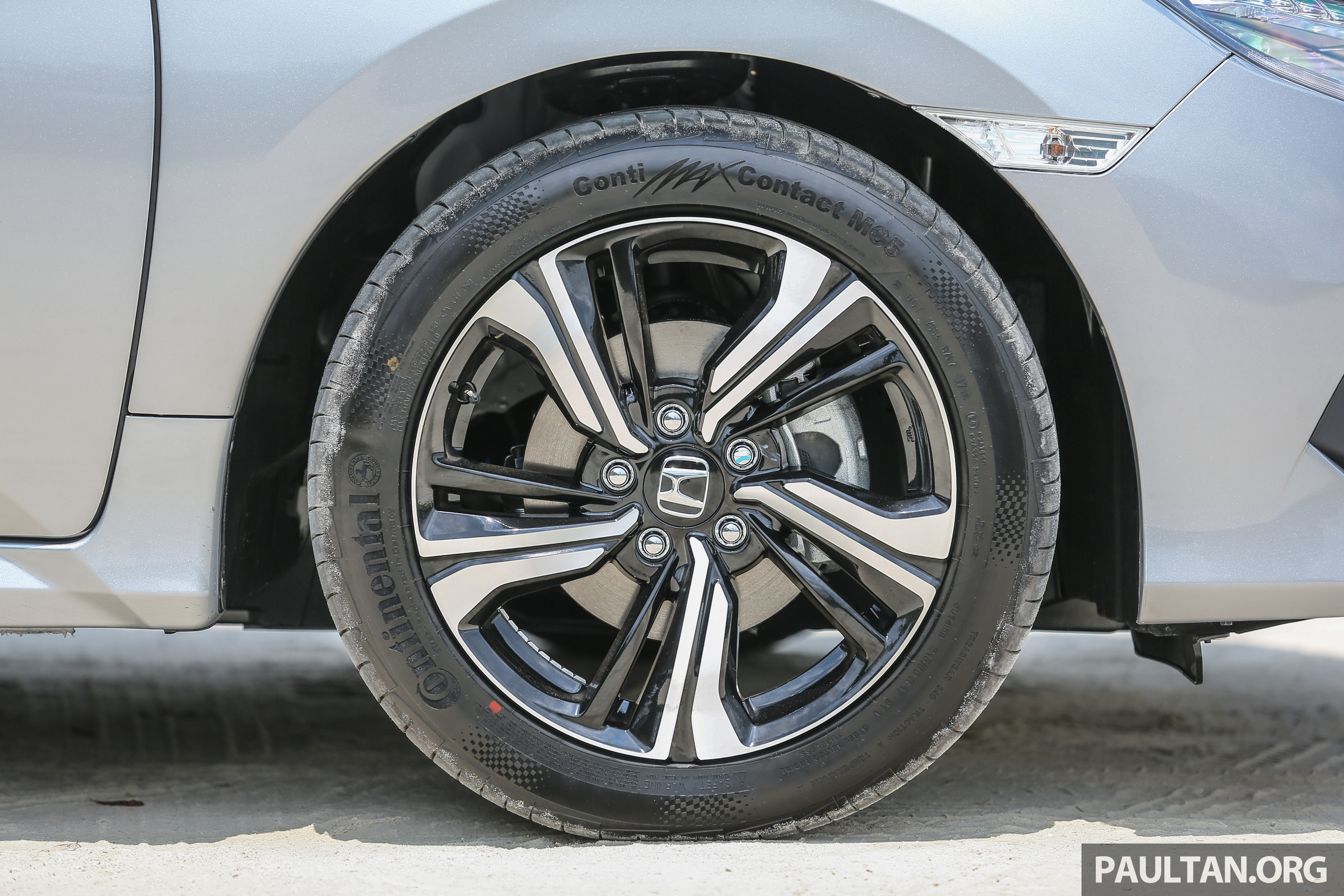


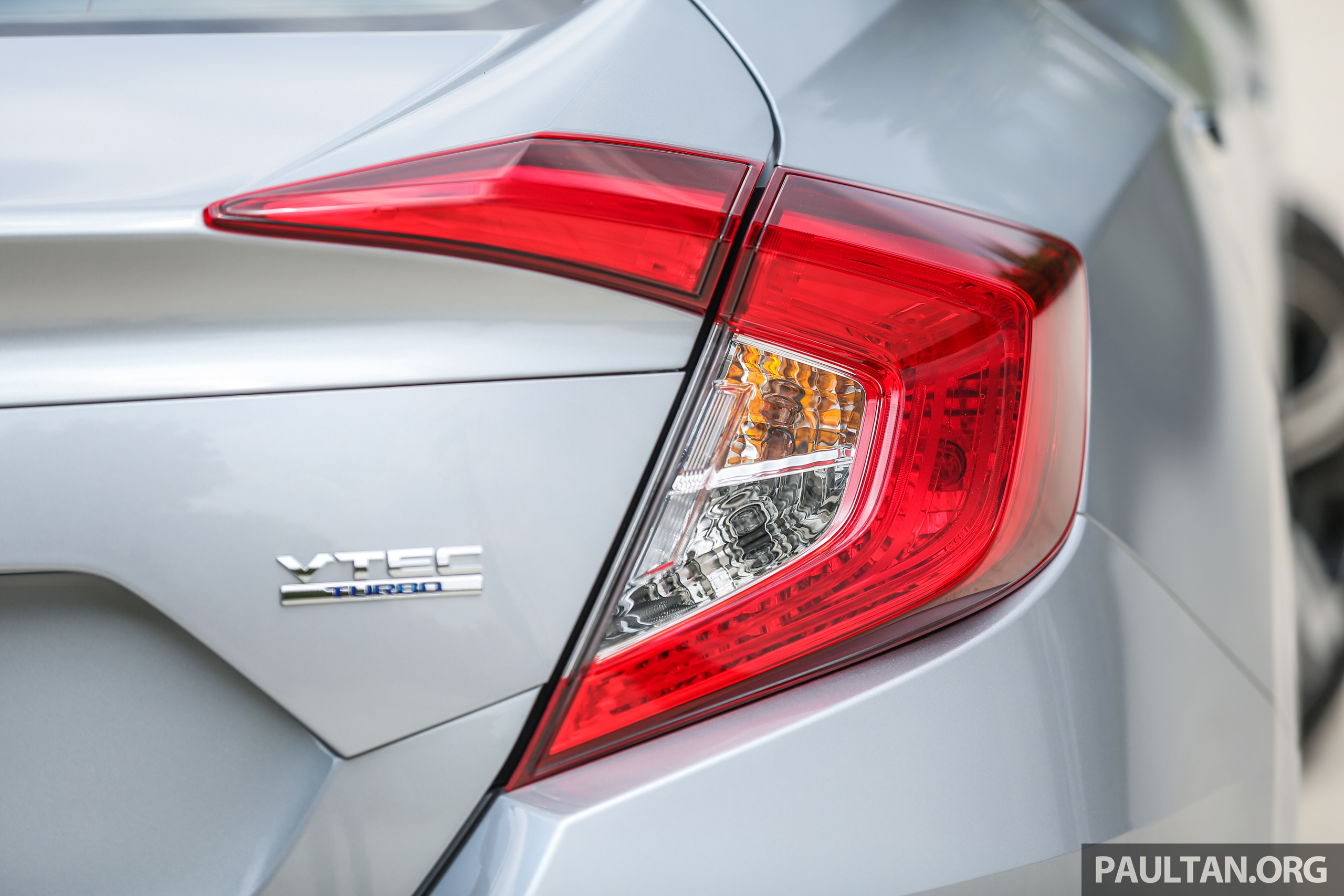








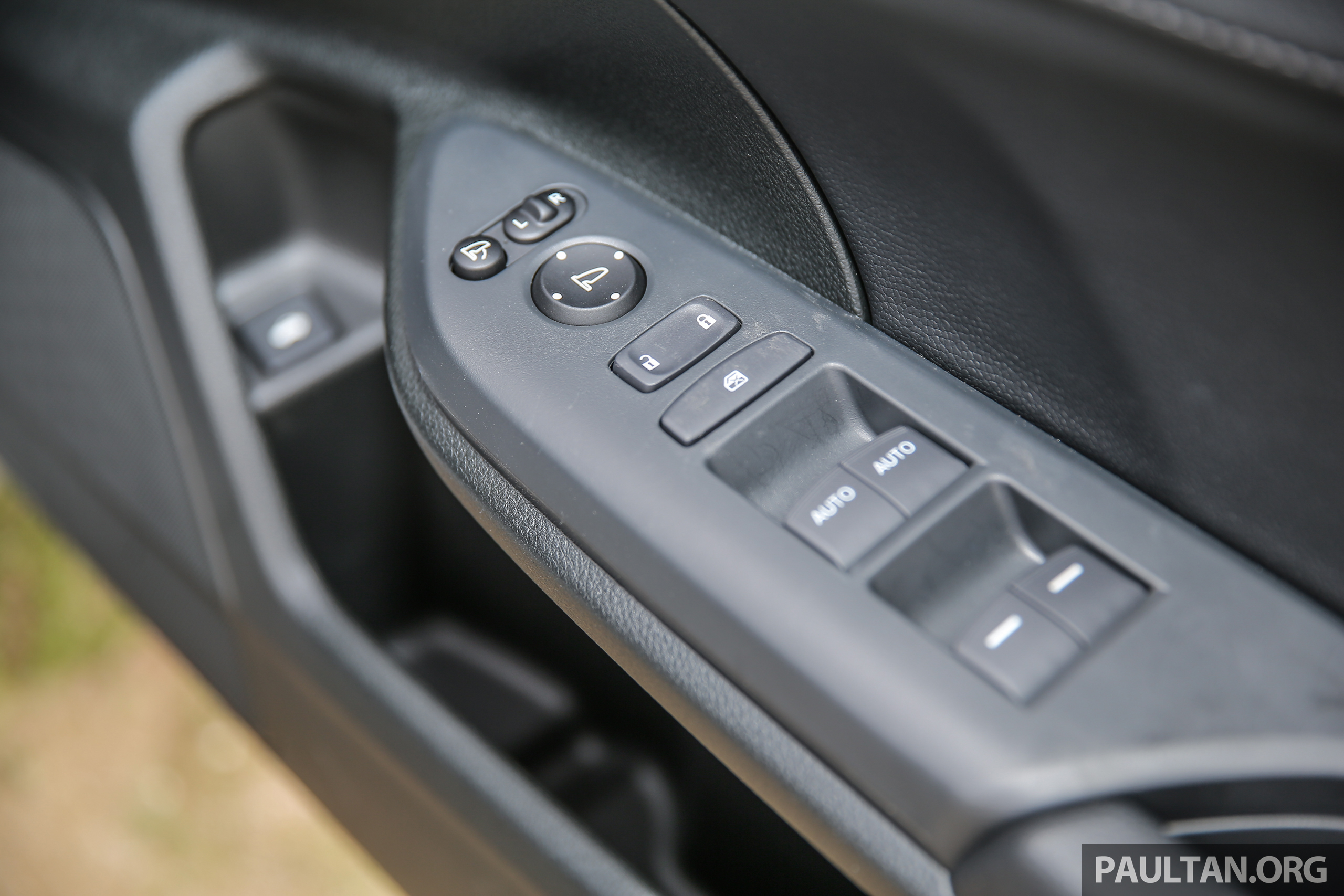
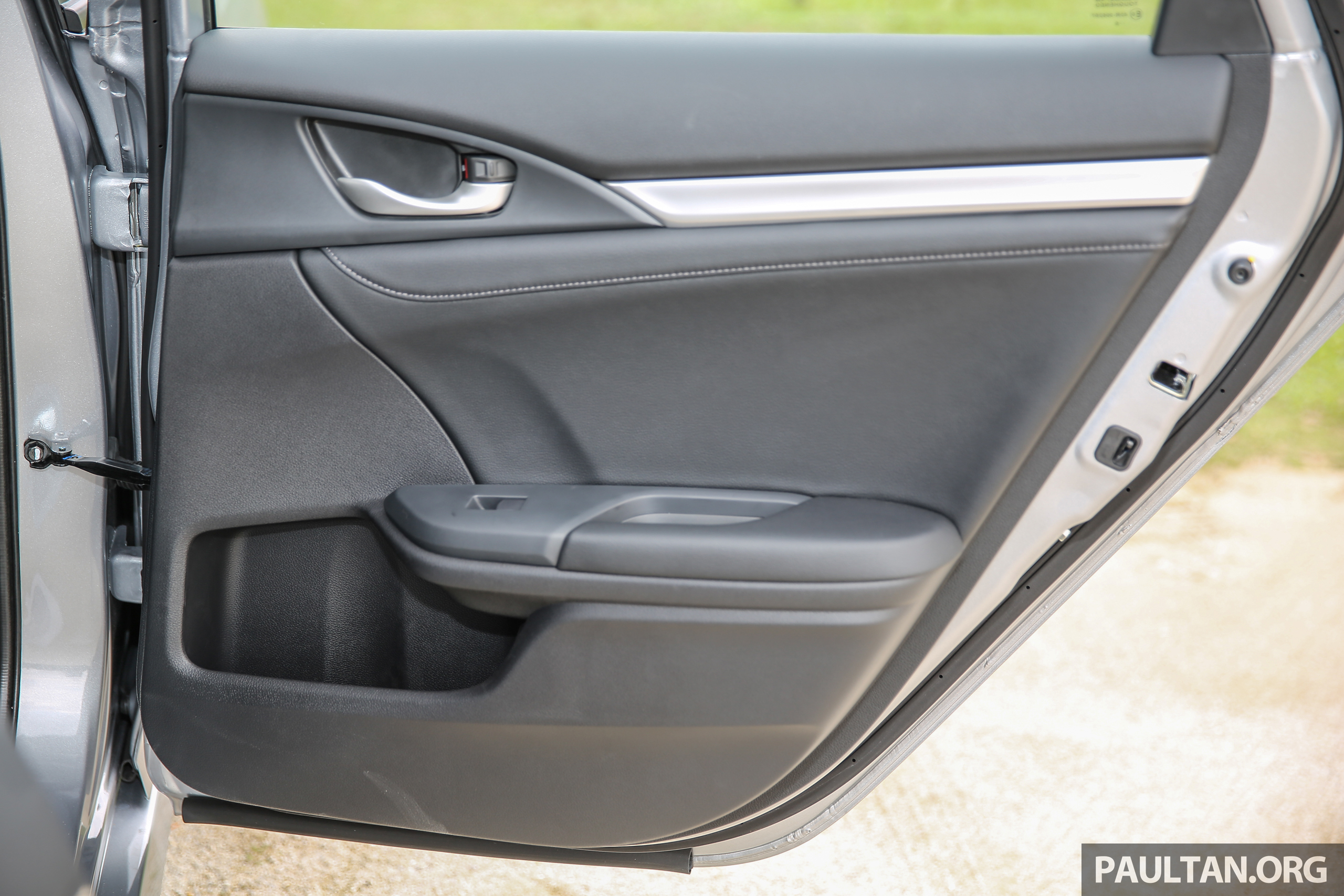
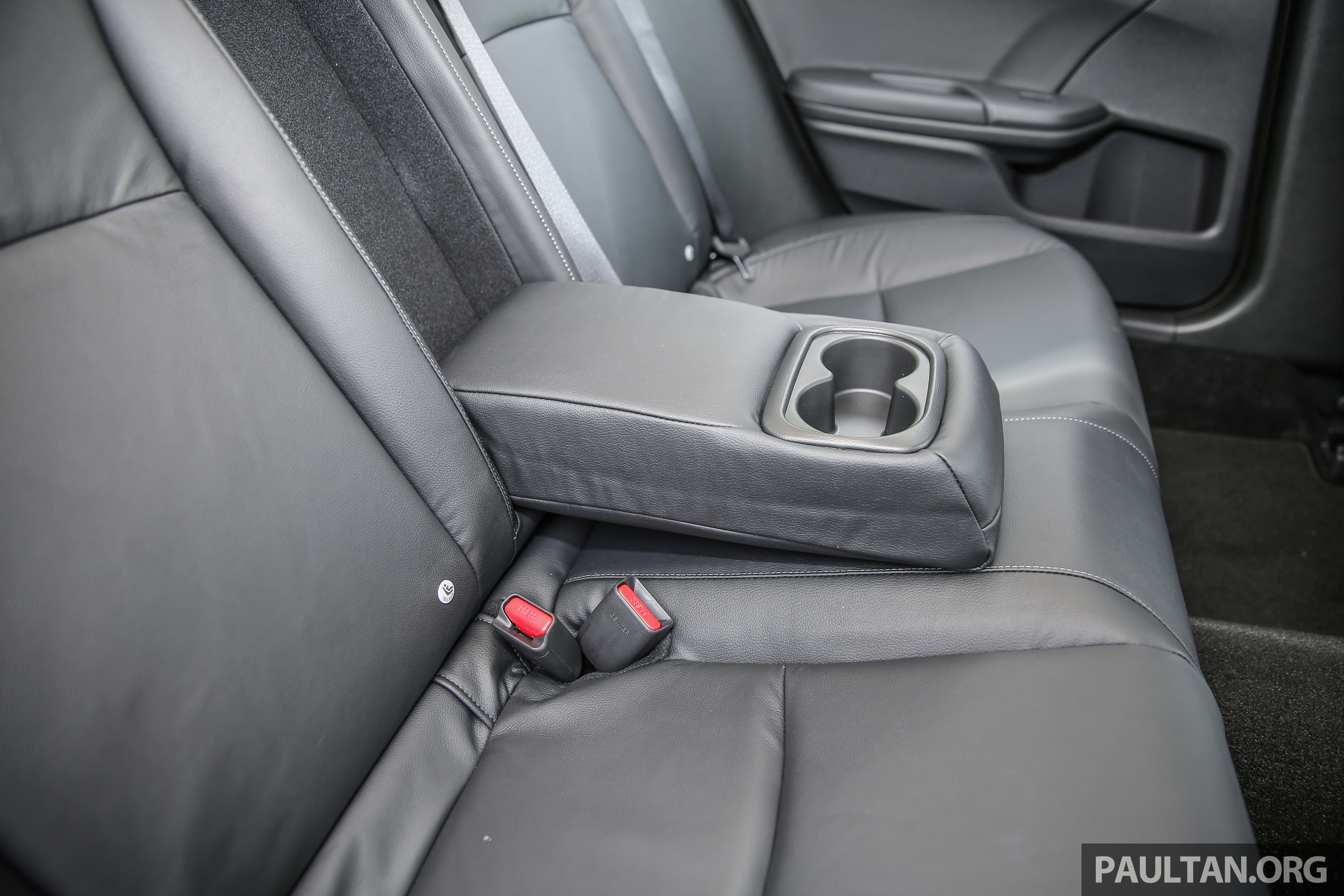
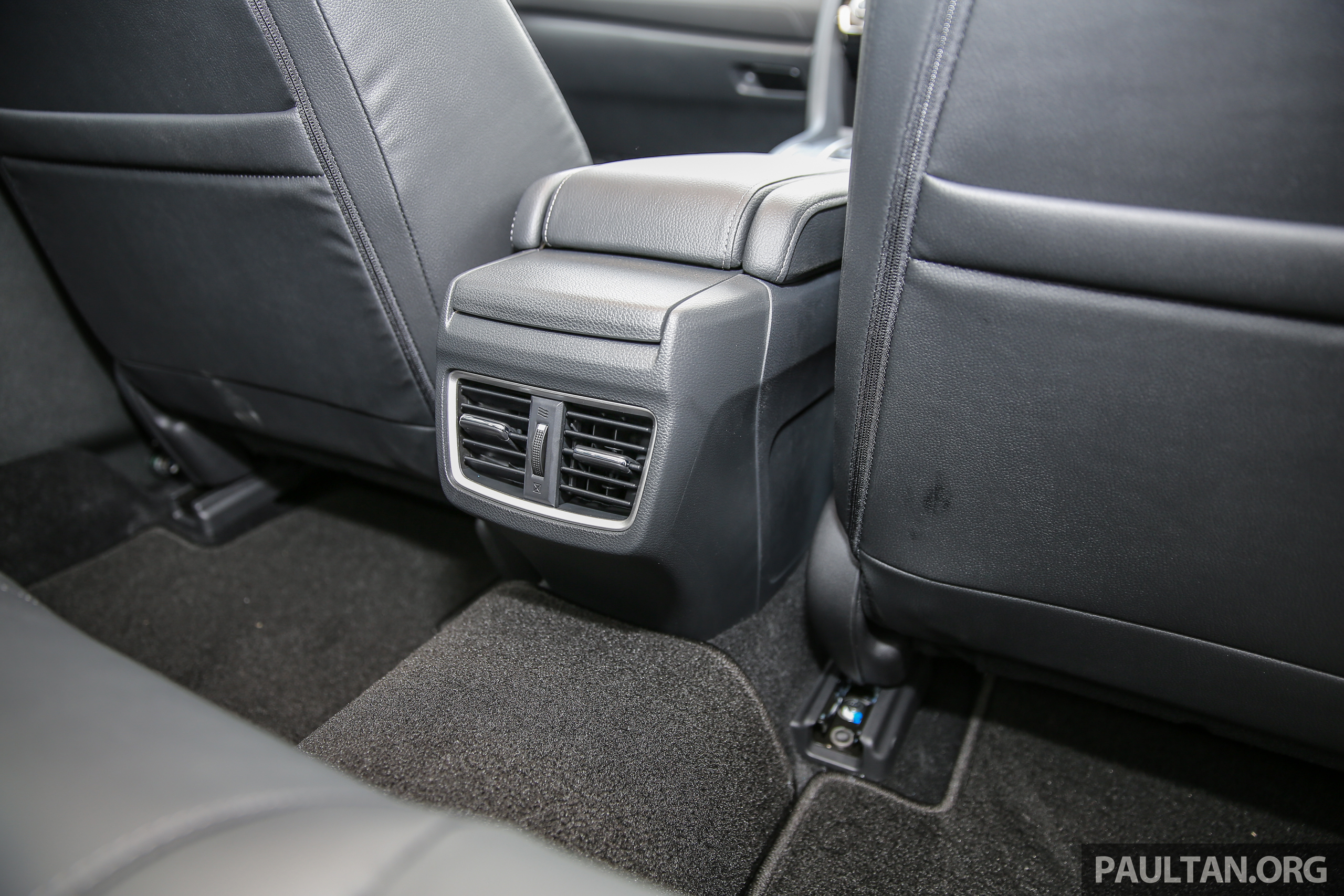

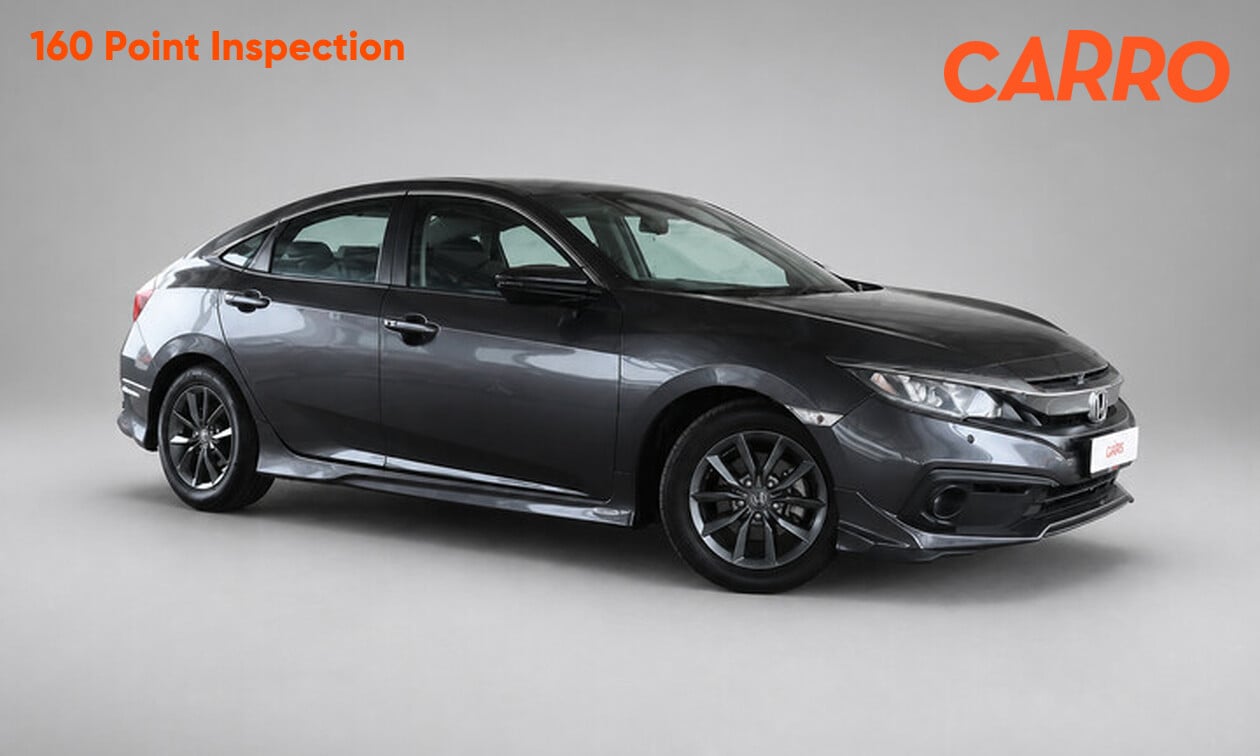
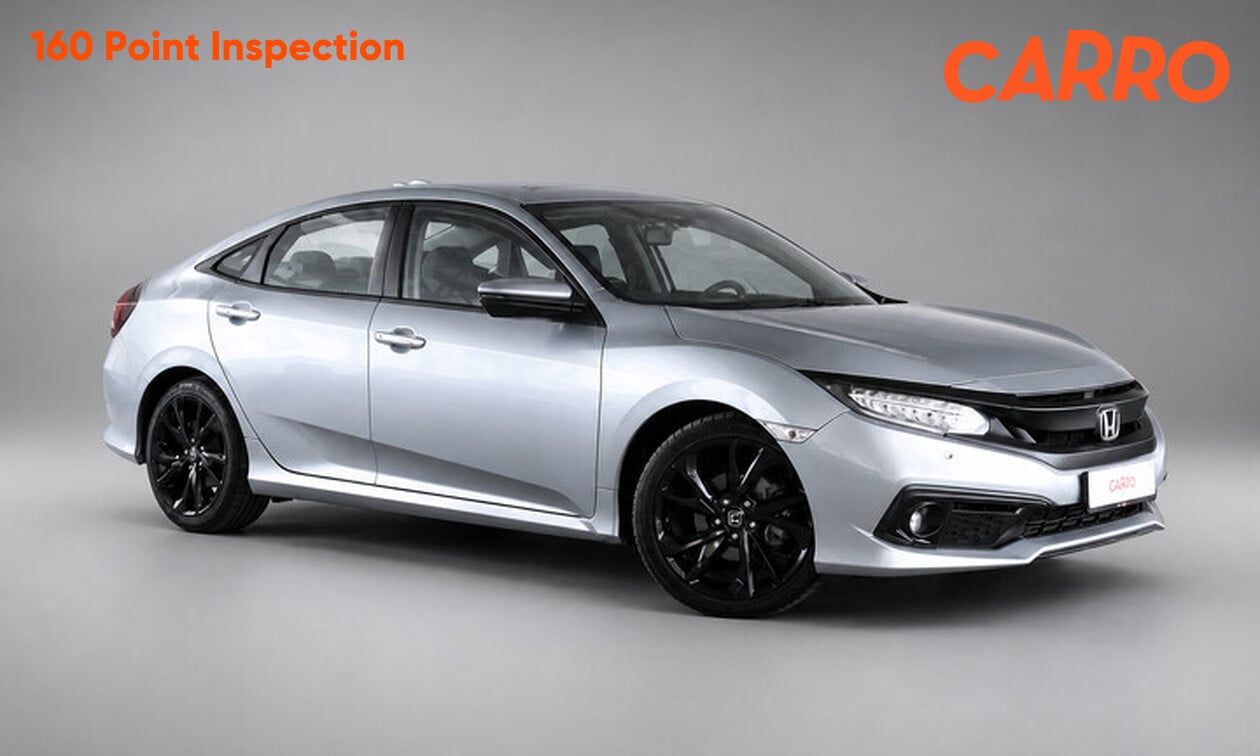
GALLERY: 2017 Honda Civic 1.8S
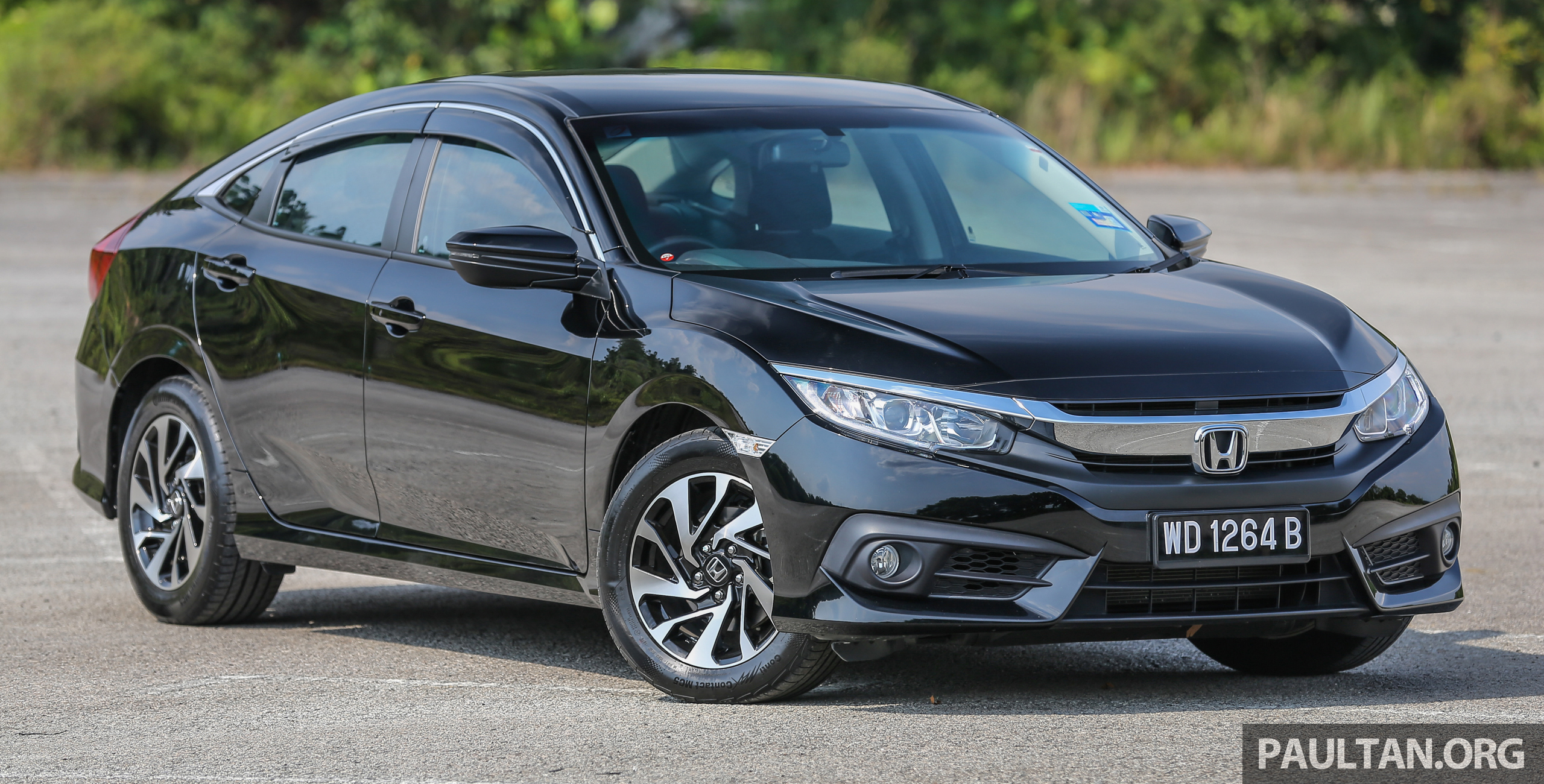
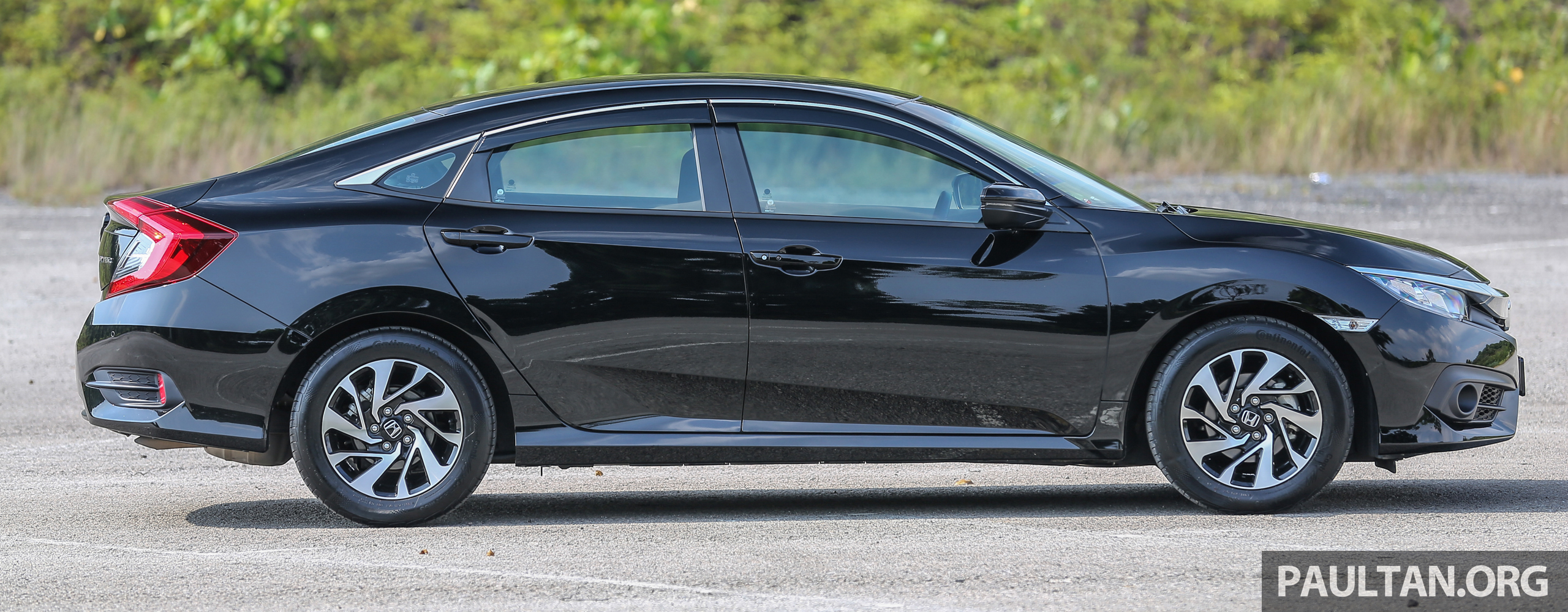

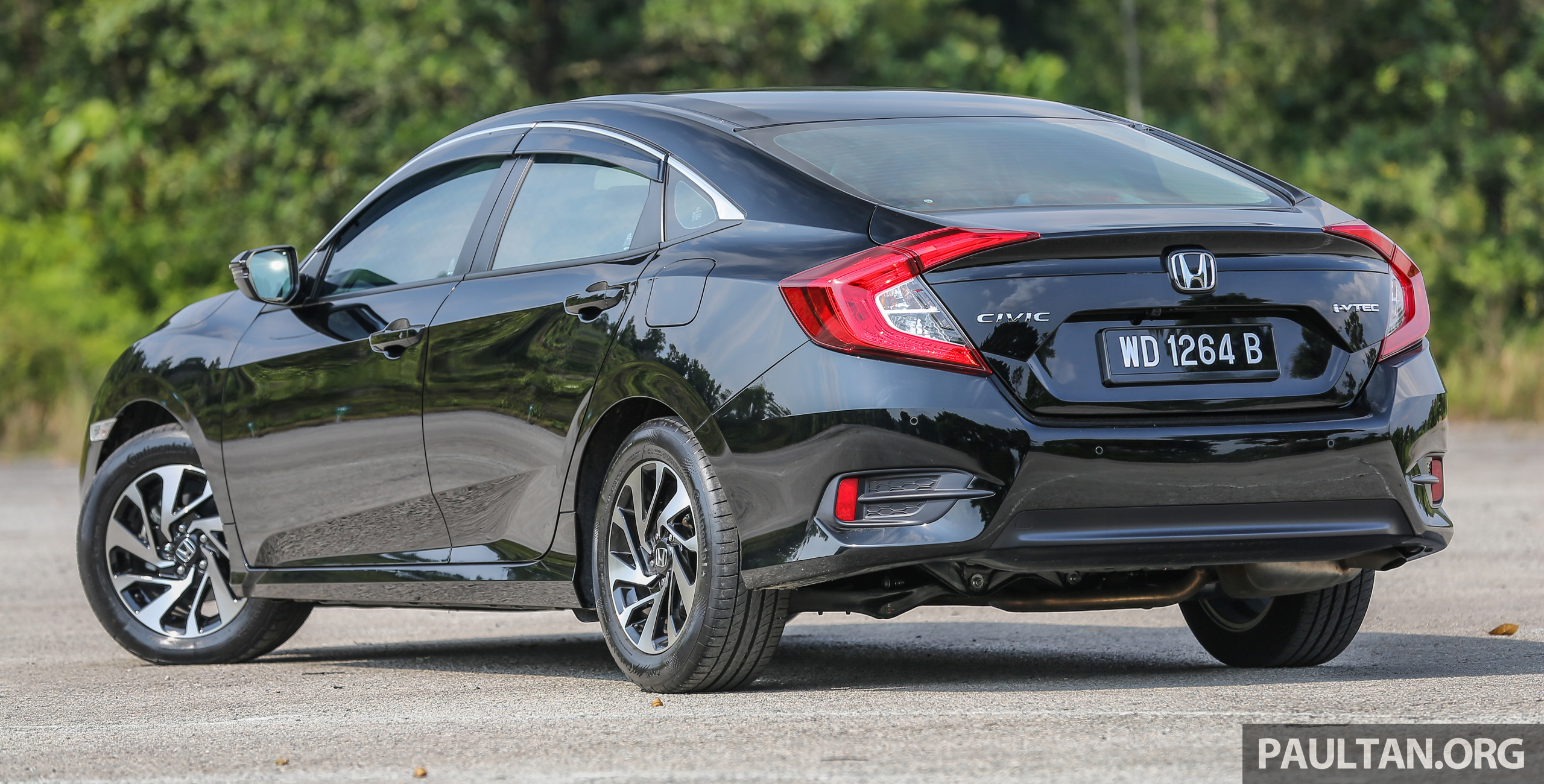

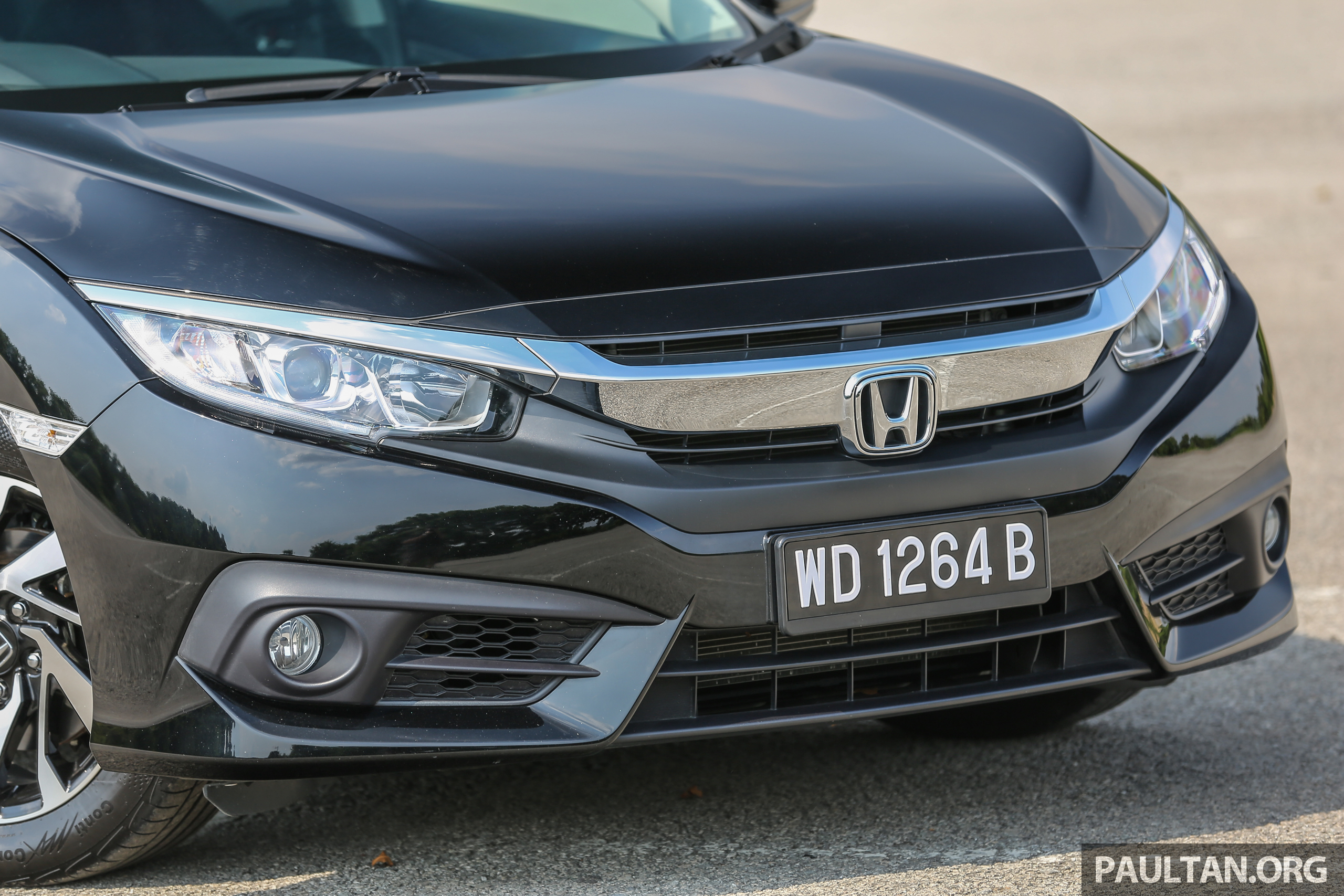
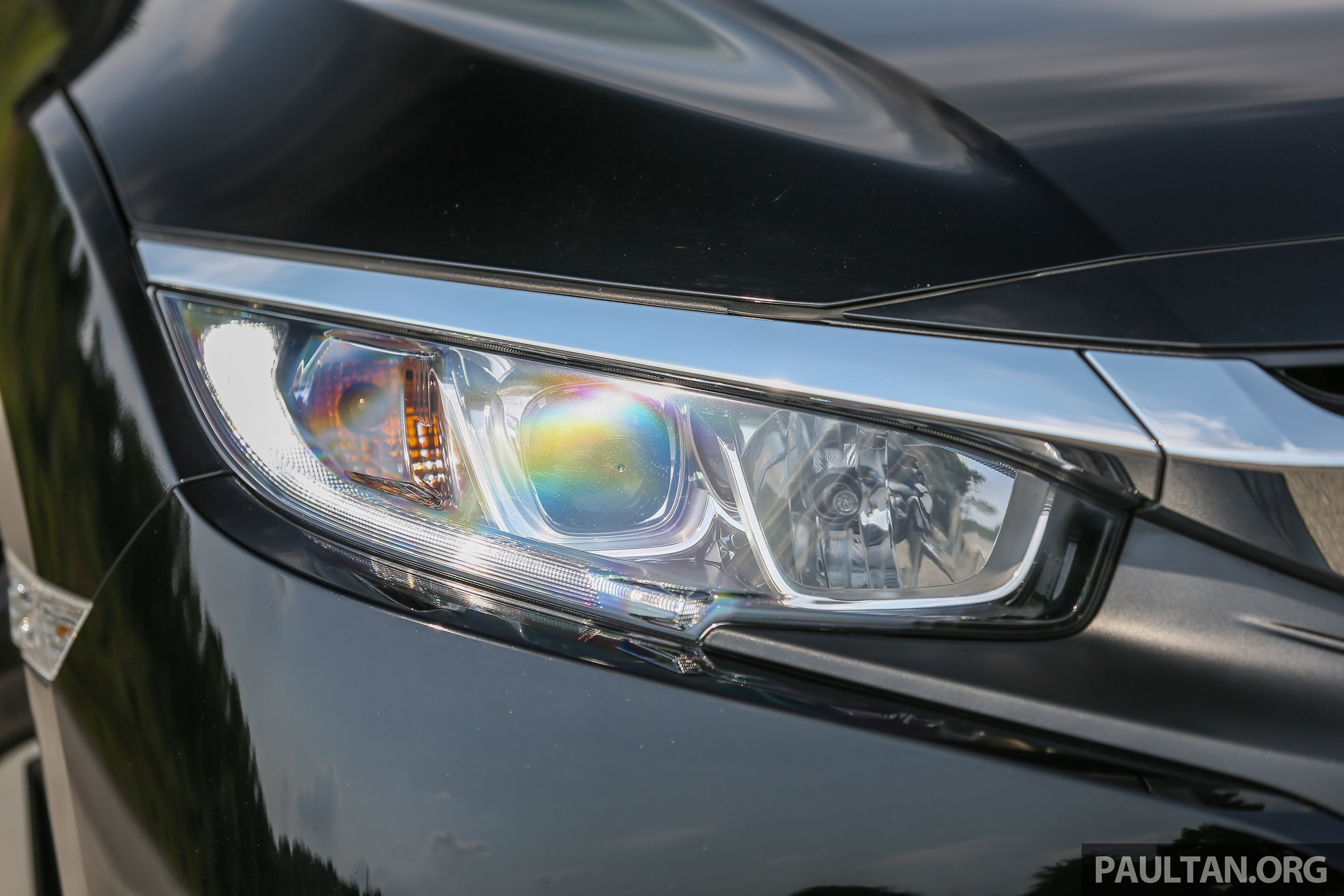


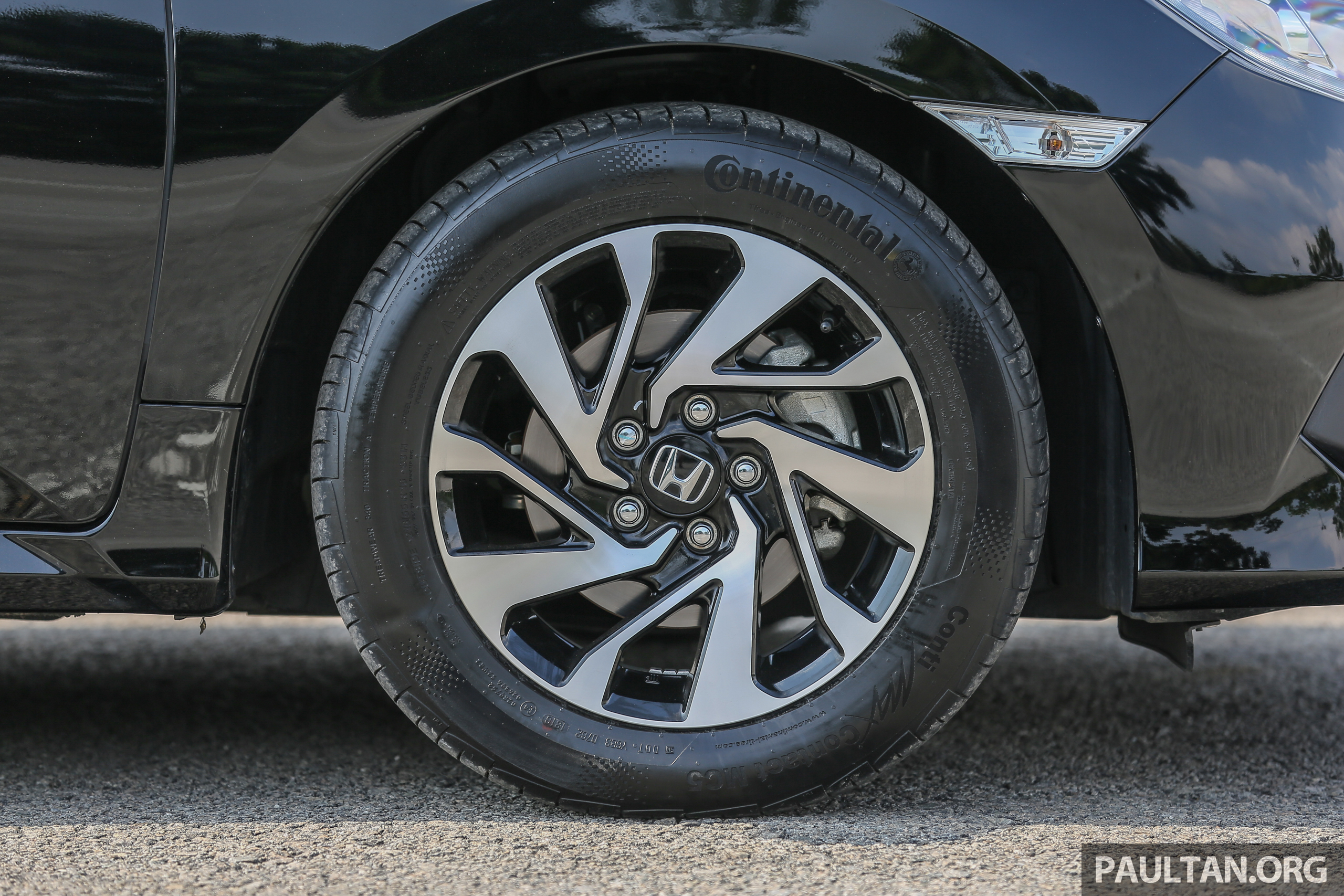
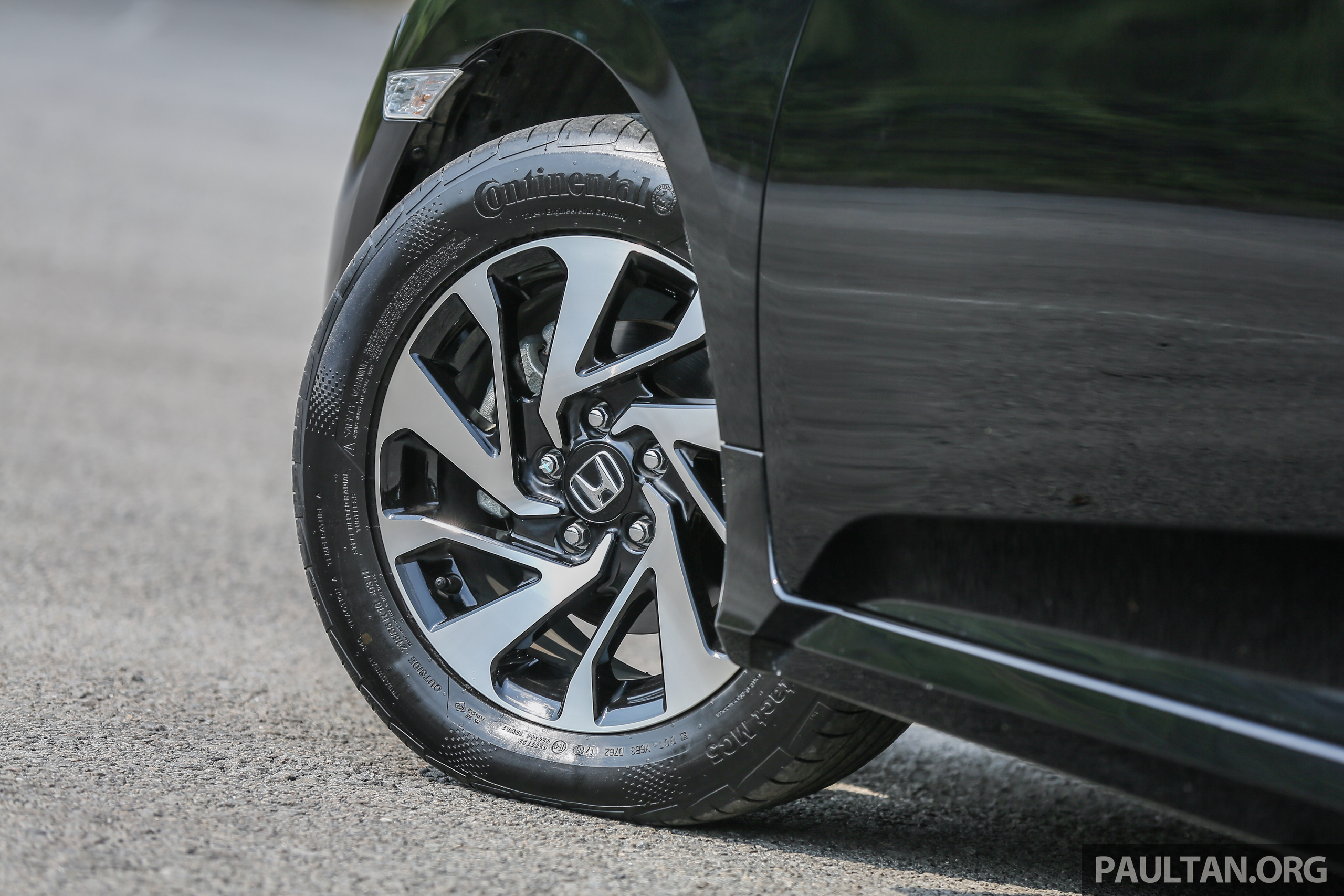
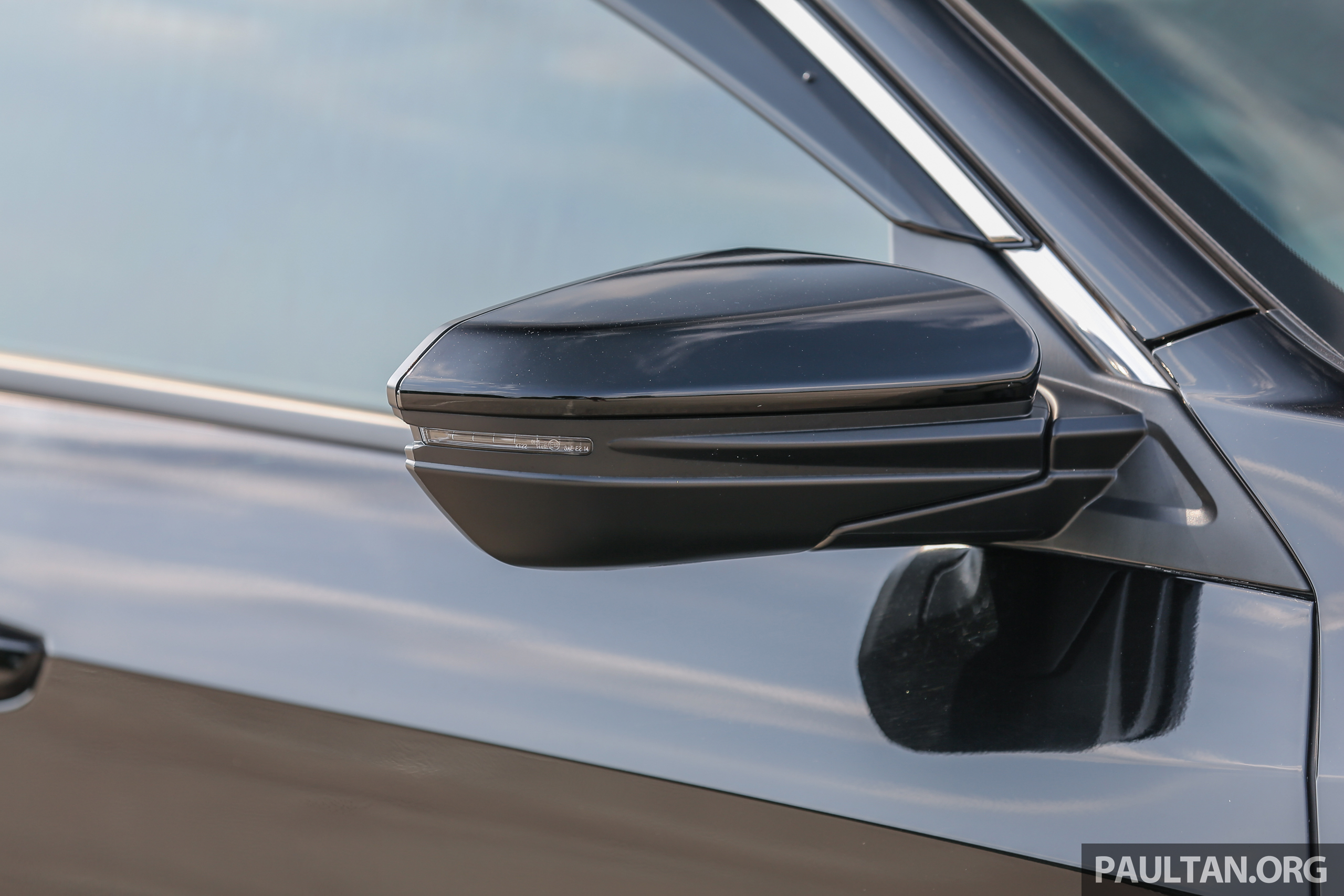
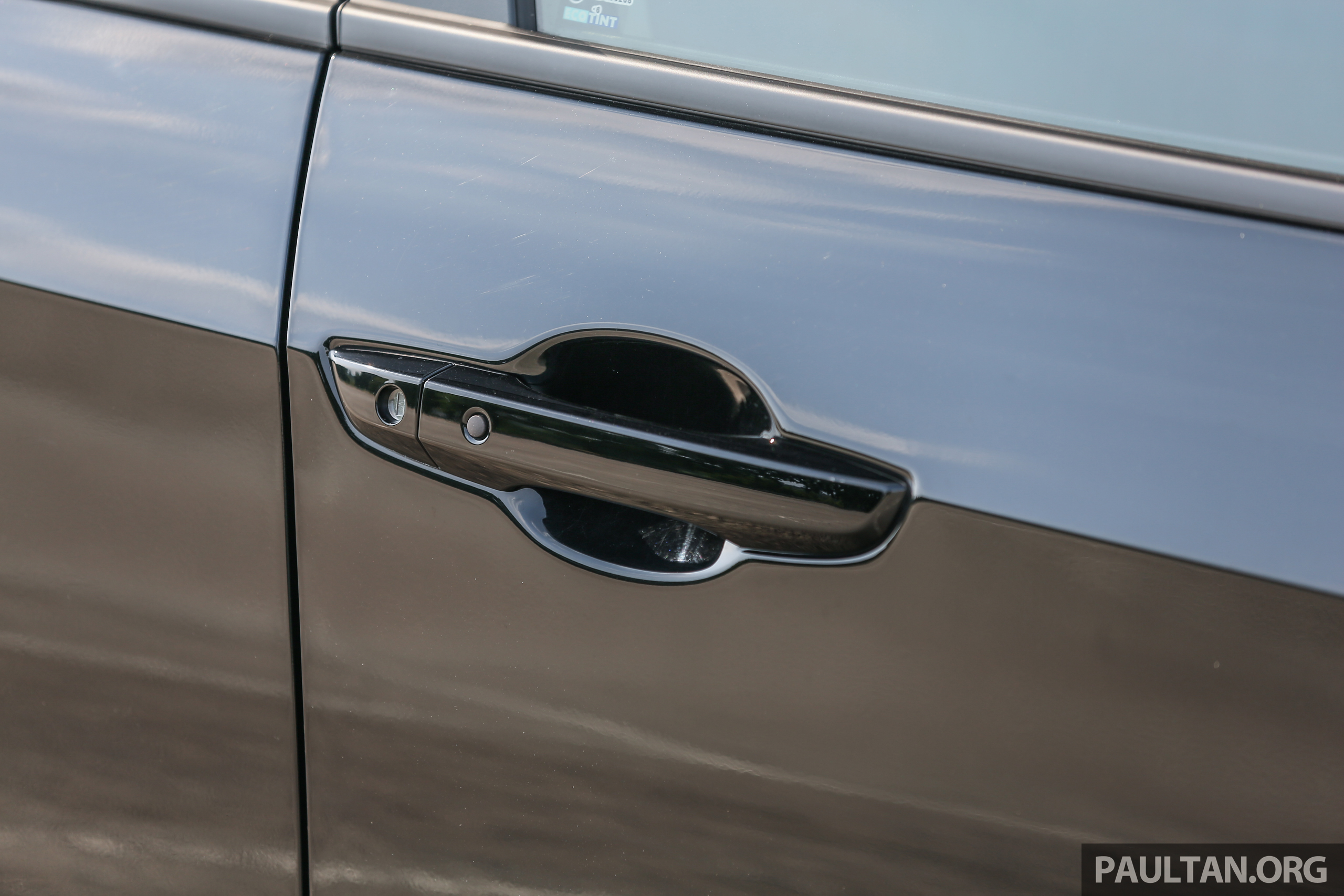
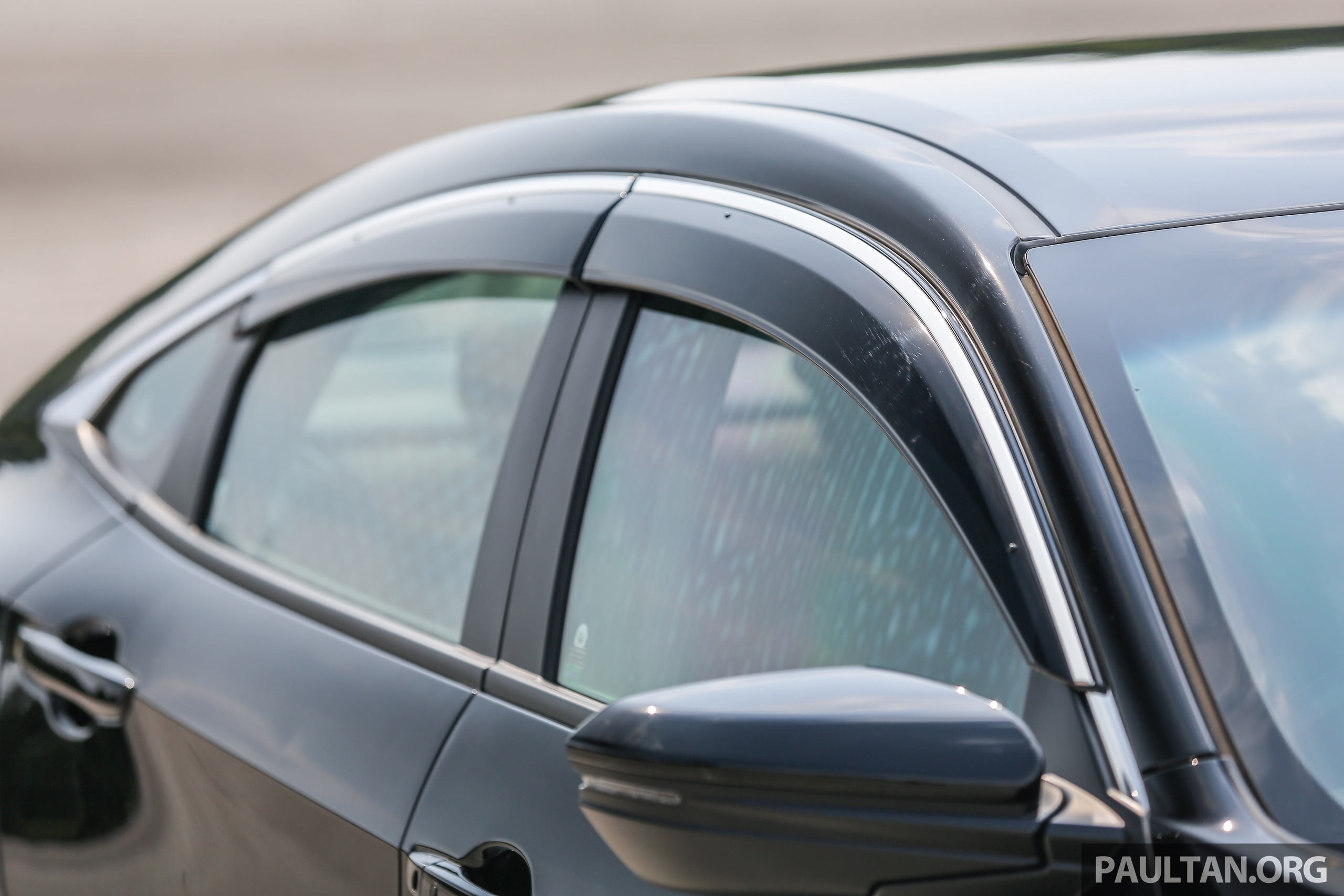

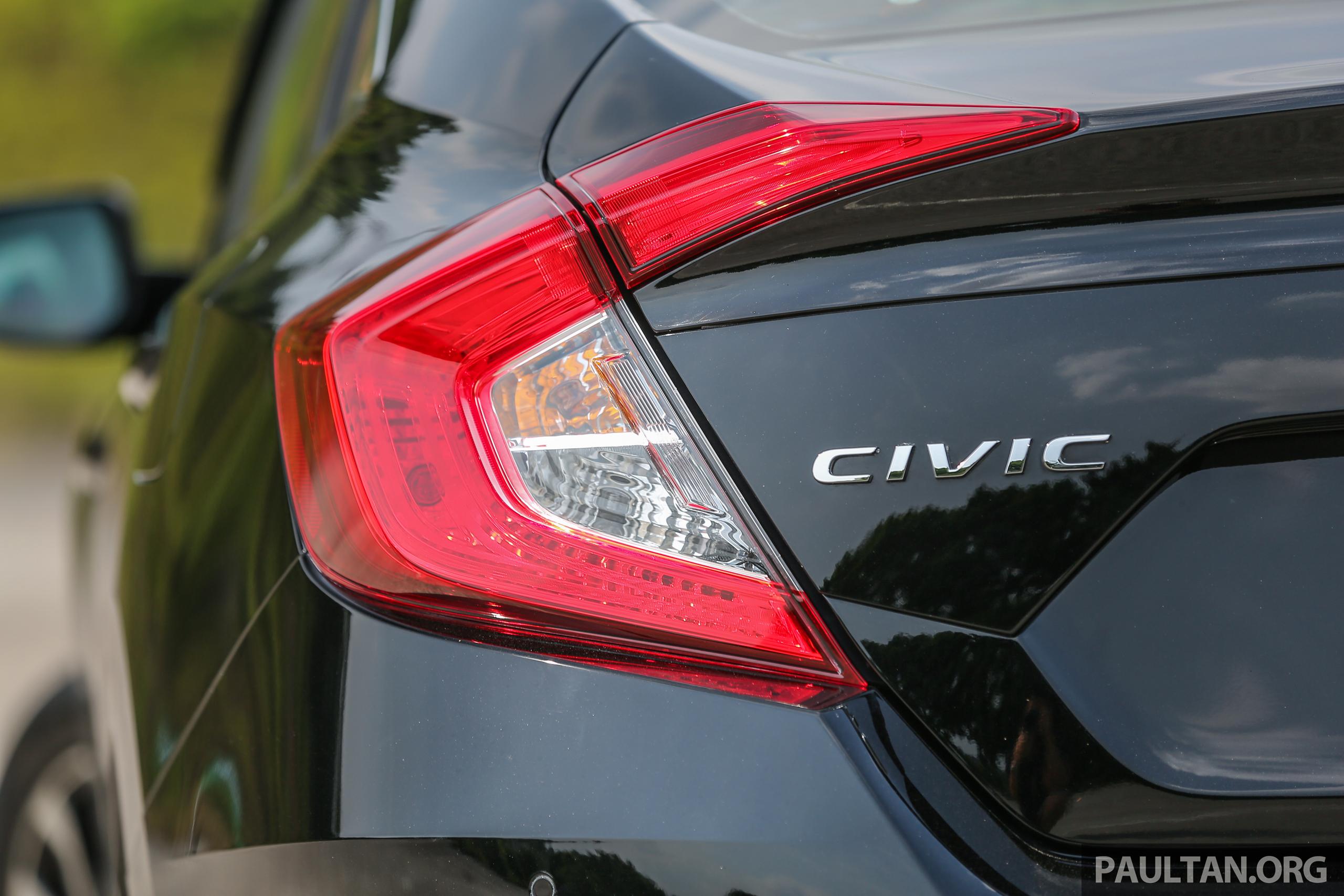
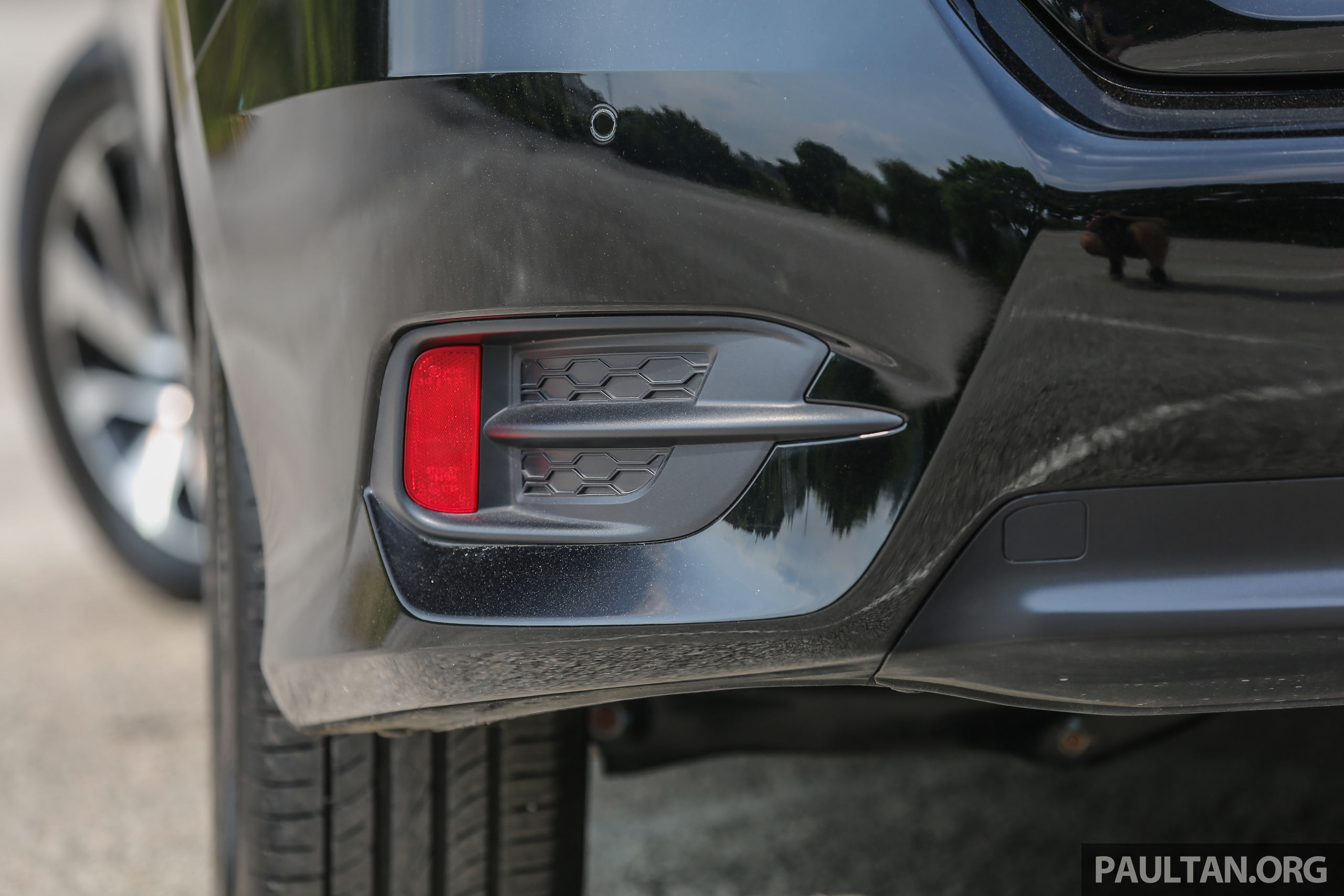

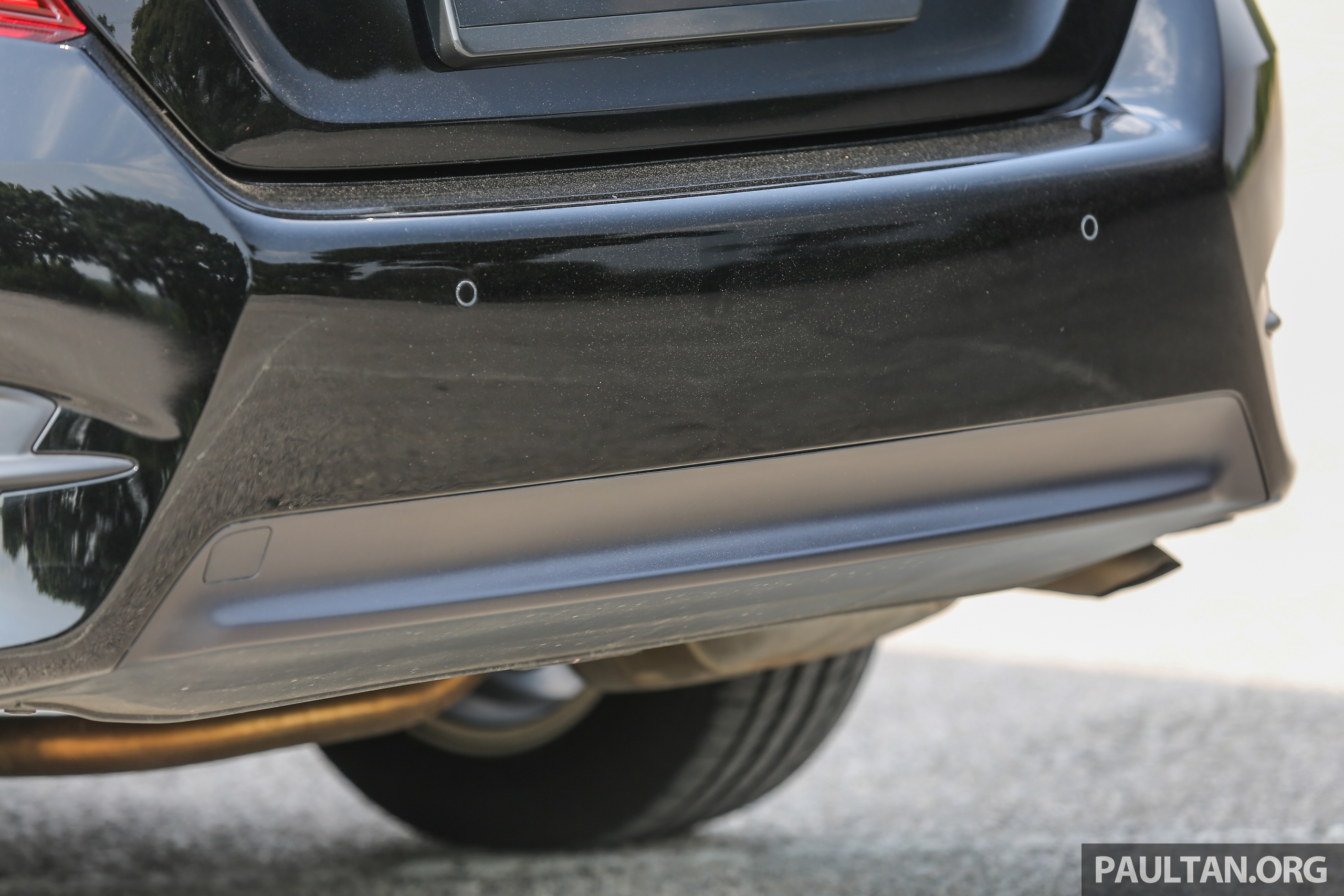
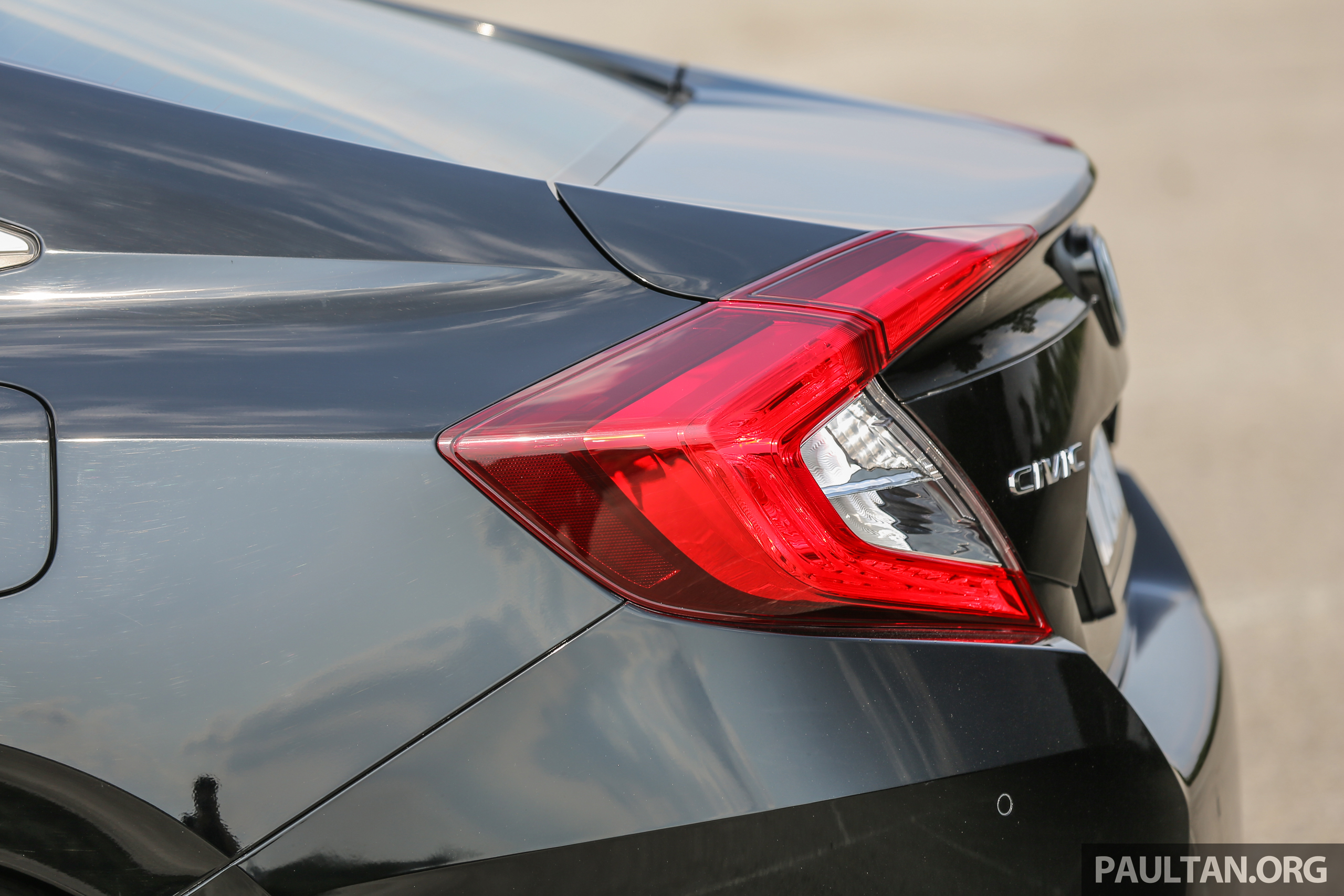
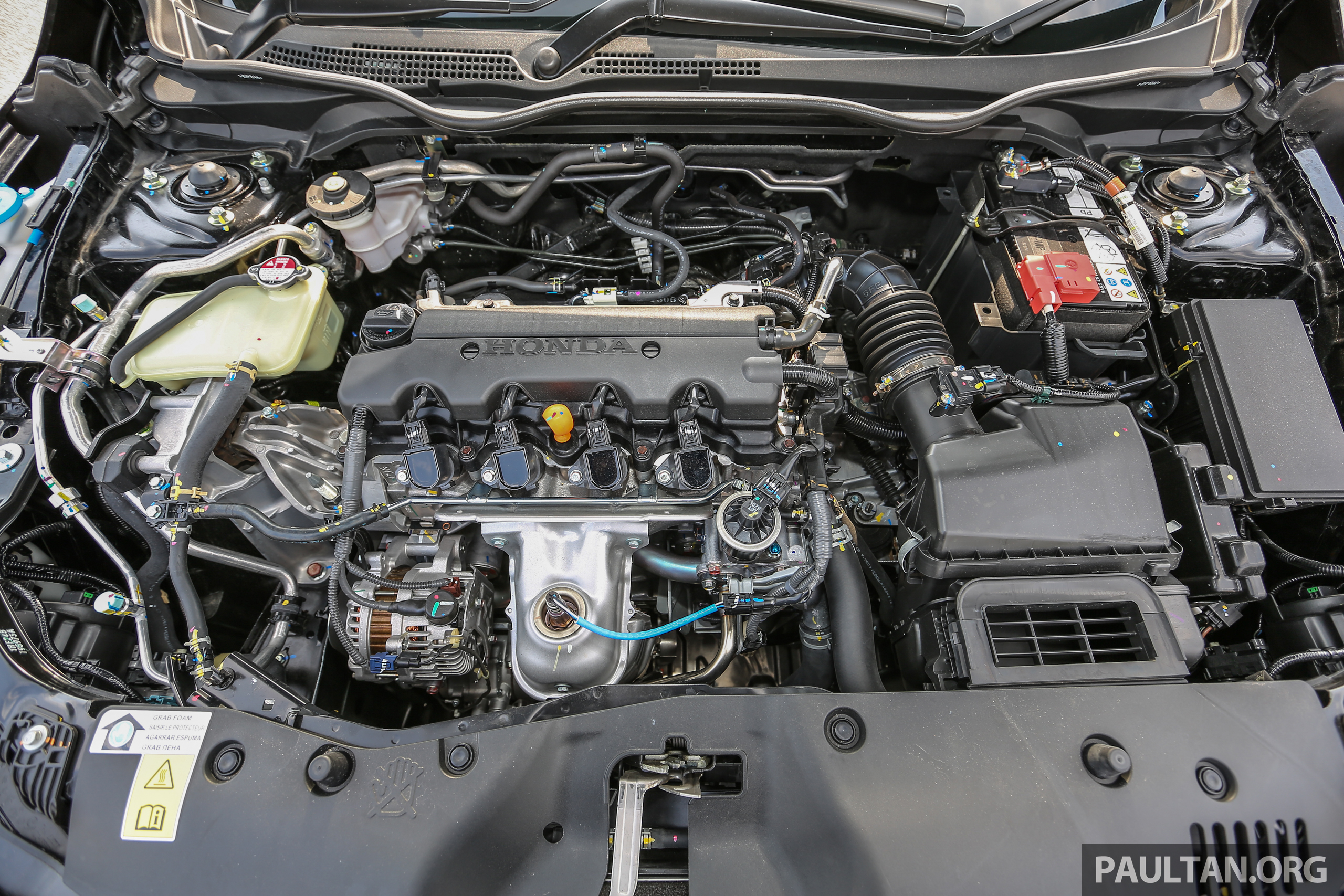
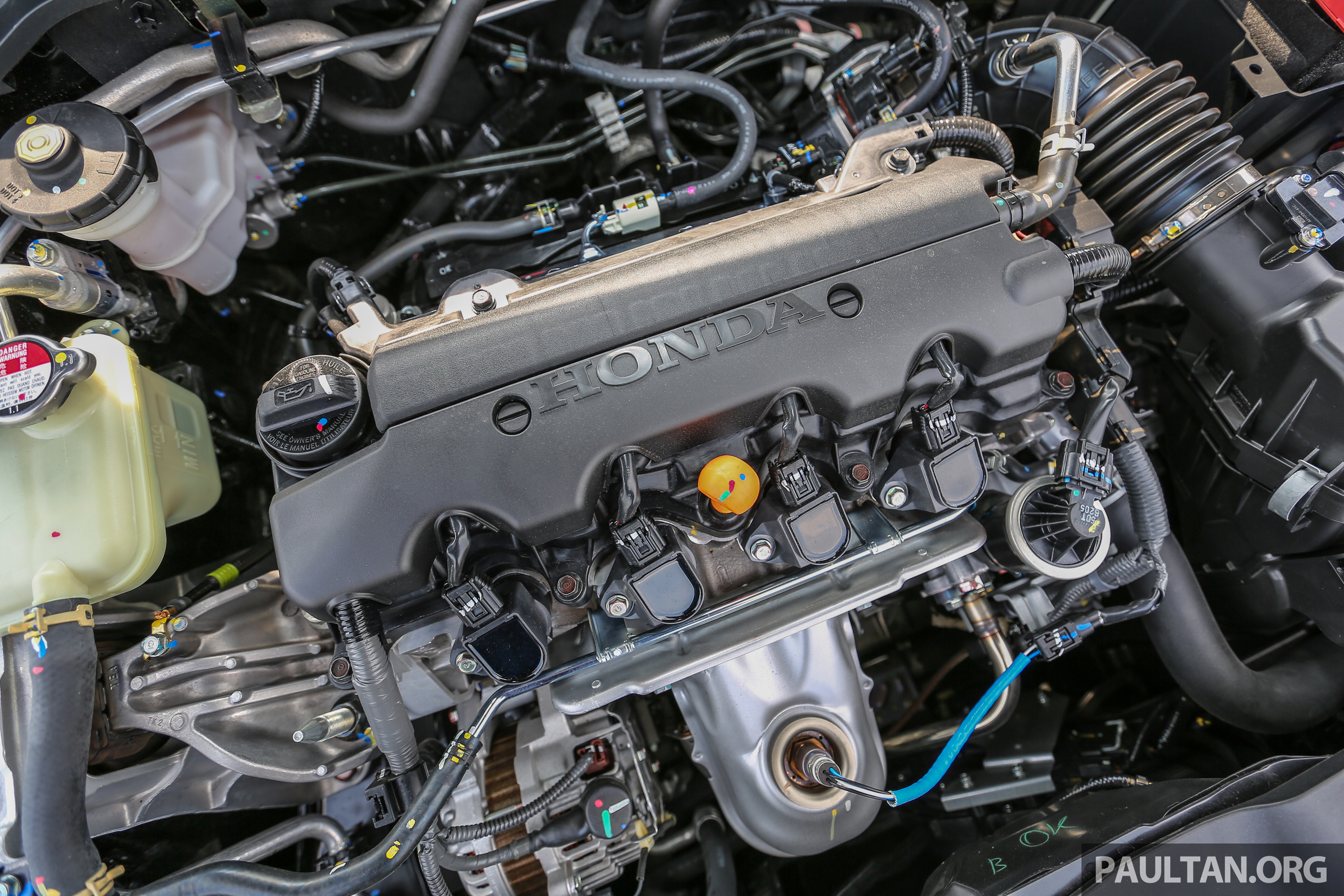
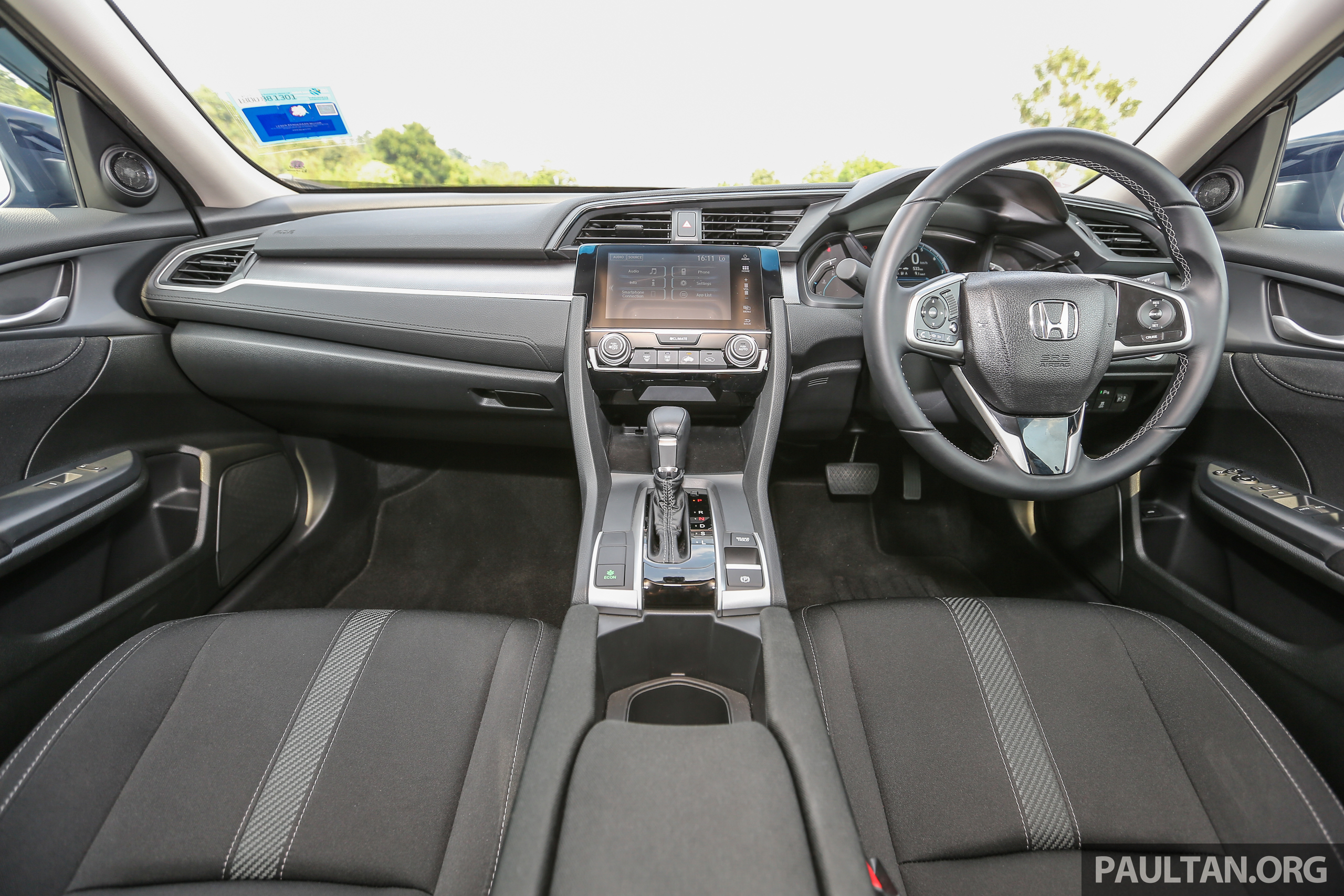
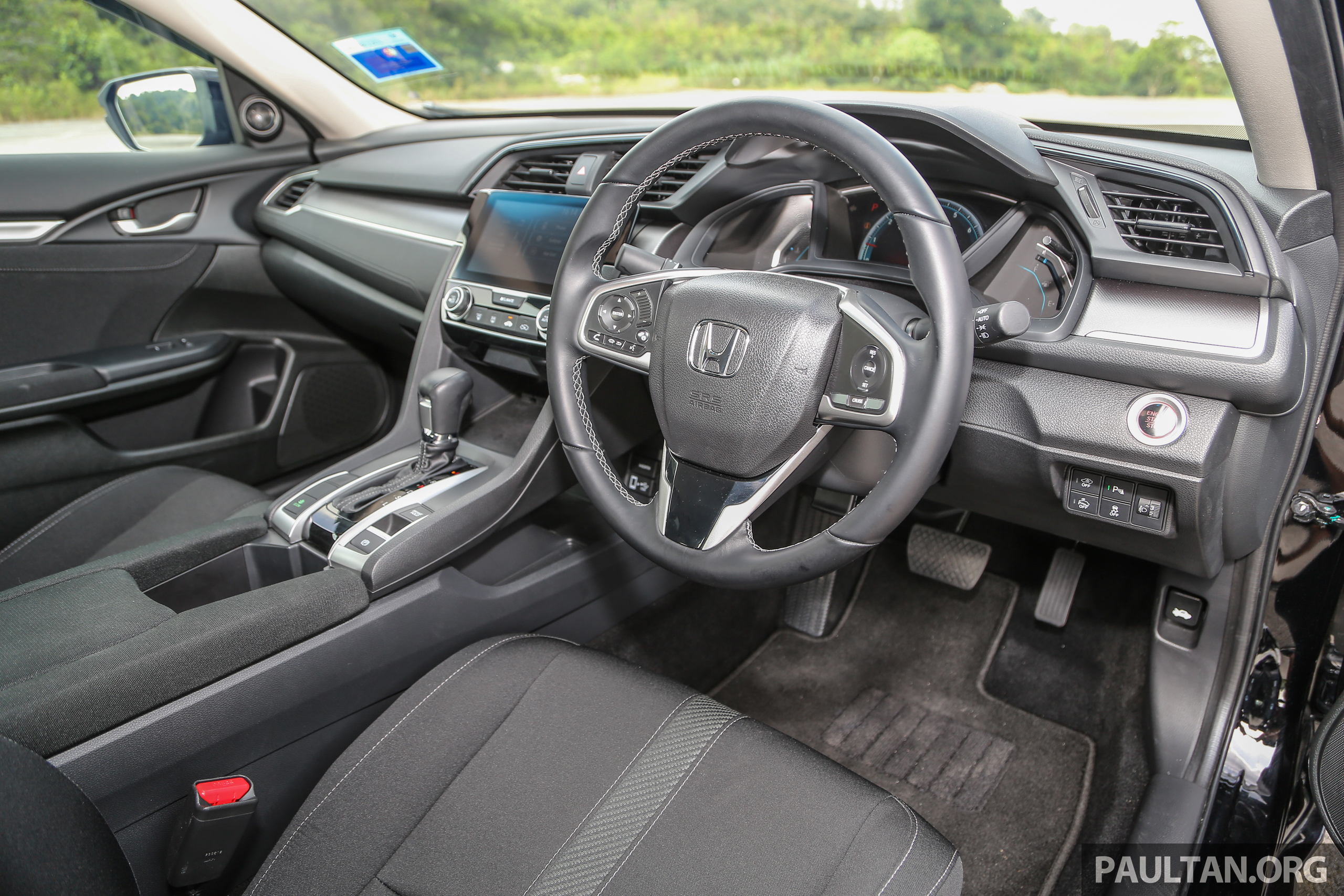
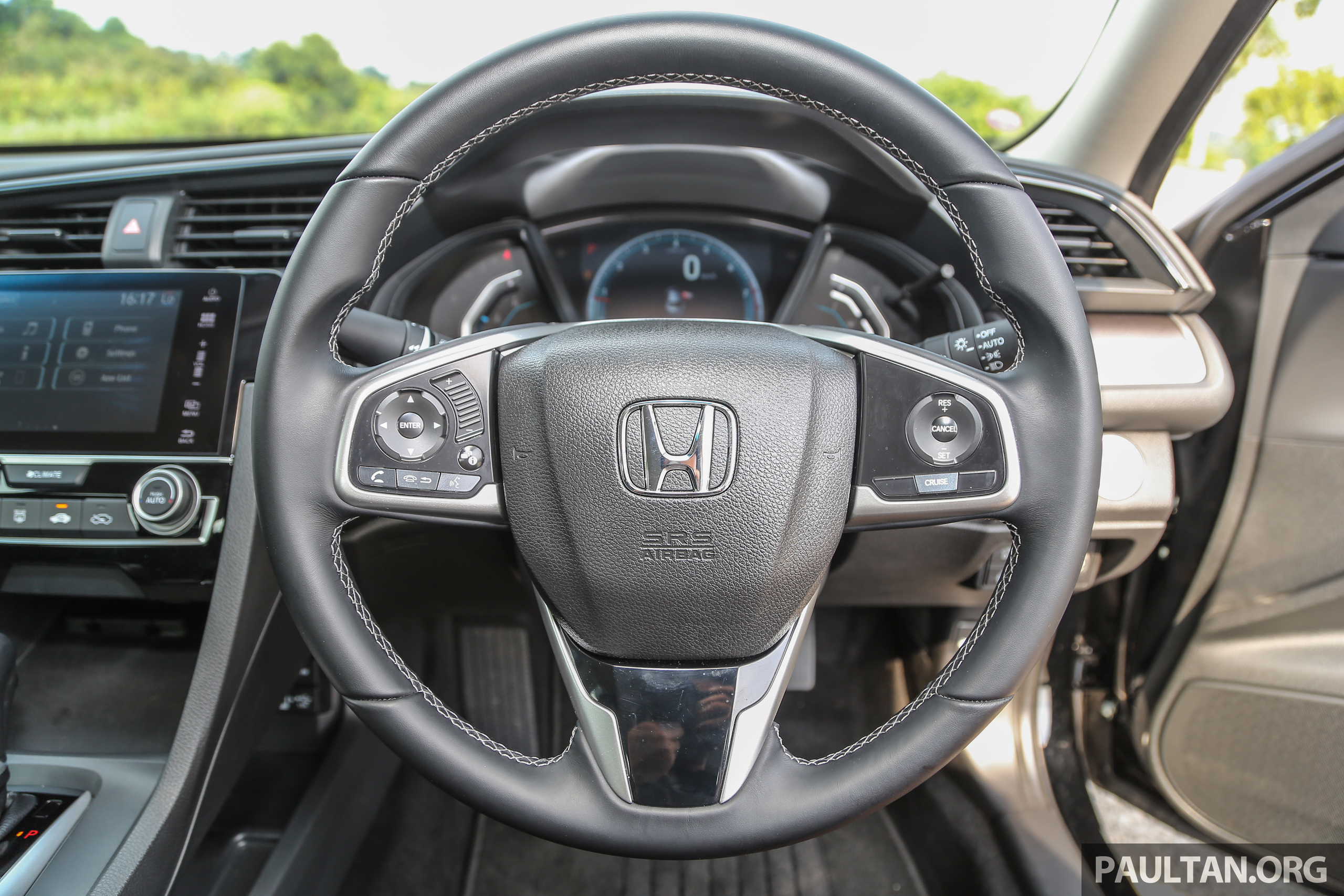

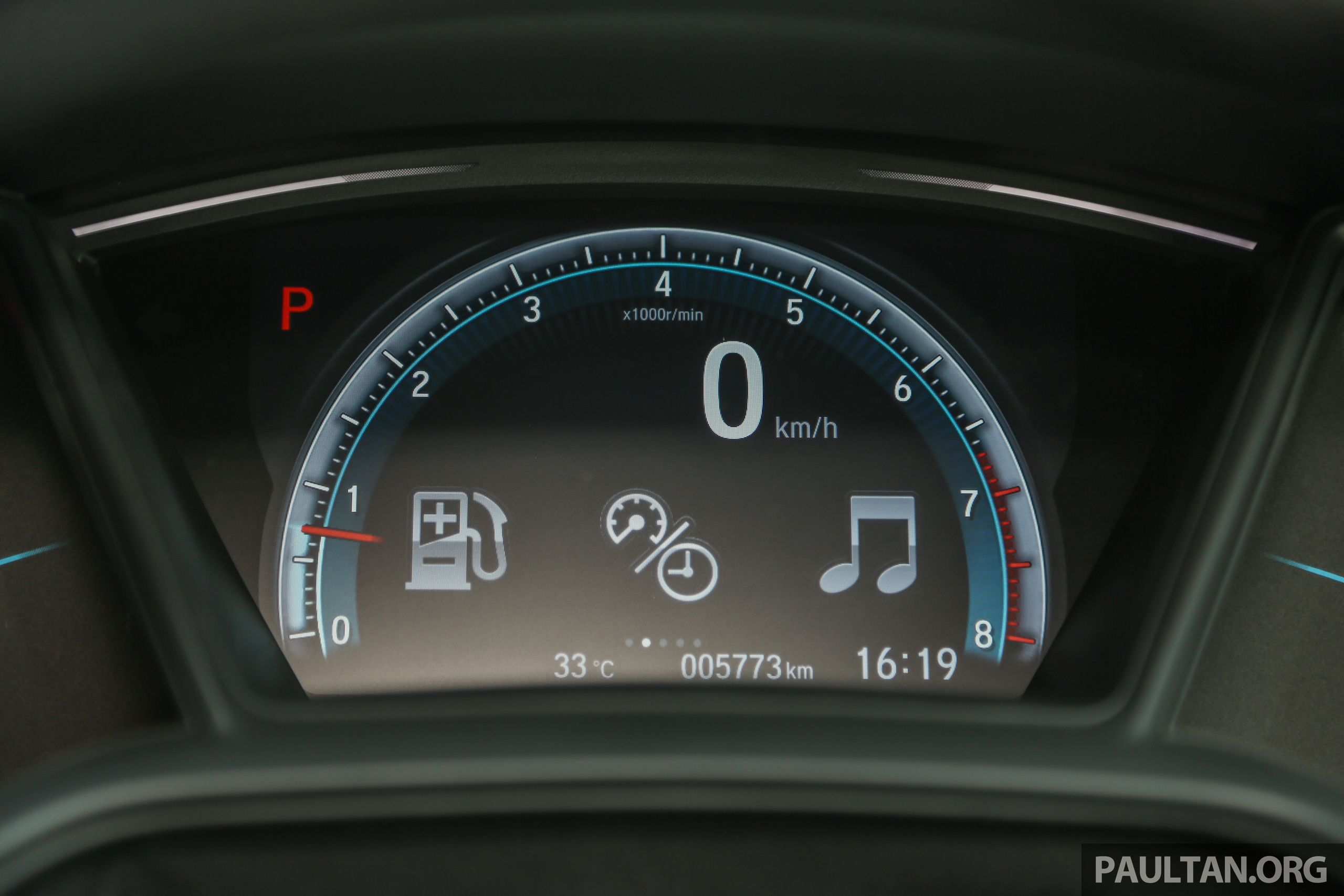
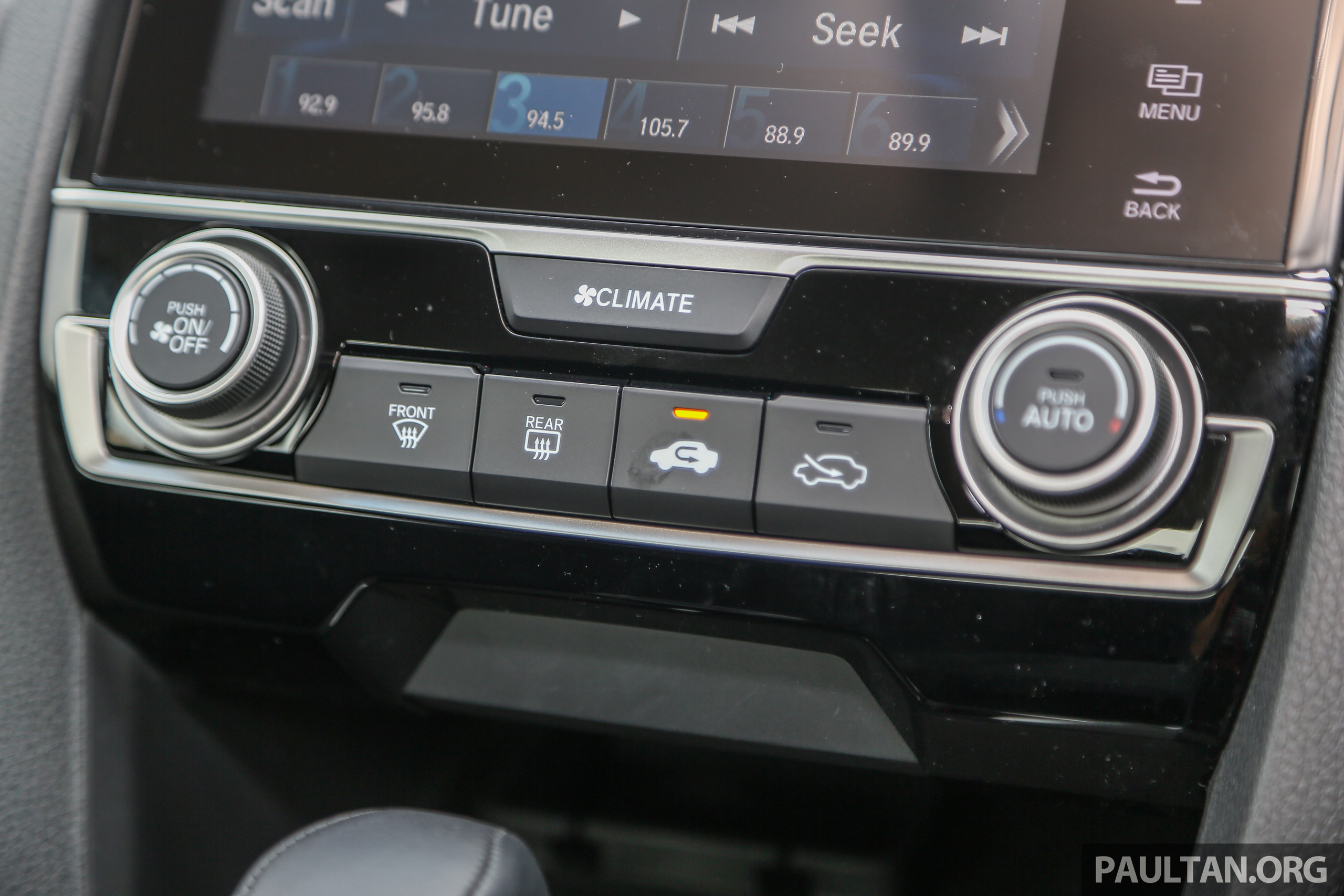
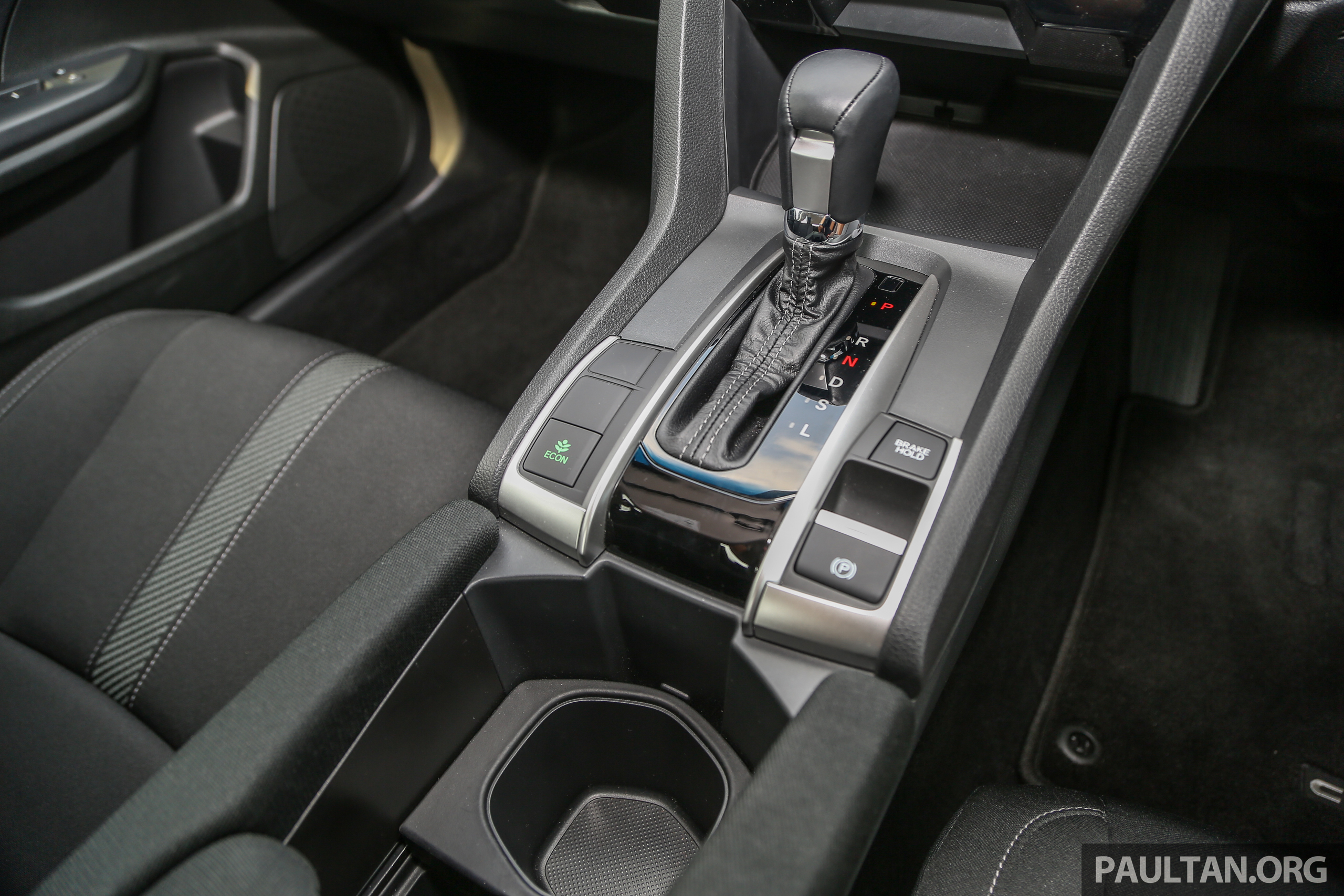
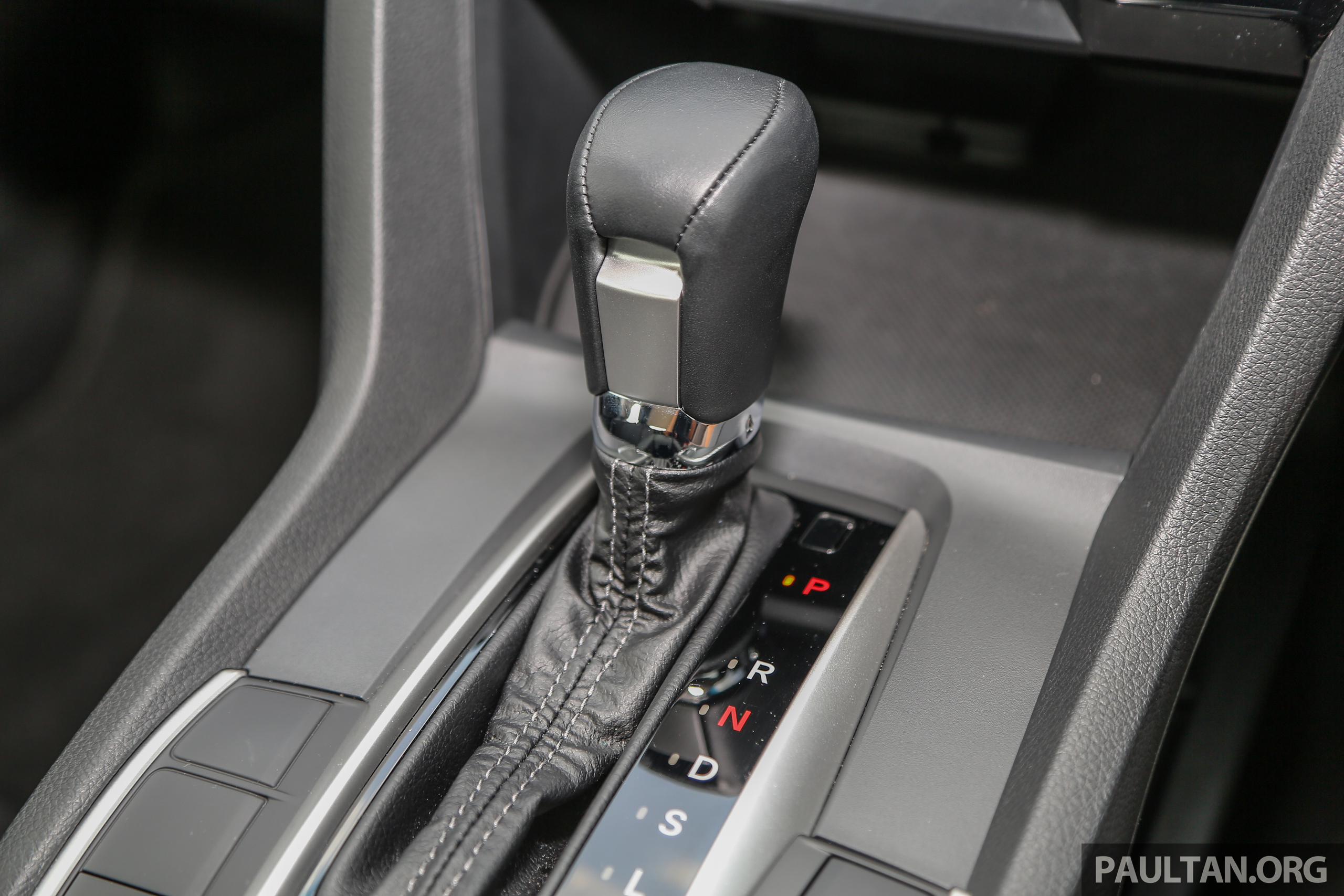

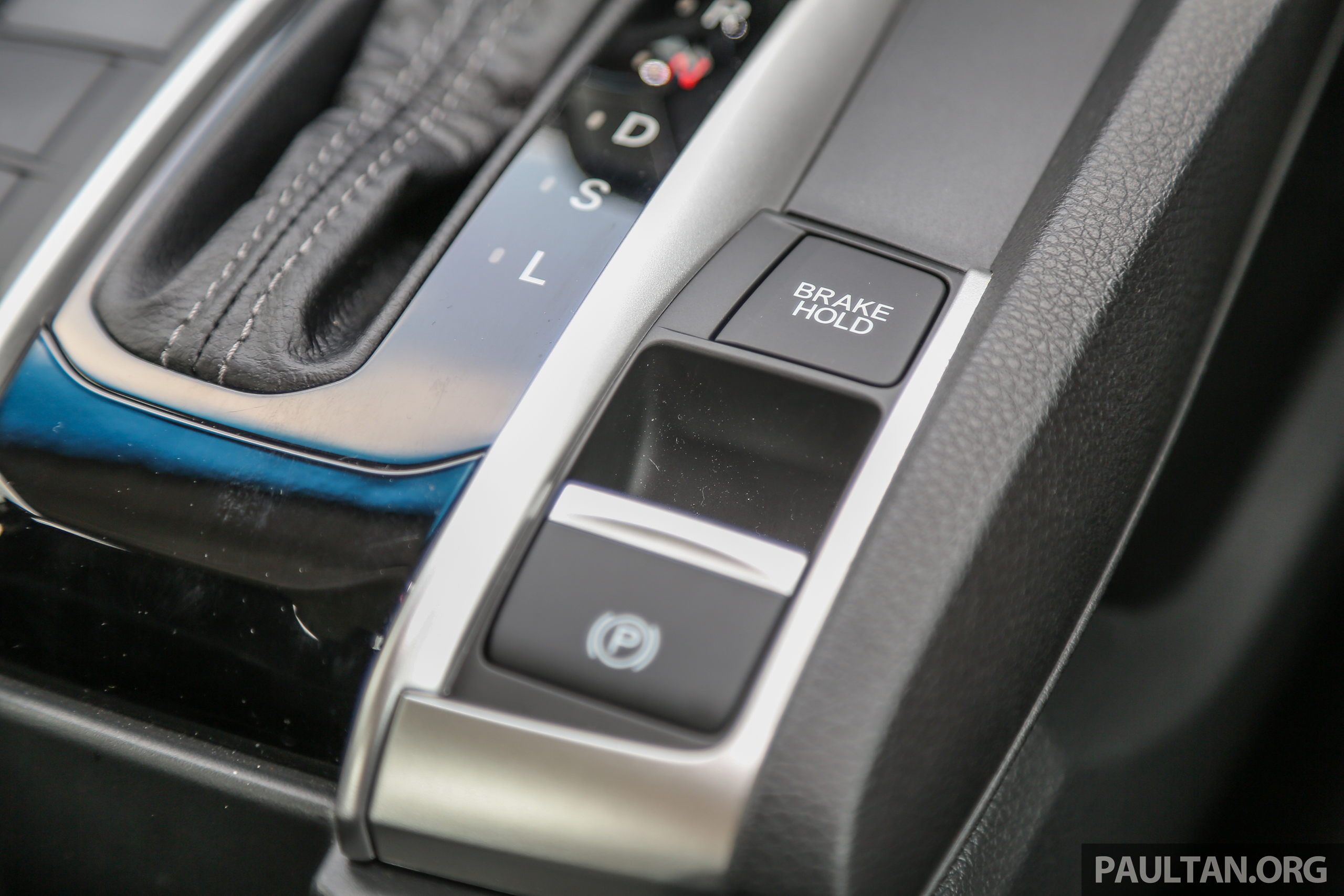

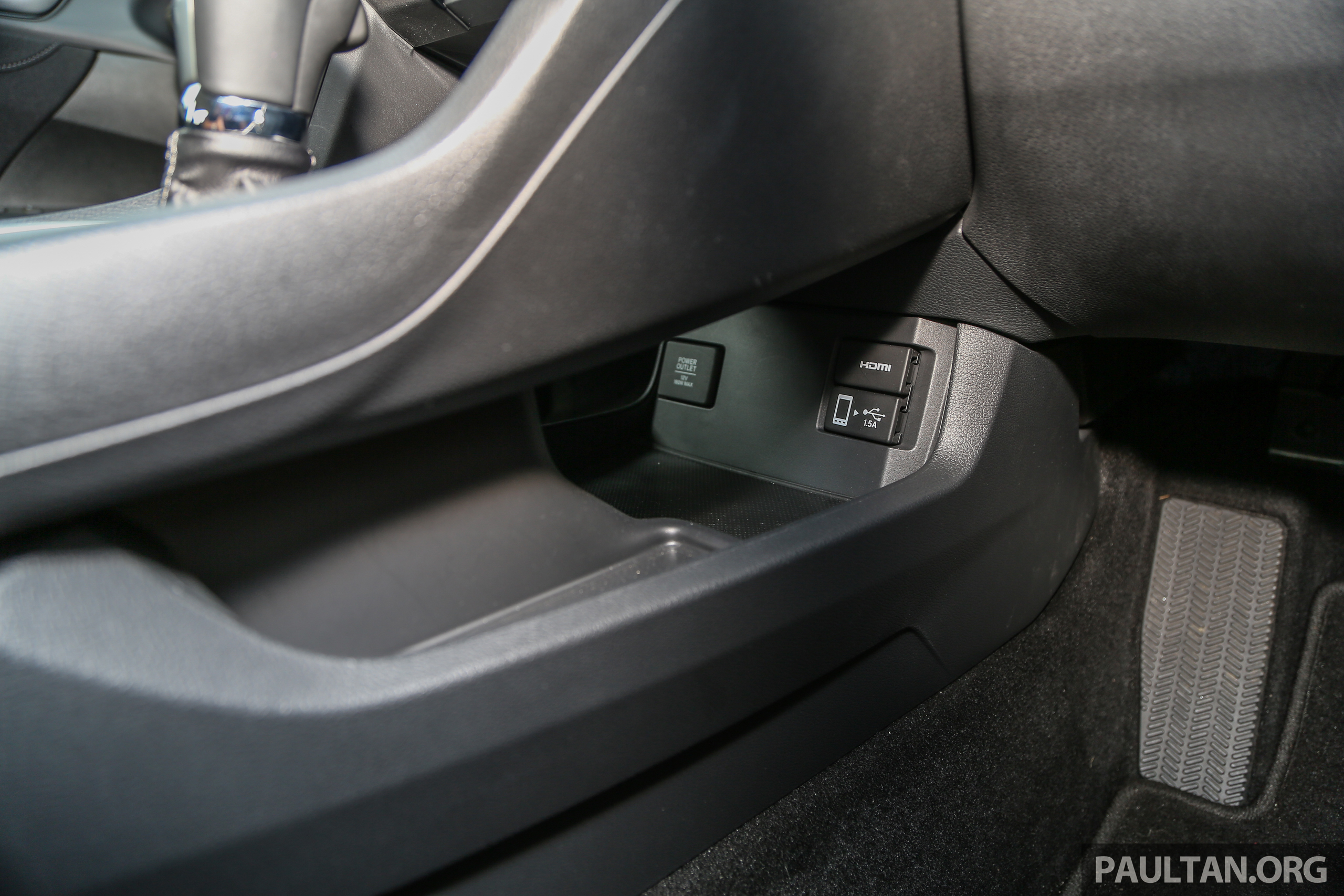

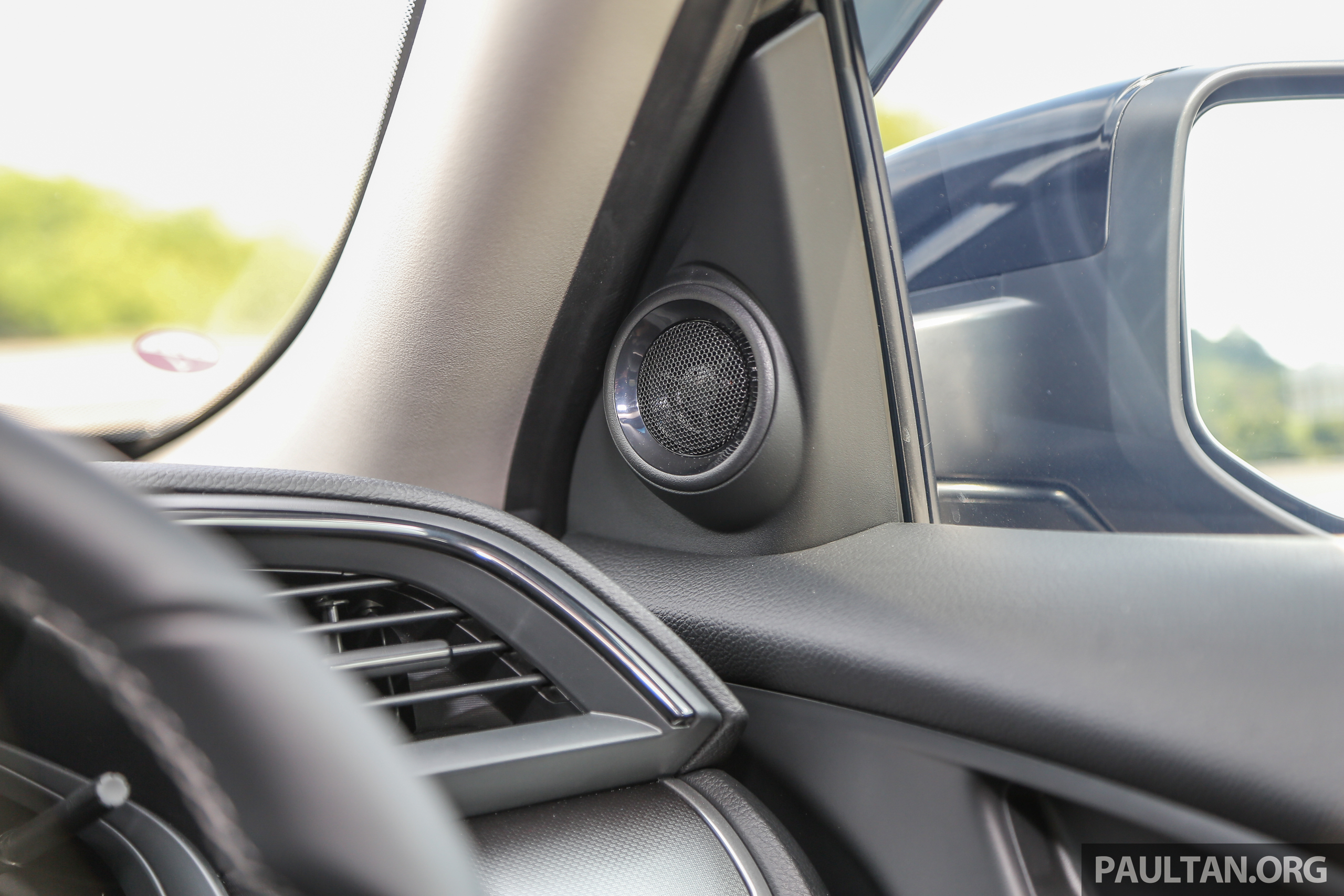
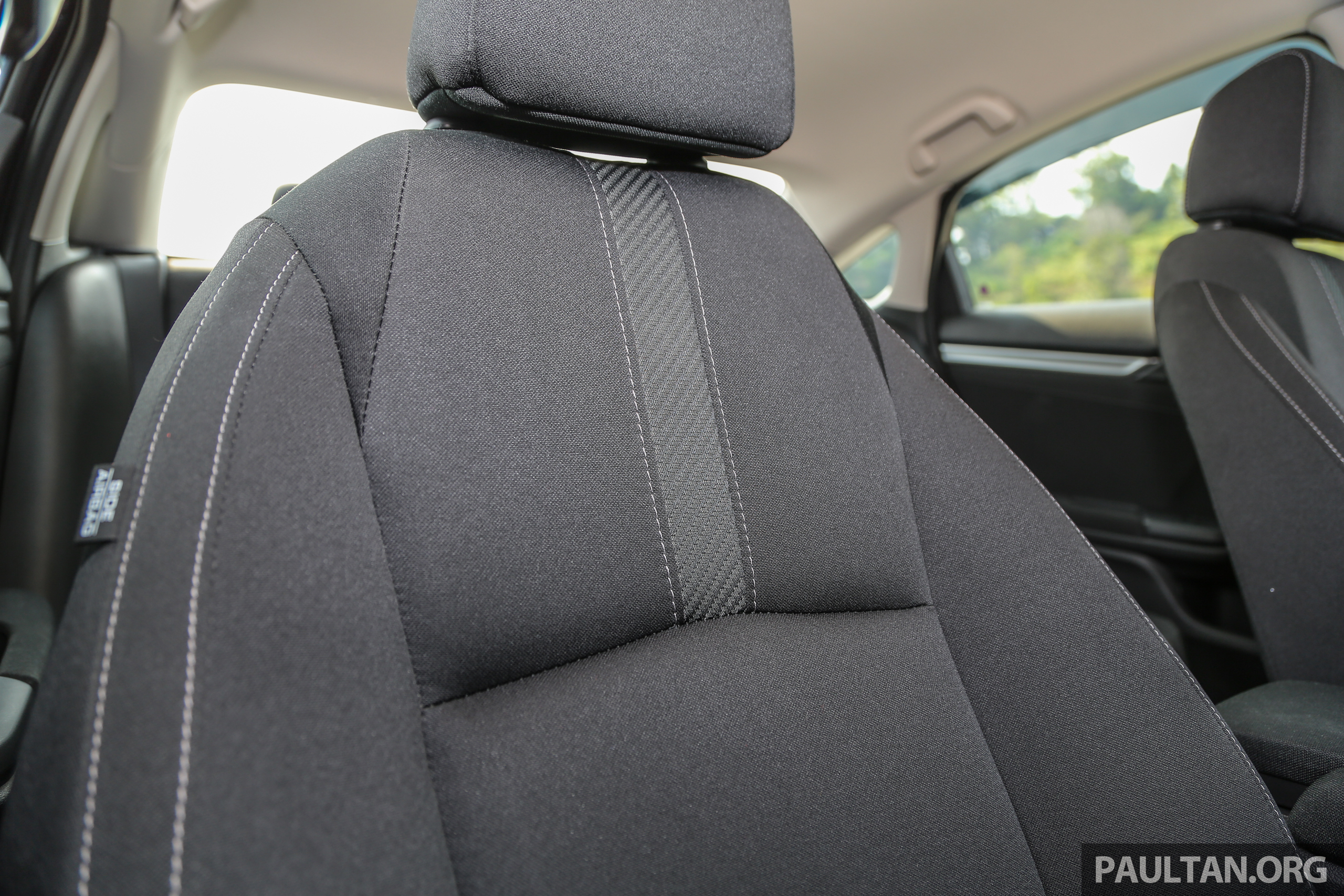
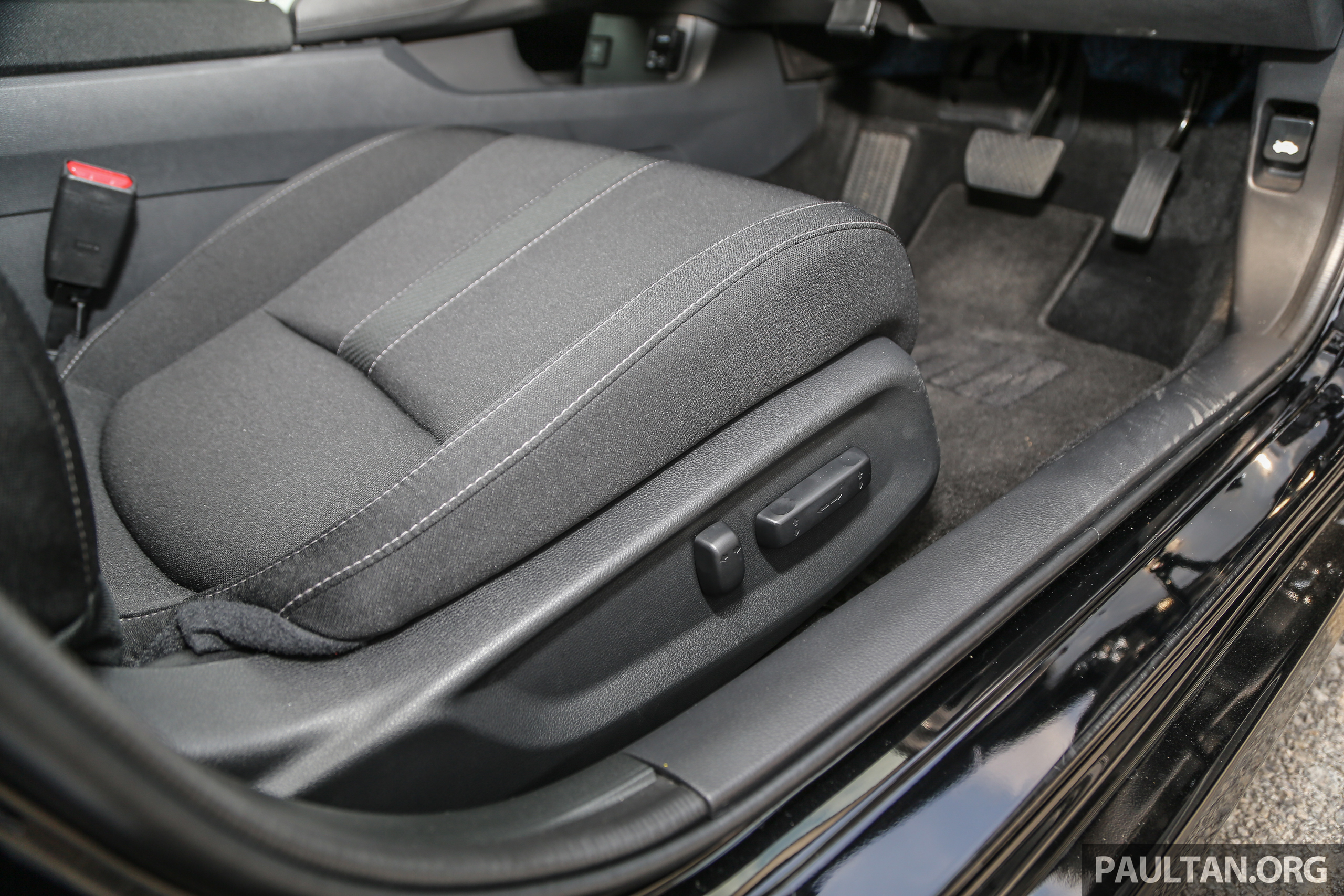

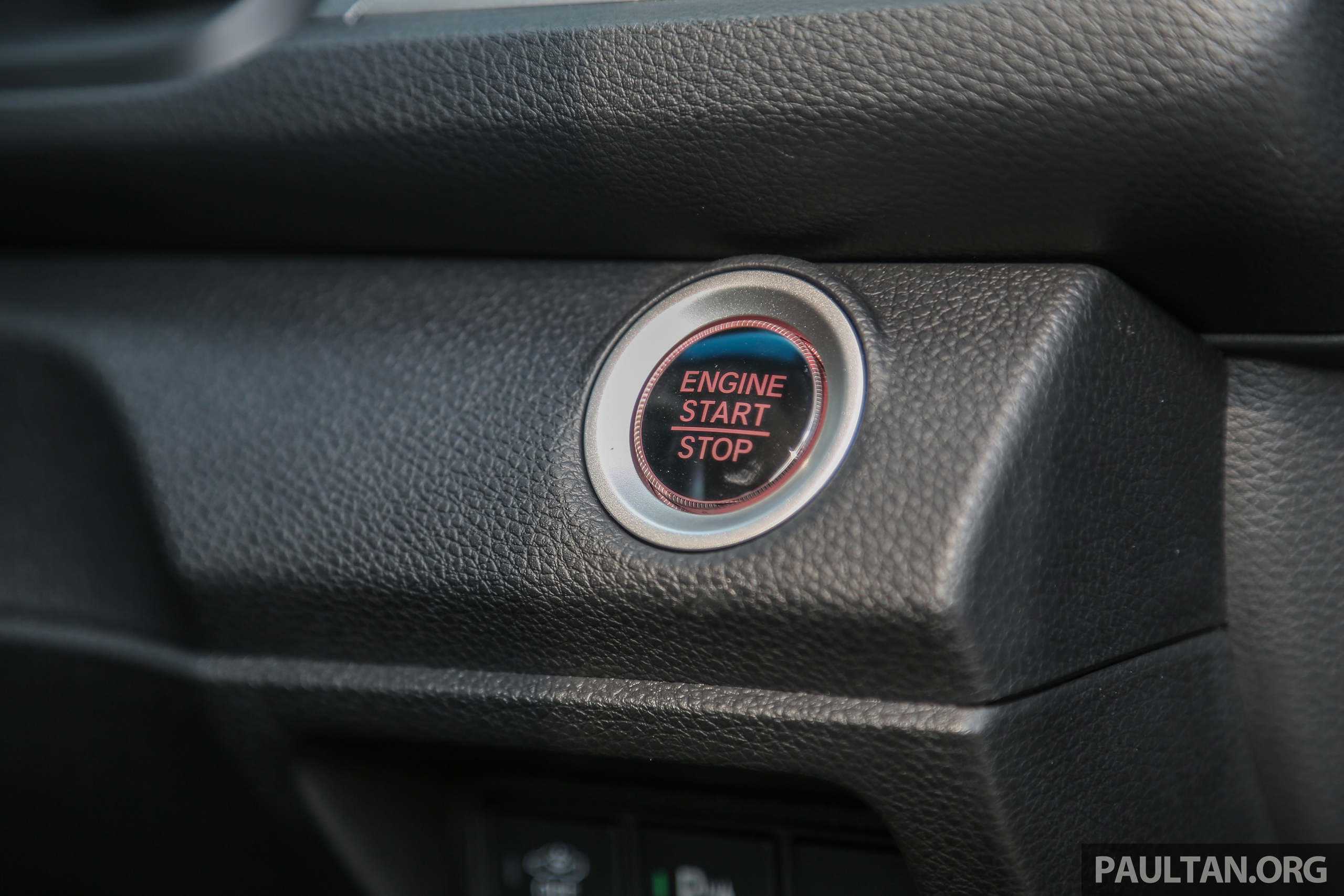
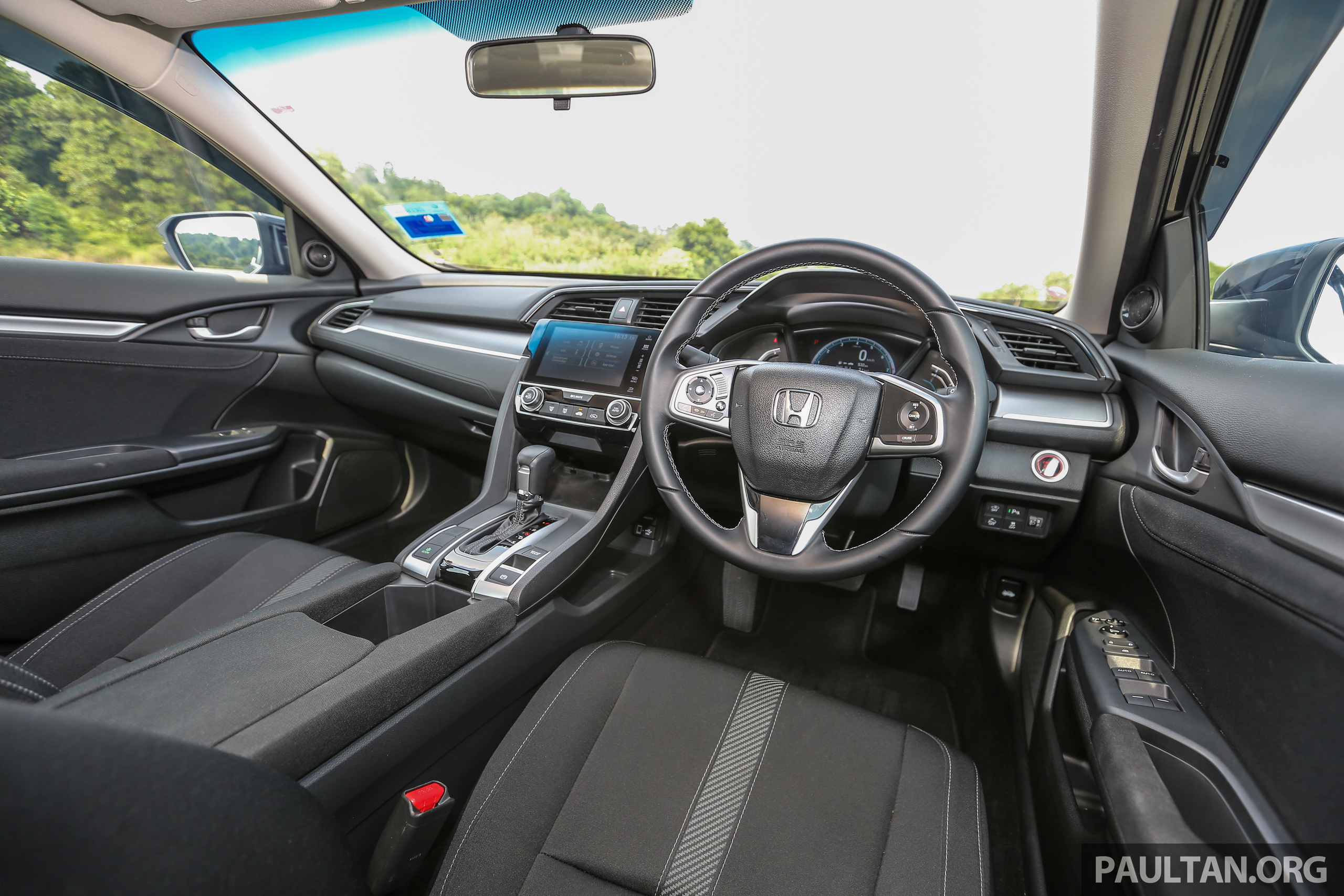

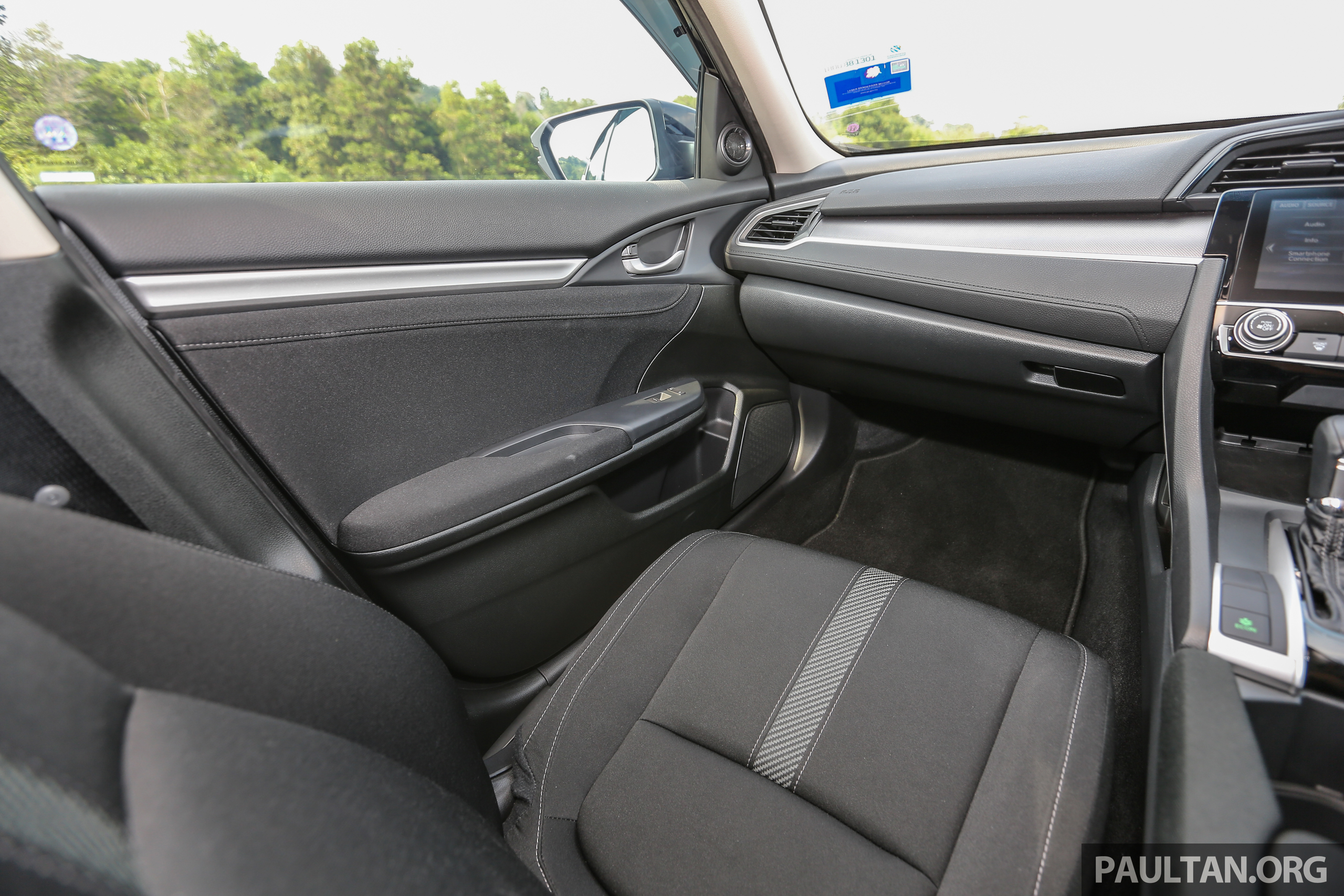
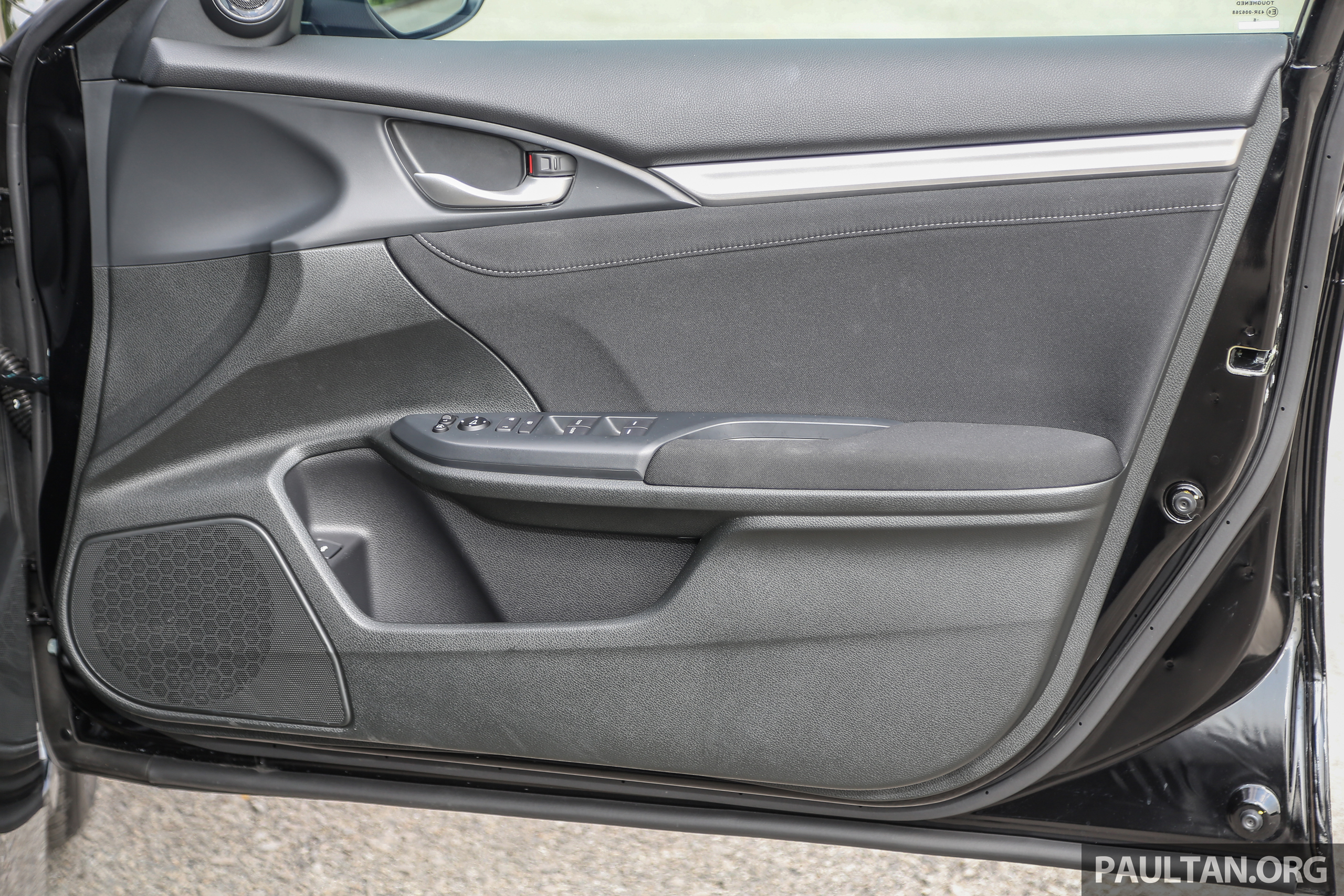
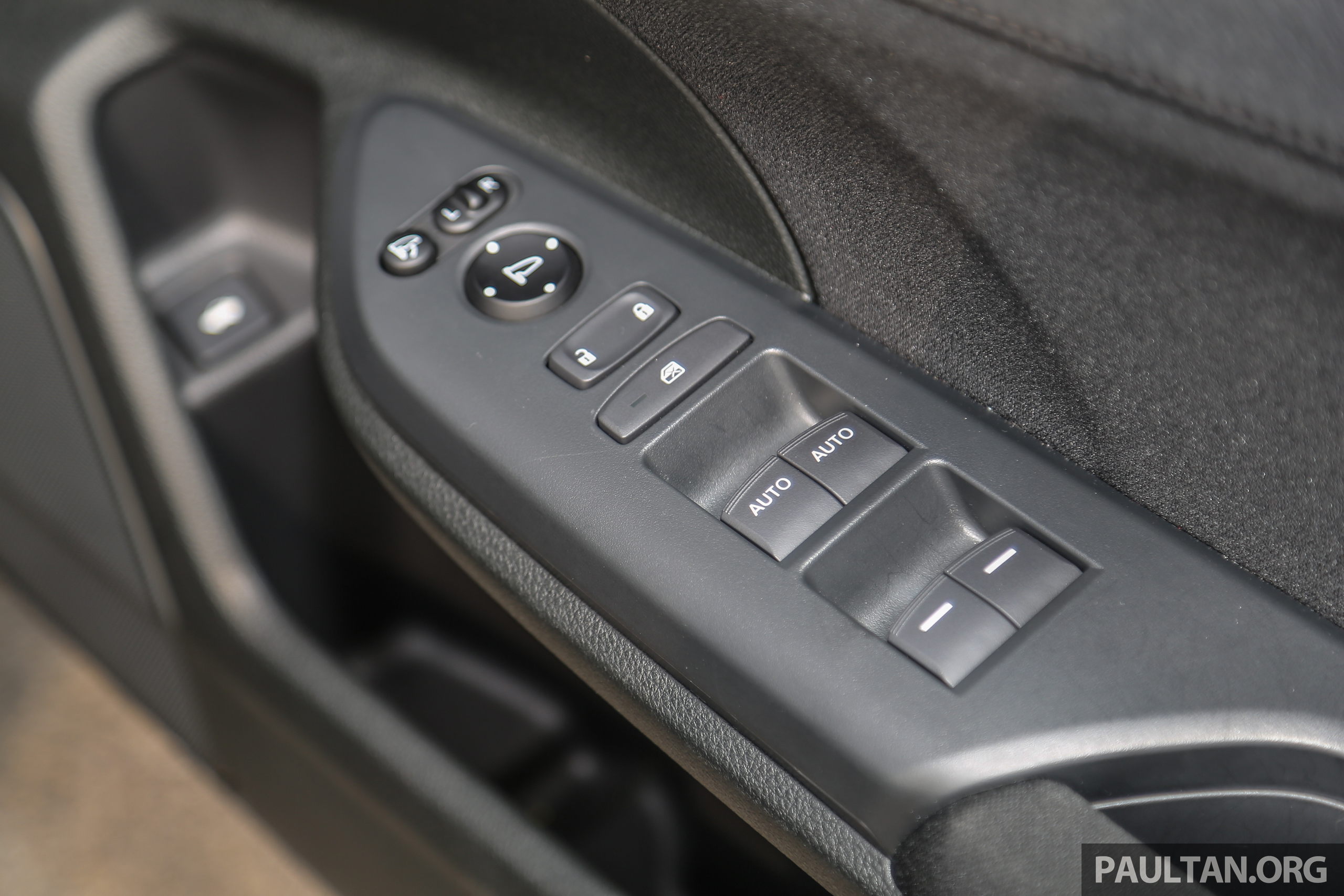
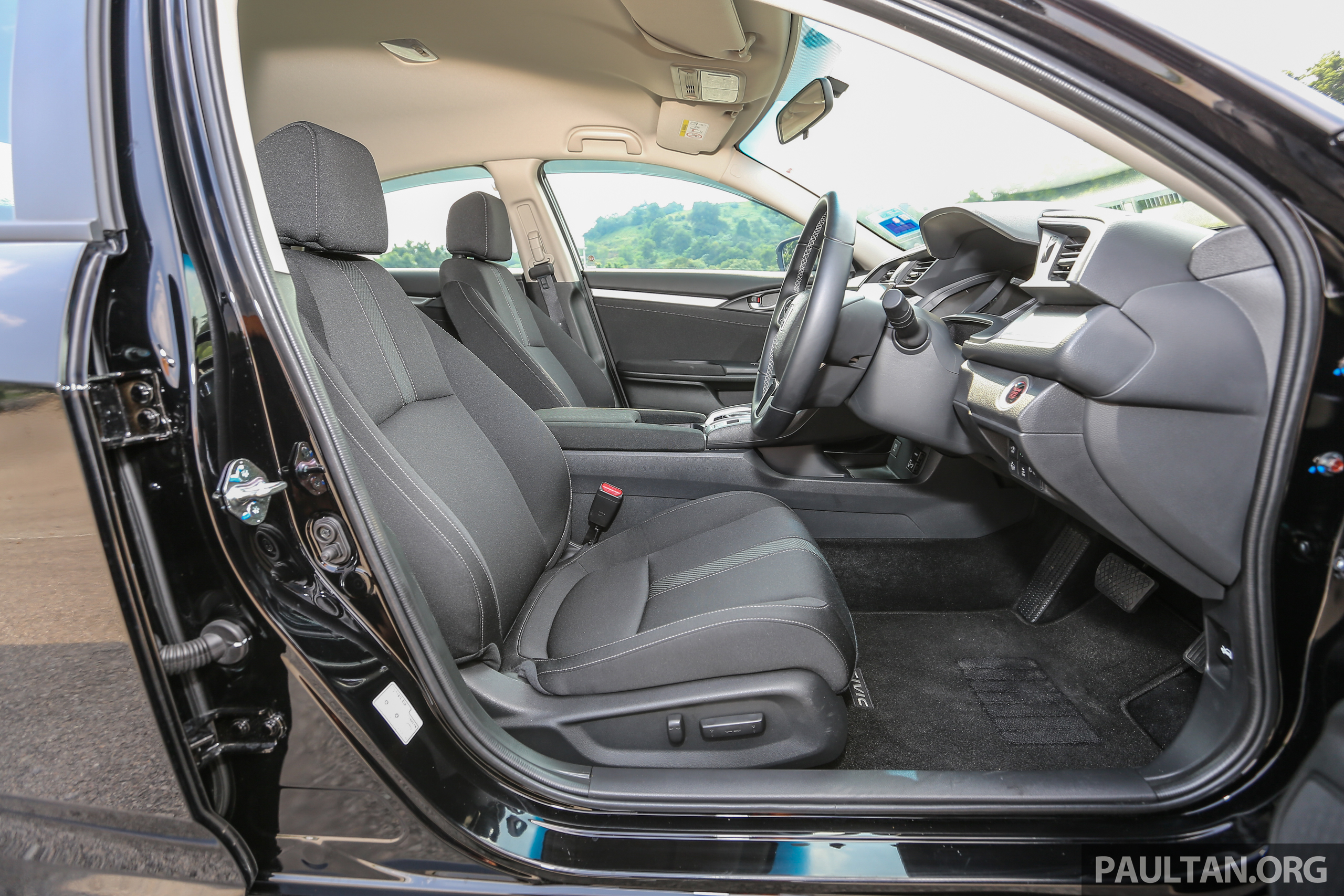
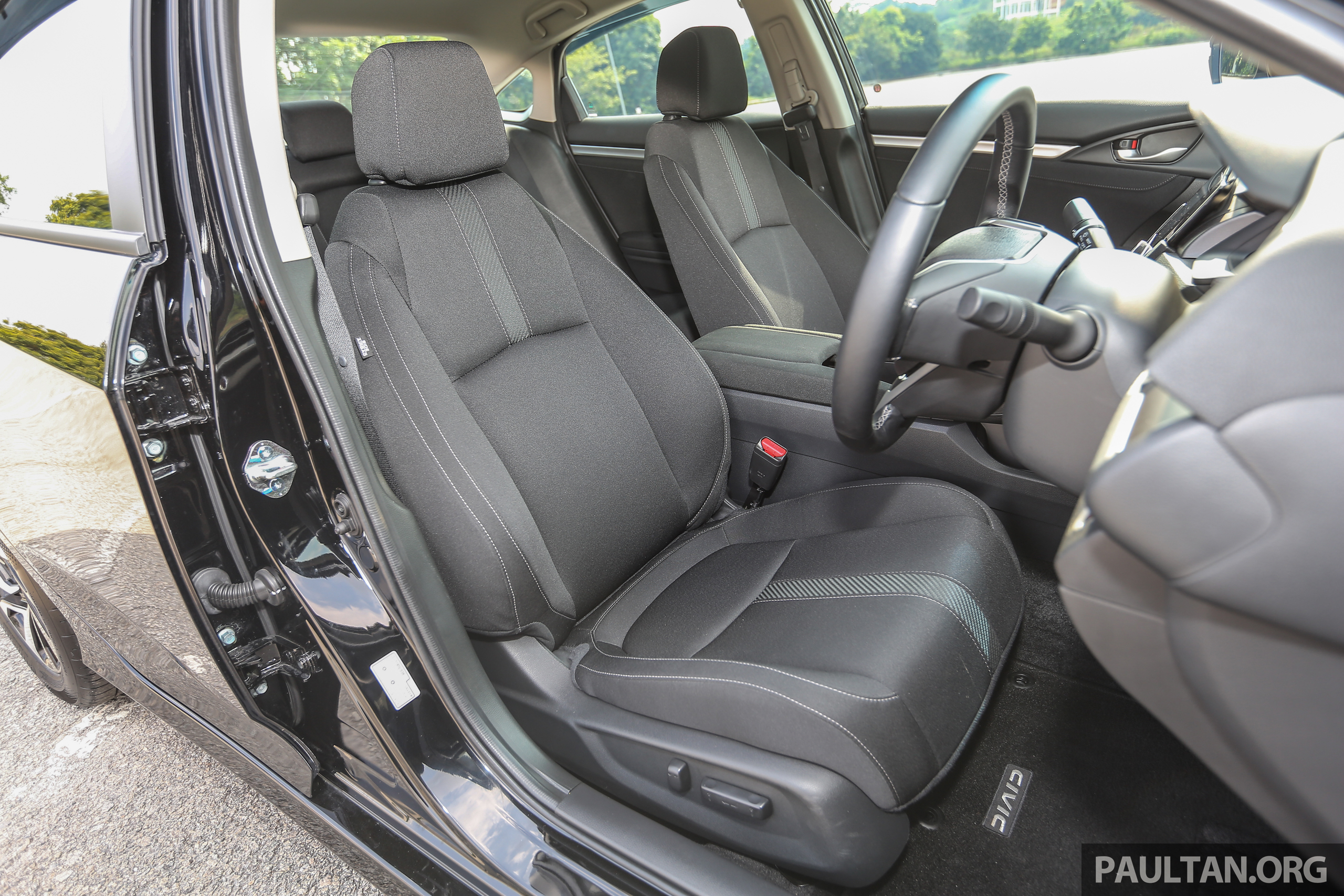
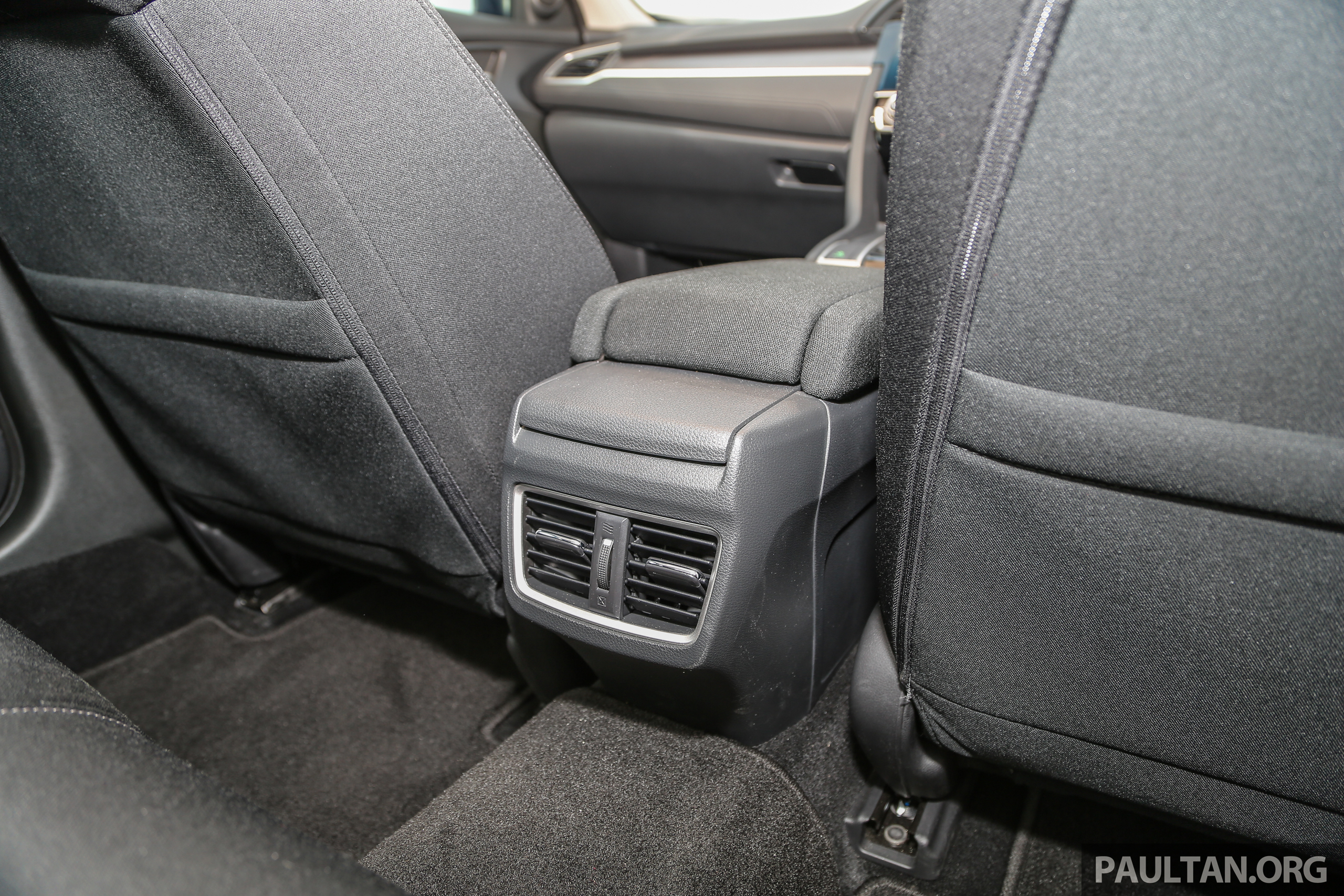
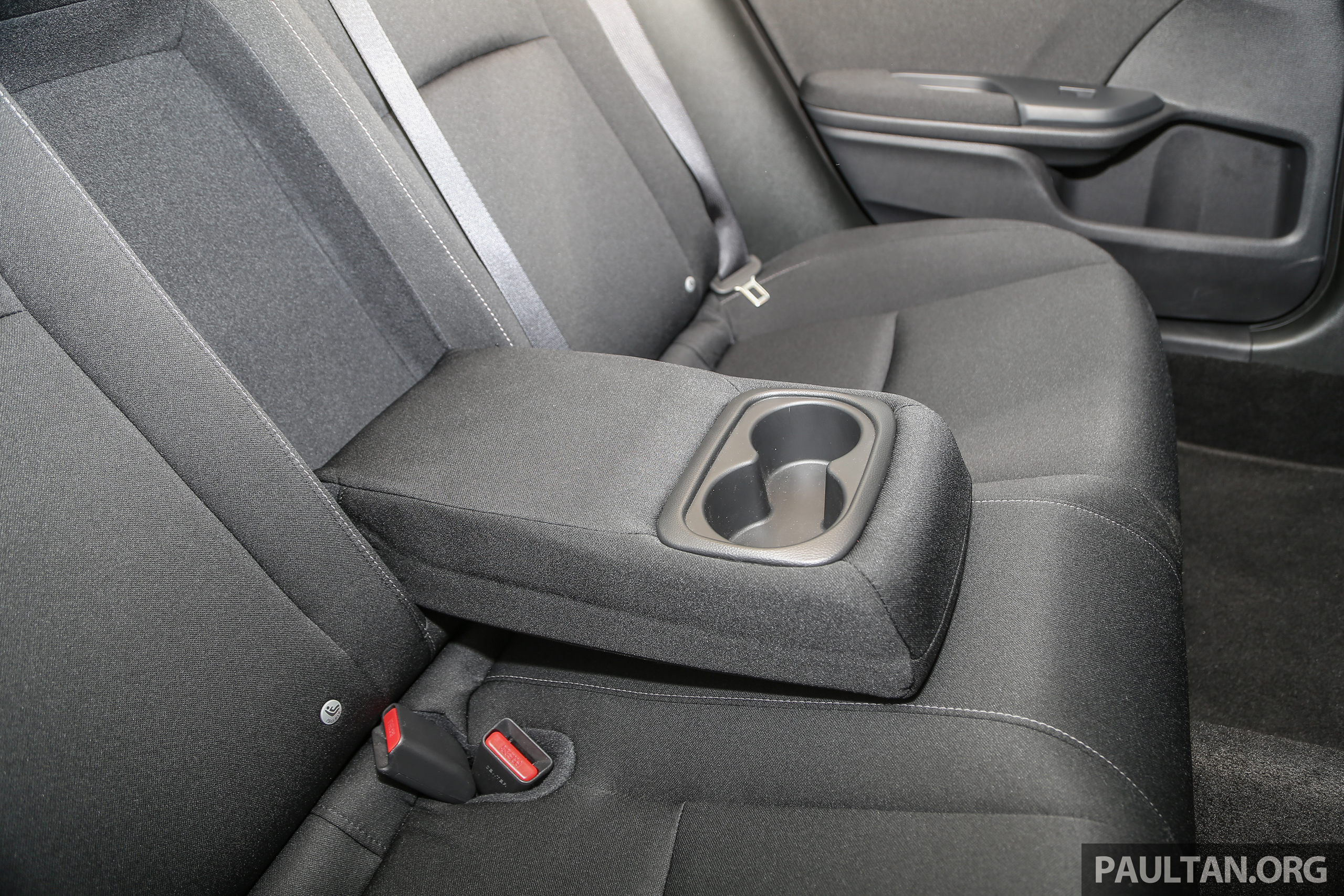

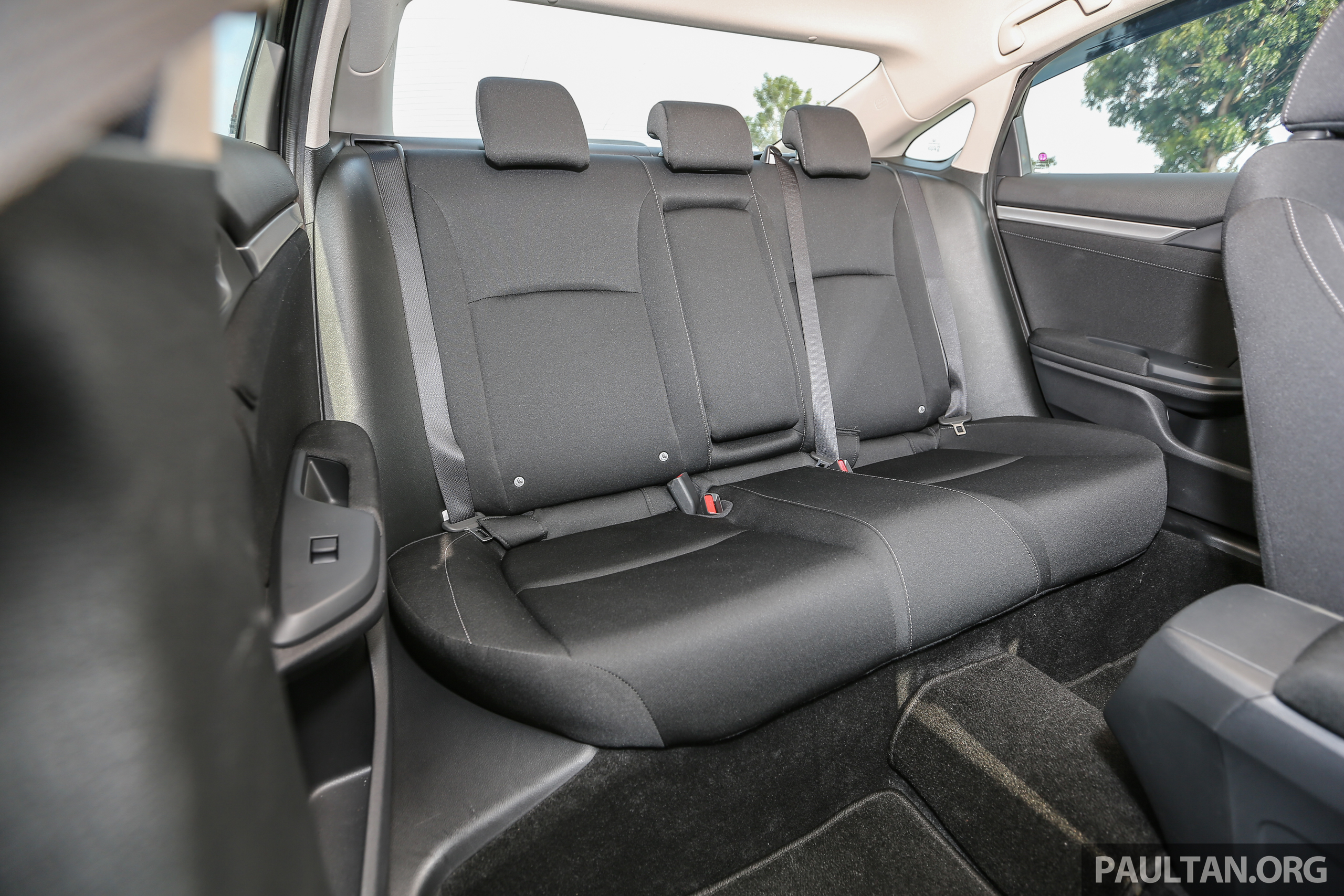
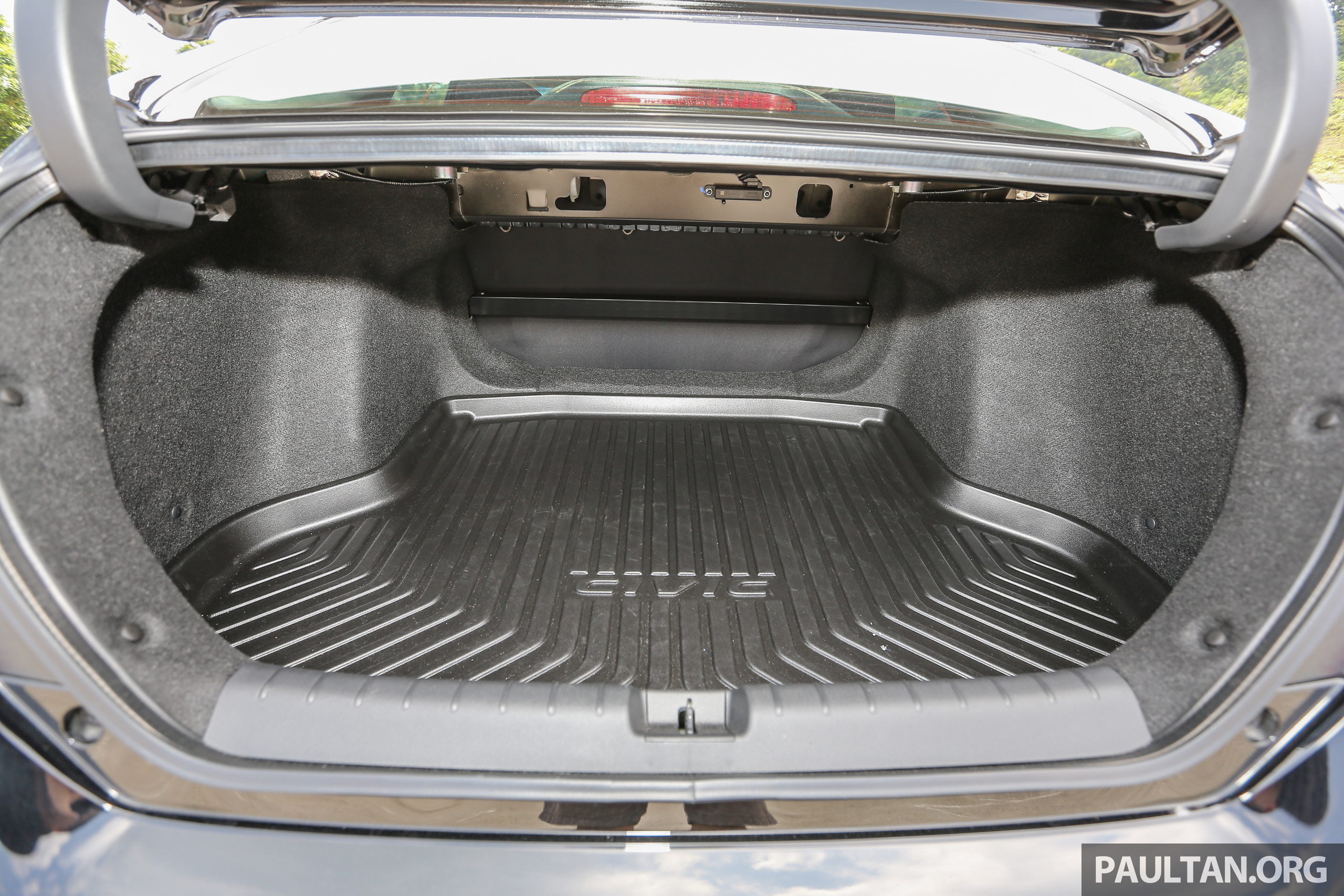
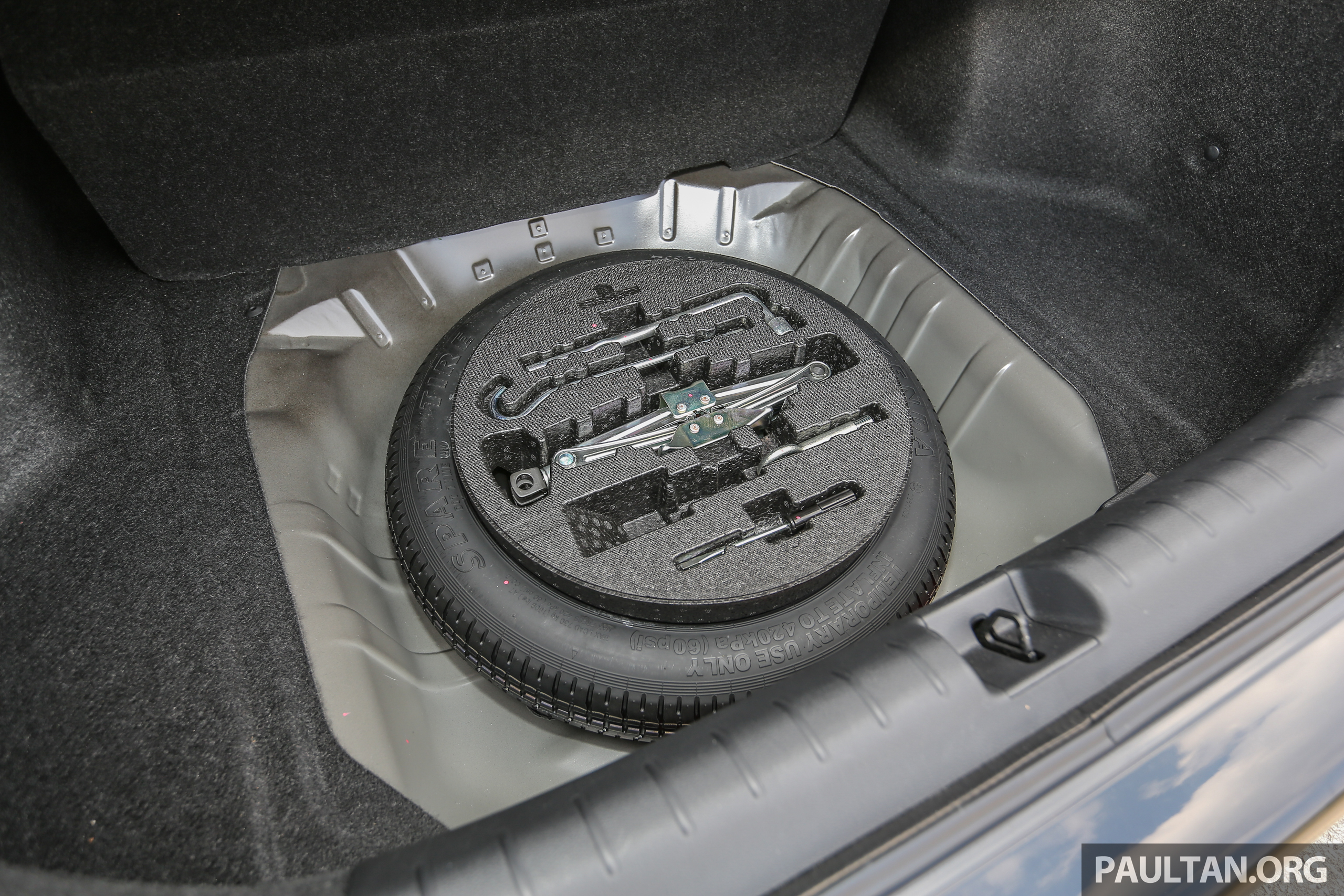
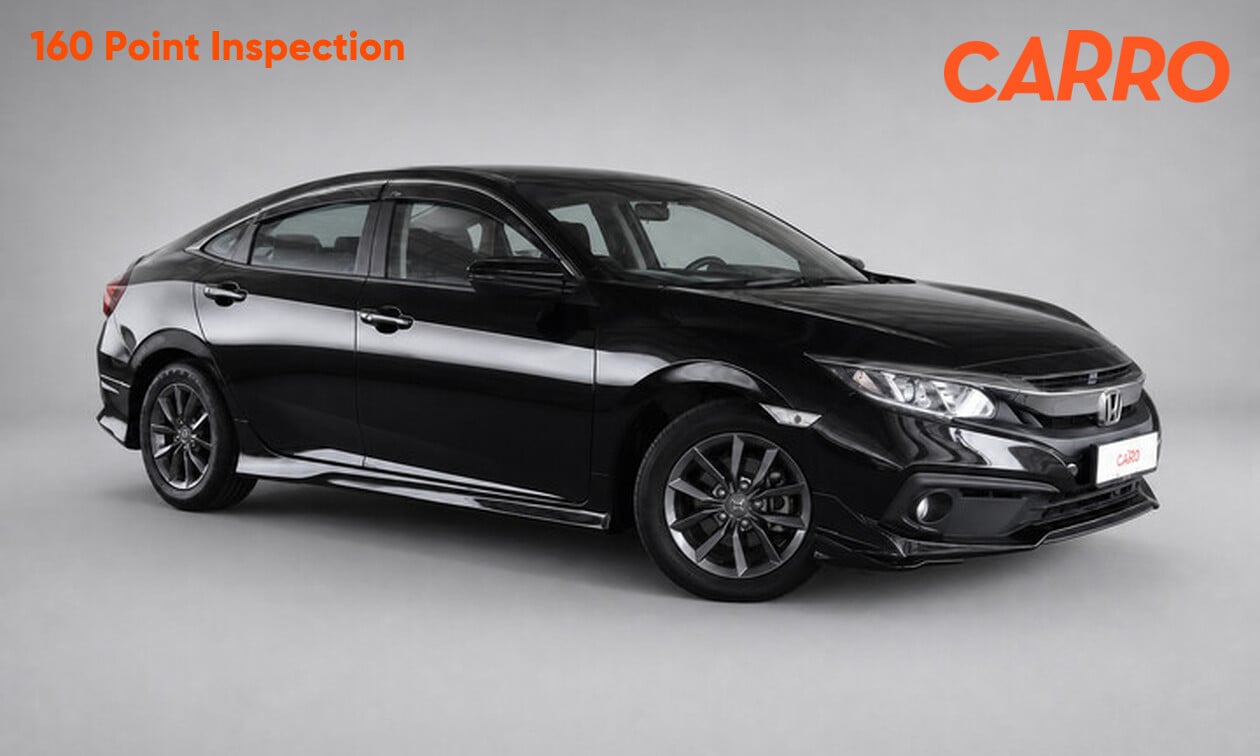
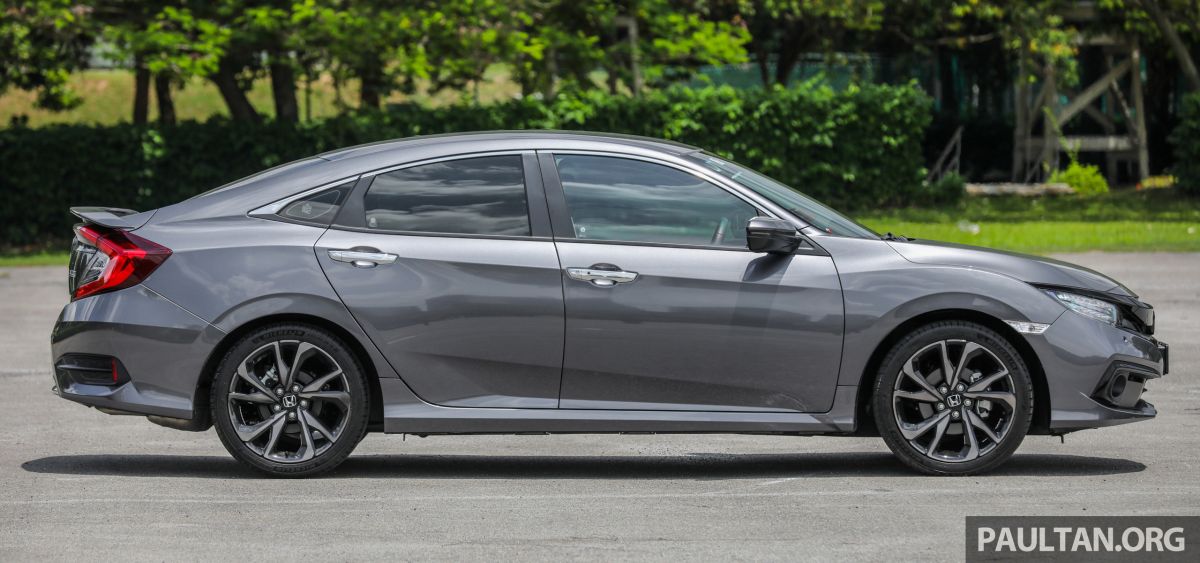
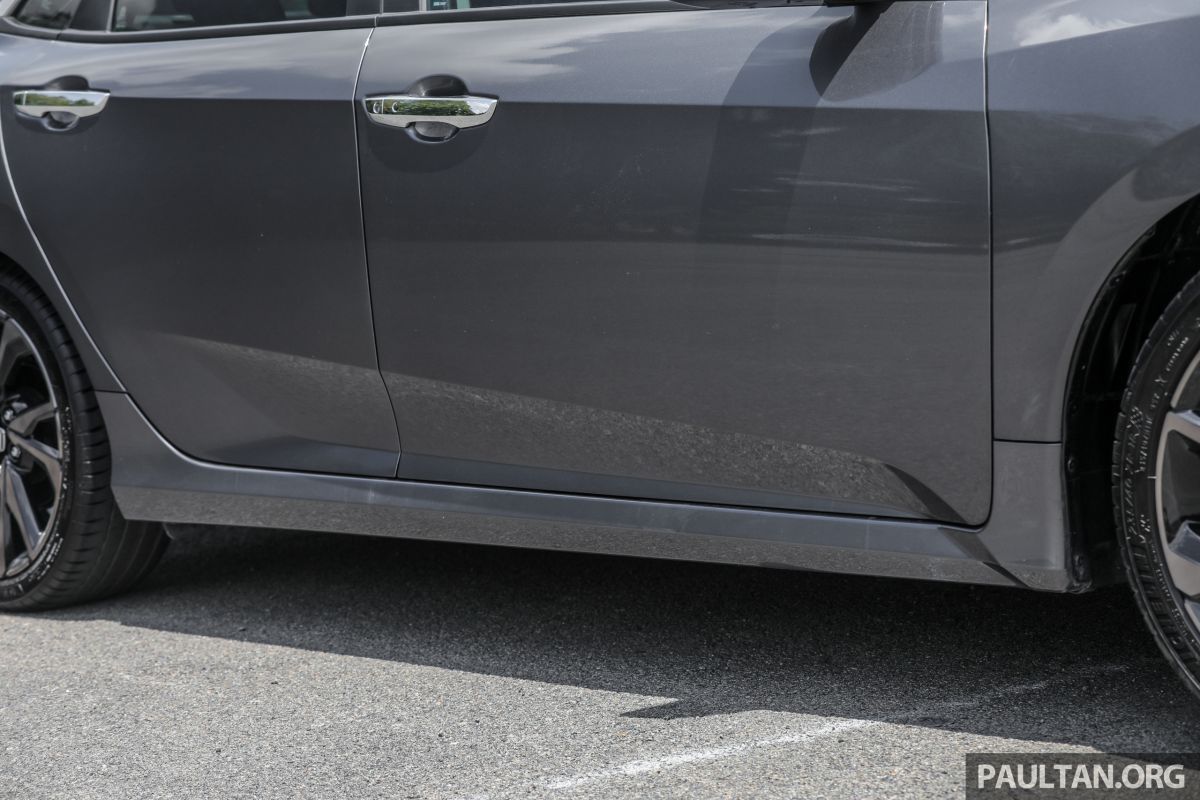
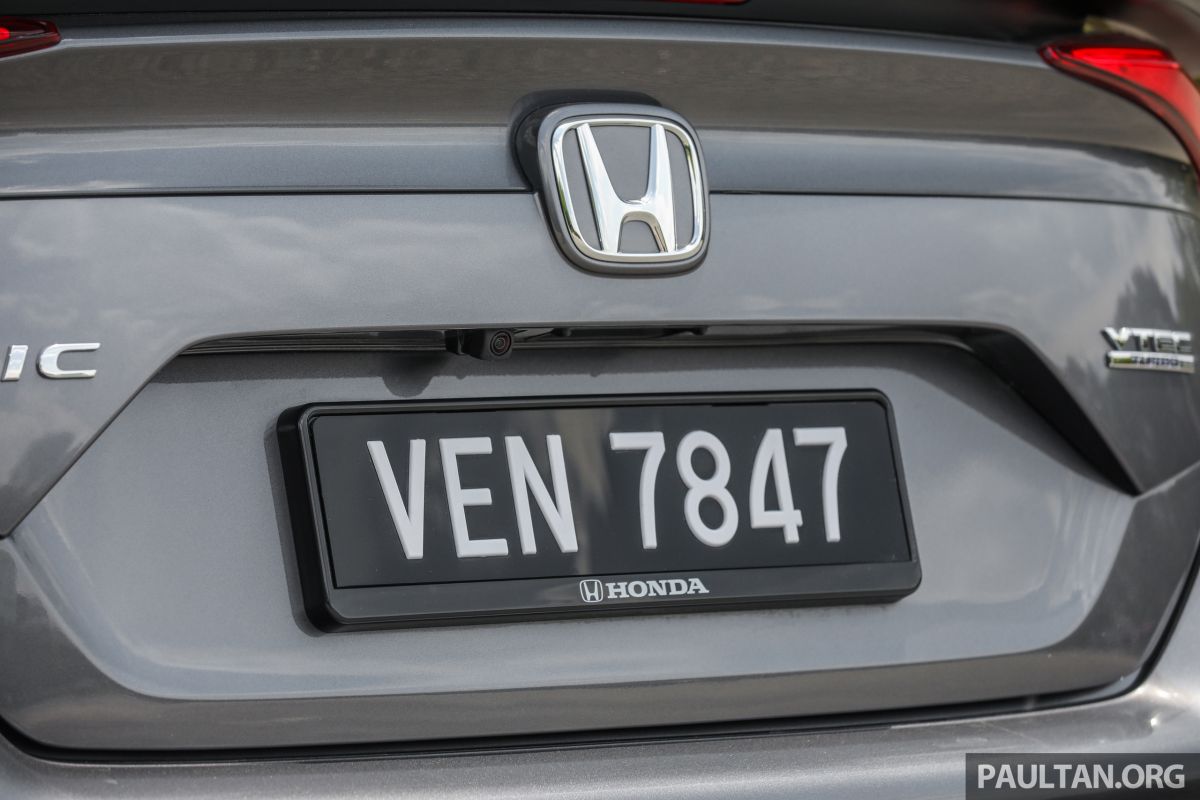
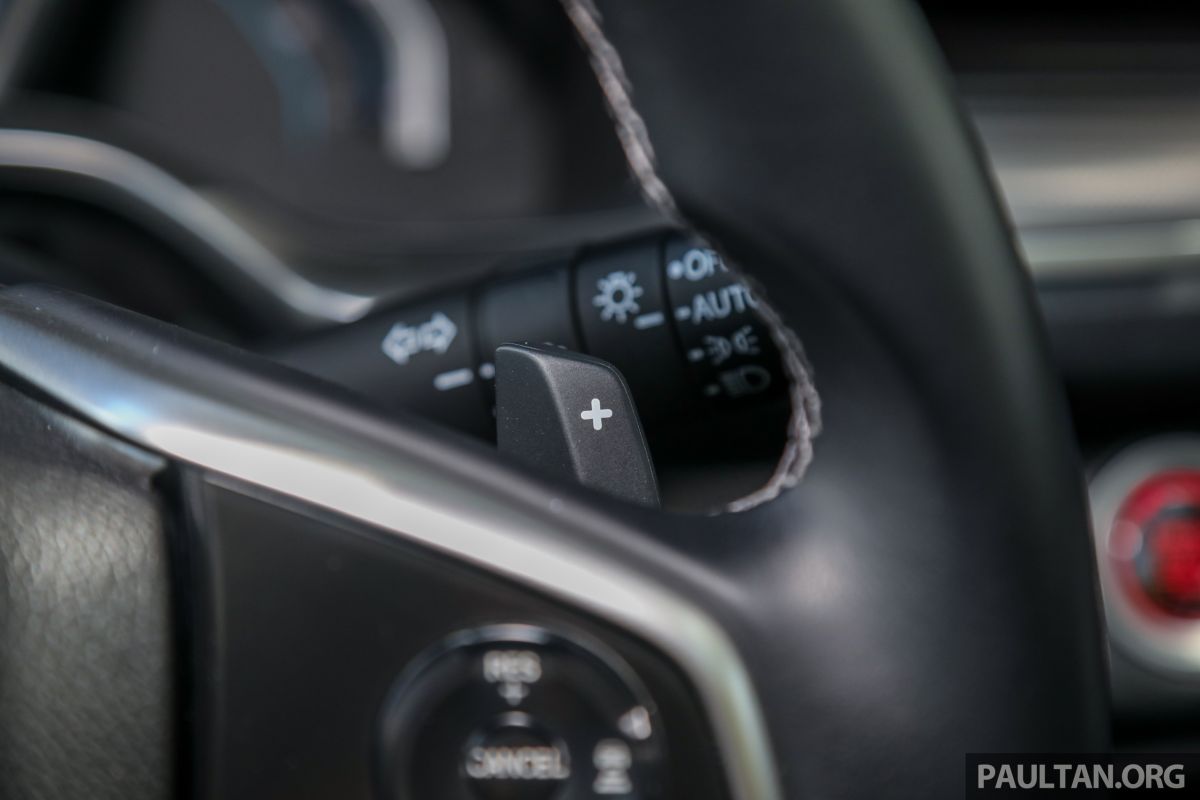
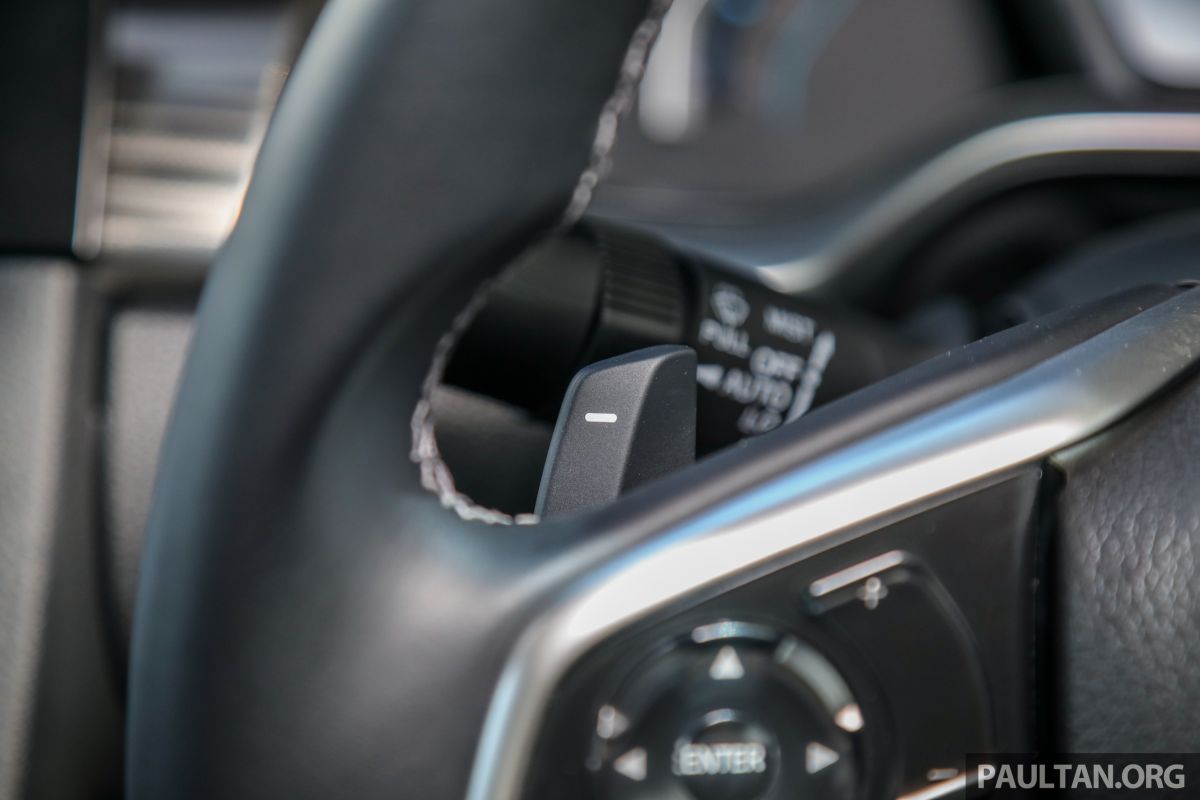
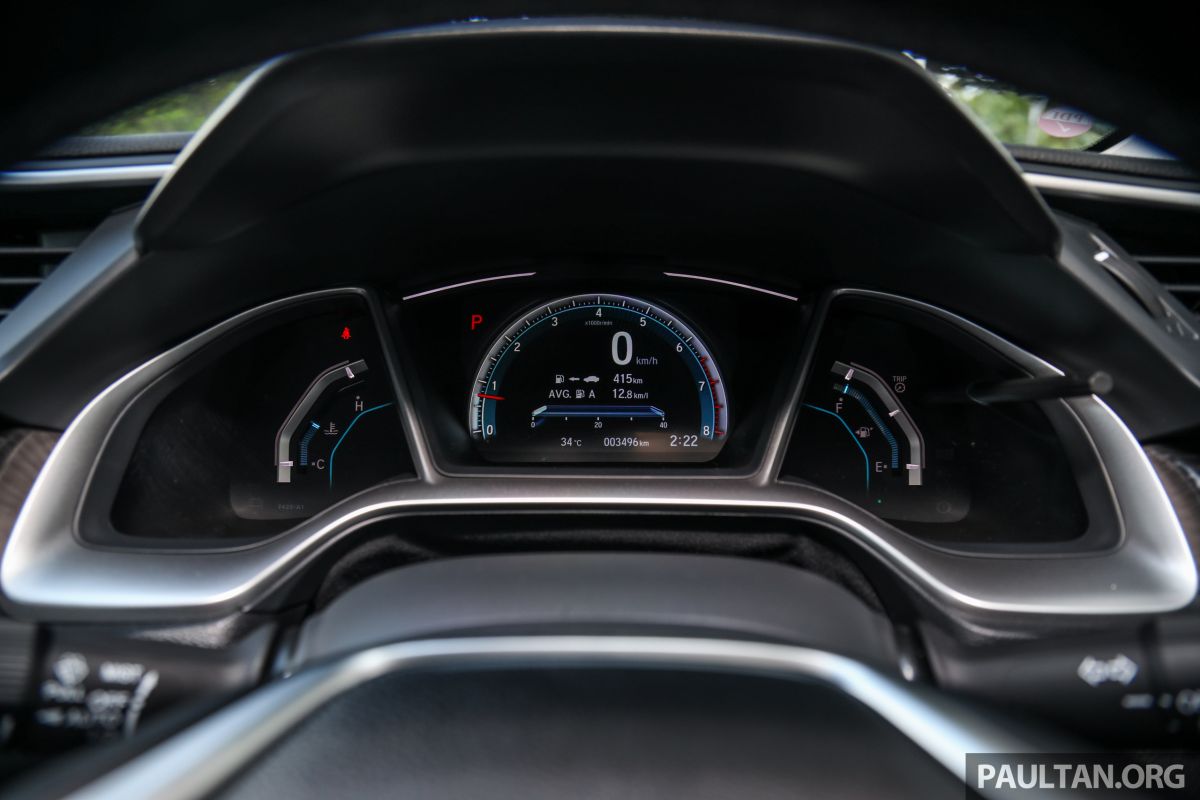
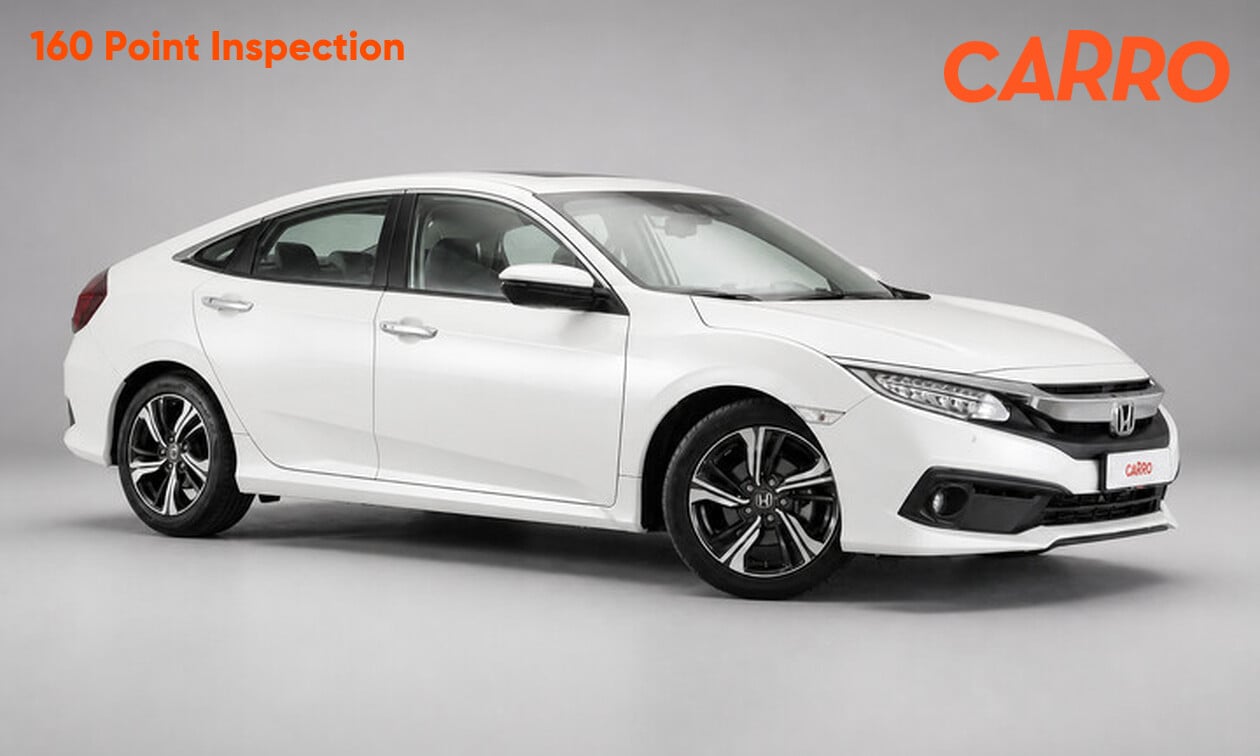
GALLERY: 2020 Honda Civic 1.5 TC-P facelift


Looking to sell your car? Sell it with Carro.


 Honda Civic
from RM 133,900
Honda Civic
from RM 133,900  Honda Prelude
from RM 278,000
Honda Prelude
from RM 278,000  Honda HR-V
from RM 115,900
Honda HR-V
from RM 115,900  Honda e:N1
from RM 149,900
Honda e:N1
from RM 149,900  Honda City Hatchback
from RM 85,900
Honda City Hatchback
from RM 85,900  Honda CR-V
from RM 178,200
Honda CR-V
from RM 178,200  Honda Civic Type R
from RM 399,900
Honda Civic Type R
from RM 399,900  Honda City
from RM 84,900
Honda City
from RM 84,900  Honda WR-V
from RM 89,900
Honda WR-V
from RM 89,900 


Owned the 1.8L from 2020 to 2025.
Enjoyed every second driving it, don’t really need that turbo. Notable issues/problems:
1. Steering rack. replaced under warranty.
2. Tensioner belt noise. Replaced under warranty.
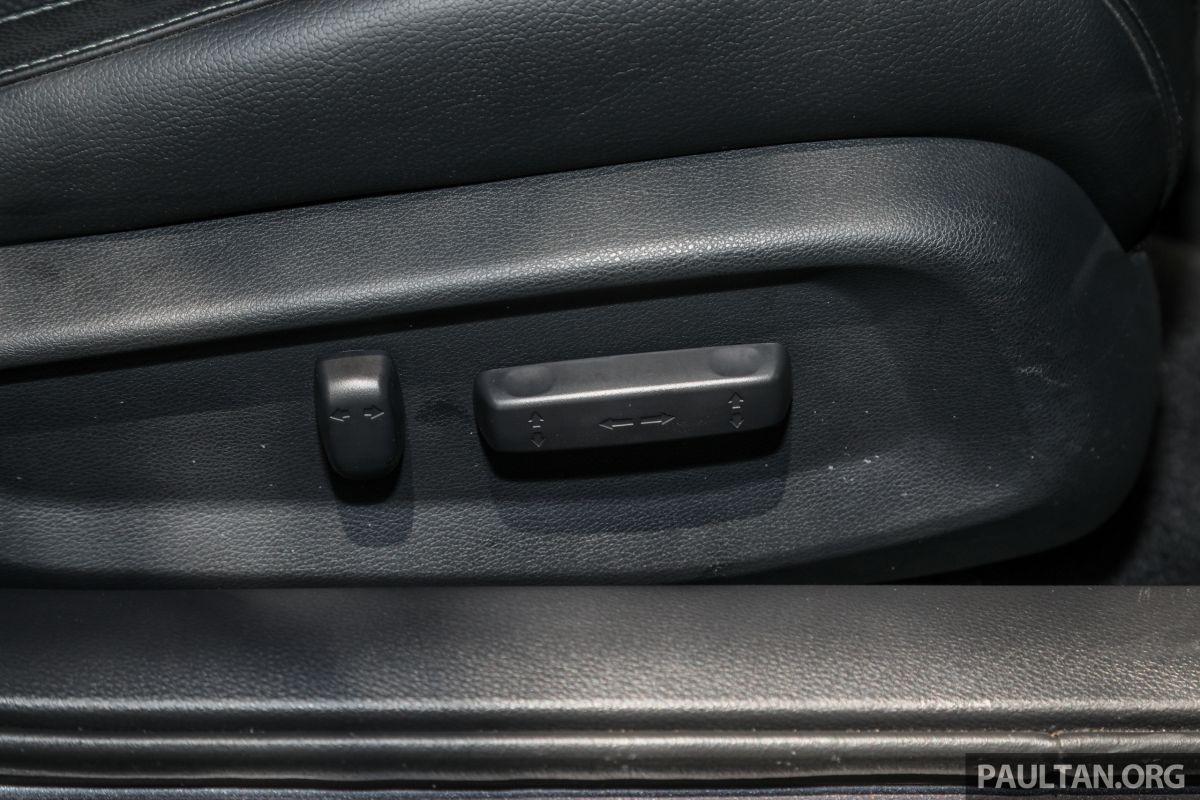
3. Electric seat motor problem. Replaced under warranty.
4. CVT sometimes feels bit jerky at low speeds when release the throttle (30-40kmh). When complained, Honda SA says ‘biasalah FC mmg kes mcm ni’. (say what?)
5. Some rattling noise at the dash & door cards driver side when driving on bad road surface. When send SC to fix, sound worsen (*regret fixing it).
Frankly the car is comfy but not as sporty as u think (the older Altis handles better). Some things that I liked but not many talk about= Clever steering button configs when using Android Auto, remote auto start, walk away auto lock, high resolution digital meter, fuel gauge bar & intuitive digital info.
Eventually sold it because wife & parents hated the low seating position, plus having grown up kids.
thanks for sharing bro, helps me as someone wanting to buy civic fc
Honda CVT … sungguh “tahan”
No way, the old Altis was the ultimate sampan car.
i guess he is referring to the current altis , which was launched in 2020-ish.
Exactly..i also agree the Altis actually handles better and a slightly better ride…interior not as spacious though
thanks Harvinder for this great write-up!
Thank you for this write up.
These articles would really come in handy for users looking into second hand vehicle purchase.
Own an fd to fe. I still kept my fd. Sold my fc for fe. Fc when first driven the wow factor was not as how i felt with the fd and the fe. But lookwise the fc was a head turner when i first bought it. But eventually it didn’t last long like how the fd was. The fd was like a slow cooked meal, i got better down the years. With the fe it felt the same.