
Aside from the K4, Kia Sales Malaysia (KSM) is also displaying several new EVs at the Kuala Lumpur International Mobility Show (KLIMS), these being the EV4, EV5 and PV5. The company is using the event to test public demand for the trio – as well as the K4 – which are built on the same electric Global Modular Platform (e-GMP) as the EV6 and EV9.
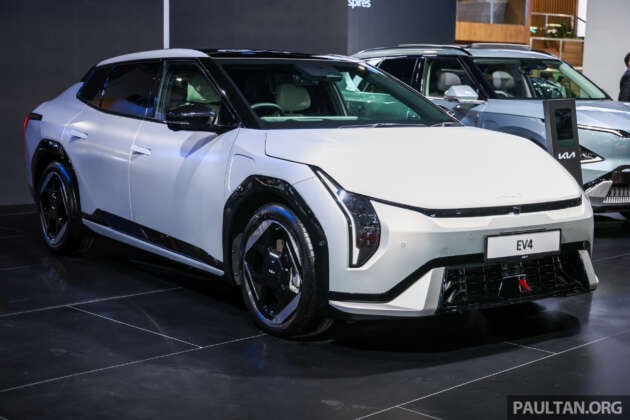
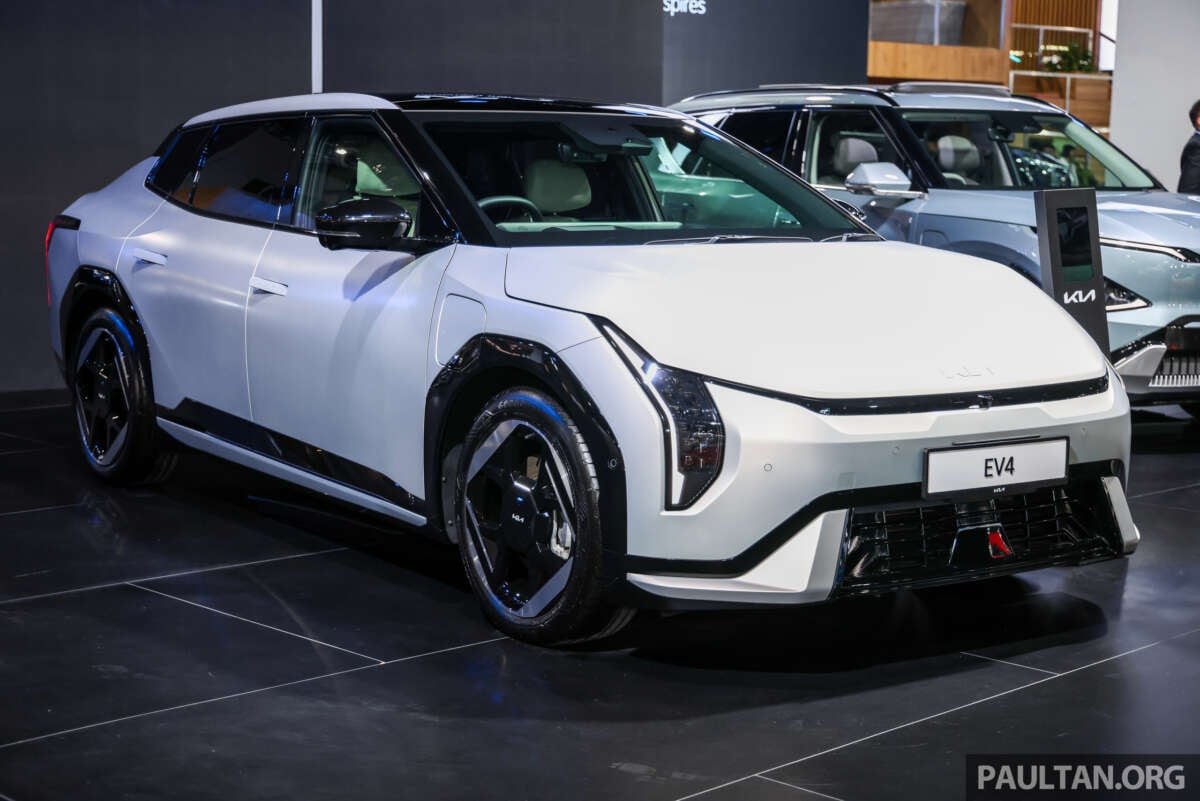
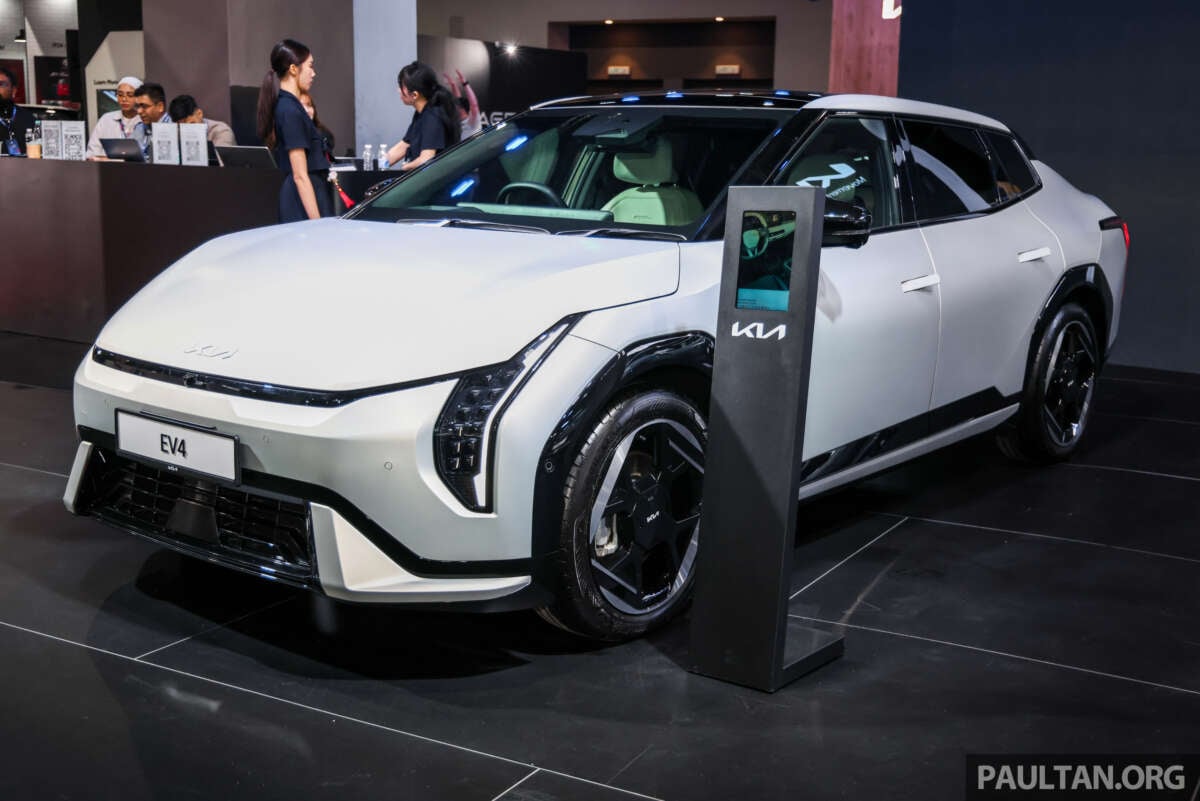
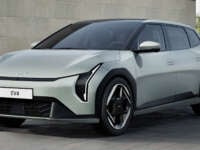
The EV4 is the most “boring” of the trio, being a C-segment sedan (there is also a hatch version to take on the Volkswagen ID.3). Of course, there’s nothing milquetoast about the design, which features Kia’s polarising Opposites United design language.
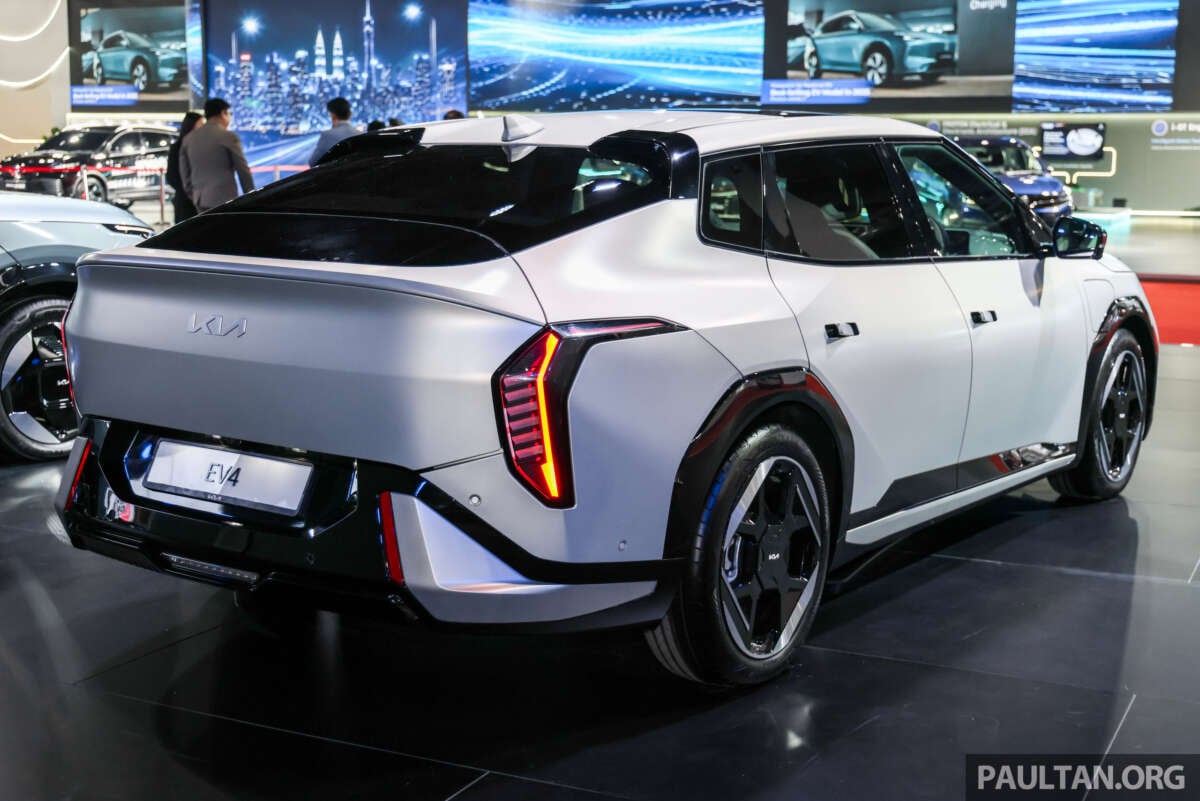
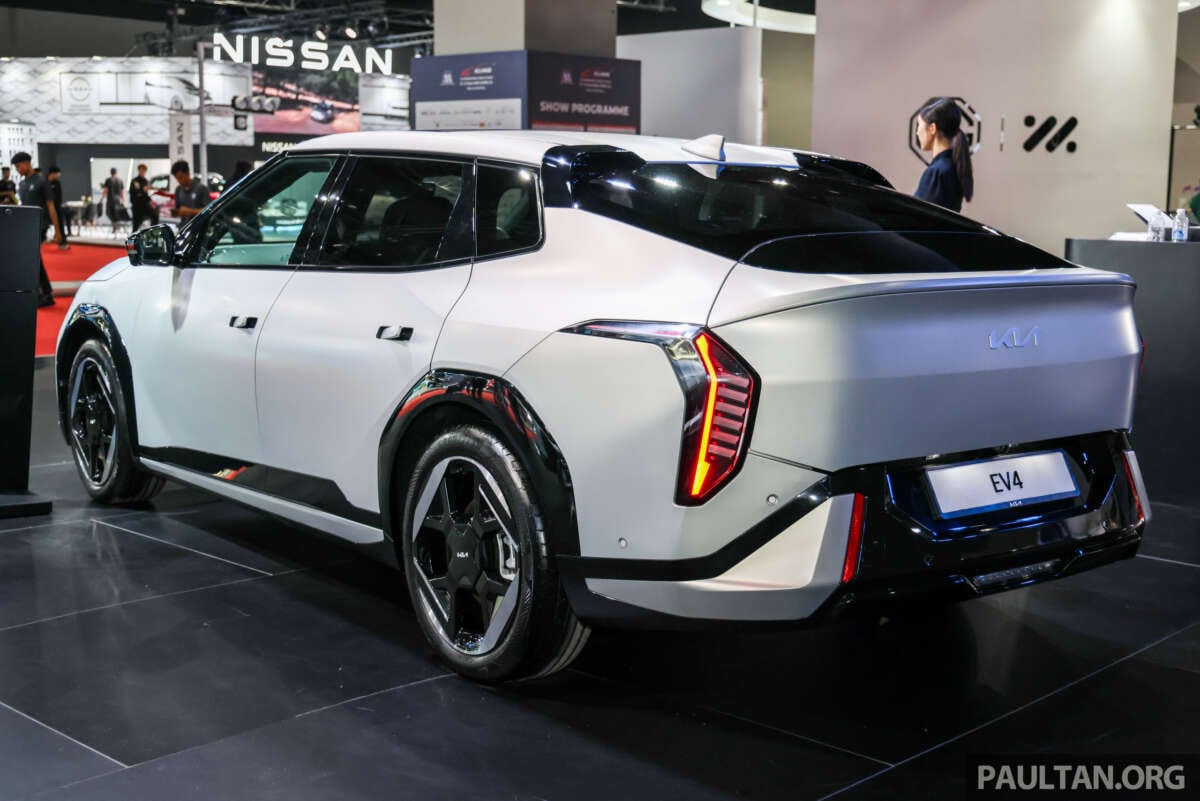
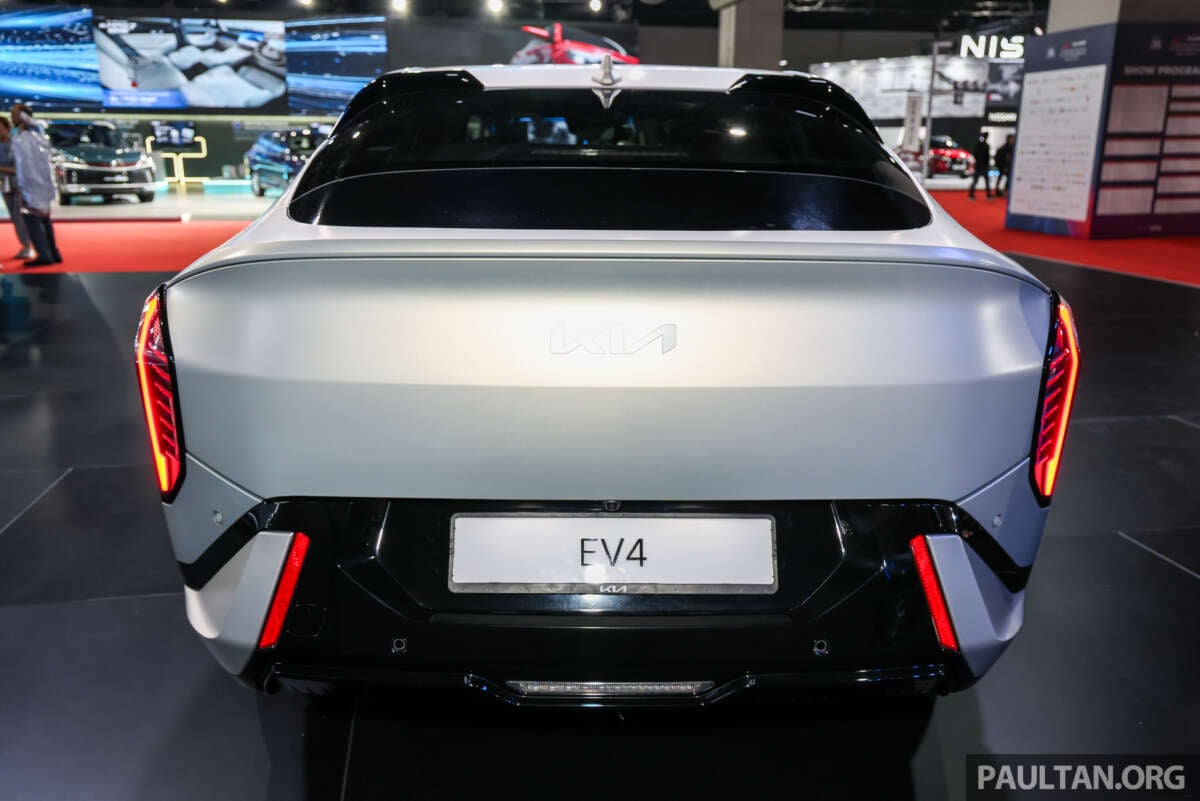
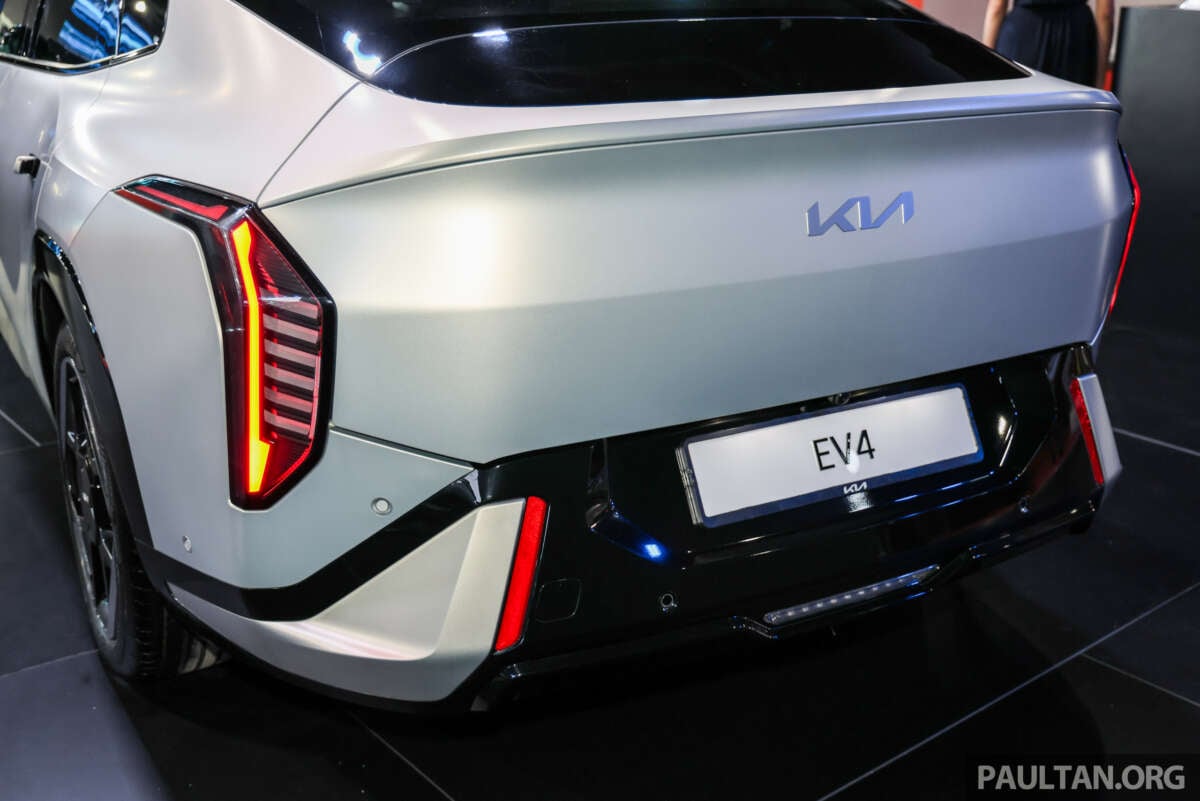
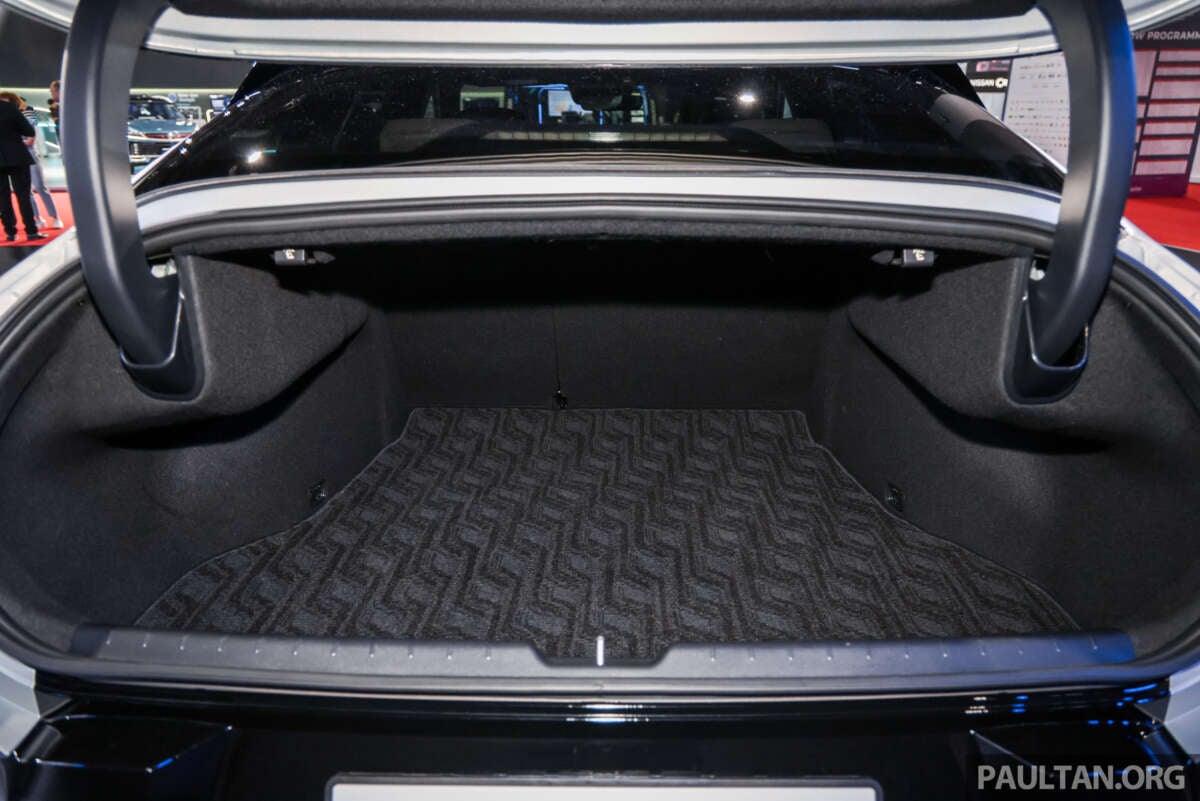
Looking more like a sci-fi space shuttle than a car, the EV4’s sharp exterior features a short front end and an extremely long rear, with a fastback roofline that slopes gently towards the rear. There’s a hint of the TF Optima in the way the rear windscreen intersects with the C-pillars, and it terminates in a curiously-shaped clamshell boot lid with a built-in ducktail spoiler.


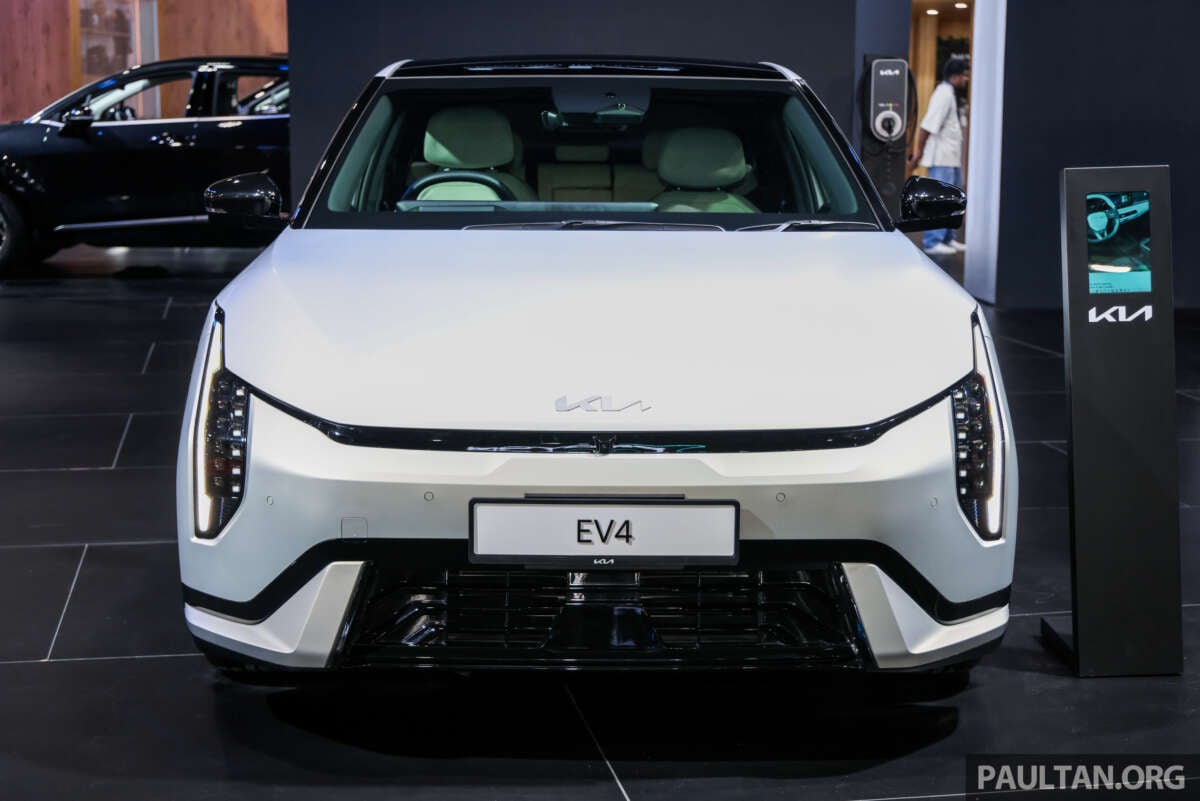
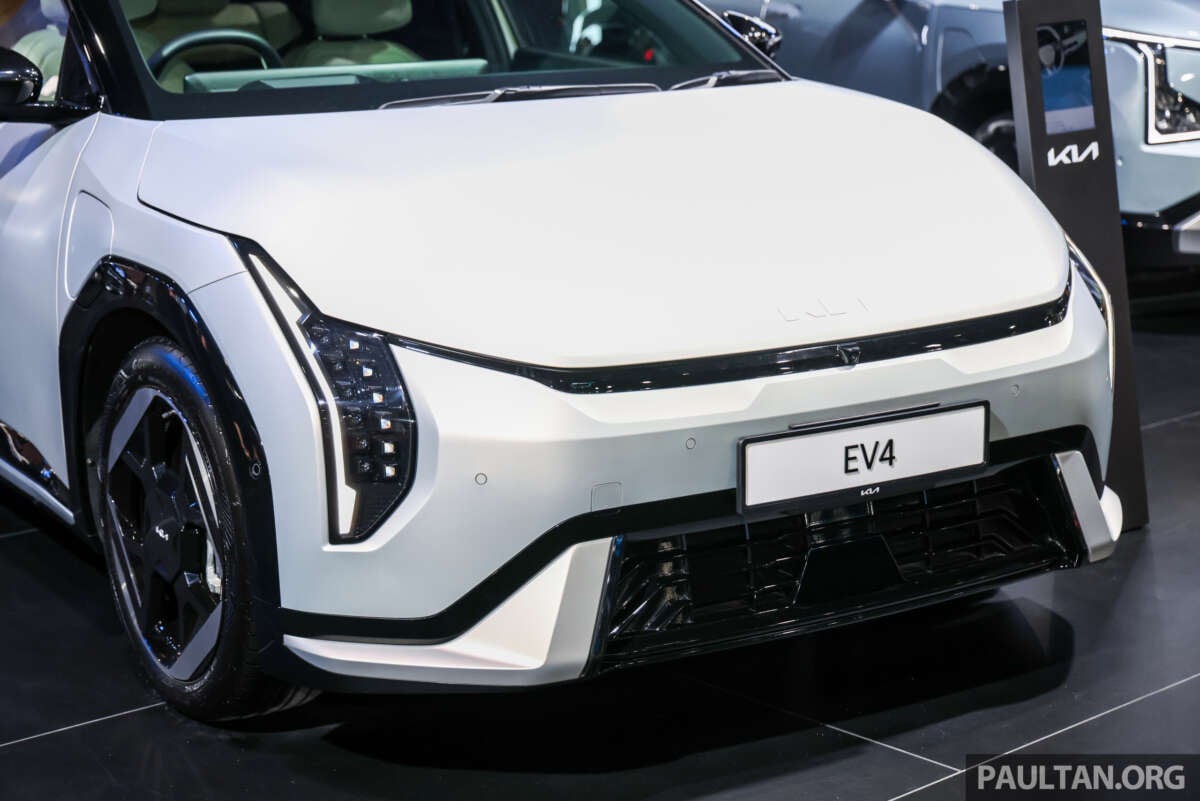
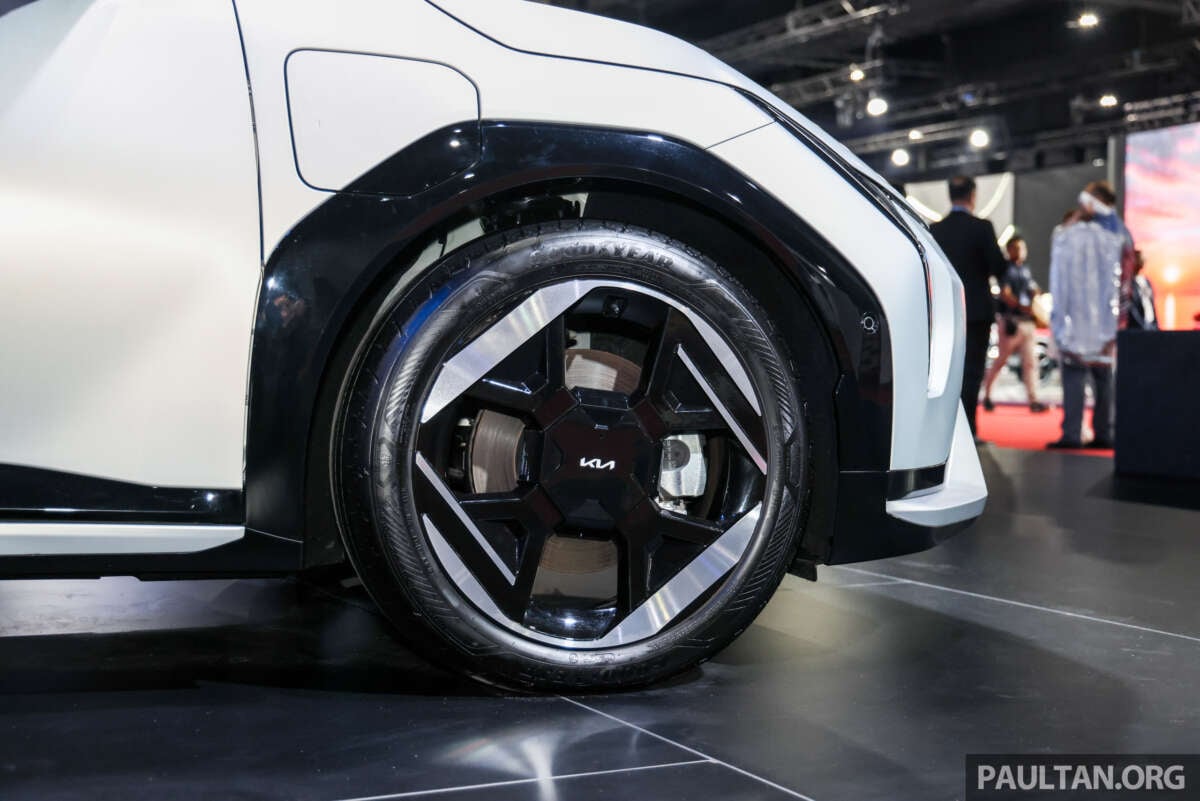
The front end continues the futuristic theme with vertical headlights incorporating Kia’s Star Map signature daytime running lights and the low-set Tiger Face with a large centre air intake. The taillights continue the Star Map graphic and are pushed to the far corners. Angular gloss black wheel arch trims add yet more intrigue to the K4’s design, with the 19-inch two-tone alloys seen here filling them just so.
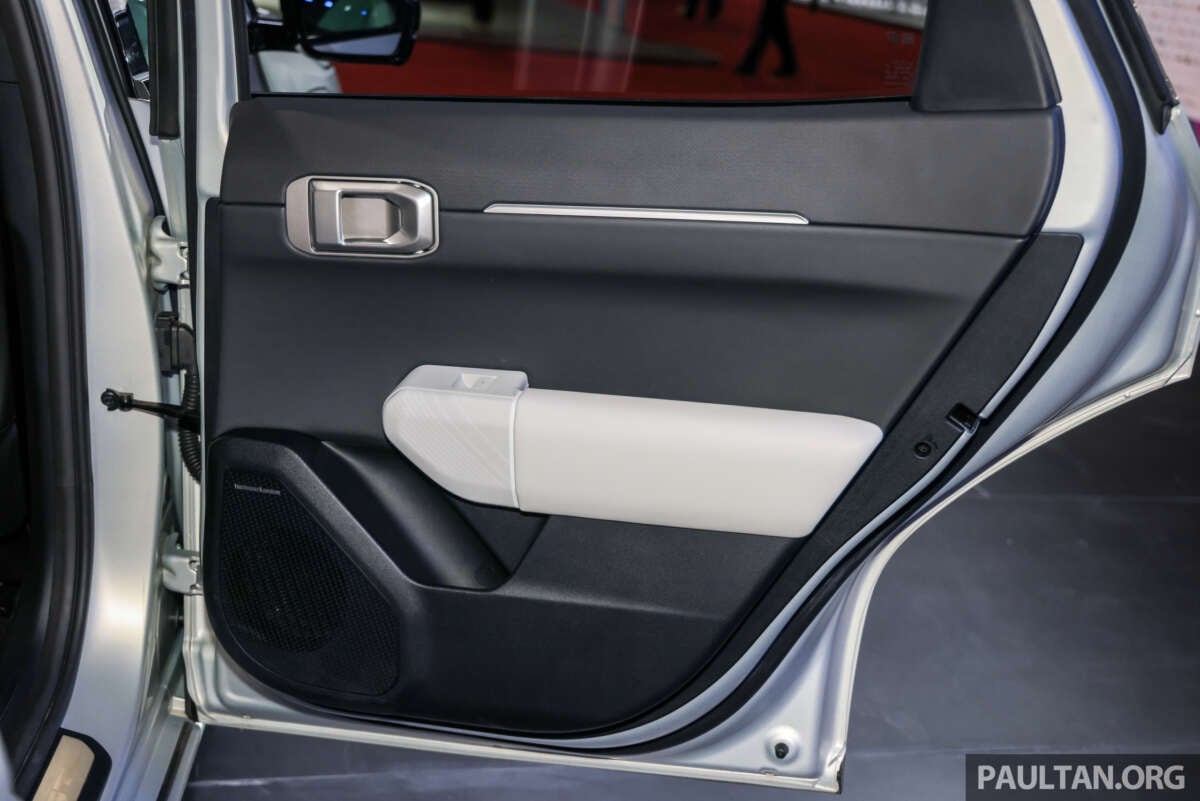
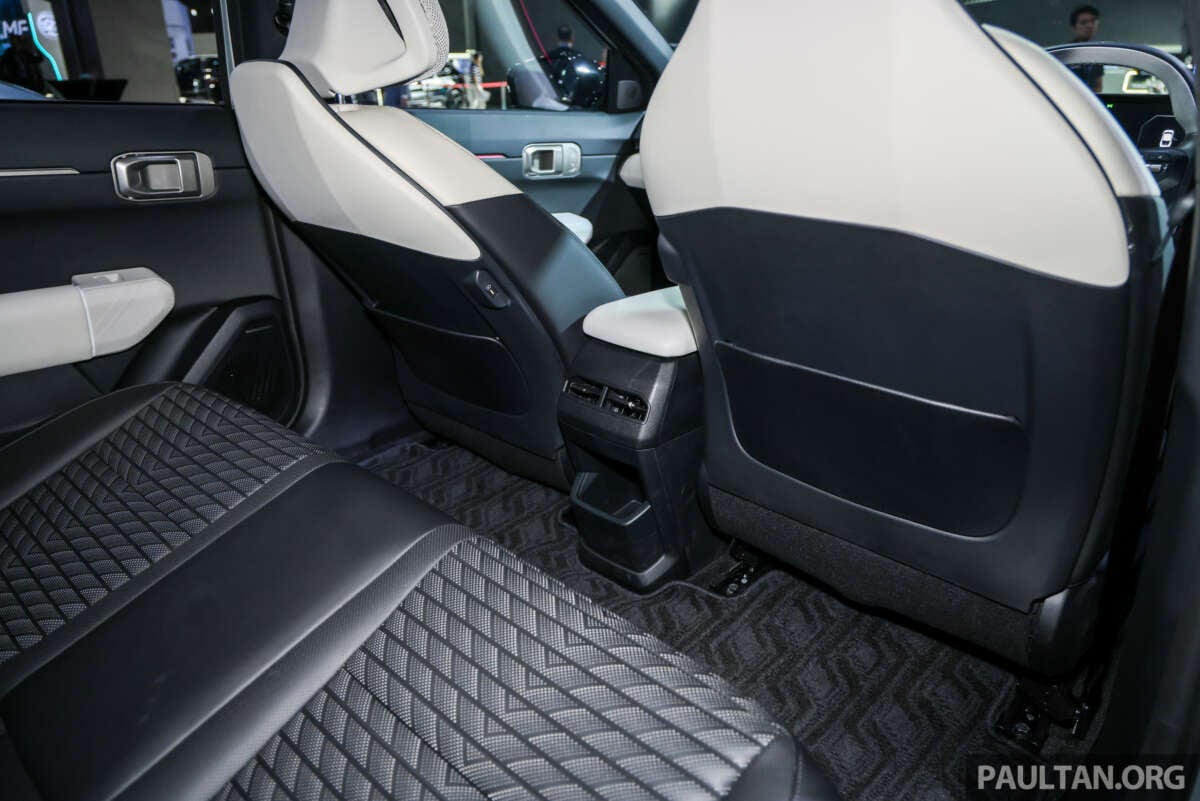
Inside, the clean-cut aesthetic continues with a horizontal dashboard and a widescreen display panel up top, just like in the EV9. You get large toggles for the air con as well as an open centre console with a Qi wireless charger, plus an optional slide-out table for placing a laptop while the car is stationary (not fitted here). An eight-speaker Harman Kardon sound system is available as an option.
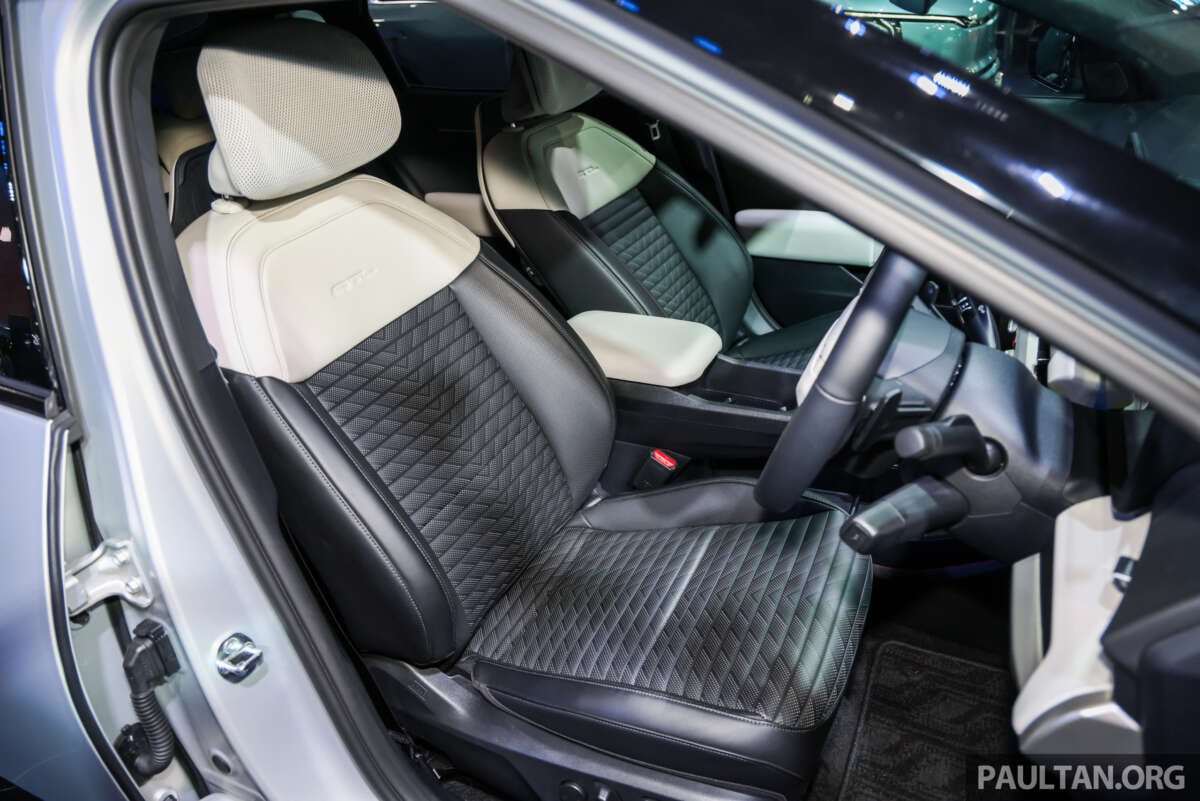
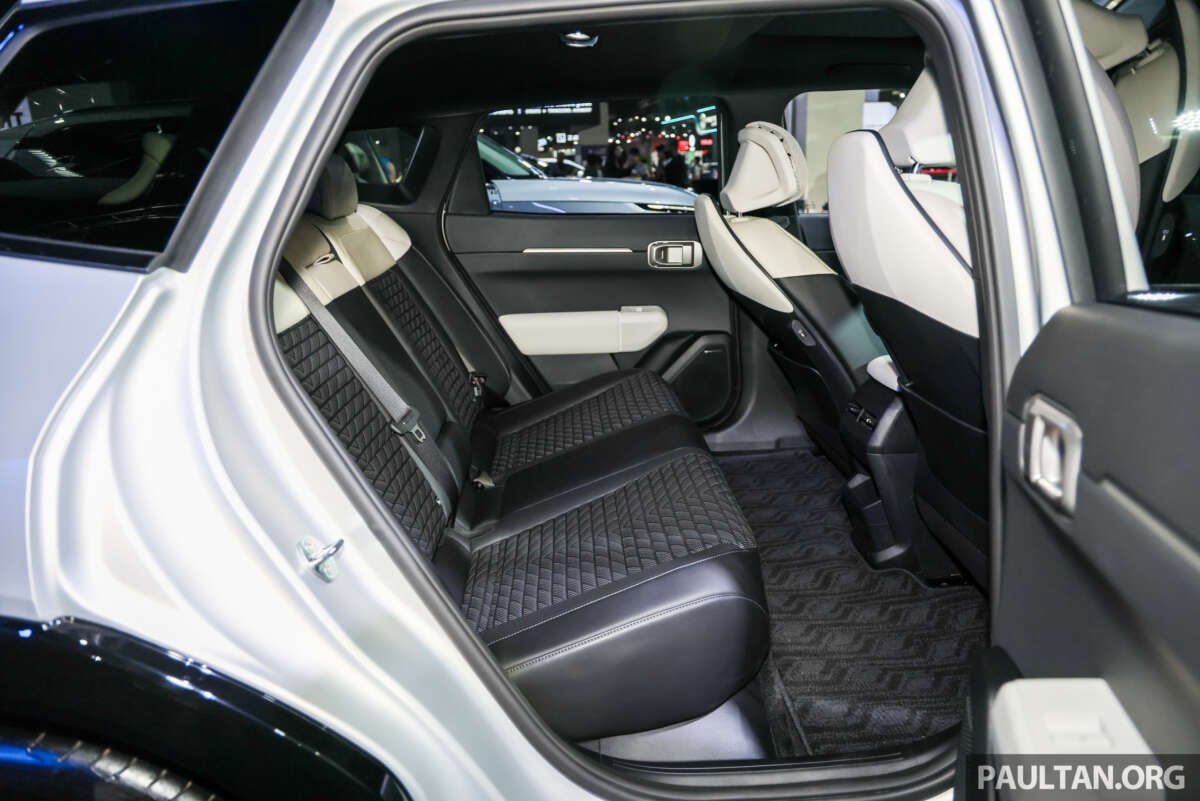
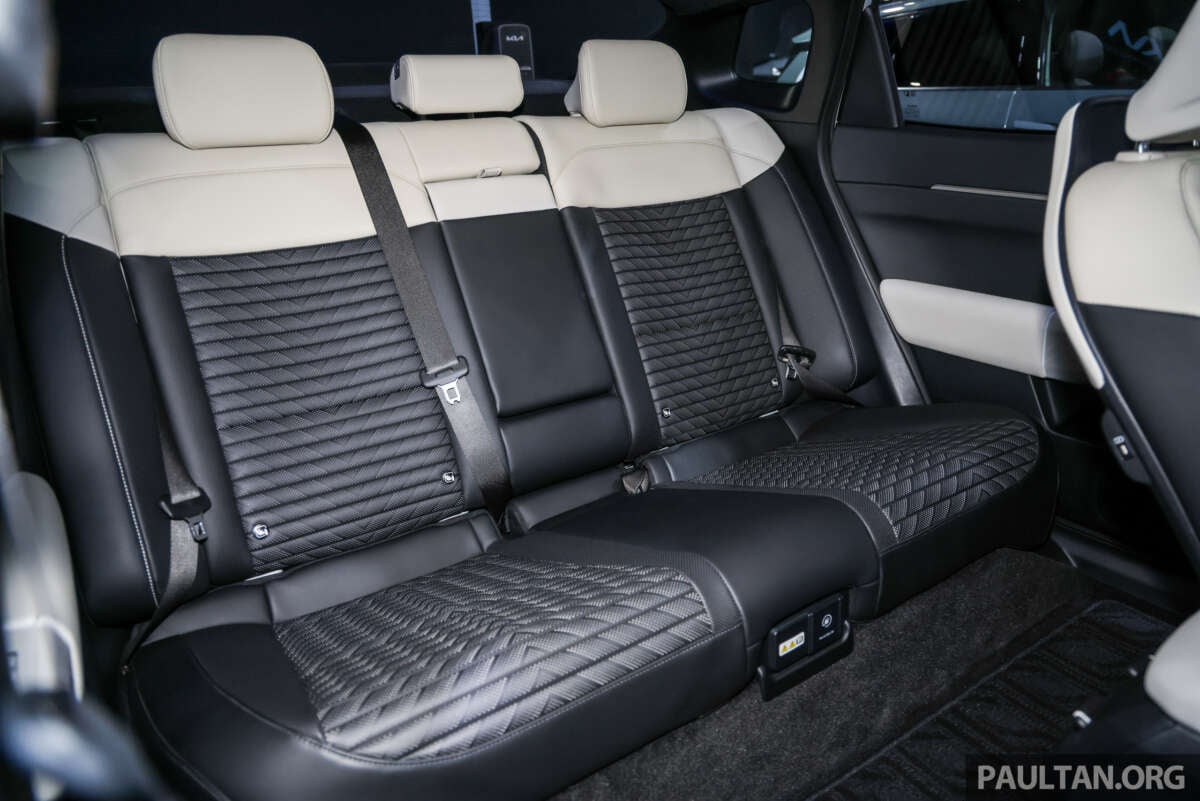
The tech on board includes the usual 12.3-inch instrument and infotainment displays, split by a five-inch air-con touchscreen. Meanwhile, the seats feature a slim profile to improve over-the-shoulder visibility and come with sustainable mesh headrests that are more breathable compared to the usual foam ones. They also get a one-touch recline feature that works with a Rest Mode with dedicated lighting and display settings. That wide boot lid opens up to a decent 490 litre boot (435 litres in the hatch).
The EV4 is powered by a single front motor producing 204 PS (150 kW) and 283 Nm of torque. Those aren’t exactly punchy numbers (there is a 292 PS AWD GT model available), but the benefit is efficiency – with a choice of either a 58.3 kWh or an 81.4 kWh battery (both NMC, I’m afraid), the sedan is able to deliver WLTP range figures of 430 km and 630 km respectively. Unlike the EV6 and EV9, this doesn’t get an 800-volt electrical architecture, so DC fast charging from 10 to 80% takes around 30 minutes for both battery sizes.
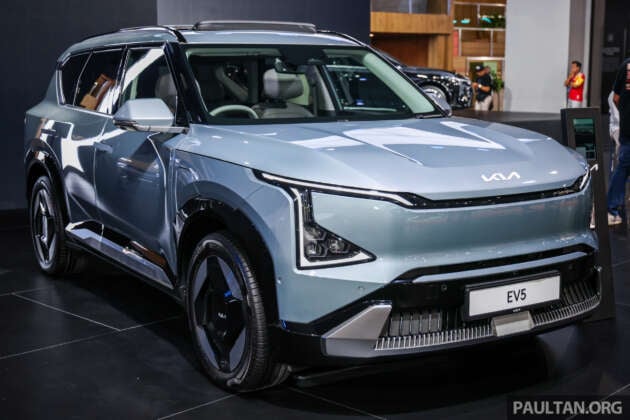
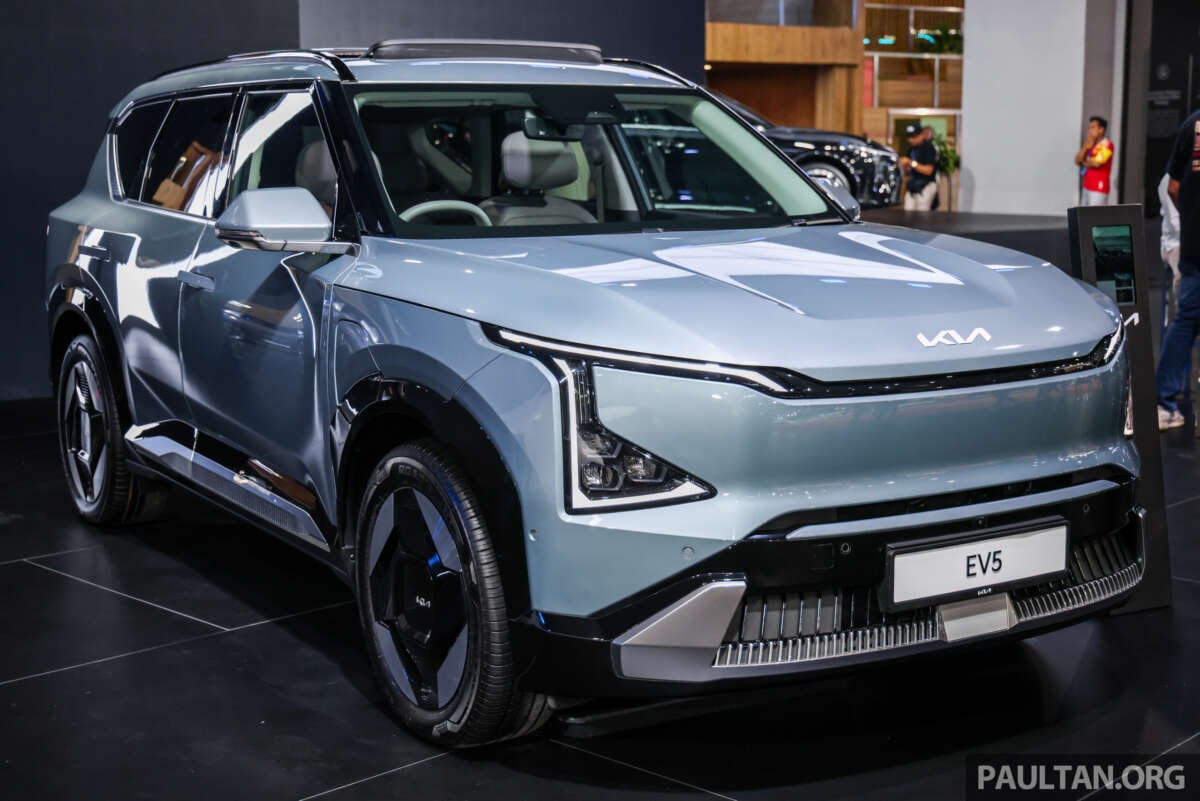
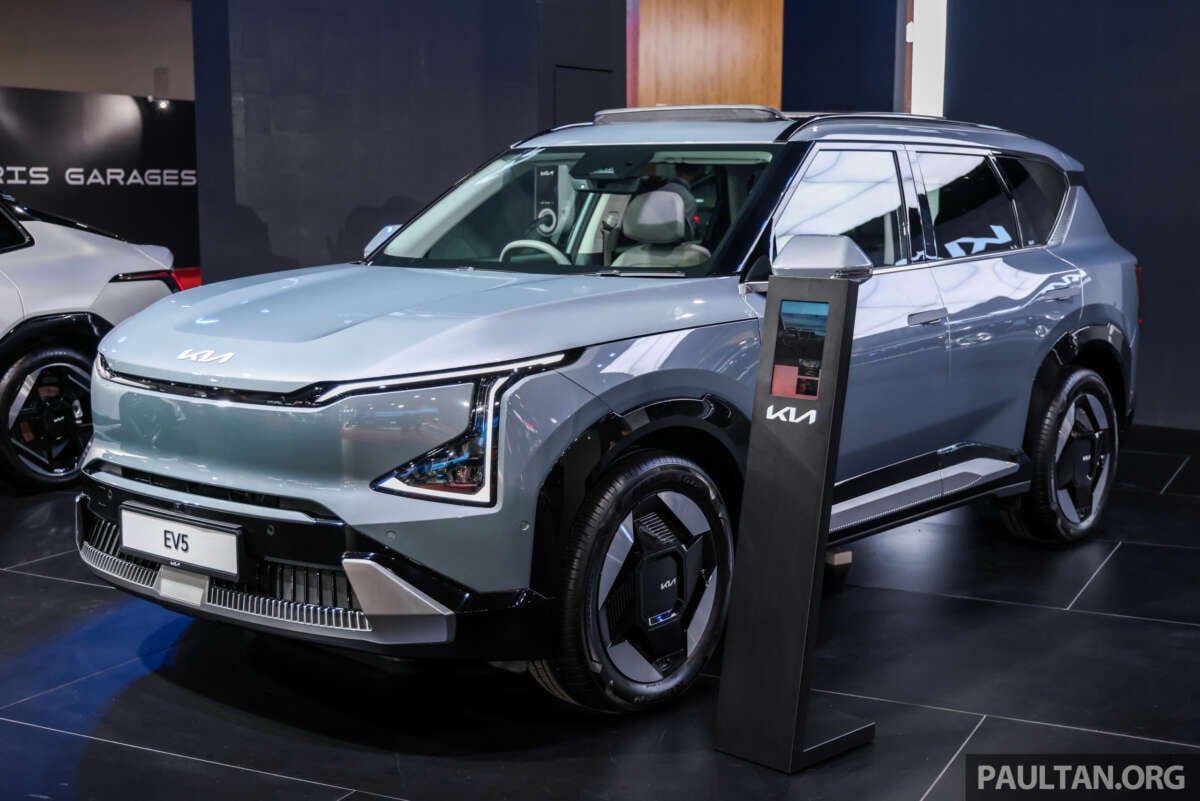
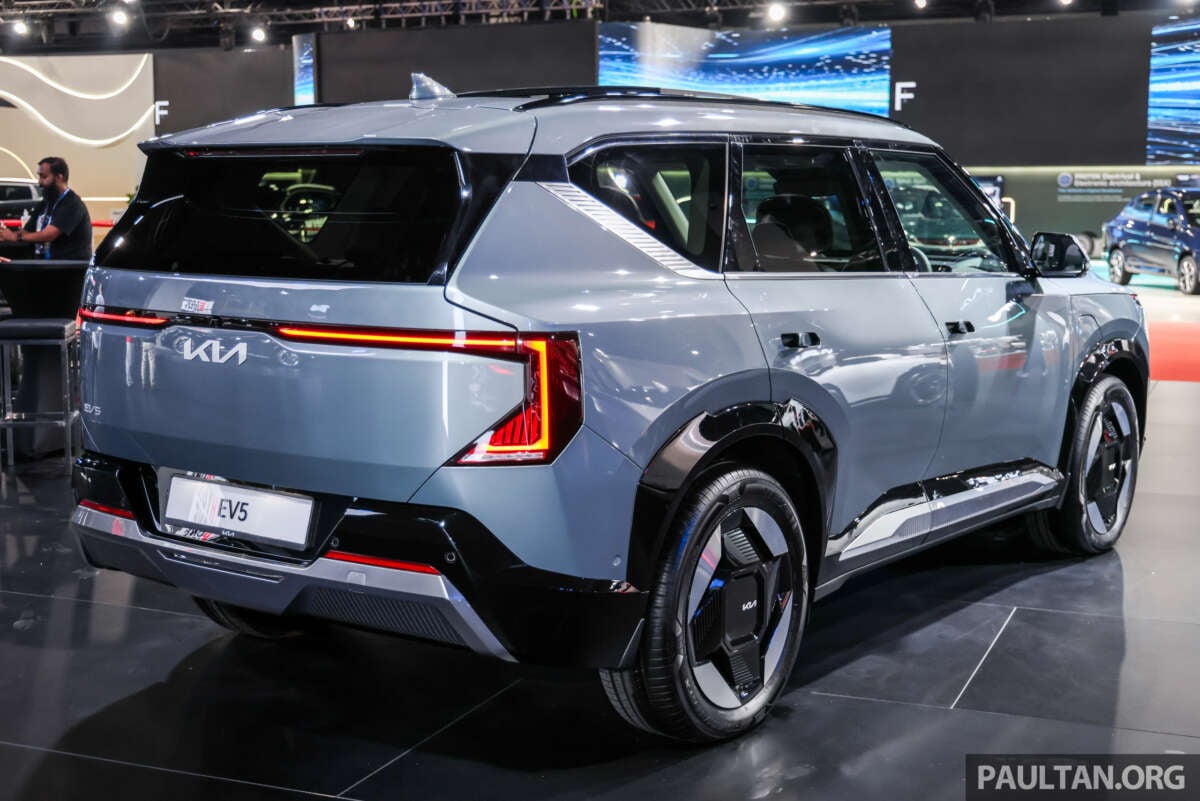
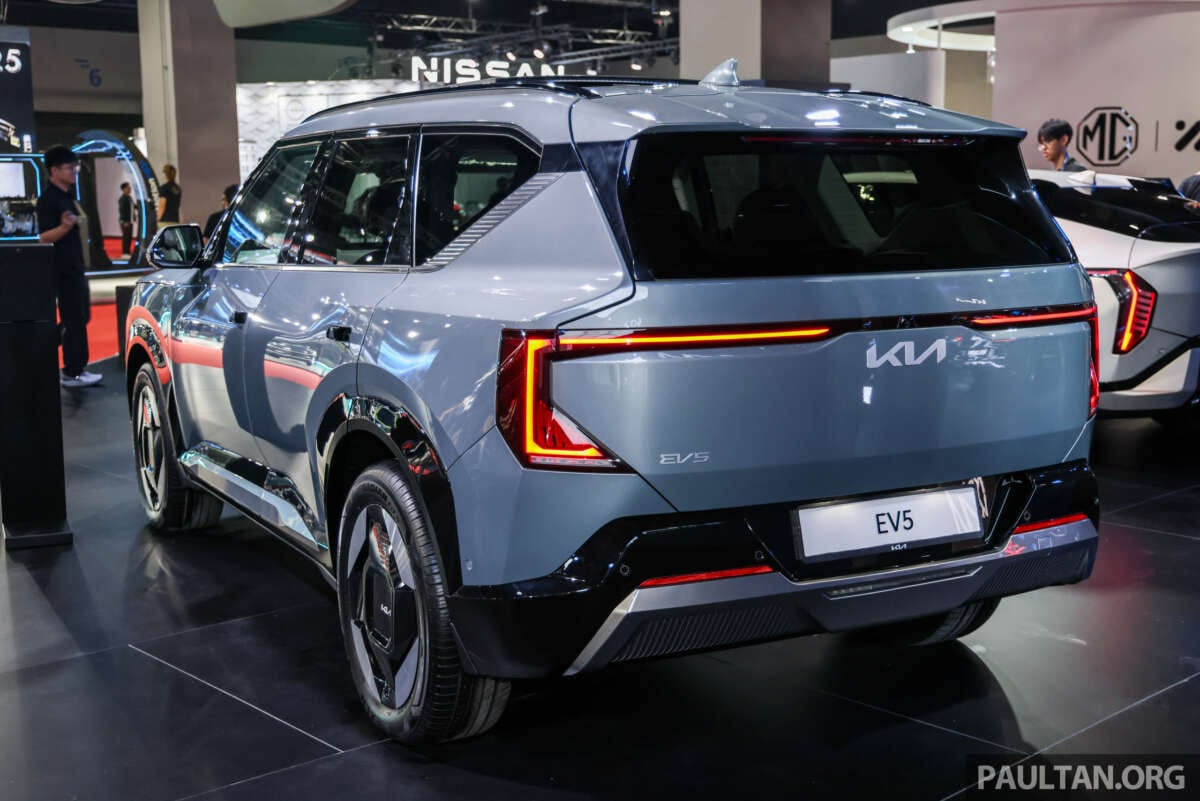
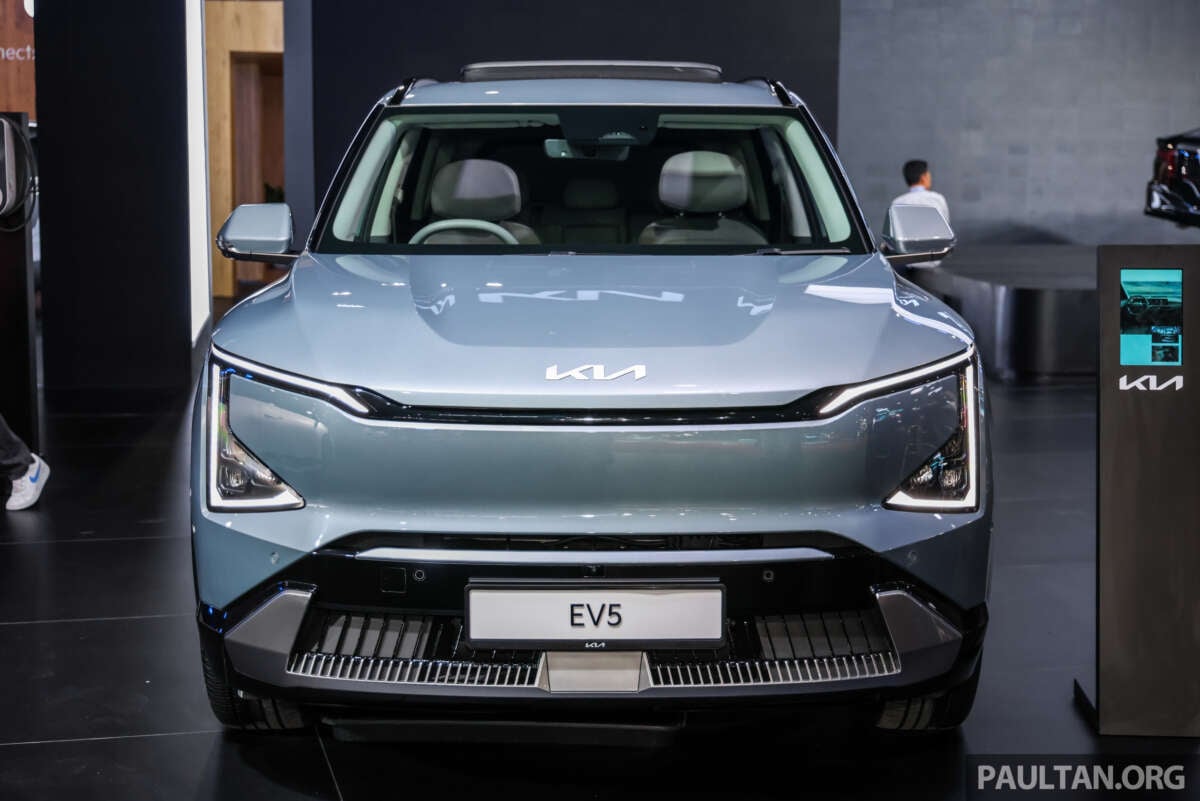
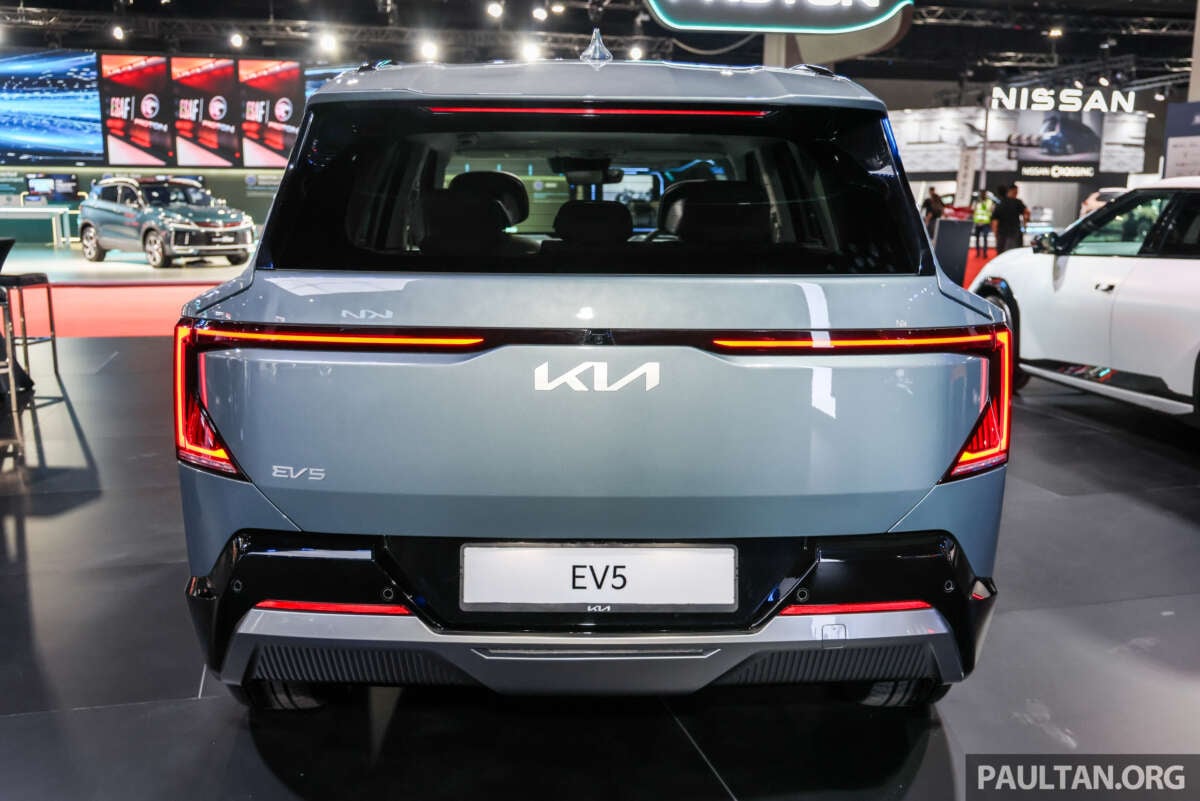
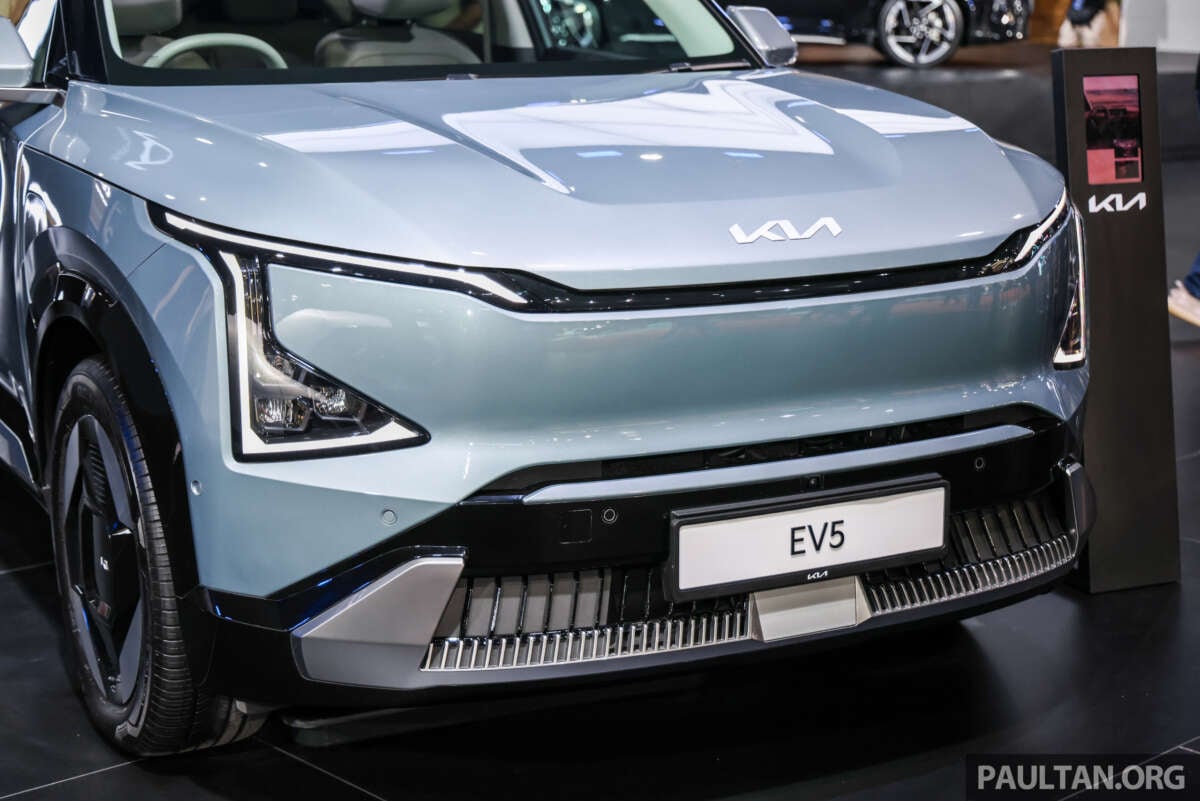
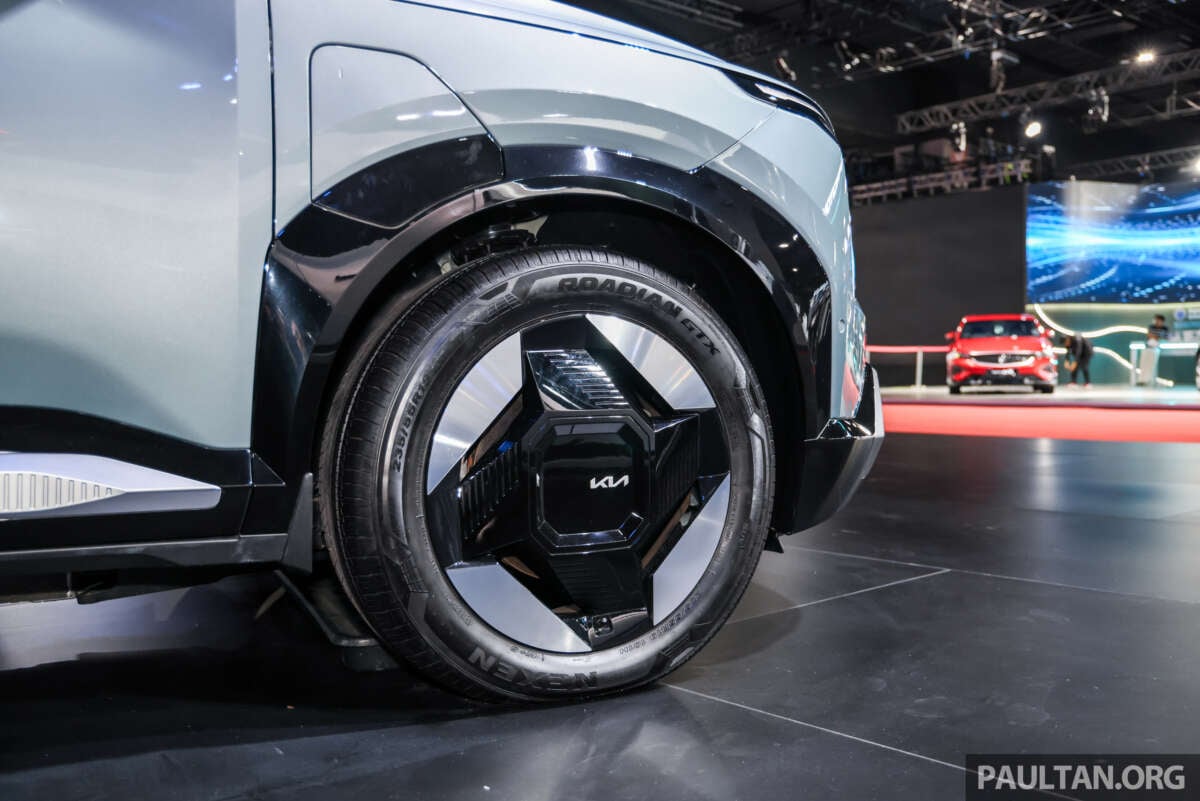
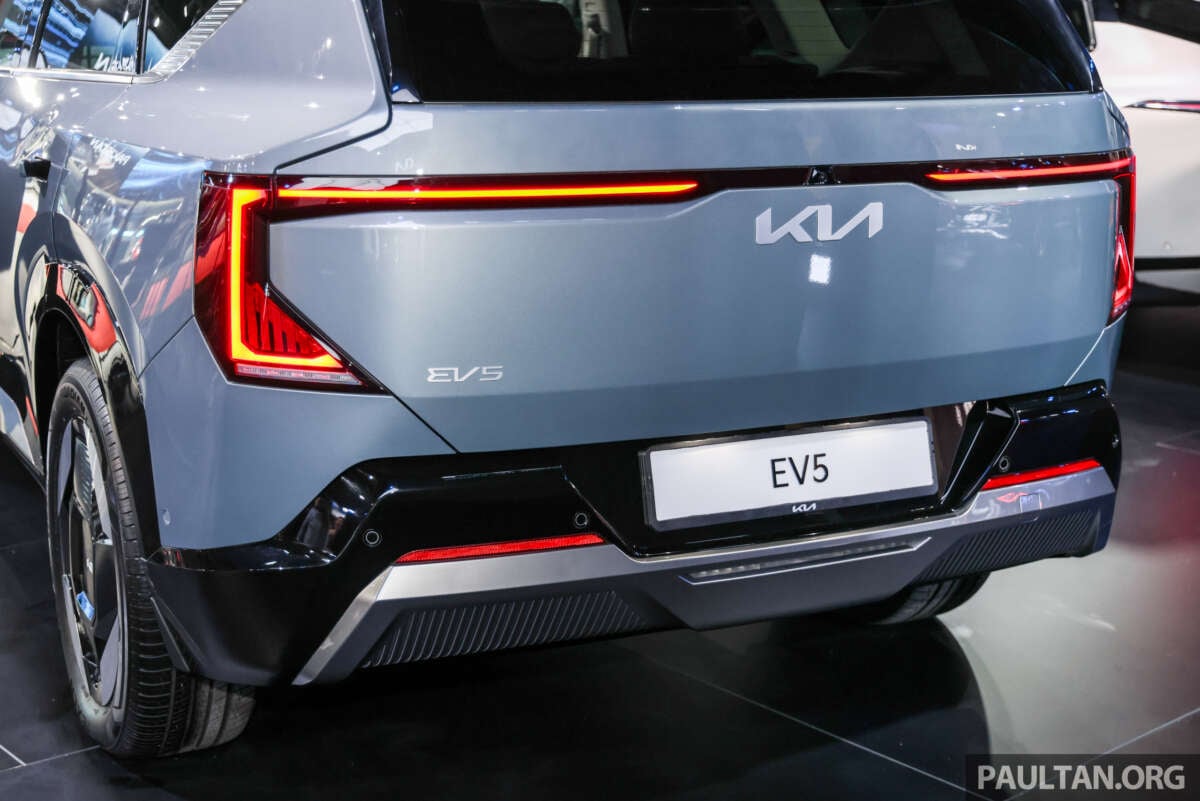
Next up is the EV5, a C-segment SUV with a boxier design to increase practicality. Despite the more conventional body shape, the styling continues to stand out, with C-shaped front and rear light signatures, triangular headlights mounted low down, a wraparound windscreen design and a window line that rises past the C-pillars. Strong front and rear haunches provide a more solid stance.
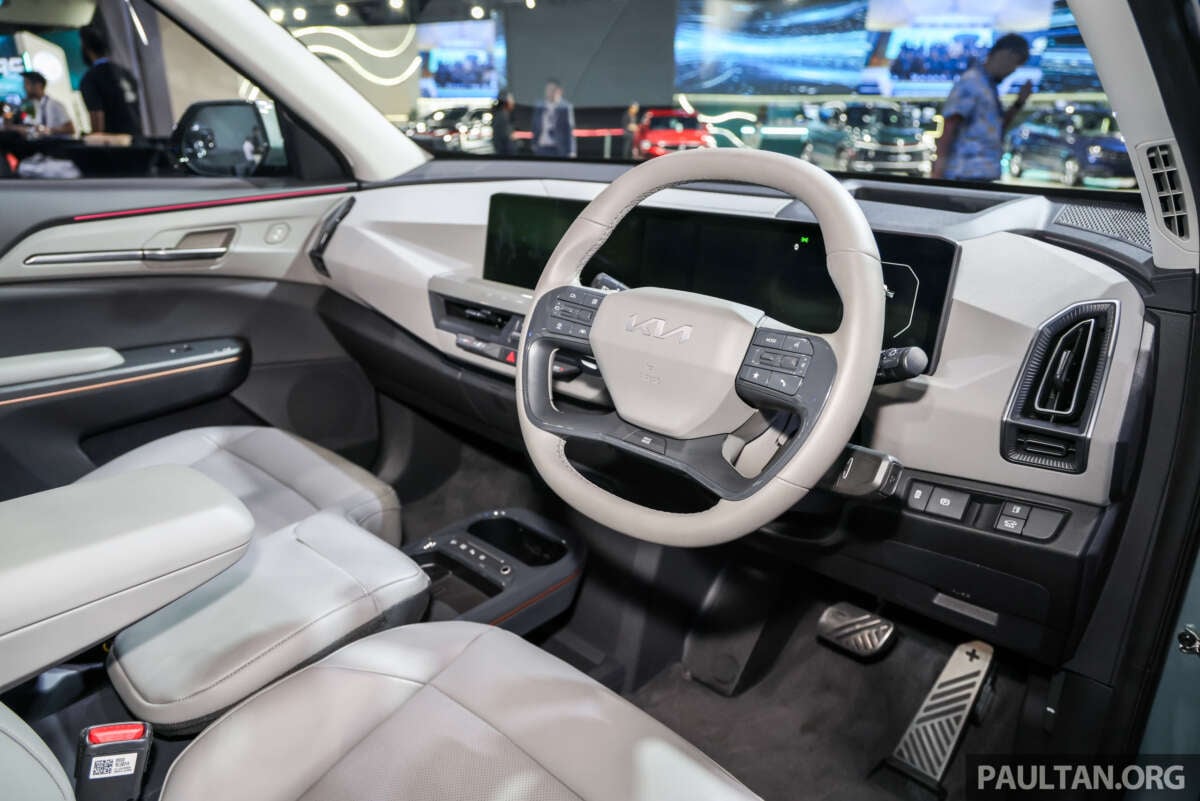
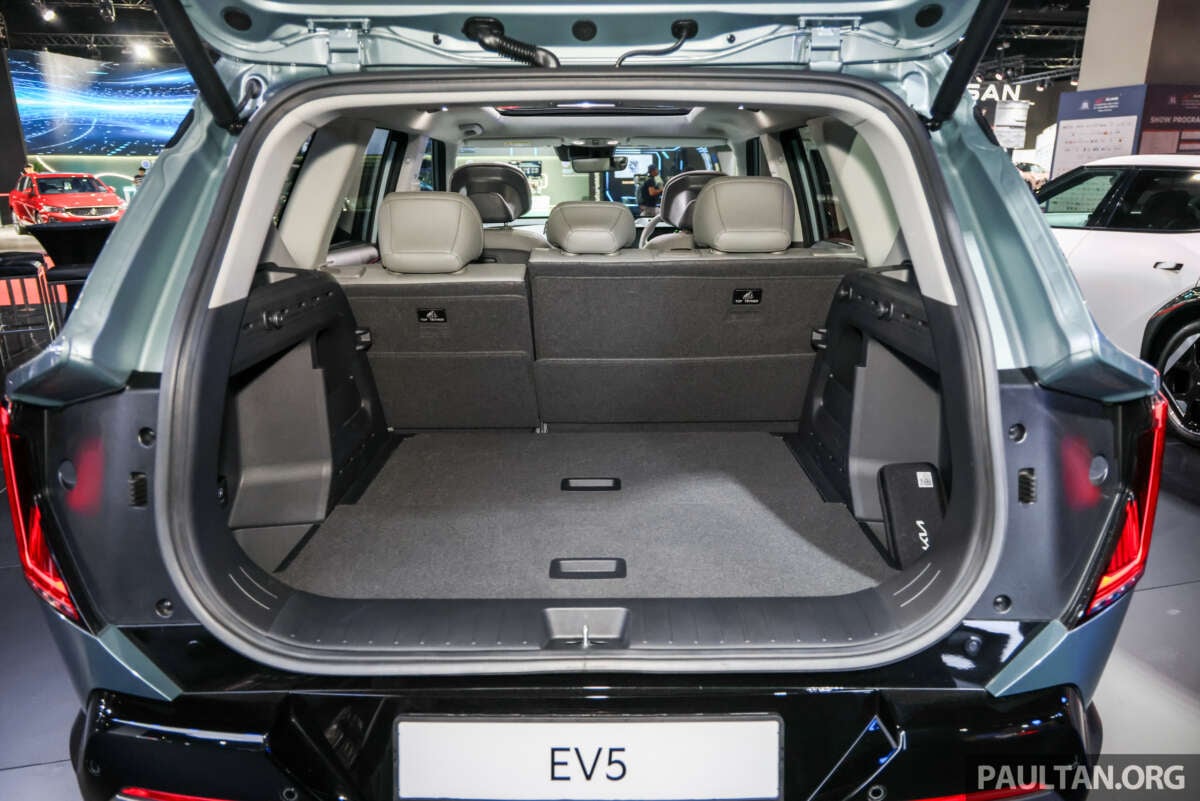
Inside, the EV5 carries over many of the elements of the EV4 – the same screens, a similar open centre console and physical air-con controls. There are a few new additions, however, such as a new Pet Mode, triple-zone auto air con with an odour-reducing “after blow” function and even a built-in ottoman for the driver. Luggage space is a particular strong point at 566 litres, and even though there’s a front motor Kia has still found room to fit a 44.4 litre front boot.


Speaking of which, the EV5’s motor is slightly more powerful at 218 PS (160 kW) and 310 Nm for the FWD model, with the dual-motor AWD version being boosted to 313 PS (230 kW) and 480 Nm. Battery options vary depending on the market, with Europe getting the EV4’s 81.4 kWh NMC battery and only FWD, for a range of 530 km.
Australia, meanwhile, gets the EV5 solely with LFP batteries, with the standard range 64.2 kWh pack delivering a round 400 km with FWD. There’s also a larger 88.1 kWh unit that enables the car to travel up to 555 km for the FWD model and 500 km with AWD. The LFP models charge slightly slower, taking 36 minutes for the smaller battery and 38 minutes for the larger one to be topped up from 10 to 80%.
Last but not least is the PV5, a big mobile box built on the e-GMP.S (S for “Service”) van architecture. This standardises the batteries, motors, suspension and underbody structures, allowing Kia to build up to 16 variants, including five- and seven-seater Passenger MPVs, Cargo vans, high-roof versions and even a chassis cab to be converted to a pick-up, a box van or a motorhome.
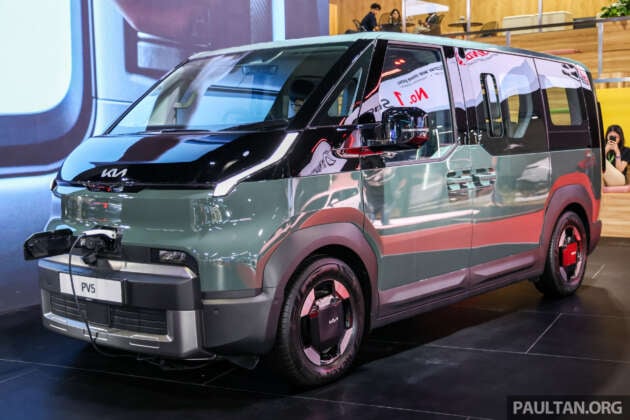
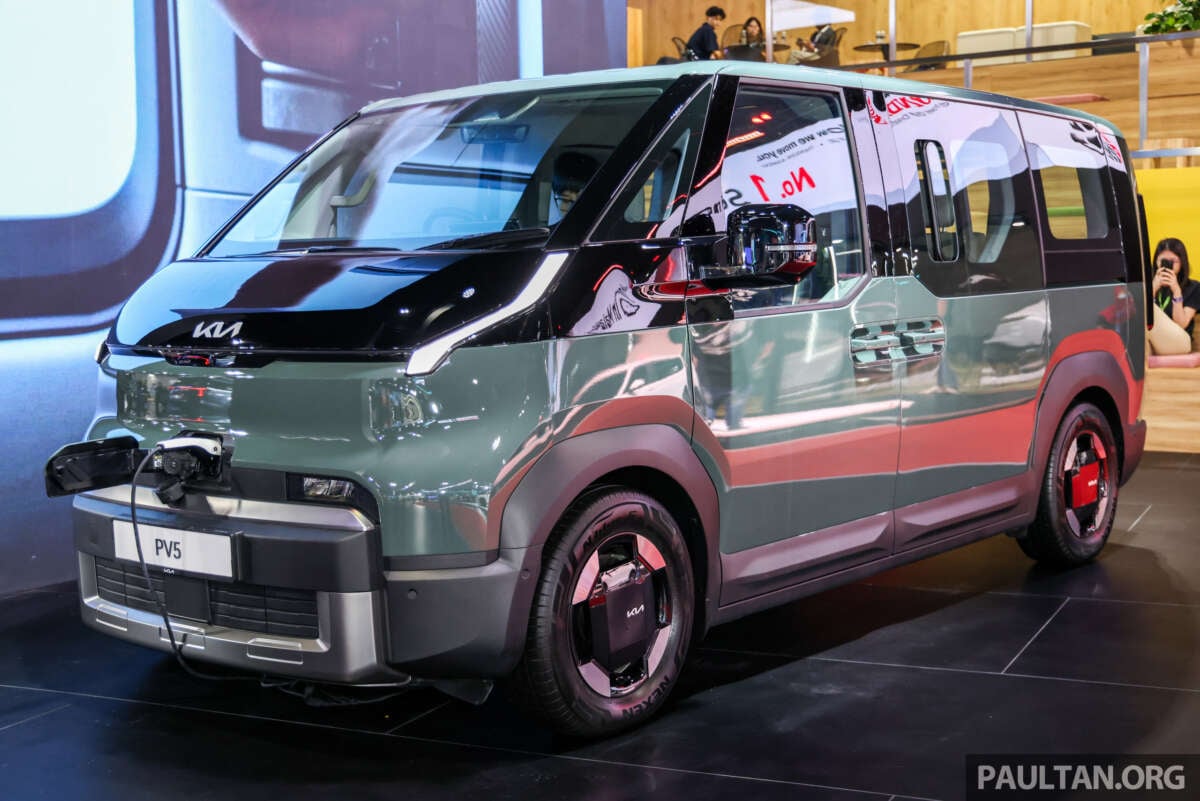
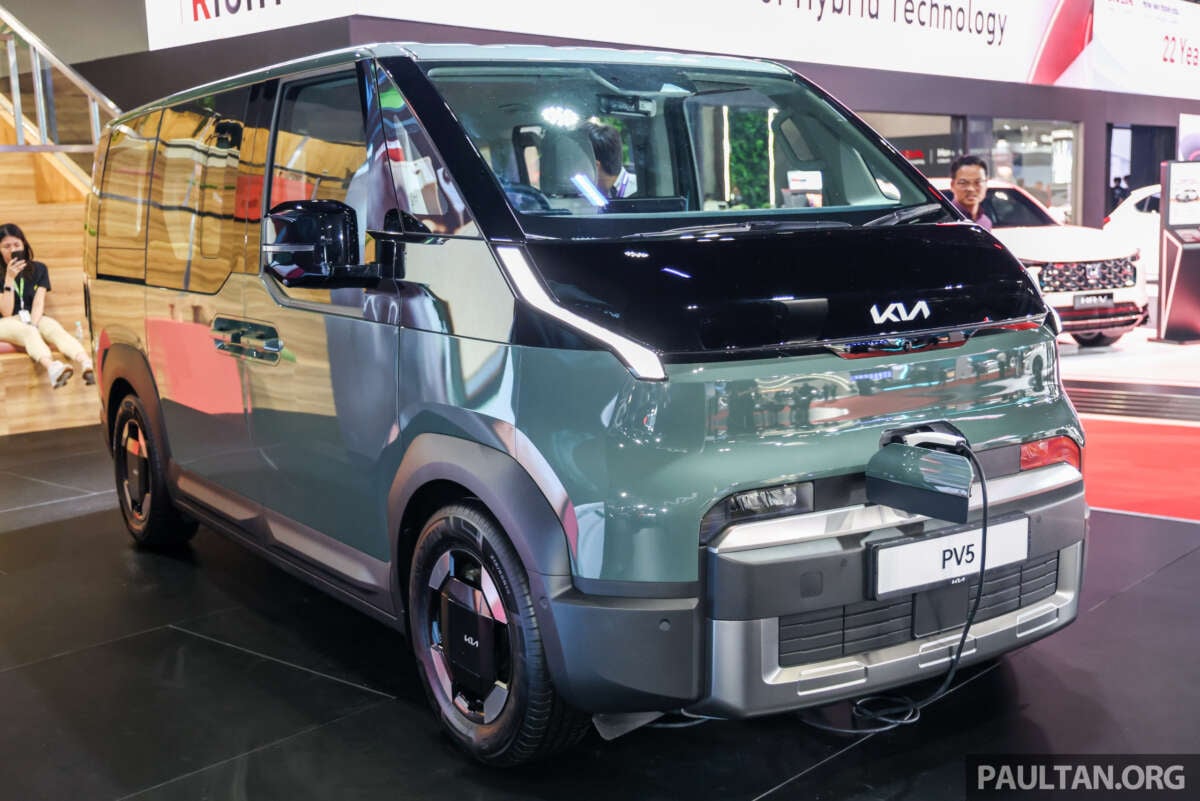
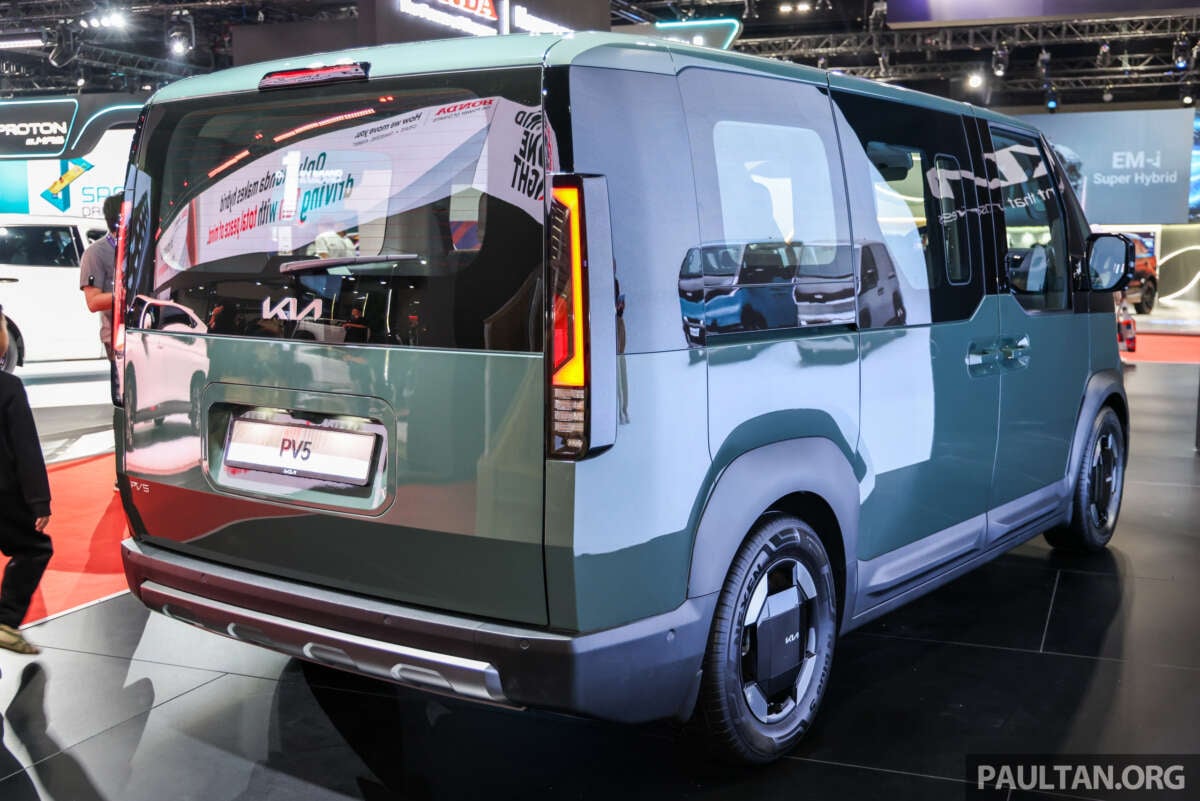
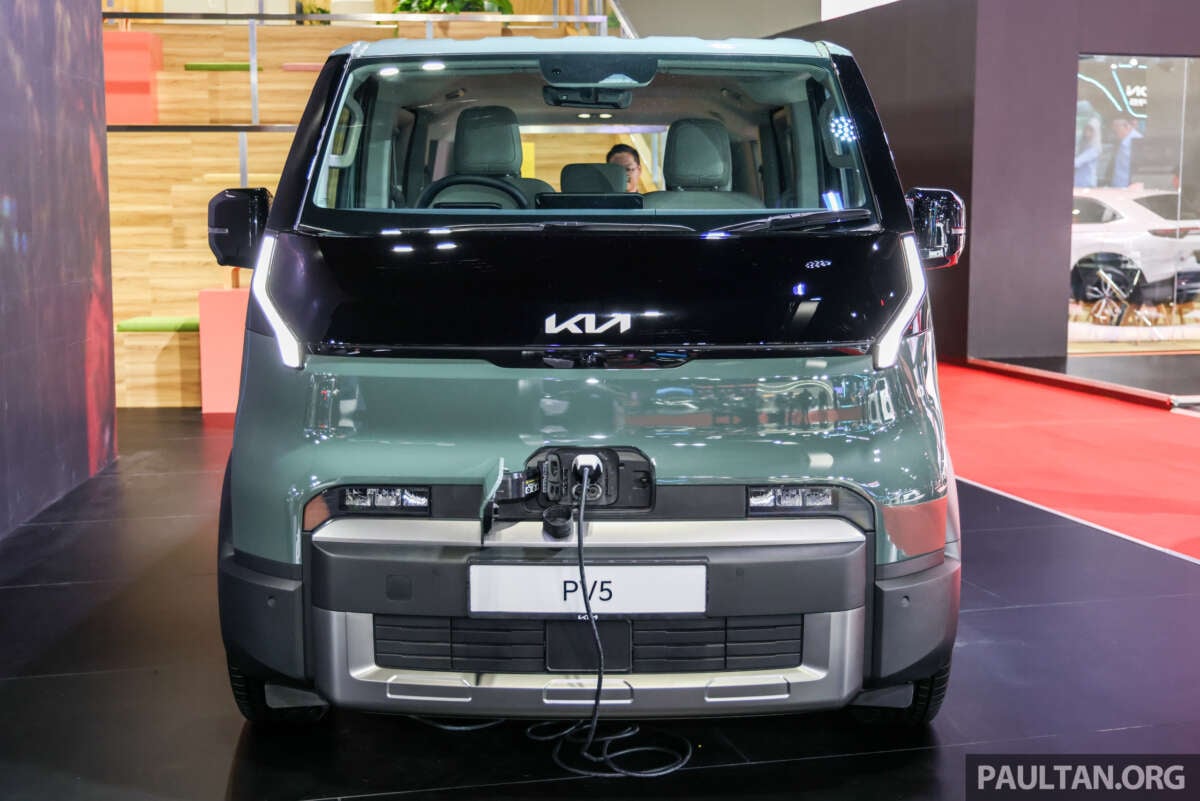
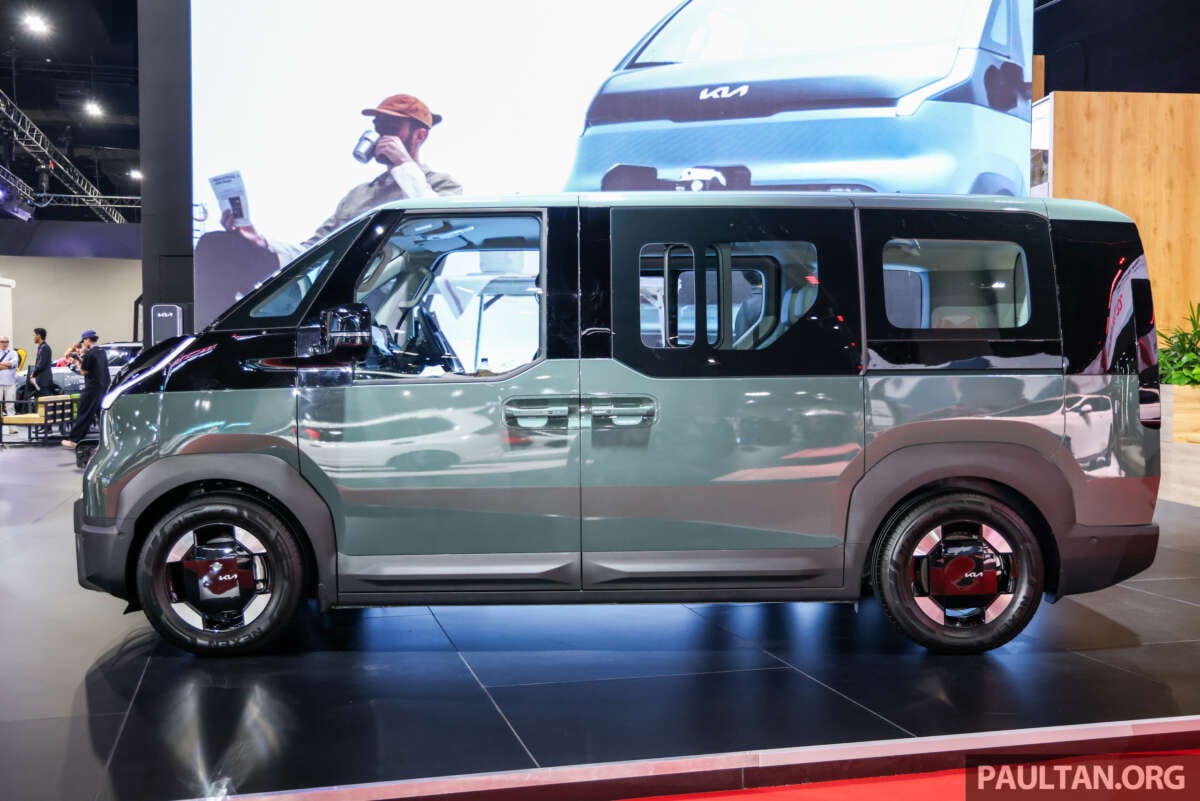
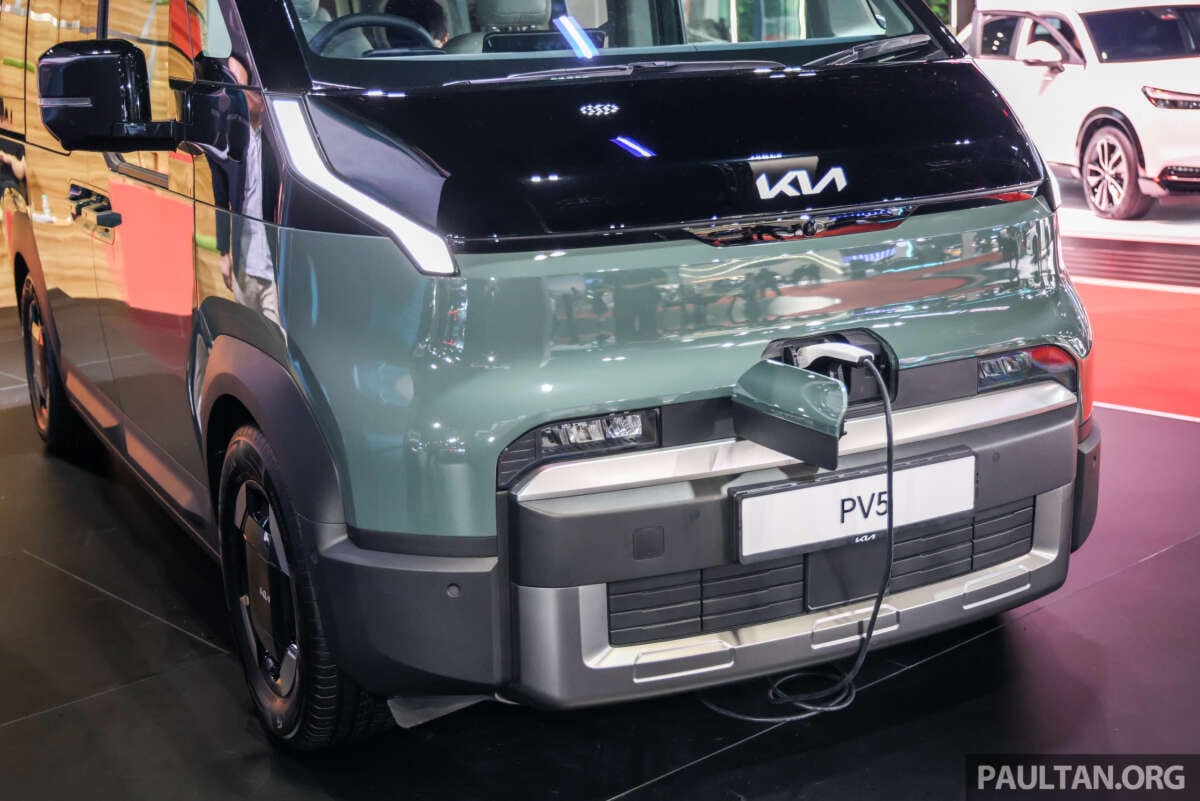
The PV5 is being shown at KLIMS in five-seater Passenger form, looking pretty slick for a commercial-type vehicle. The wraparound black band that incorporates the glasshouse dips downwards at the windows, affording a low window sill for the front occupants and improving outward visibility. There are also S-shaped daytime running lights, split from the main headlights integrated into the lower grille. The charging port is mounted at the front to ease conversions.
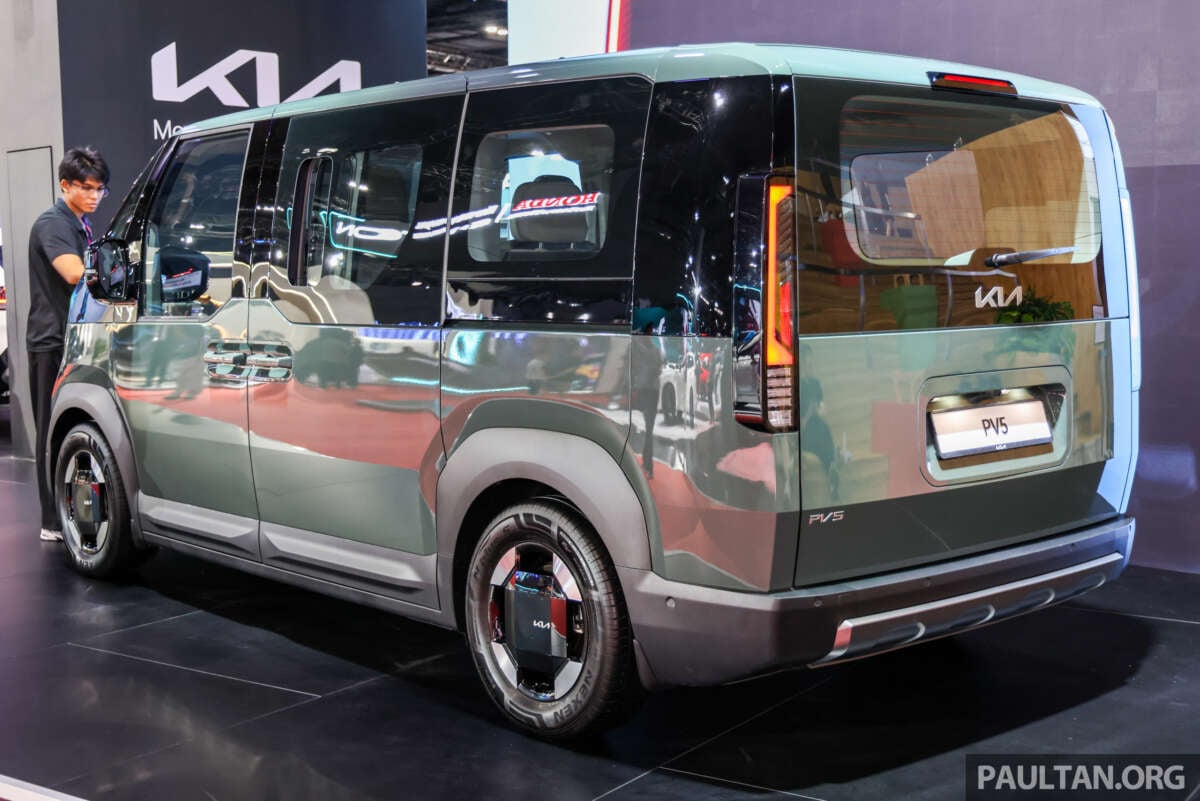
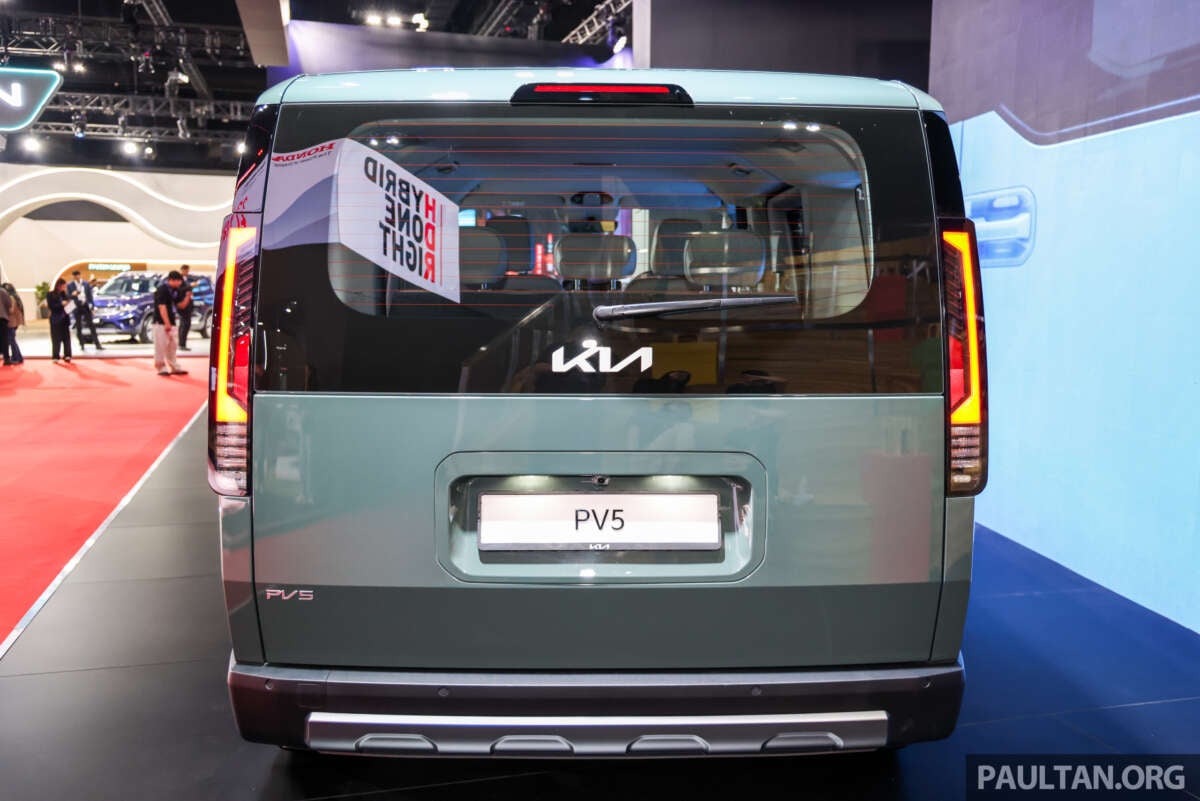
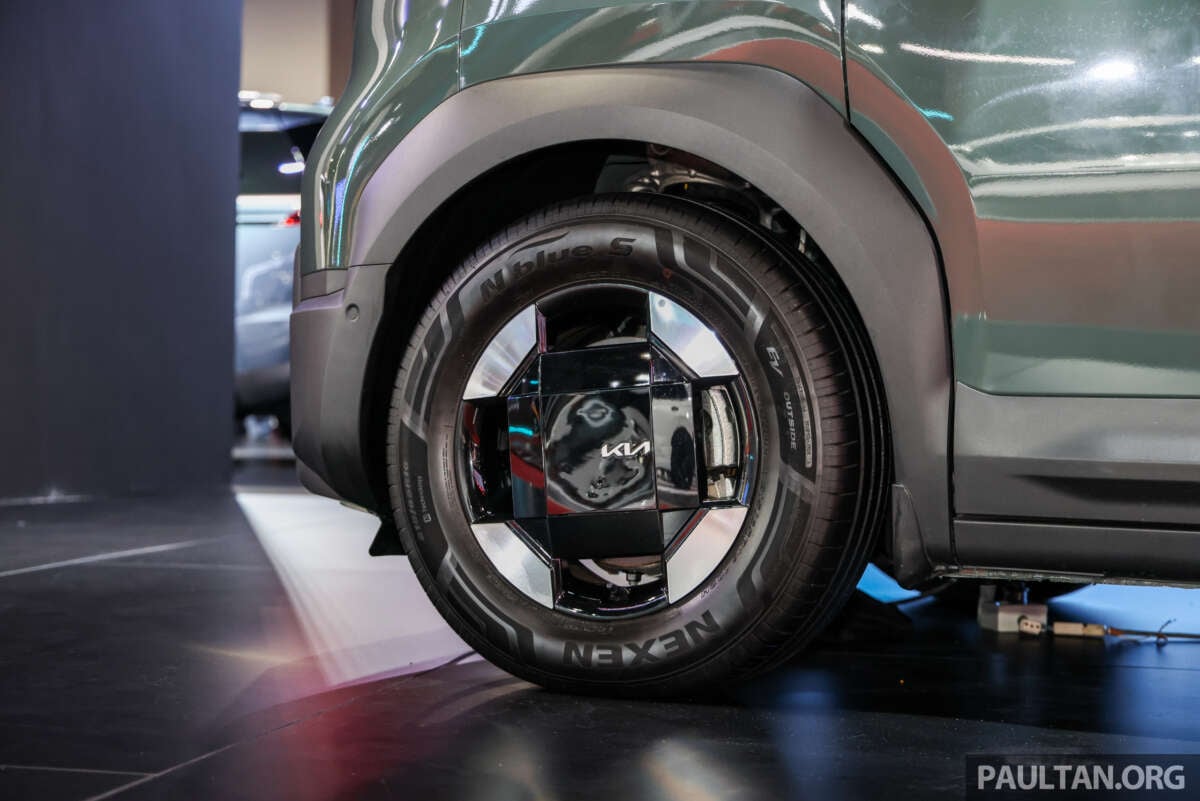
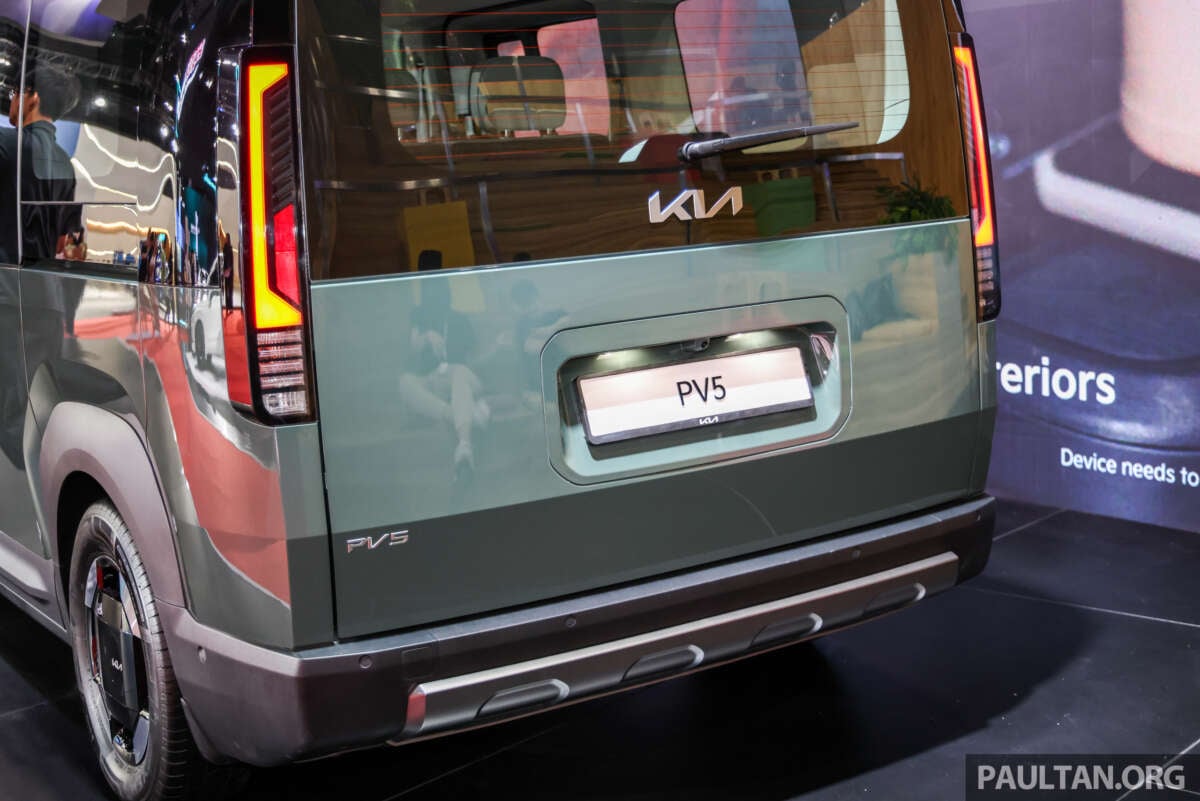
At the back, the vertical taillights frame the large tailgate, which is a single piece on the Passenger version and split on the Cargo. Lower down, the black plastic body cladding provides added protection, and the wheels are fairly small at 16 inches in diameter. The whole car is actually fairly small for its type, measuring 4,695 mm long, 1,895 mm wide and 1,905 mm tall, with a generous 2,995 mm wheelbase.
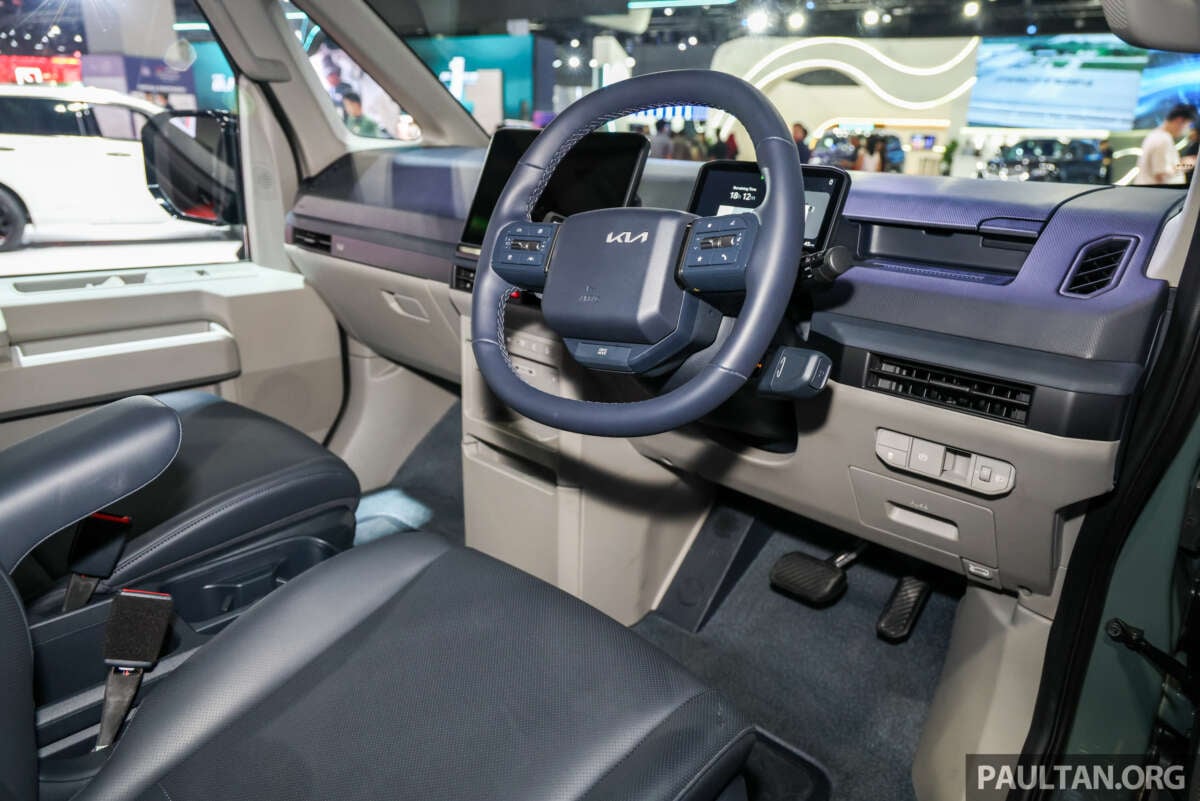
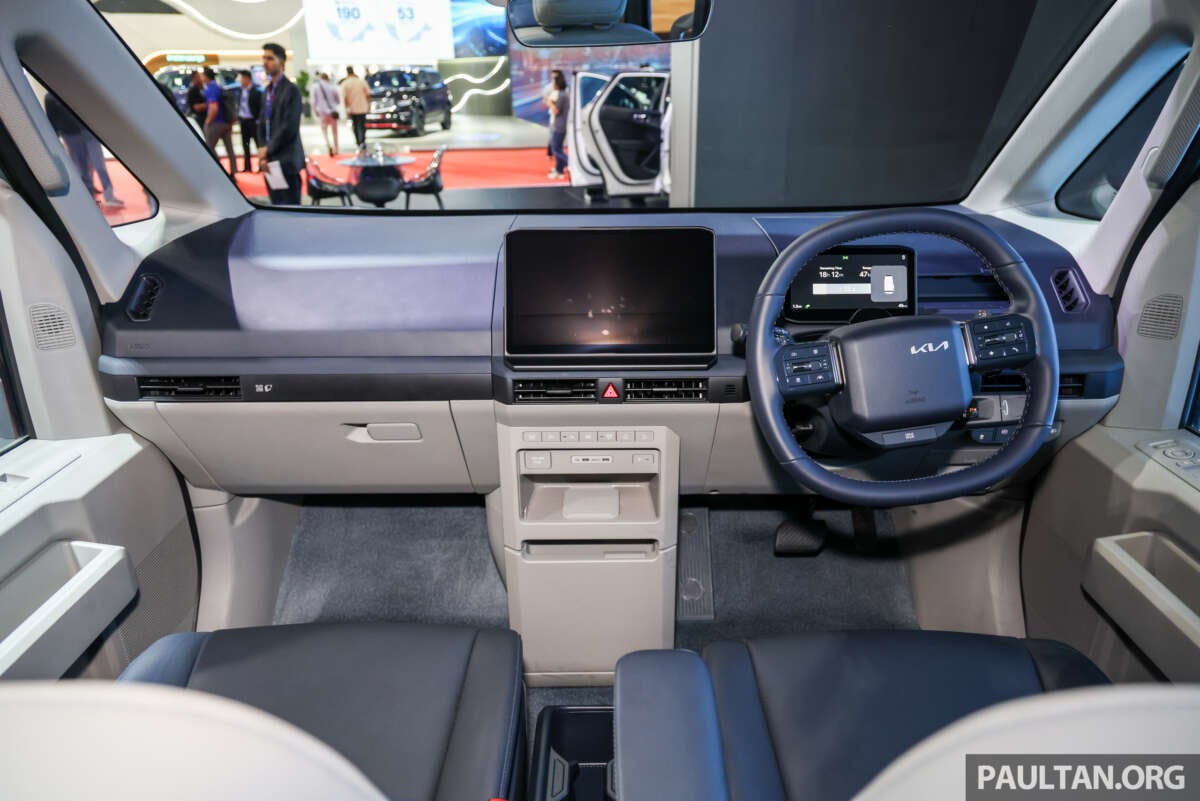
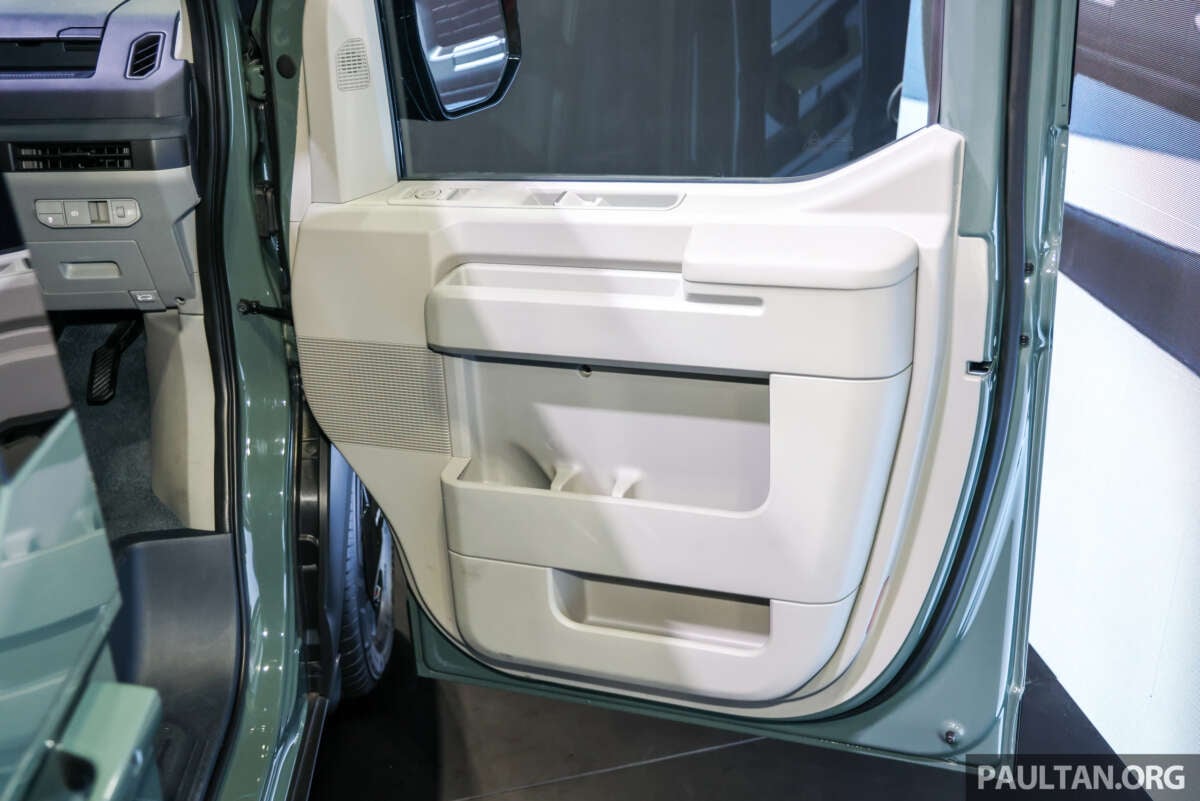
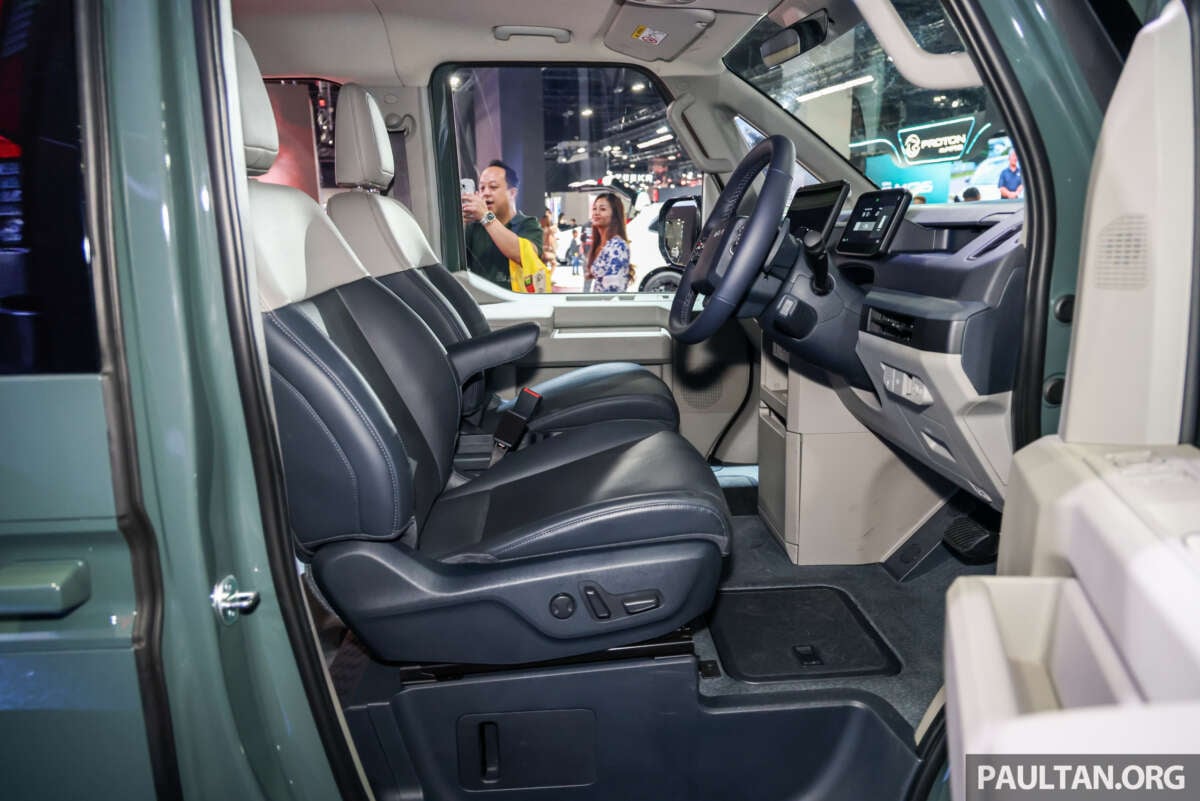
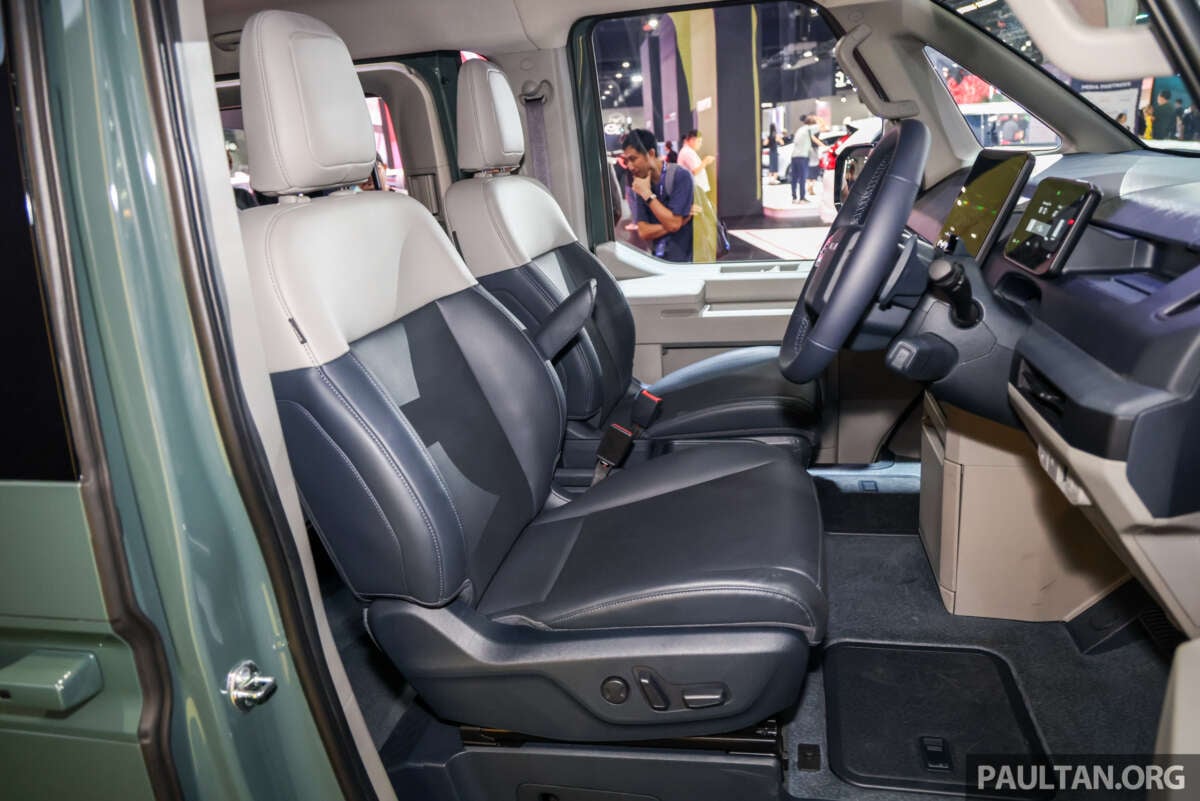
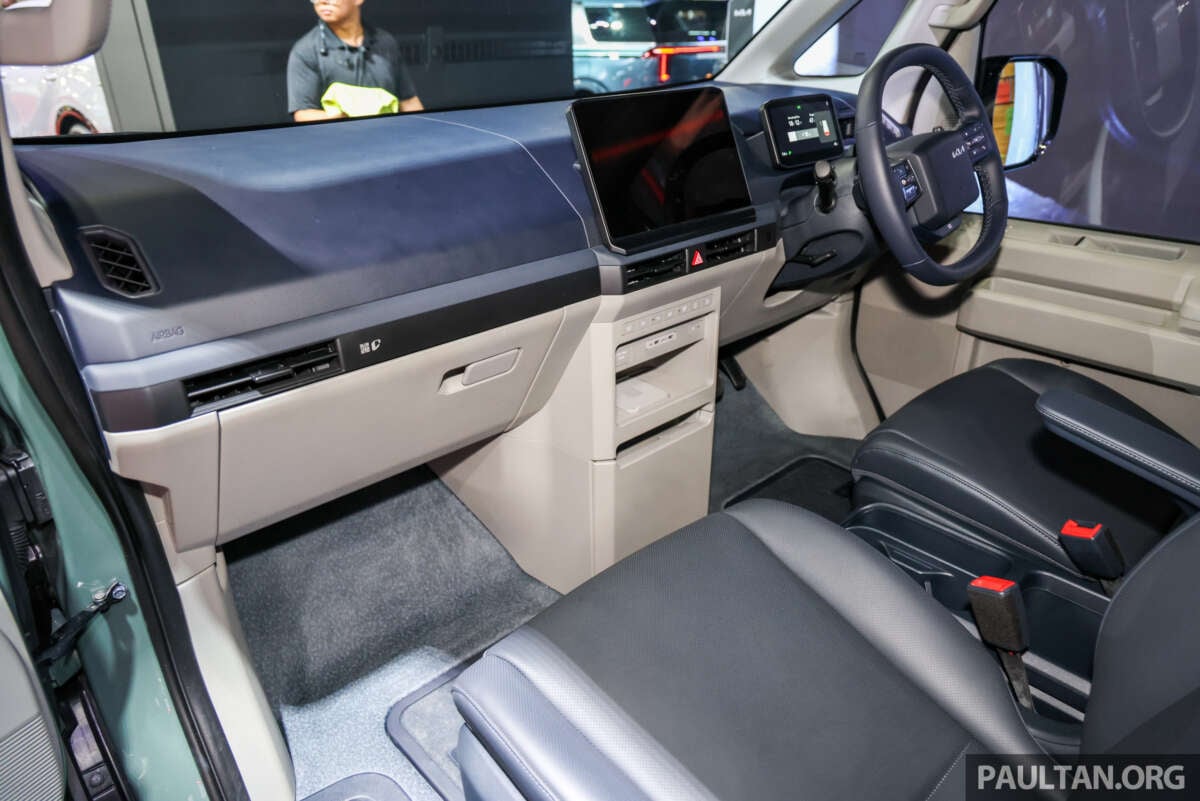
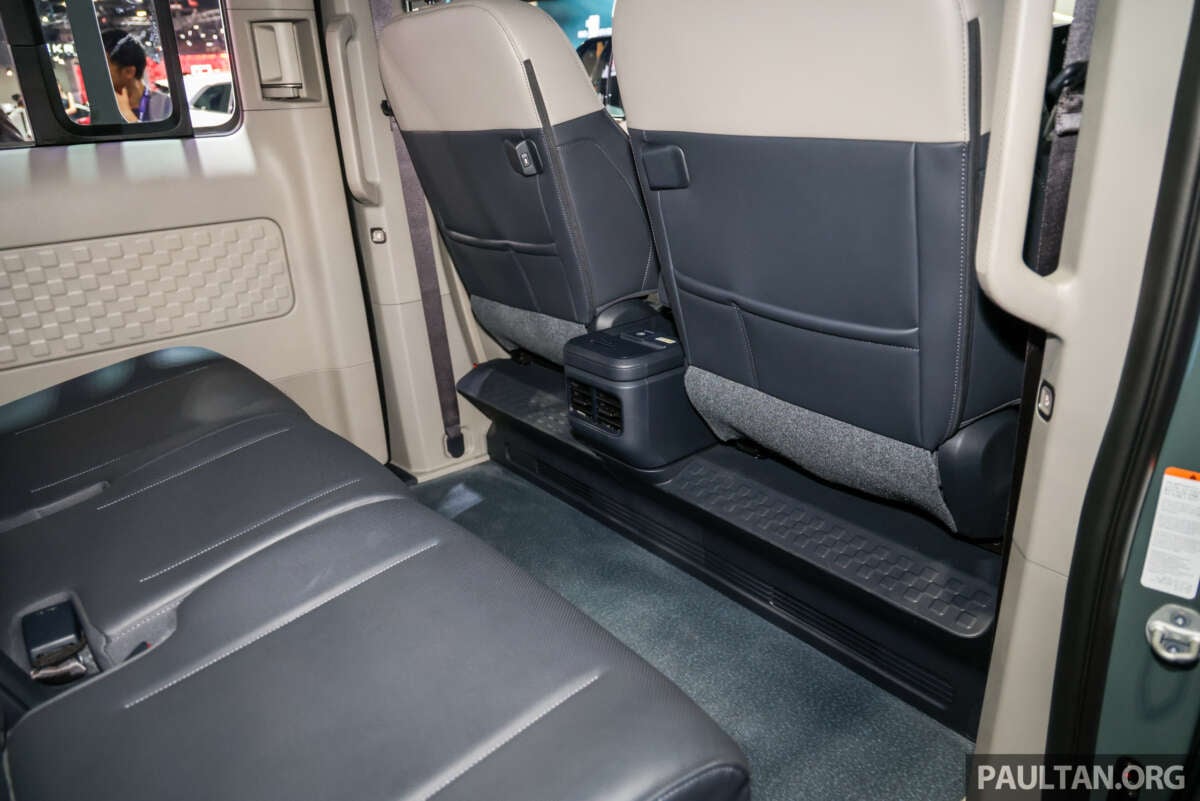
Inside, the PV5 is practical rather than posh, with the space being mostly made from sturdy hard plastic. The upright centre console opens up floor space and offers plenty of storage space, plus a Qi wireless charger. There’s also a floor console and a driver’s armrest above it.
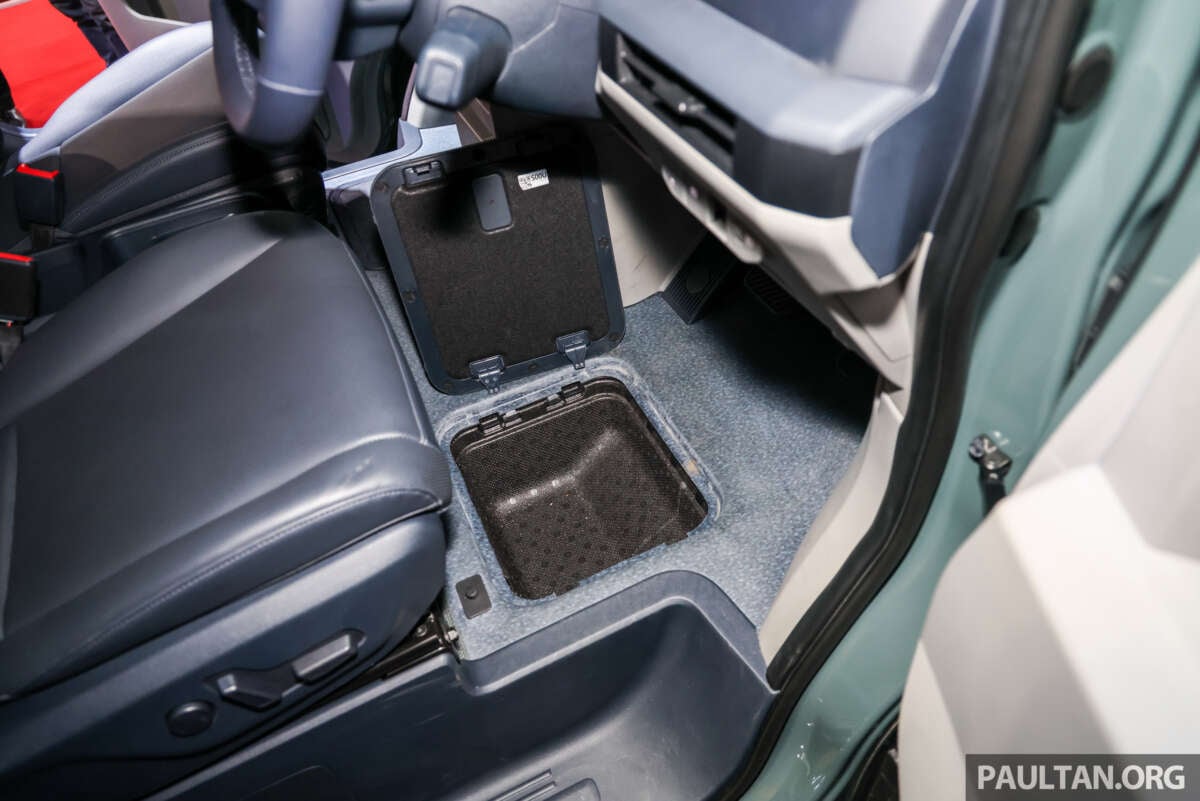
The screens are smaller here, with a seven-inch instrument display and a 12.9-inch infotainment touchscreen that runs on a different Android-based OS, allowing business-specific applications to be installed (no physical air-con controls here, unfortunately). More storage can be found atop the dashboard, the doors and even below the floor.


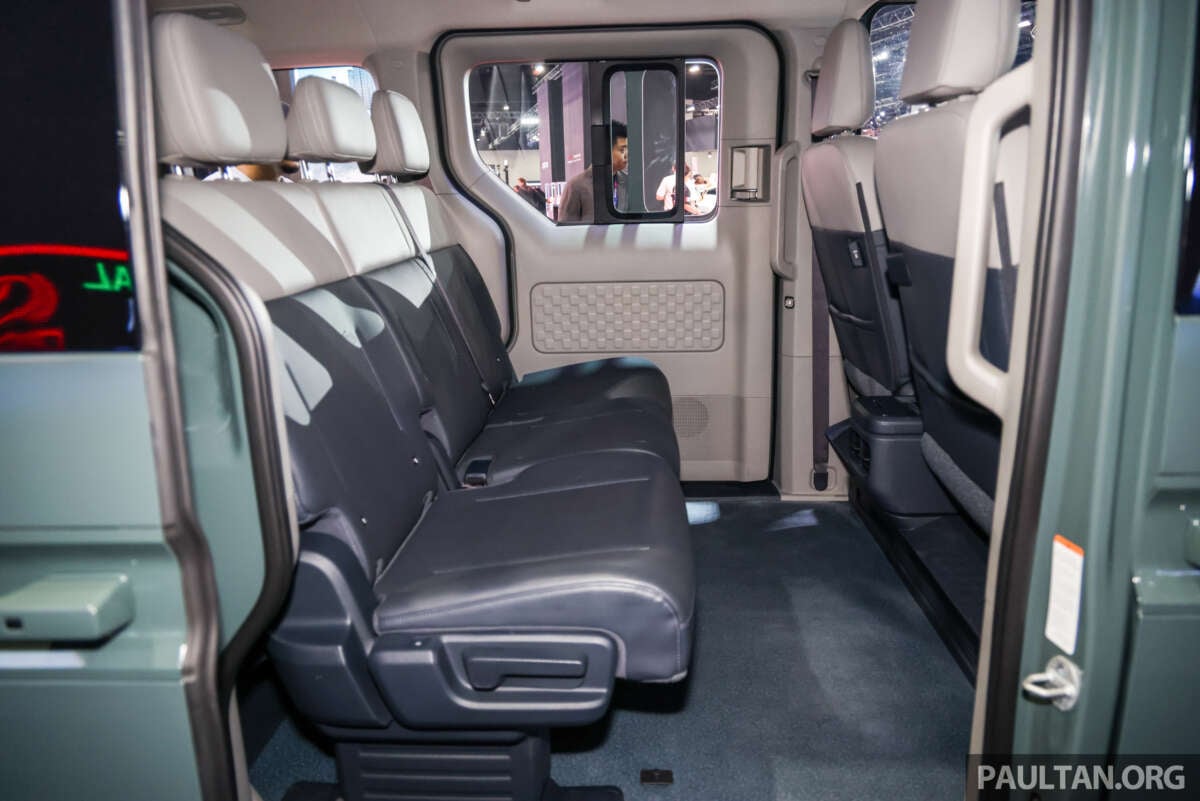
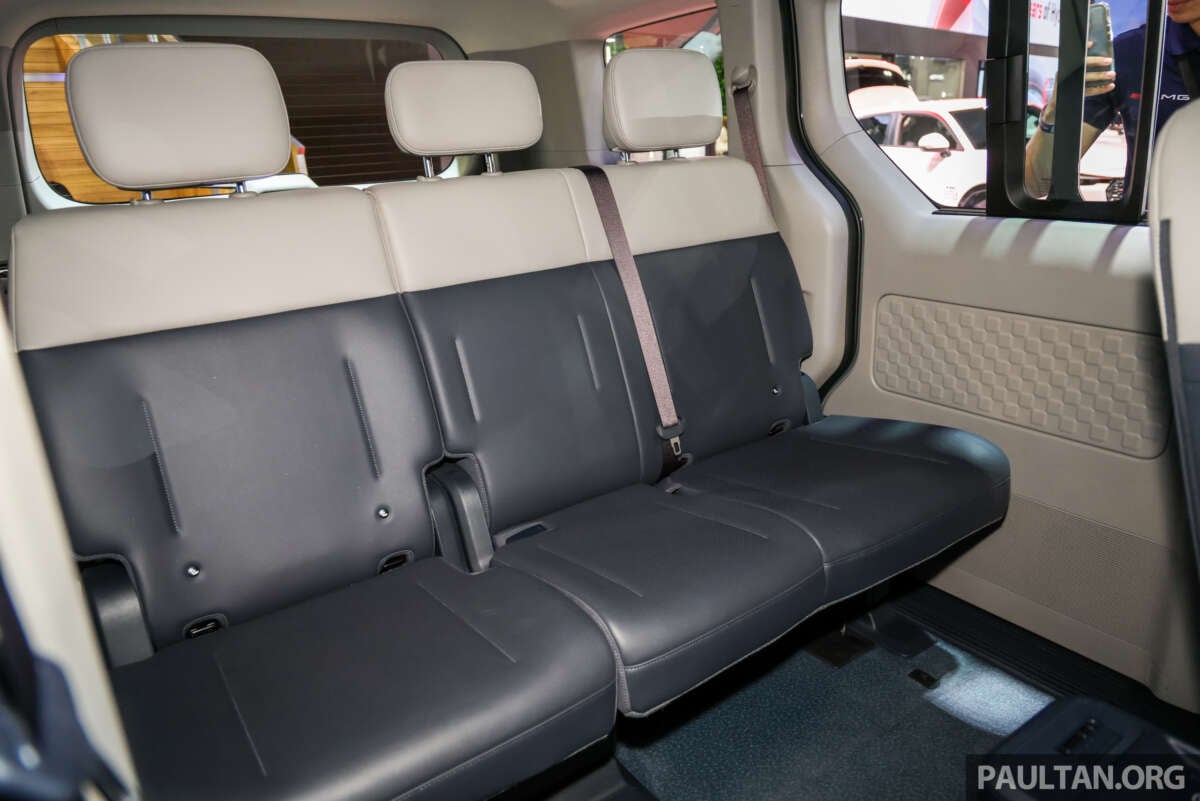
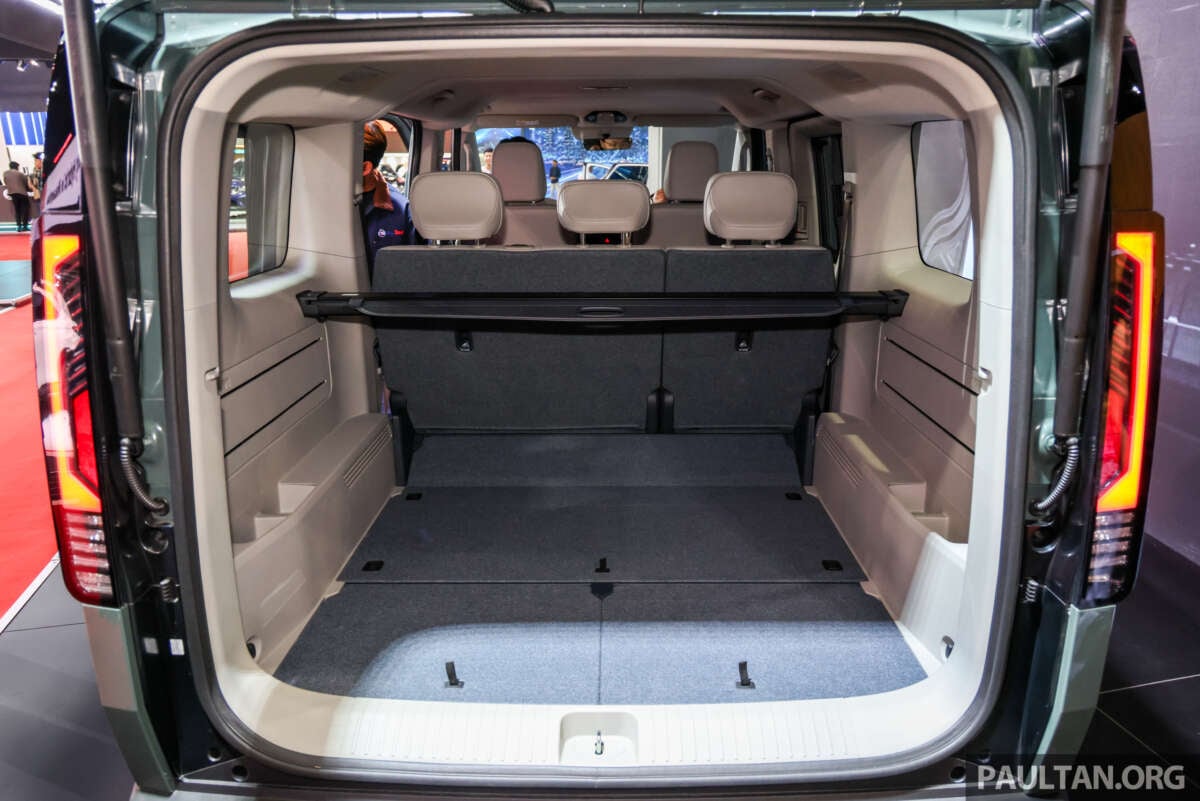
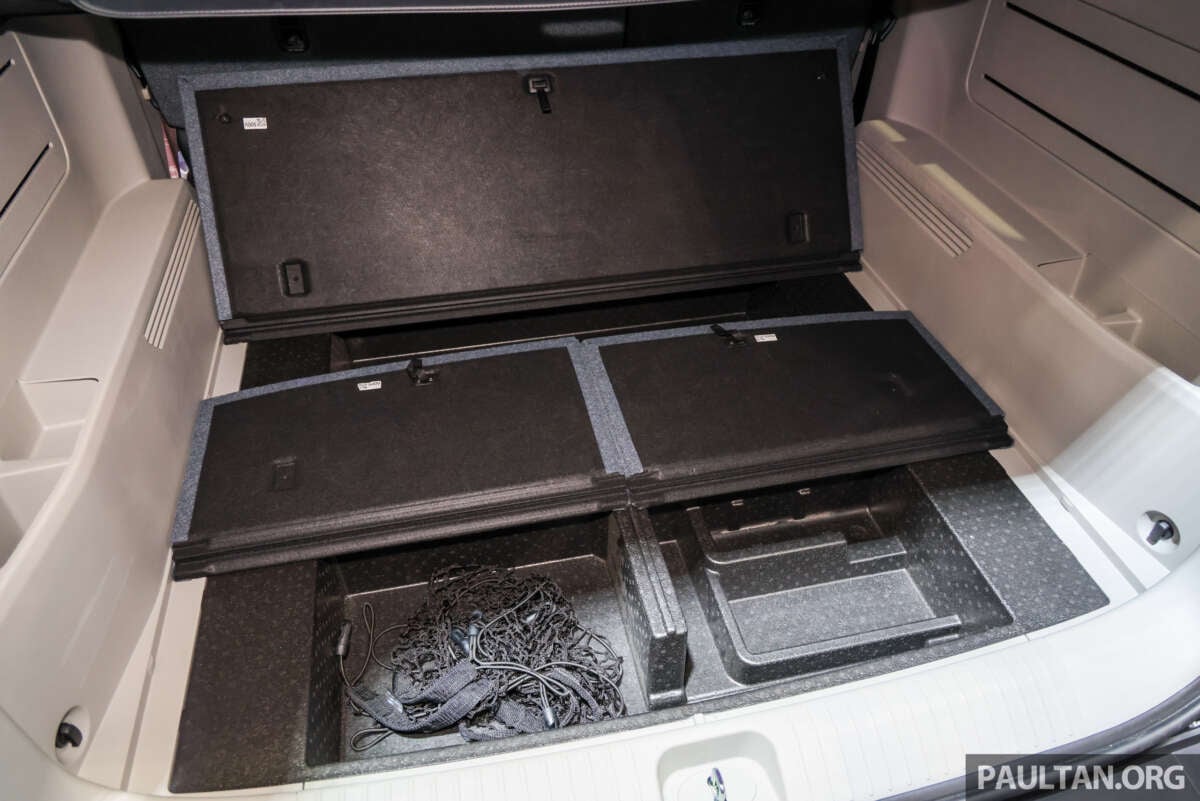
Step in through the rear sliding doors (available with or without power operation) and you’ll find a cavernous occupant compartment with footrests and numerous USB-C ports, and even heated seats. The five-seater offers yet more storage under the boot floor which, by the way, measures a whopping 1,330 litres.
The PV5 Passenger is available in Standard and Long Range variants, with power outputs of 122 PS (89 kW) and 163 PS (120 kW), as well as 250 Nm. A choice of 51.5 kWh and 71.2 kWh batteries provide a range of 295 km and 412 km respectively, with DC fast charging from 10 to 80% taking under 30 minutes for both using a 150 kW charger. The EV4, EV5 and PV5 all come with Level 2 semi-autonomous driving functionality, with the EV4 and EV5 additionally gaining curve speed reduction and auto lane change.
With KSM evaluating public reception for these models here, which one would you buy? We’d imagine that the PV5 in particular would be of great interest to those who would like to get the Carnival but balk at the high price of diesel. In any case, let us know which you’d pick in the comments.
GALLERY: Kia EV4 at KLIMS 2026
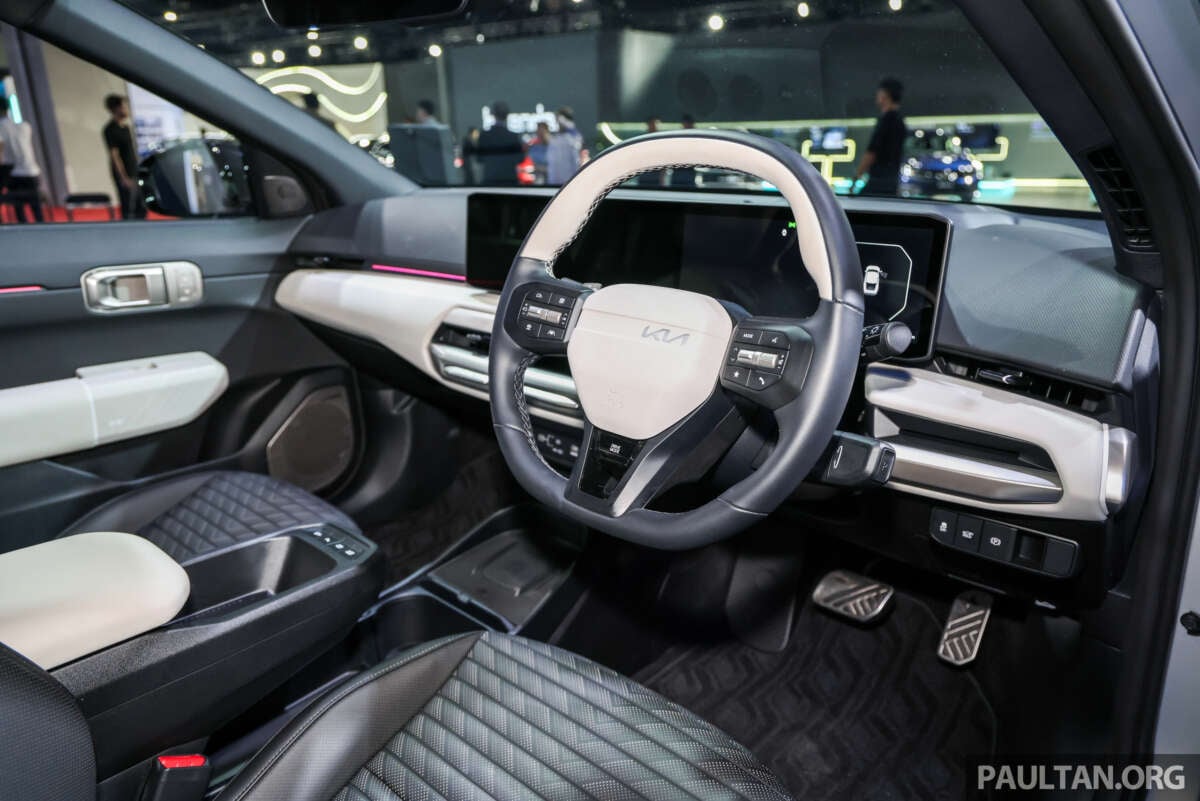
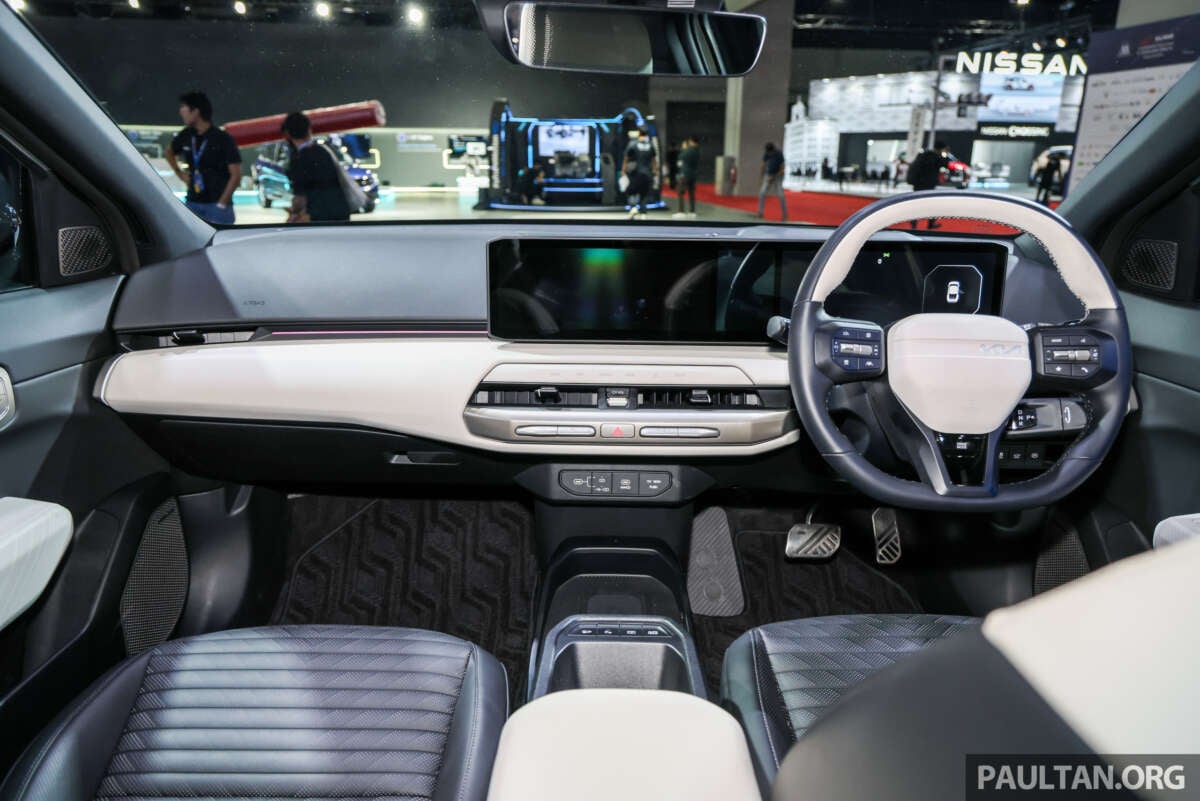
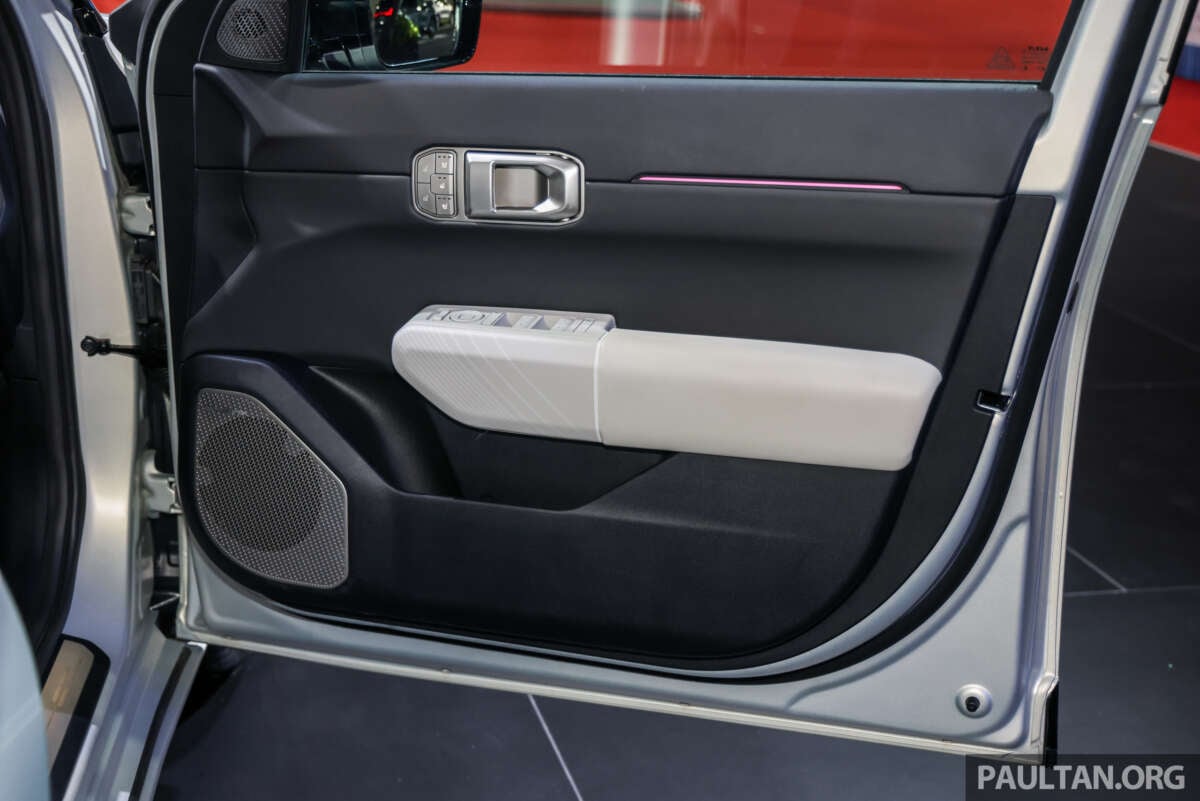
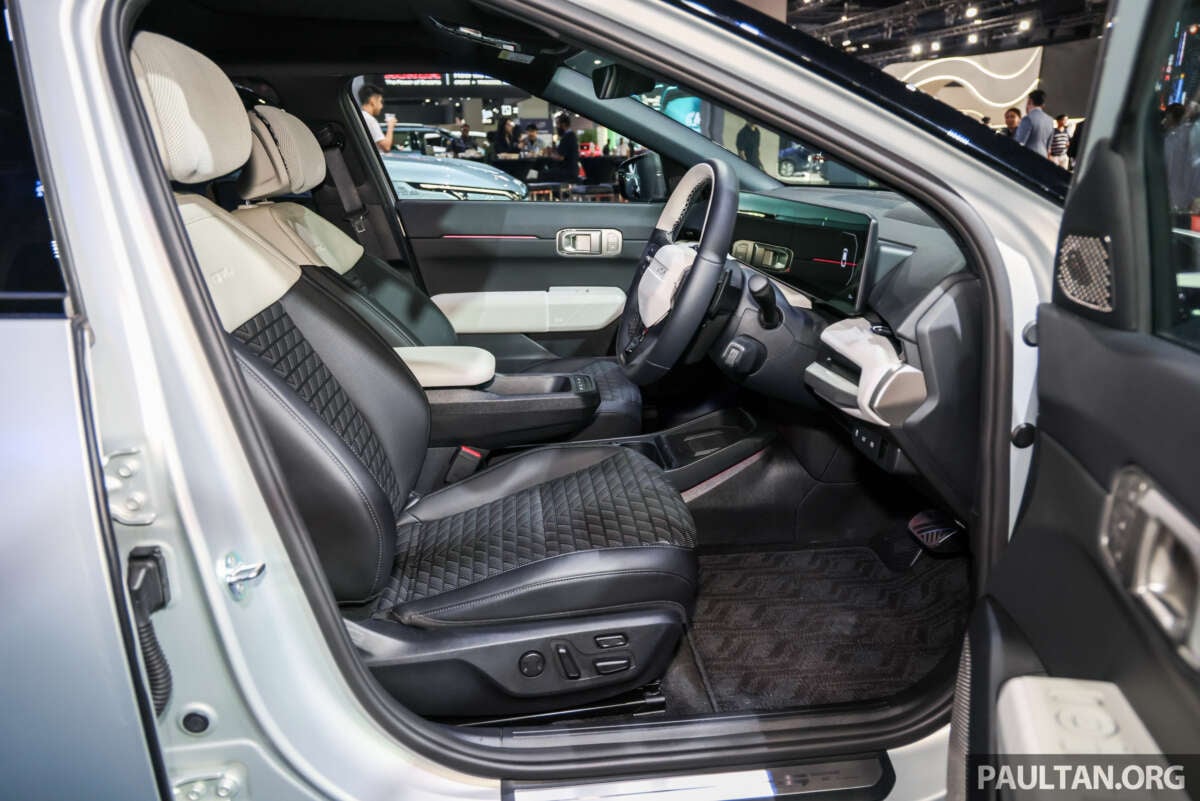
GALLERY: Kia EV5 at KLIMS 2026
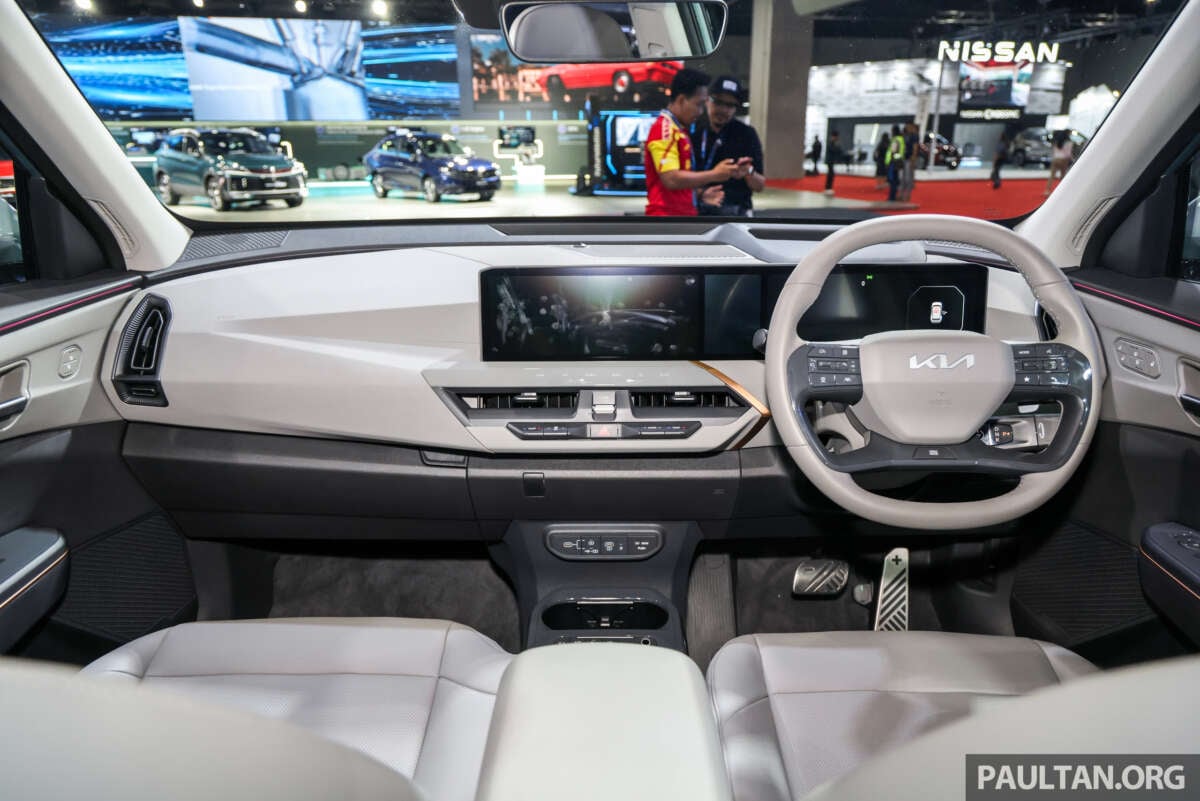
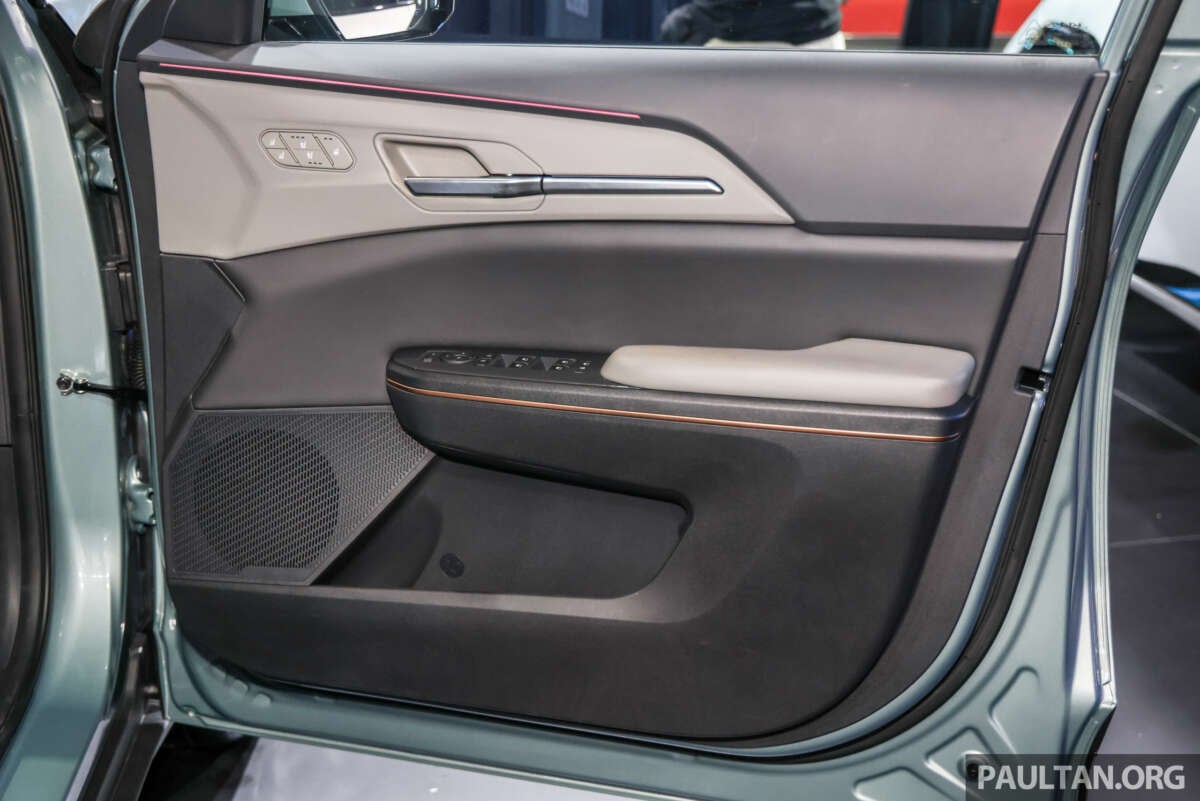
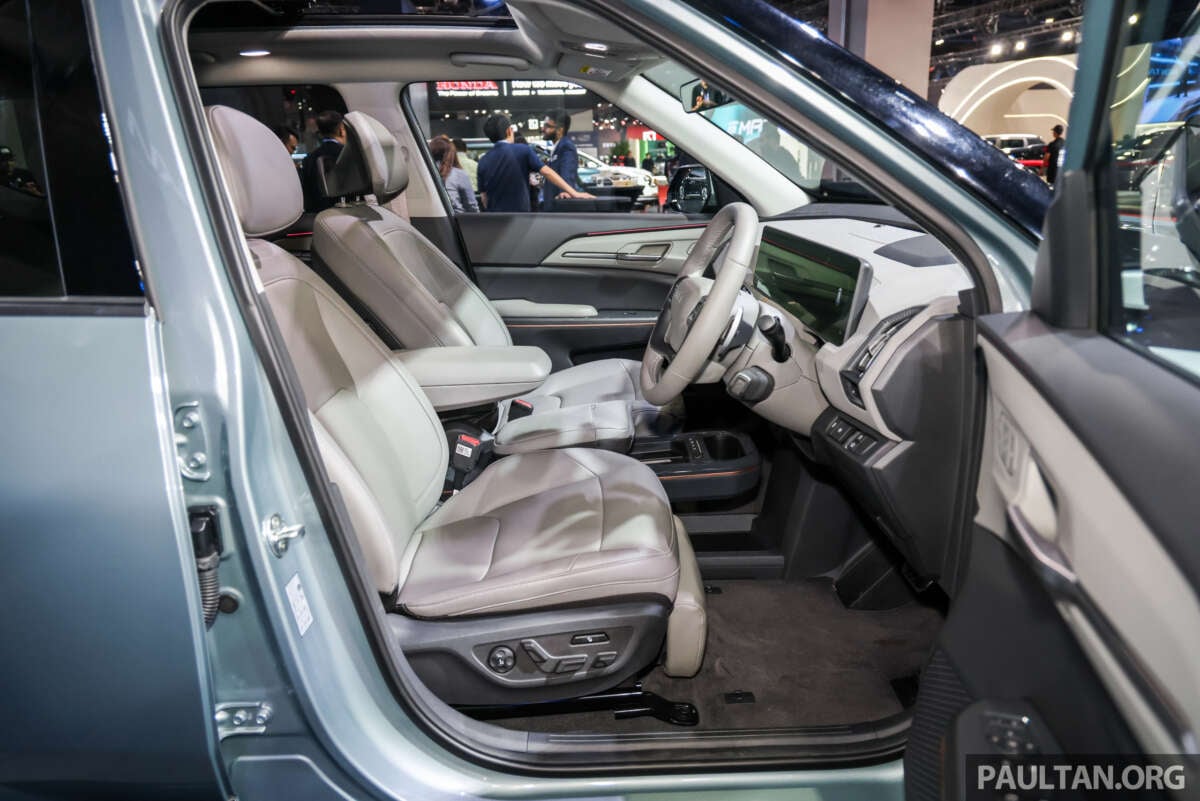
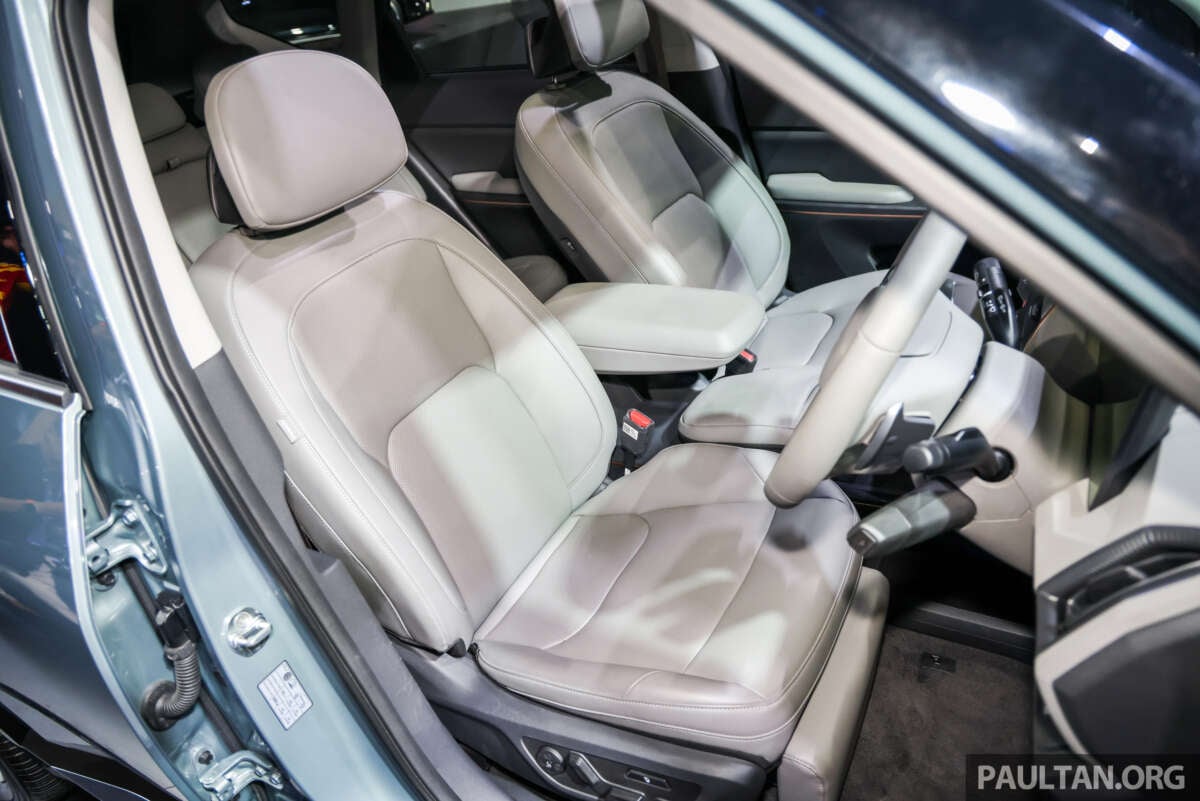
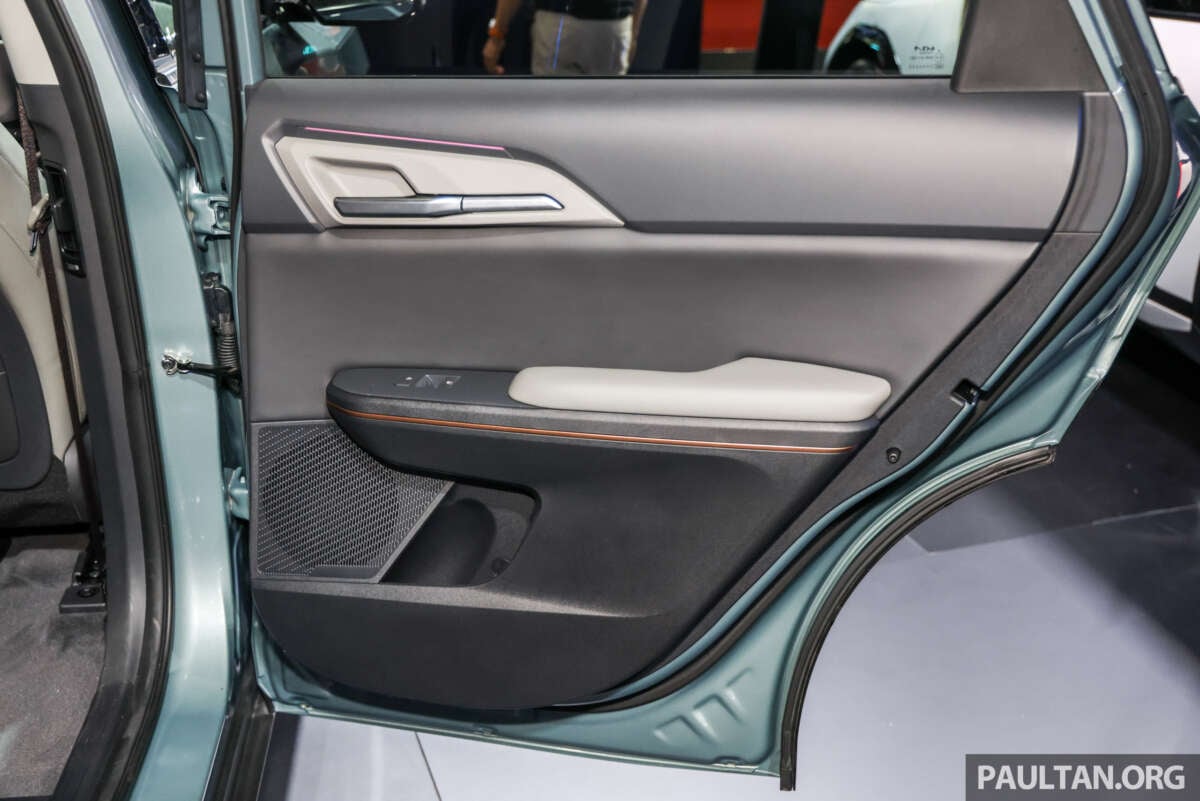
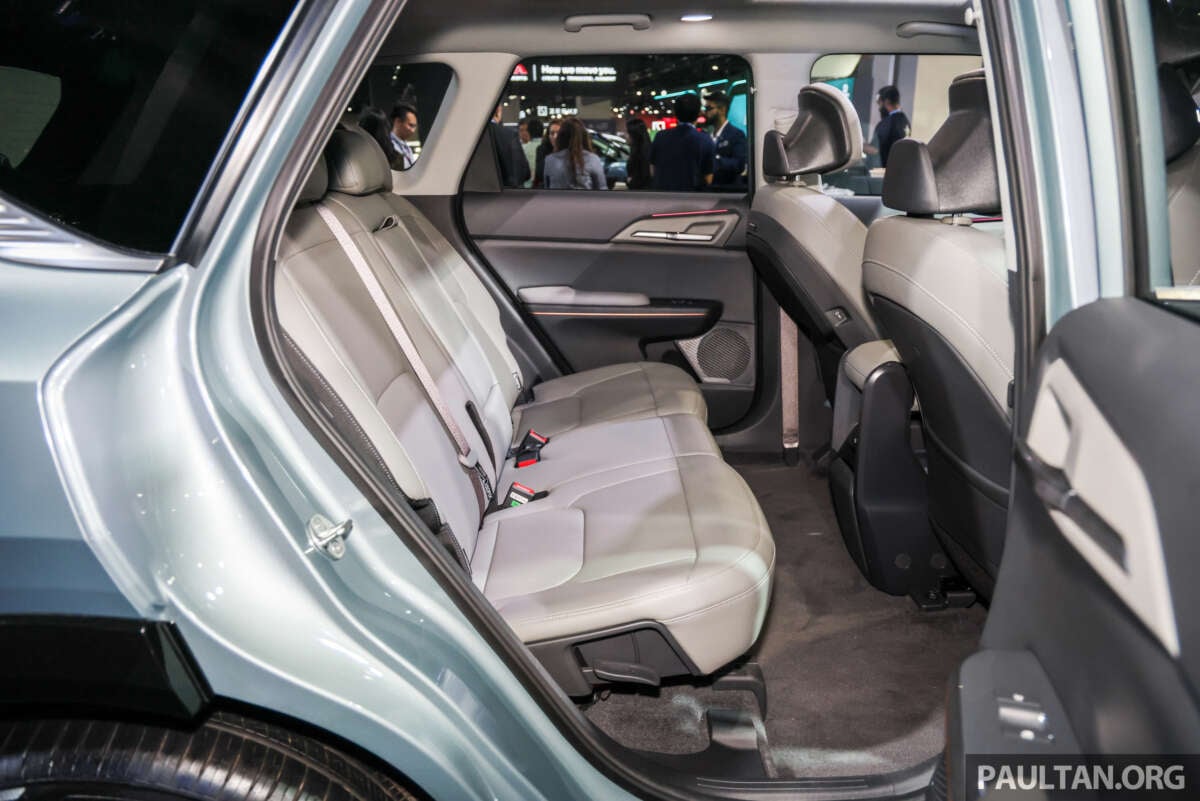
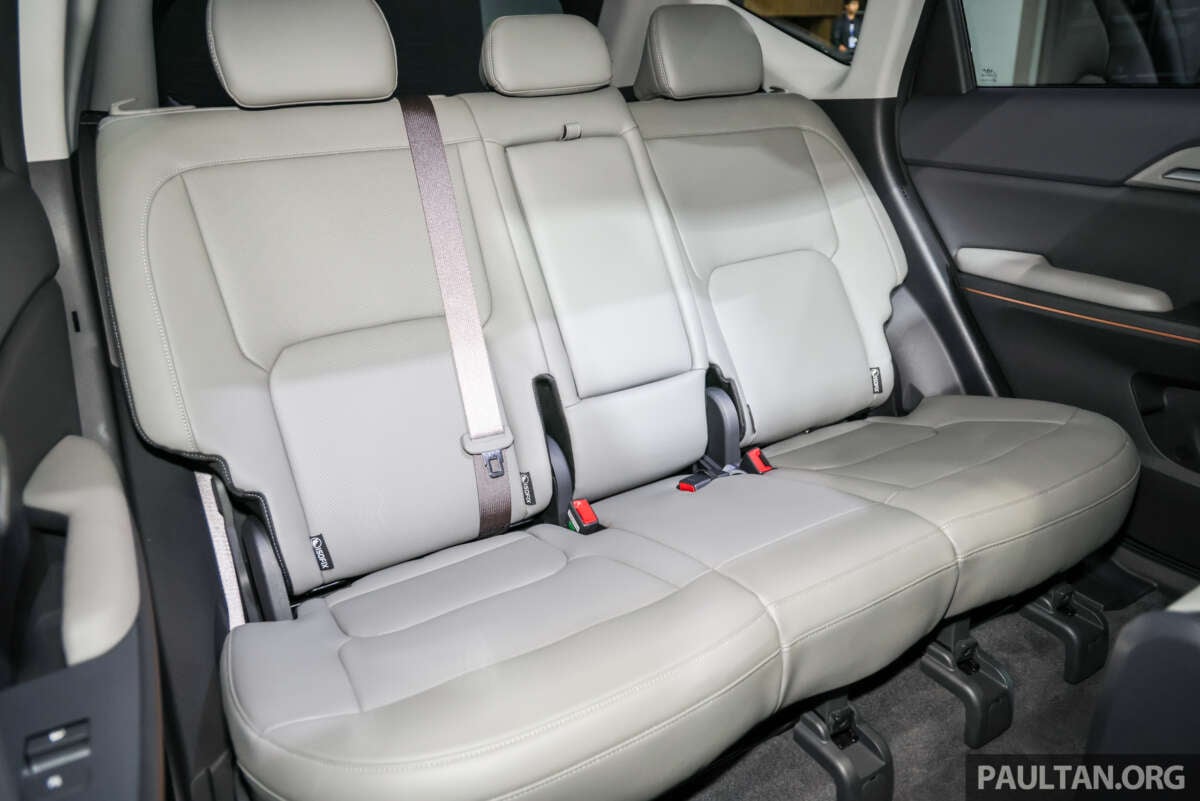
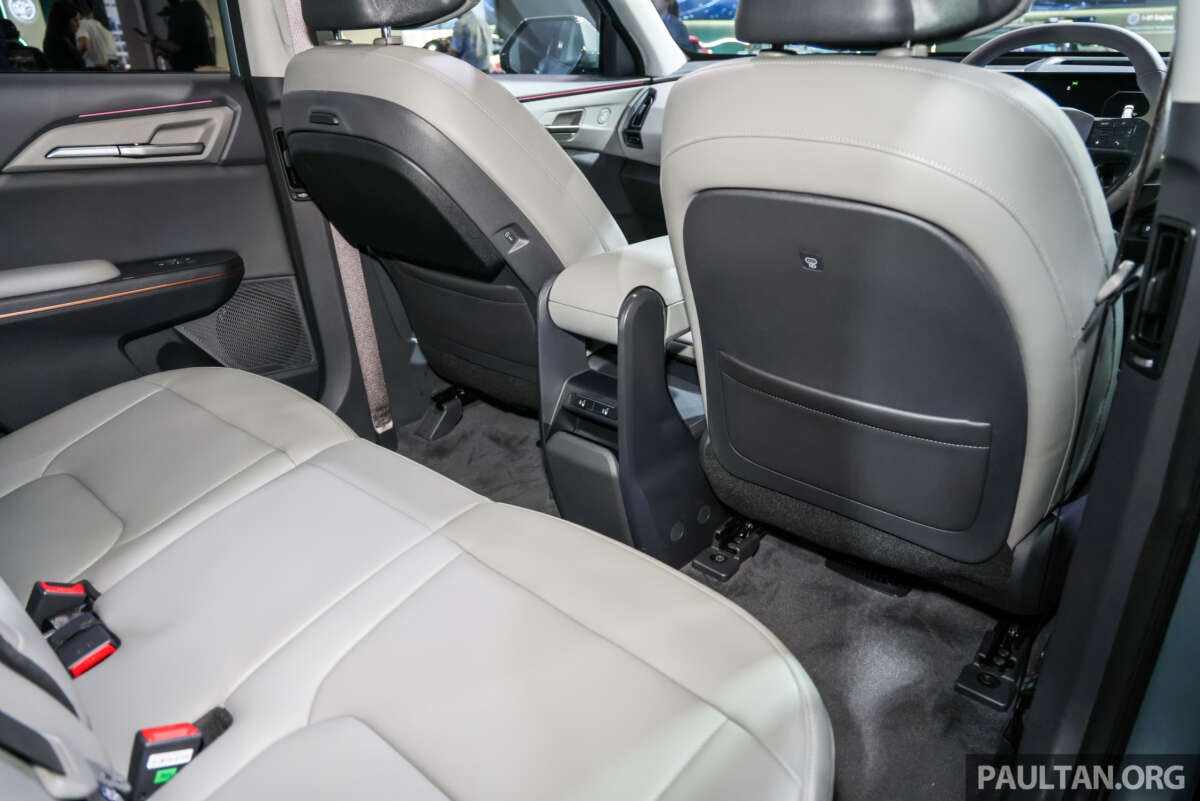
GALLERY: Kia PV5 at KLIMS 2026
Looking to sell your car? Sell it with Carro.



 Kia Carnival
from RM188,888
Kia Carnival
from RM188,888  Kia Sportage
from RM129,639
Kia Sportage
from RM129,639  Kia EV9
from RM368,668
Kia EV9
from RM368,668 
beautiful korean EV, unlike Perodua RM800m EV fail project. This what happens when u spend your whole life rebadge garbage daihaitsu, until u don’t know how to create a car yourself. Perodua failure, worse car brand in universe. P2 fan girls will cry at the TRUTH. stupid fans.
Honda will exit South Korea’s car market by late 2026, dropping passenger sales due to weak demand and fierce local competition,
and Mazda does not sell passenger cars in South Korea, Mazda officially scrapped its plans to enter the South Korean market in 2016.
bawa masuk van tu lah. suv dan crossover dan ‘coupe suvcrossover’ dah banyak sangat di sini.
cuma masalahnya pula tak ada butang aircond…hmmmm alahai
ev5
Want to challenge Tesla Model 3 Standard?
Bring in smaller/cheaper car,probably picanto,ev2 and ev3.The cheaper the car ,people will probably attracted to ‘try’ if price is right…
Of coz EV4 or EV5.
Please bring in EV4, the design non-conventional, but its not the same design as other car in the market.
But.. in the end, it depend on the price.
Good price = Good sales
PV5. Beli2 terus bawak anjing pergi kemping tepi sungai.
weird design competition?