
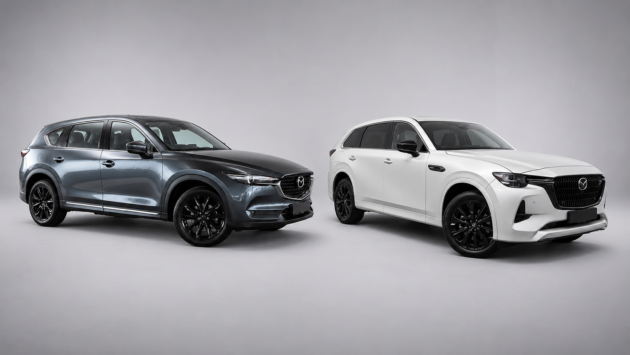
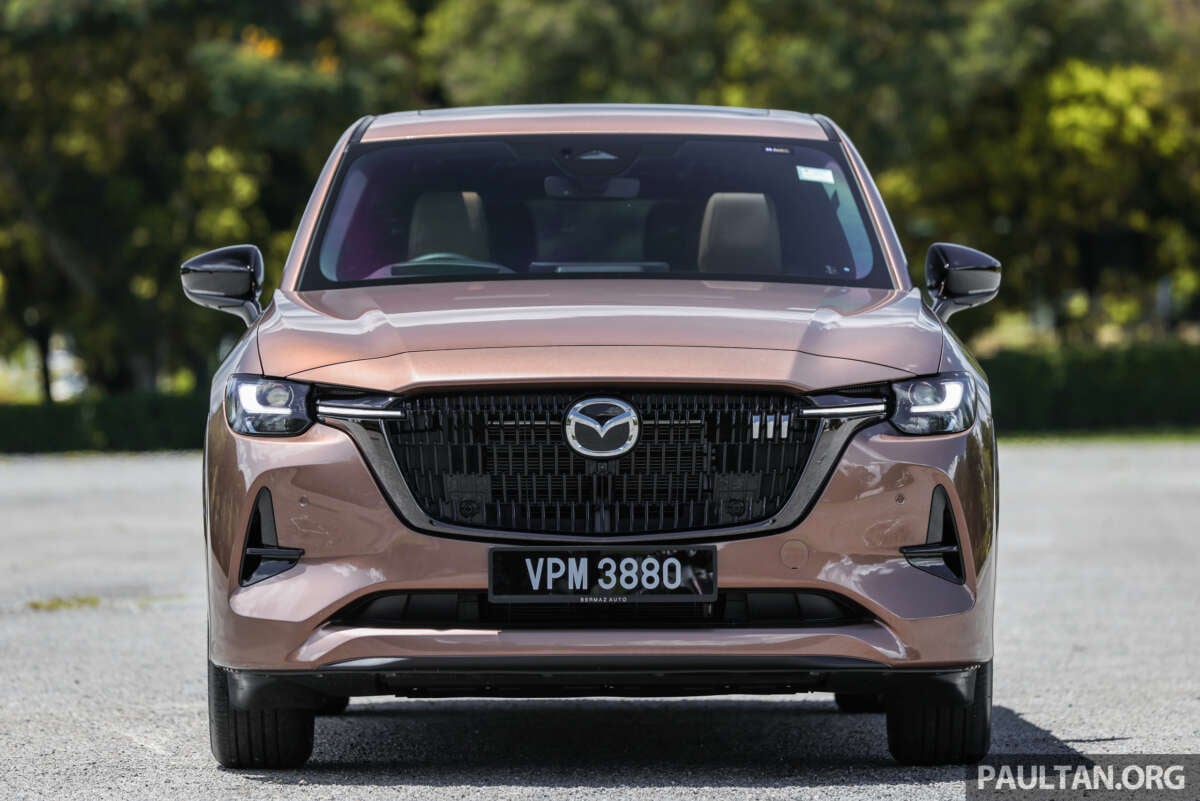
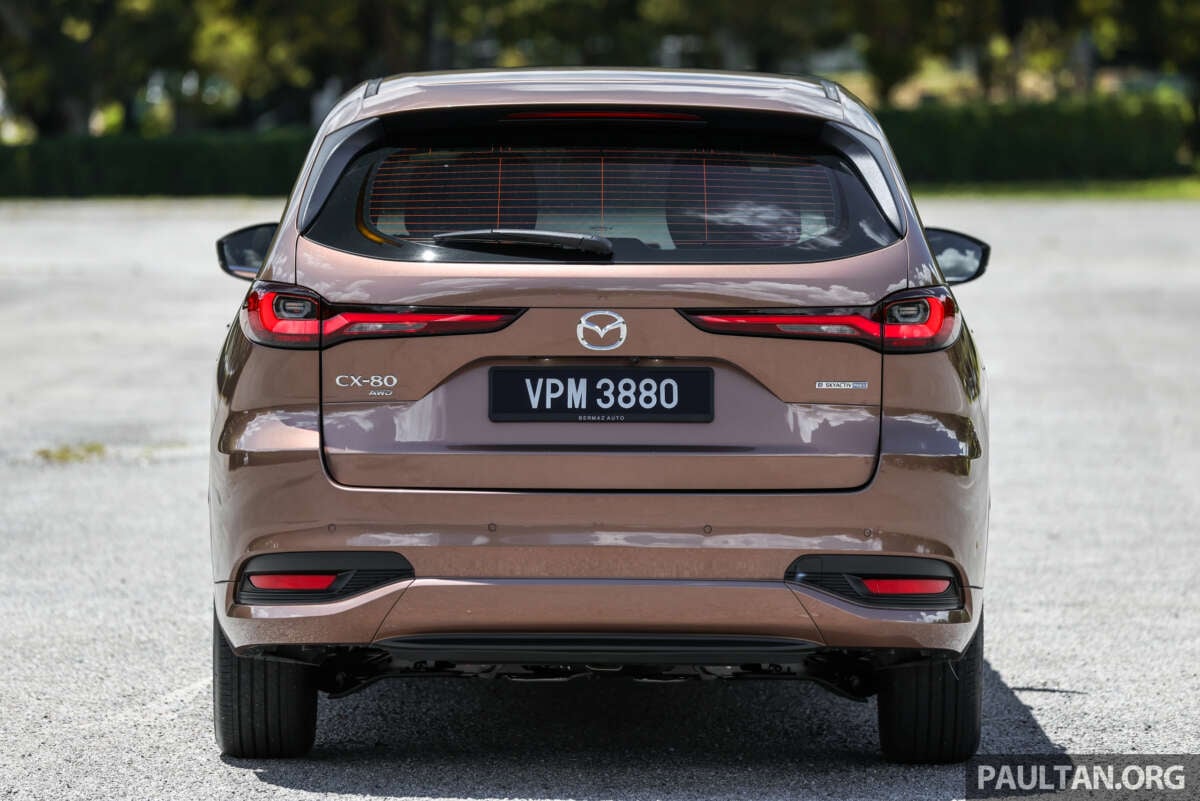
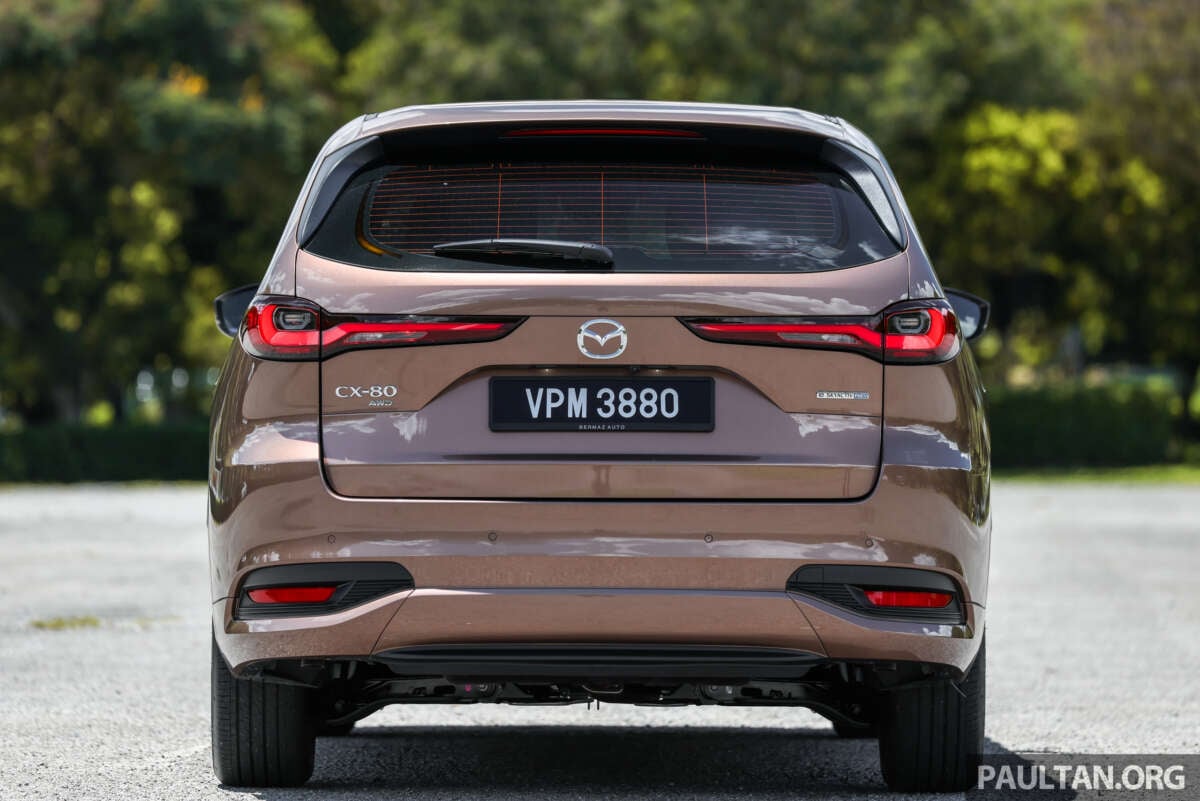
Mazda sells two three-row family SUVs in Malaysia – the long-serving CX-8 and the newer, much pricier CX-80. On paper they look similar: both are handsome, premium-feeling seven- or six-seaters. But the CX-80 costs a great deal more, which raises the obvious question for anyone cross-shopping them: what does all that extra money actually buy?
This guide answers that honestly, dimension by dimension, so a CX-8 shopper can decide whether to save or stretch. One thing to know up front: the CX-80 is effectively the CX-8’s replacement – it’s designed to succeed both the CX-8 and the old CX-9 – but with the CX-8 still on sale as a run-out, the two overlap in showrooms right now.
Mazda CX-8 vs CX-80 – price at a glance
The gulf is the whole story. The CX-8 spans a wide range depending on engine and trim; the CX-80 comes in a single, loaded plug-in hybrid guise. All prices are on-the-road without insurance, Peninsular Malaysia.

| Model / variant | Engine | Seats | Price (OTR) |
|---|---|---|---|
| CX-8 2.5 Mid 2WD | 2.5 petrol | 7 | RM165,360 |
| CX-8 2.5 High 2WD | 2.5 petrol | 6 | RM171,360 |
| CX-8 2.5 High Plus 2WD | 2.5 petrol | 6 | RM186,360 |
| CX-8 2.2D High Plus 2WD | 2.2 diesel | 6 | RM213,123 |
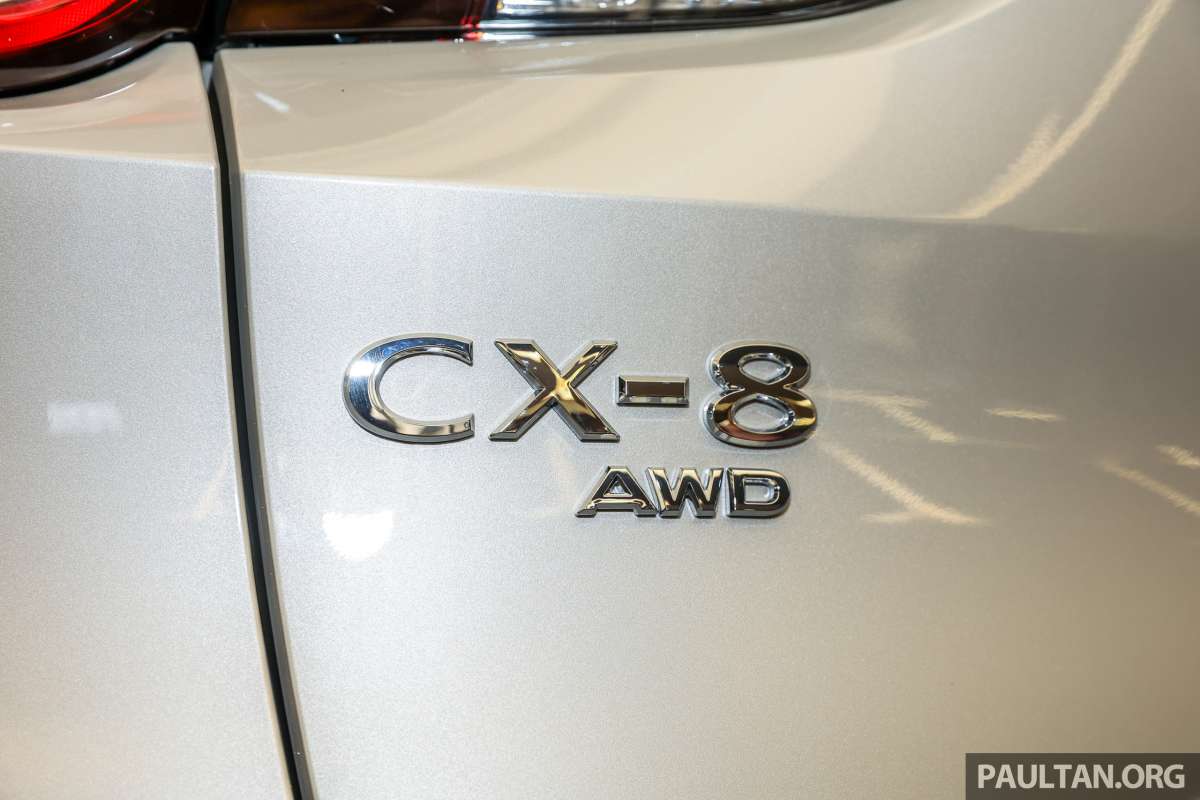
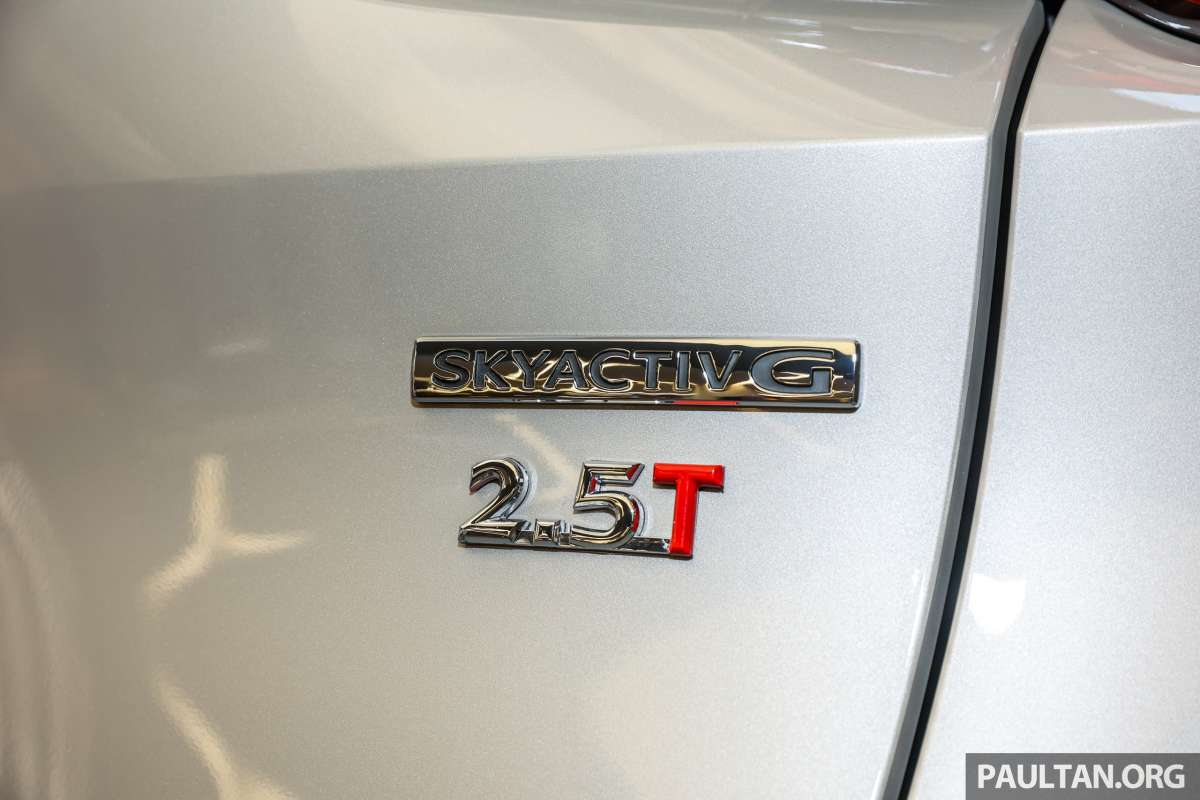
| CX-8 2.5 Turbo High Plus AWD | 2.5 turbo | 6 | RM221,360 |
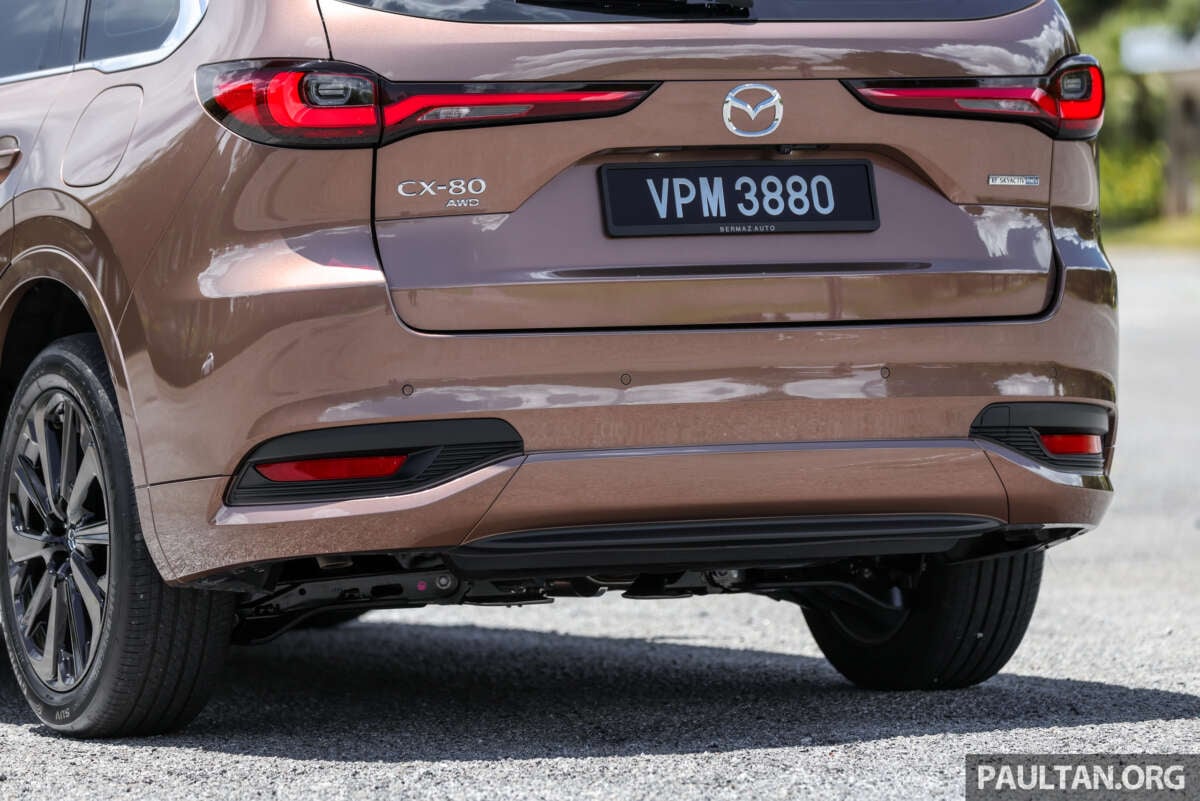
| CX-80 2.5 PHEV AWD High Plus | 2.5 plug-in hybrid | 6 | RM296,610 |
So the CX-80 starts around RM75,000 above the most expensive CX-8 (the 2.5 Turbo AWD), and about RM131,000 above the entry CX-8 2.5 Mid. That’s a serious premium – here’s what it buys.
1. A whole new platform

This is the biggest thing the money buys. The CX-8 is built on Mazda’s older architecture shared with the CX-5, with its engine mounted transversely (sideways) and front-wheel-drive as the baseline.
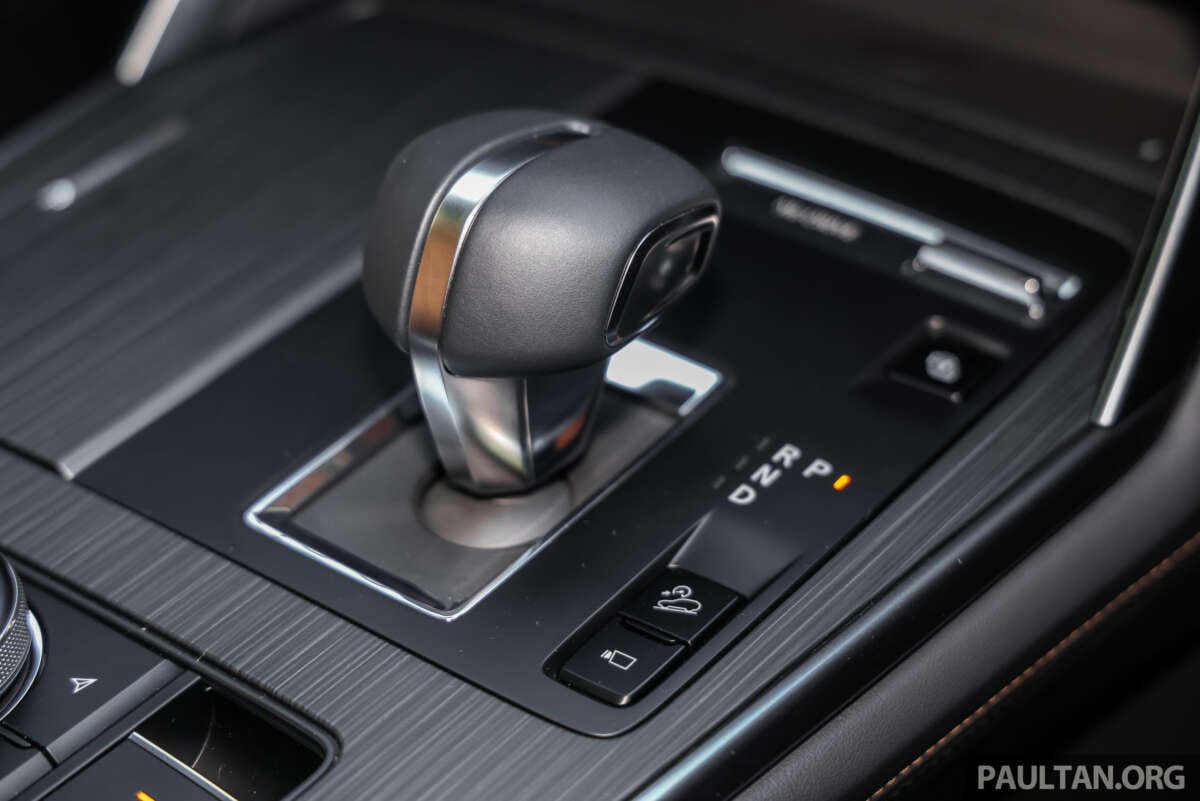
The CX-80 rides on Mazda’s newer Skyactiv large-car platform (shared with the CX-60 and CX-90), with the engine mounted longitudinally (north-south) and a rear-biased all-wheel-drive layout – the classic premium, rear-drive SUV recipe.
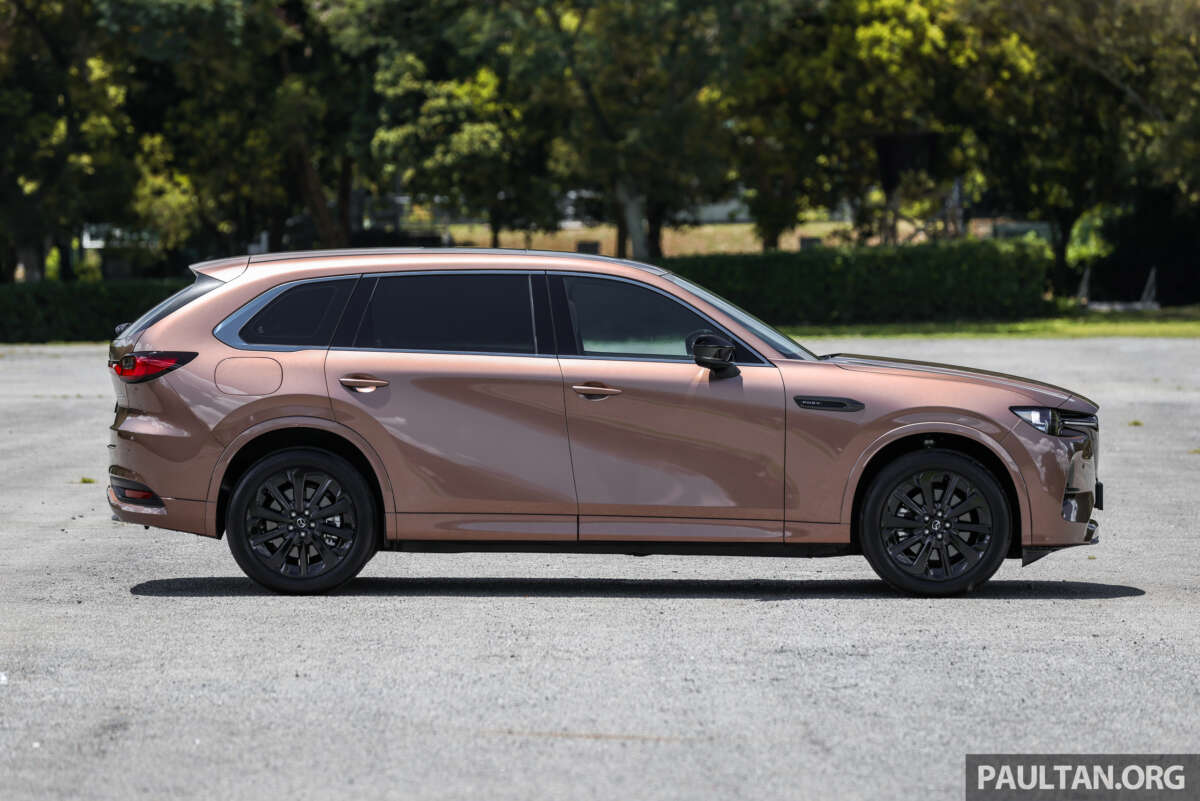
It also stretches the wheelbase to 3,120 mm, a full 190 mm longer than the CX-8’s 2,930 mm. In short, the CX-80 is a fundamentally more modern, more upmarket car underneath.
2. Plug-in hybrid power
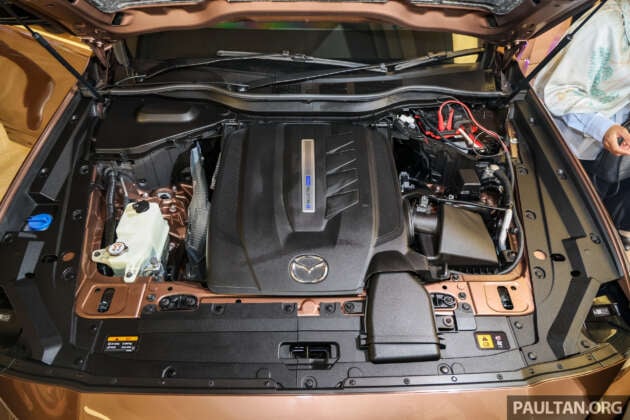
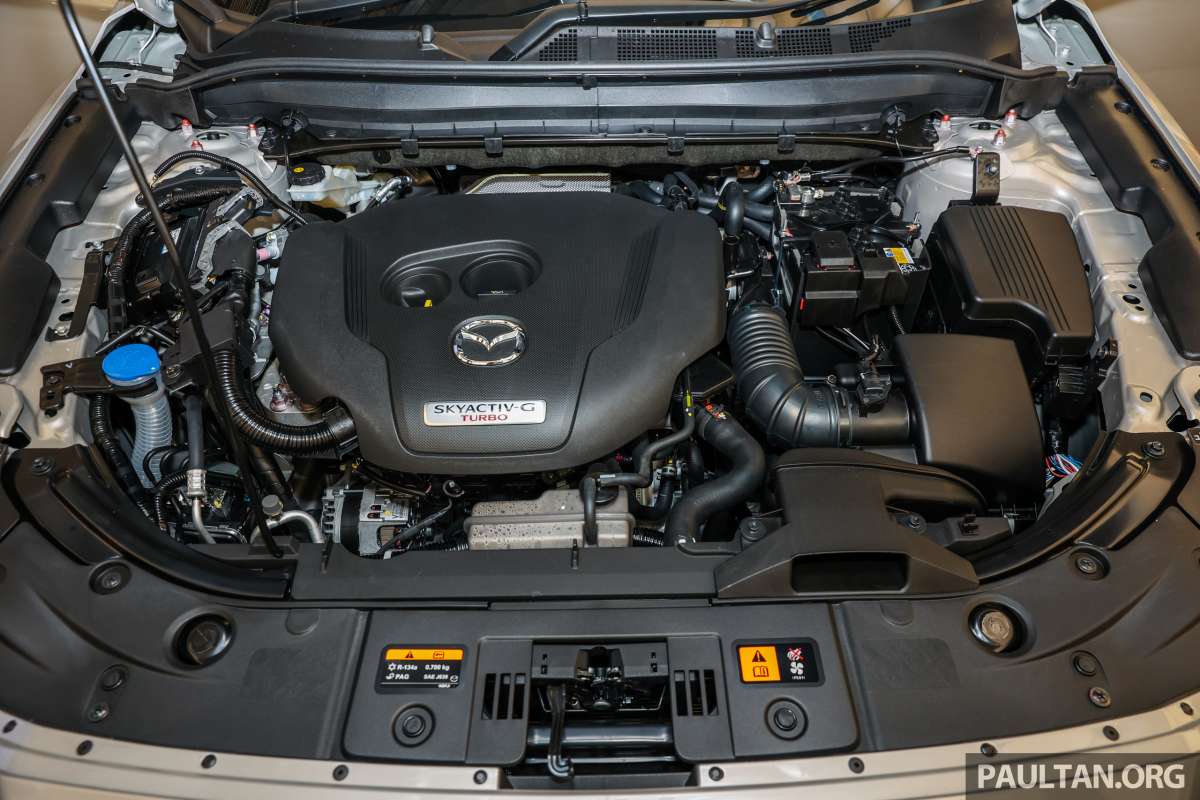
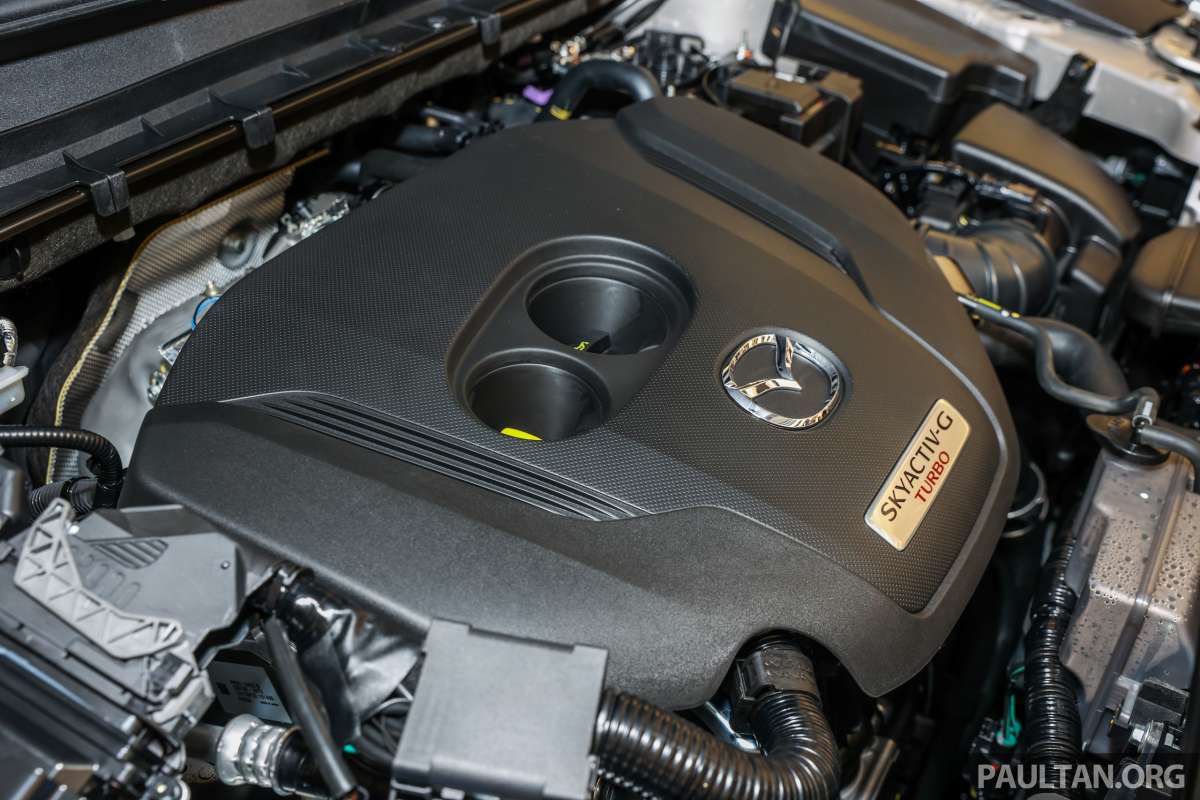
The CX-8 offers familiar engines: a 2.5 litre naturally-aspirated petrol (192 PS), a 2.2 litre turbodiesel (188 PS but a muscular 450 Nm), and a range-topping 2.5 litre turbo petrol (228 PS/420 Nm). All are proven and effective.
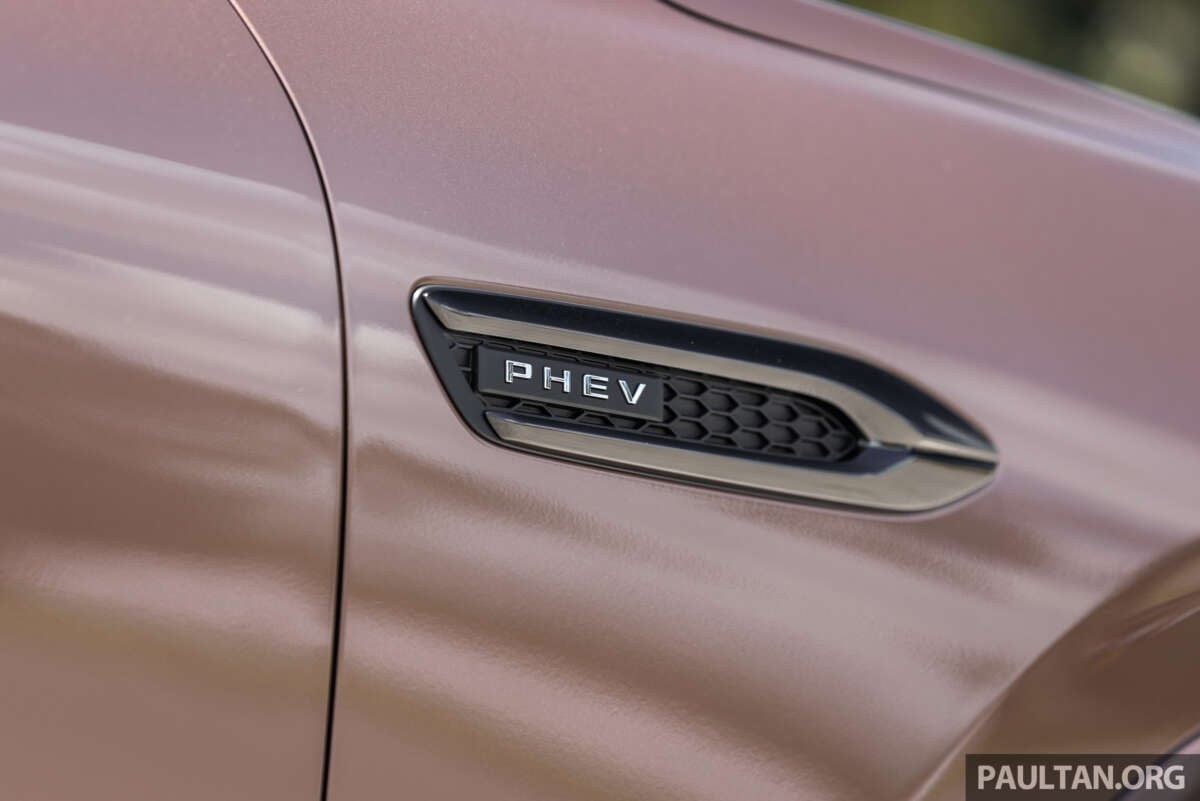
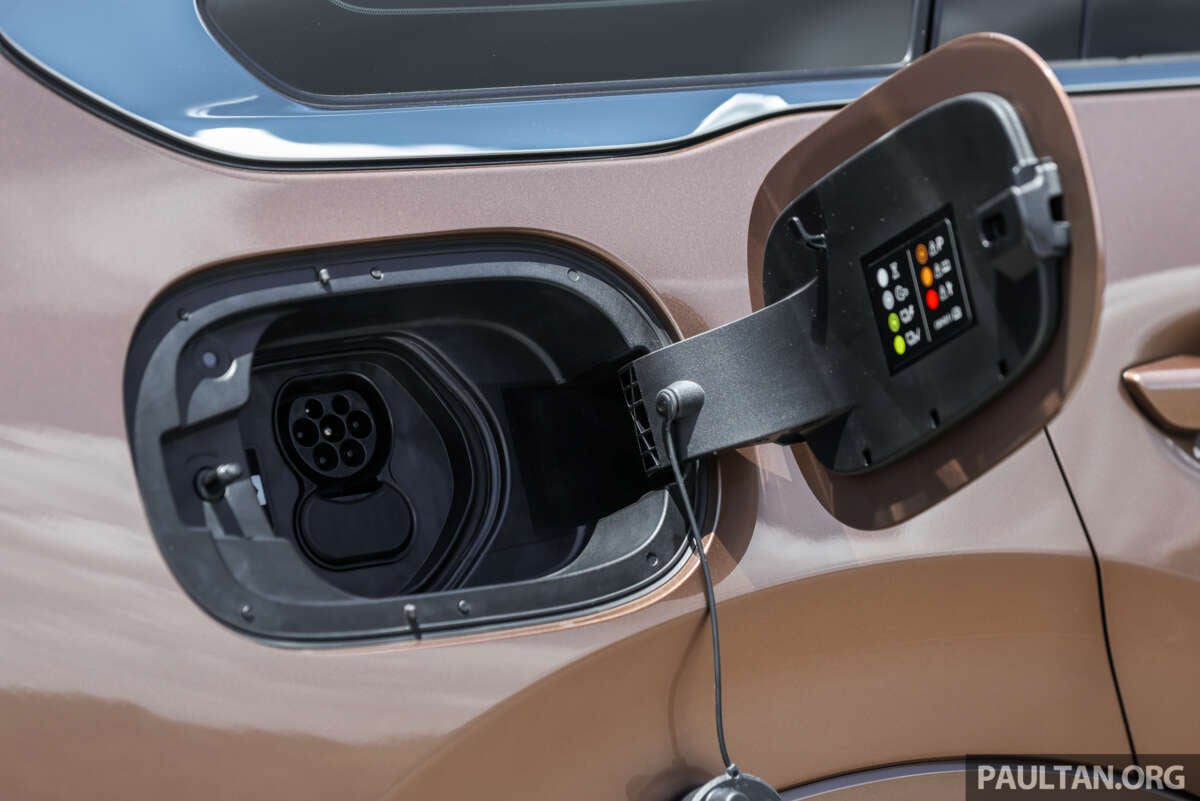
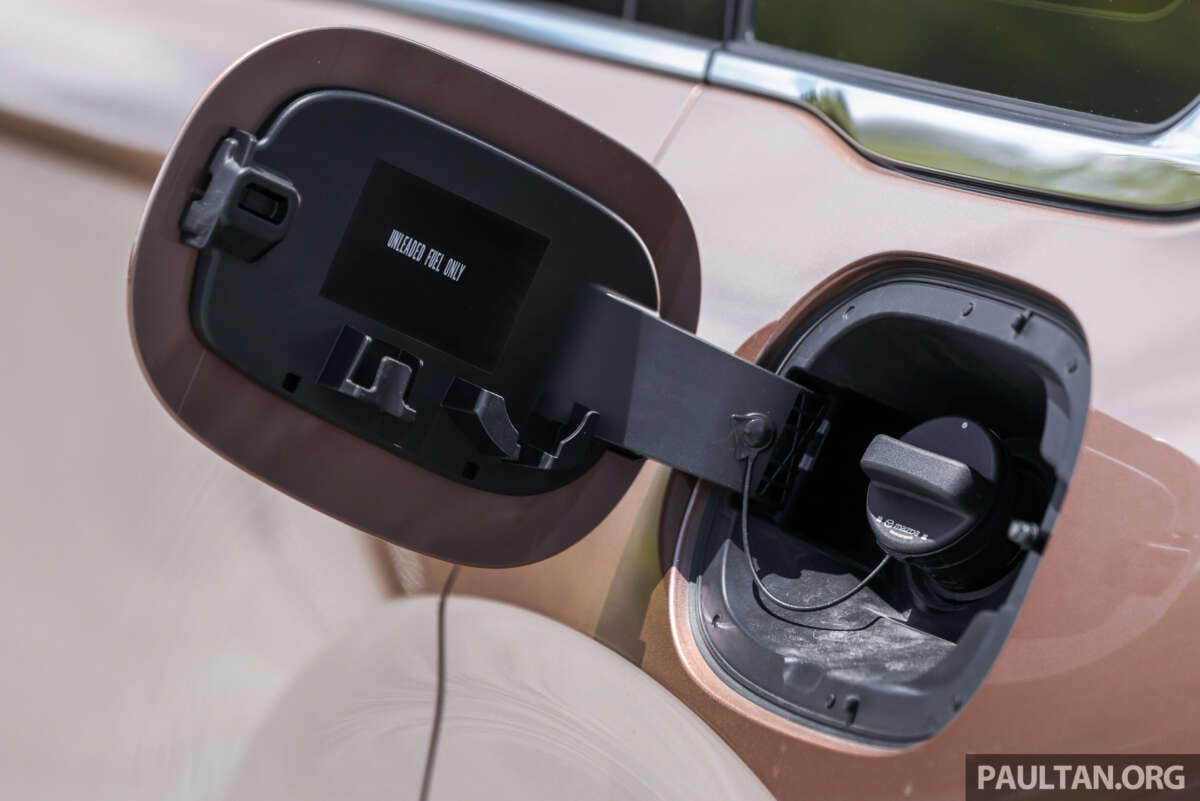
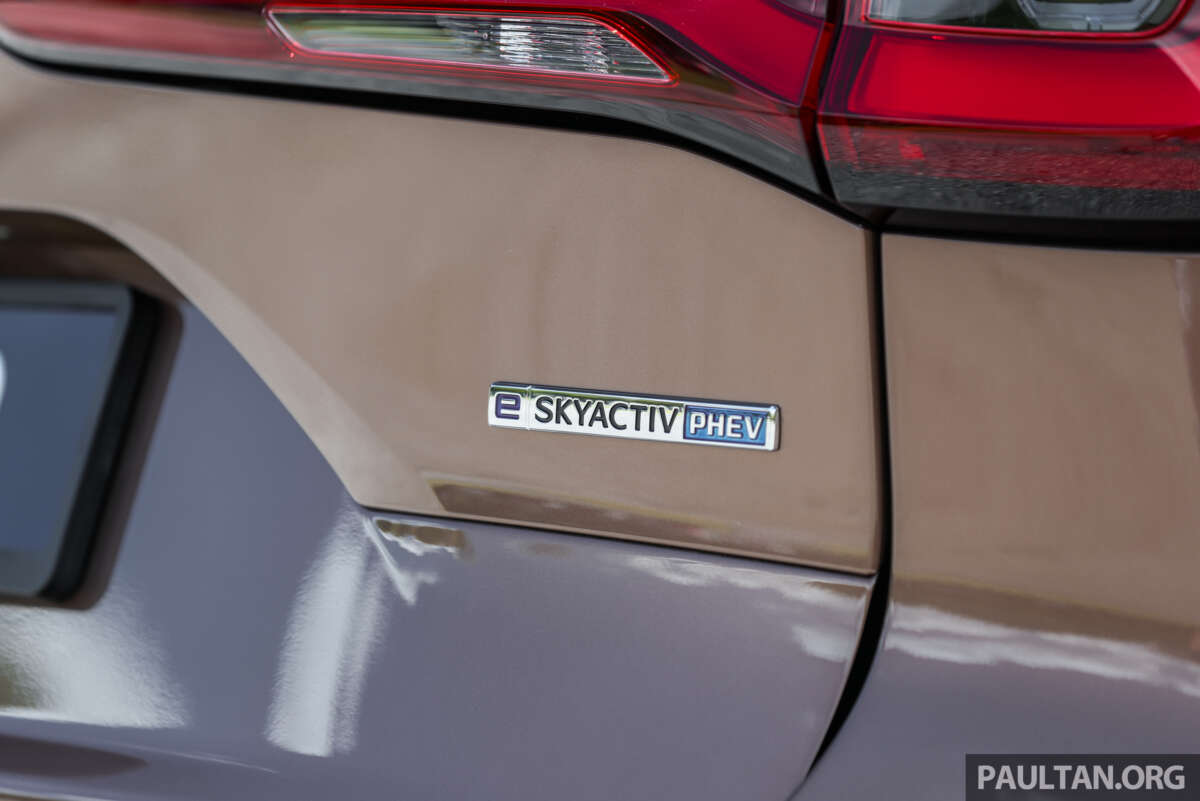
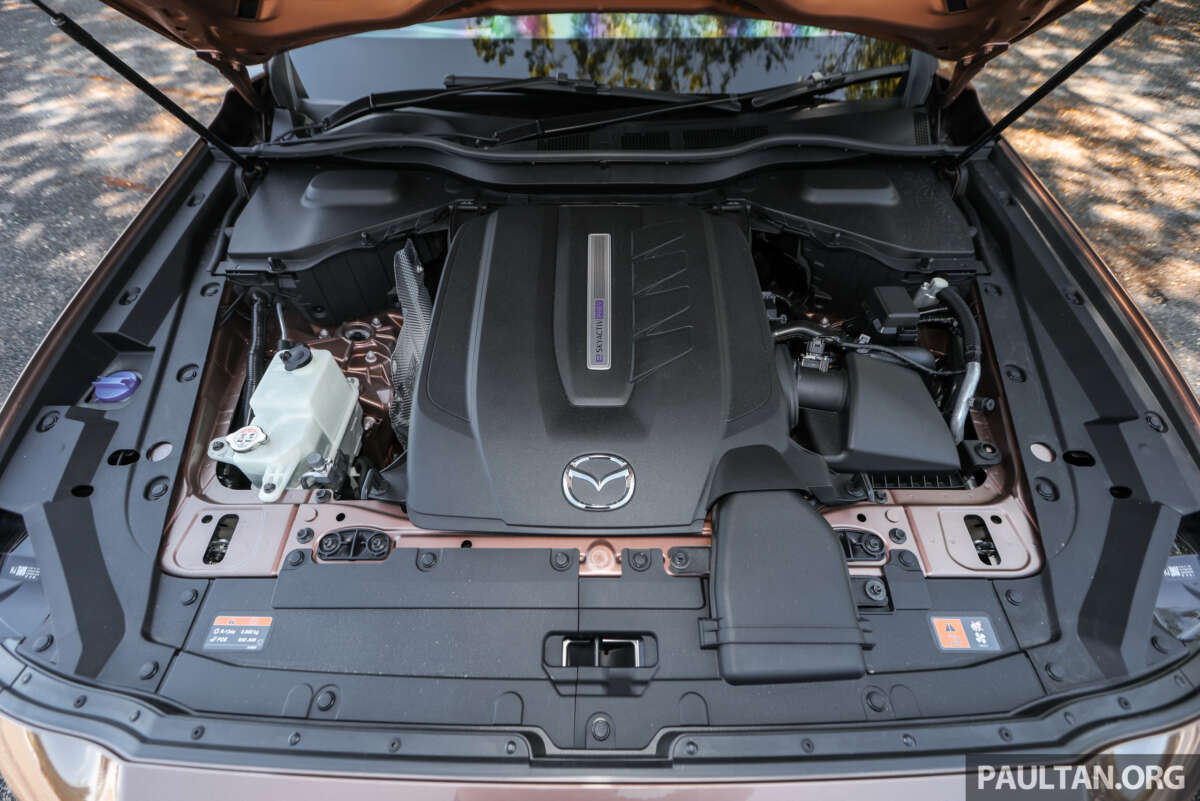
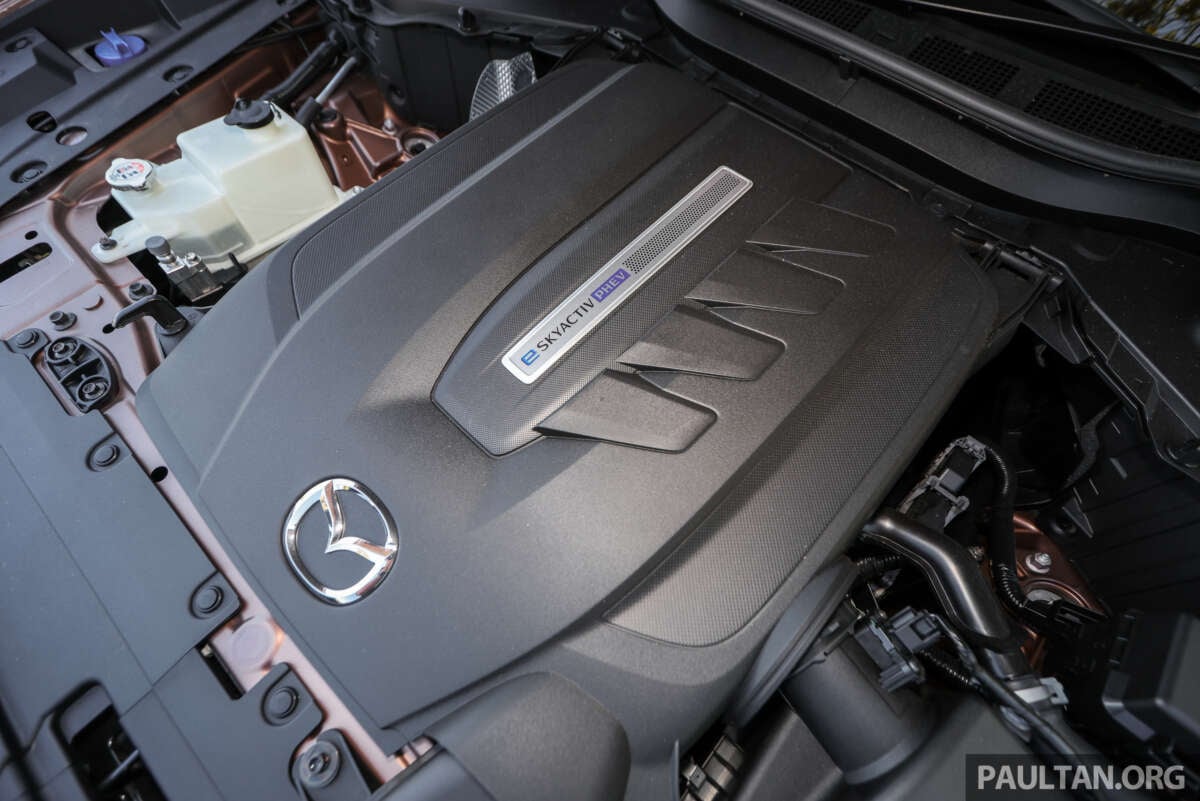
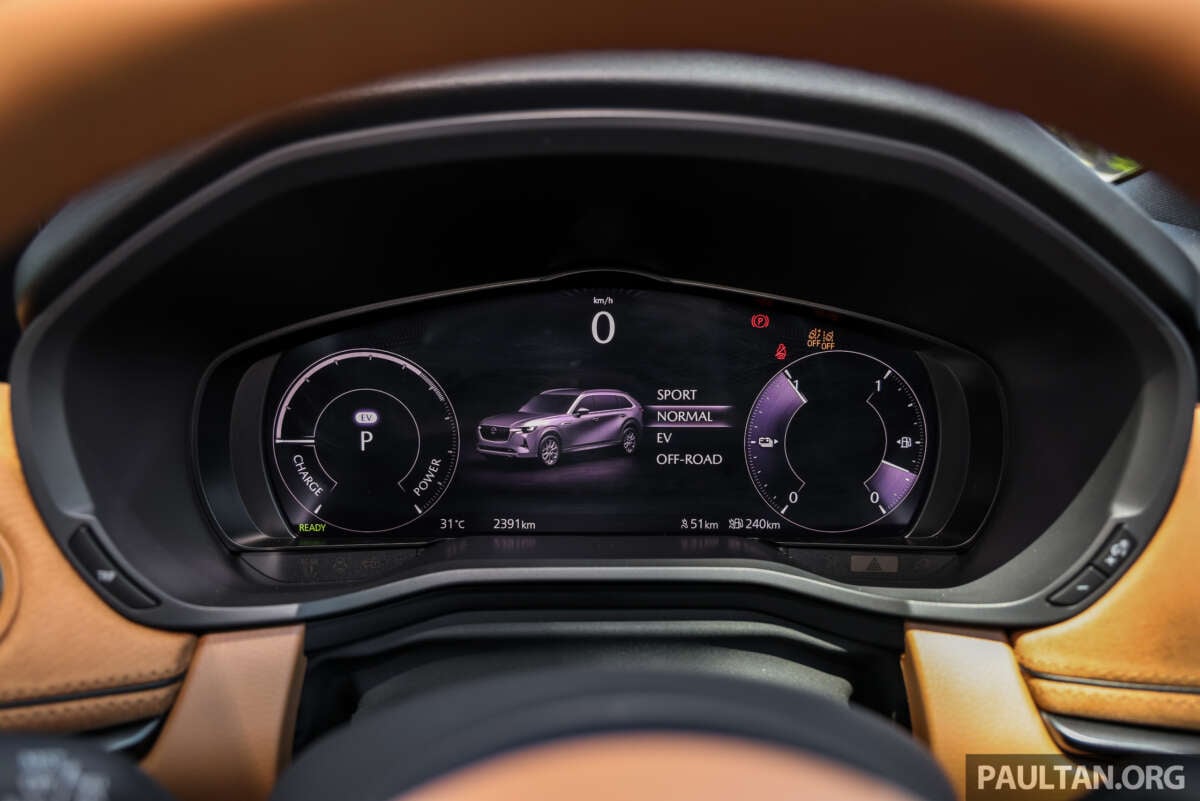
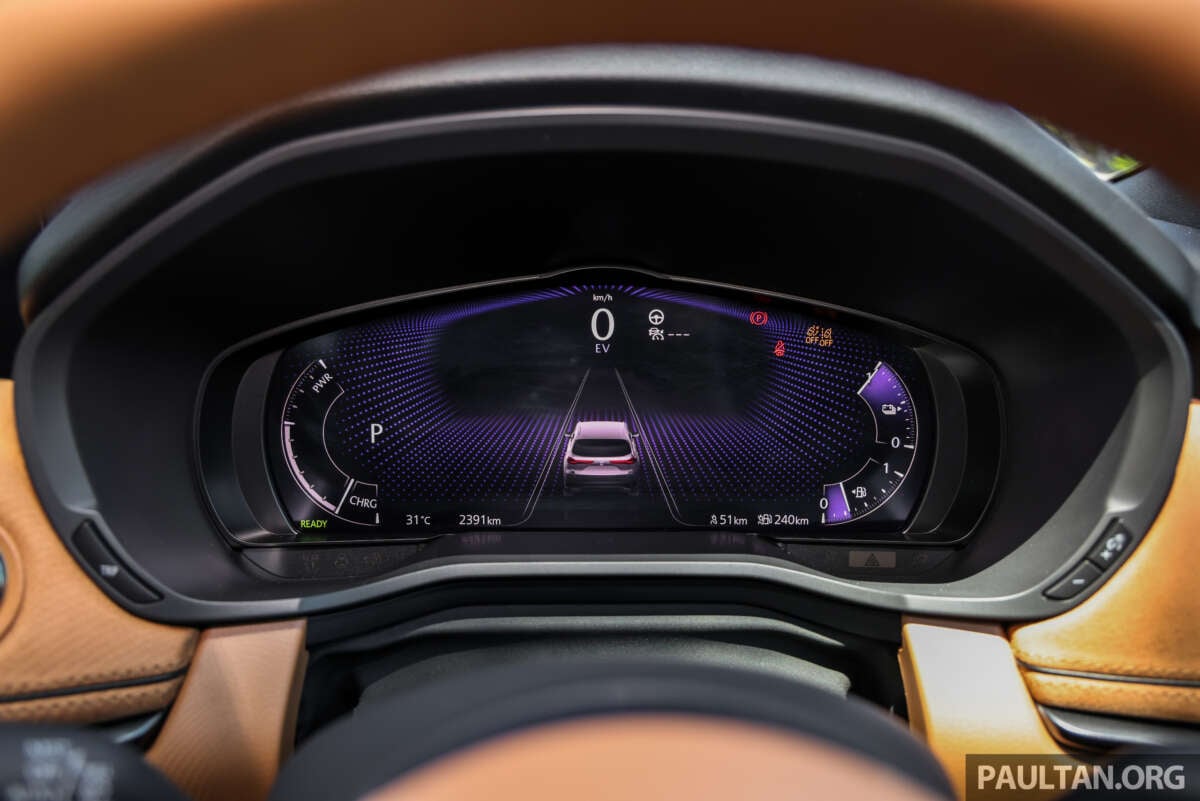
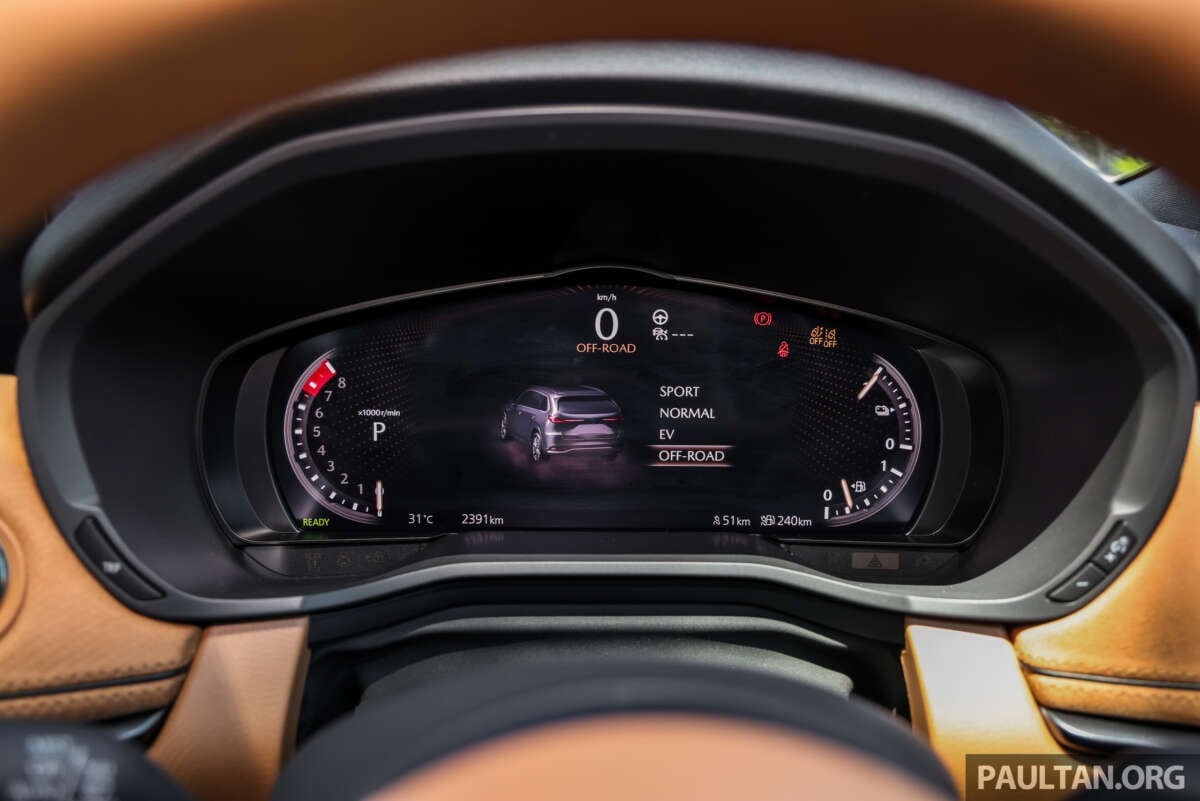
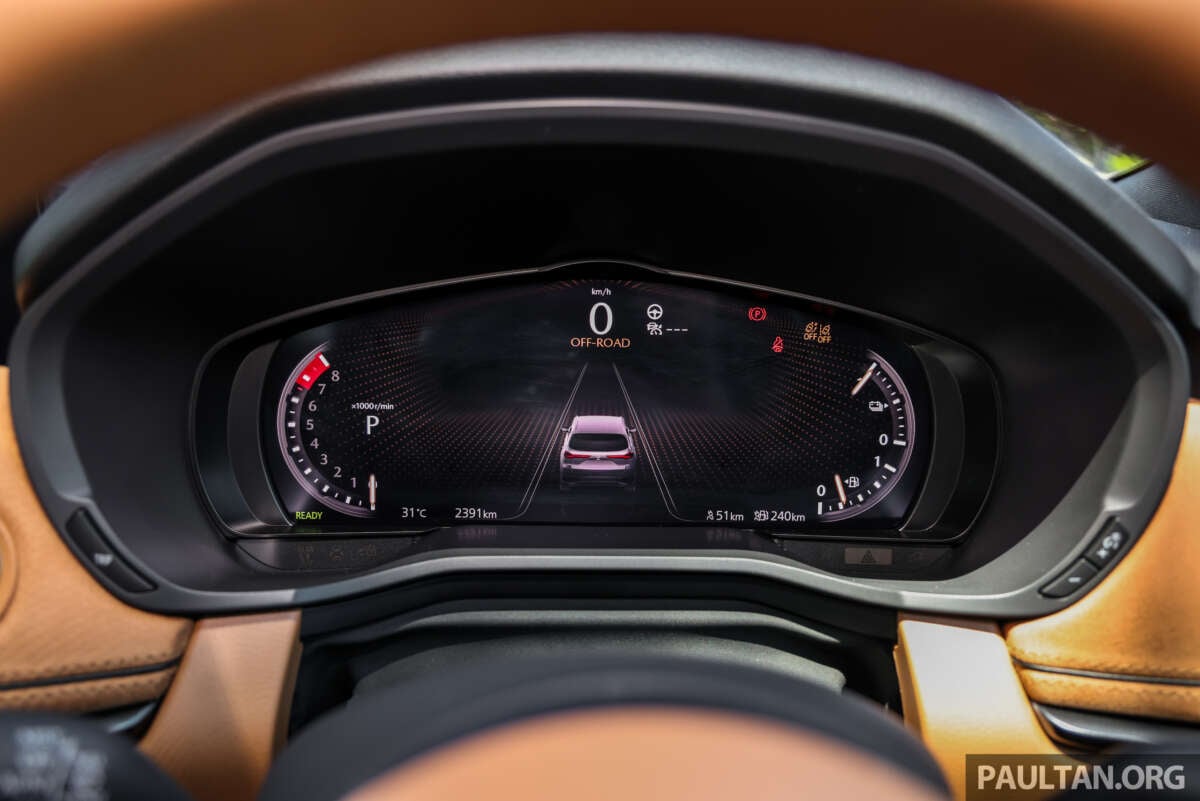
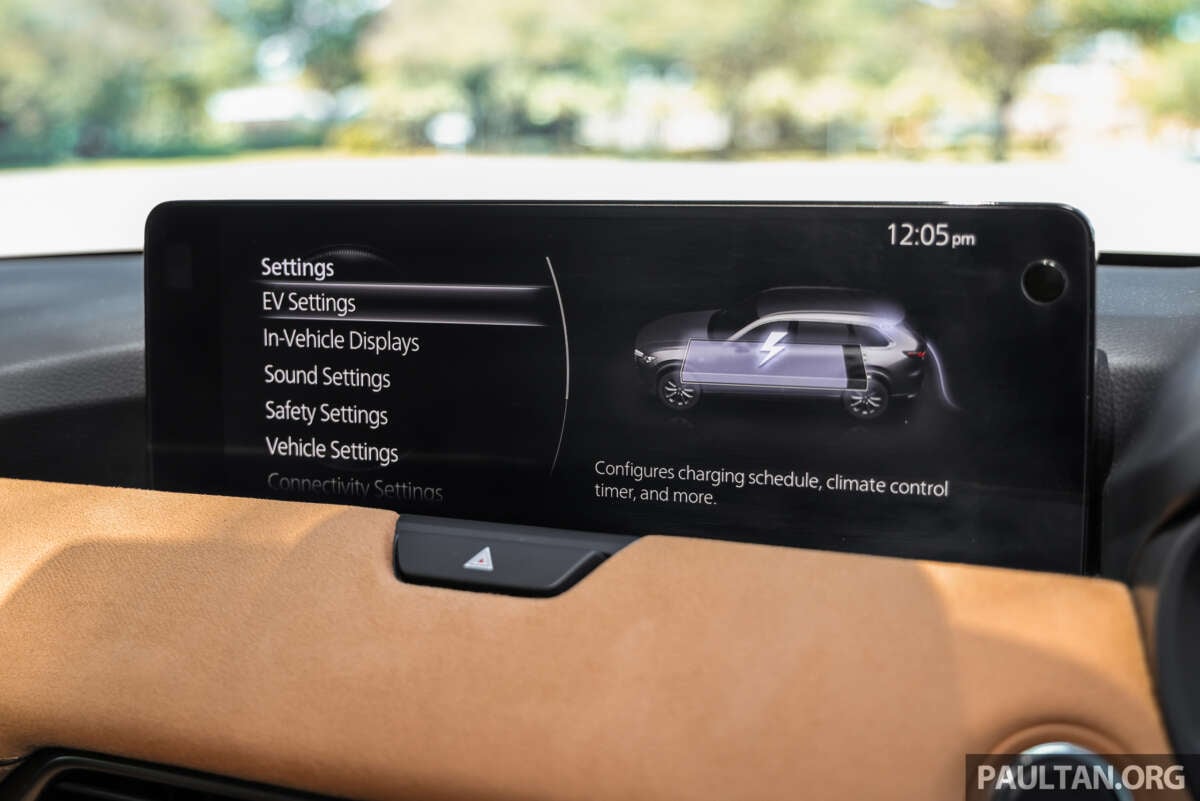
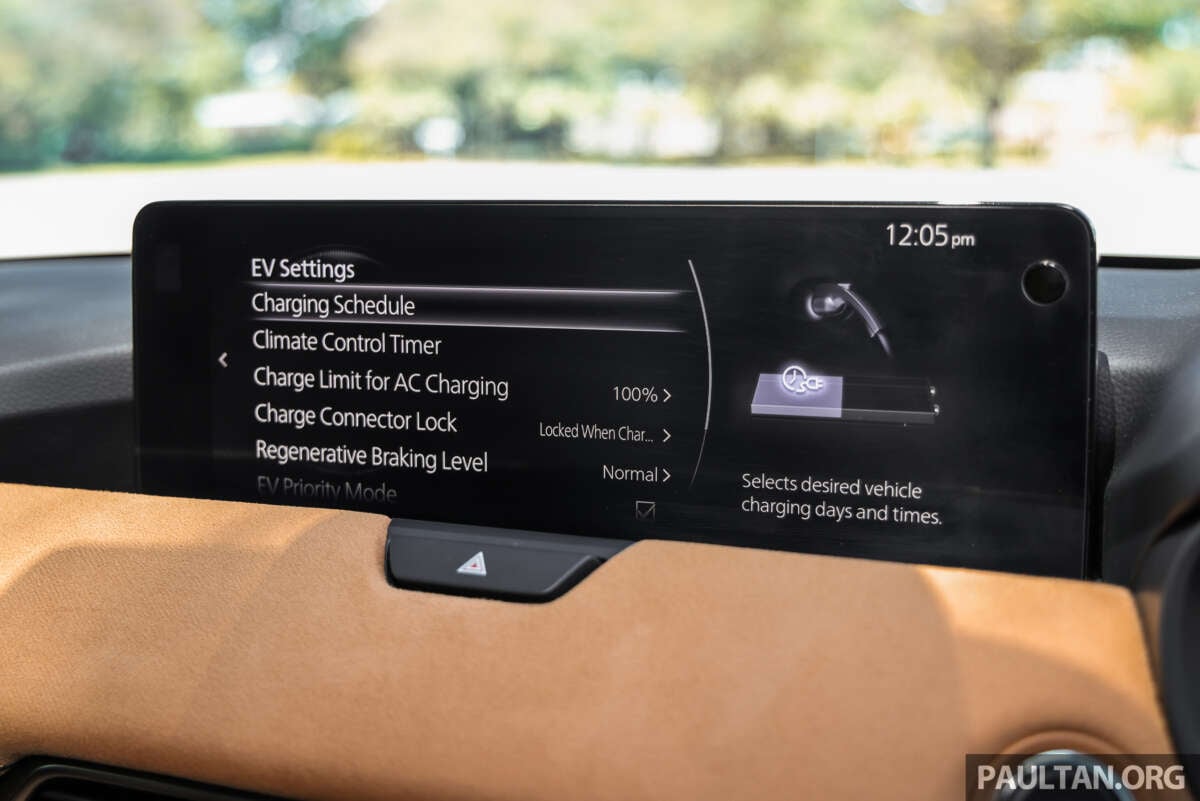
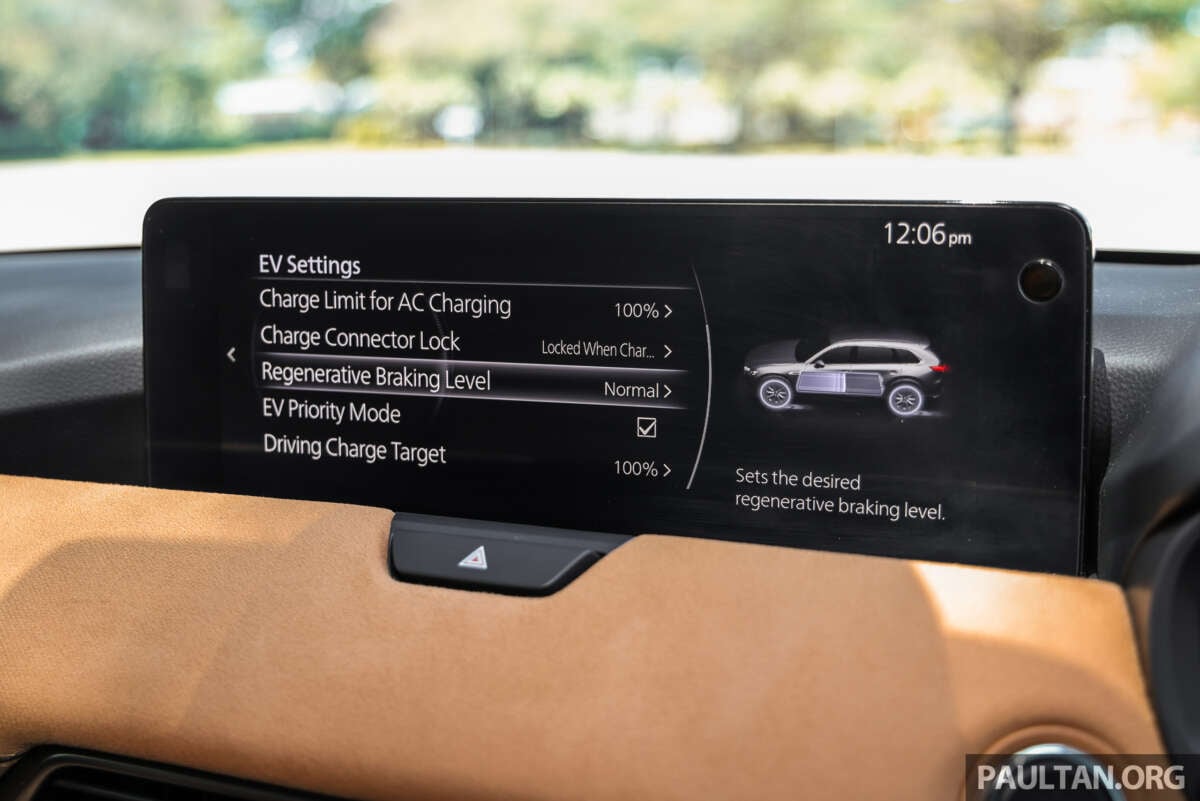
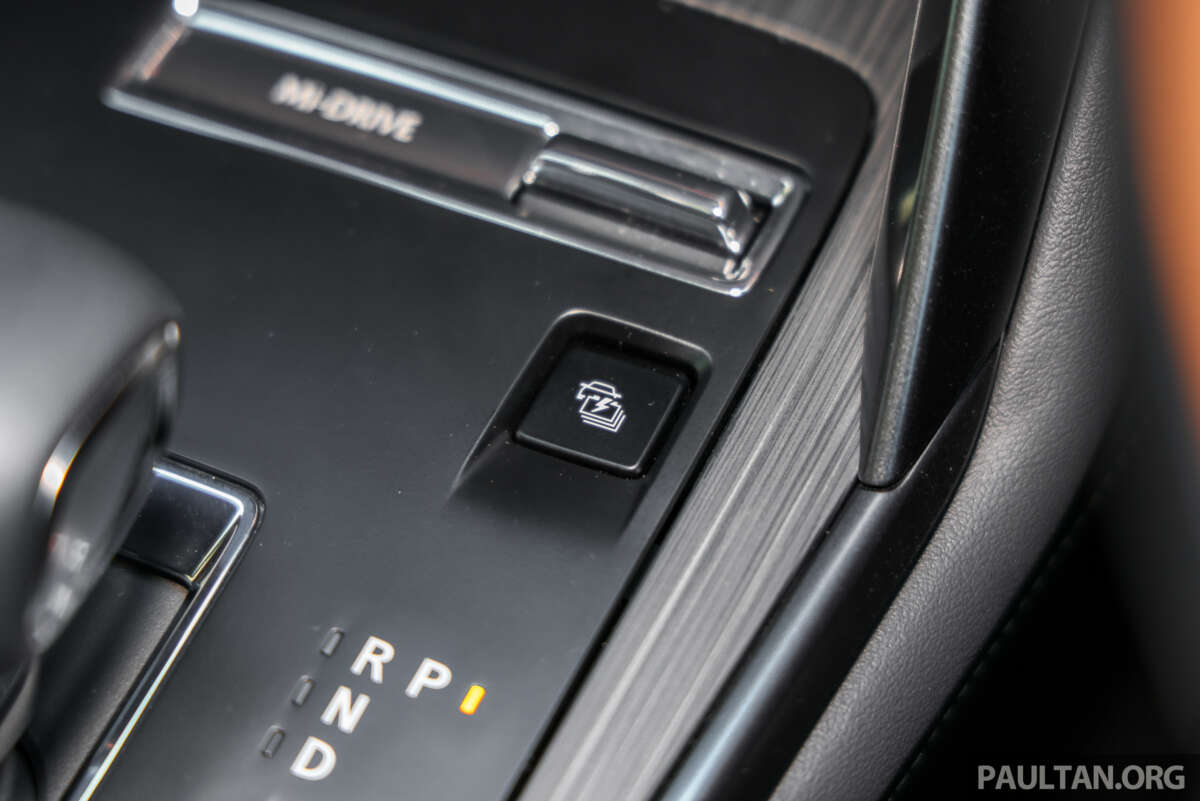
The CX-80 goes electrified. Its 2.5 litre plug-in hybrid pairs a petrol engine with an electric motor for a combined 328 PS and 500 Nm – comfortably more than even the hottest CX-8 – fed by a 17.8 kWh battery that gives around 65 km of pure-electric range (NEDC).
Charge it at home (2.5 hours at 7.2 kW) and short commutes can be done on electricity alone. It’s both quicker and, if you plug in diligently, potentially much cheaper to run day-to-day.
3. A more premium cabin and captain’s chairs
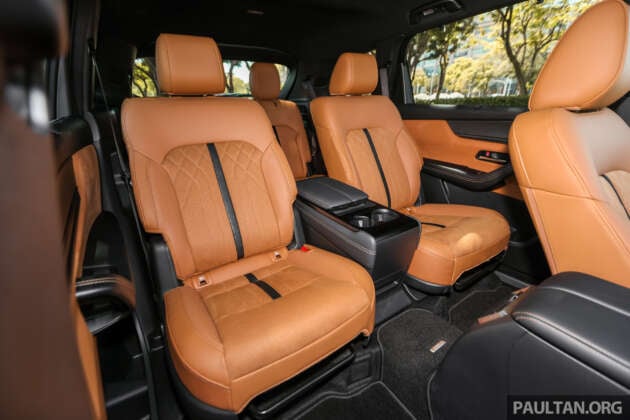
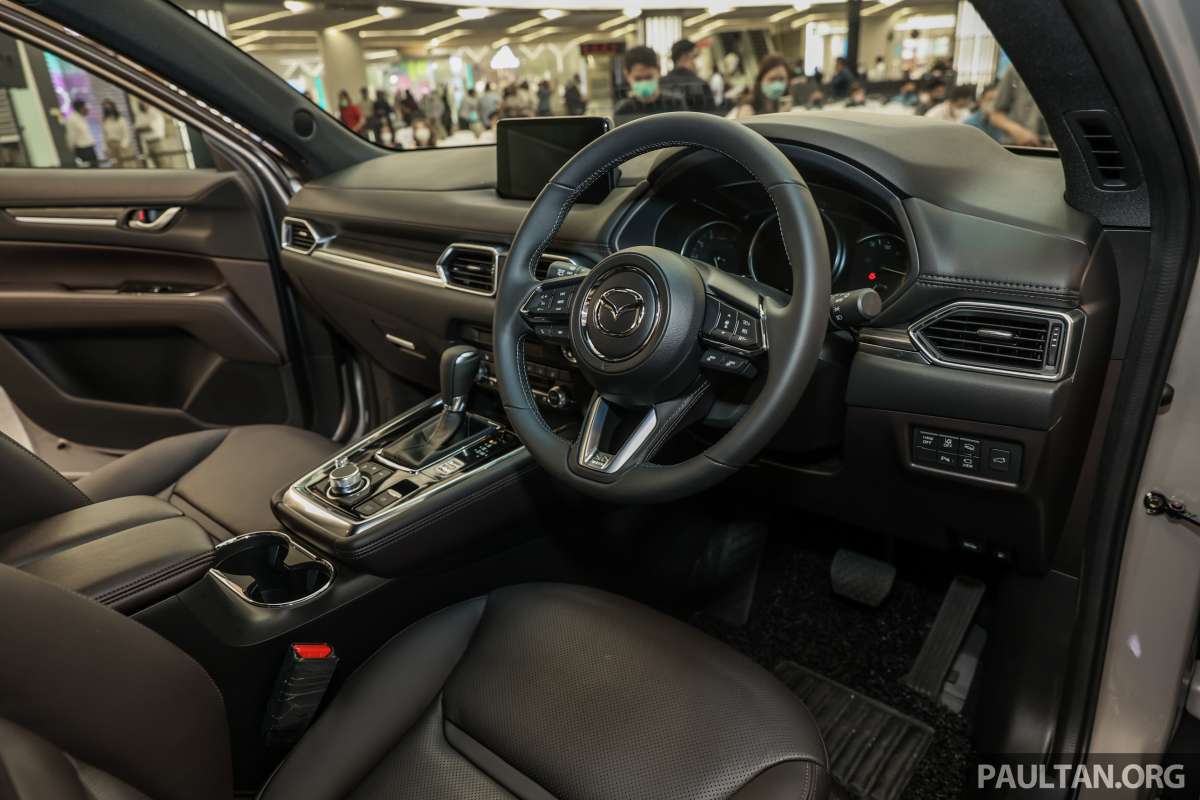
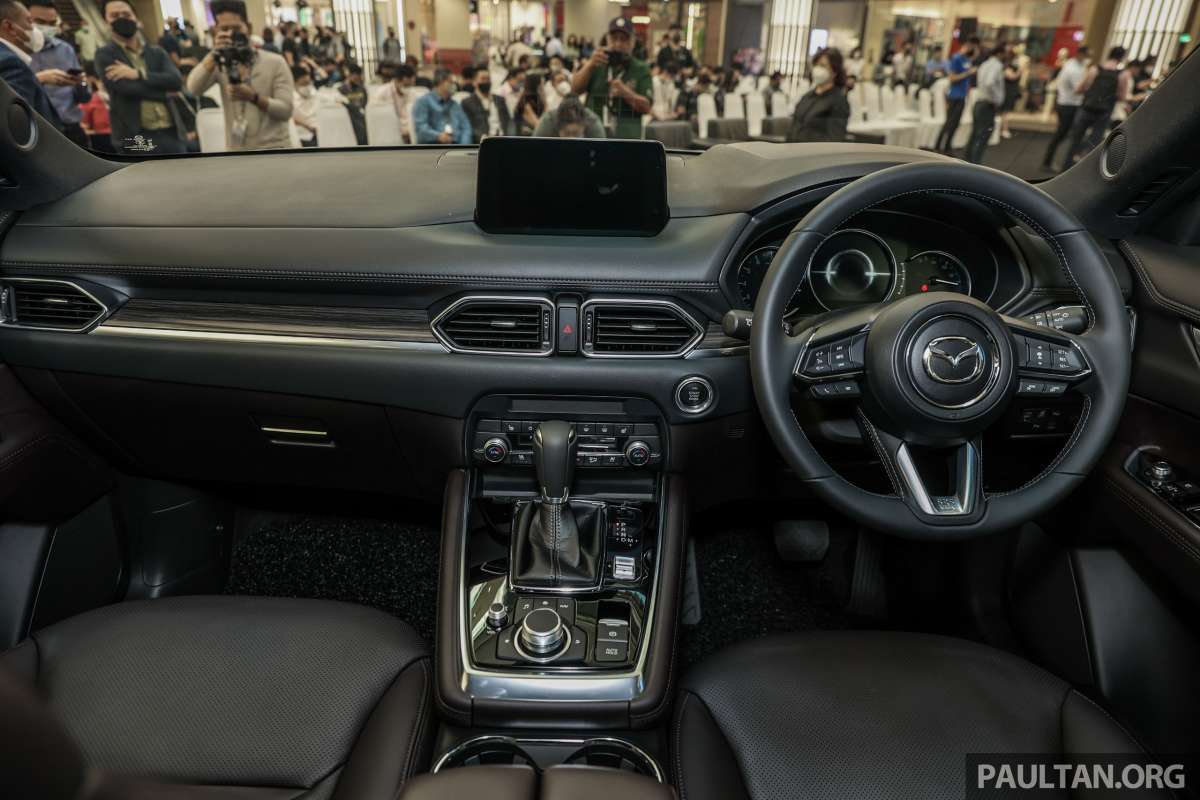
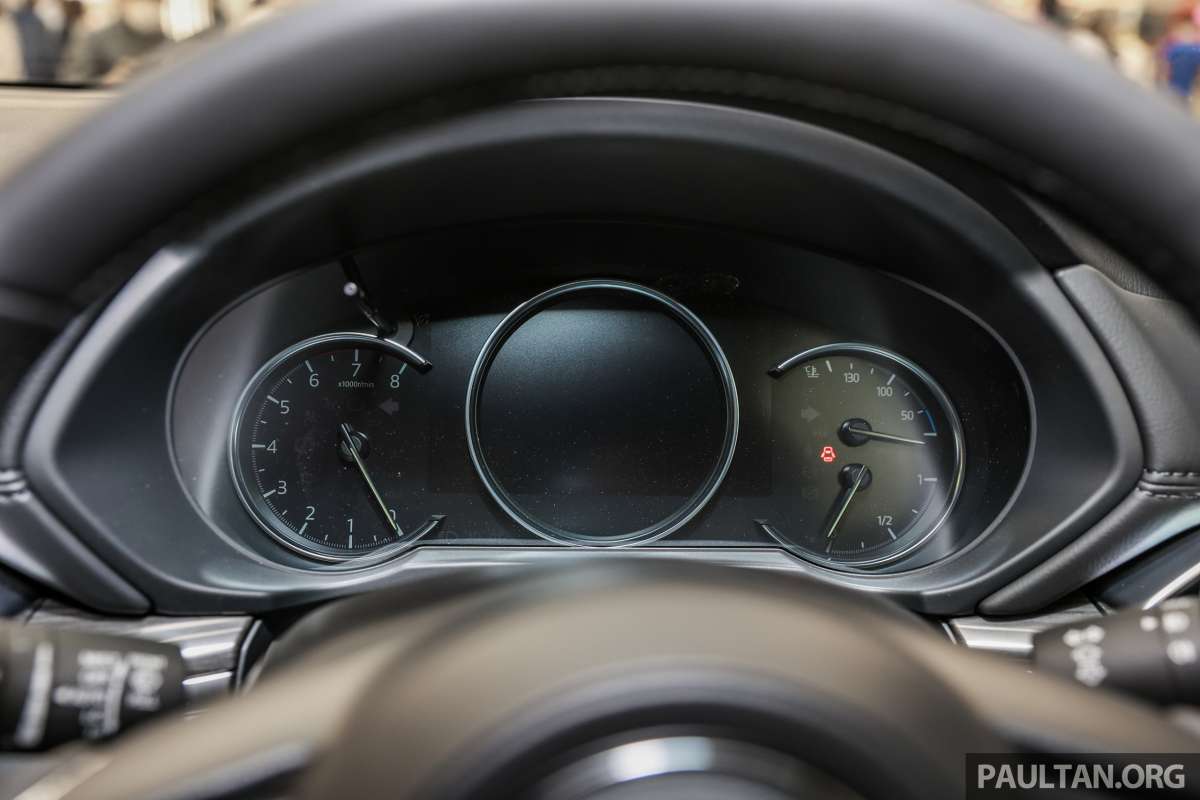
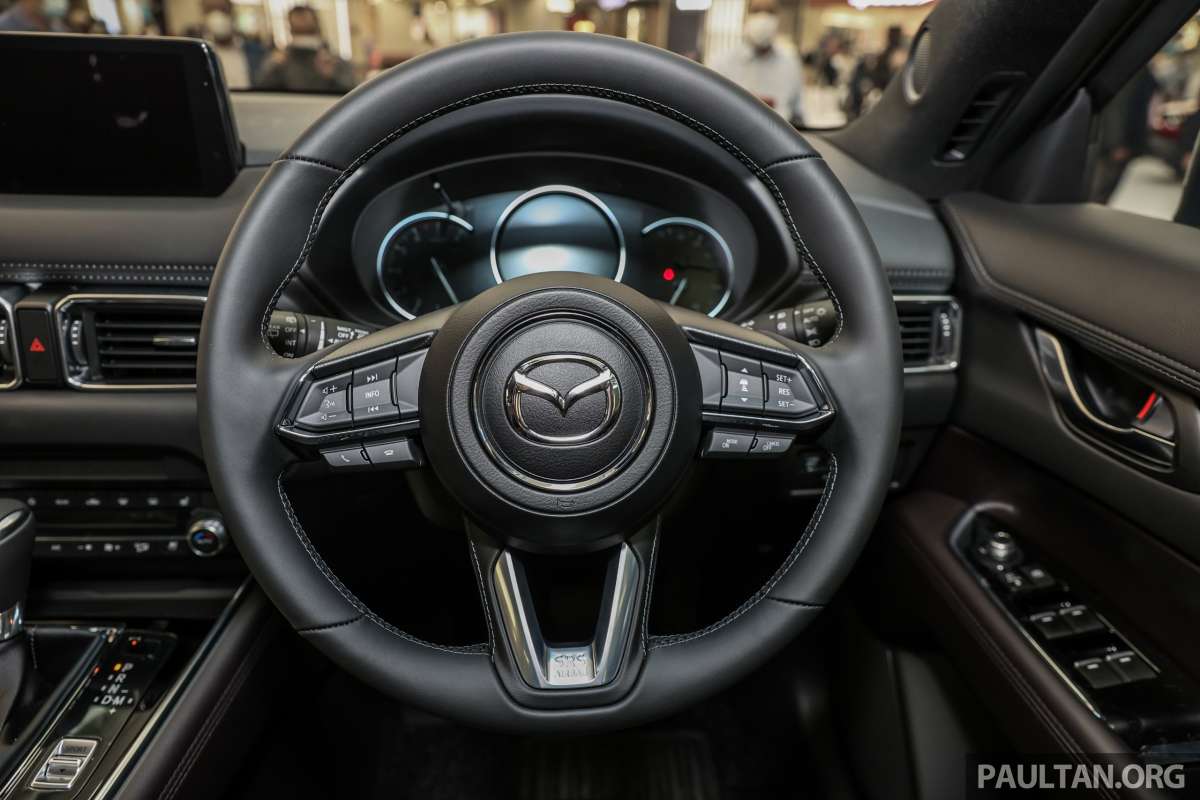
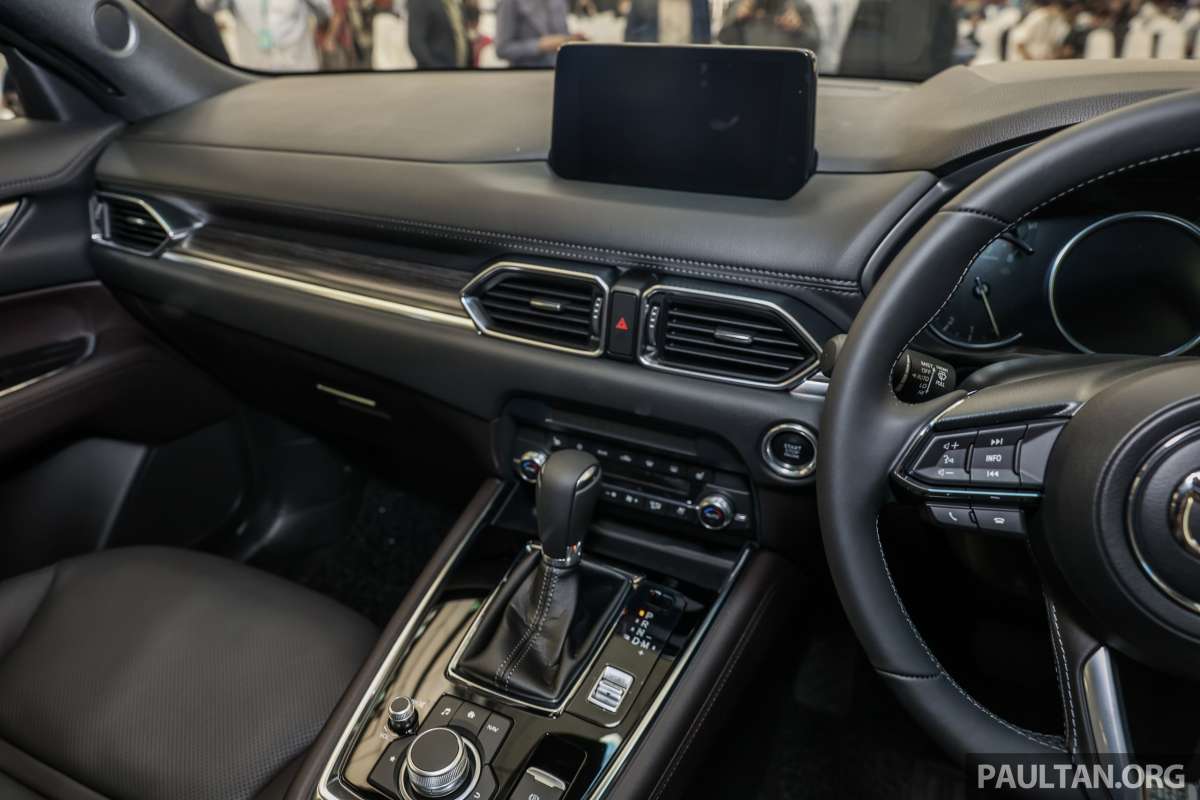
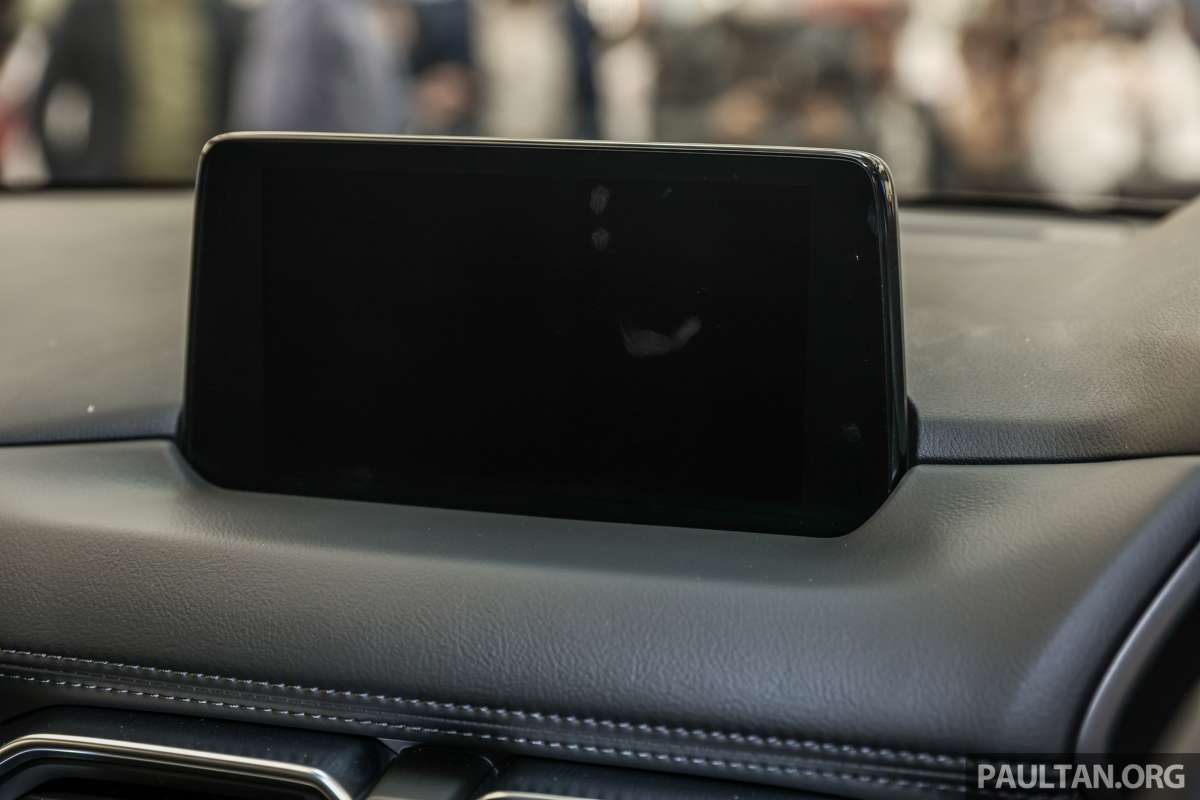
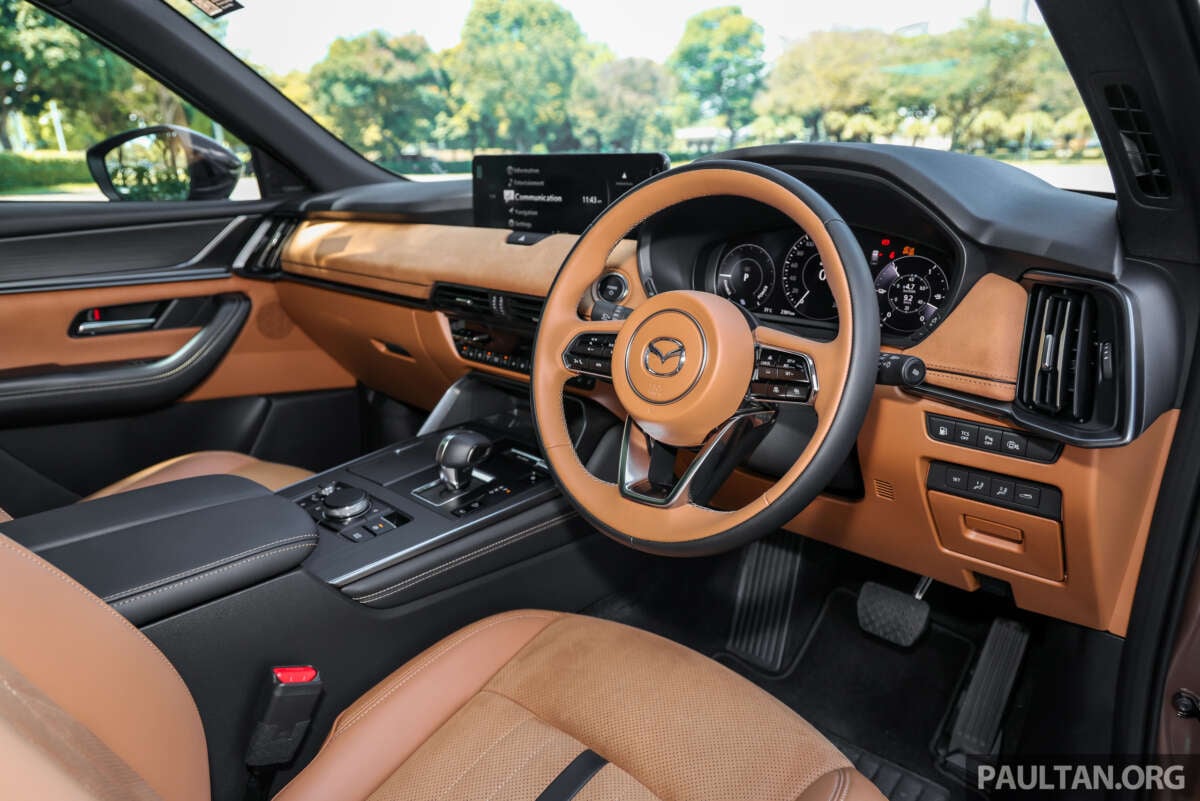
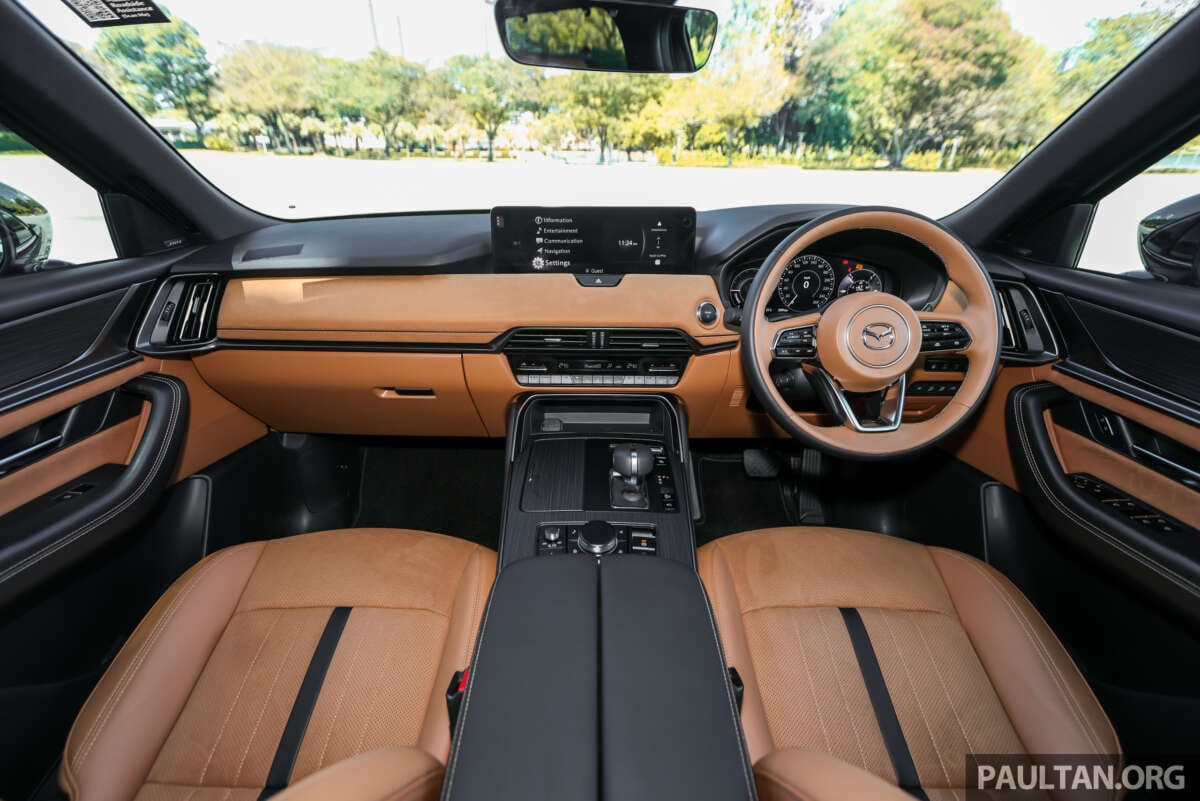
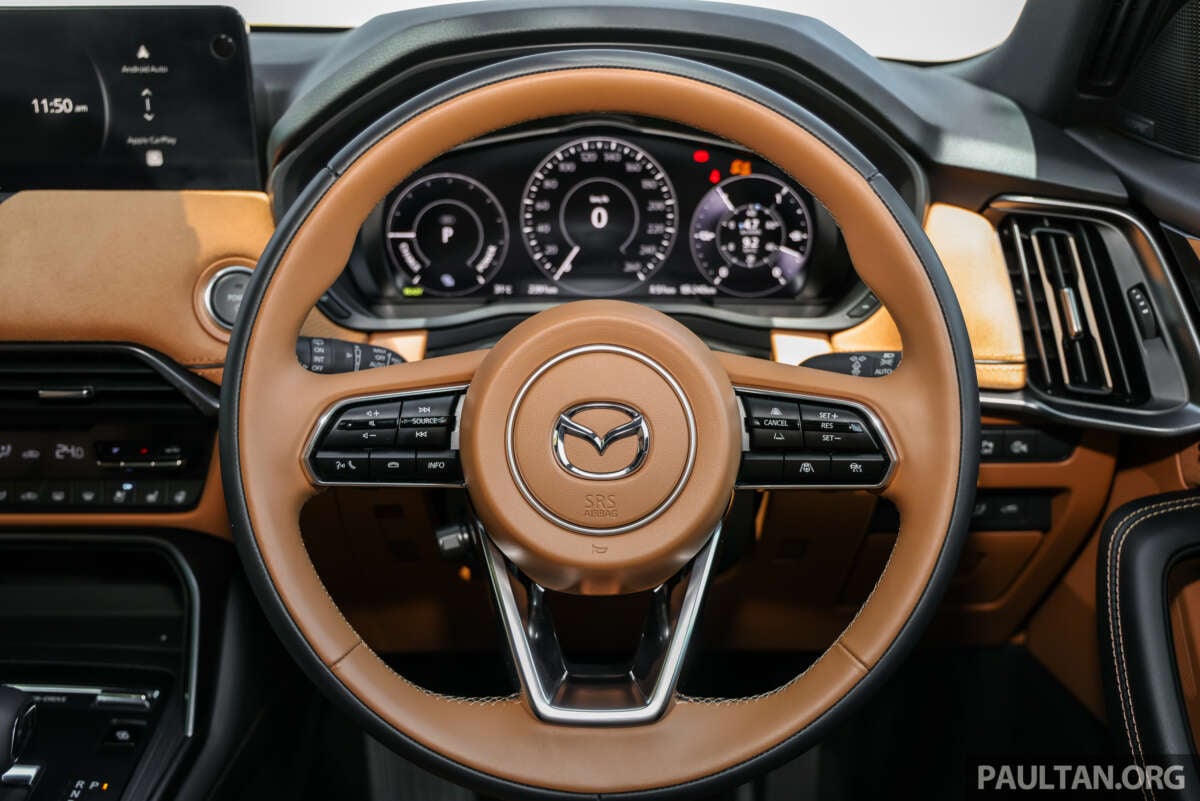
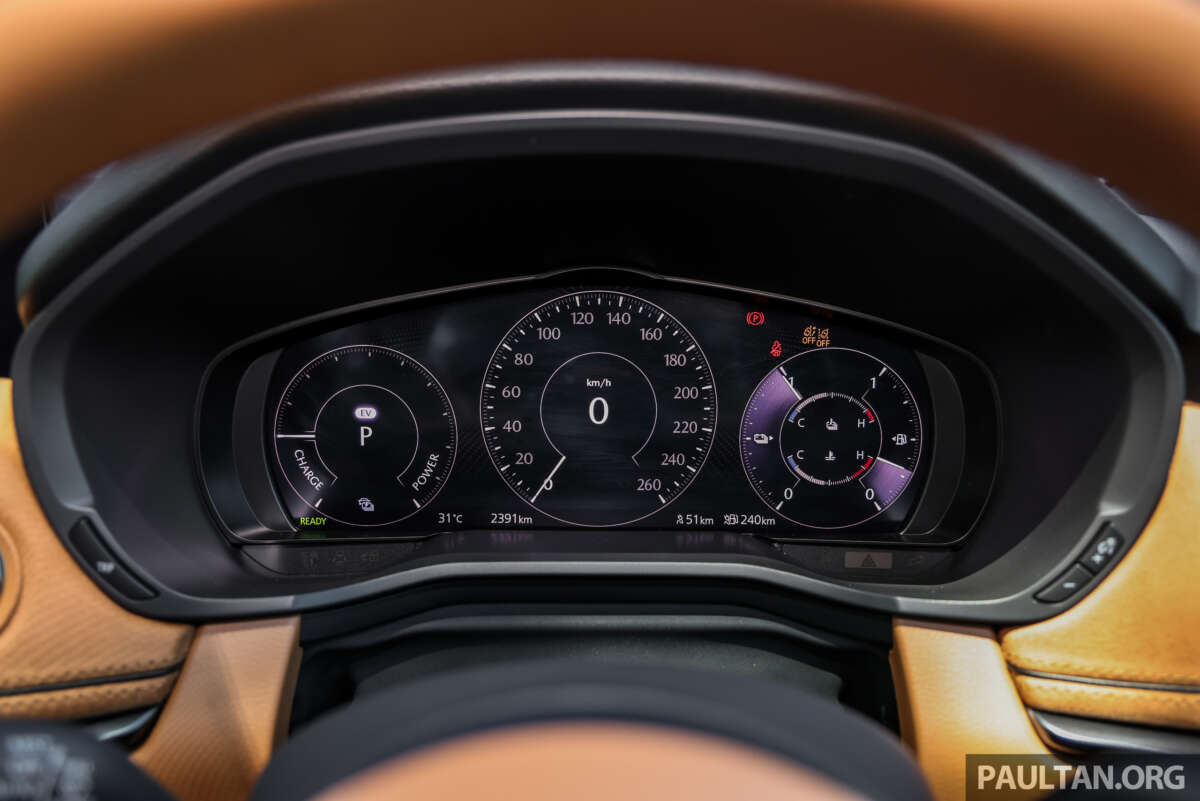
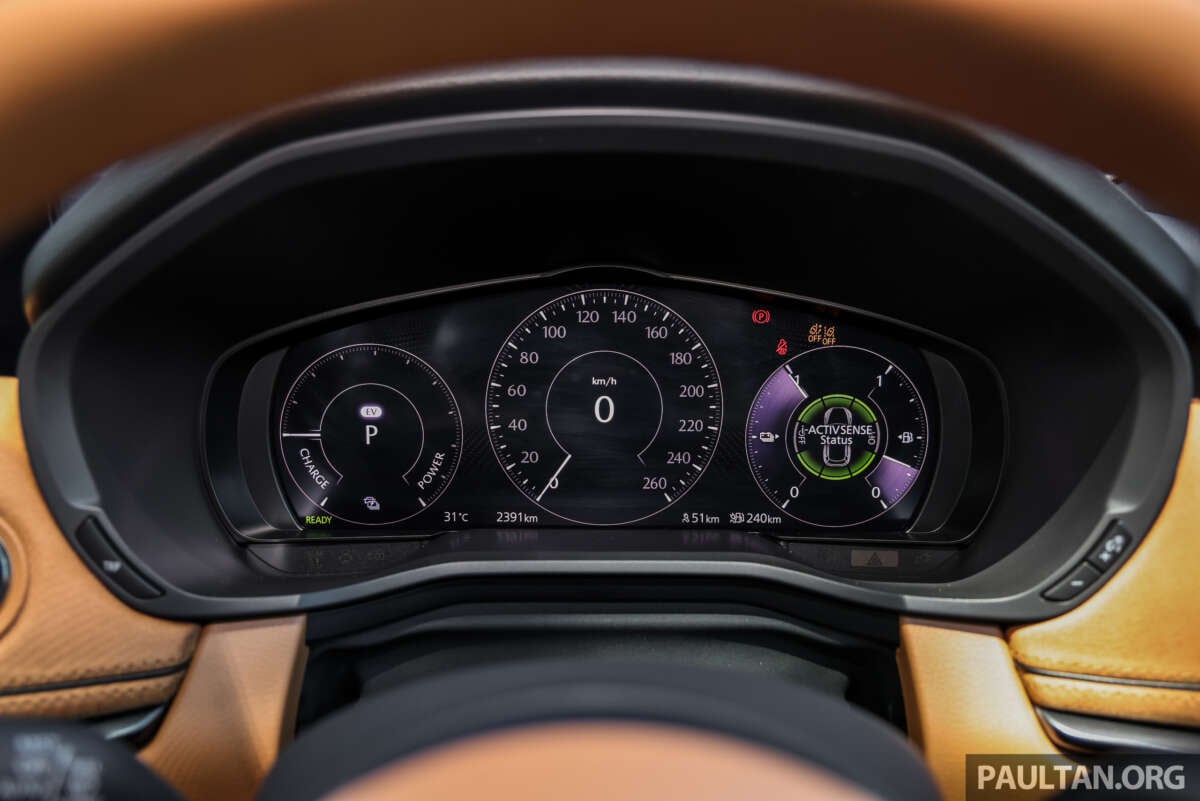
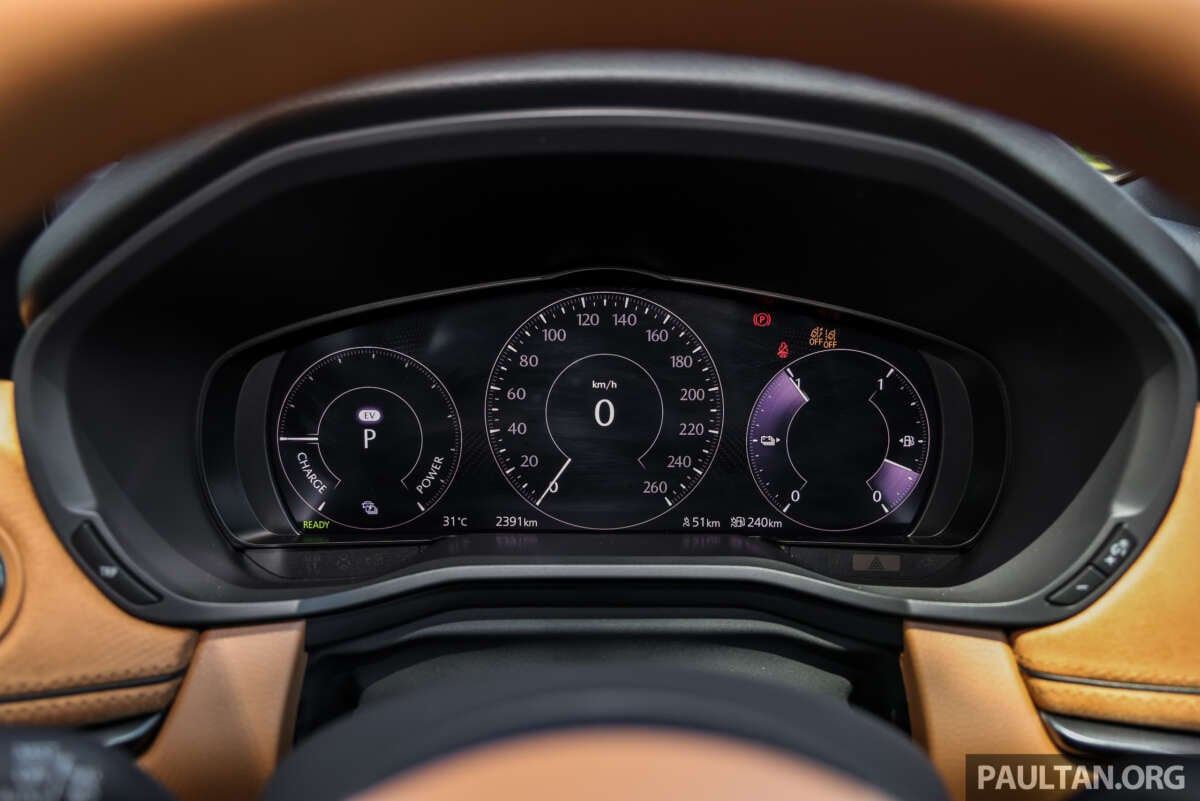
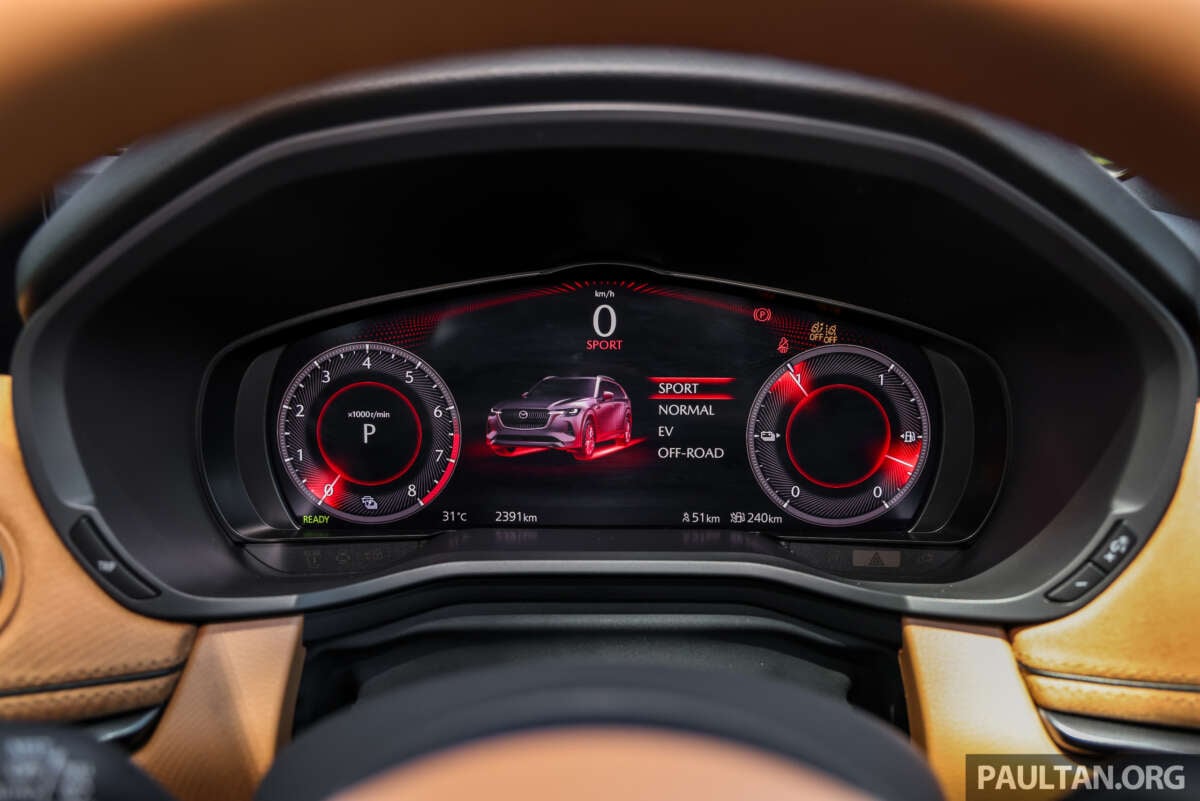
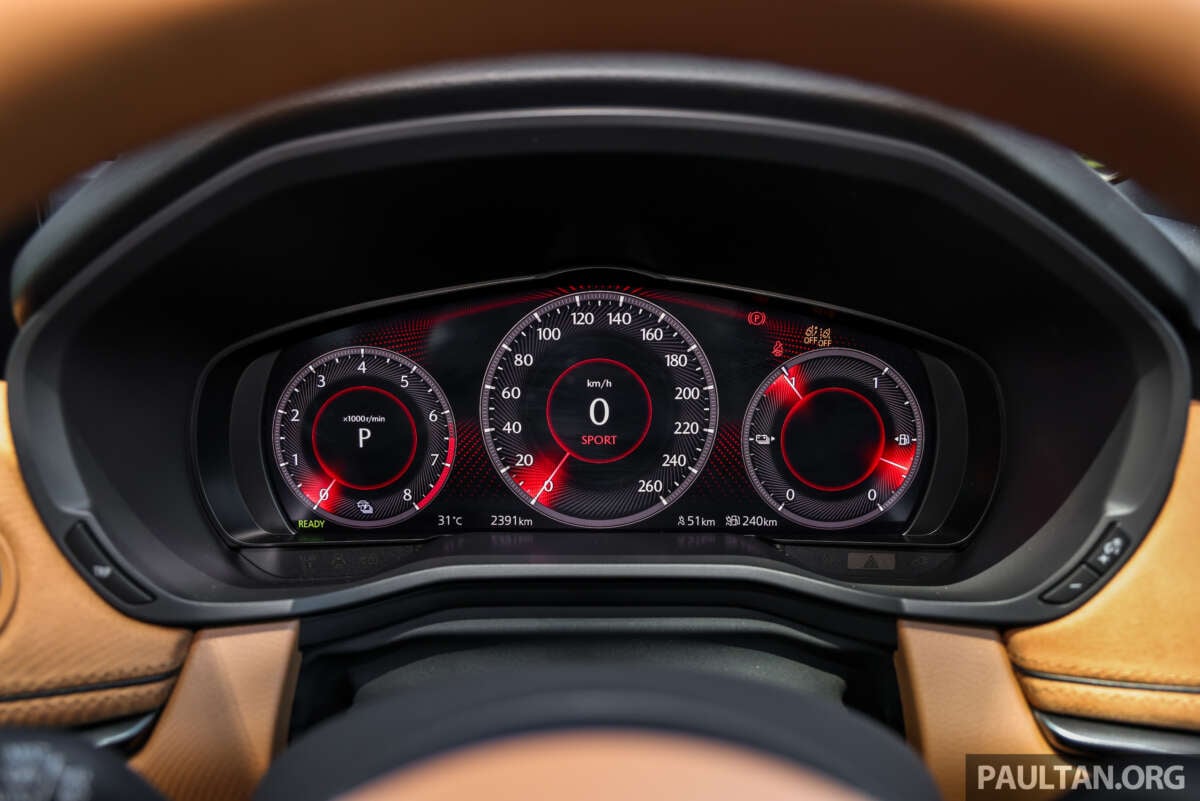
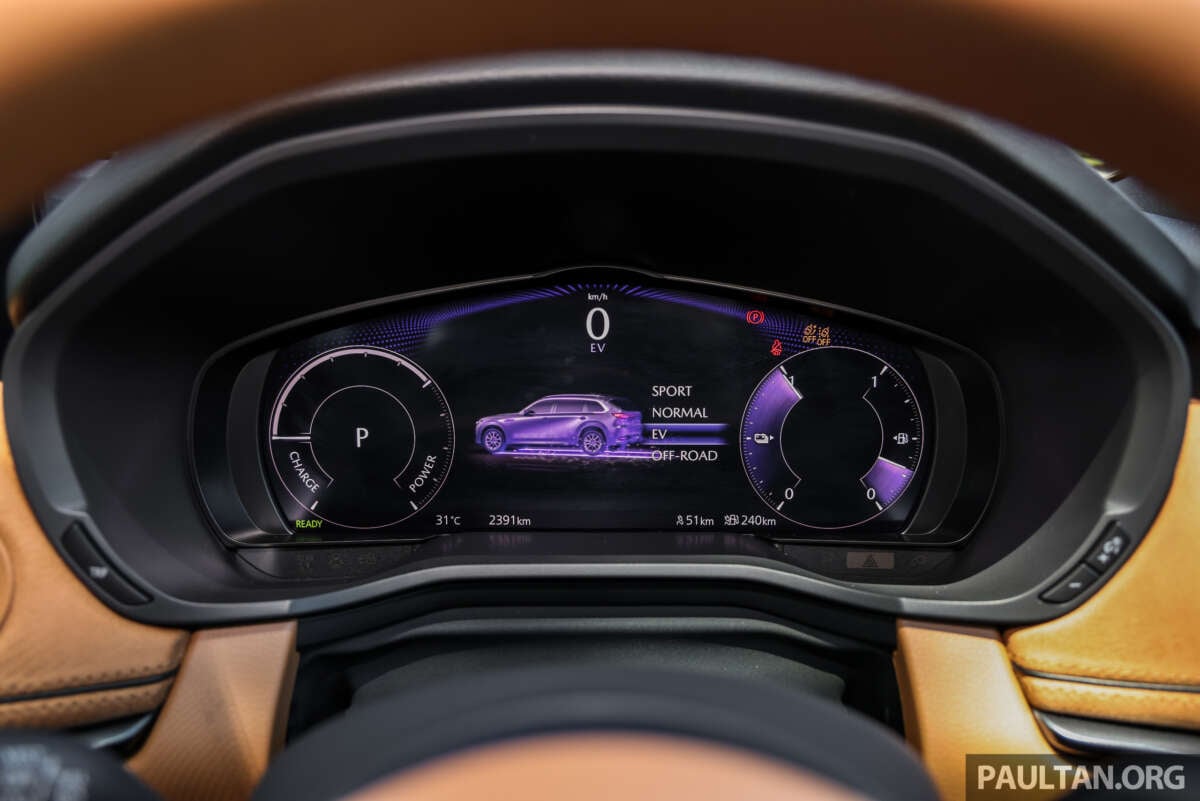
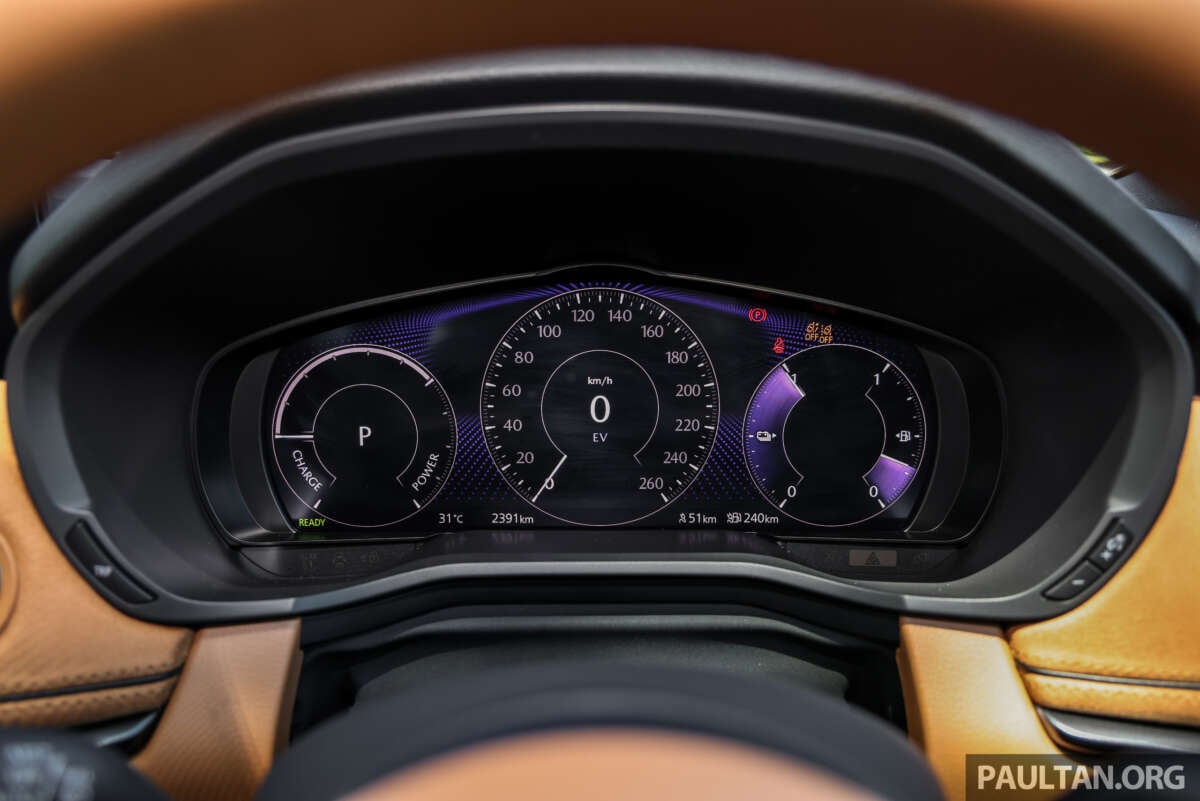
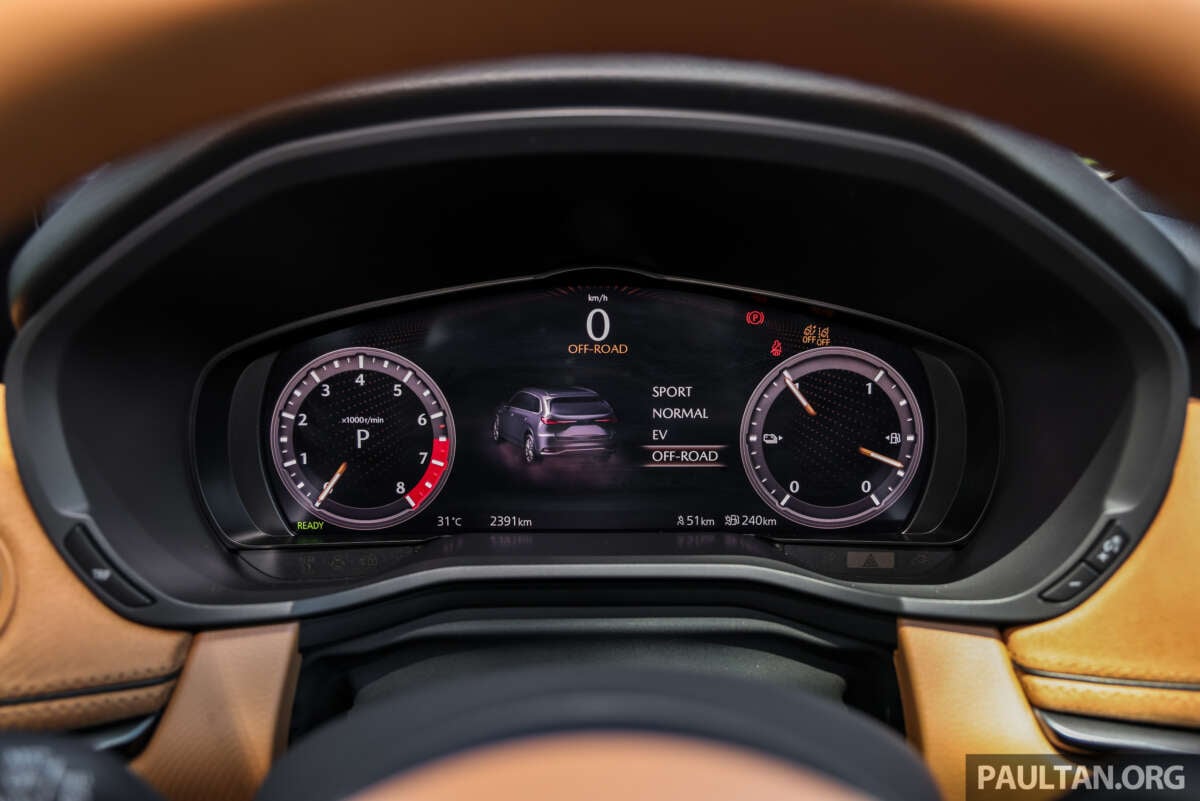
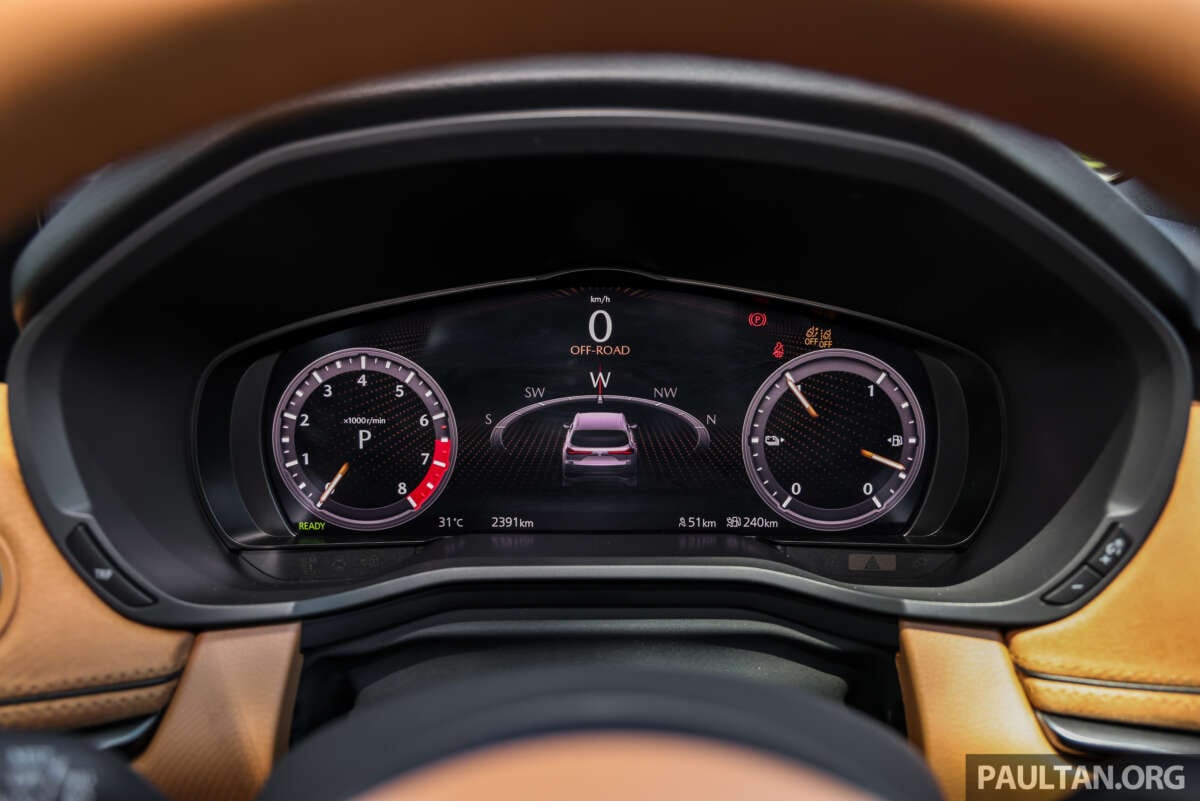
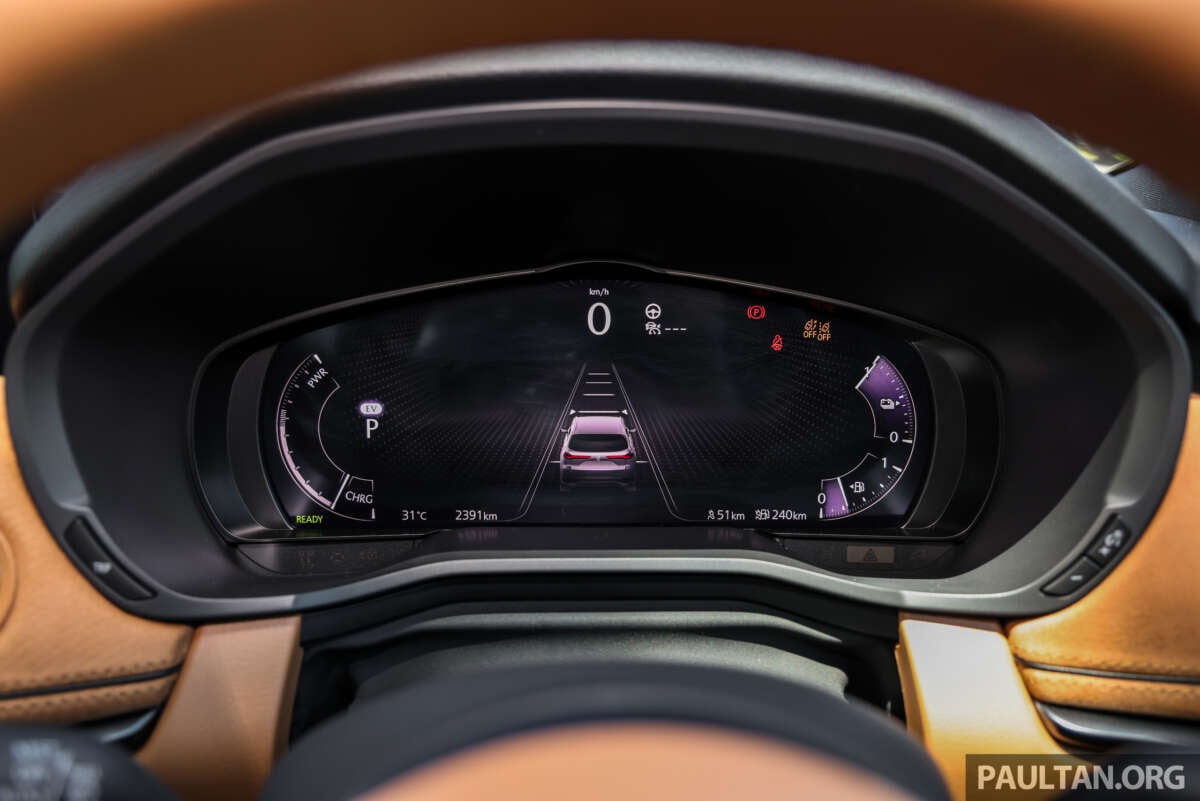
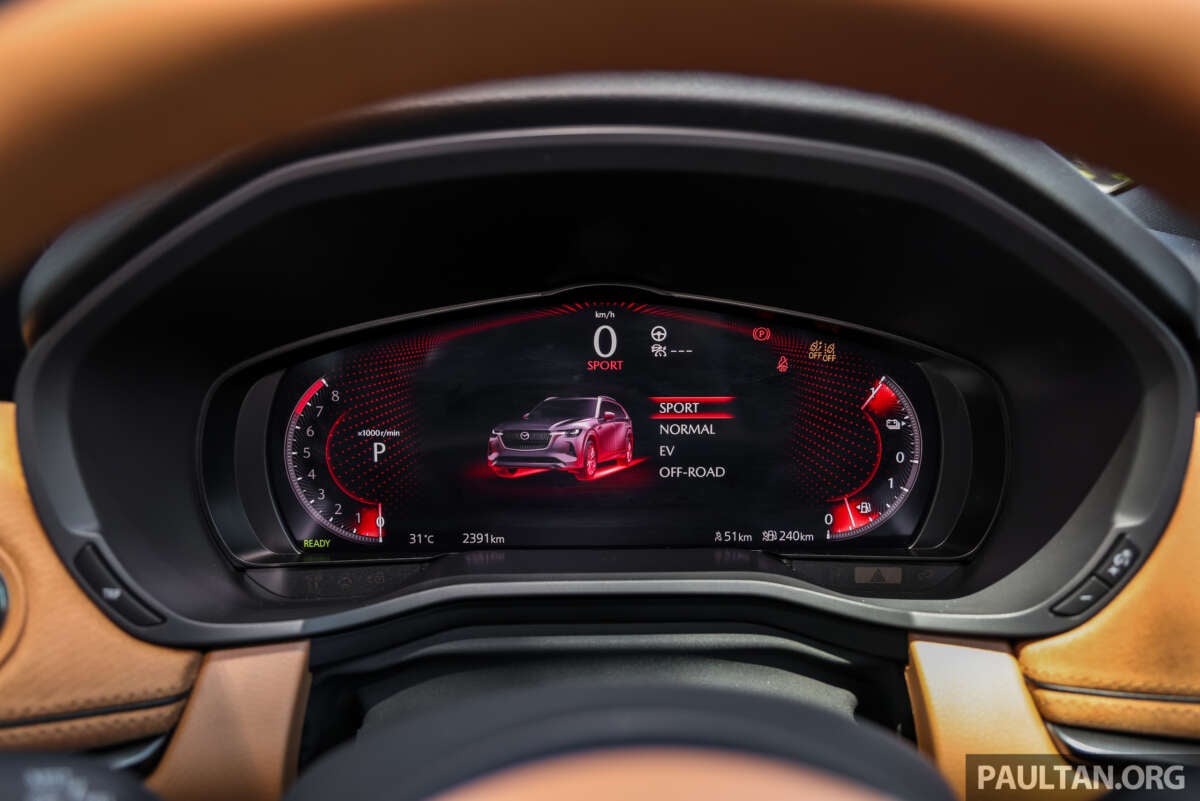
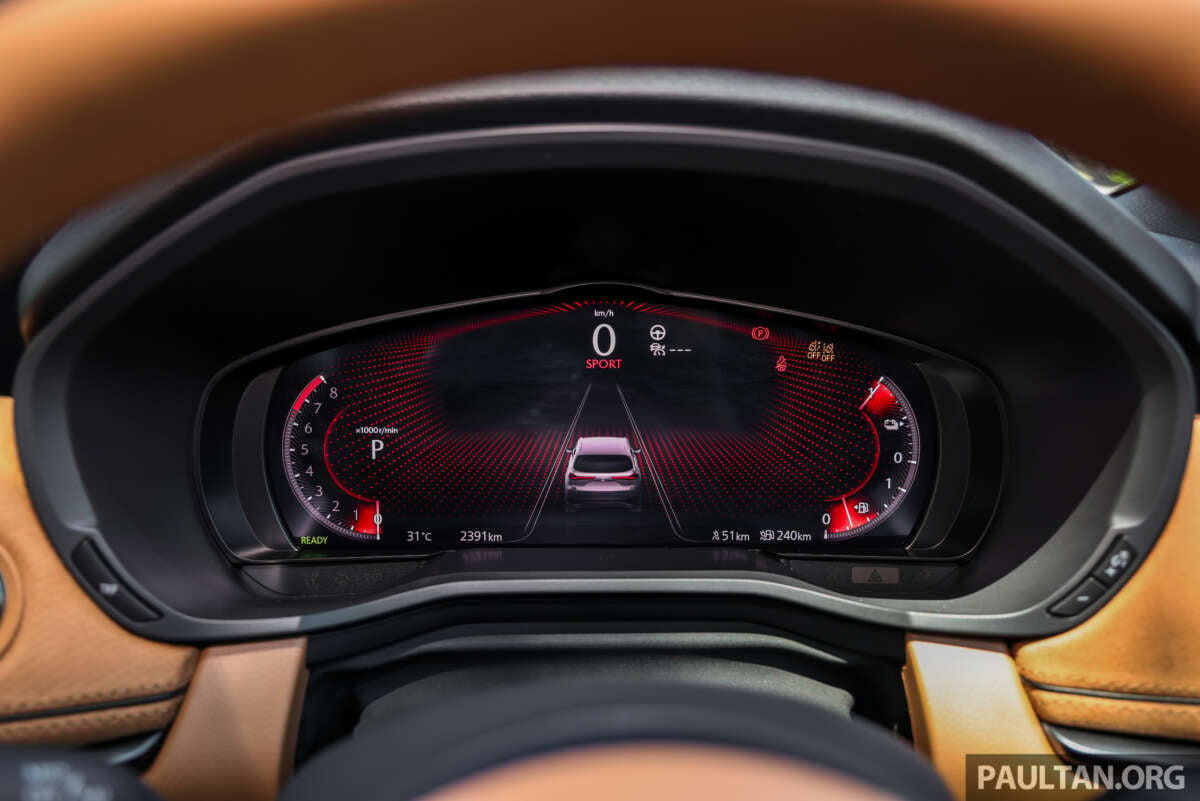
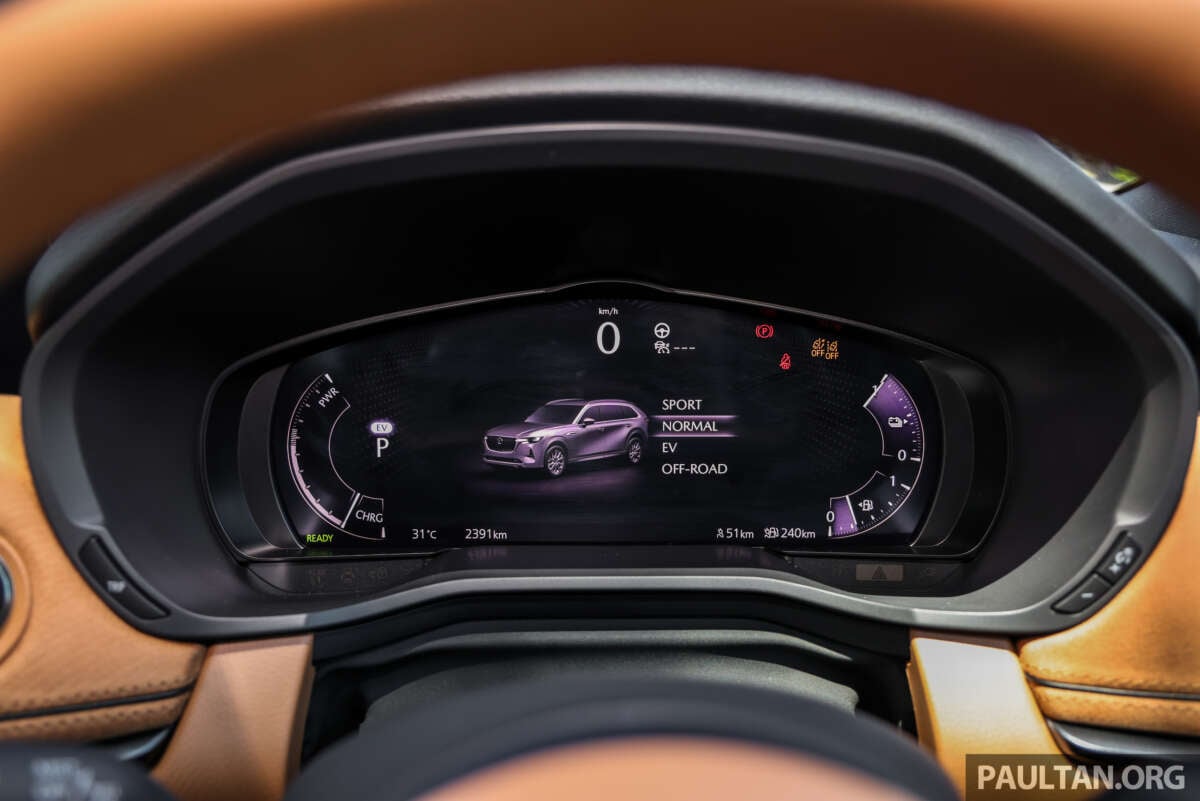
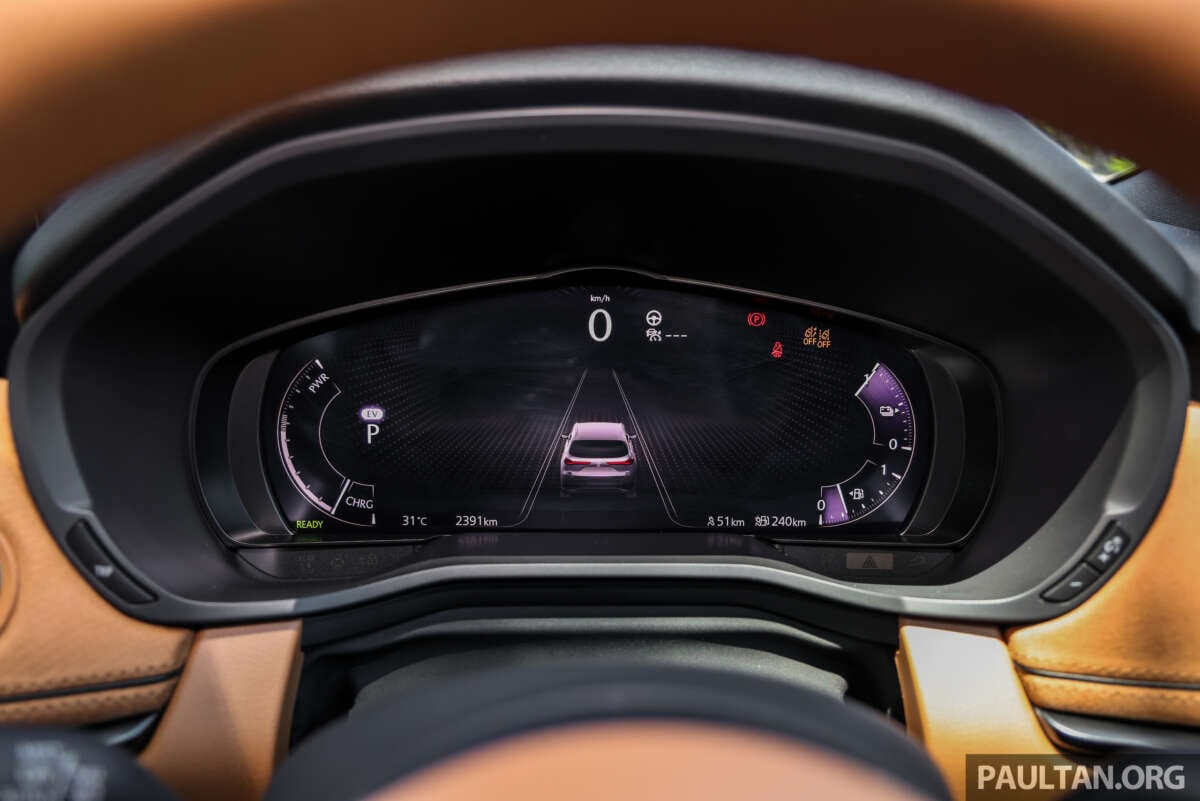
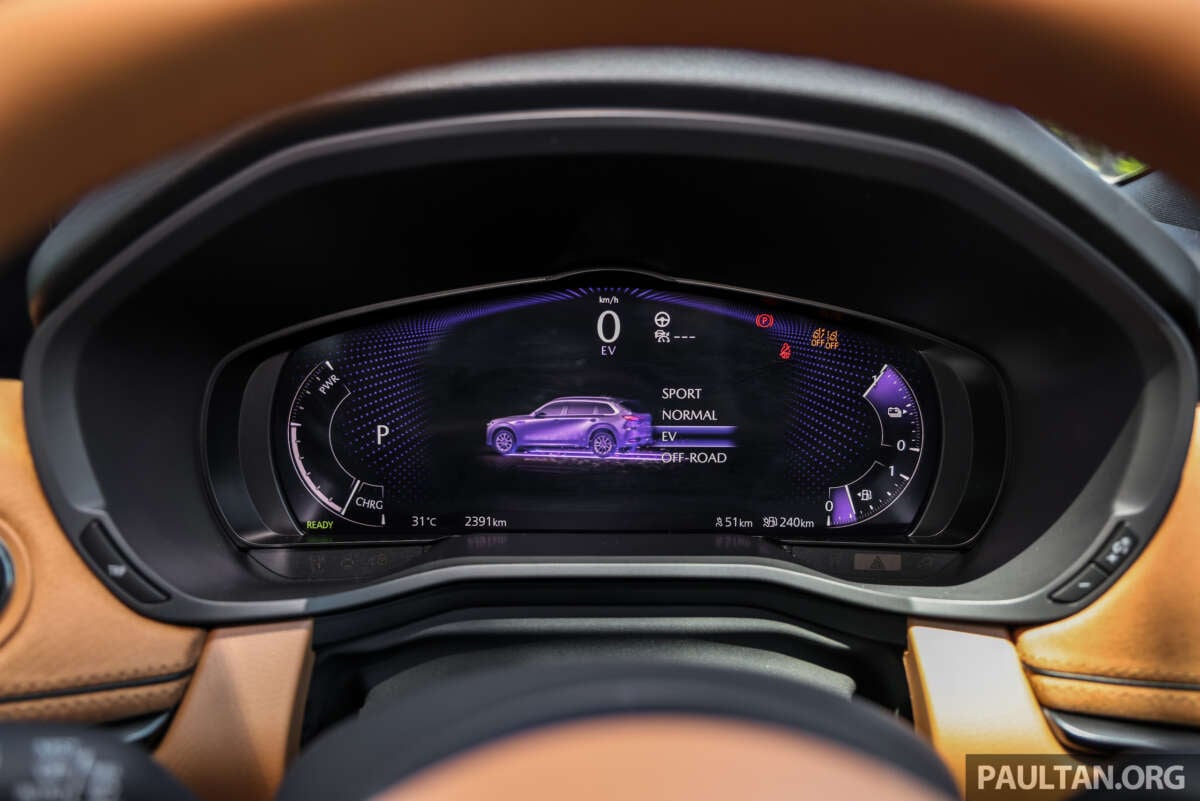
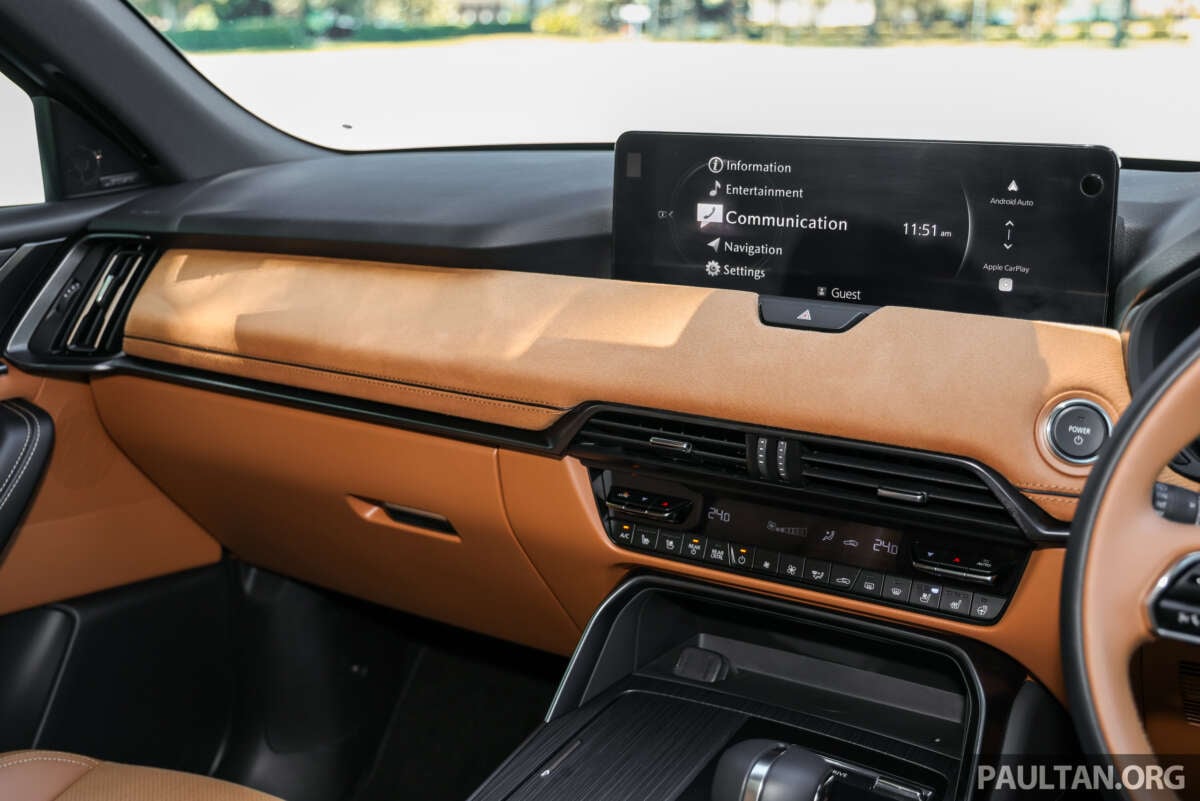
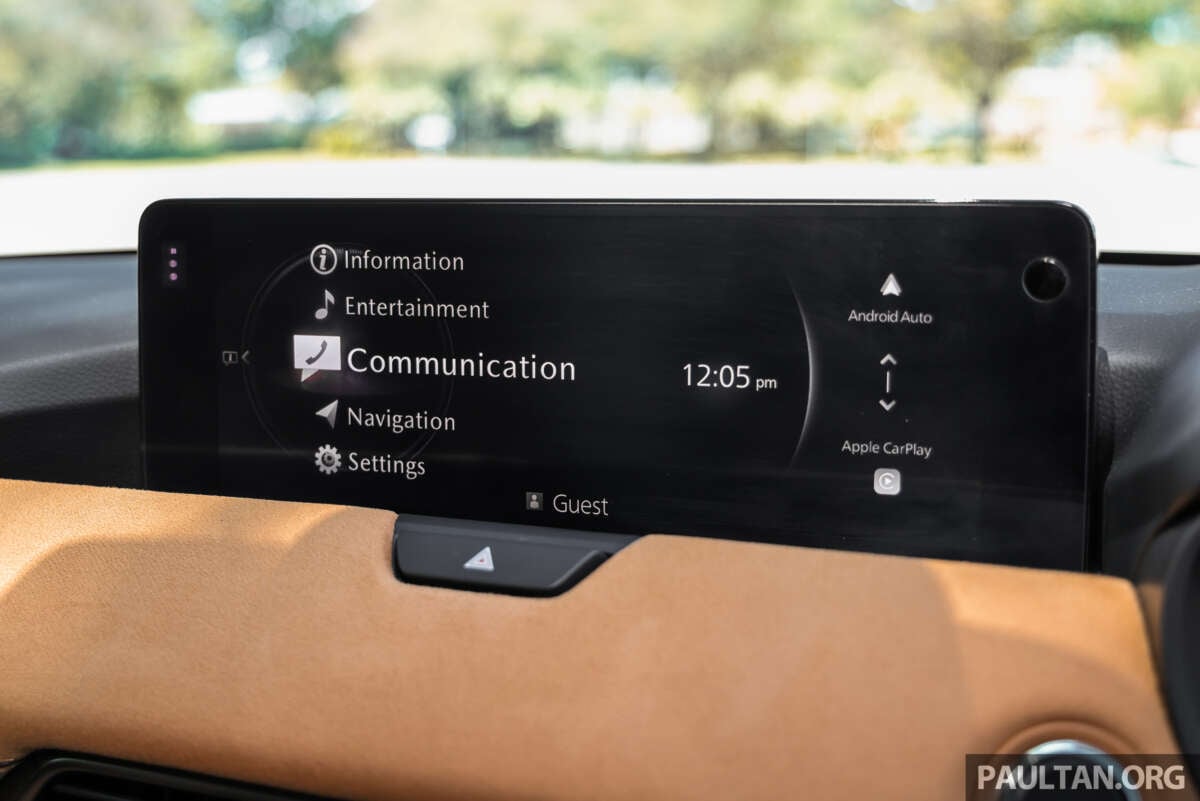
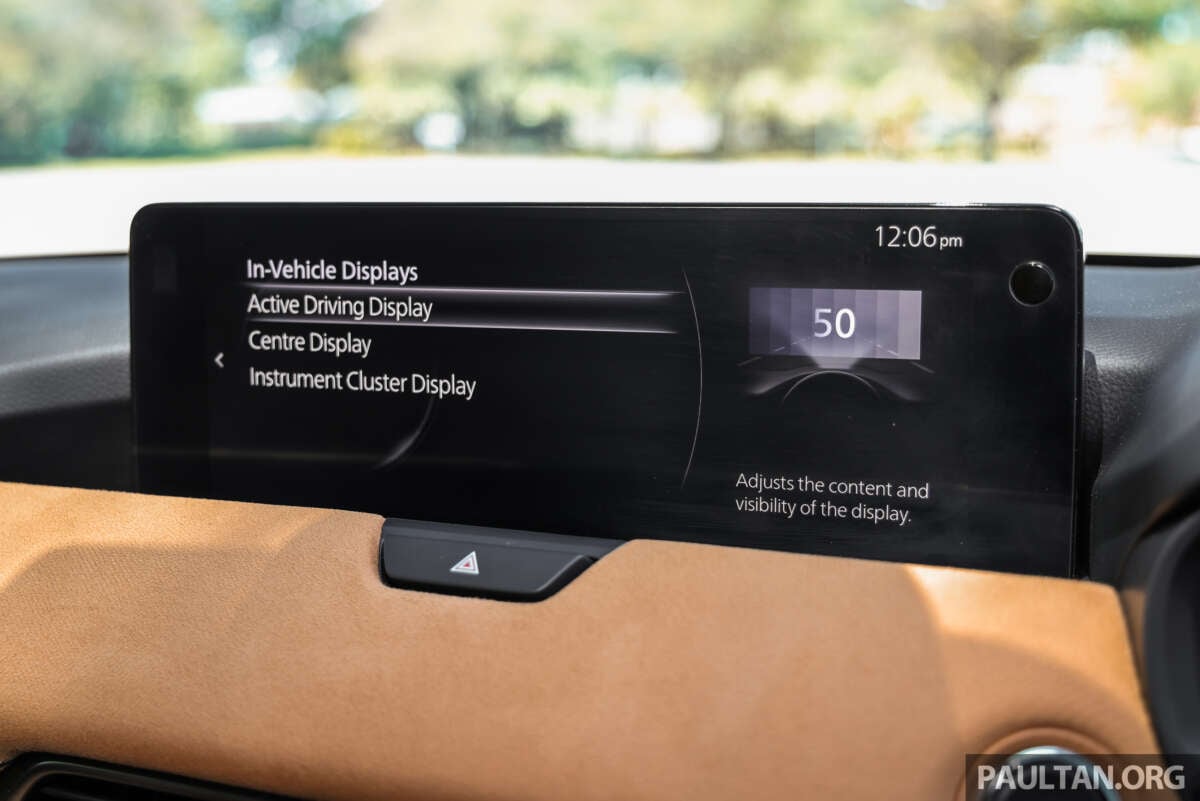
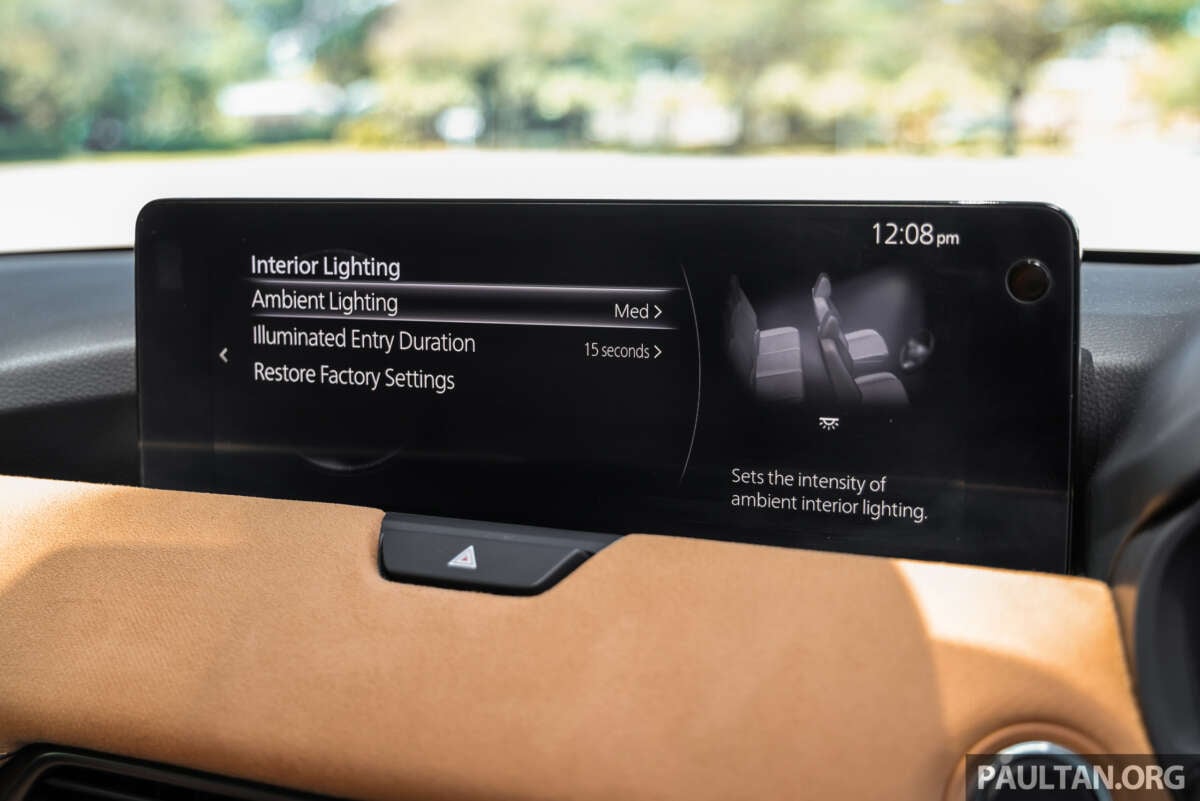
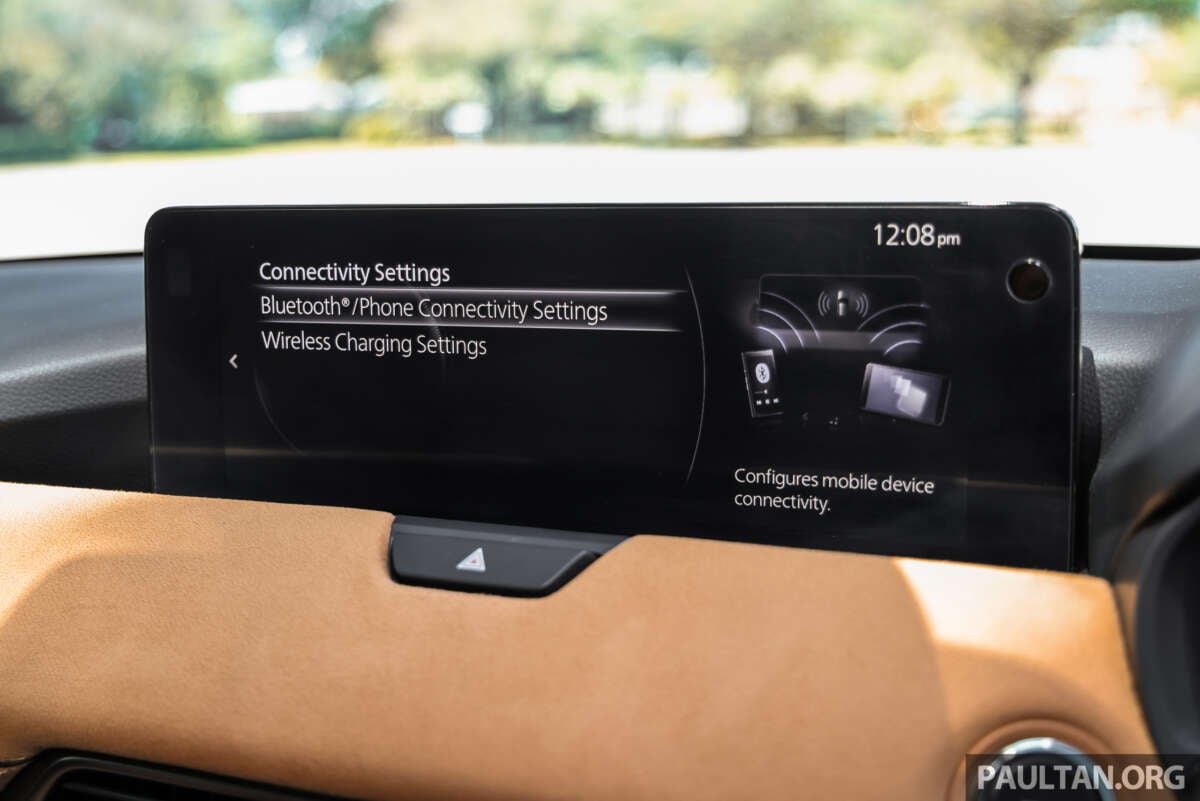
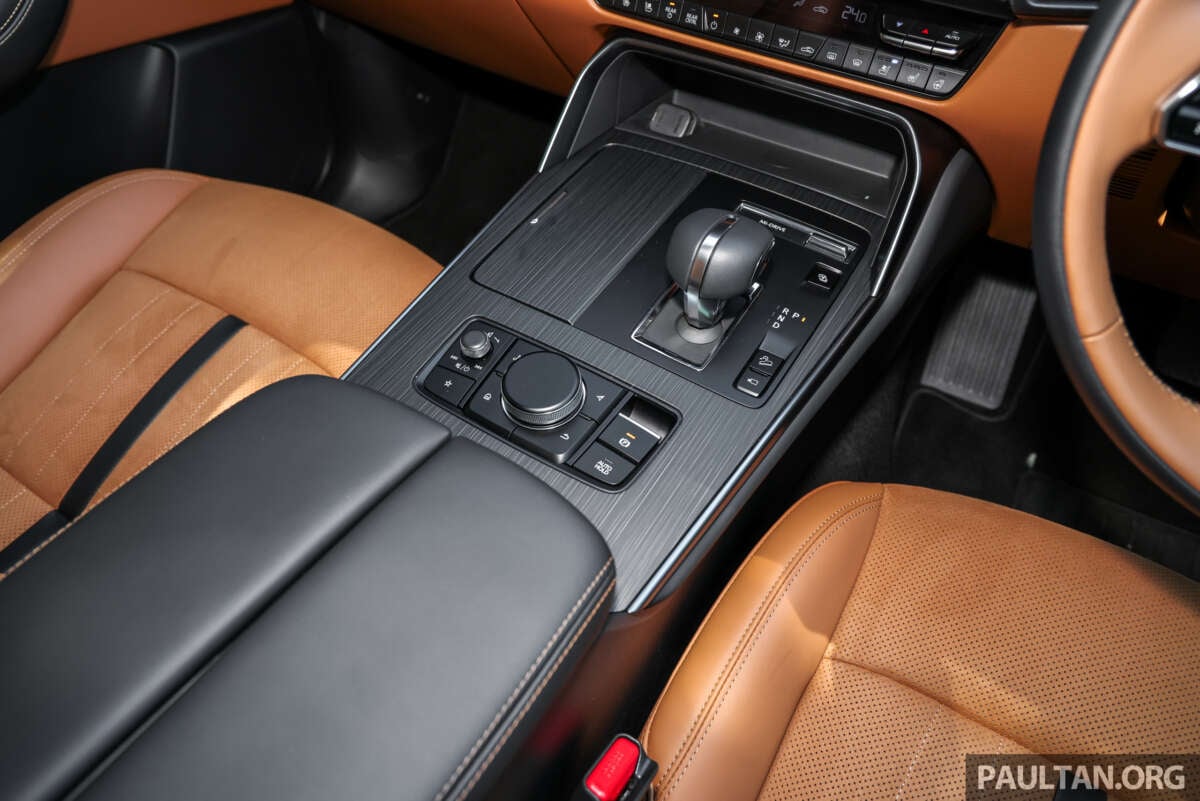
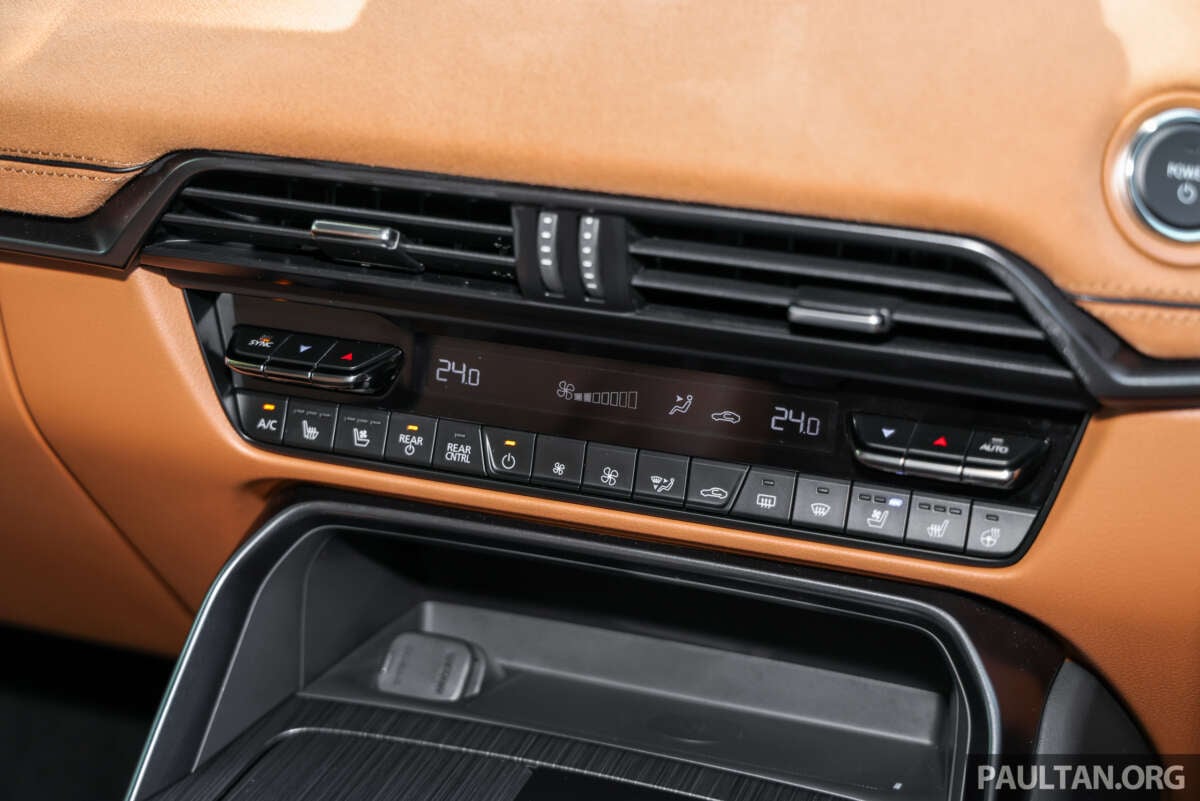
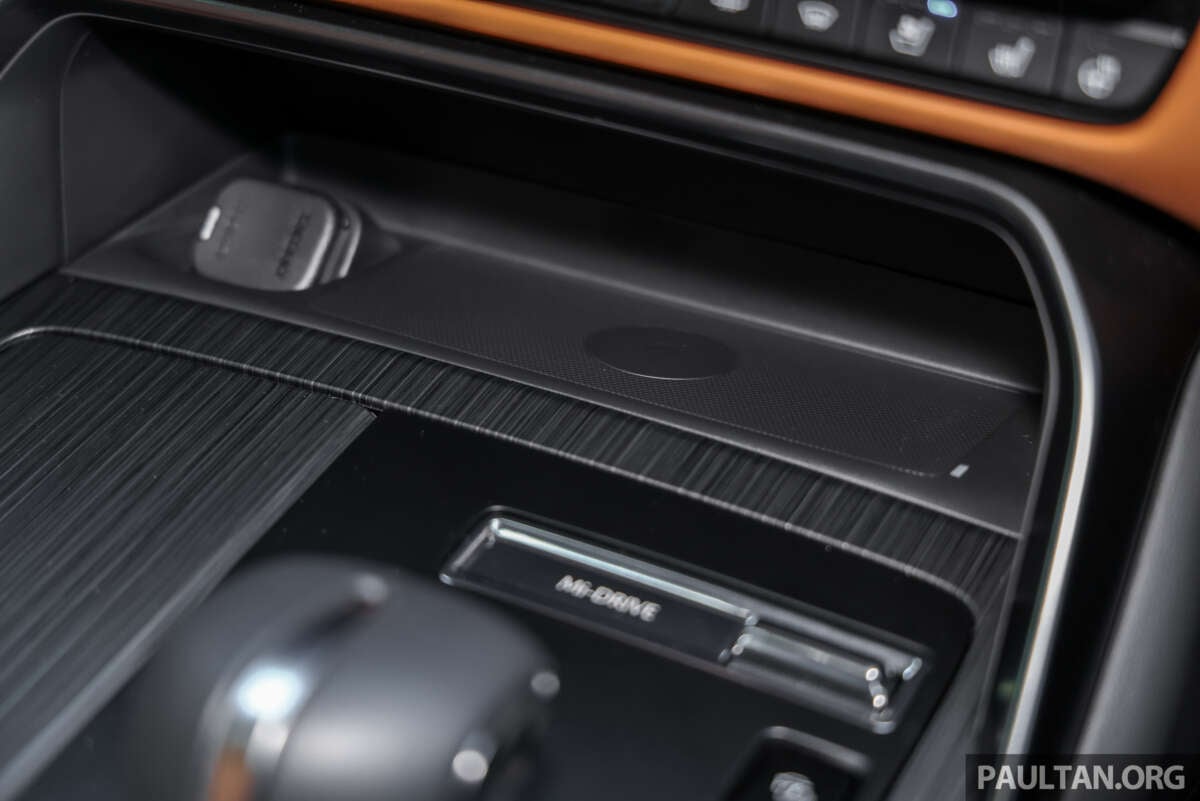
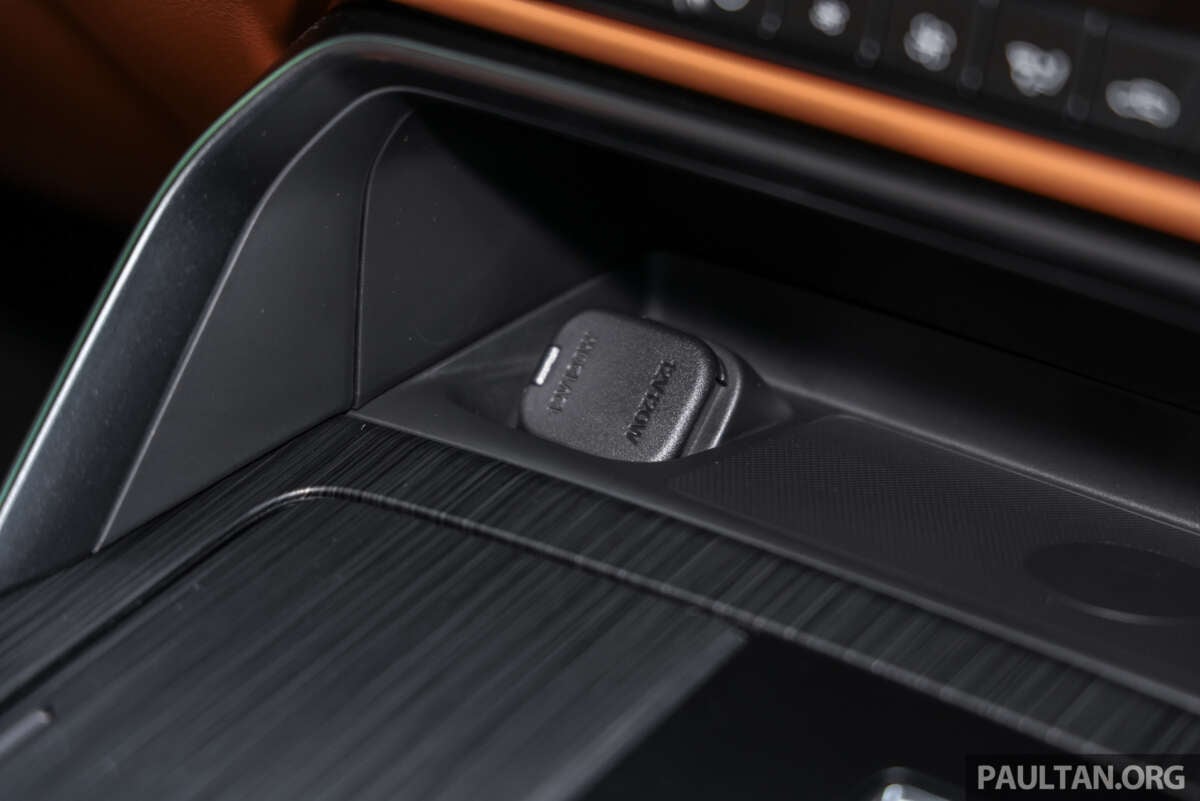
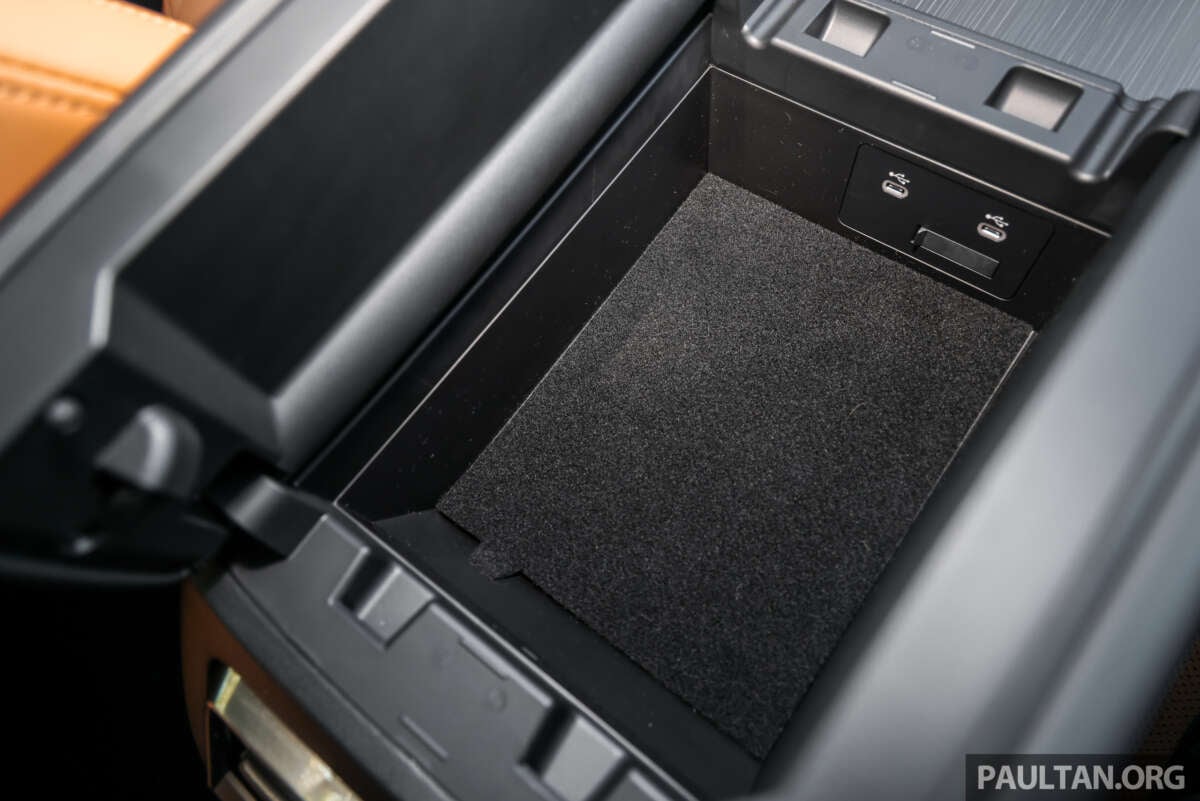
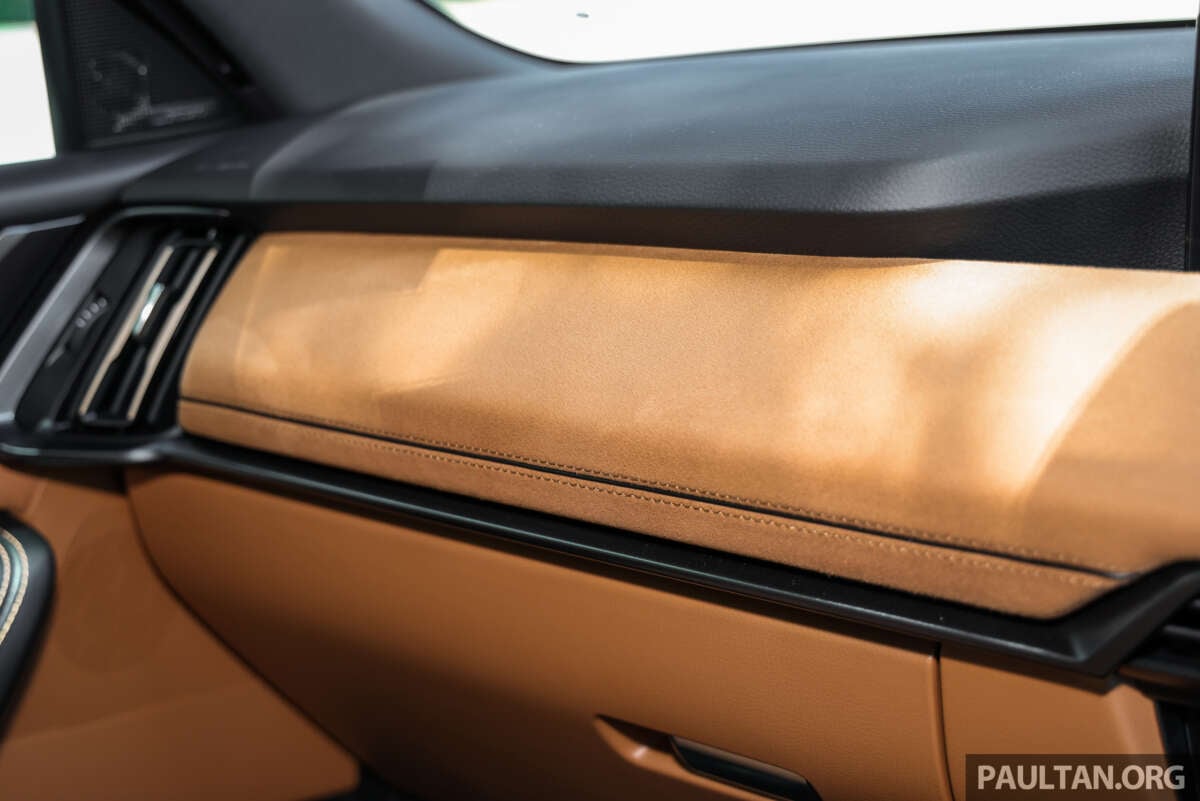
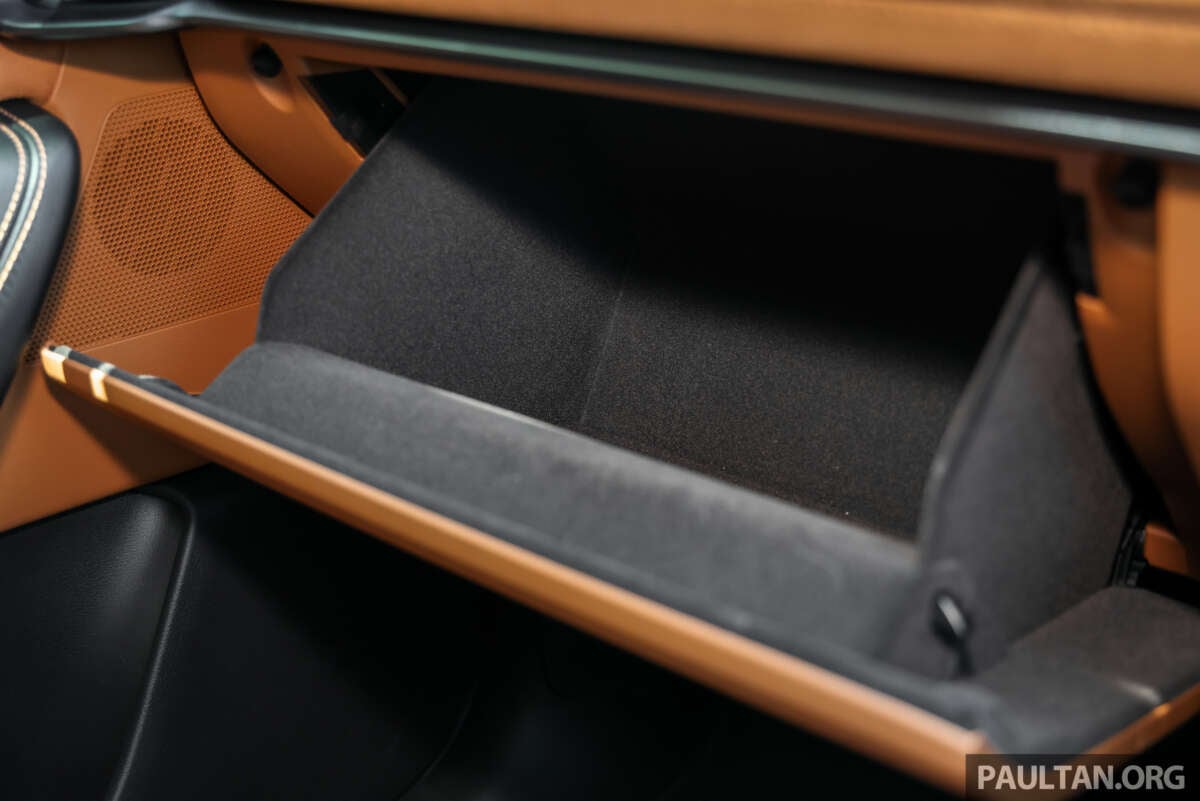
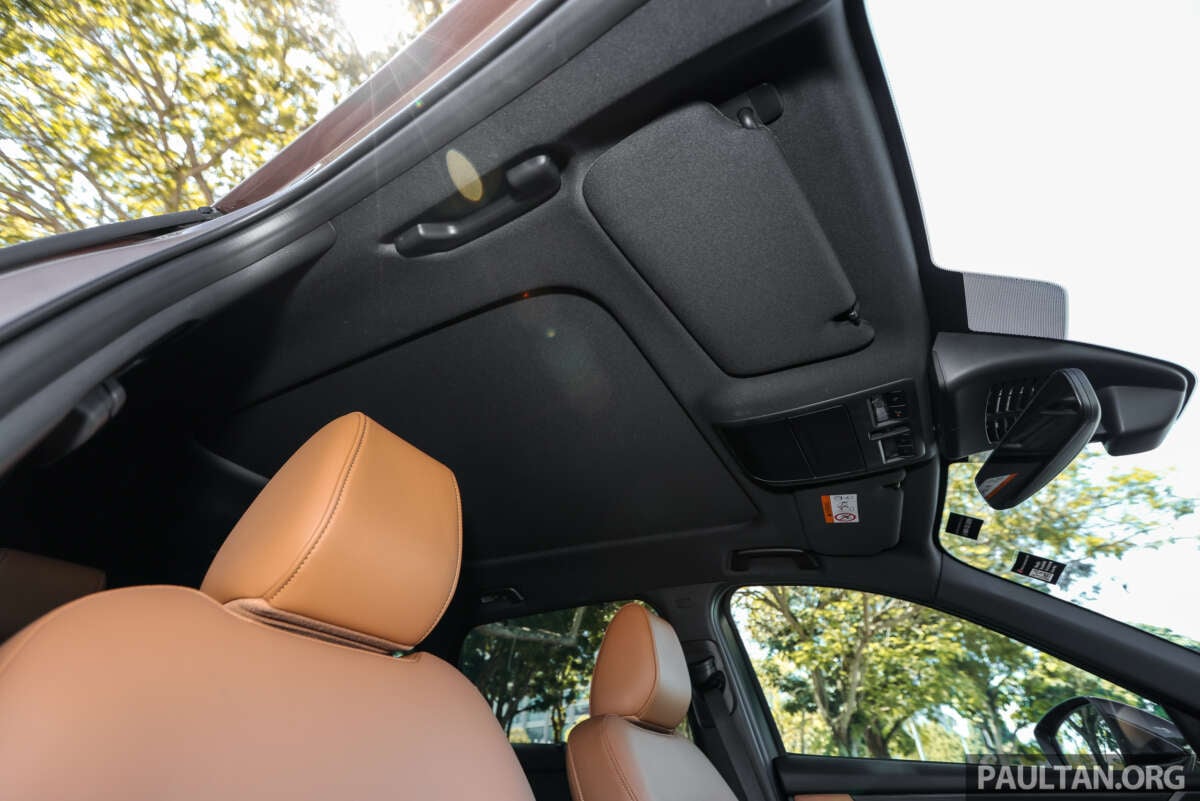
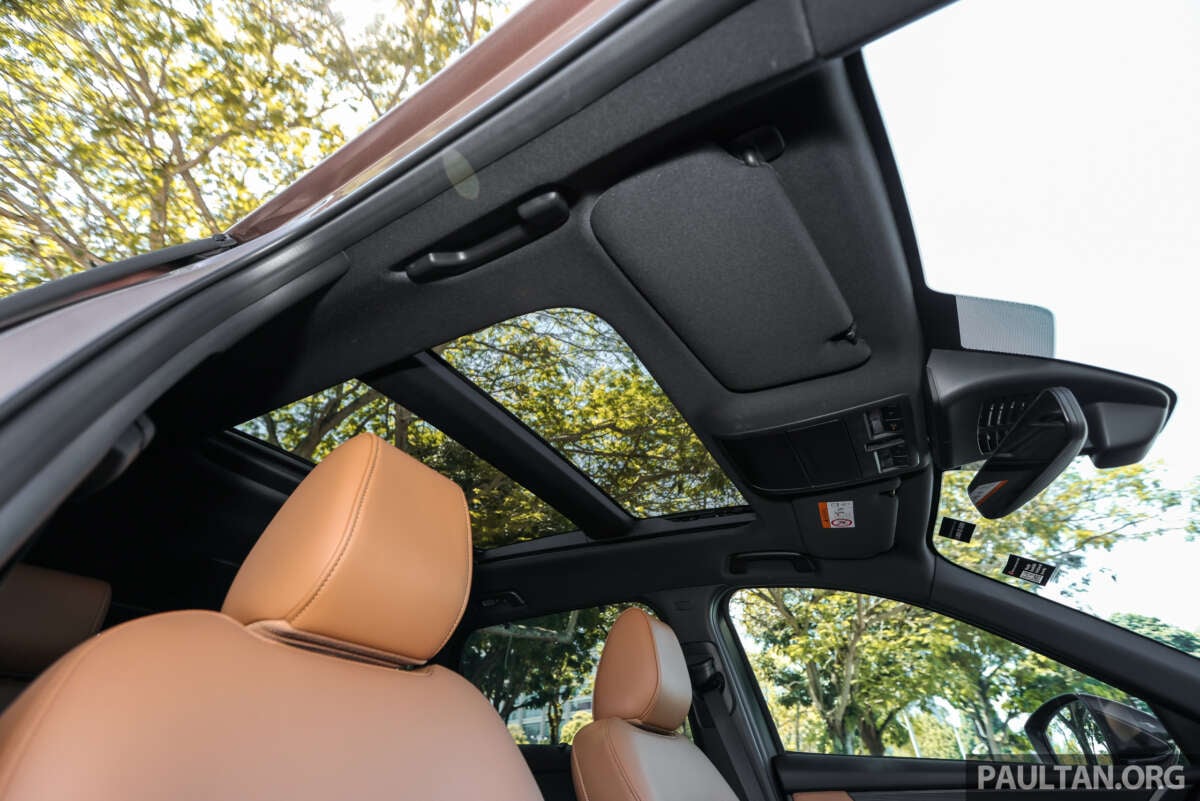
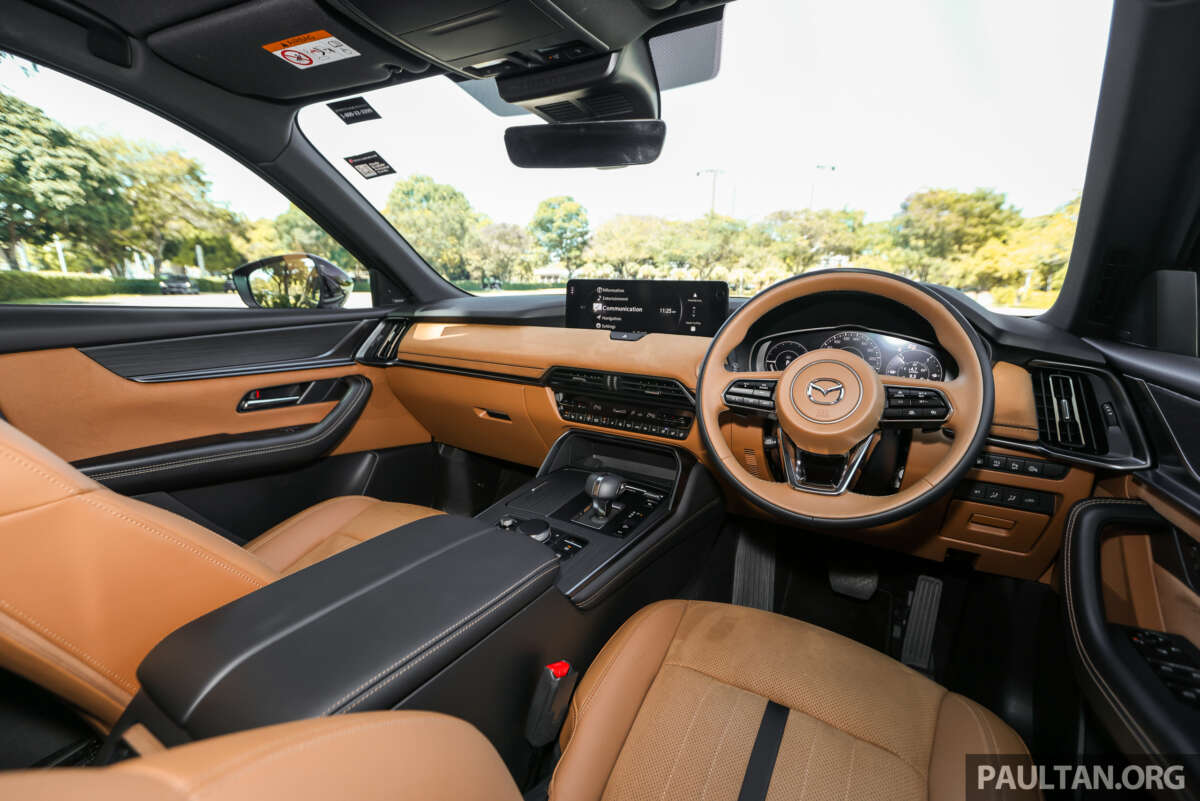
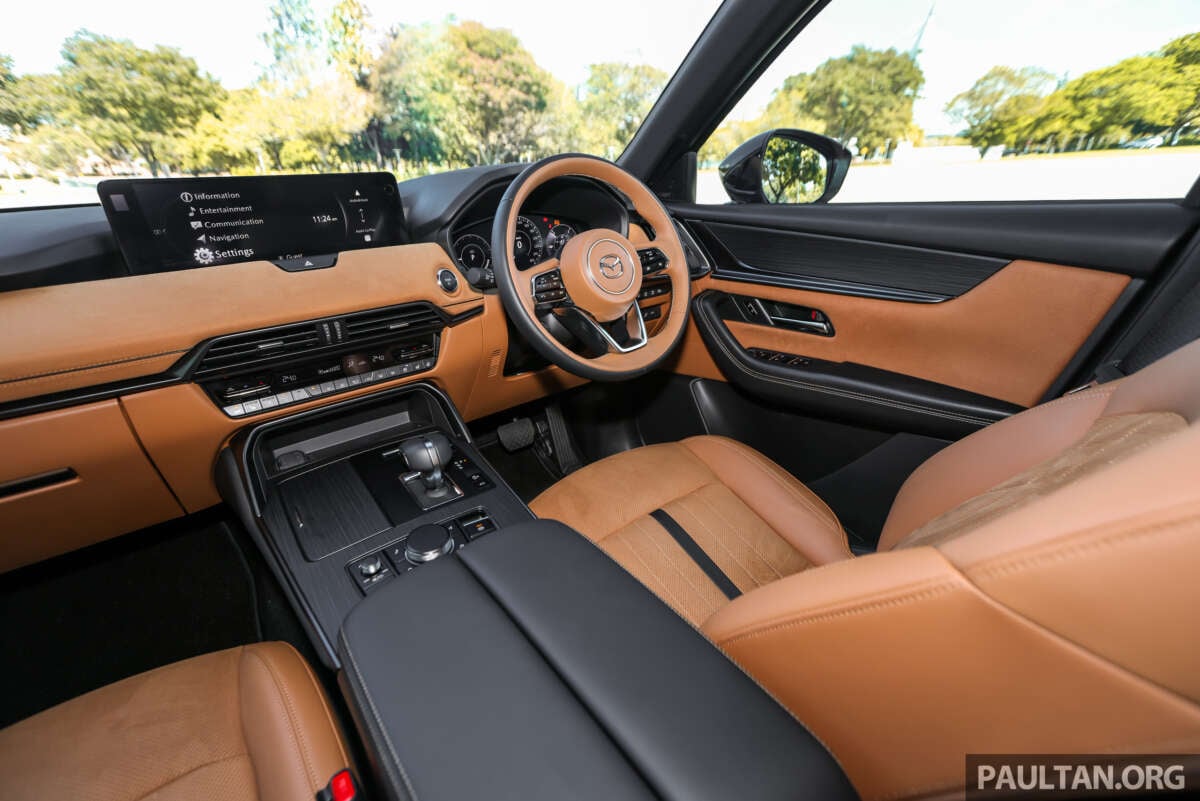
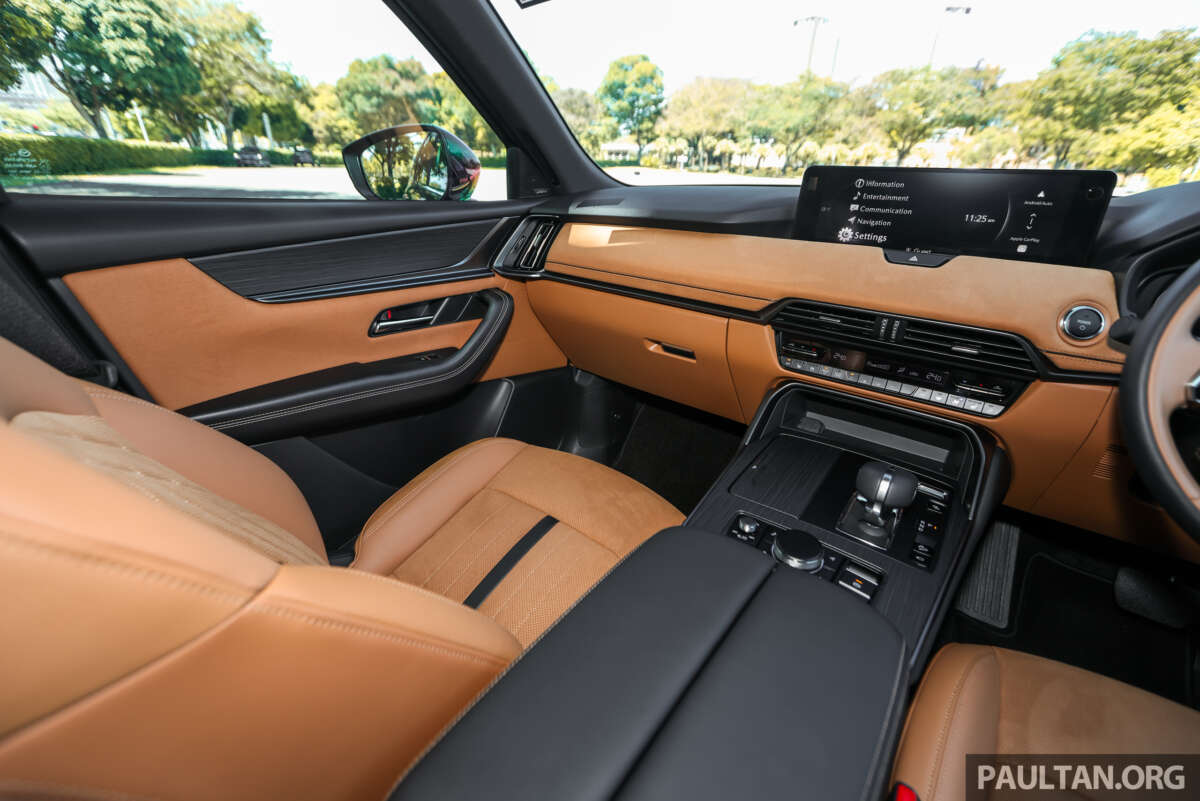
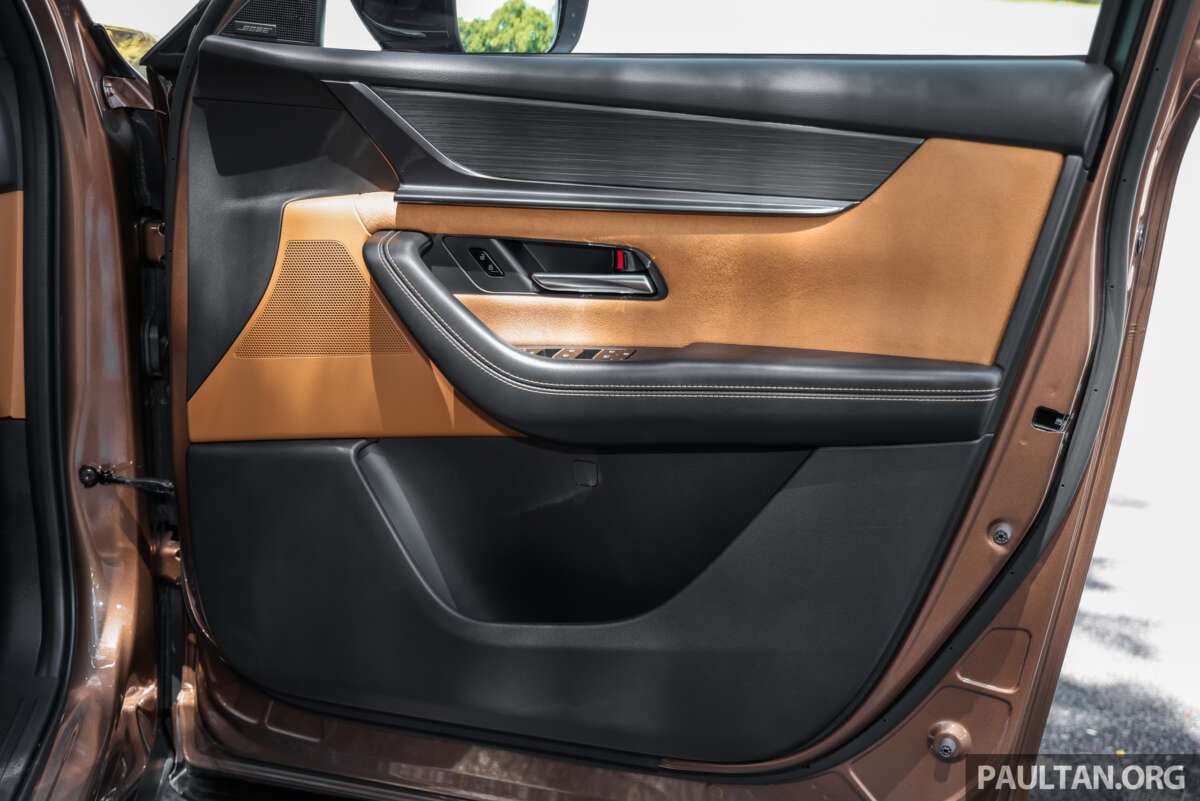
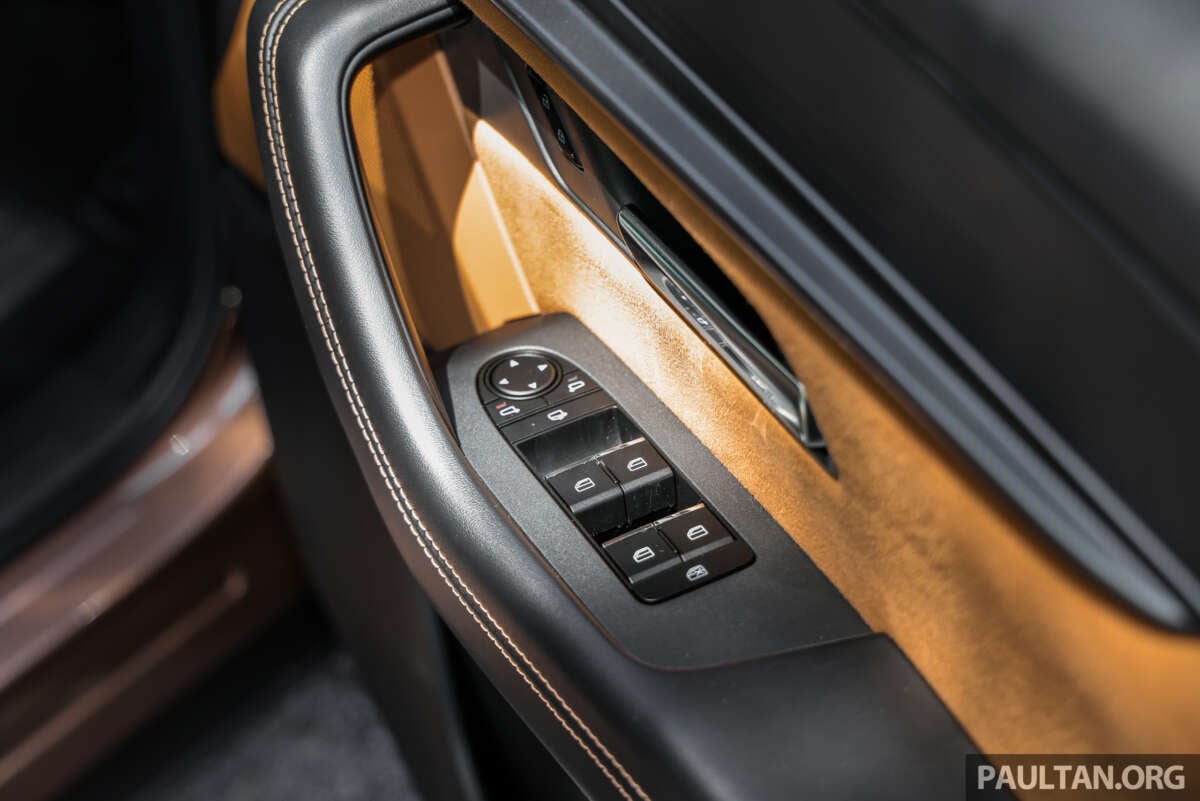
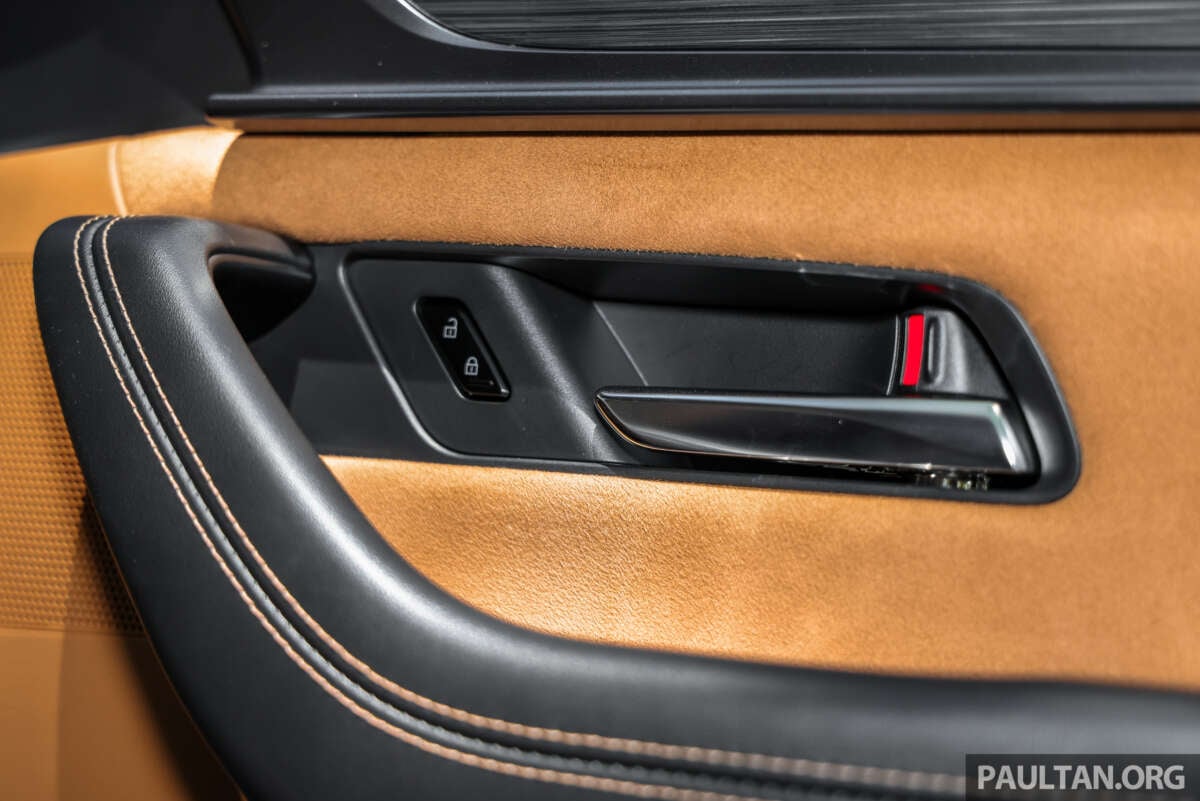
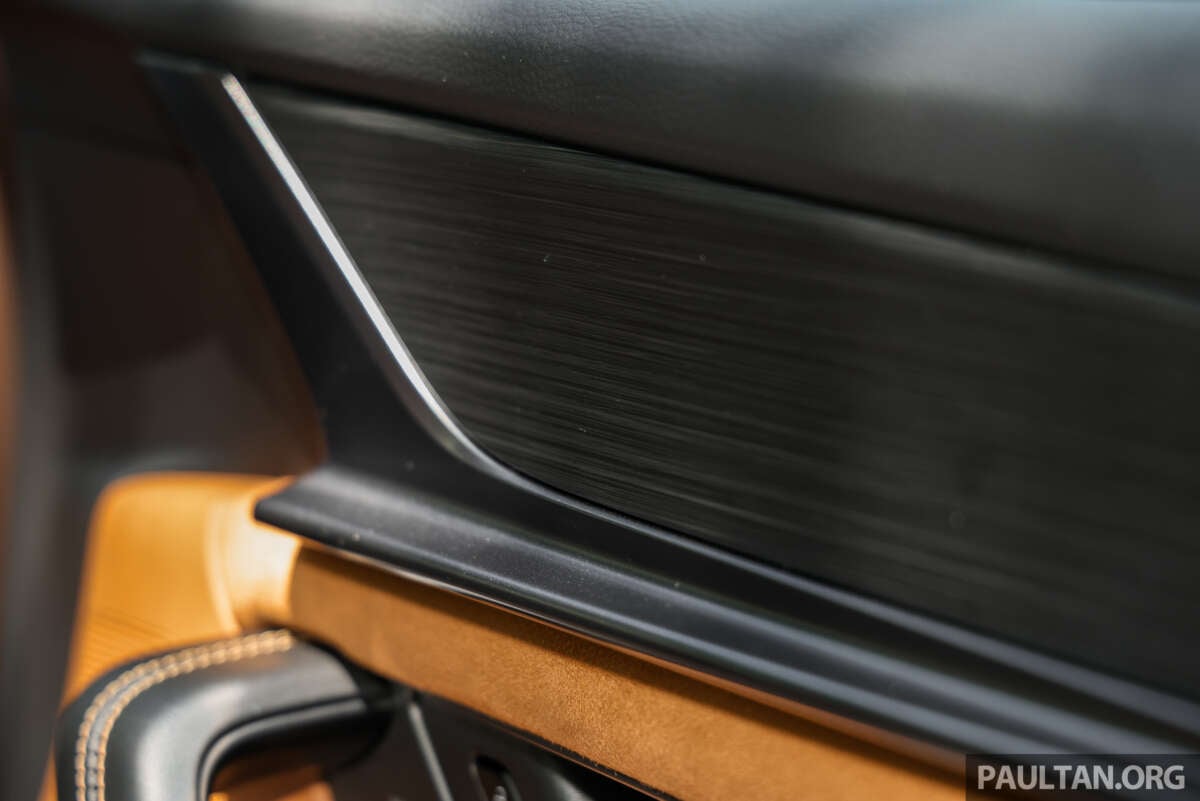
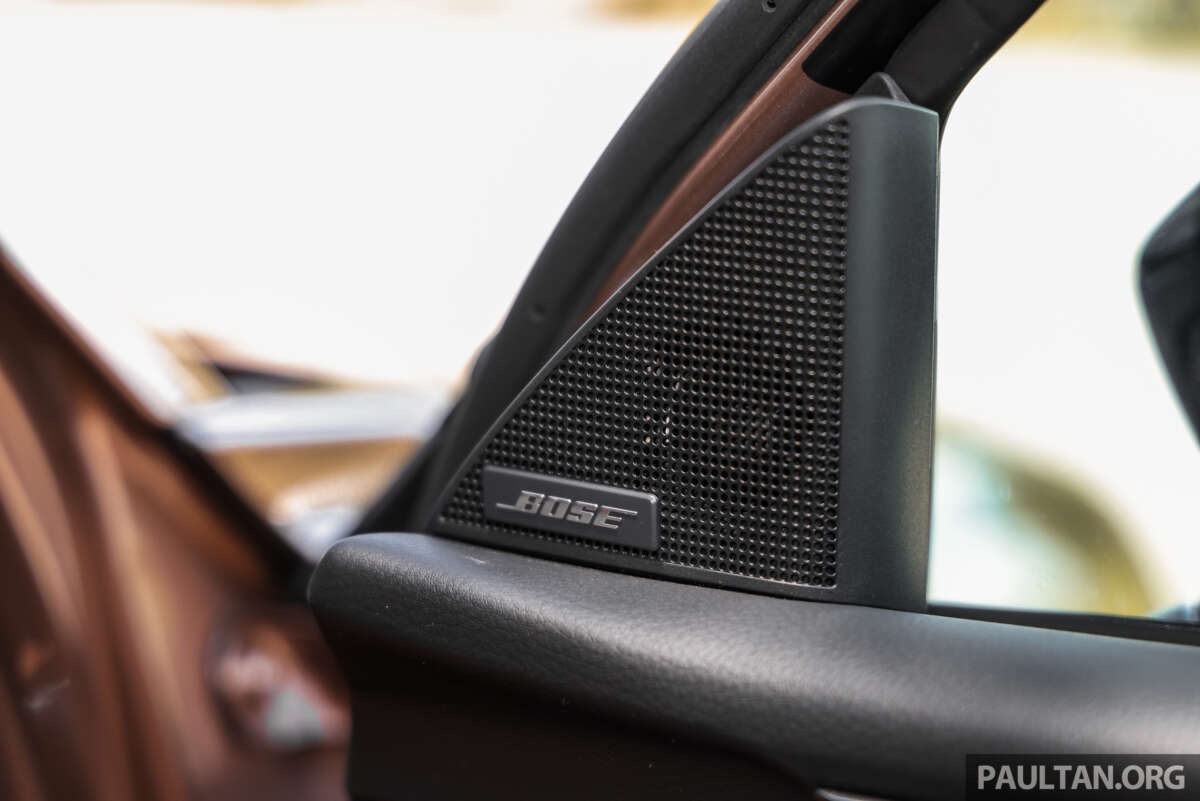
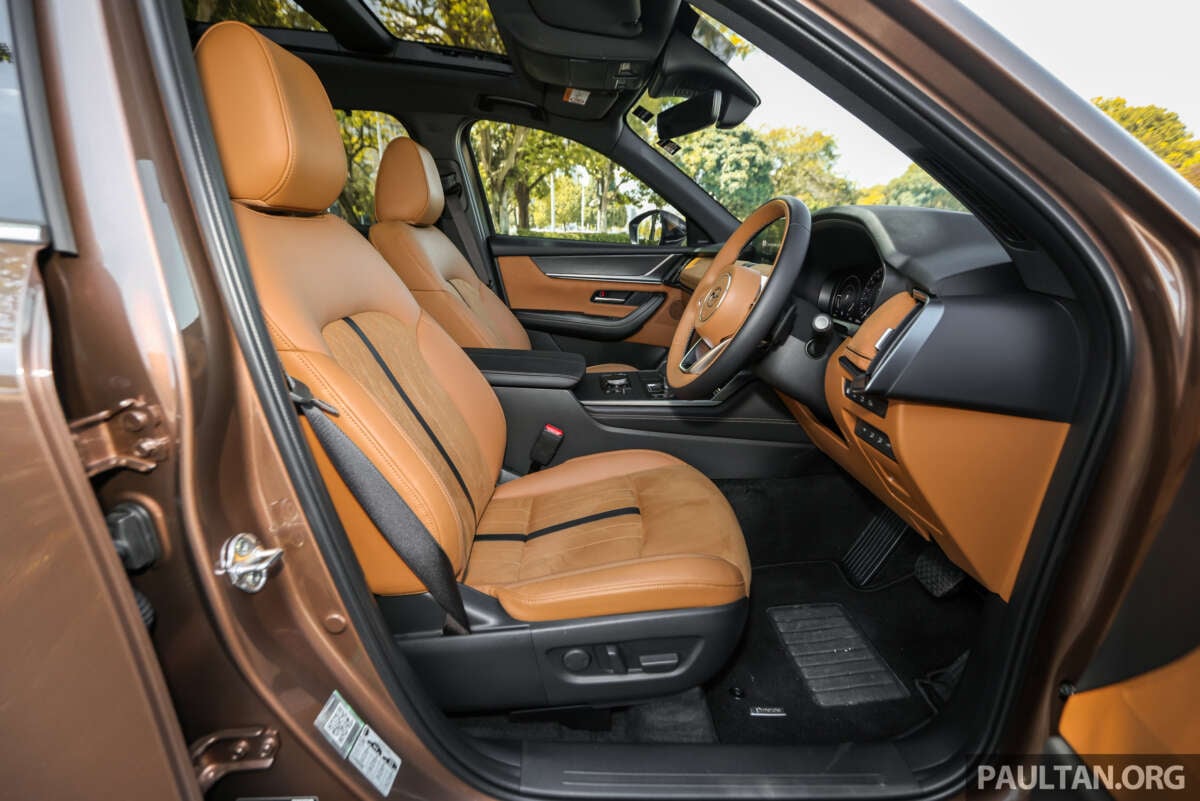
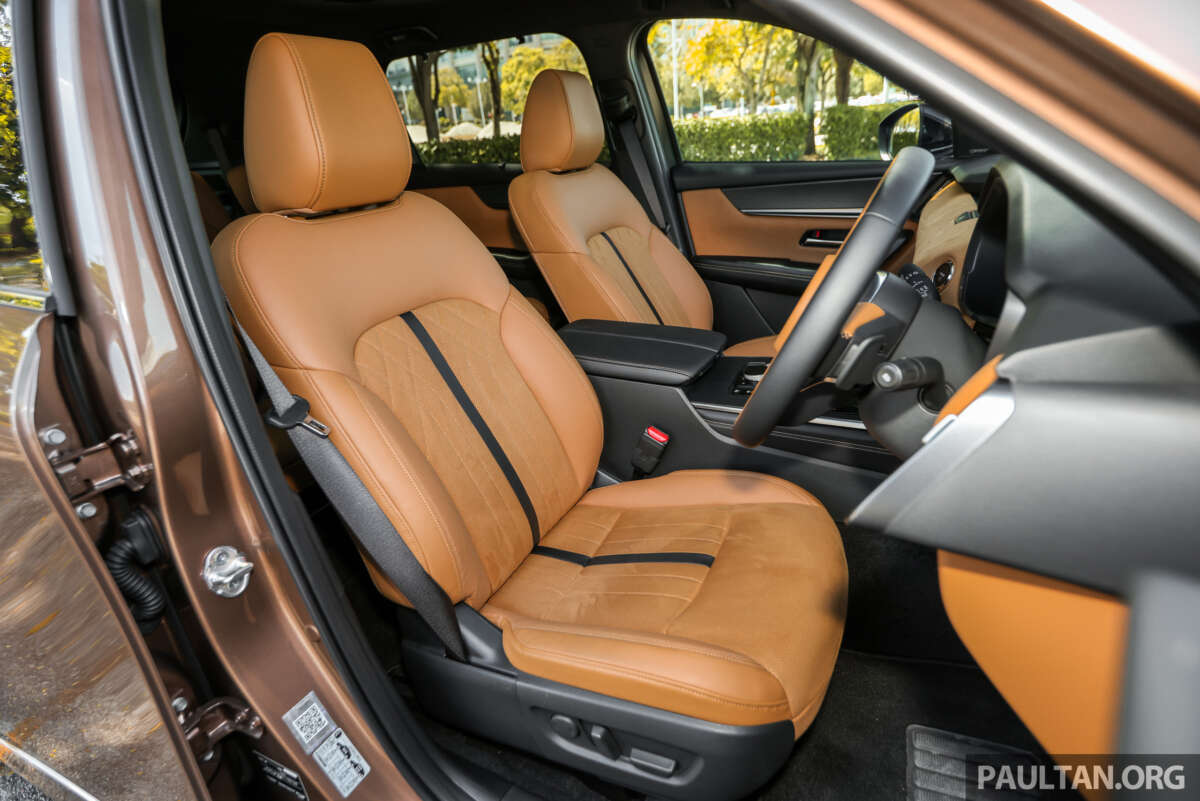
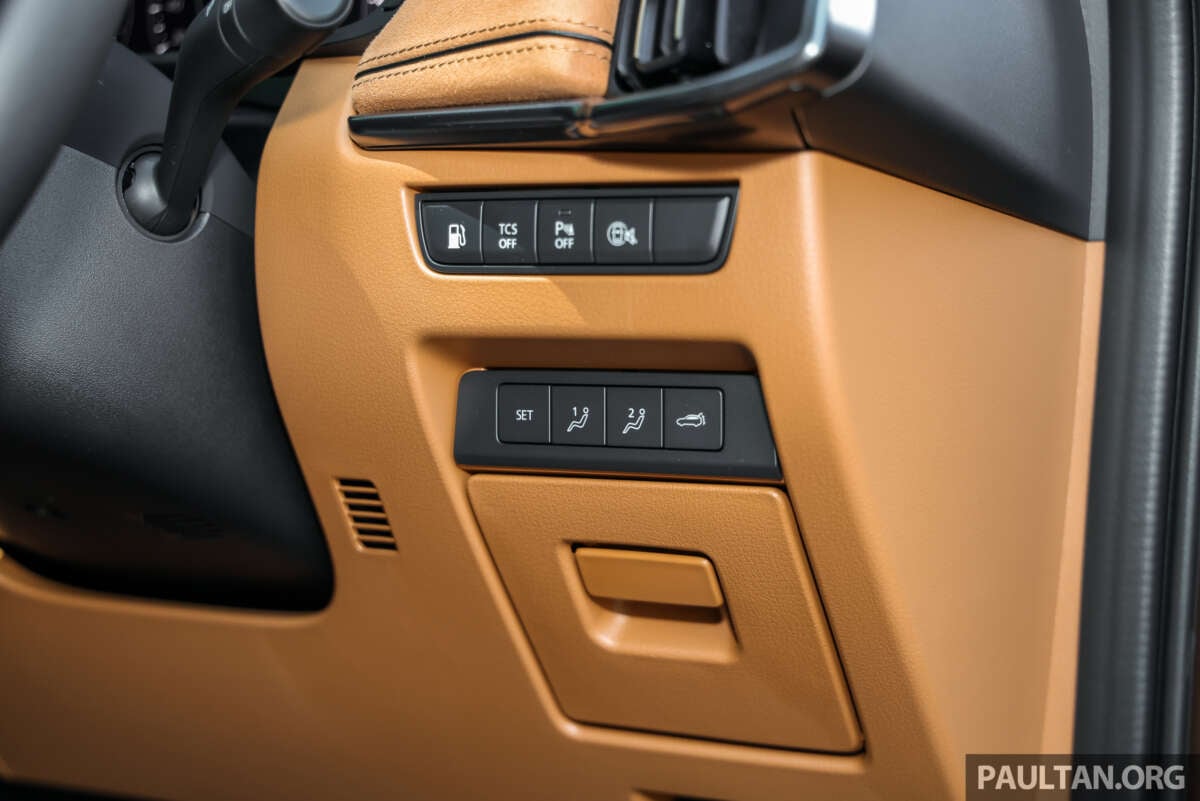
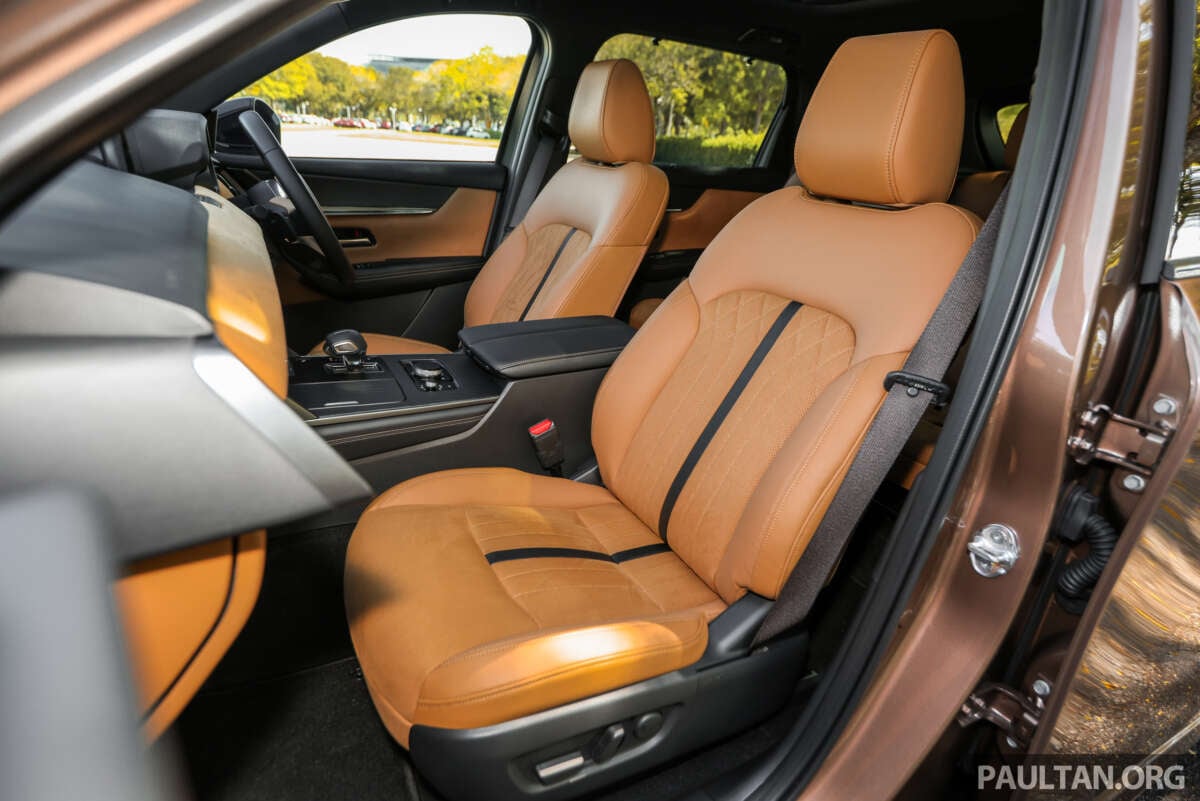
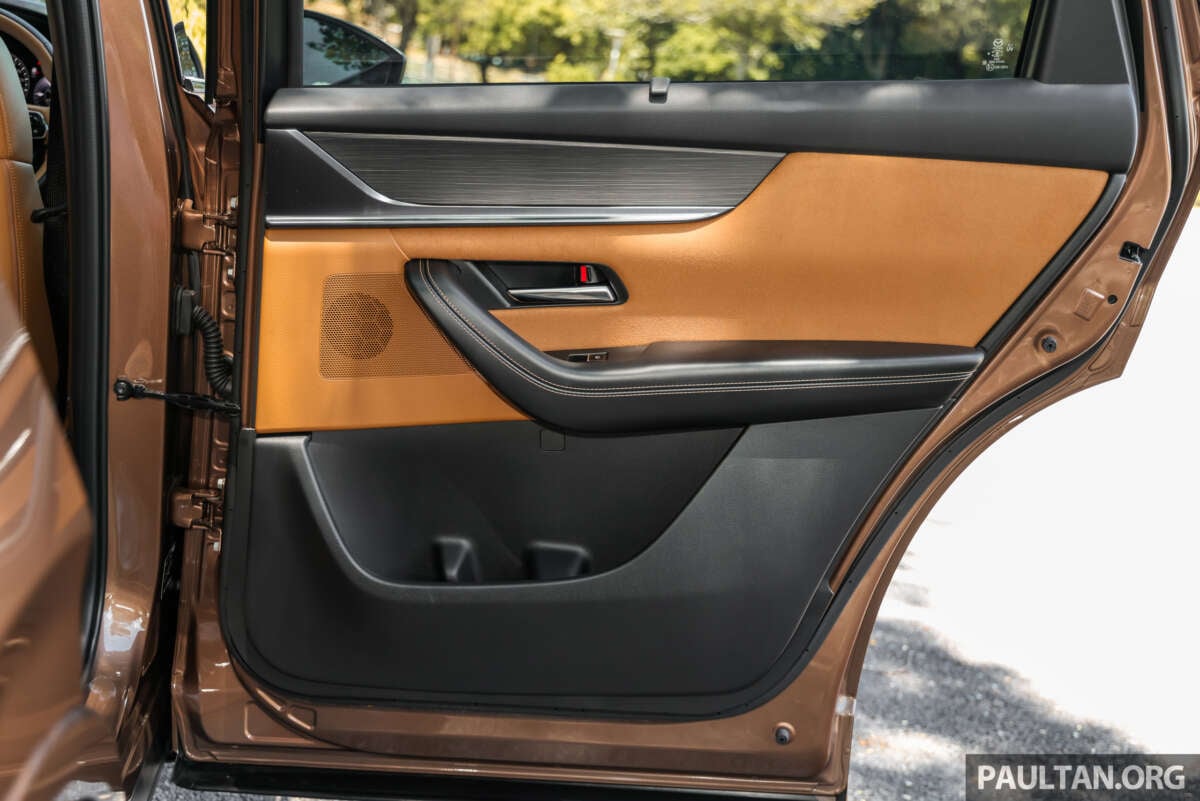
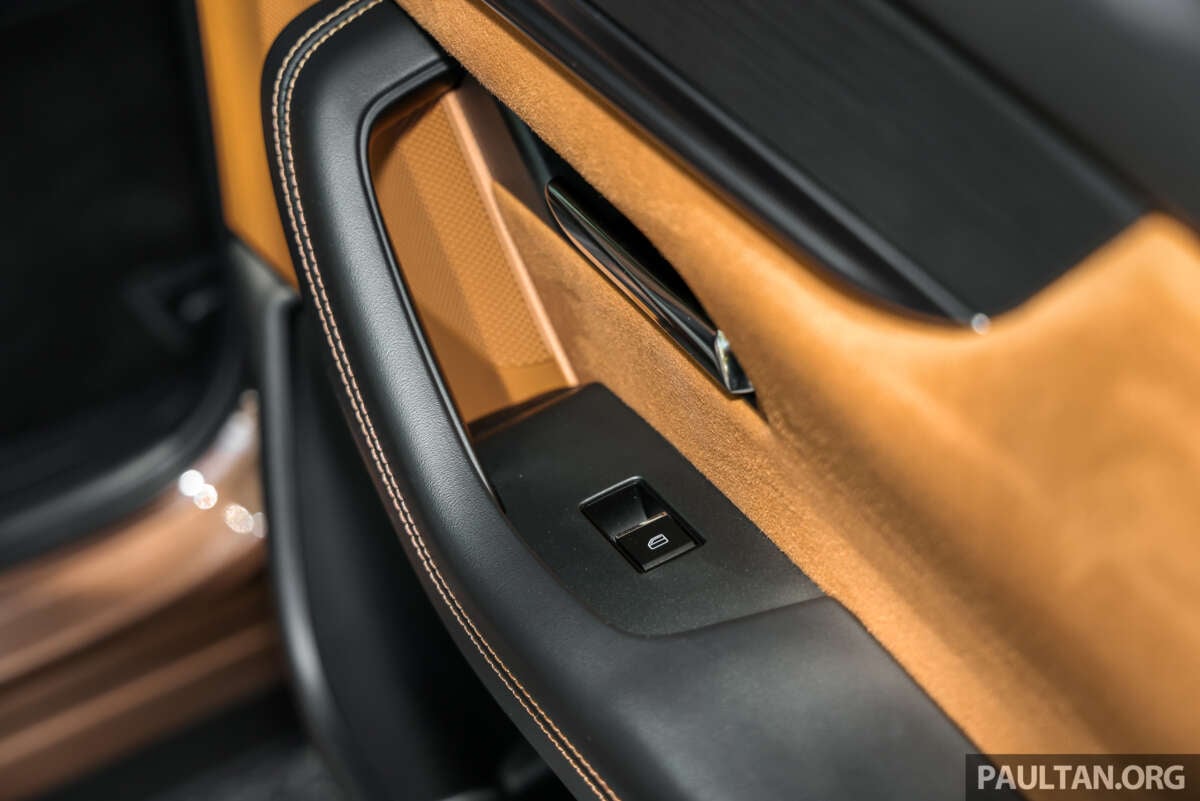
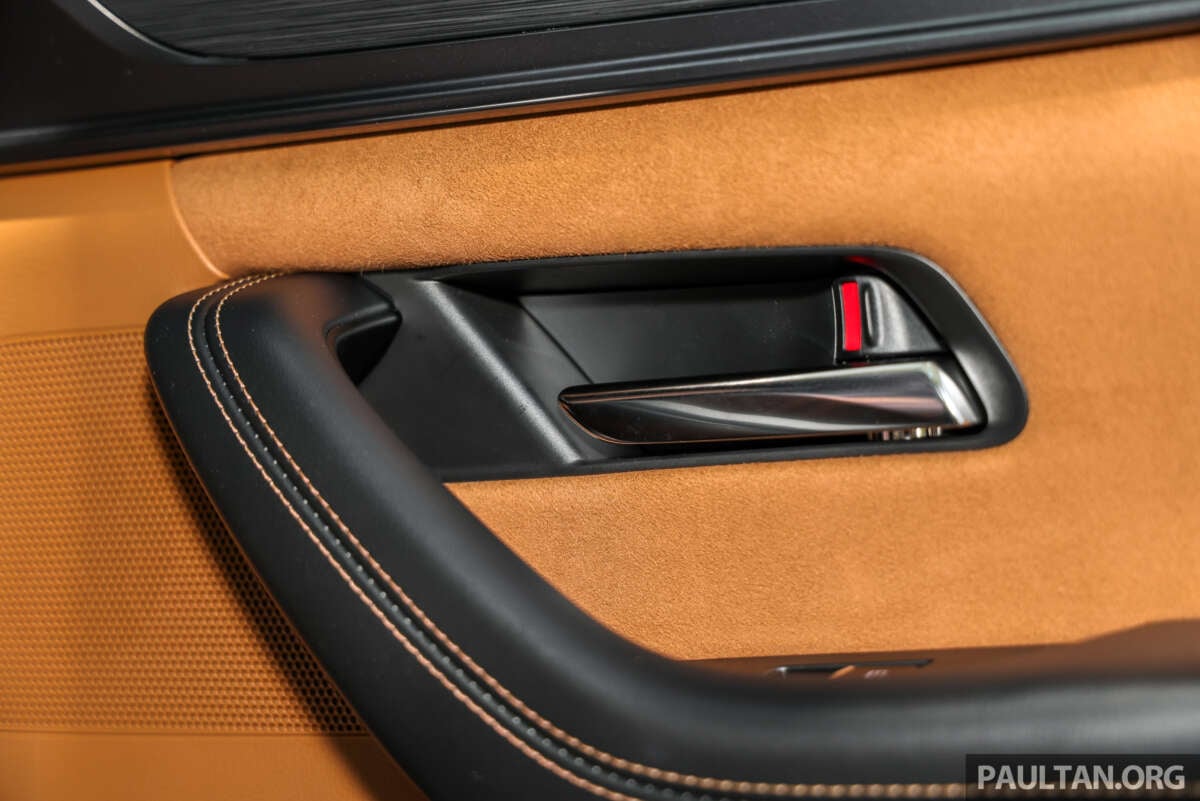
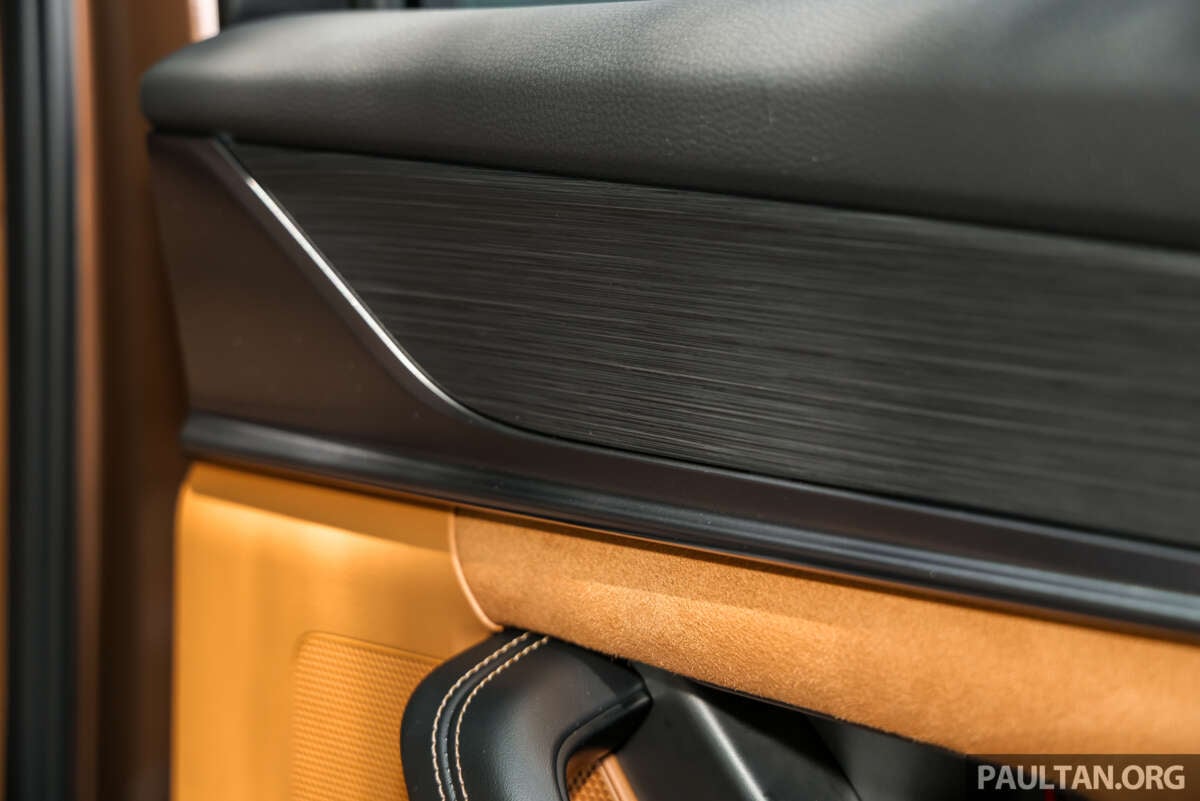
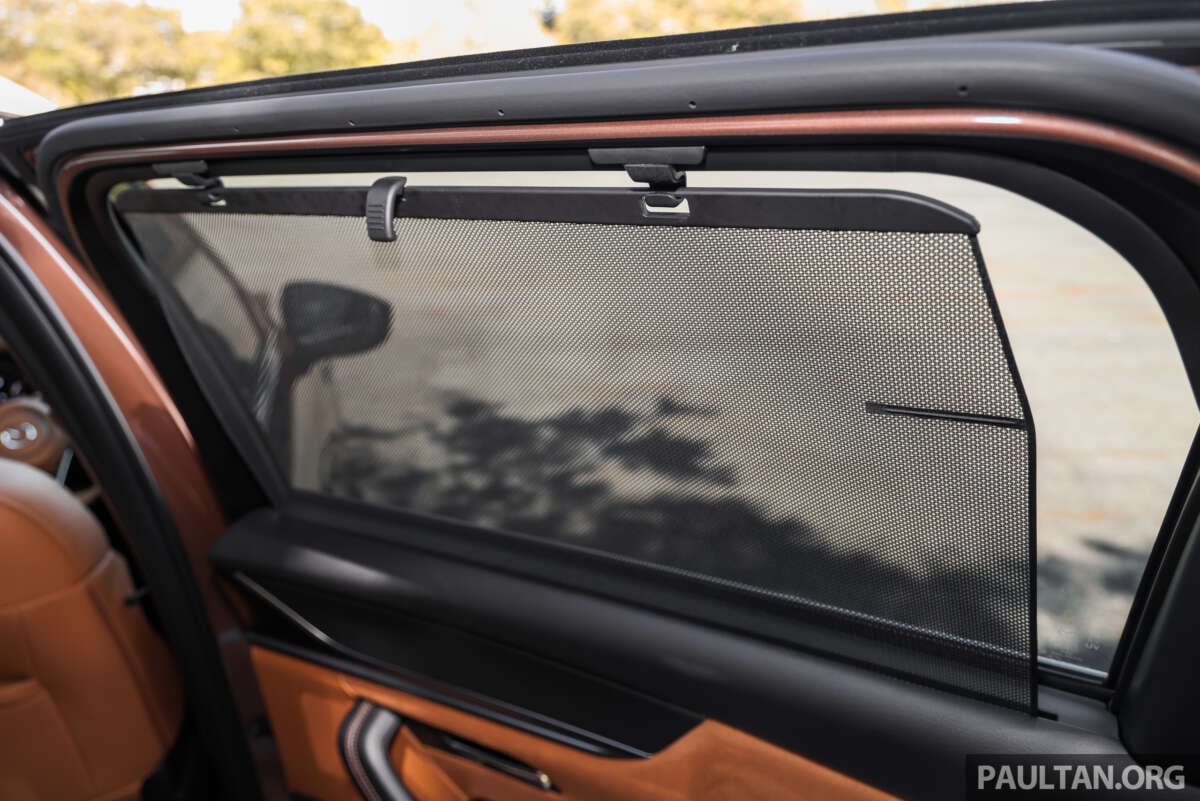
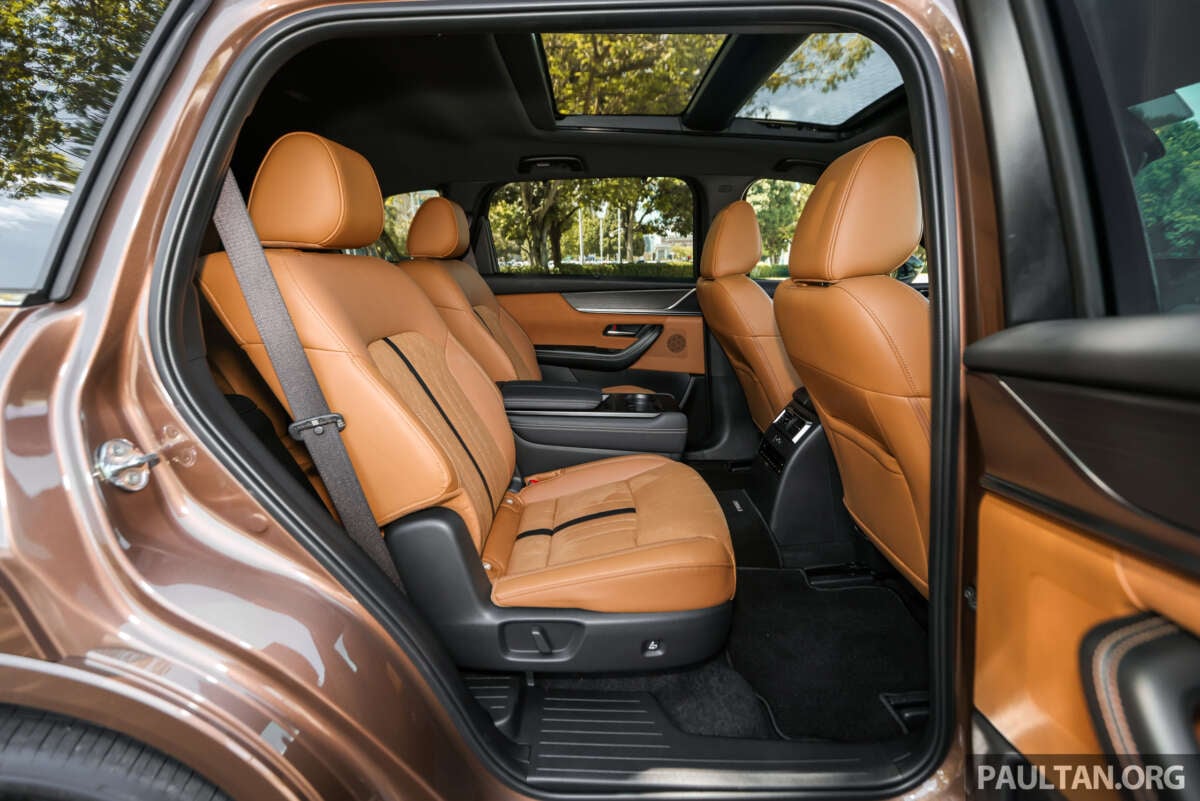
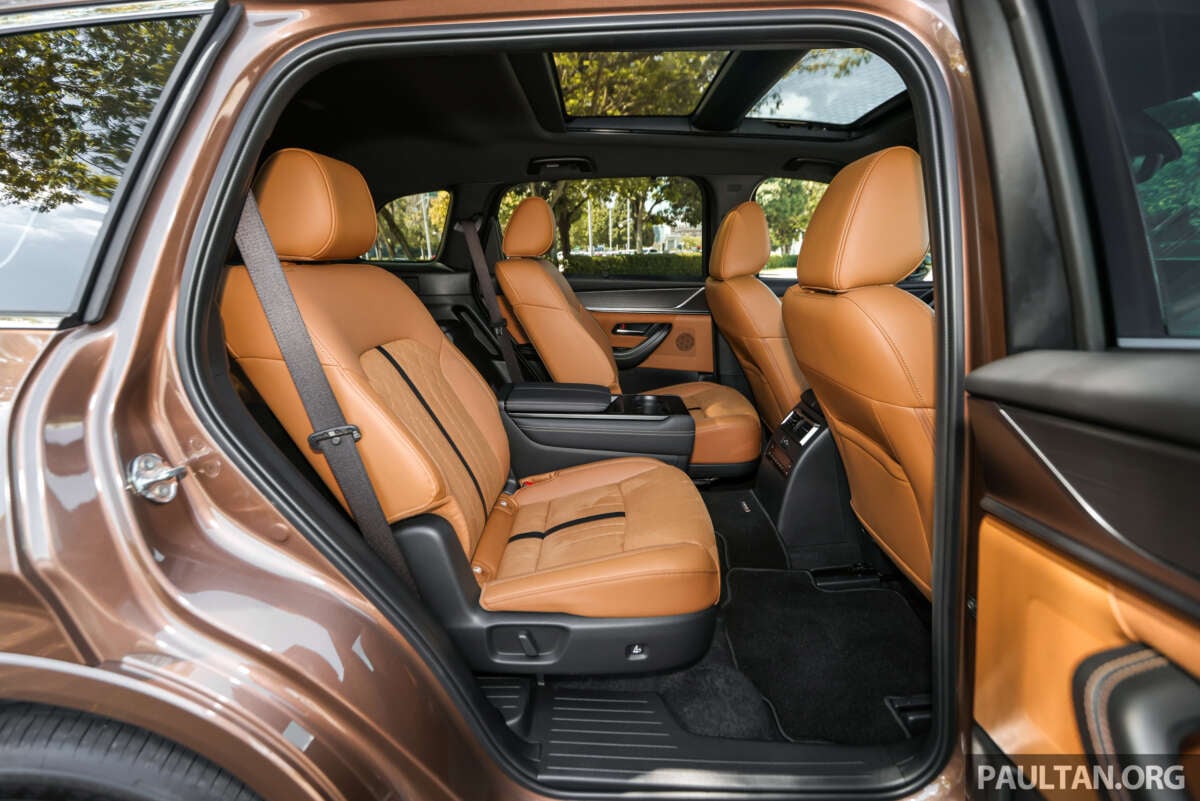
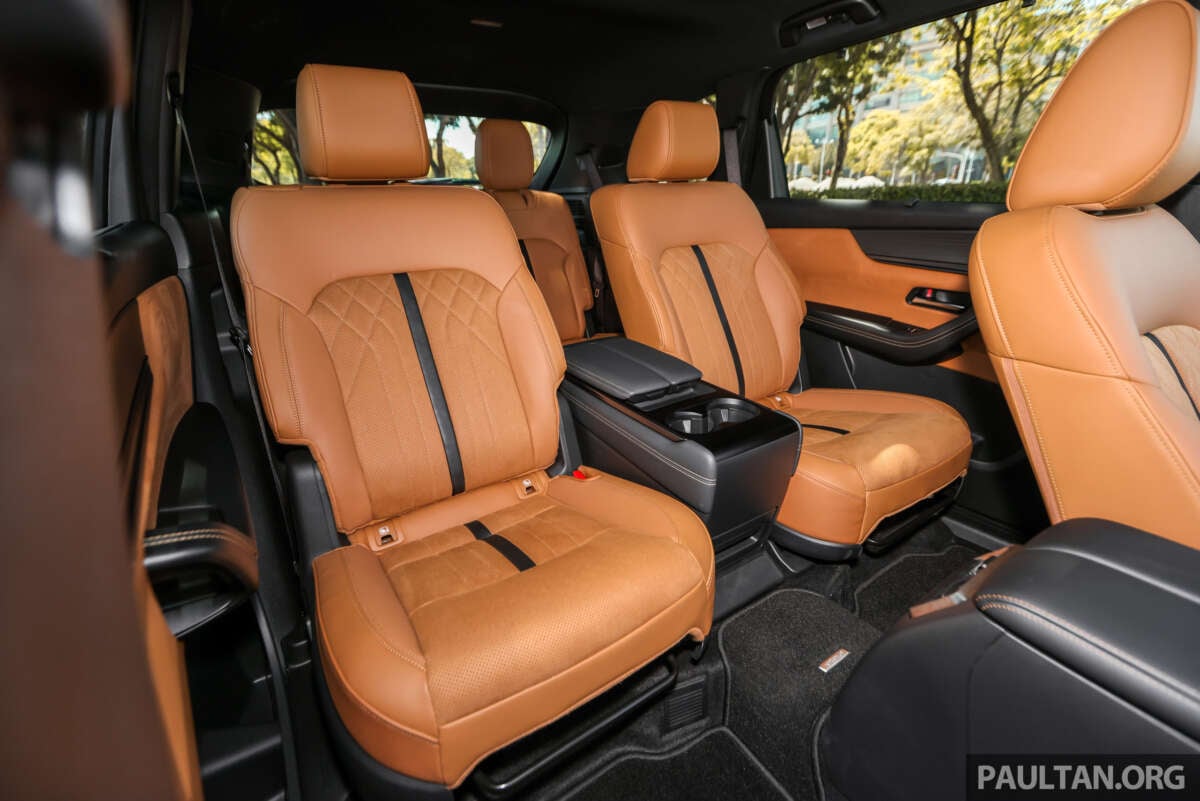
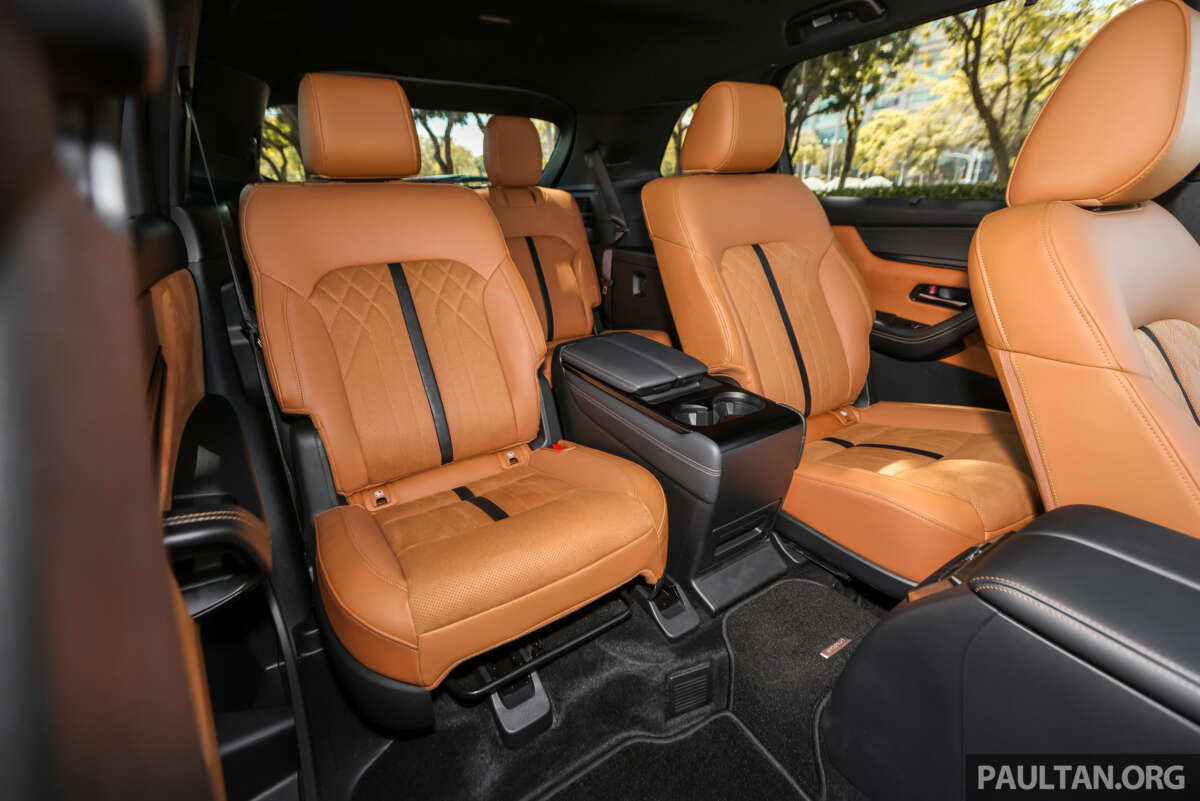
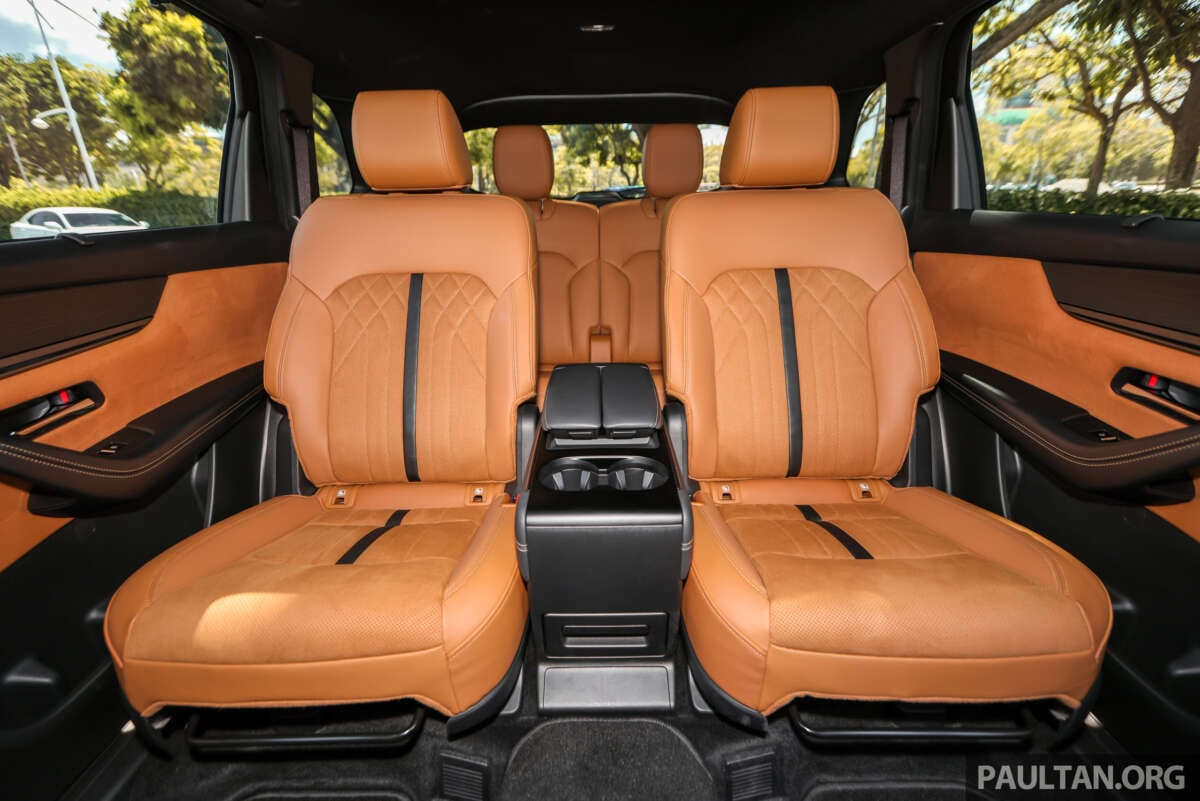
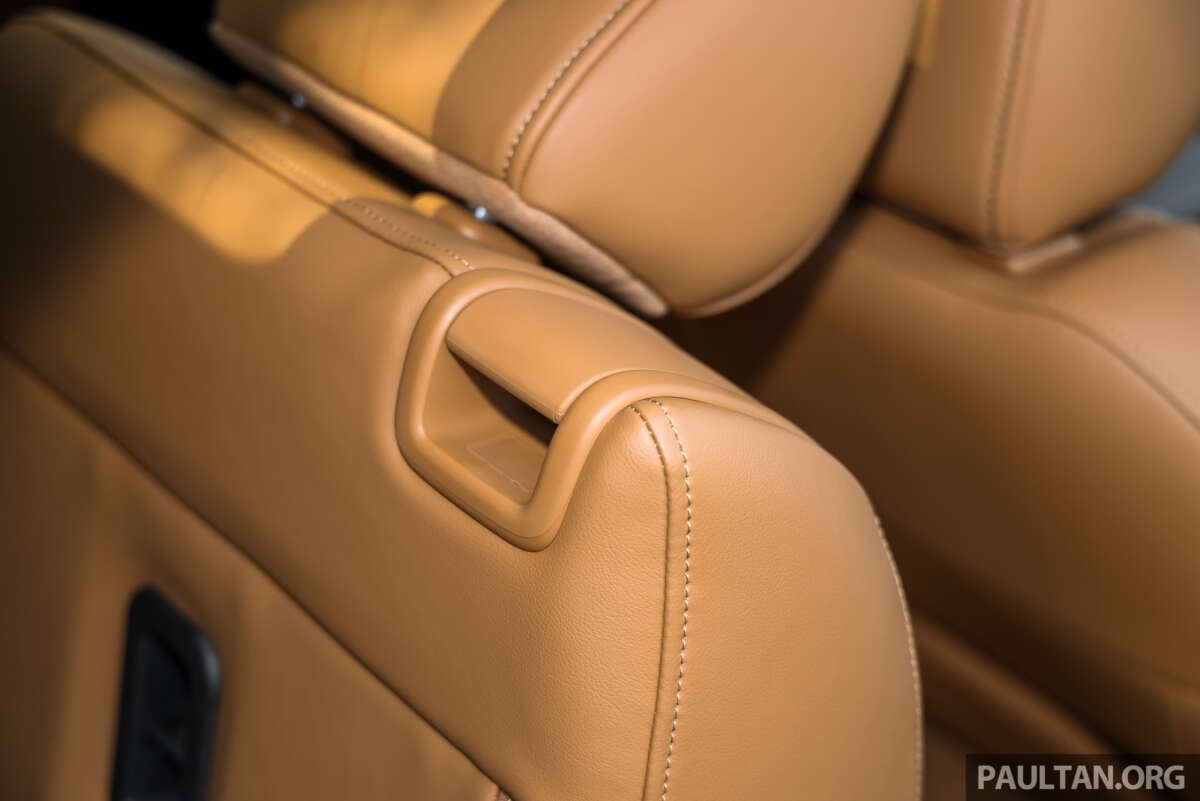
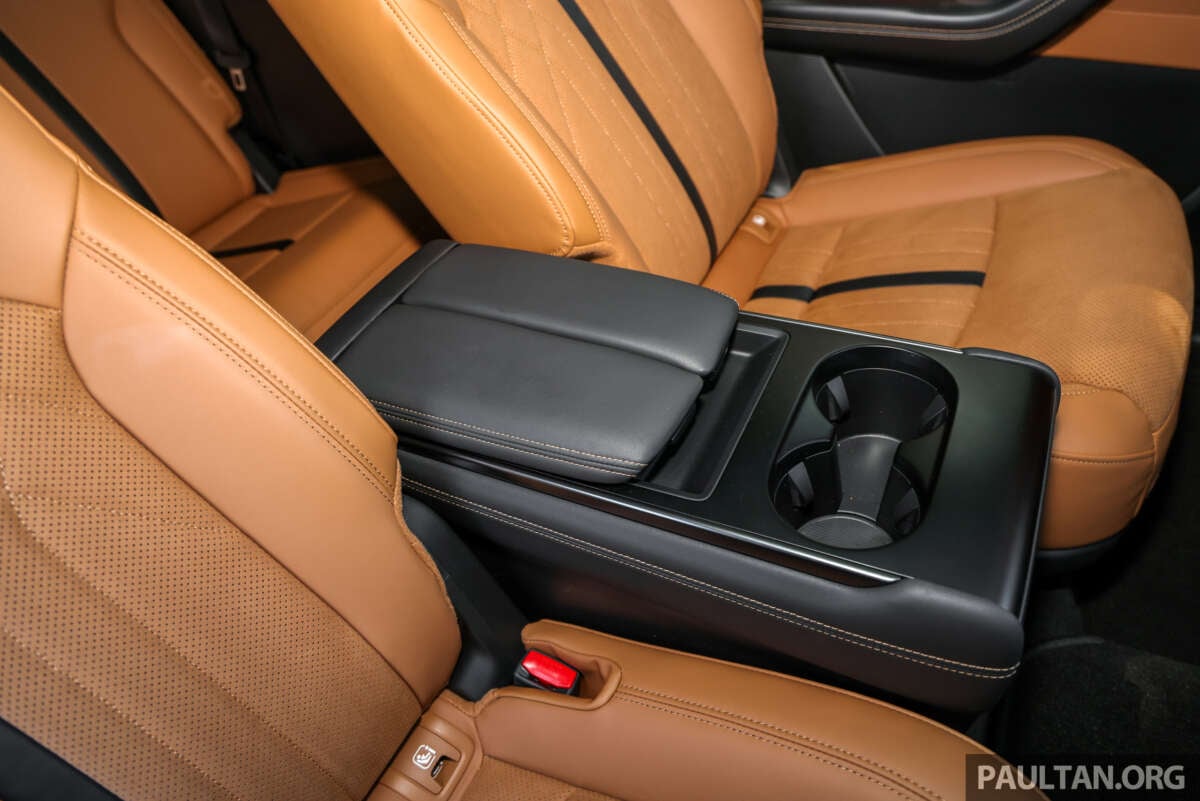
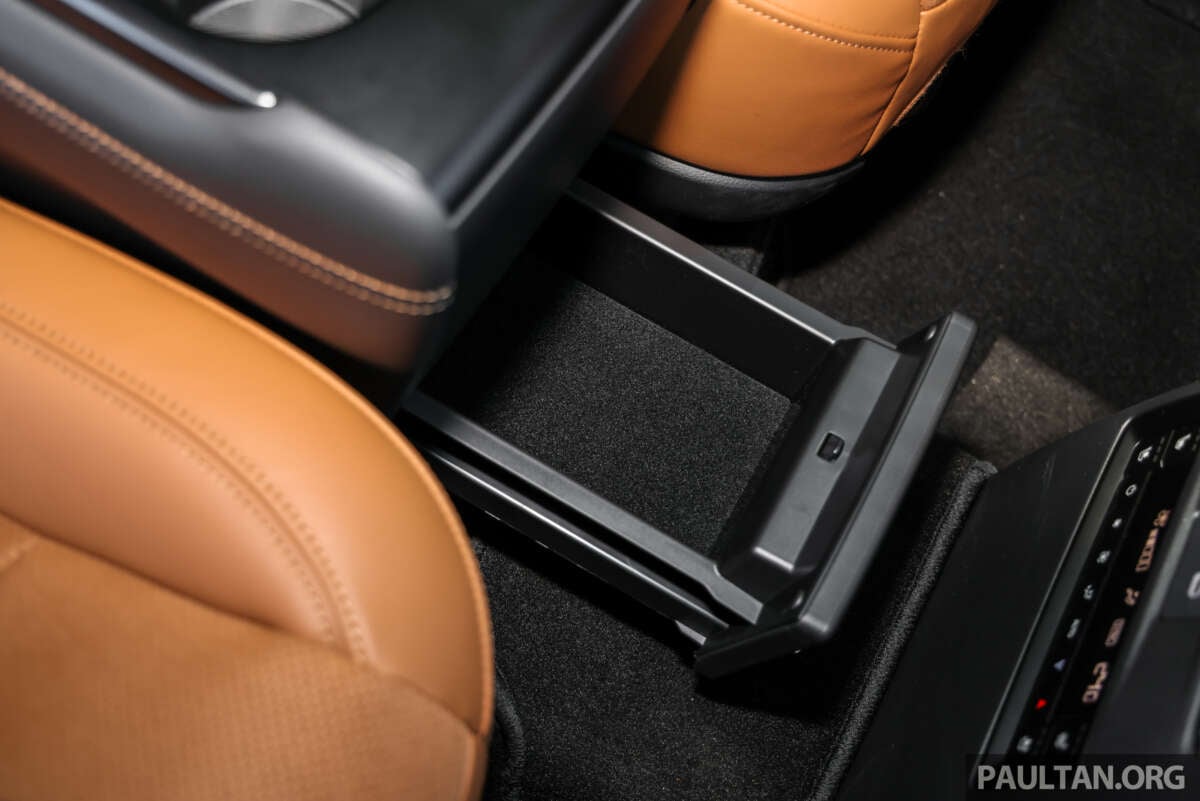
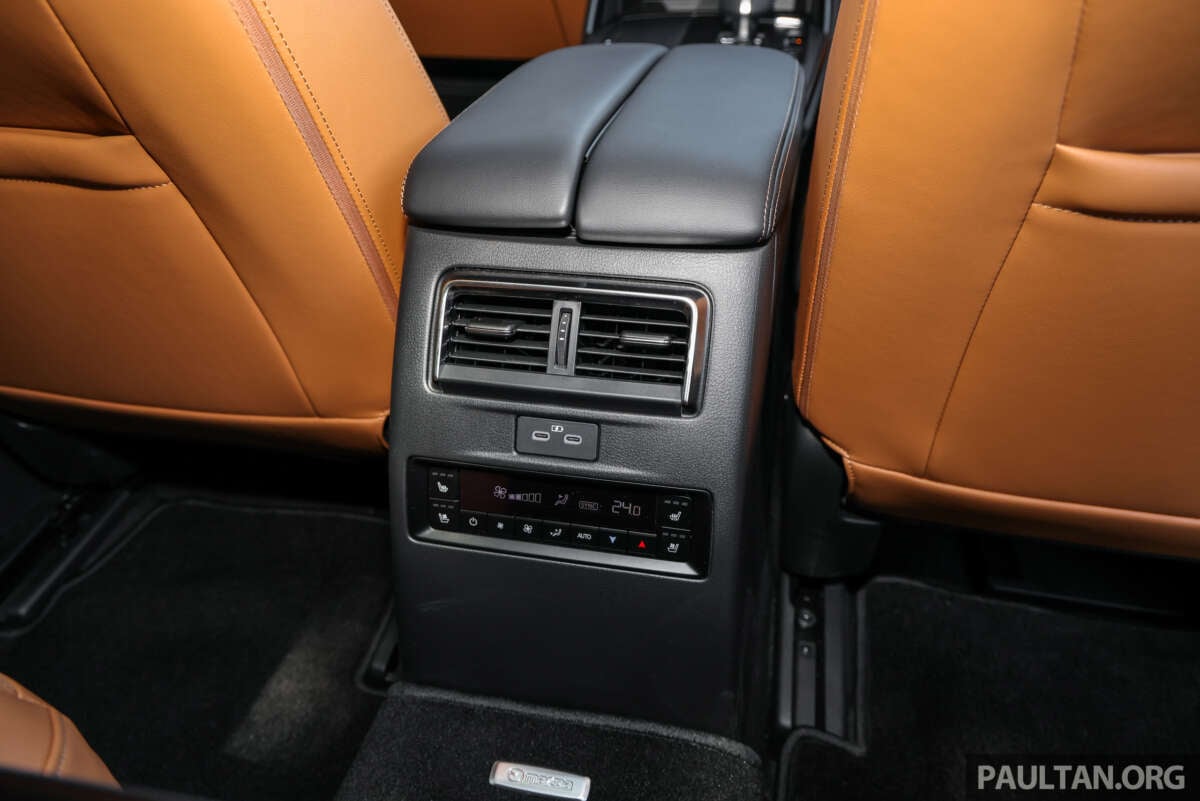
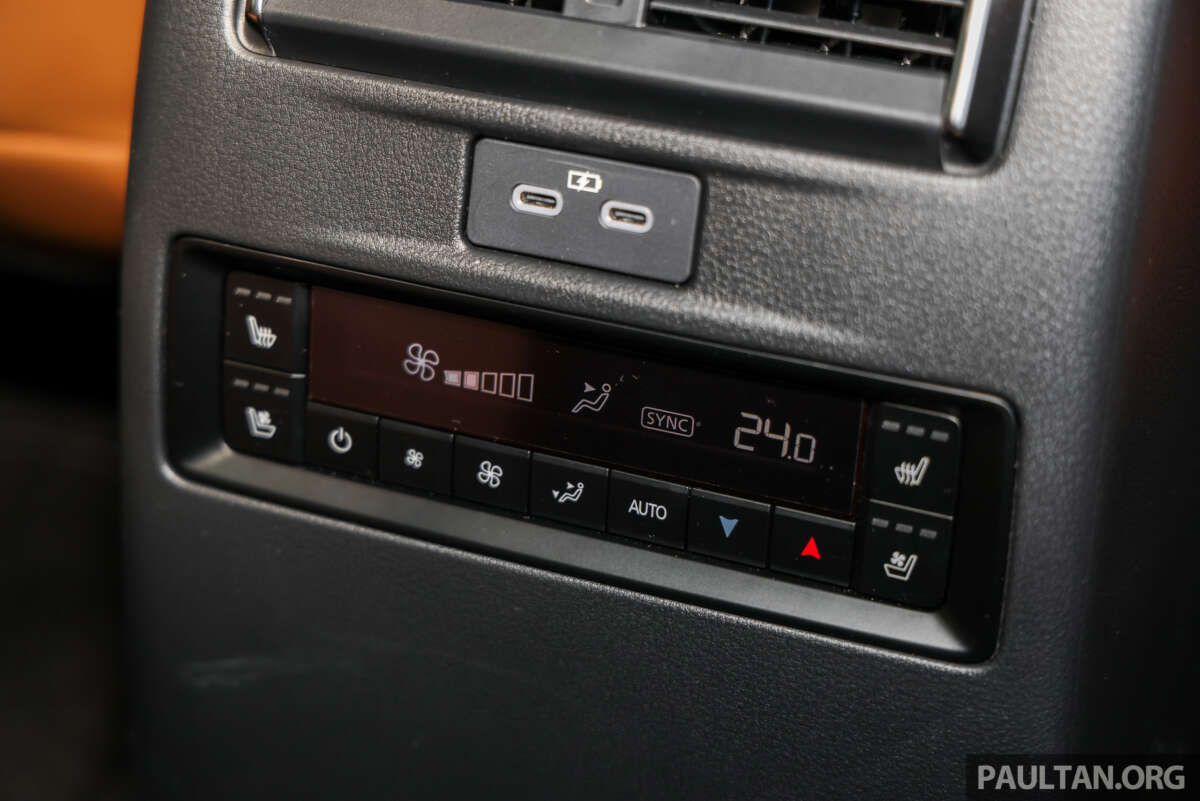
Both cabins are lovely by mainstream standards, but the CX-80’s is a clear step up in materials and tech. It gets Nappa leather, twin 12.3-inch screens (infotainment and digital cluster) plus a head-up display, a 12-speaker Bose sound system, six USB-C ports and wireless charging.
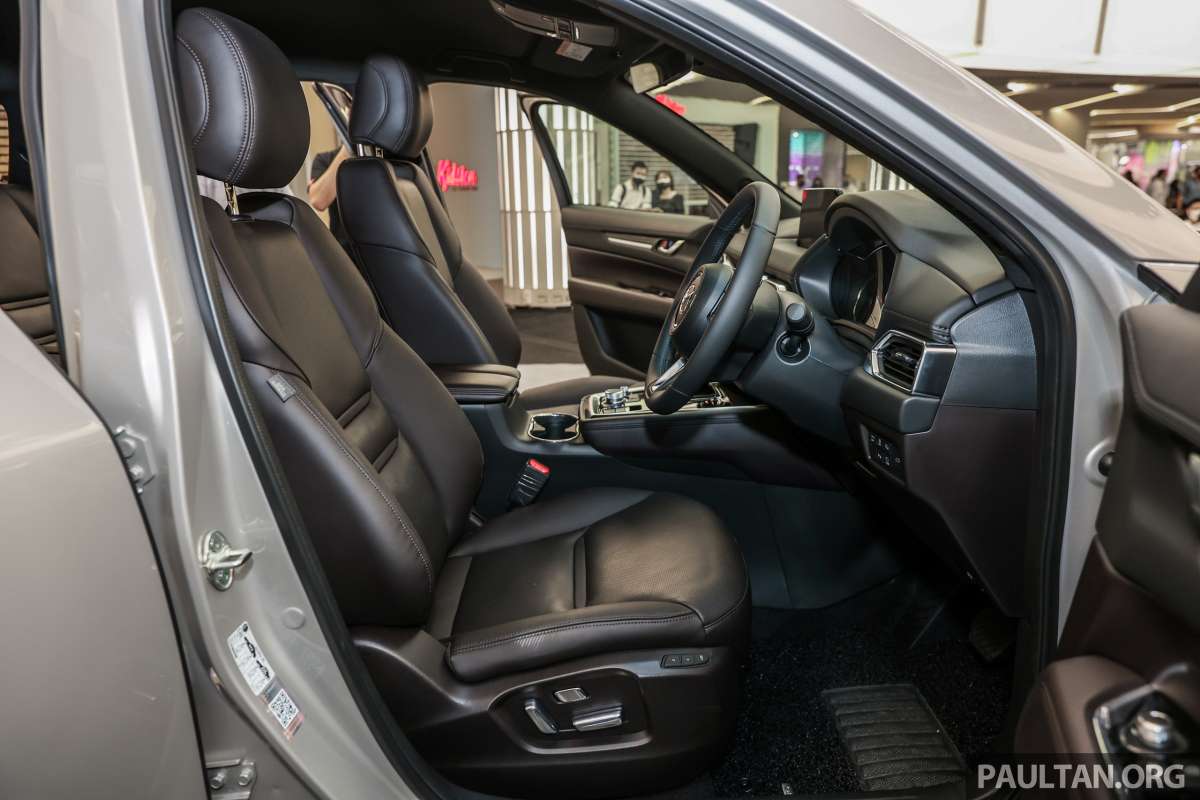
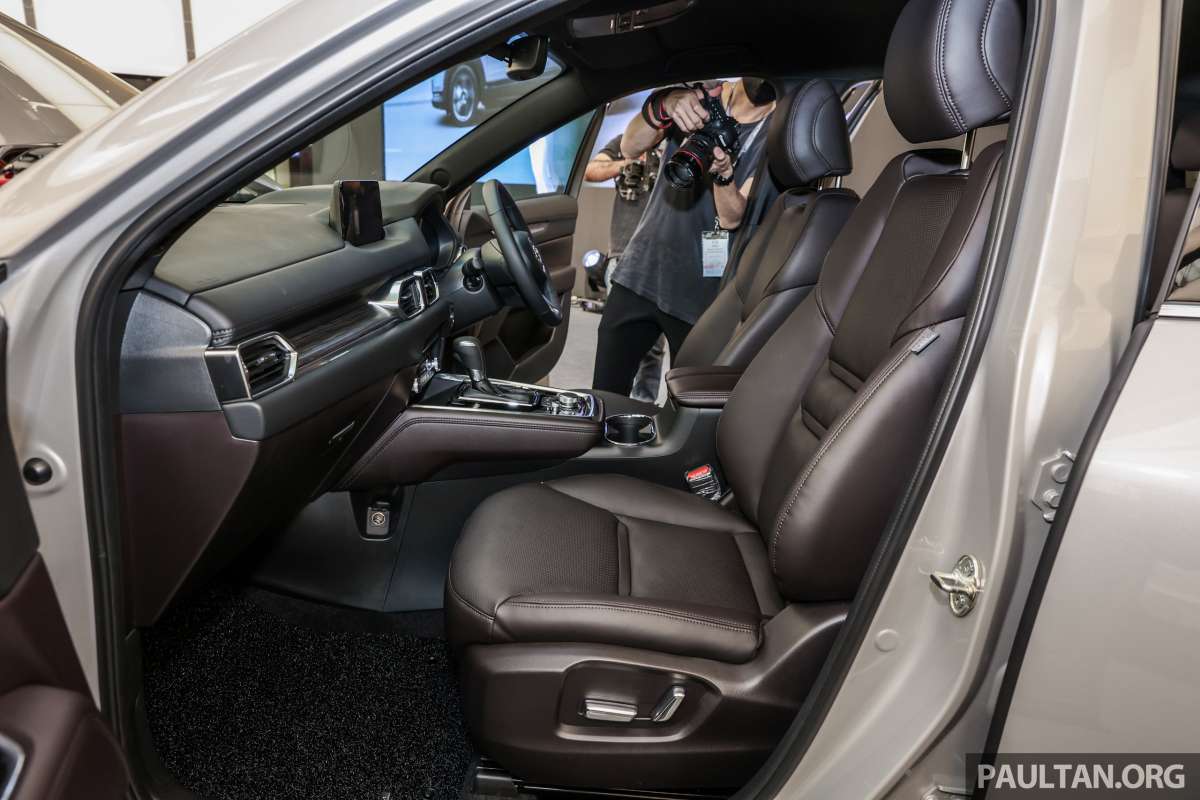
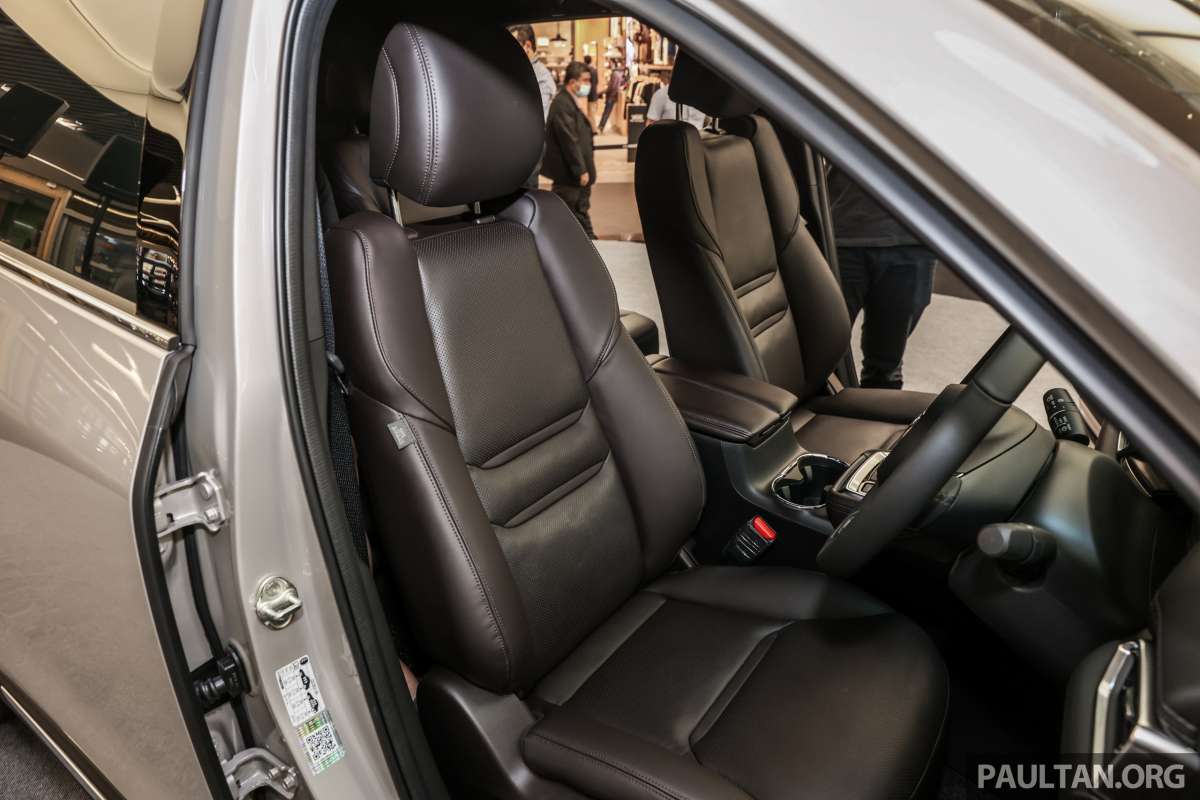
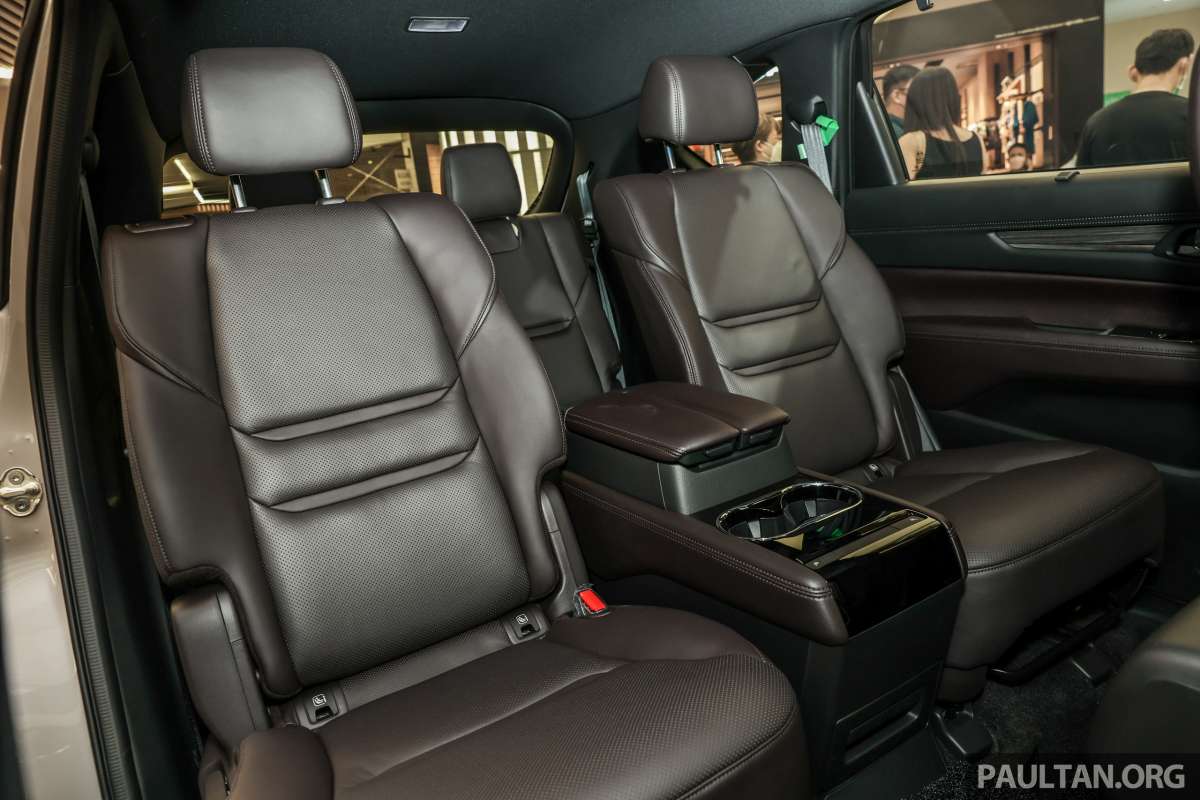
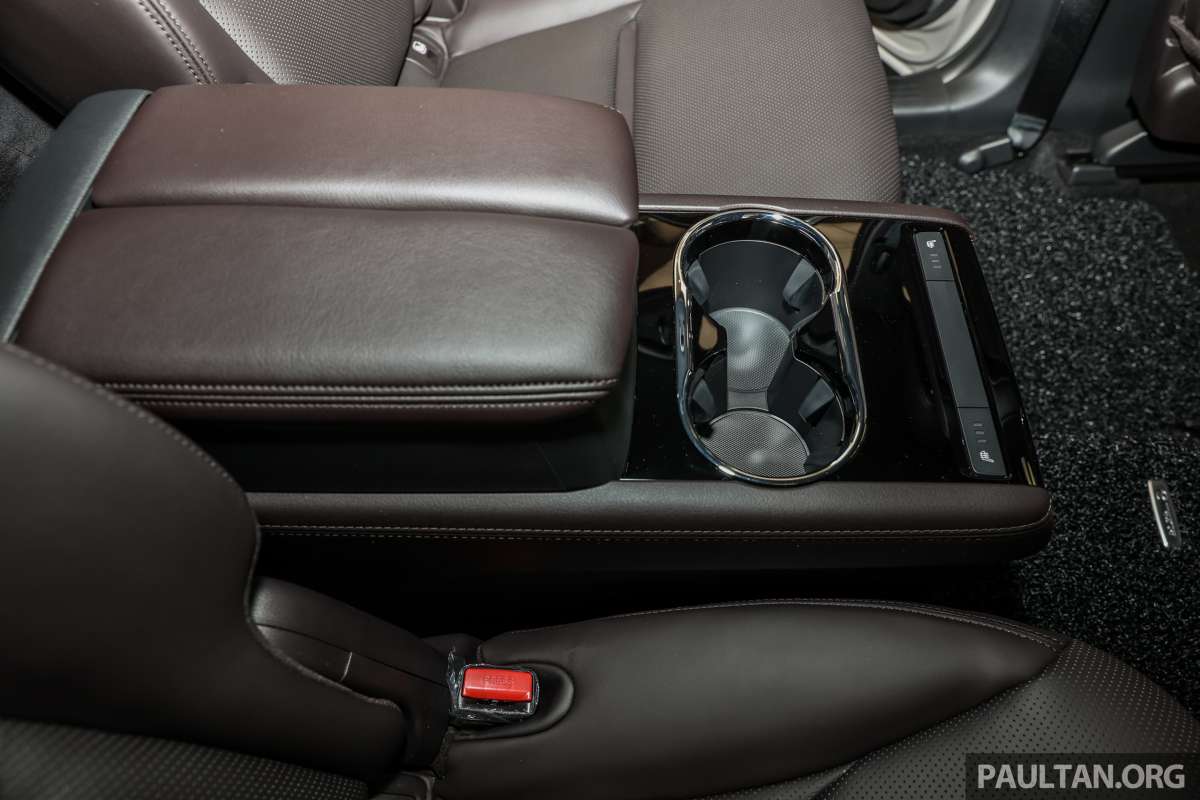
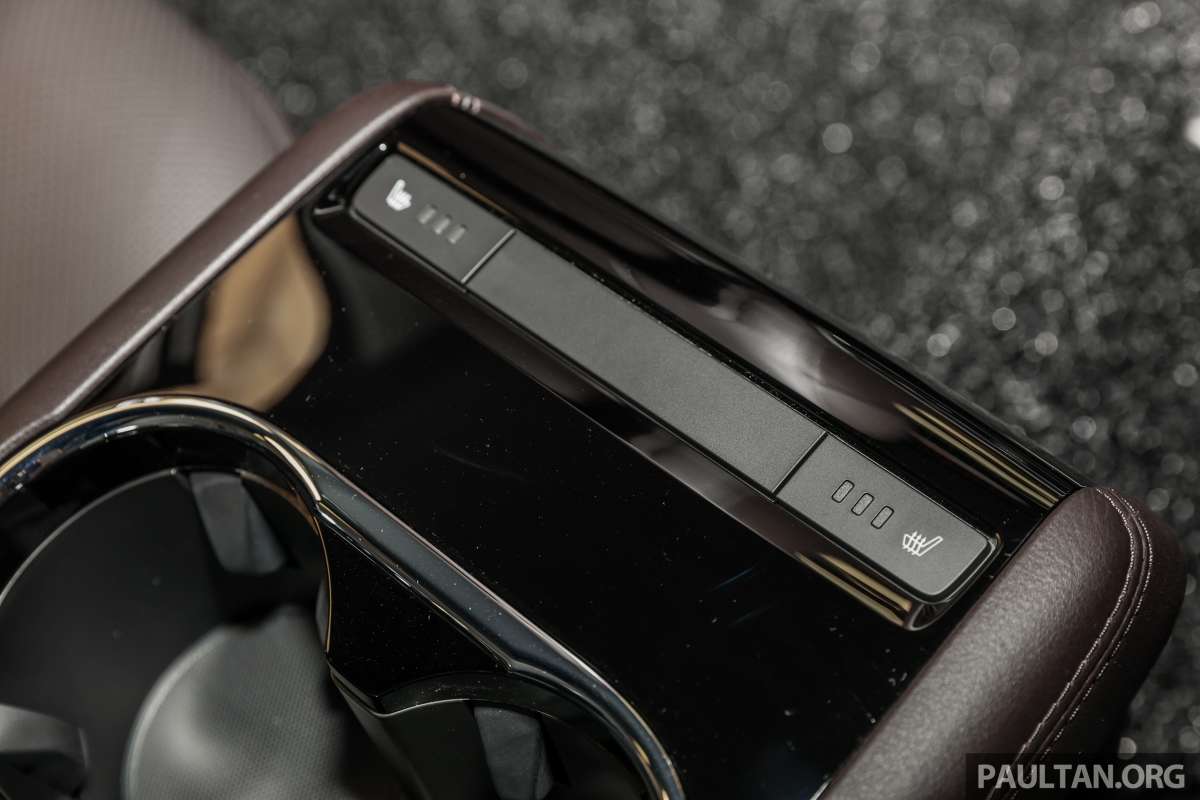
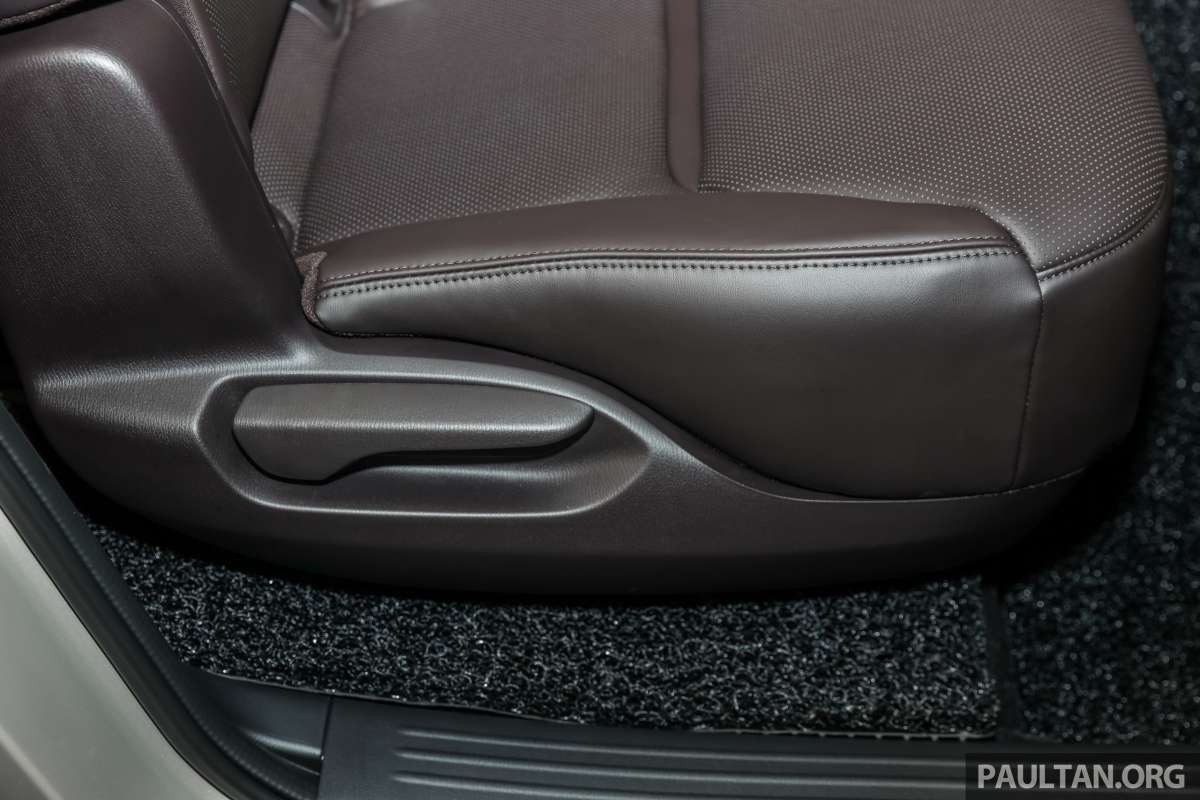
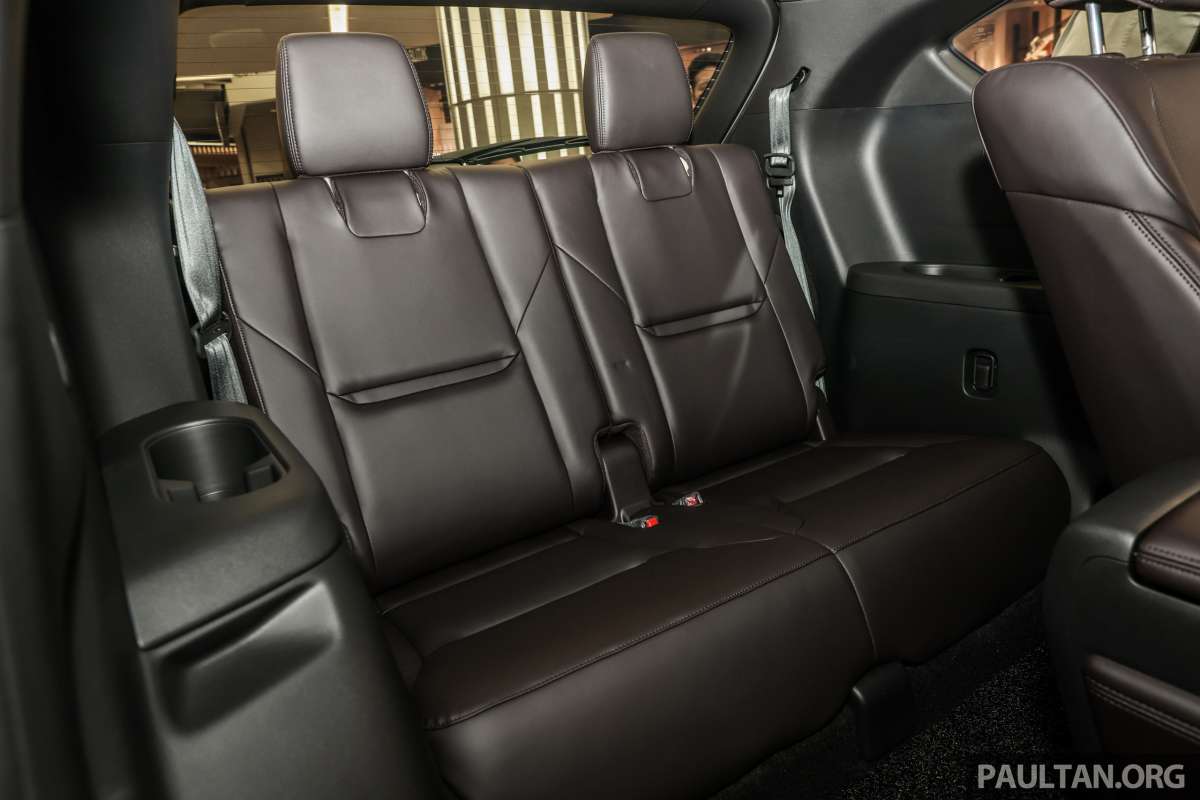
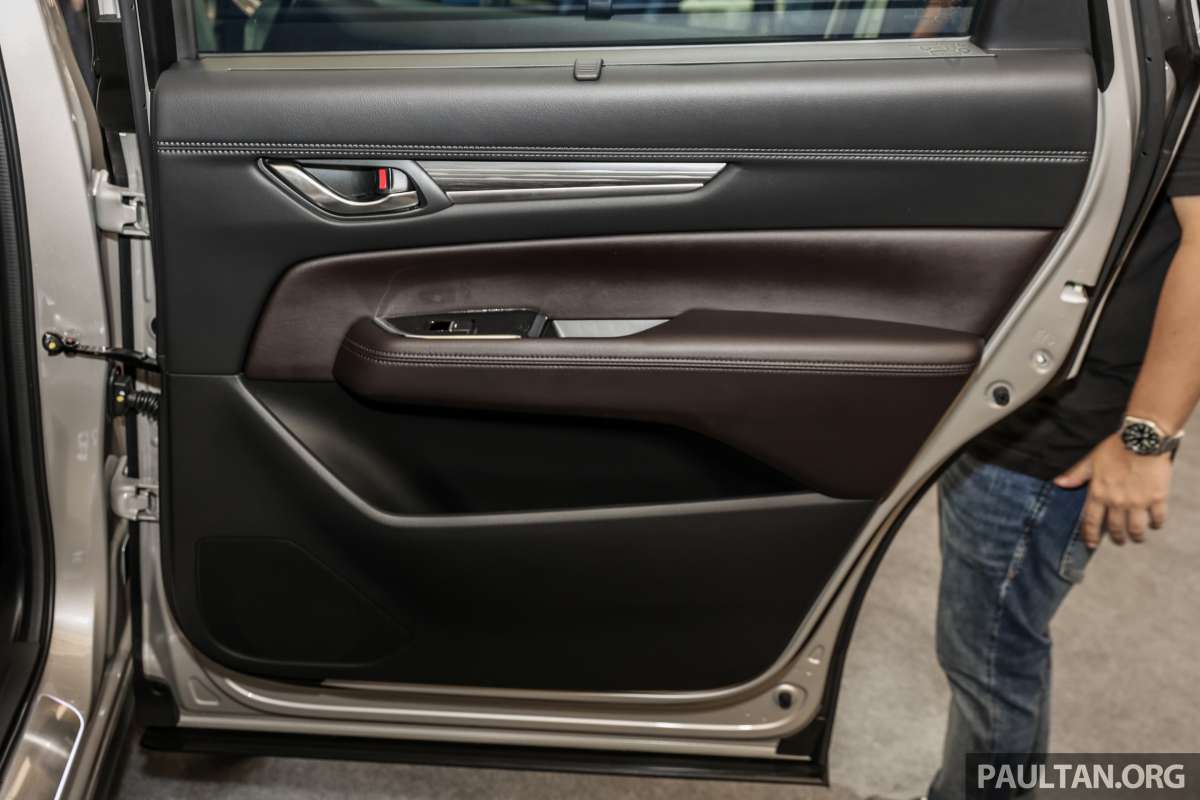
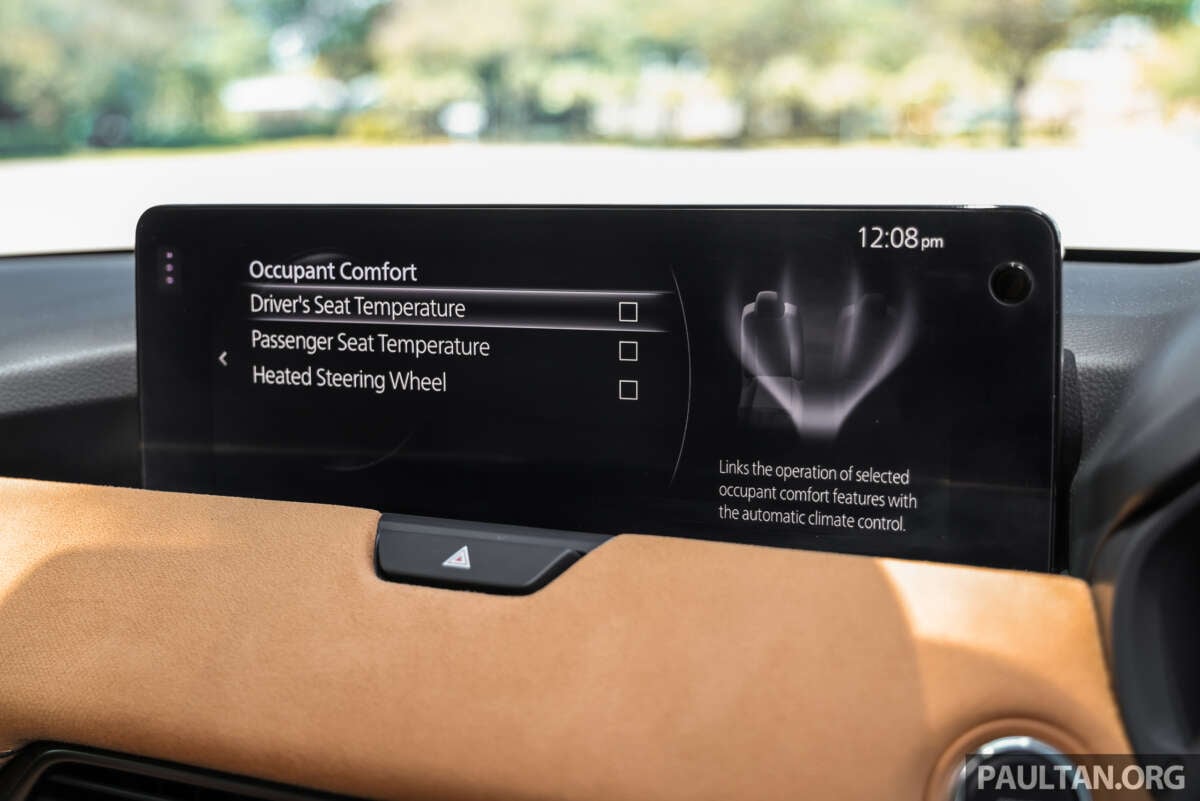
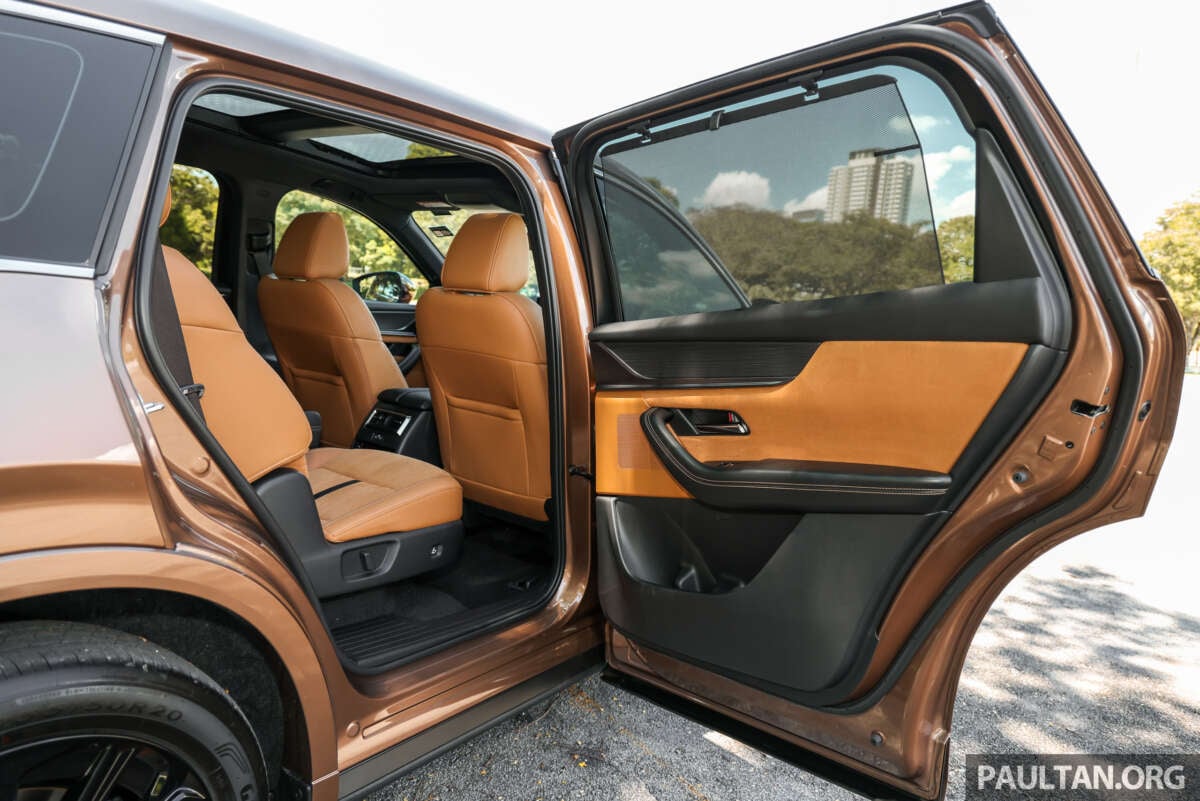
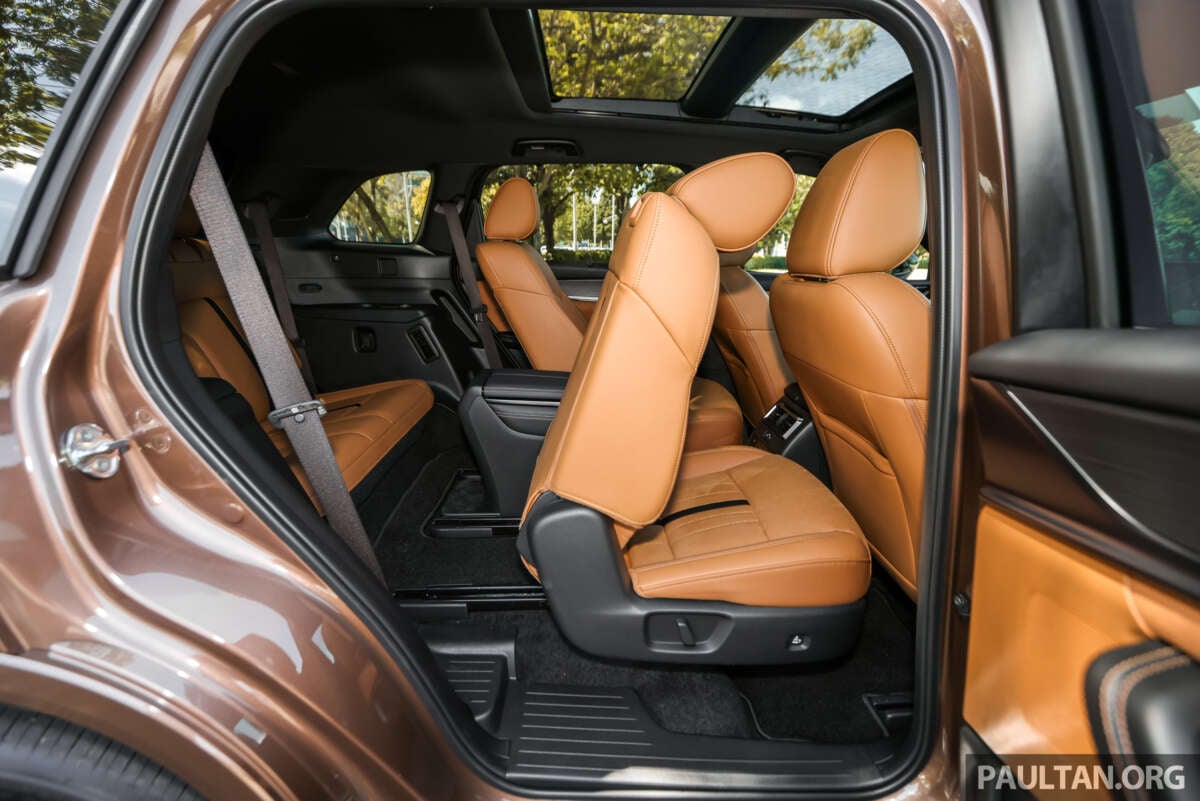
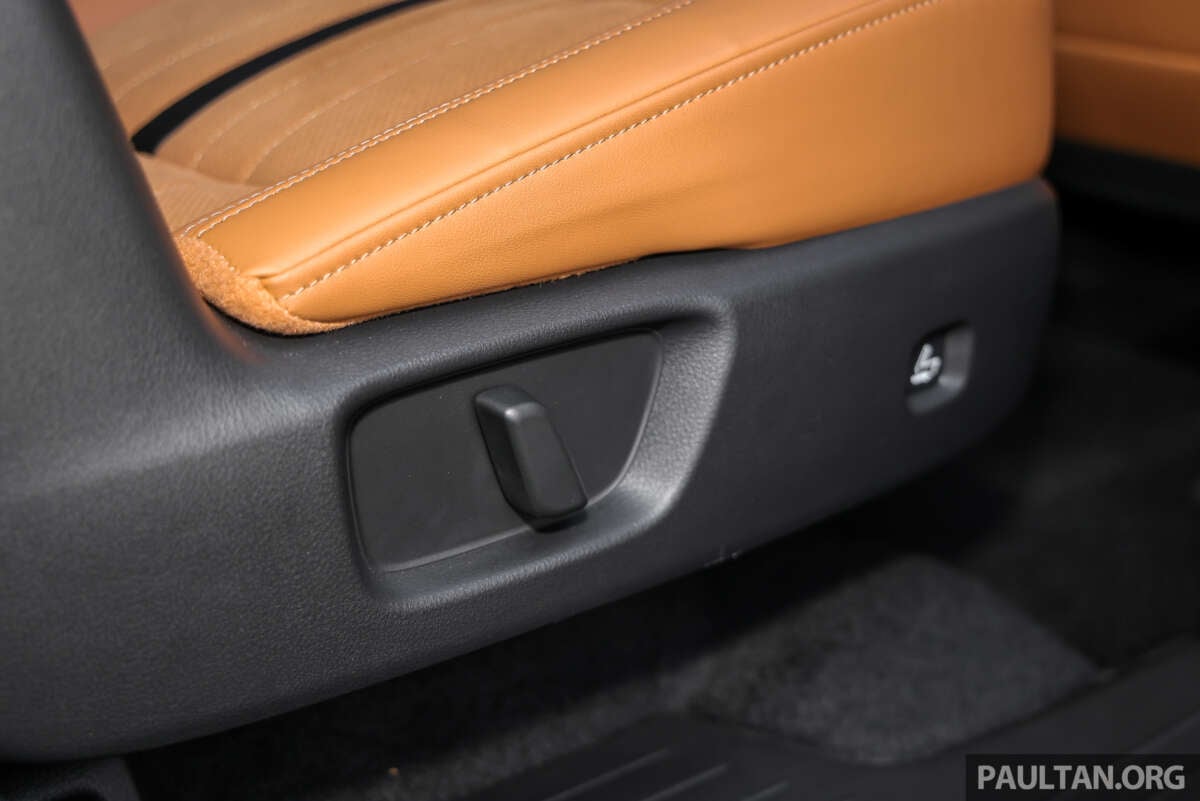
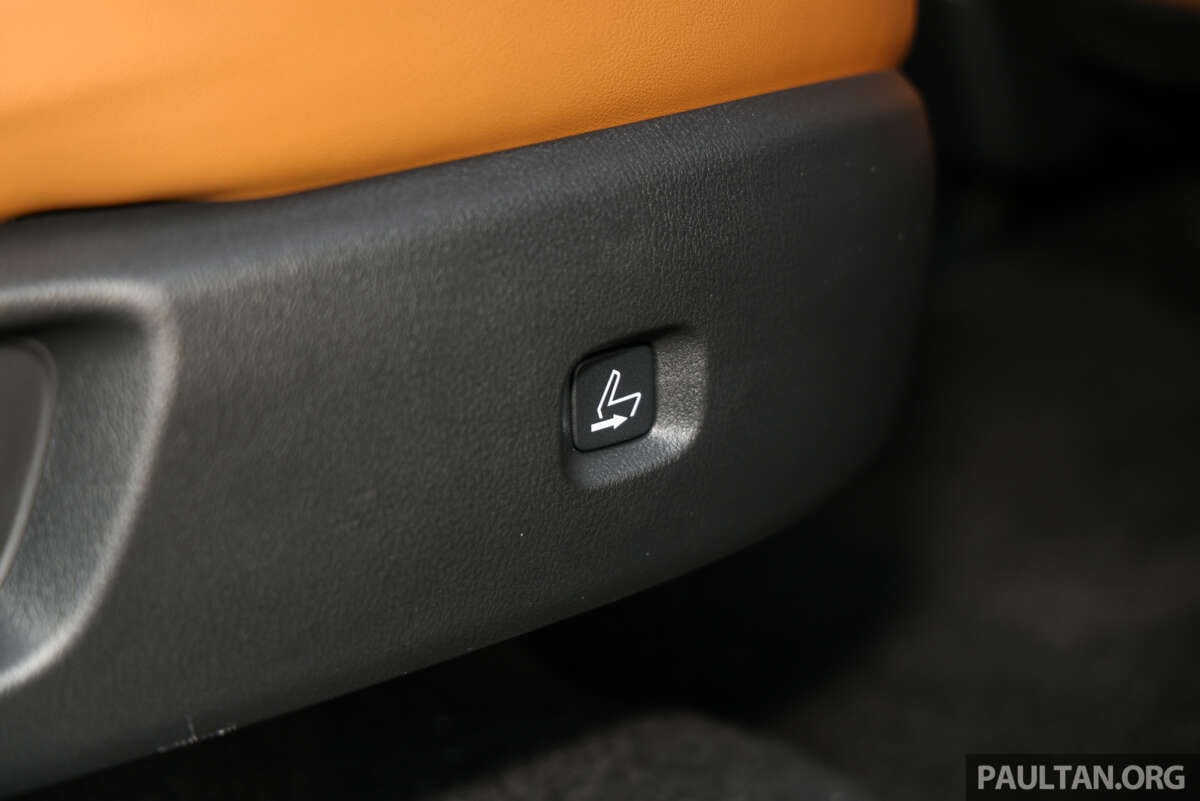
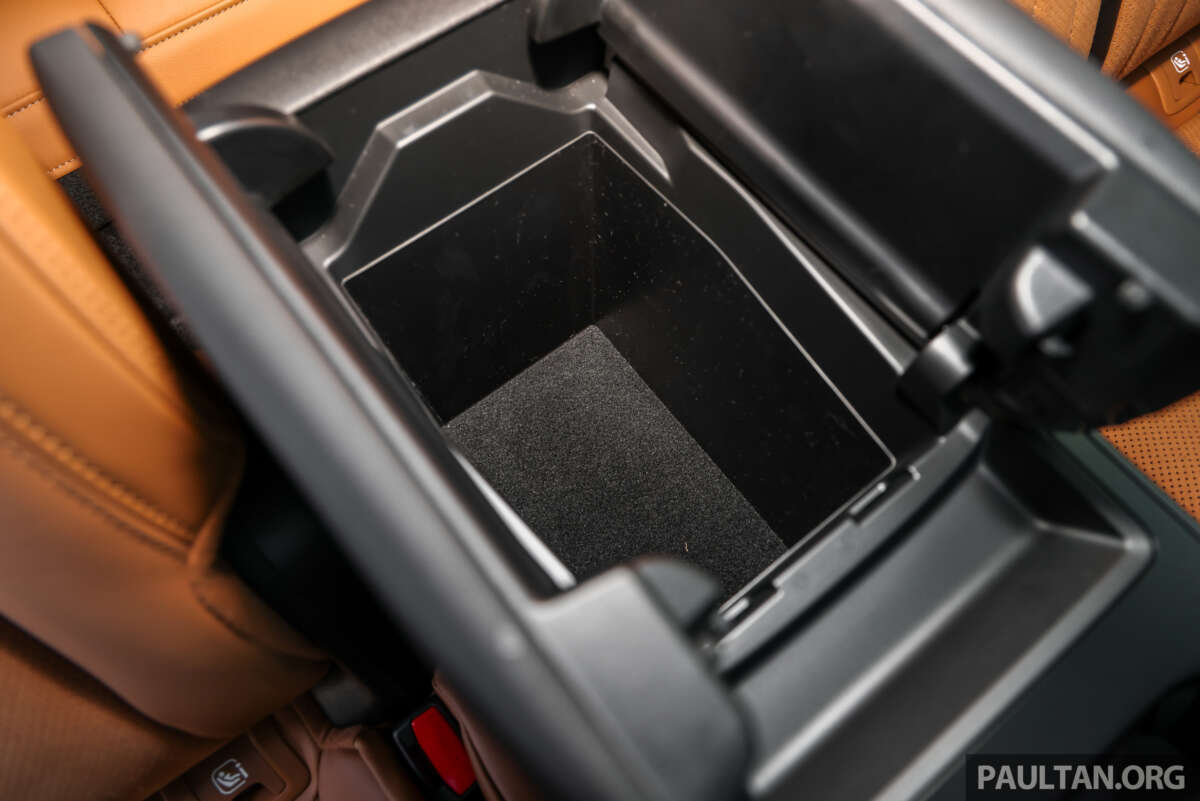
On seating, the CX-8 gives you a choice – the entry 2.5 Mid is a genuine seven-seater (three across the middle), while higher grades are six-seat captain-chair layouts. The CX-80 is six-seat only, but its second-row captain’s chairs are the plusher item, with heating, ventilation and power recline. If you specifically need seven seats, note that only the cheapest CX-8 offers them.
4. Newer safety and driver tech
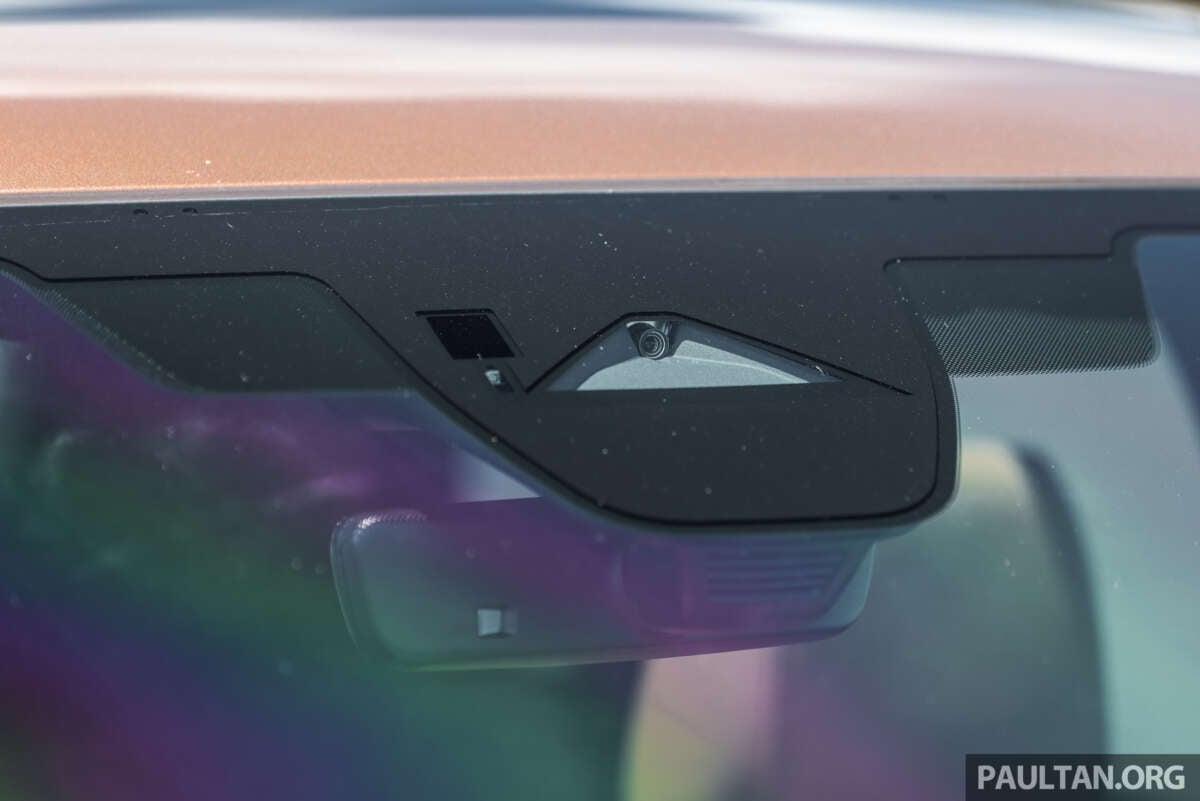
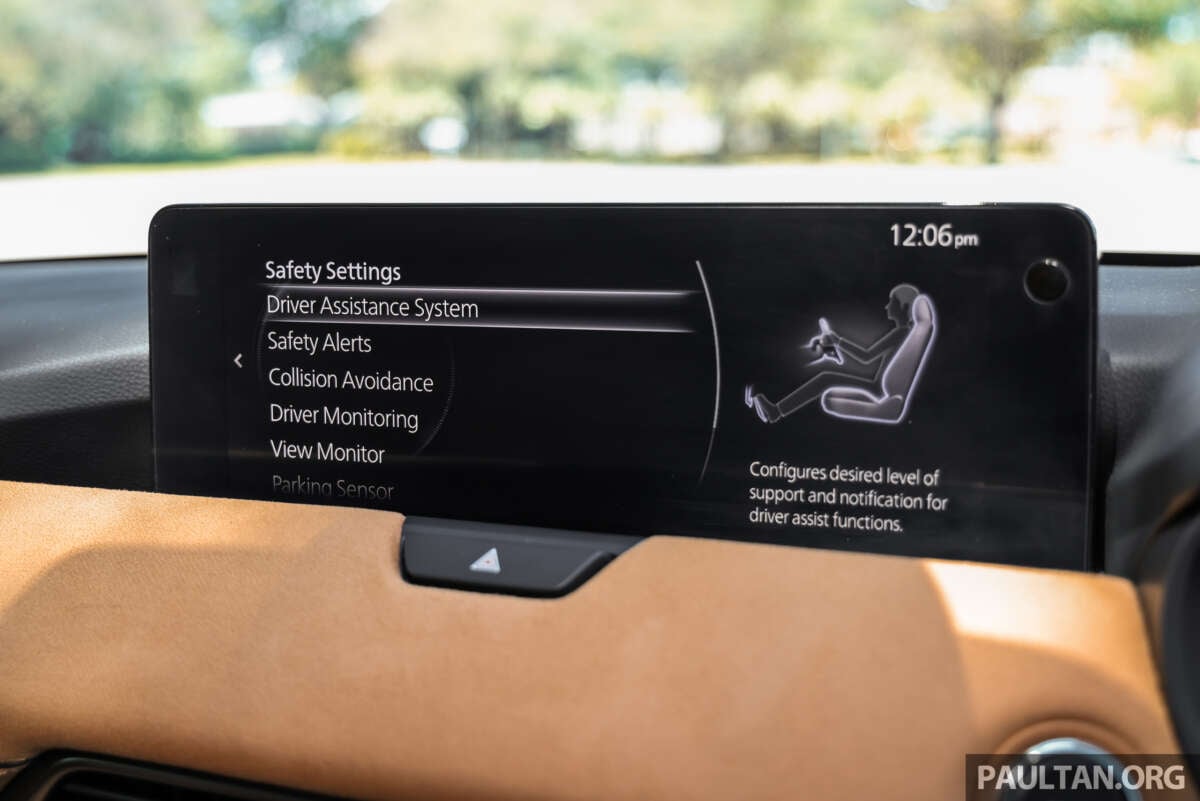
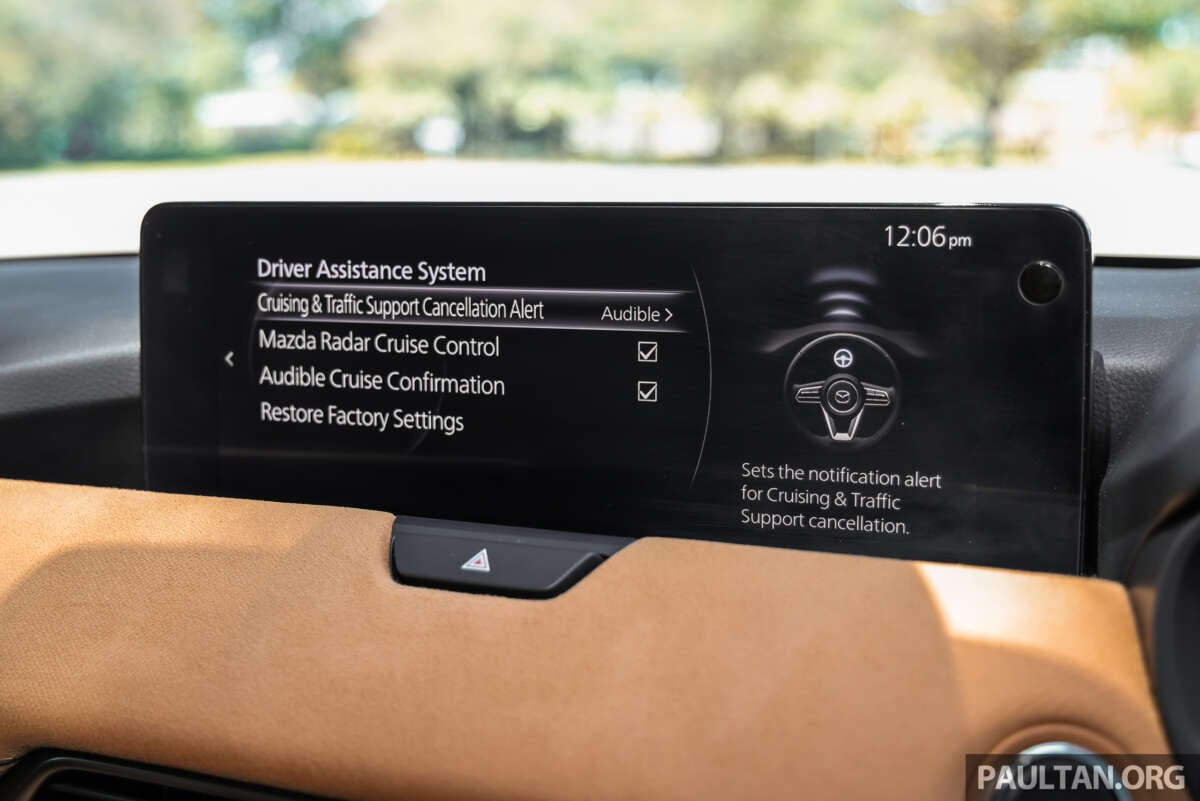
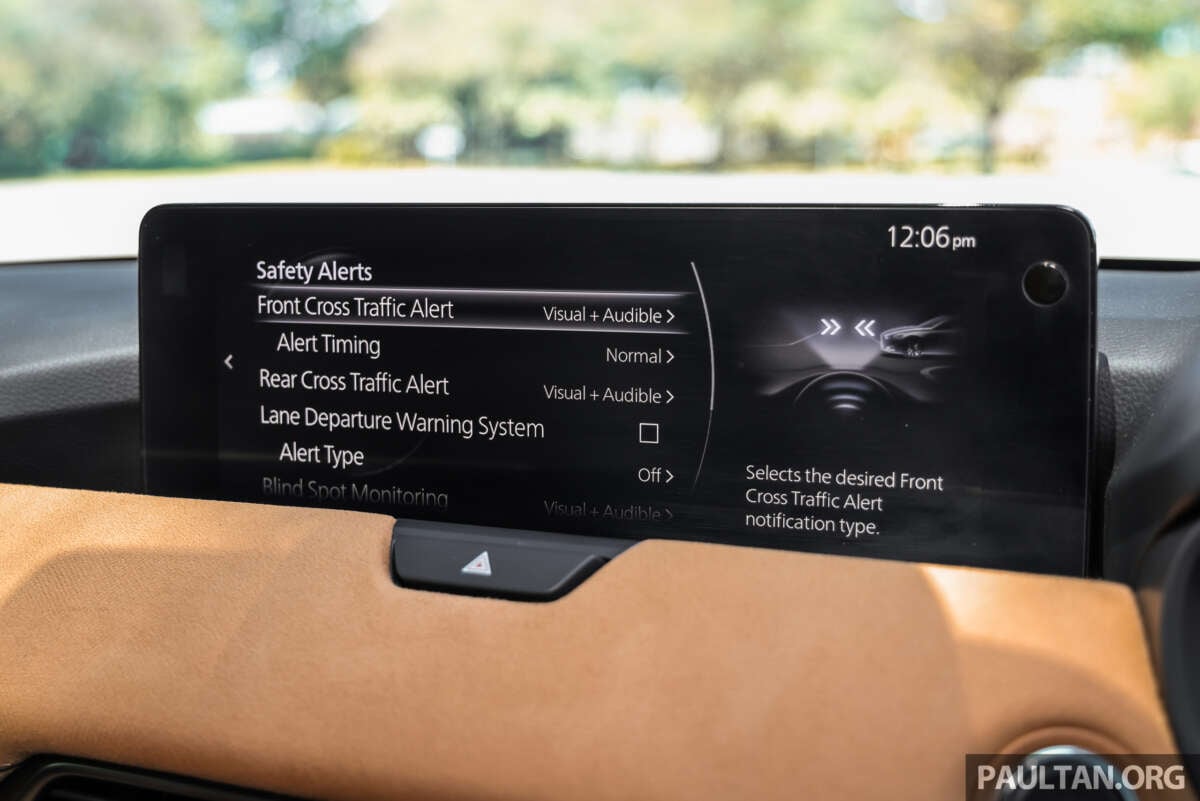
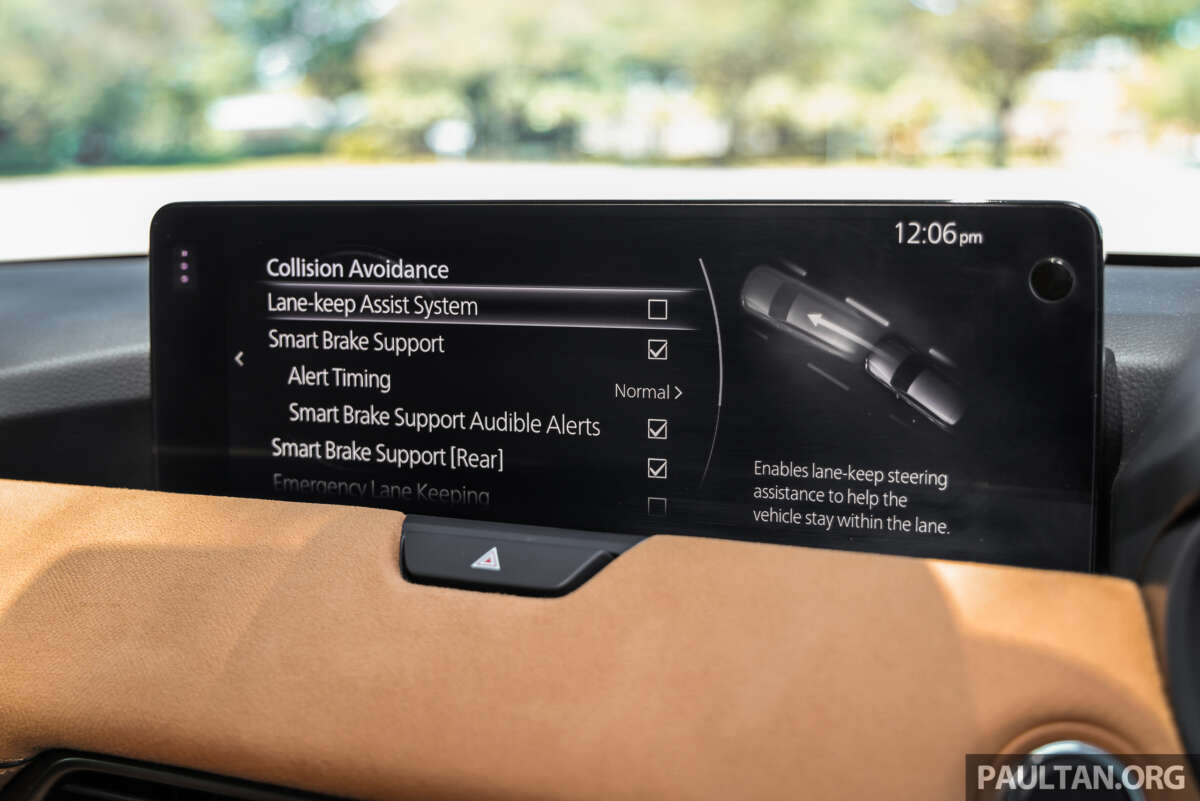
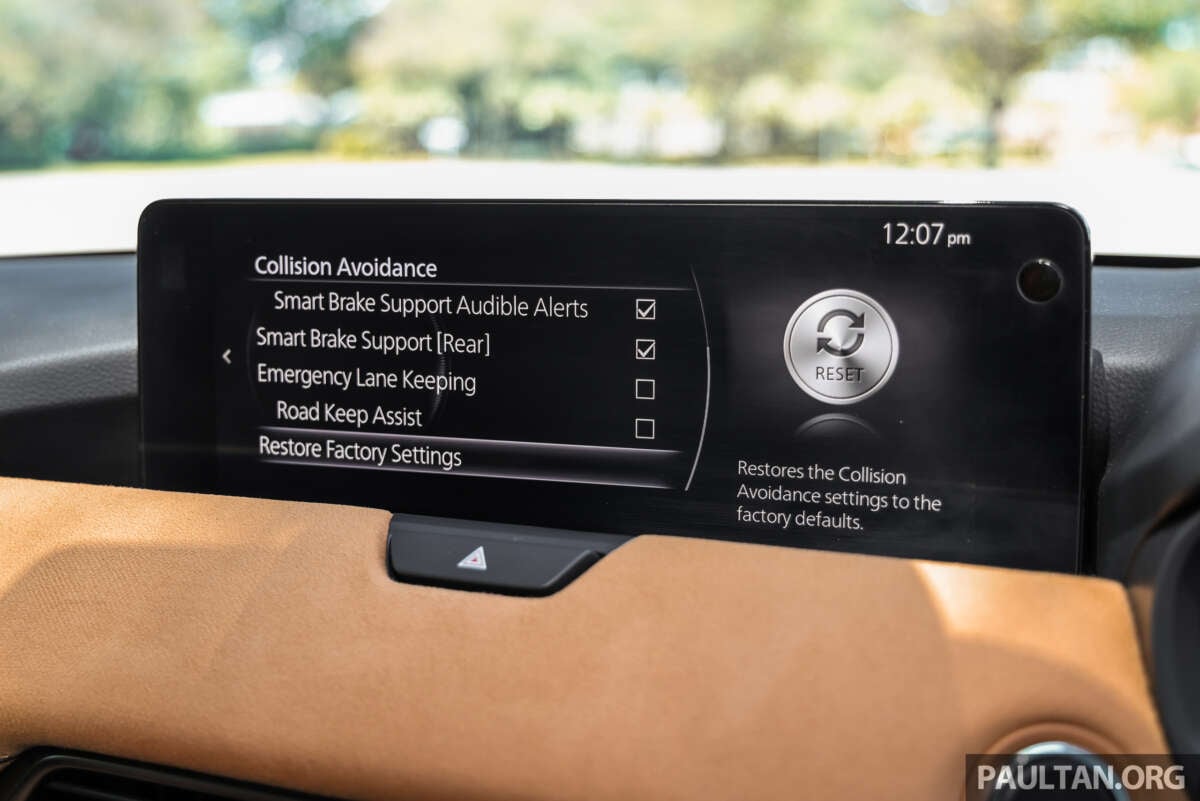
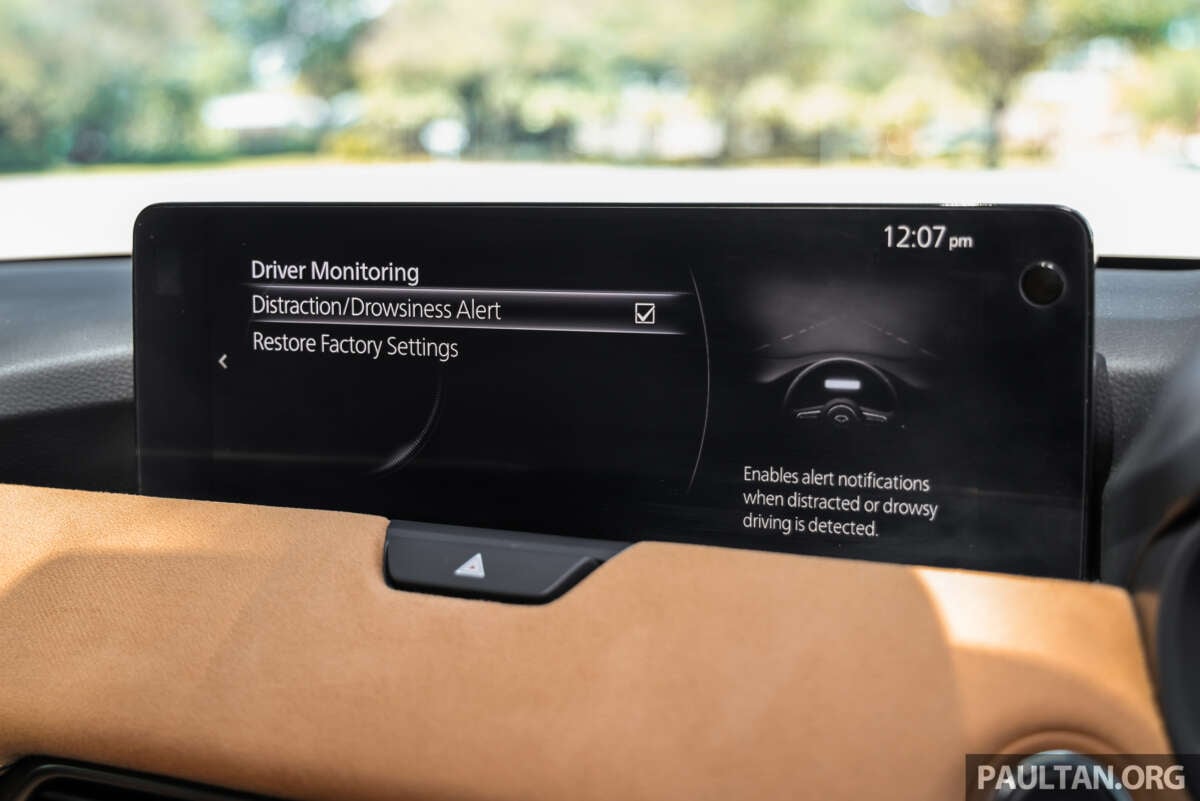
The CX-80 carries Mazda’s latest i-Activsense suite – adaptive cruise with stop-and-go and traffic support, lane-keep, blind-spot monitoring, front and rear cross-traffic alert, driver monitoring and more, plus seven airbags. The CX-8 is well-equipped too, but as the older design its tech is a generation behind. If having the newest active-safety kit matters to you, that’s part of the premium.
5. Space and practicality
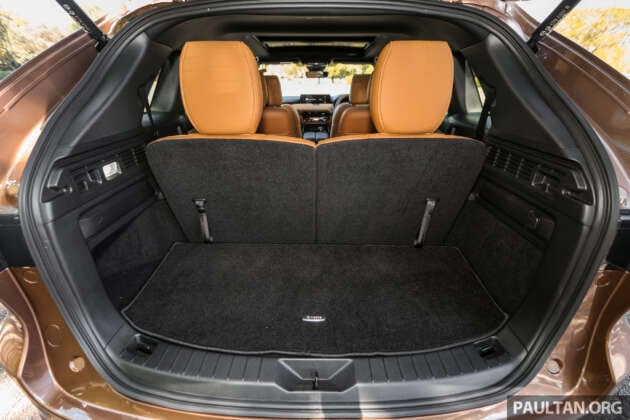
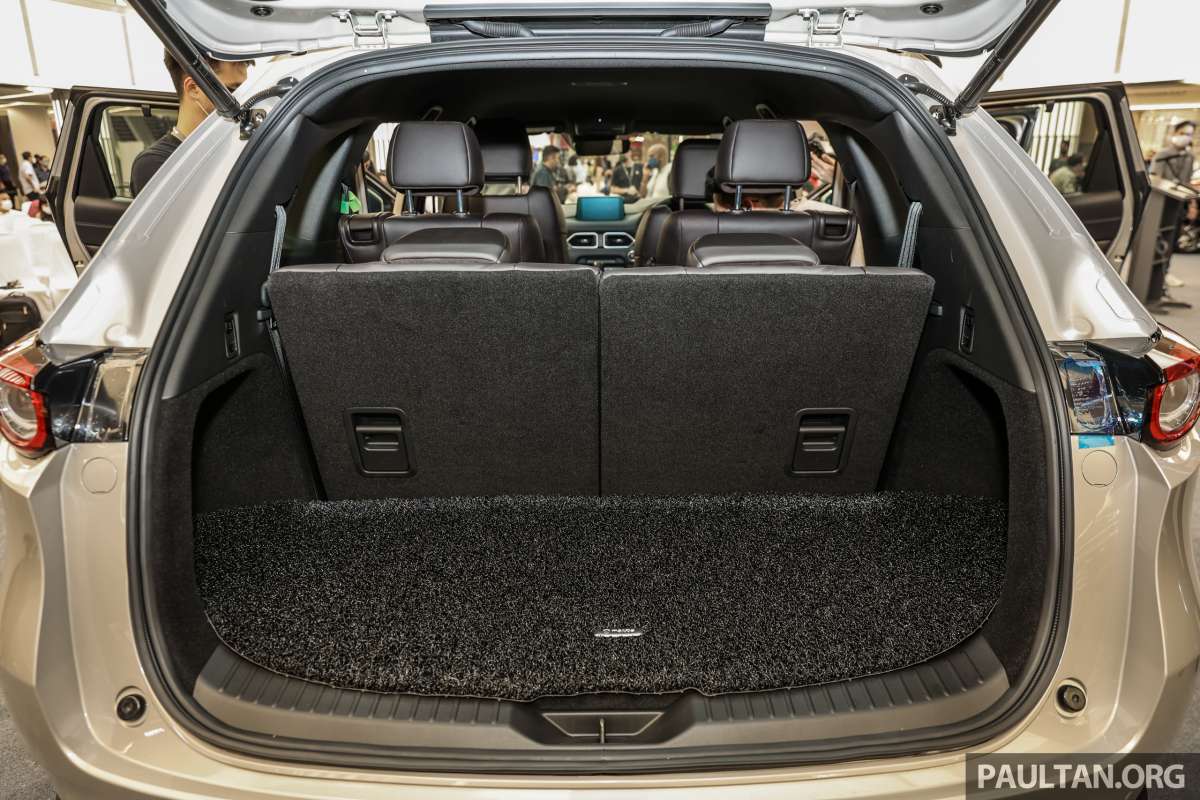
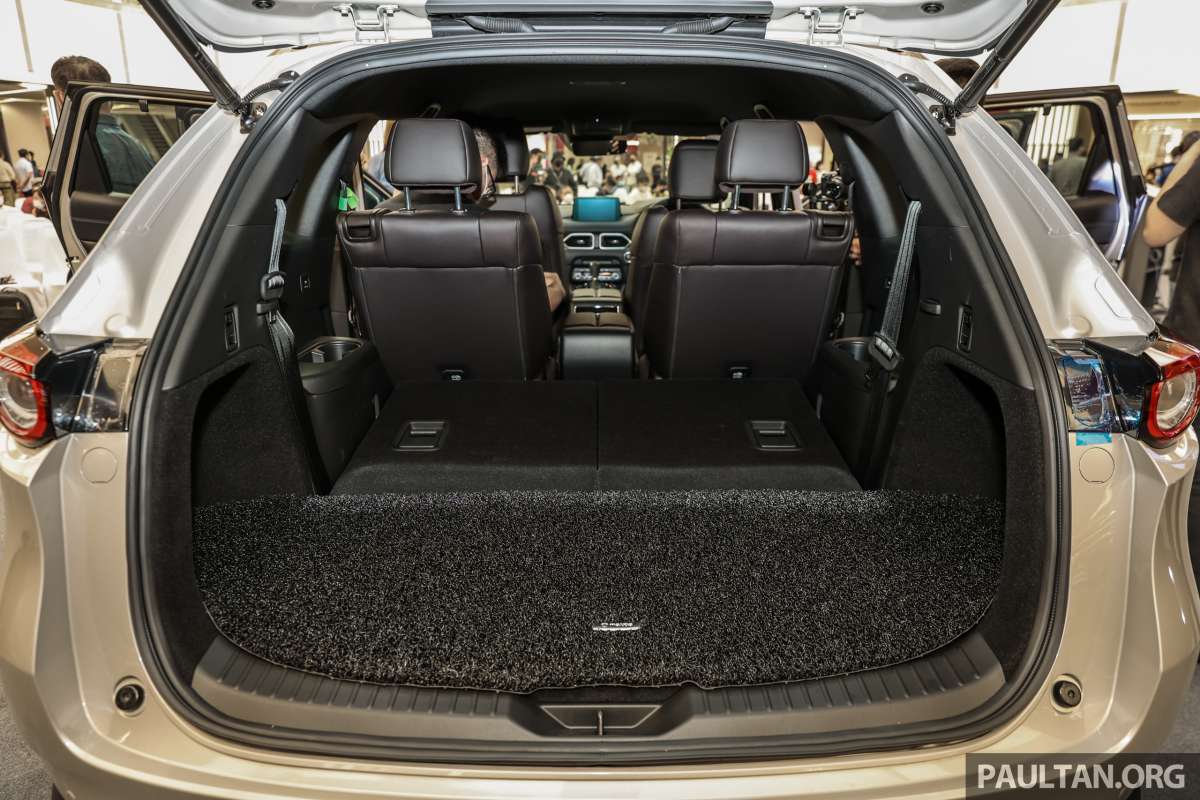
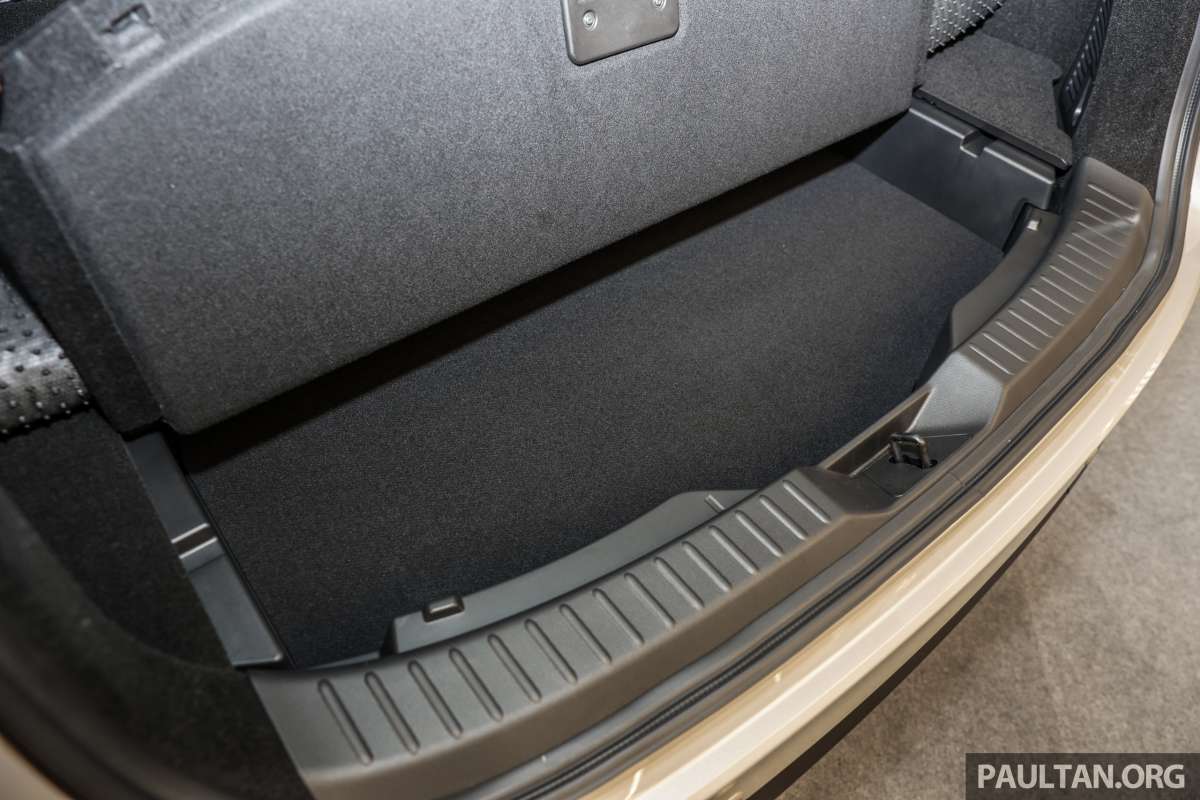
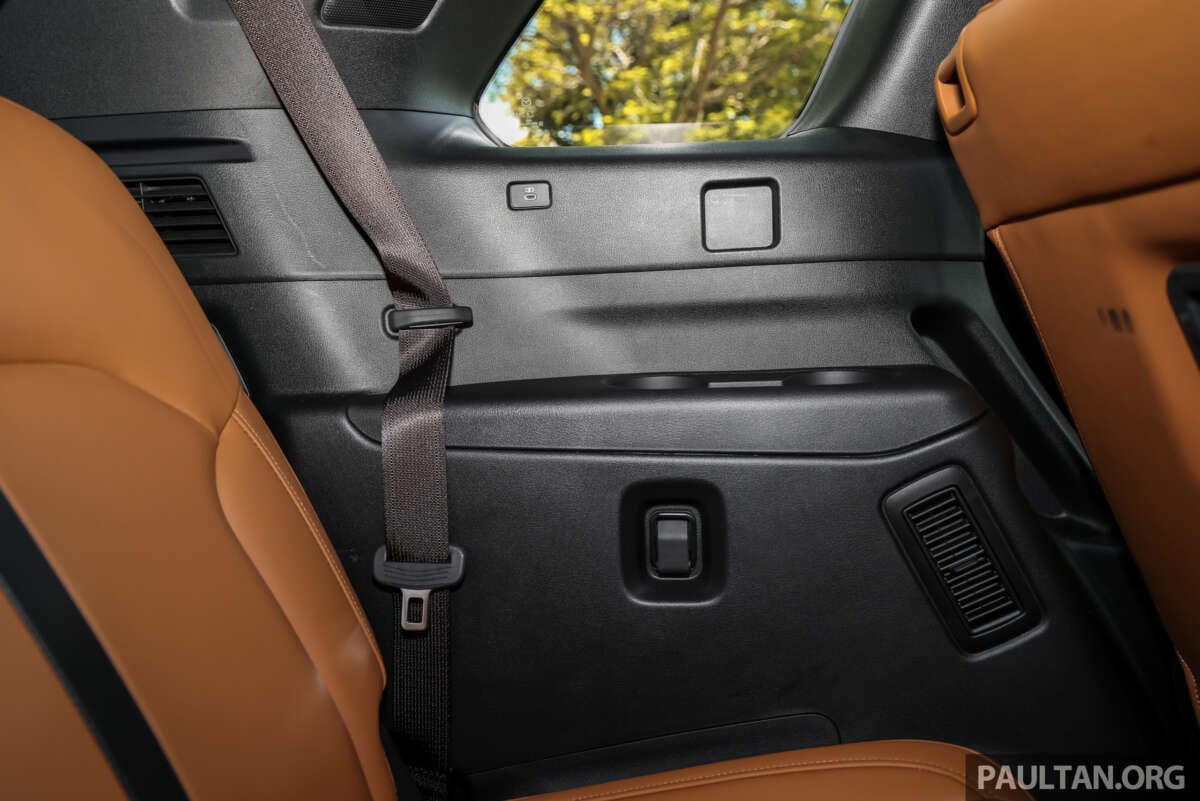
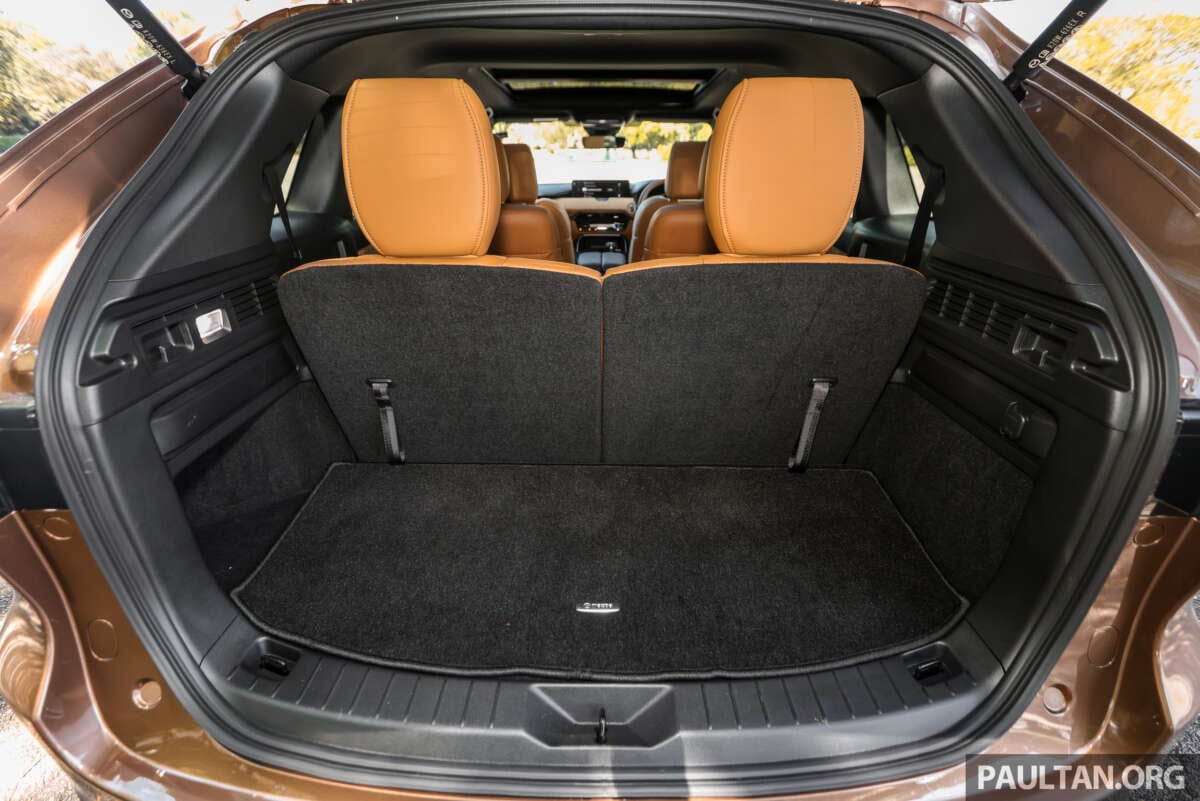
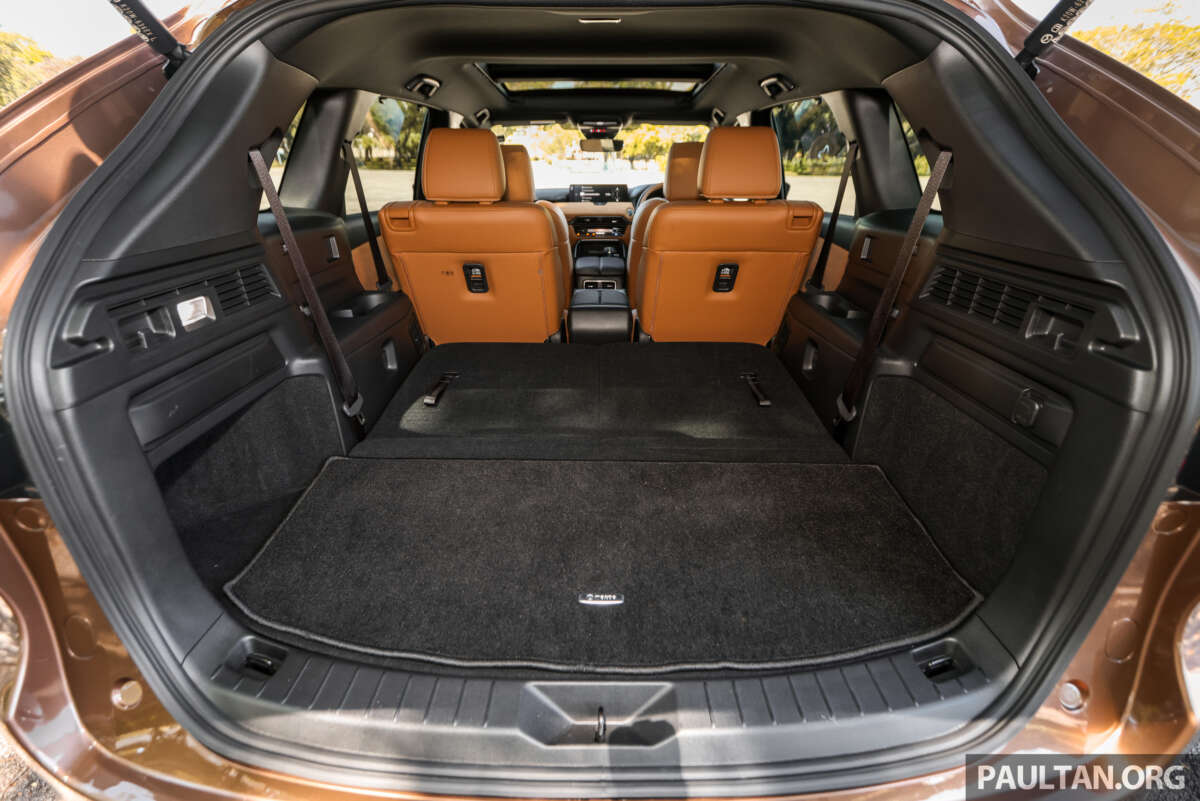
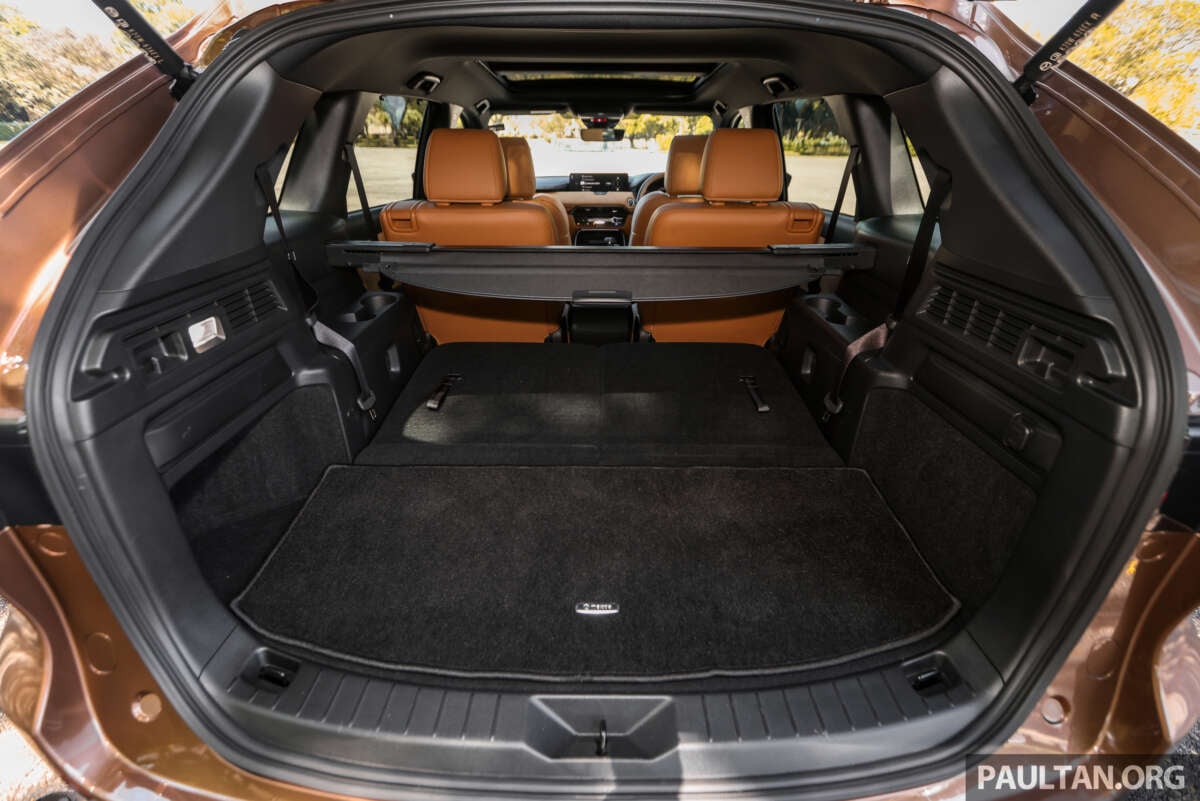
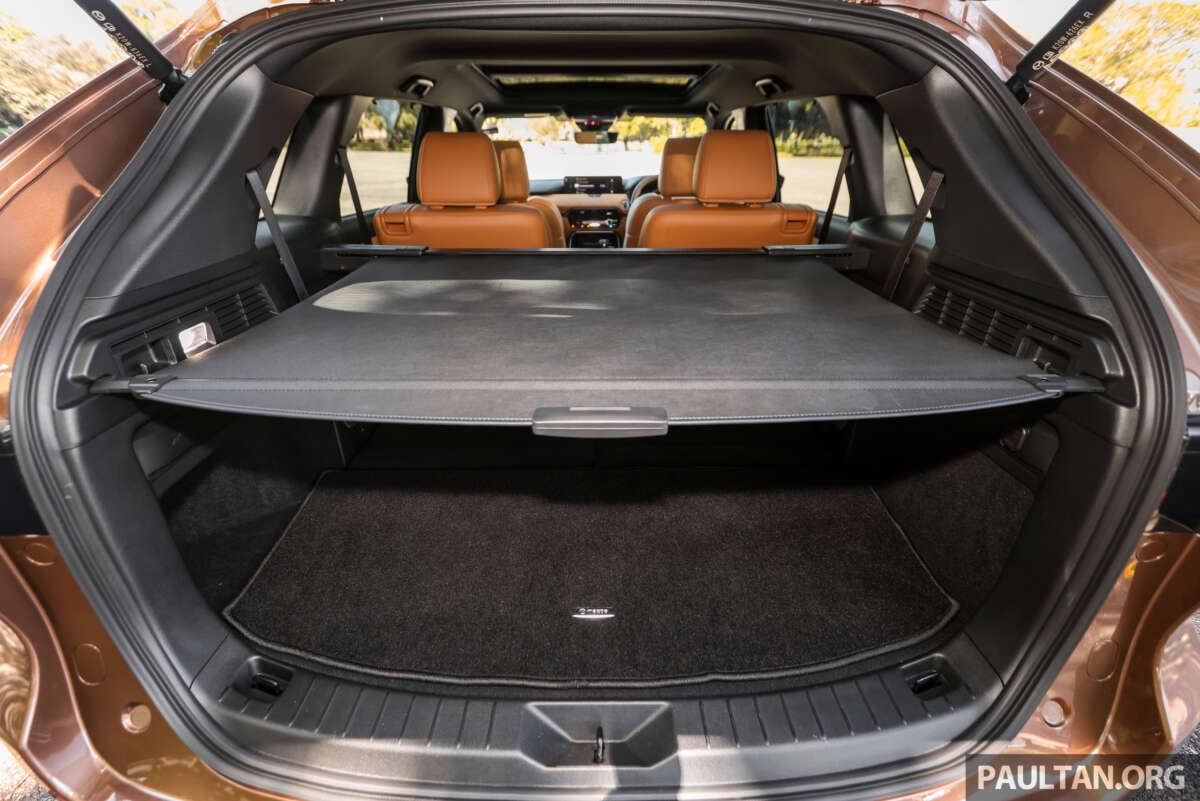
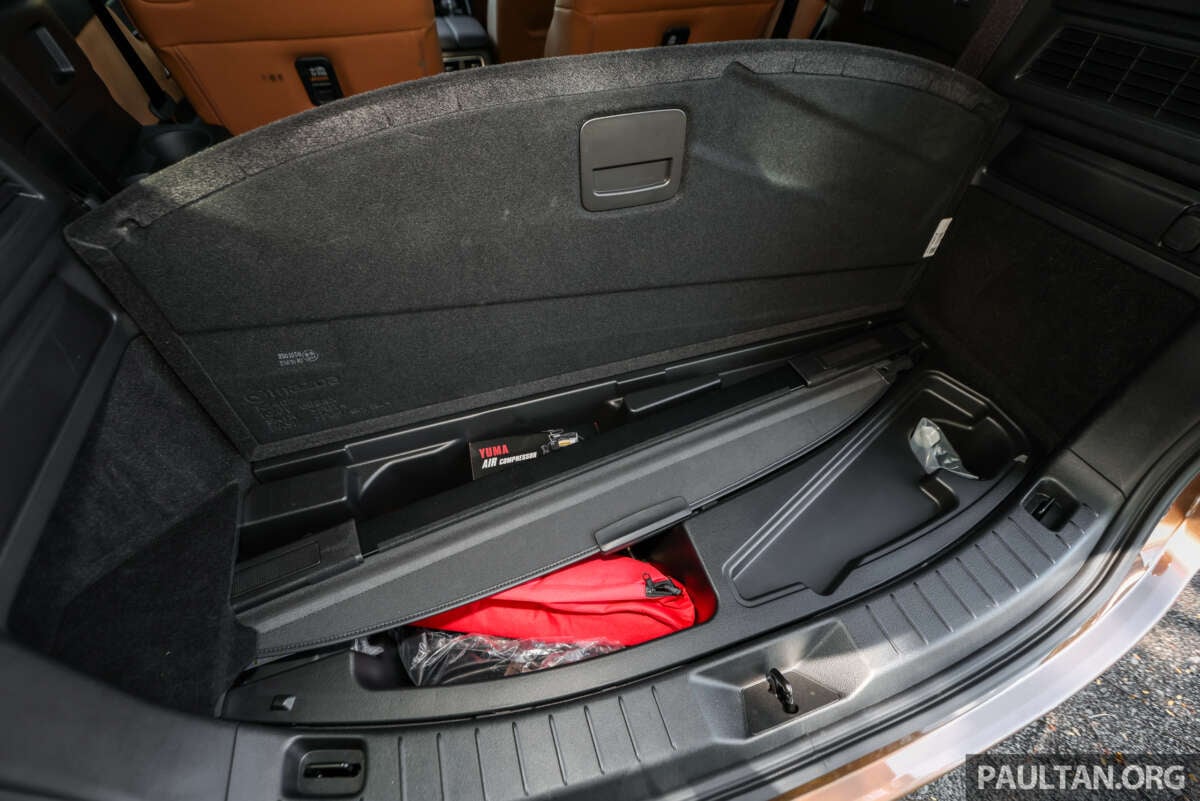
Both are large three-row SUVs, but the longer CX-80 (4,995 mm vs 4,900 mm, on that much longer wheelbase) is roomier in the second and third rows, and has a slightly larger boot behind the third row (258 vs 209 litres). Neither is a cavernous load-lugger with all seats up – three-row SUVs rarely are – but the CX-80 is the more accommodating of the two for adults in the back.
Mazda CX-8 vs CX-80 – full comparison
| Specification | Mazda CX-8 | Mazda CX-80 |
|---|---|---|
| Price (OTR) | RM165,360 – RM221,360 | RM296,610 |
| Platform | CX-5-based, transverse, FWD/AWD | Large Architecture, longitudinal, RWD-based AWD |
| Engines | 2.5 petrol / 2.2 diesel / 2.5 turbo | 2.5 plug-in hybrid |
| Max output | 228 PS / 420 Nm (2.5 turbo) | 328 PS / 500 Nm (system) |
| EV range | None | ~65 km (NEDC) |
| Seats | 6 or 7 | 6 (captain’s chairs) |
| Length / wheelbase | 4,900 / 2,930 mm | 4,995 / 3,120 mm |
| Boot (3rd row up) | 209 litres | 258 litres |
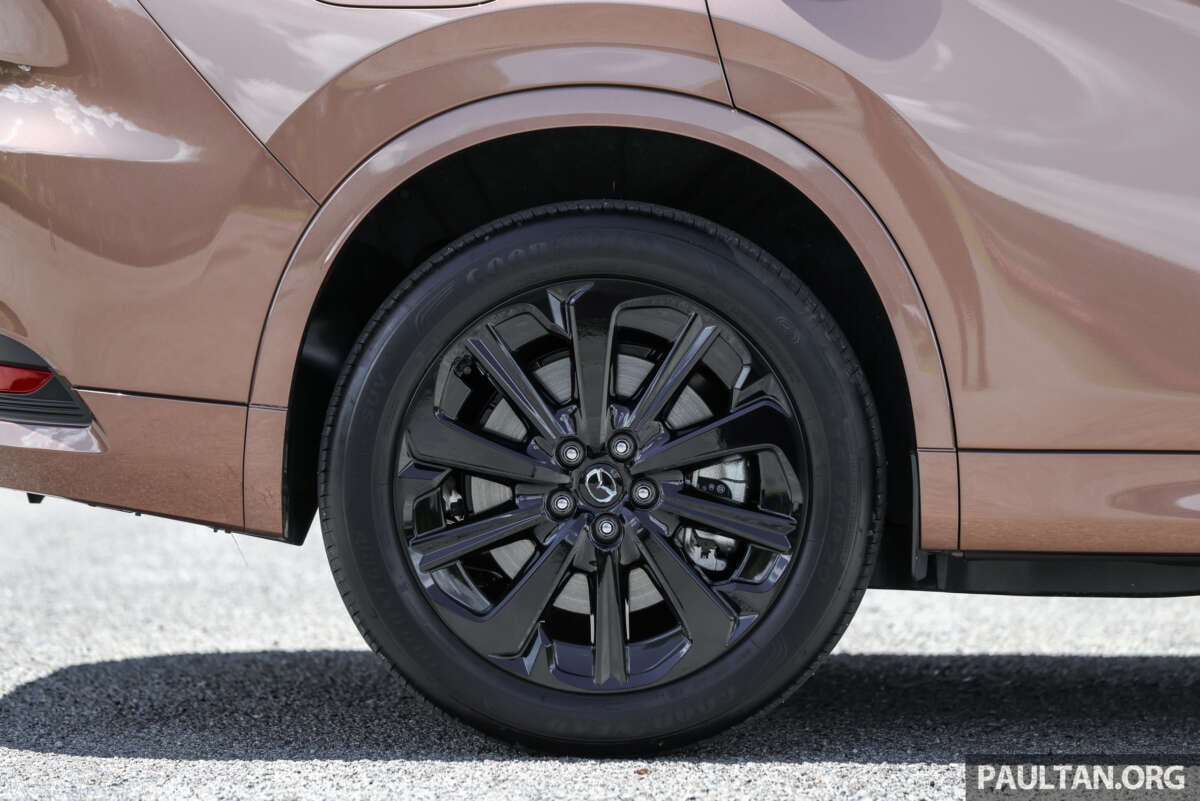
| Wheels | up to 19-inch | 20-inch |
| Warranty | 5 years / 100,000 km | 5 years / 100,000 km + free maintenance |
Running cost reality
The sticker isn’t the only gap – but the running costs are closer than you’d think:
- Road tax: similar. Both the CX-8 2.5 and the CX-80 use a 2.5 litre engine, so both pay around RM830 a year in Peninsular Malaysia. The CX-8 2.2 diesel is a little less.
- Fuel: this is where the CX-80 can pull ahead – if you charge it. Used as intended, with the battery topped up at home, its ~65 km electric range covers most daily commutes with no petrol at all. Left uncharged, it’s a heavy 2.3-tonne SUV running on a 2.5 petrol, and the advantage shrinks. The CX-8 petrols use around 7.9 L/100km; the diesel is the frugal one at about 5.7.
- Maintenance: the CX-80 includes a 5-year/100,000 km free maintenance package, softening its ownership cost; the CX-8 doesn’t.
- Depreciation: the CX-8 is a proven, end-of-life model being run out – it’s the value buy today, but it’s an older design. The CX-80 is the fresh, newer-tech car that will stay current longer, though its high price and PHEV complexity make its long-term resale less certain.
Verdict – which should you buy?
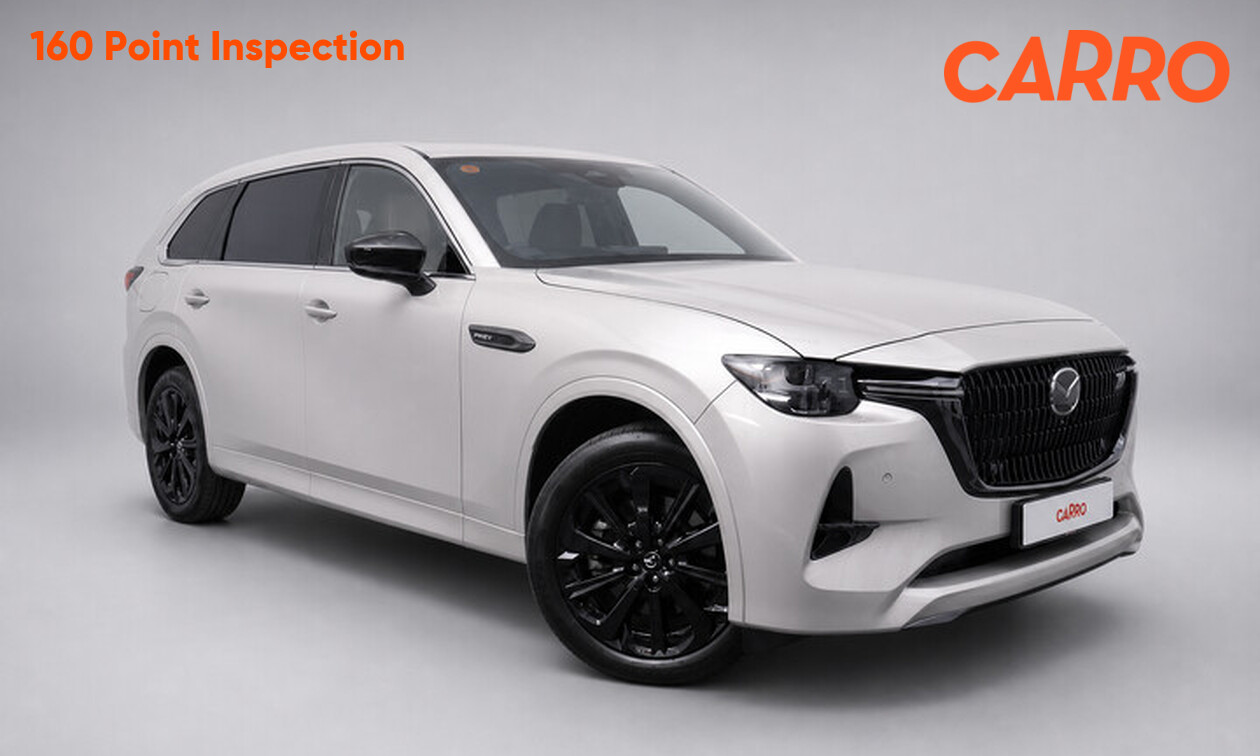

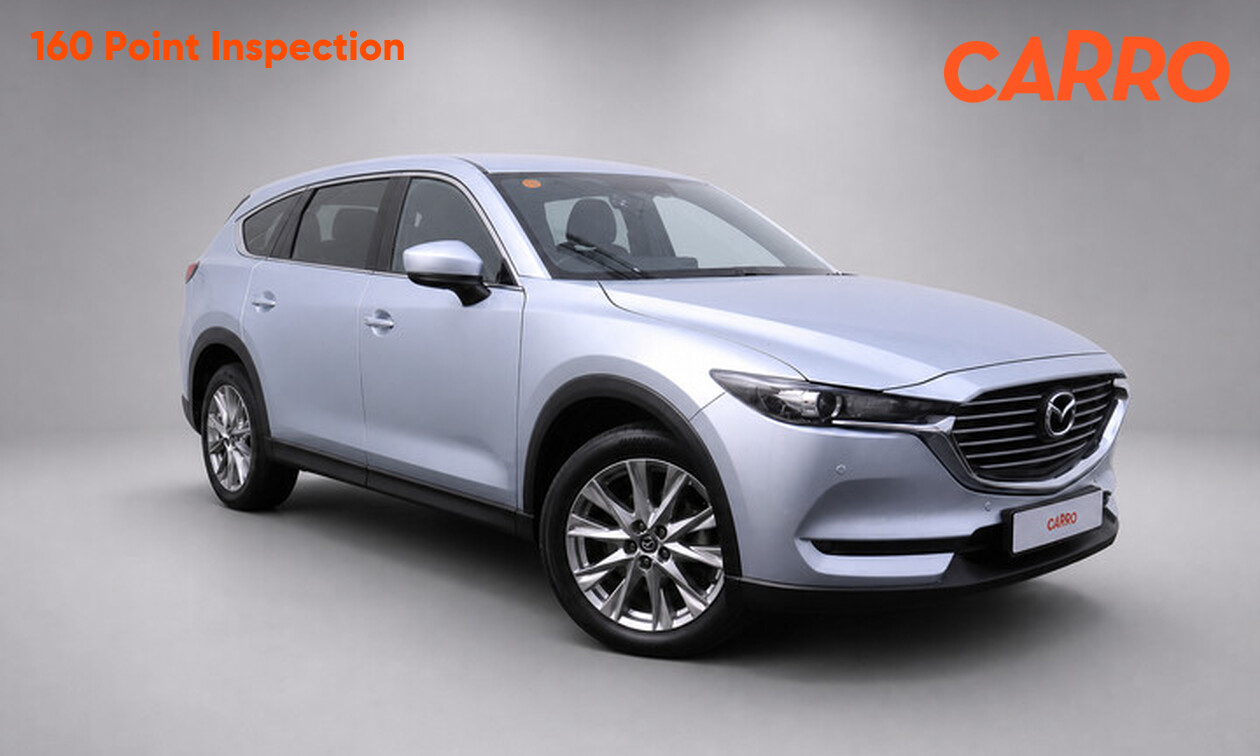
Buy the CX-8 if: you want the most three-row SUV for your money, you need genuine seven-seat capability (the 2.5 Mid), you don’t want the hassle of charging, and you’d rather put the RM75,000-plus difference in your pocket. The CX-8 still looks and feels premium, and at RM165k it’s a lot of car. It’s the value pick, and for many families it’s the sensible one.
Stretch to the CX-80 if: you want the newest platform and the genuinely more upmarket, rear-biased driving experience; you value the electrified 328 PS performance and the plush captain’s-chair cabin; and – crucially – you can charge at home to unlock its low-running-cost potential. If you’ll plug it in and keep it long-term, the premium is easier to justify.
In one line: the CX-8 is the smart-money three-row Mazda; the CX-80 is the newer, more sophisticated one you pay handsomely for. Most buyers will be very happy with the CX-8; those who want the latest and can charge at home will find the CX-80 appealing.
Frequently asked questions
- Is the Mazda CX-80 worth it over the CX-8? It depends on you. The CX-80 buys a newer platform, plug-in hybrid power, a plusher cabin and the latest tech – but for RM75,000 to RM130,000 more. If you can charge at home and want the newest car, it’s worth considering; if value and space matter most, the CX-8 is the smarter buy.
- What’s the price difference? The CX-80 (RM296,610) is about RM75,000 more than the top CX-8 (2.5 Turbo AWD, RM221,360) and around RM131,000 more than the entry CX-8 2.5 Mid (RM165,360).
- Is the CX-80 a replacement for the CX-8? Effectively yes – the CX-80 is designed to succeed both the CX-8 and the older CX-9. The CX-8 is currently being run out and remains on sale alongside it for now.
- Which is better for seven seats? The CX-8 – specifically the entry 2.5 Mid, which is a true seven-seater. Every other CX-8 grade and the CX-80 are six-seat captain-chair layouts.
- Is the CX-80 a hybrid? Yes – in Malaysia it’s a plug-in hybrid (PHEV) with about 65 km of electric range.
The bottom line
The CX-80’s premium over the CX-8 isn’t arbitrary – it buys a genuinely newer, more advanced and more powerful car with an electrified heart and a richer cabin. But the CX-8 remains one of the best-value three-row SUVs on sale, and for buyers who don’t need the latest platform or a plug, it does almost everything the CX-80 does for tens of thousands less. Decide how much the newness and the plug-in hybrid matter to you – and if you’re not sure, the CX-8 is rarely the wrong answer.
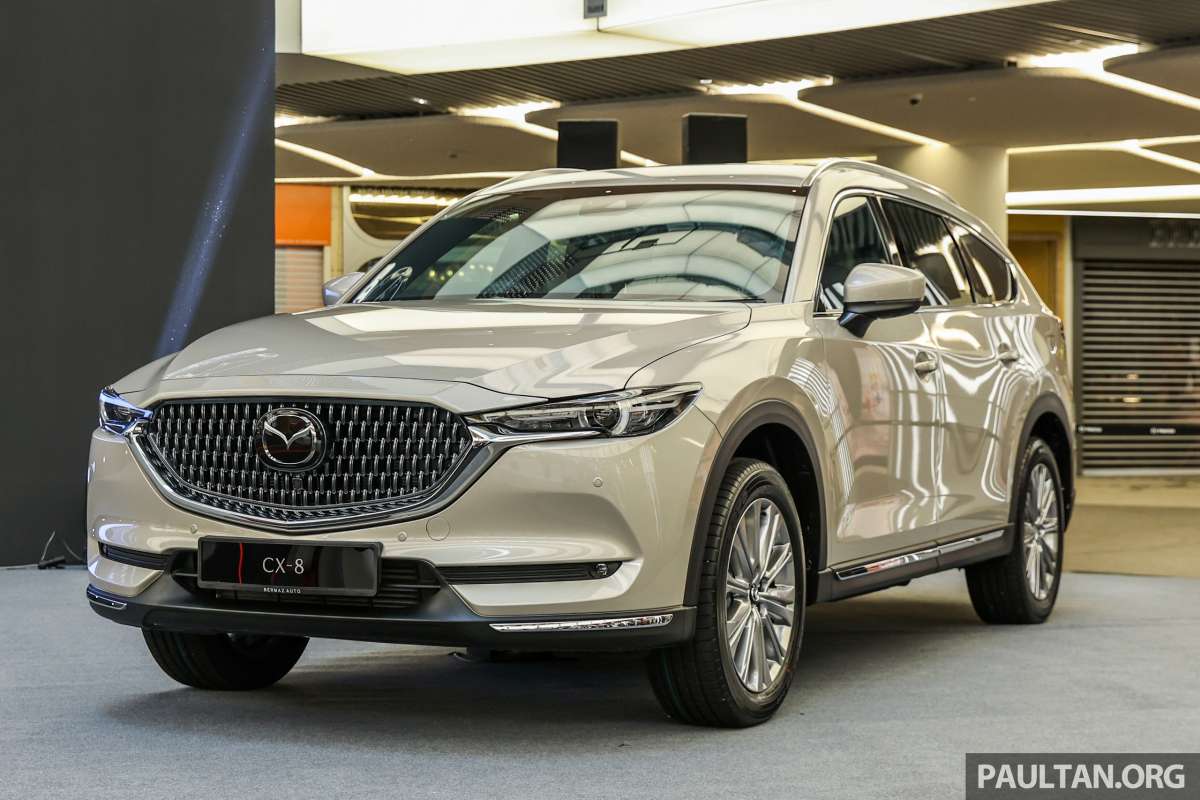
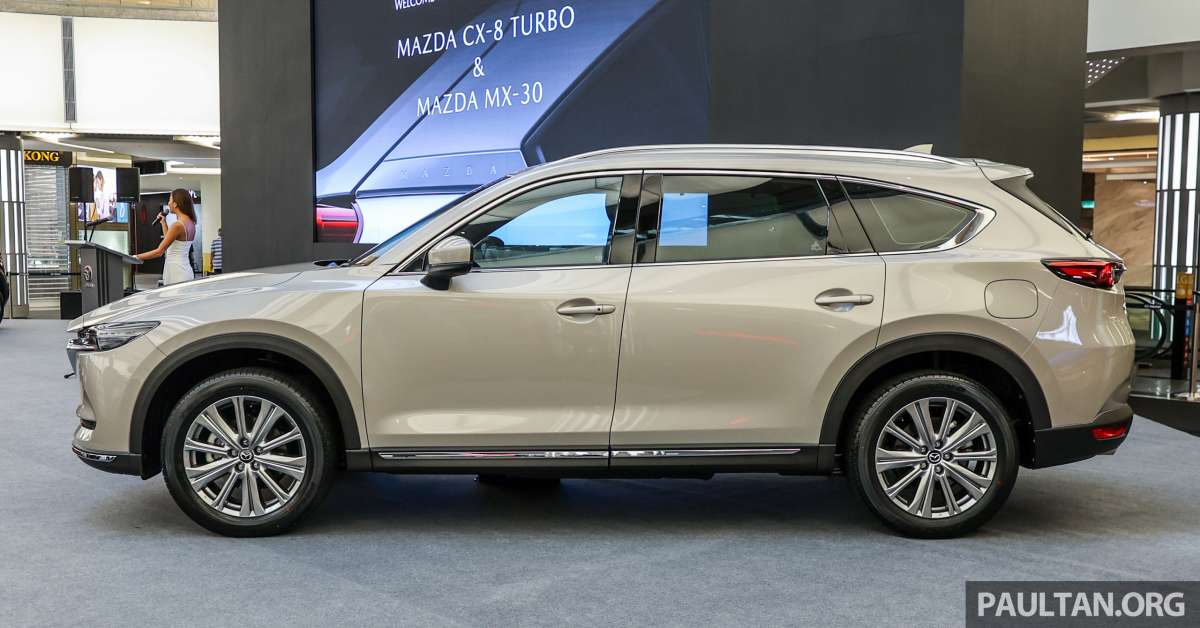
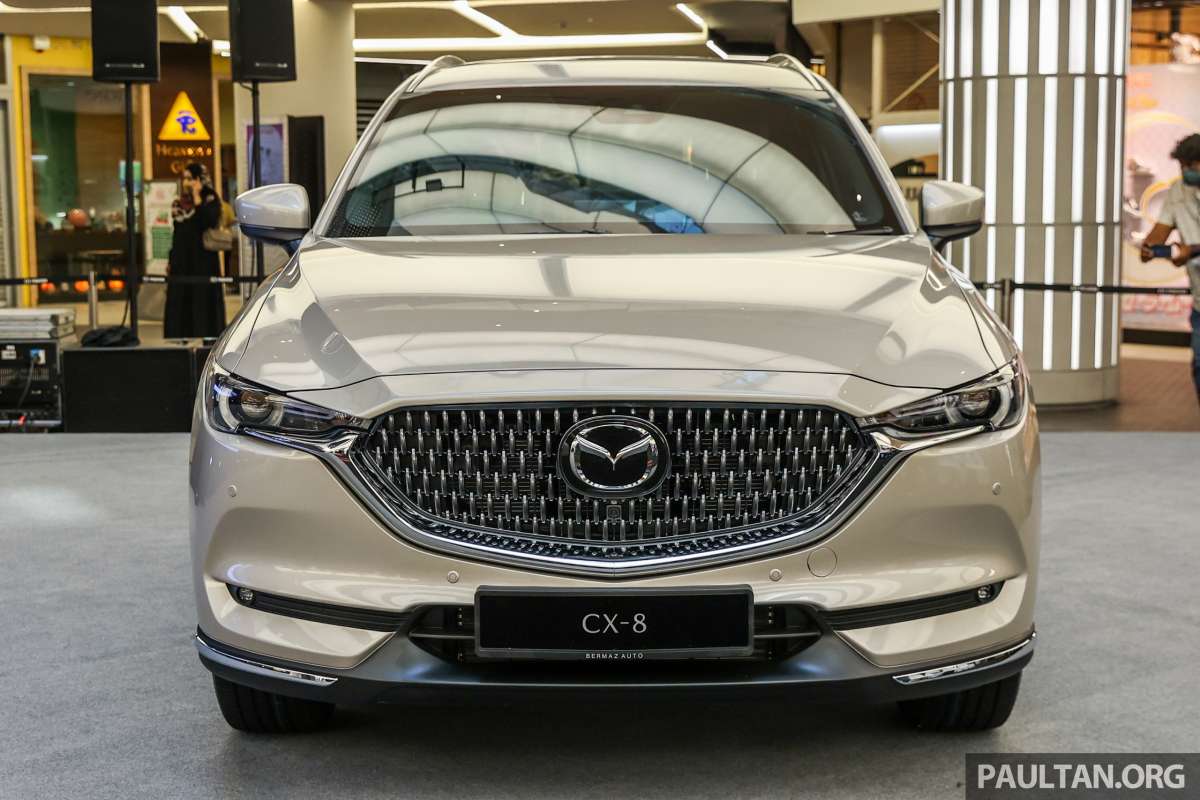
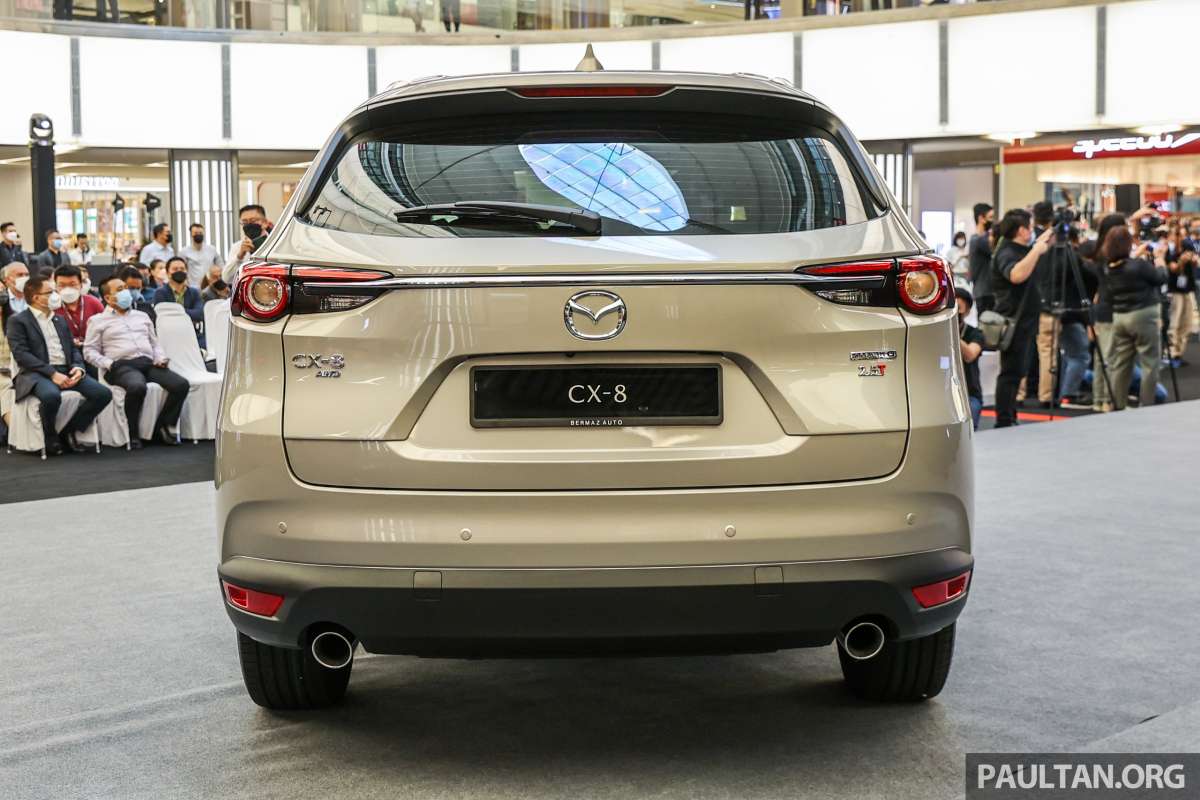
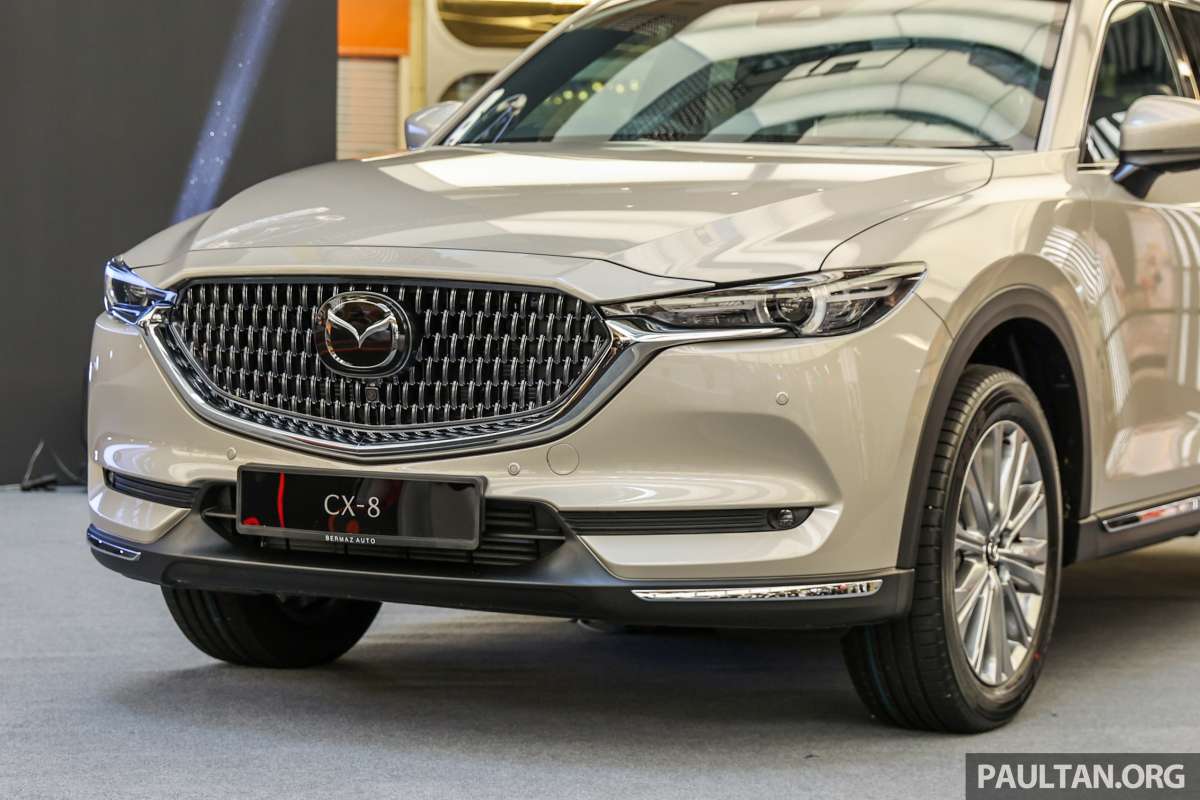
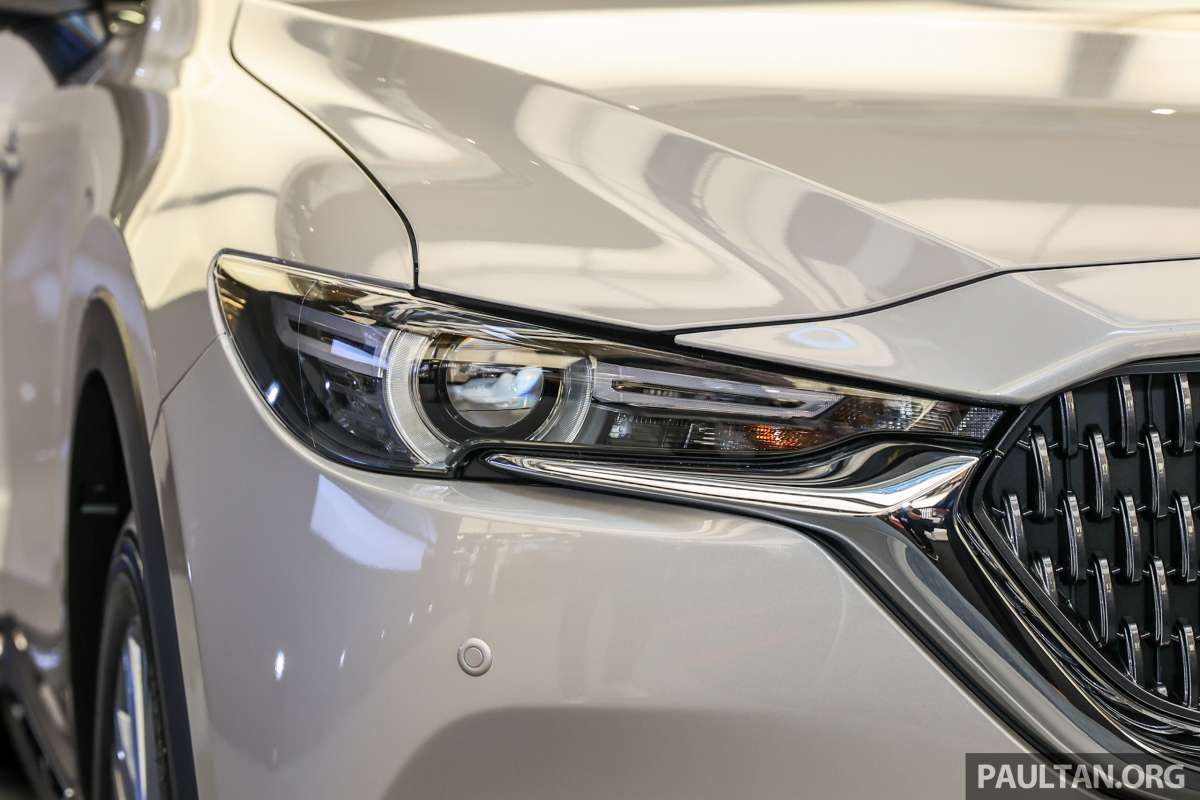
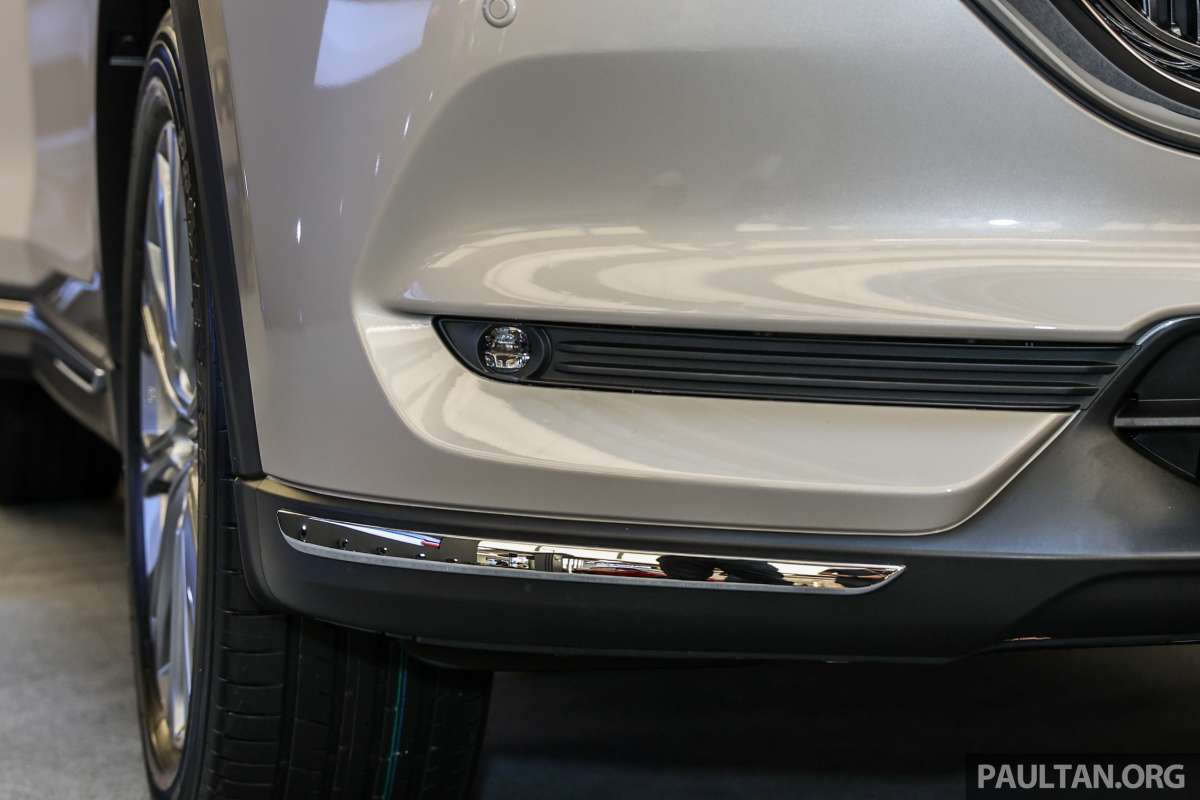
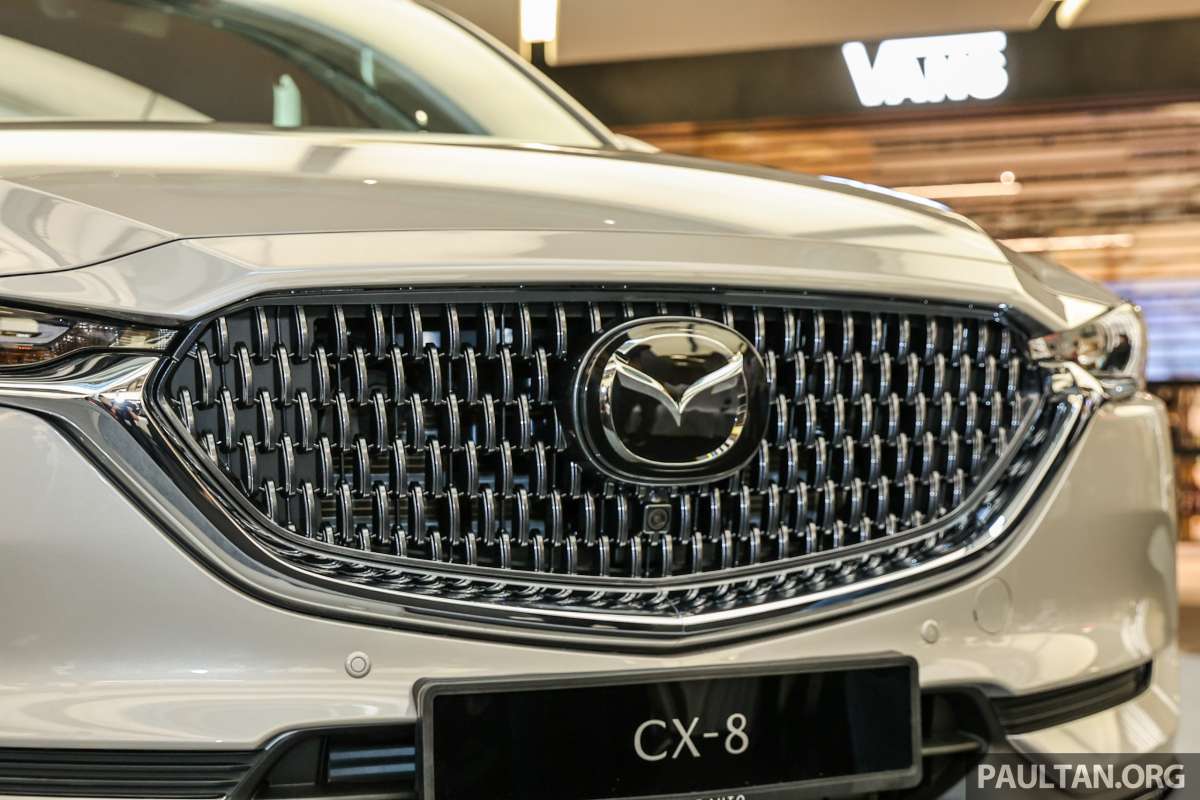
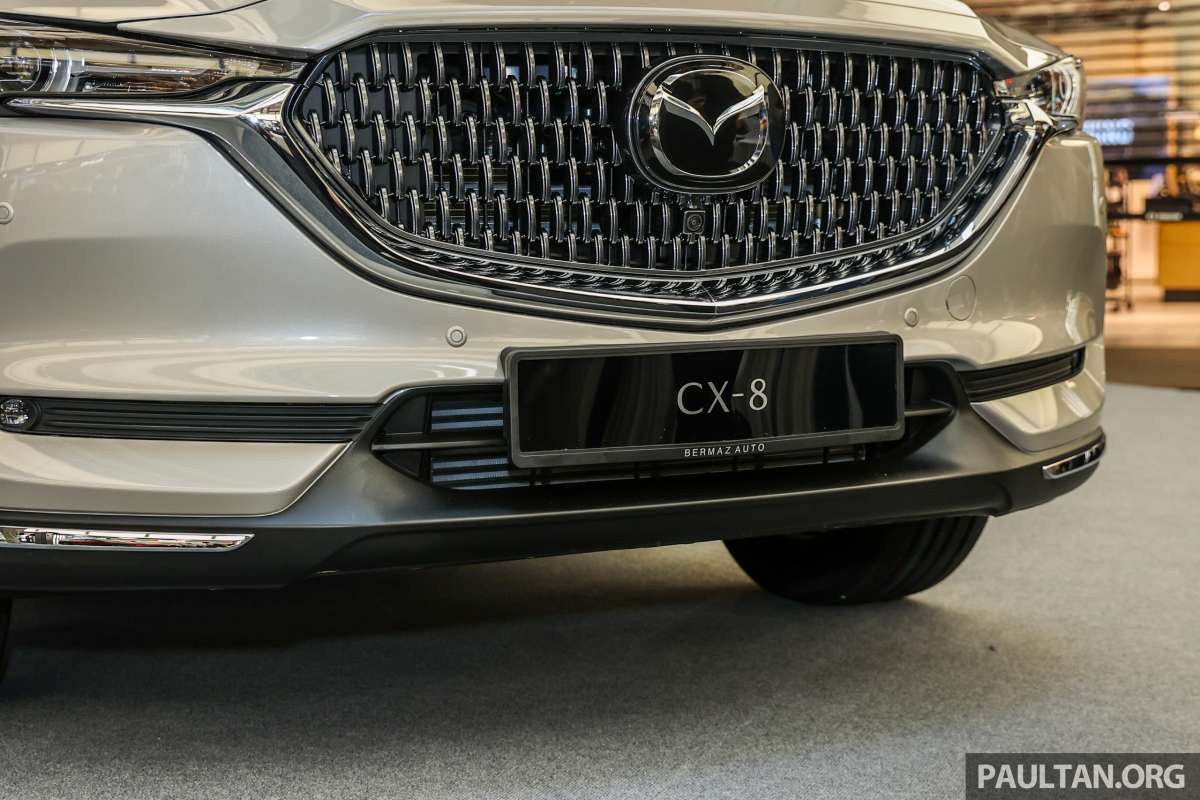
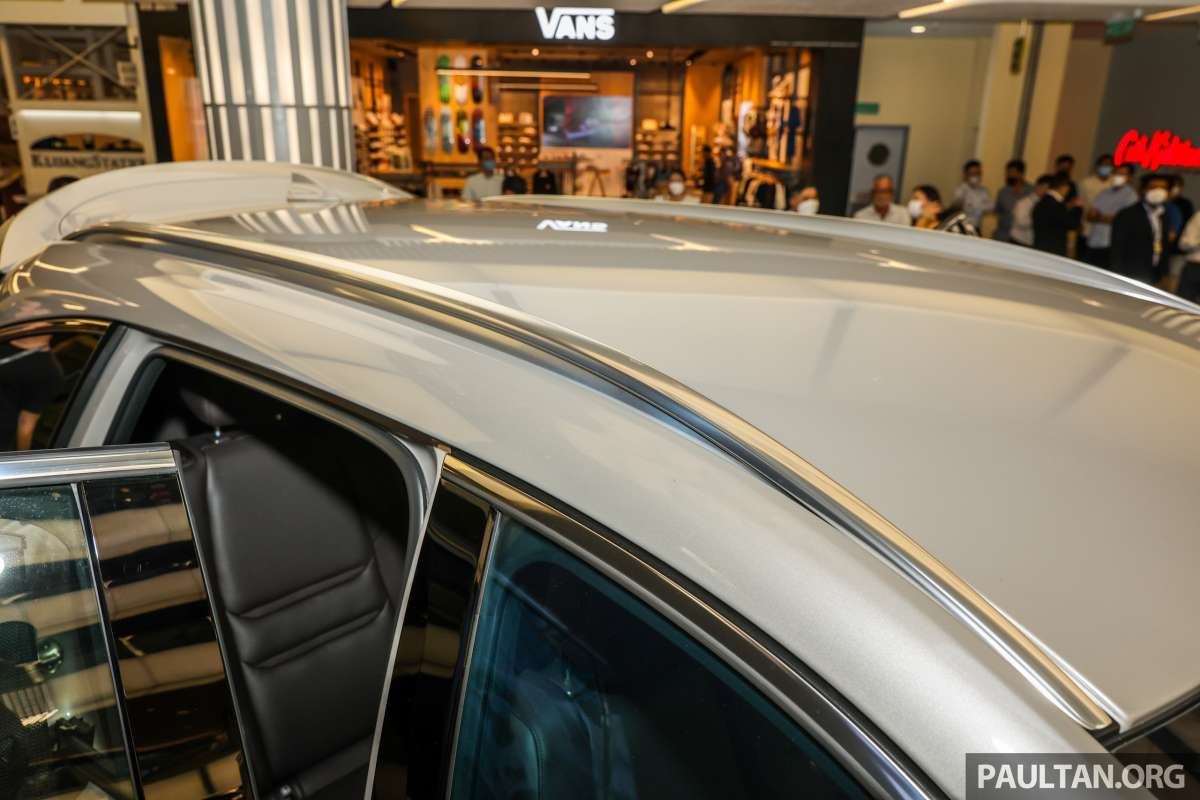
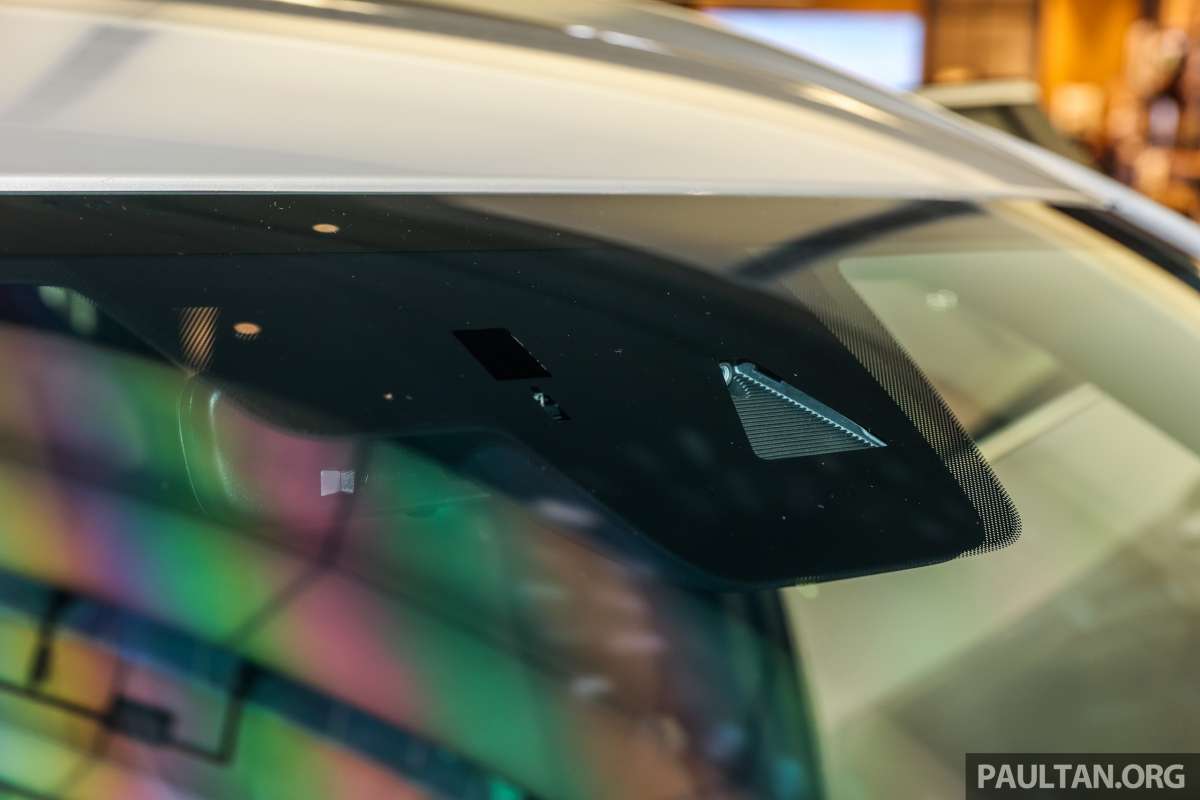
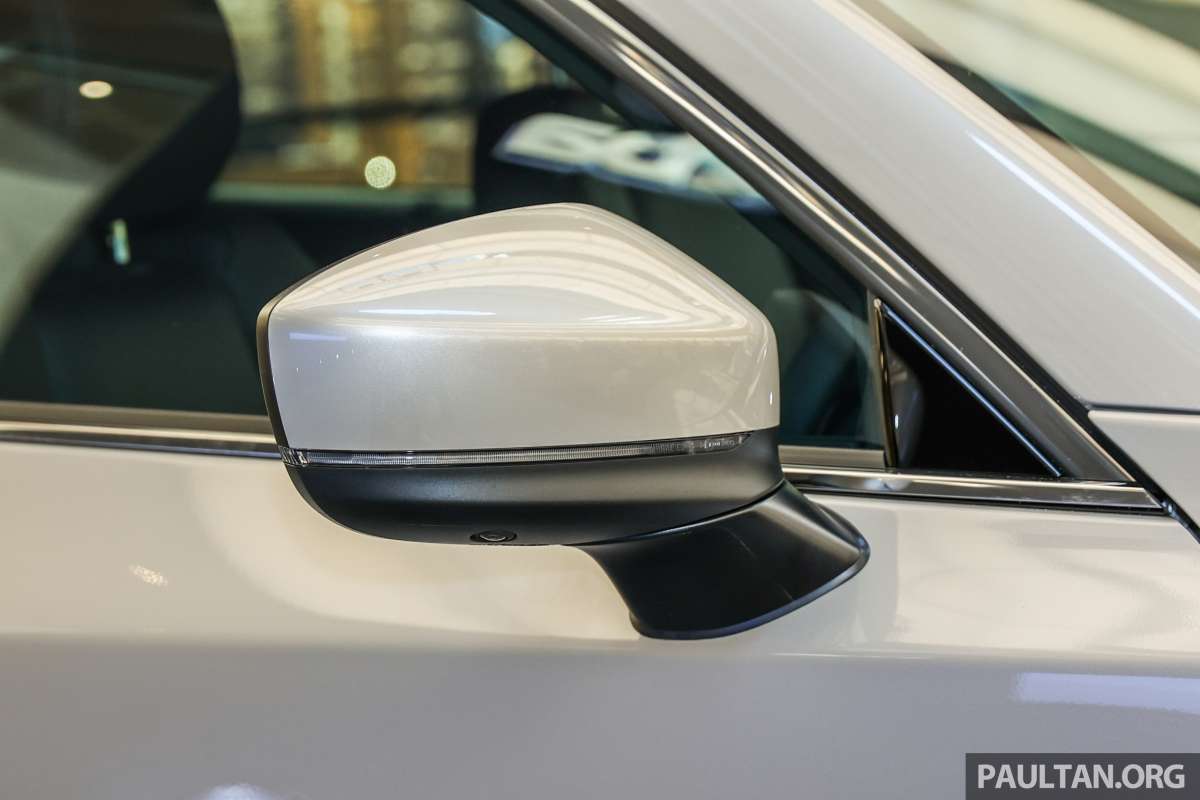
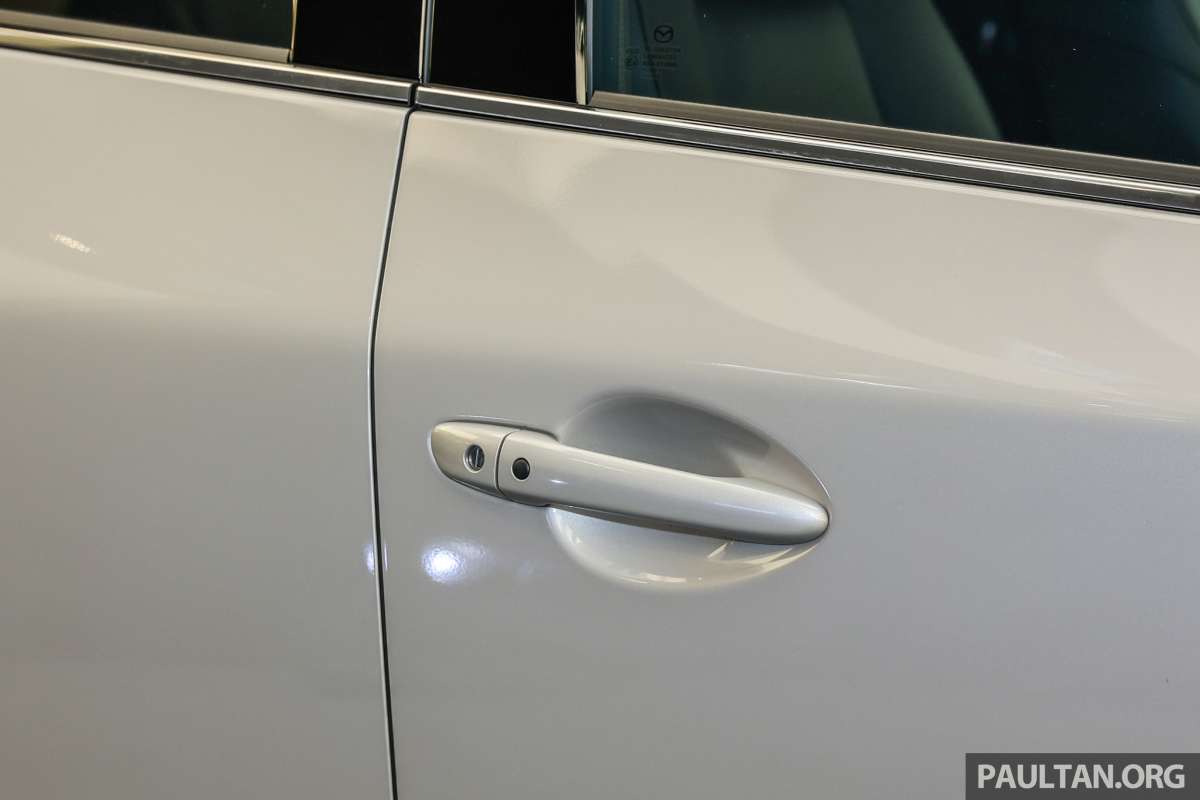
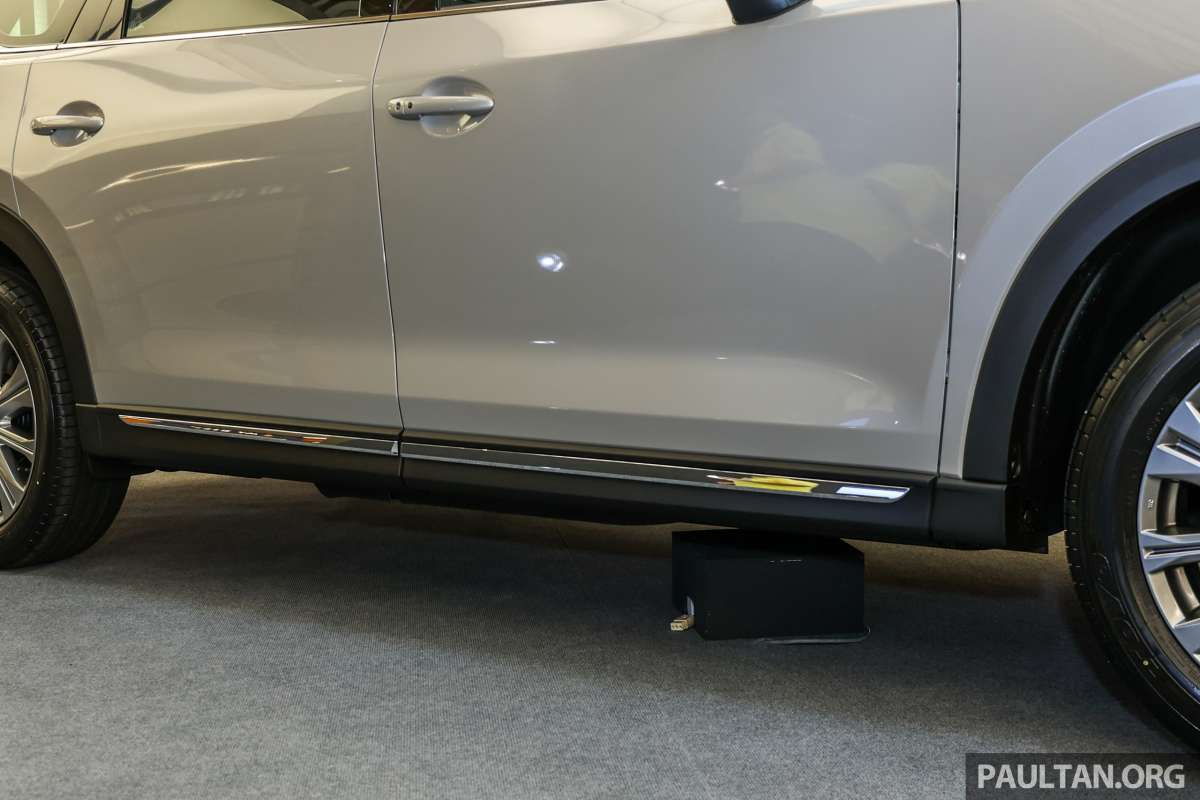
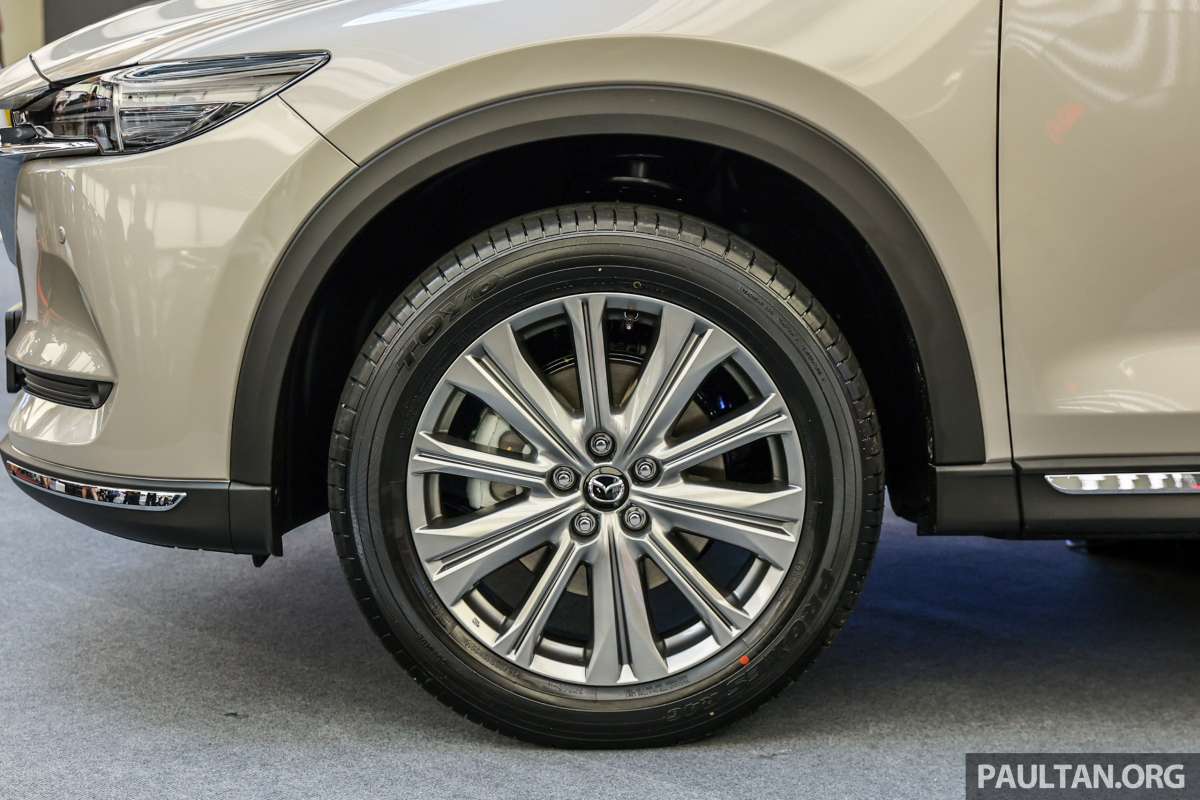
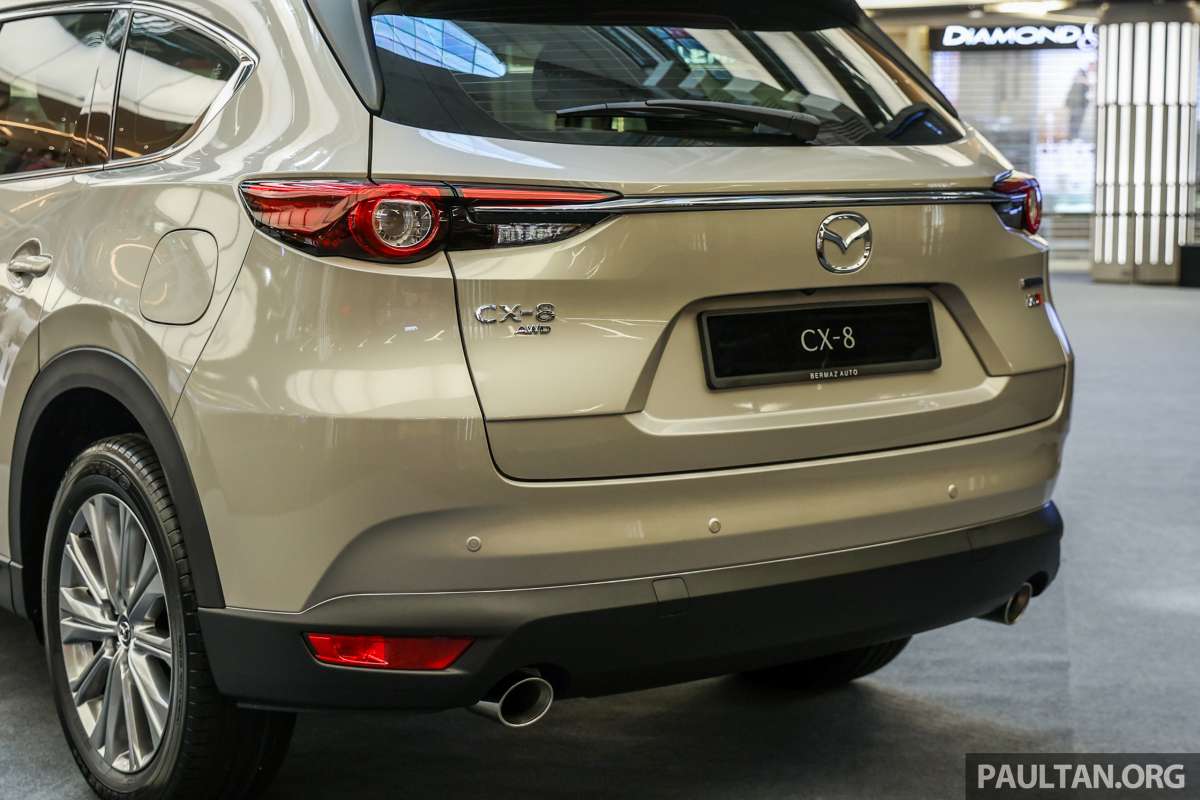
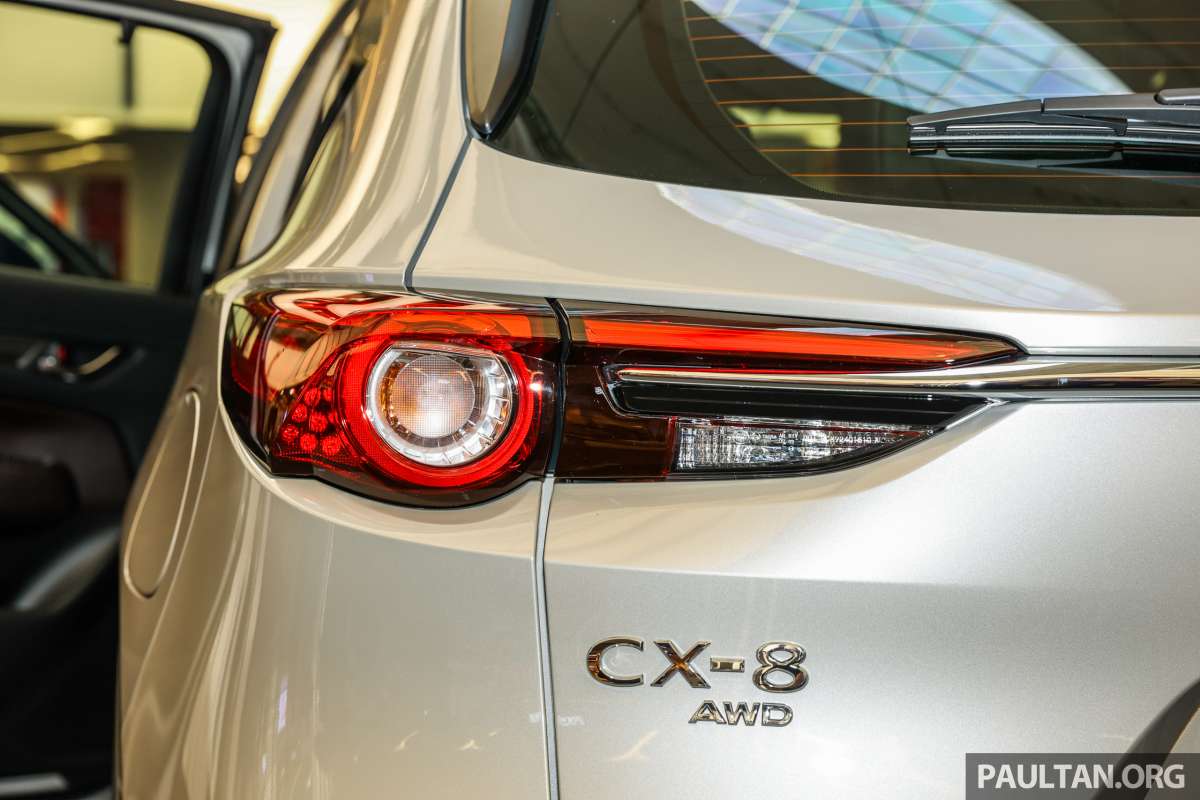
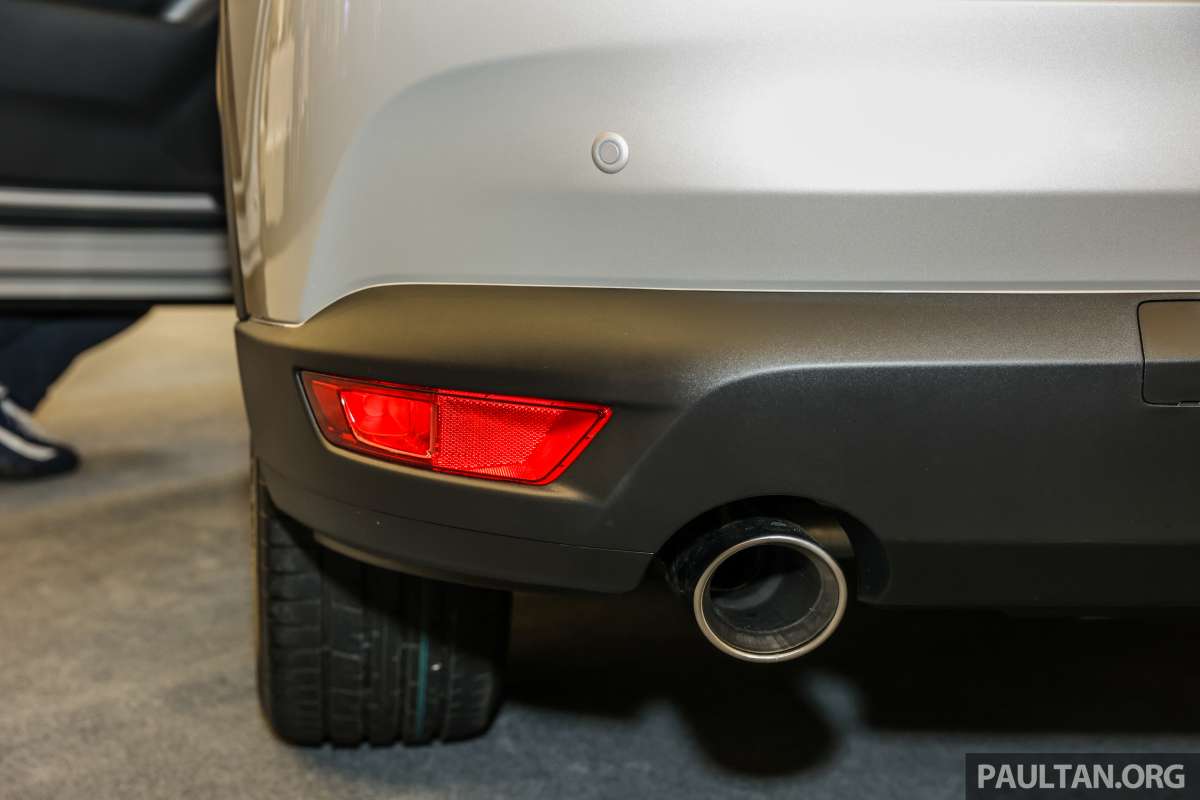
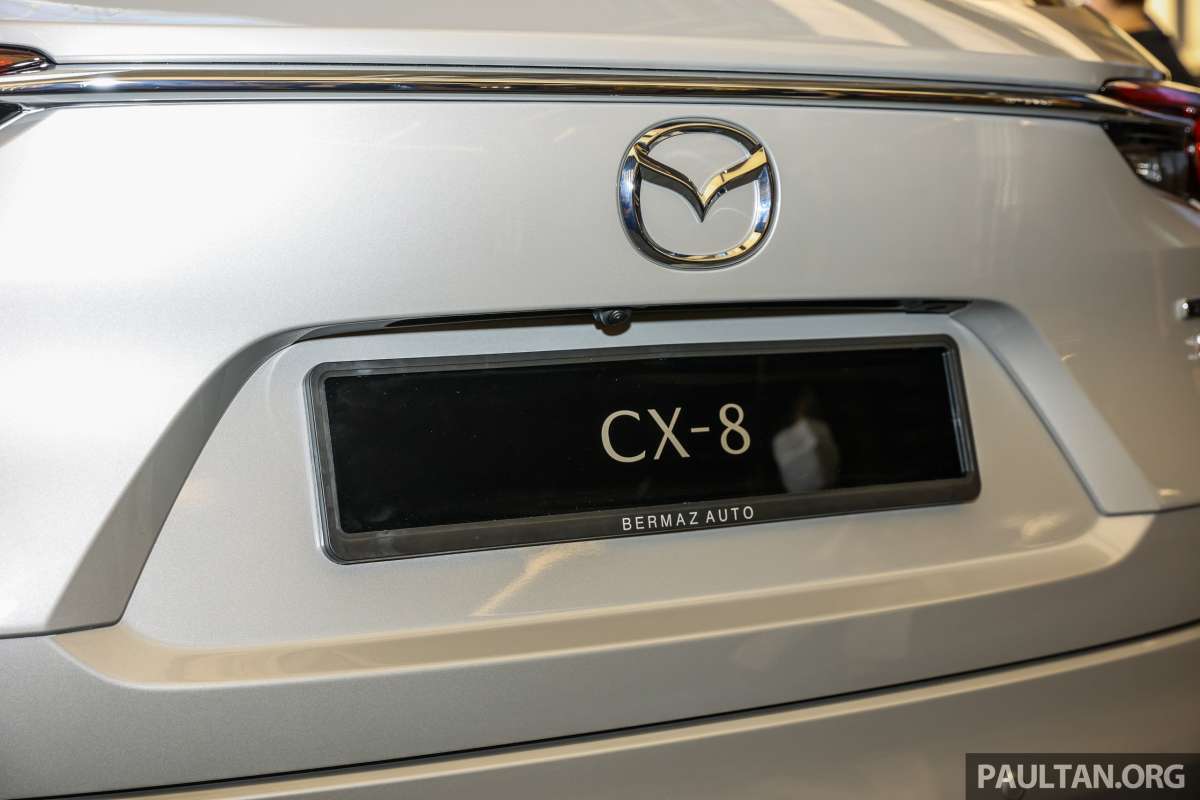
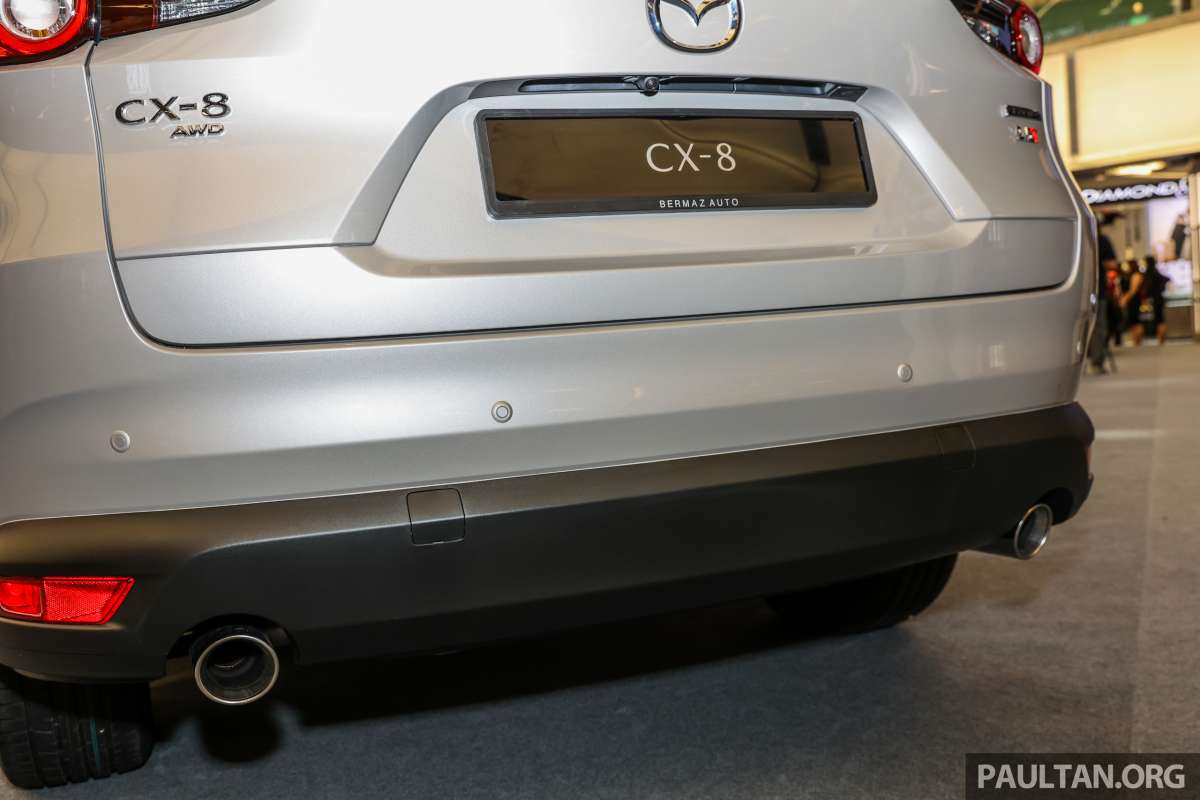
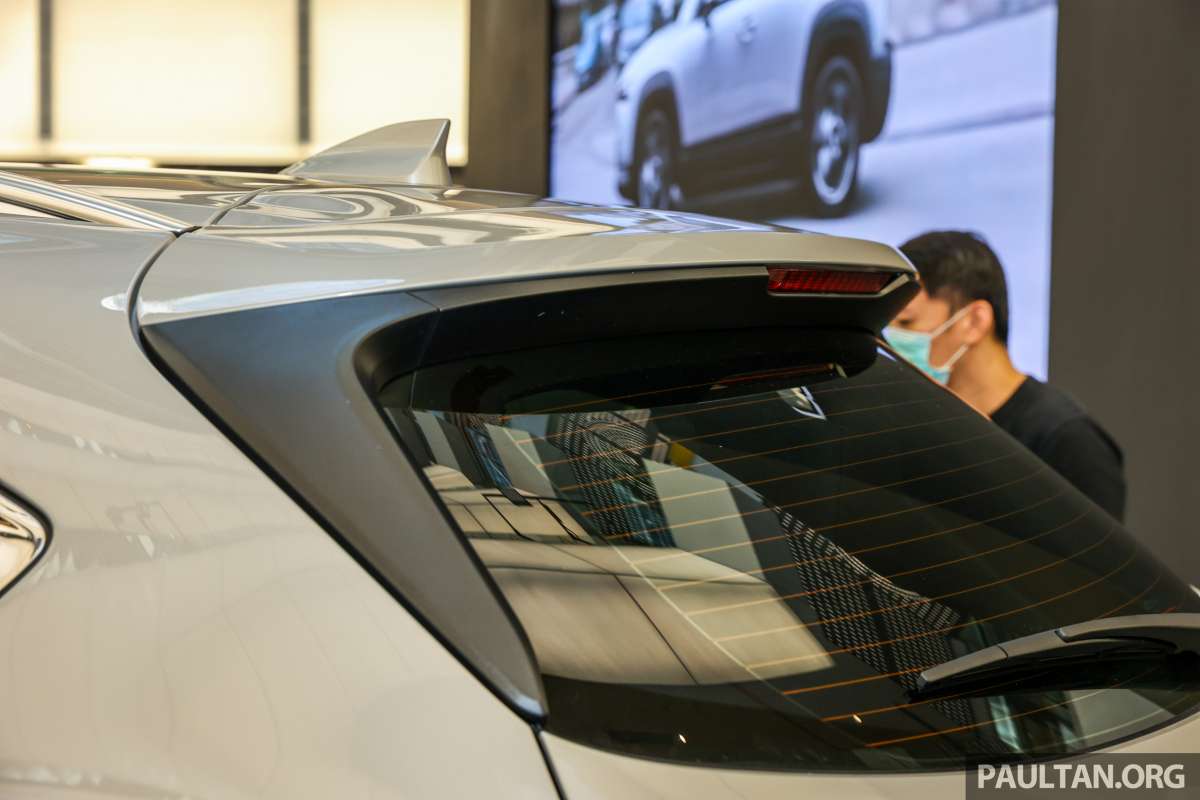
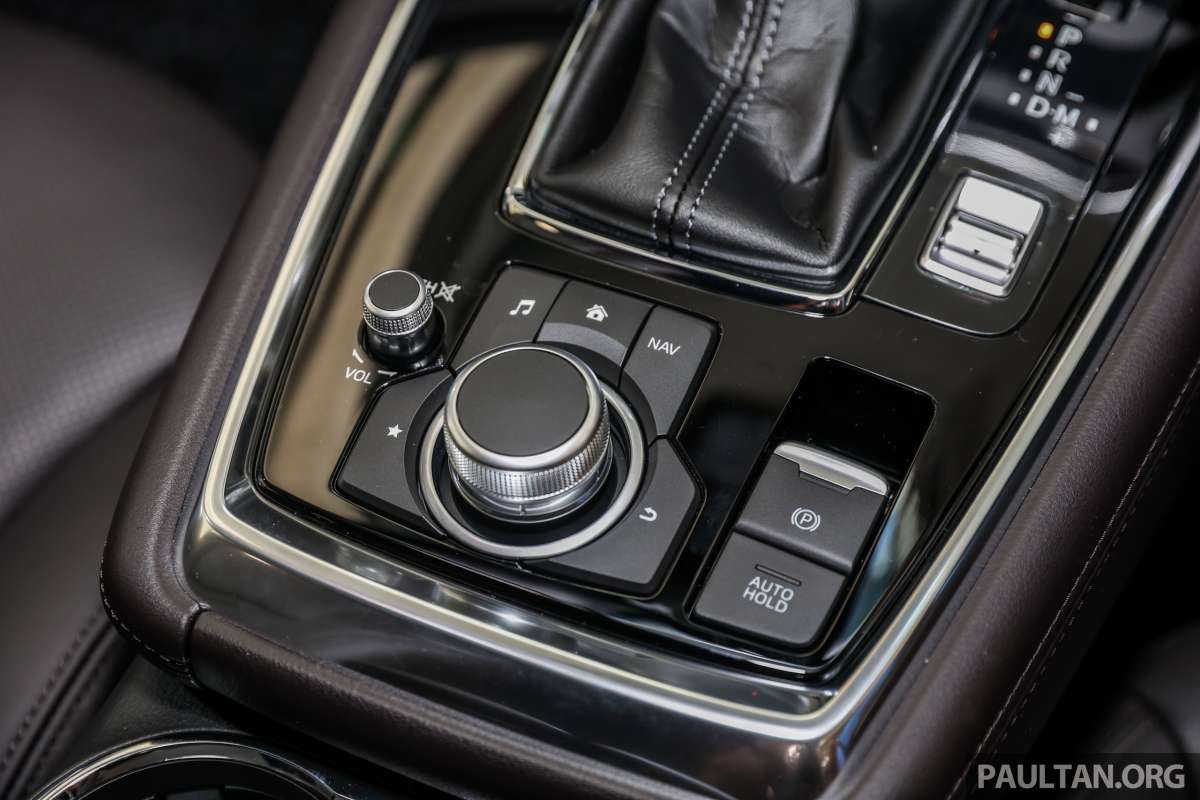
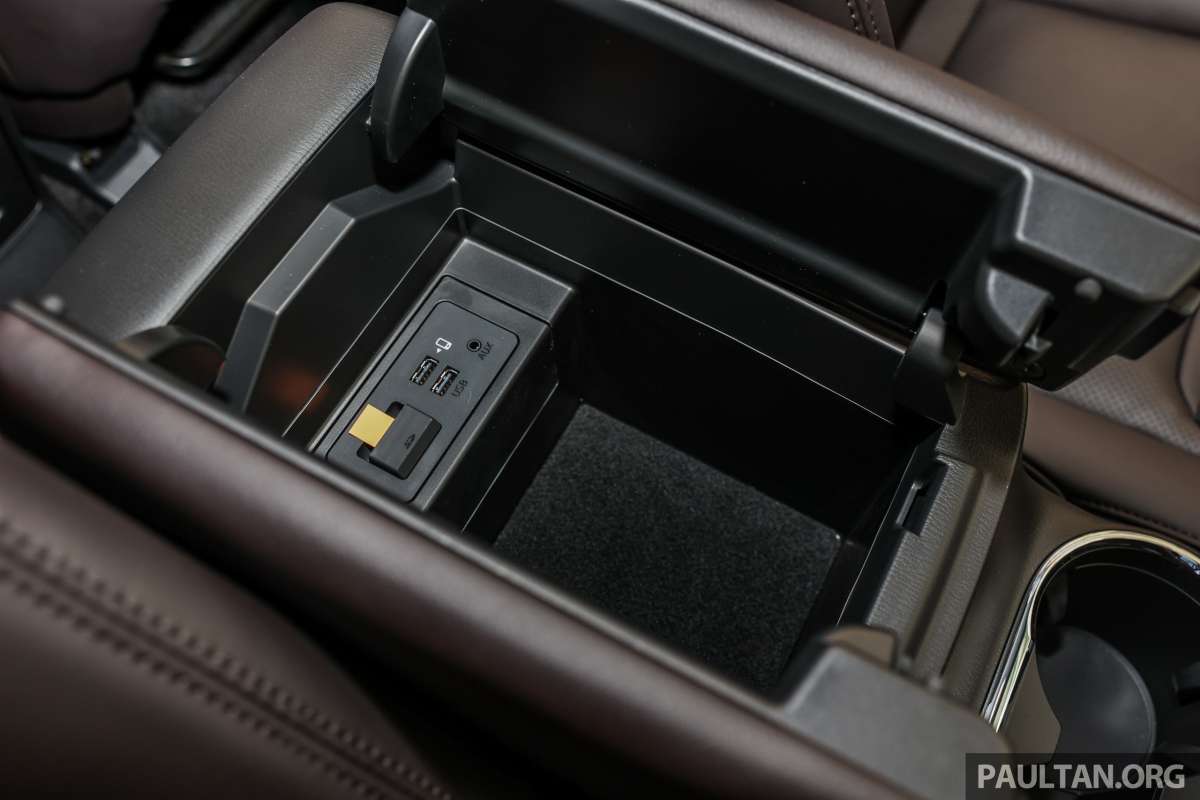
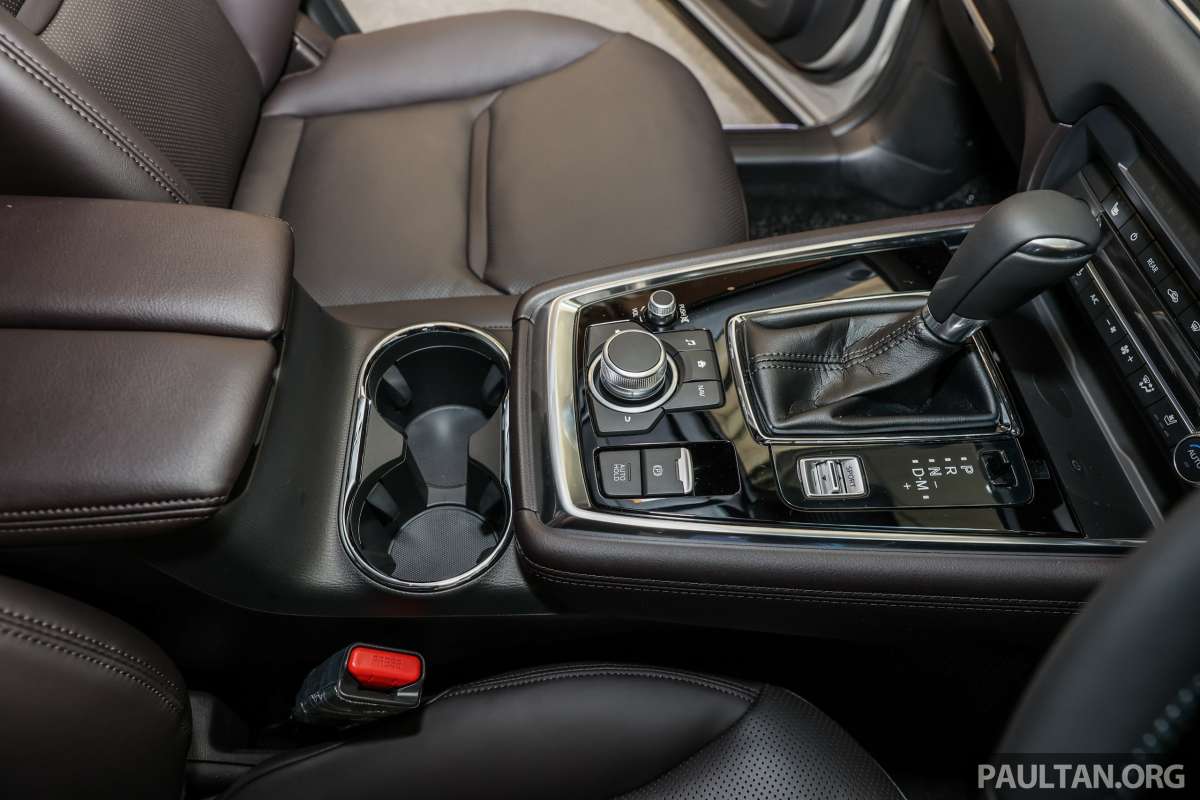
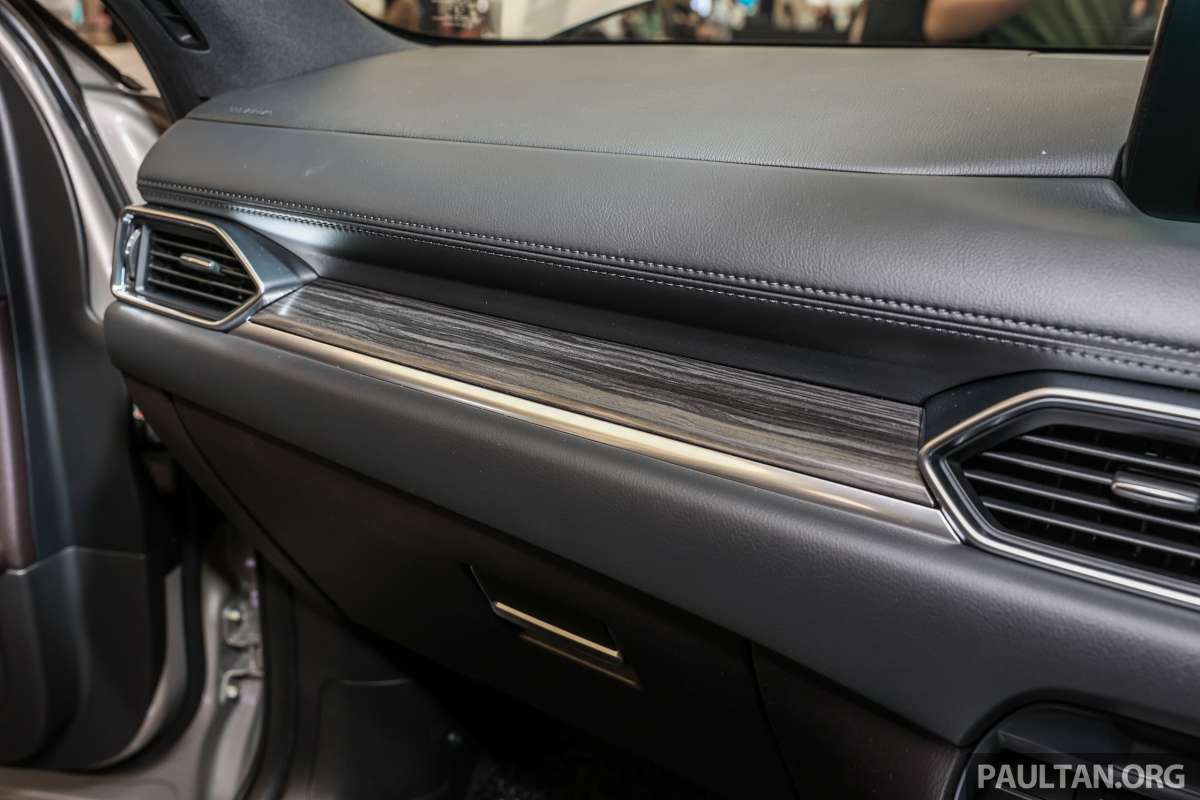
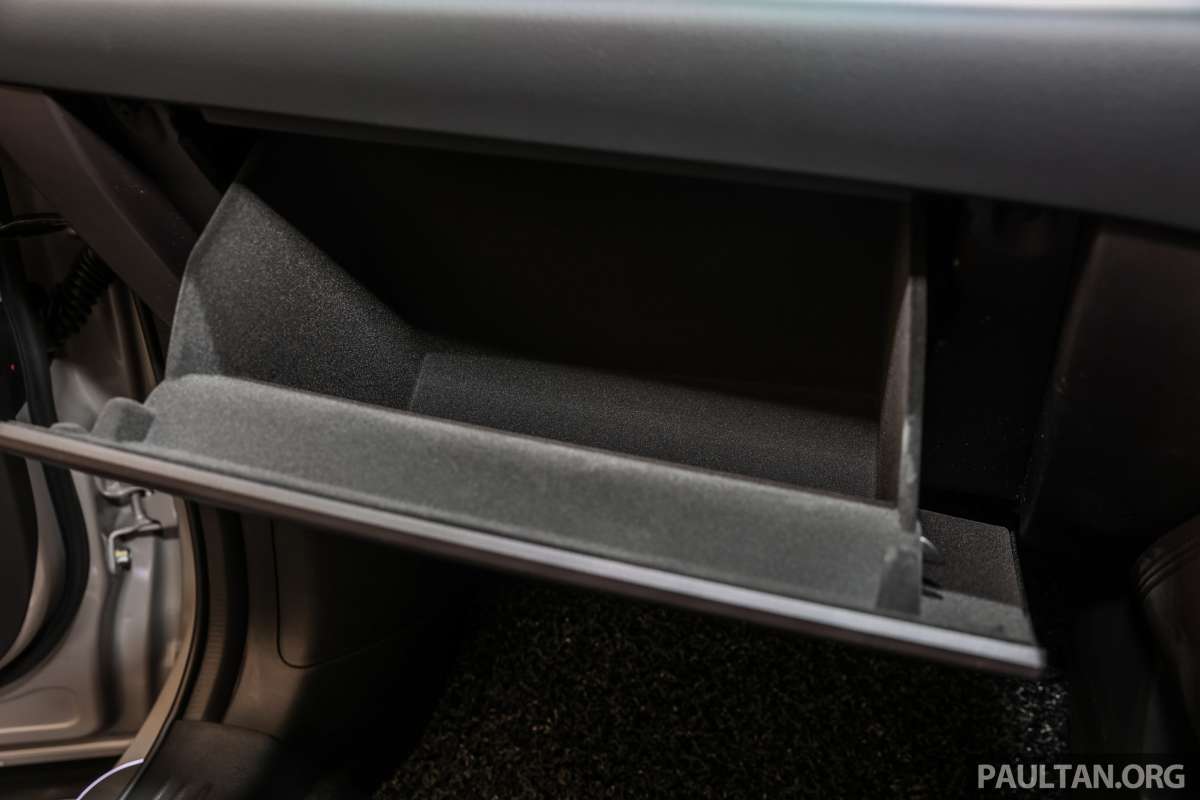
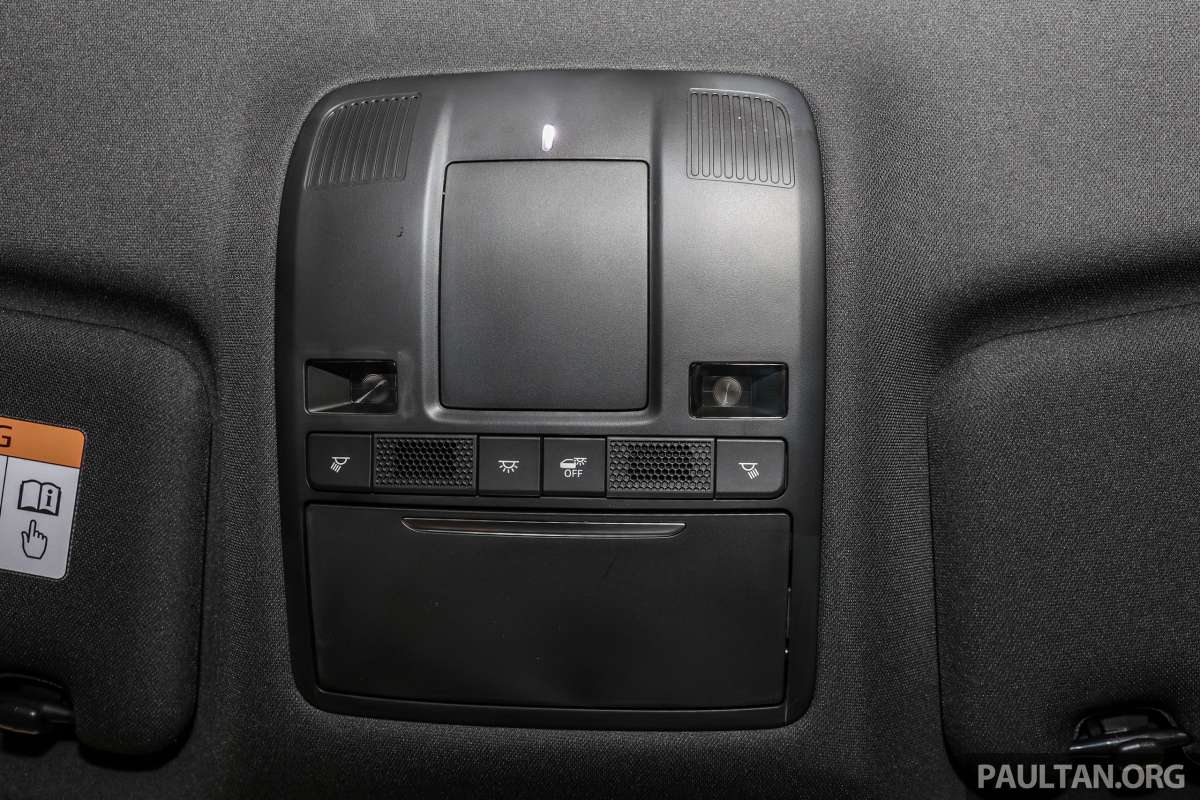
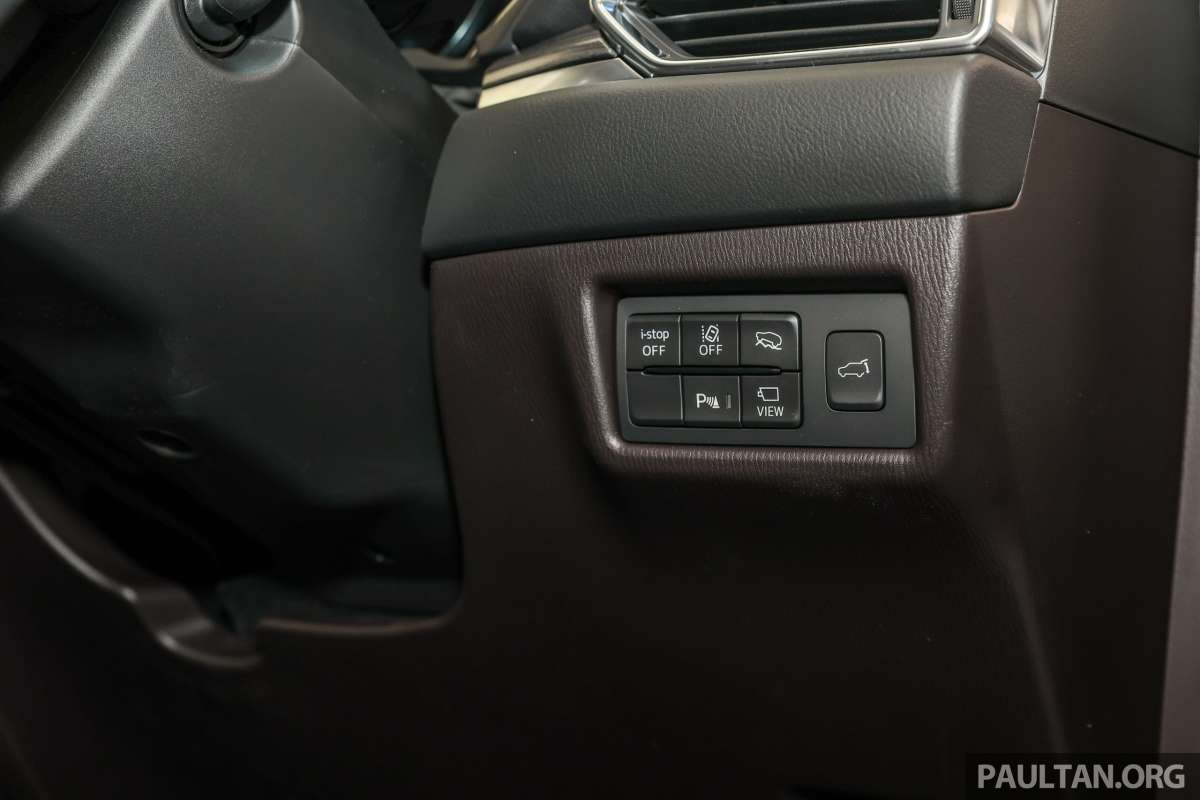
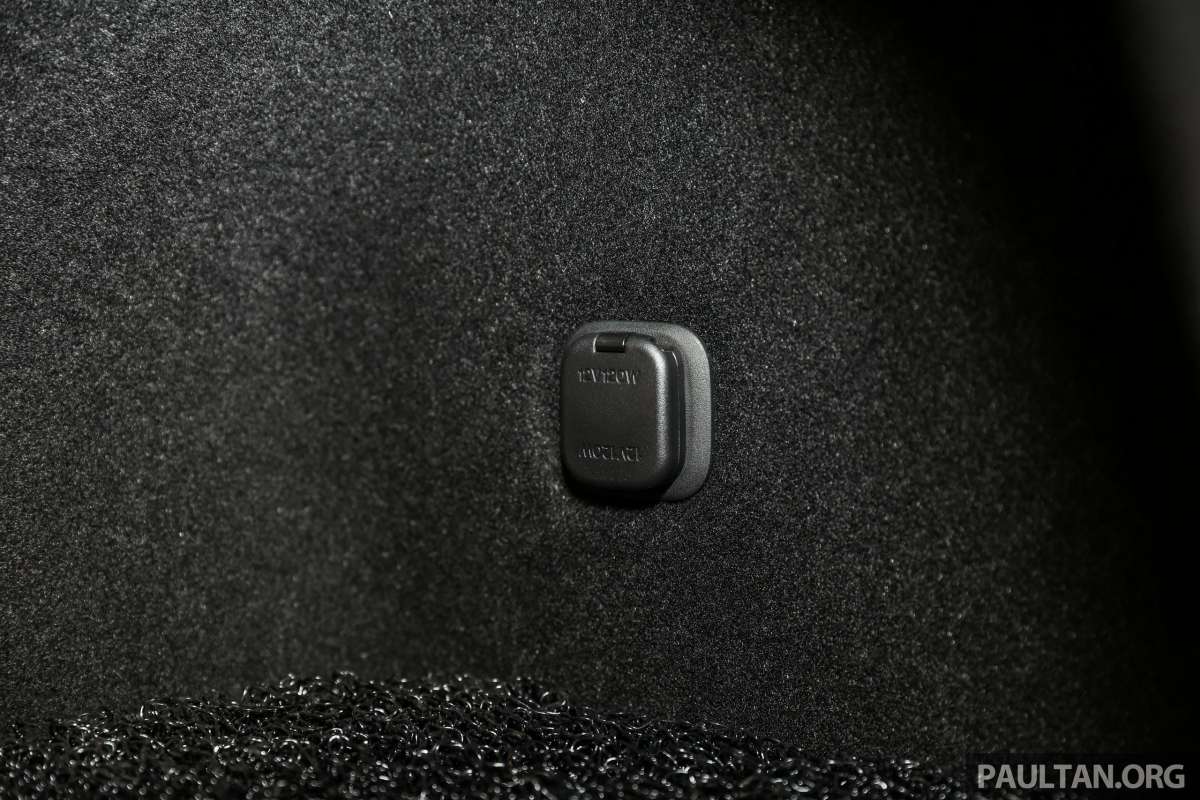
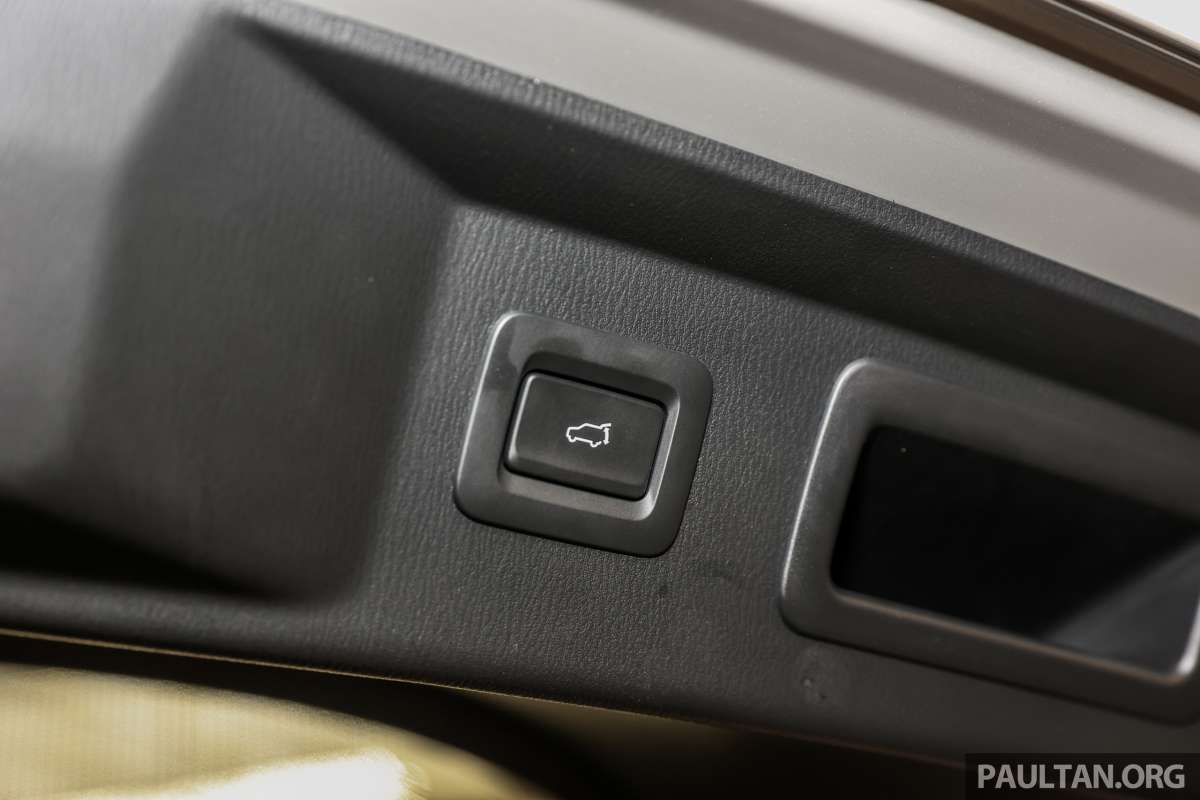
GALLERY: Mazda CX-8
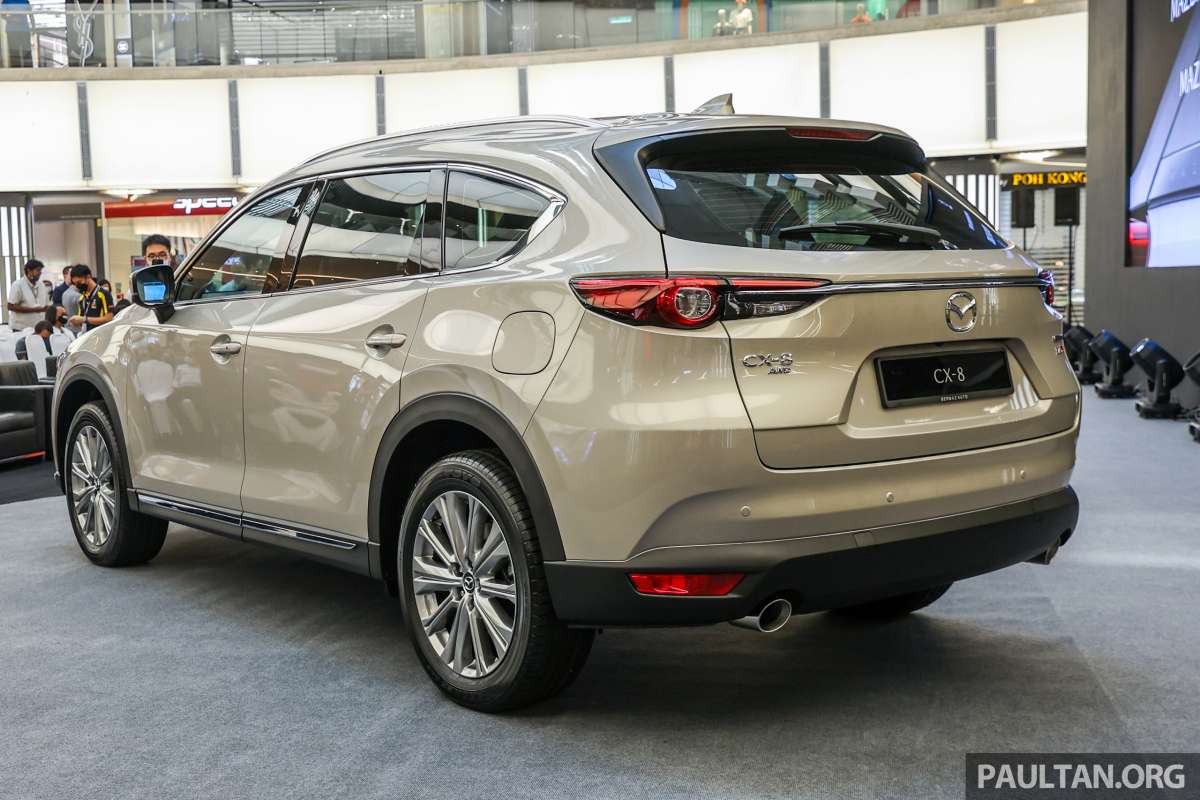
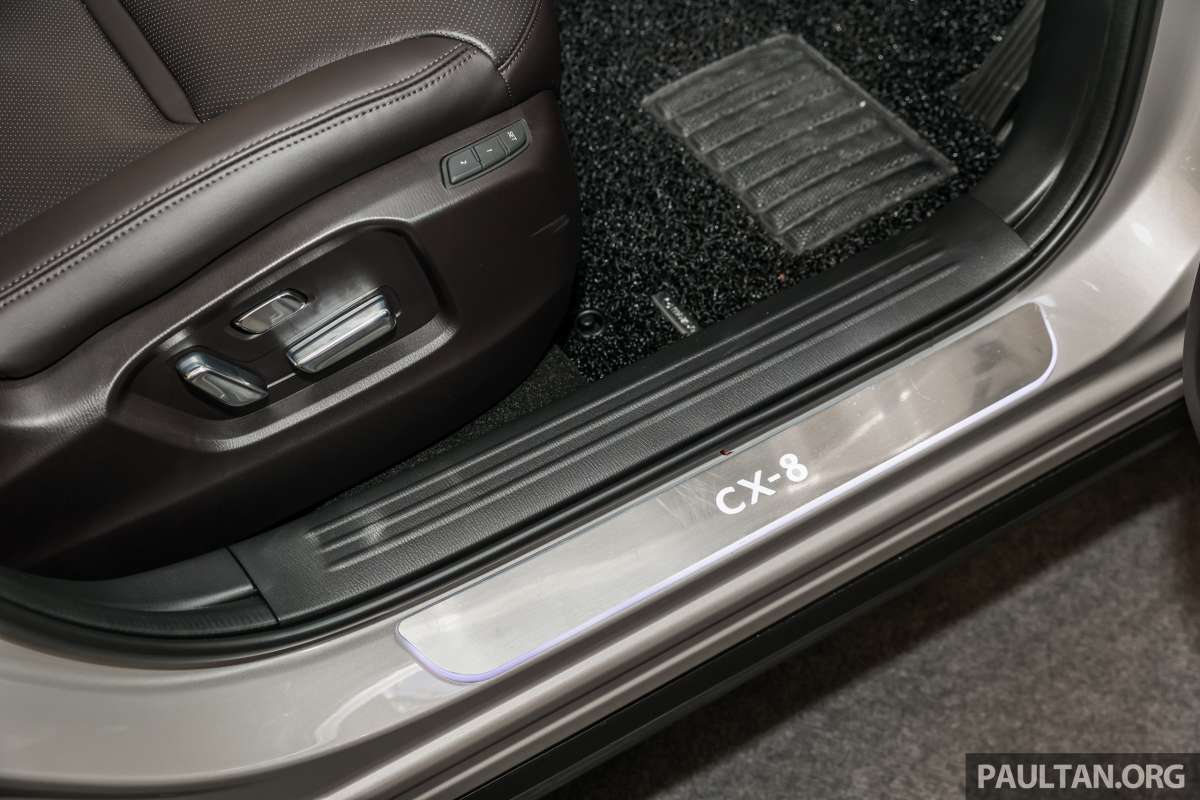
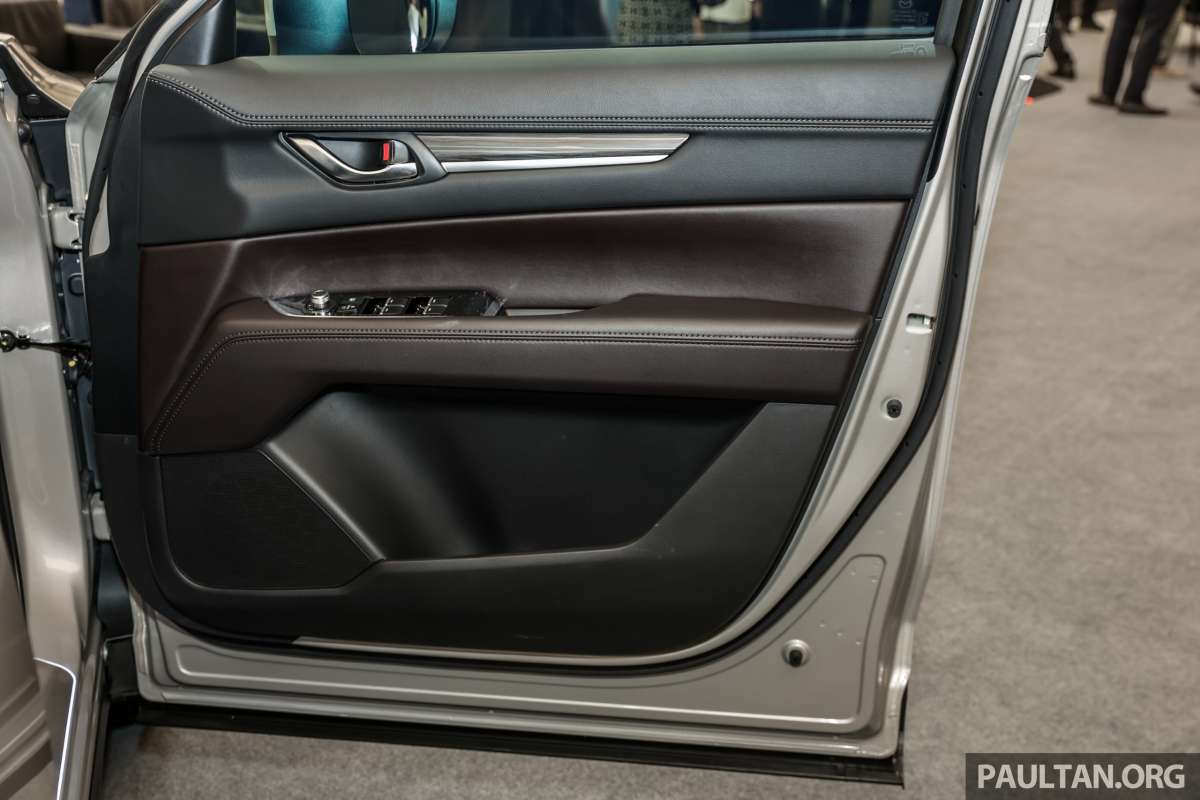
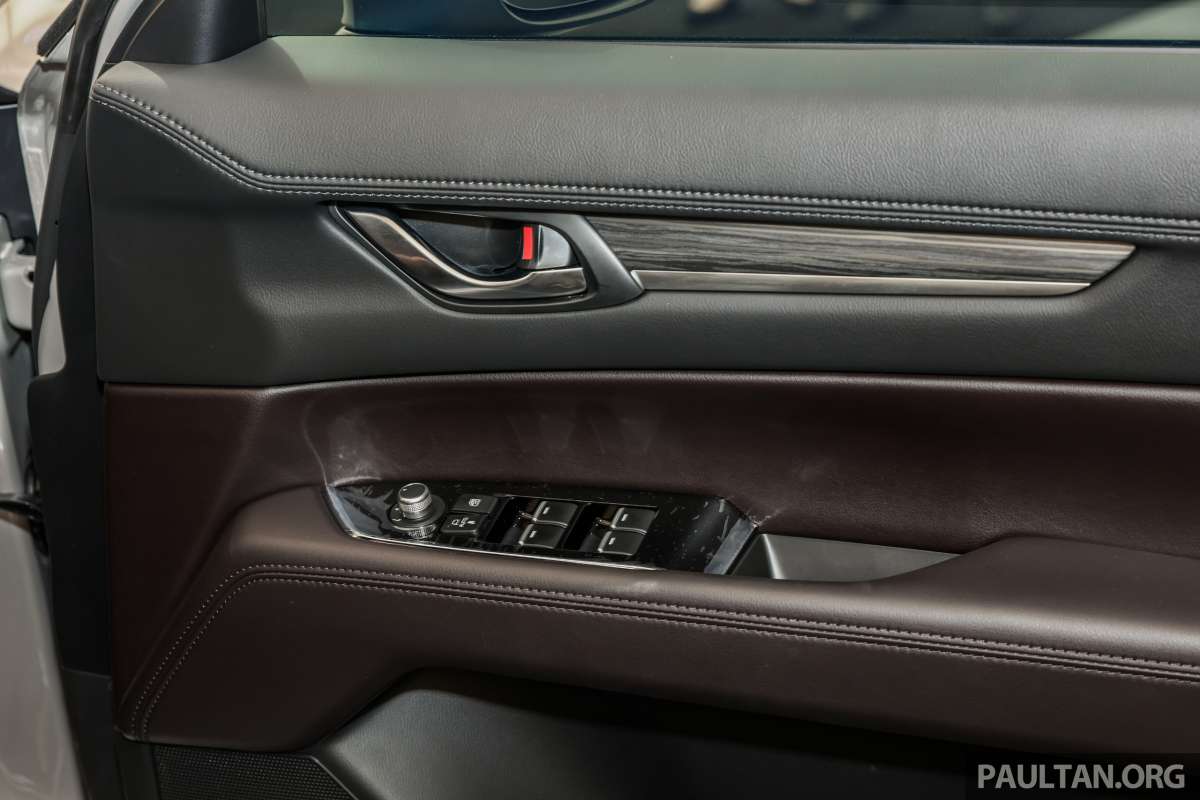
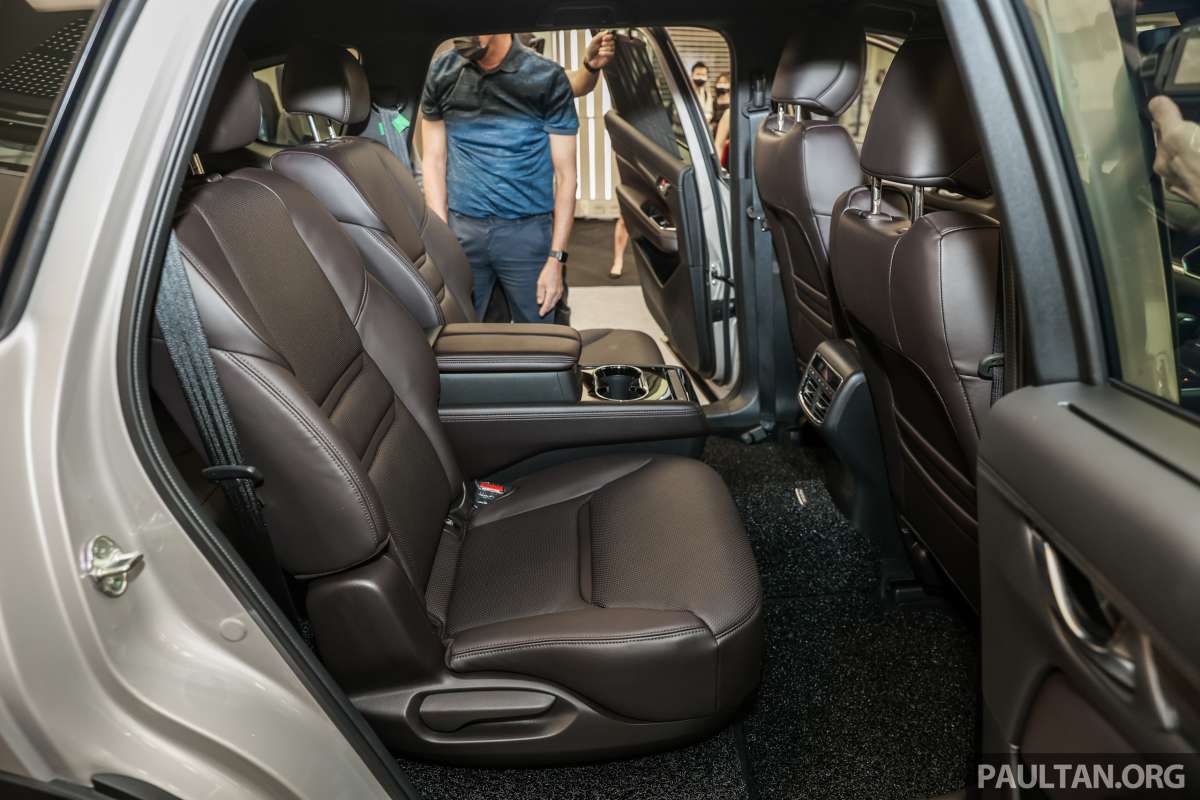
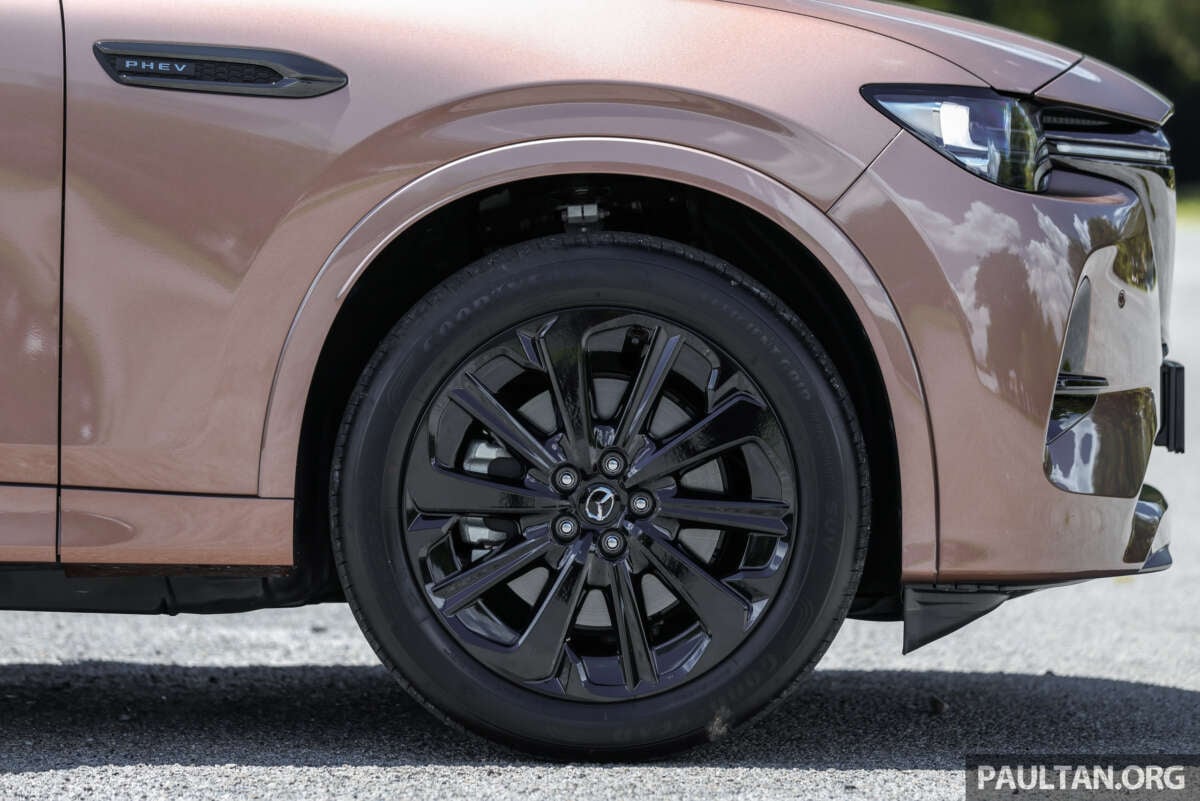
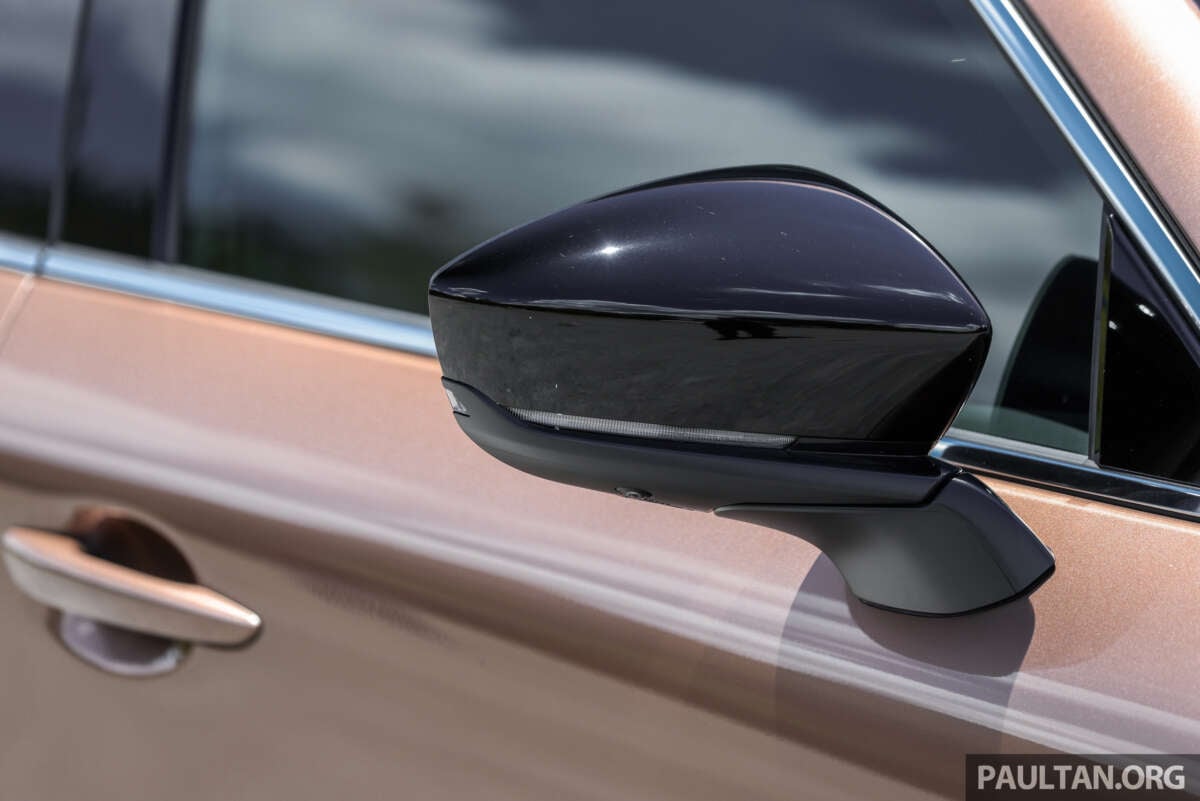
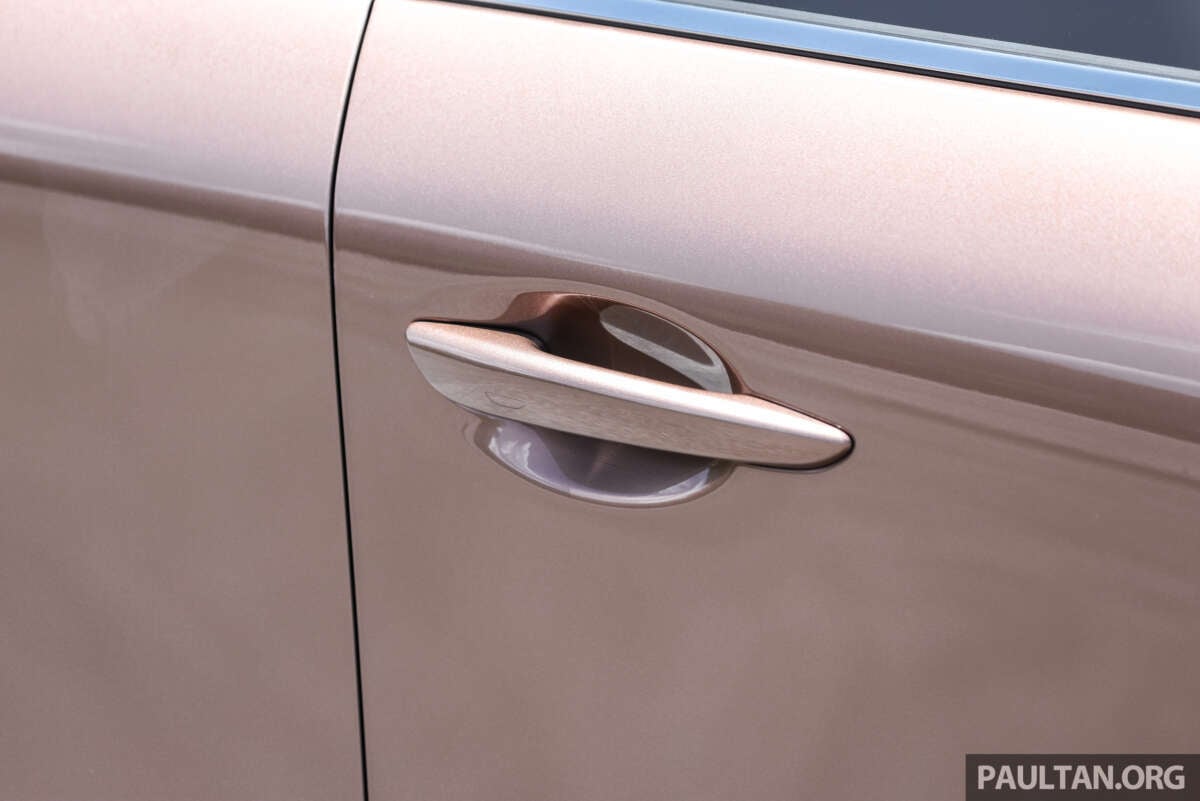
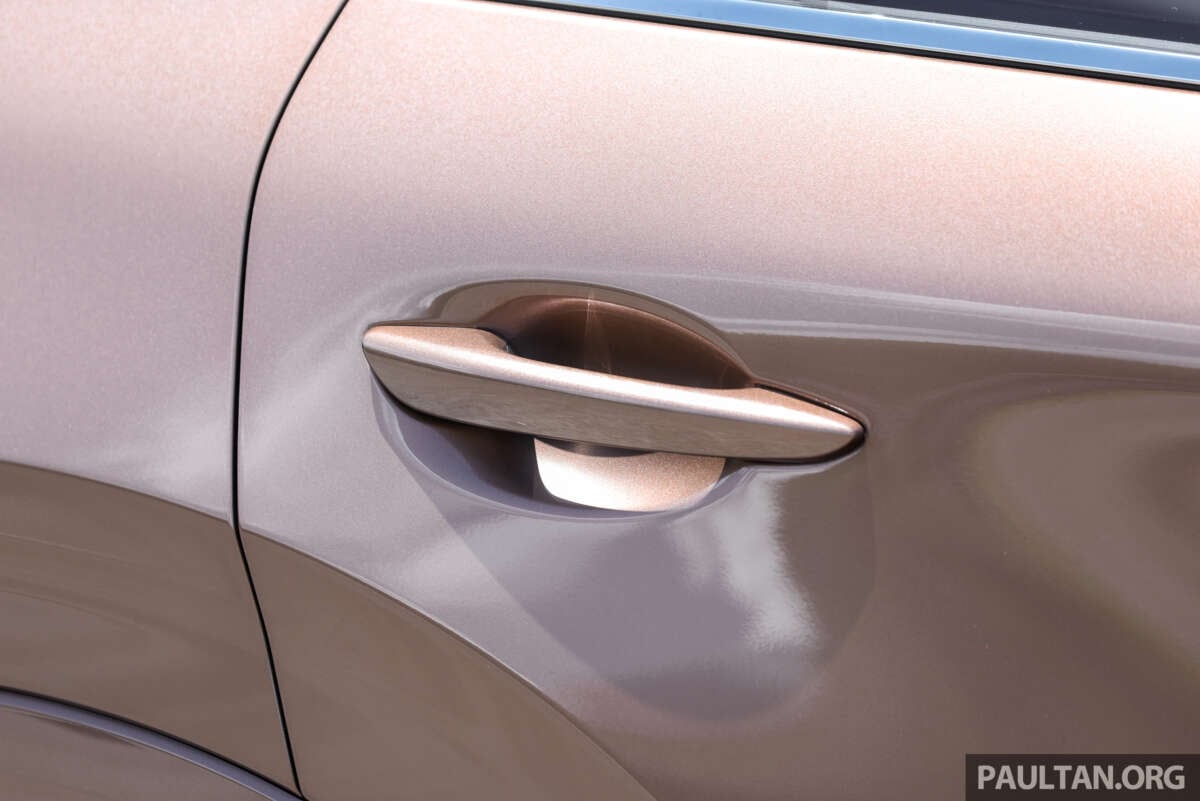
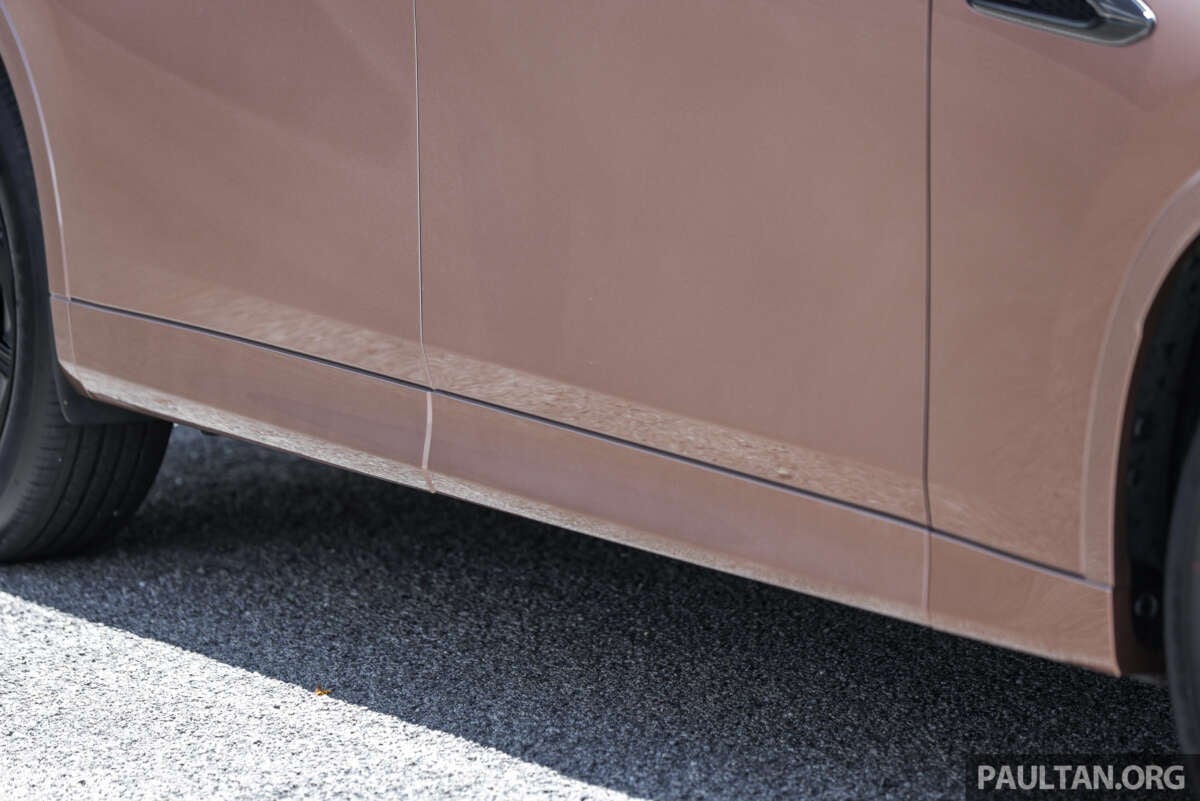
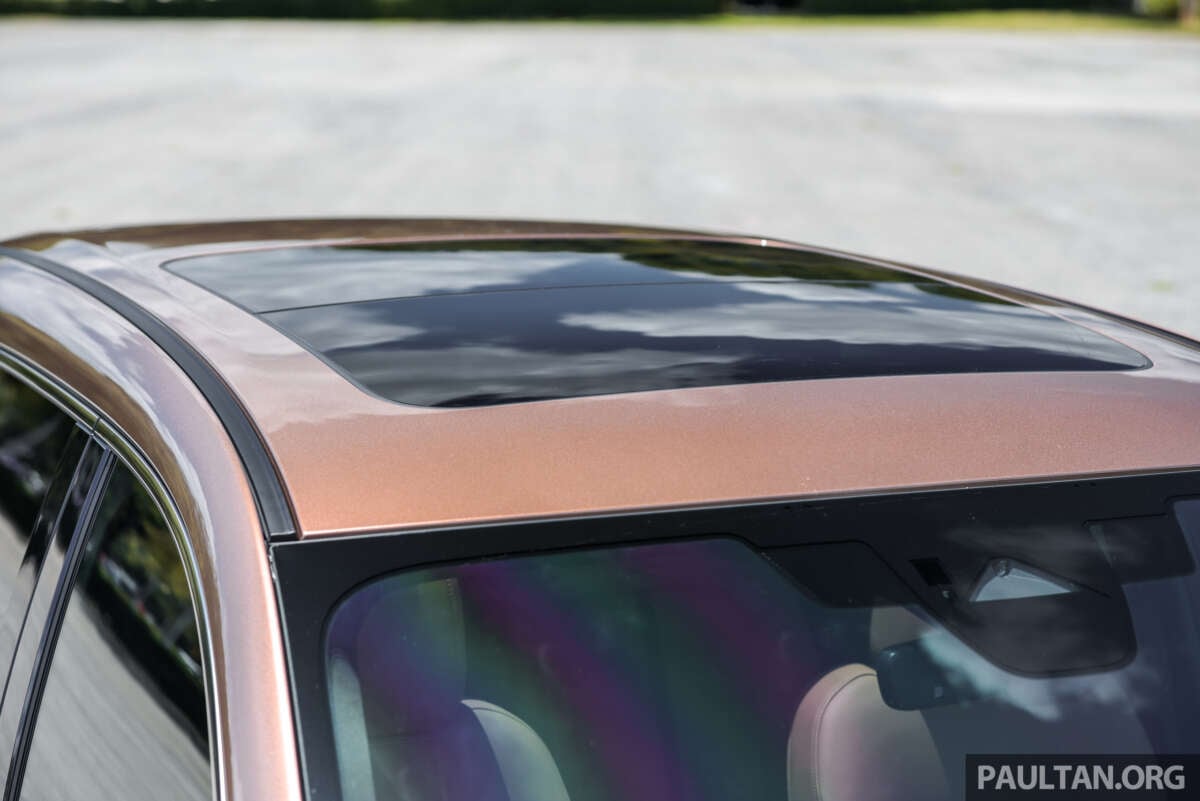
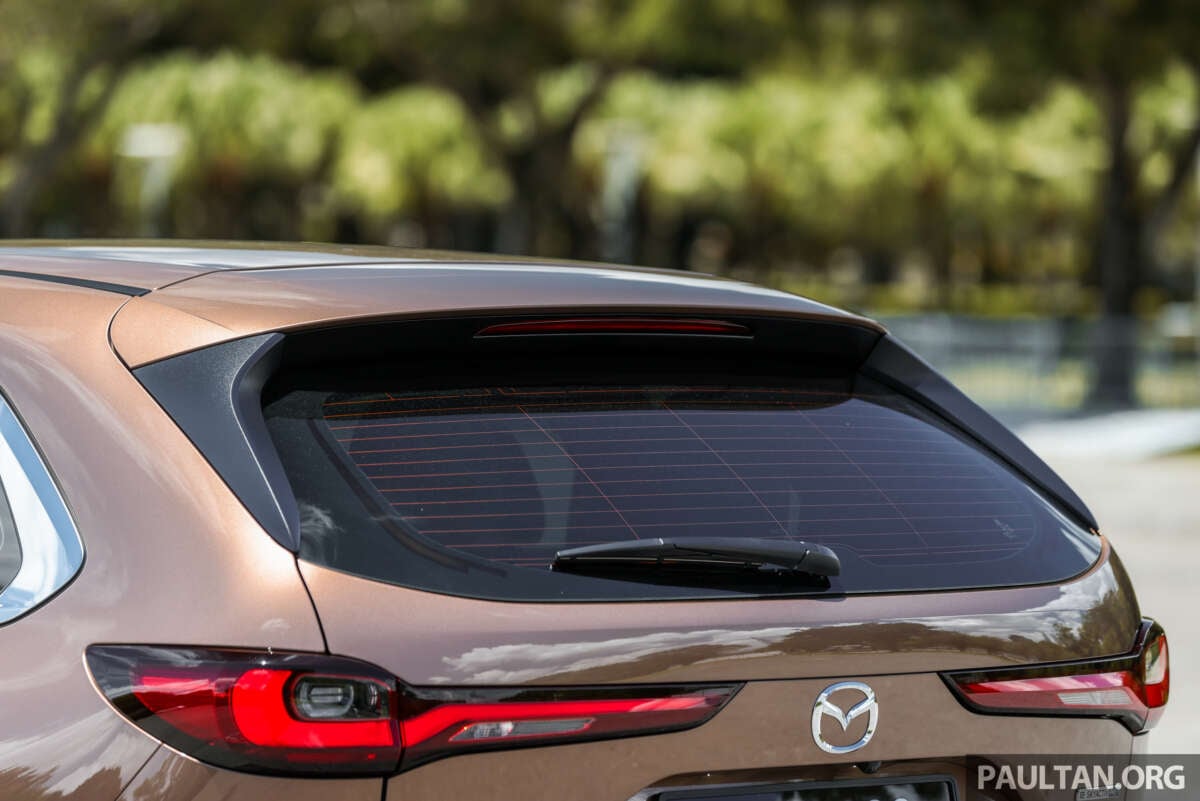
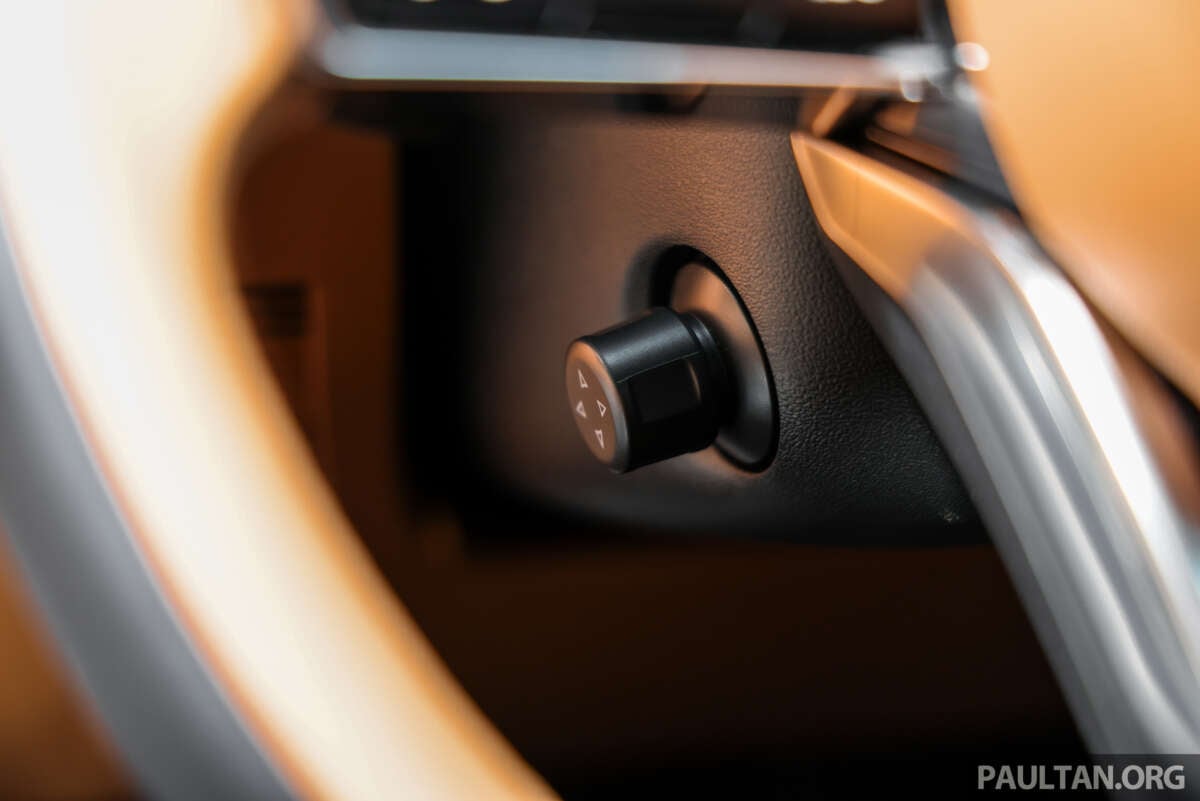
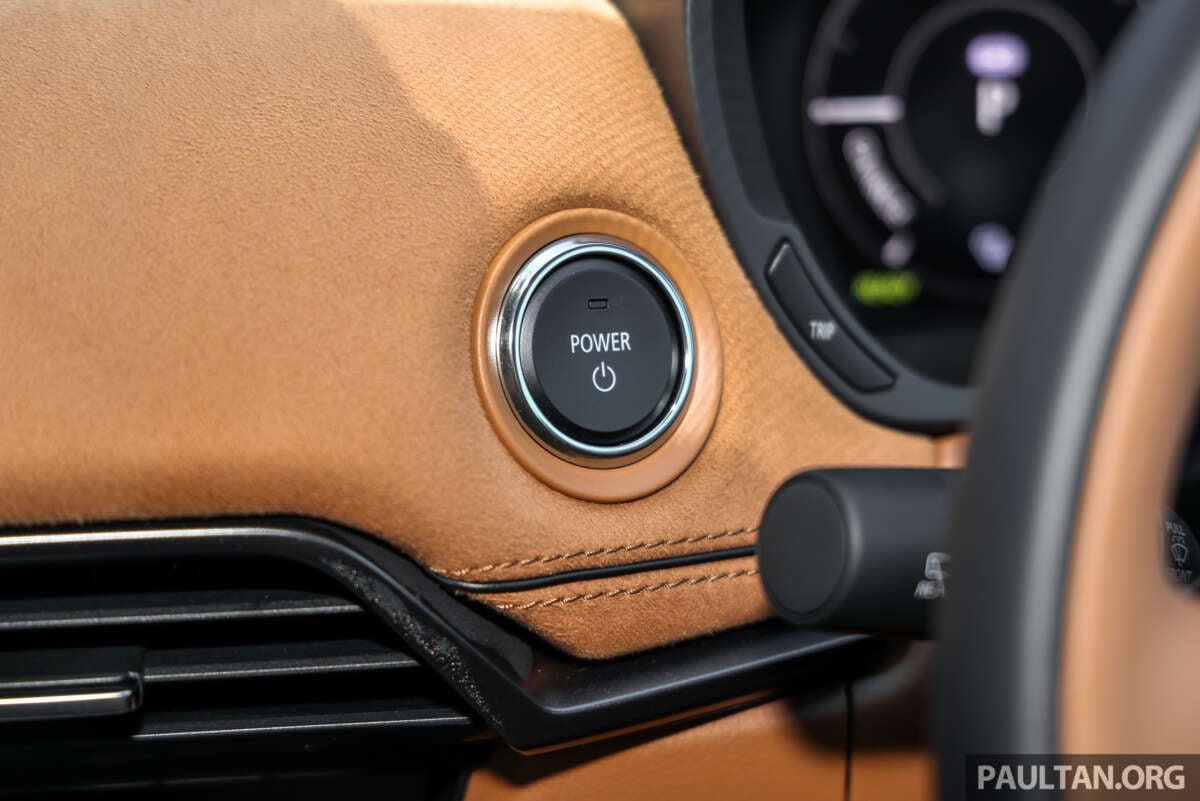
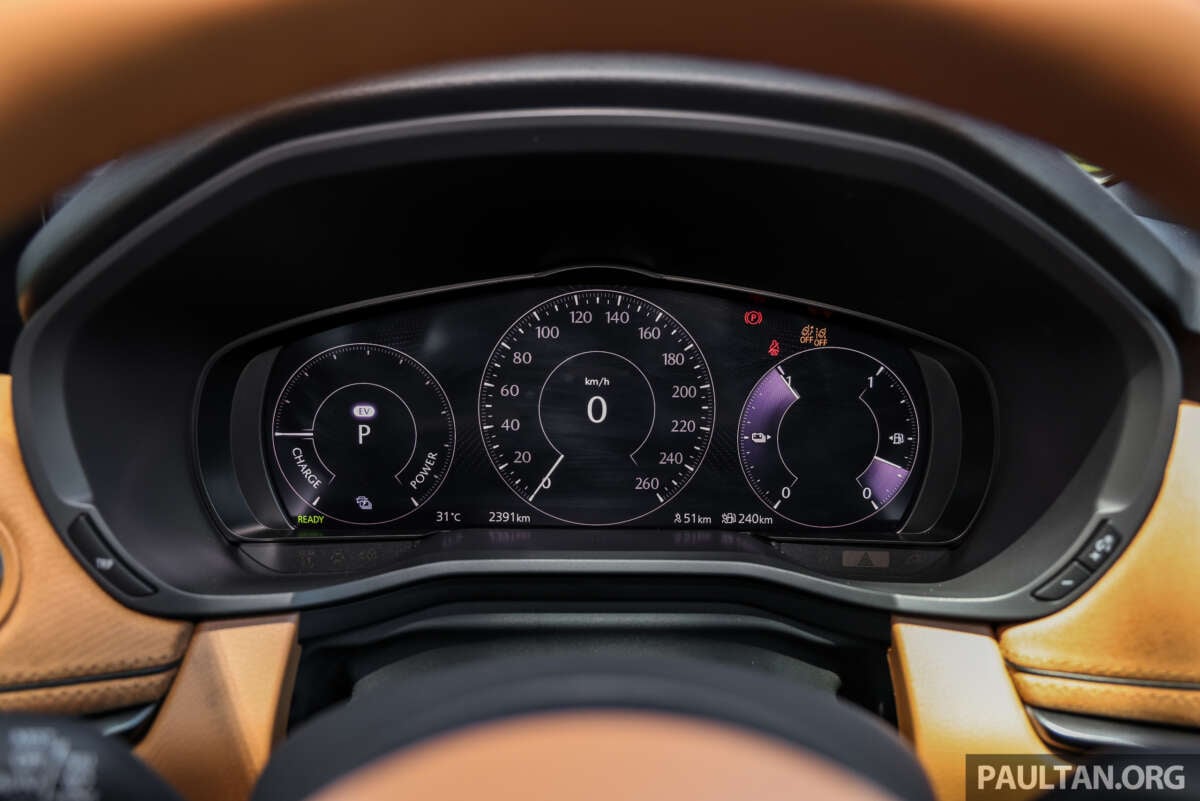
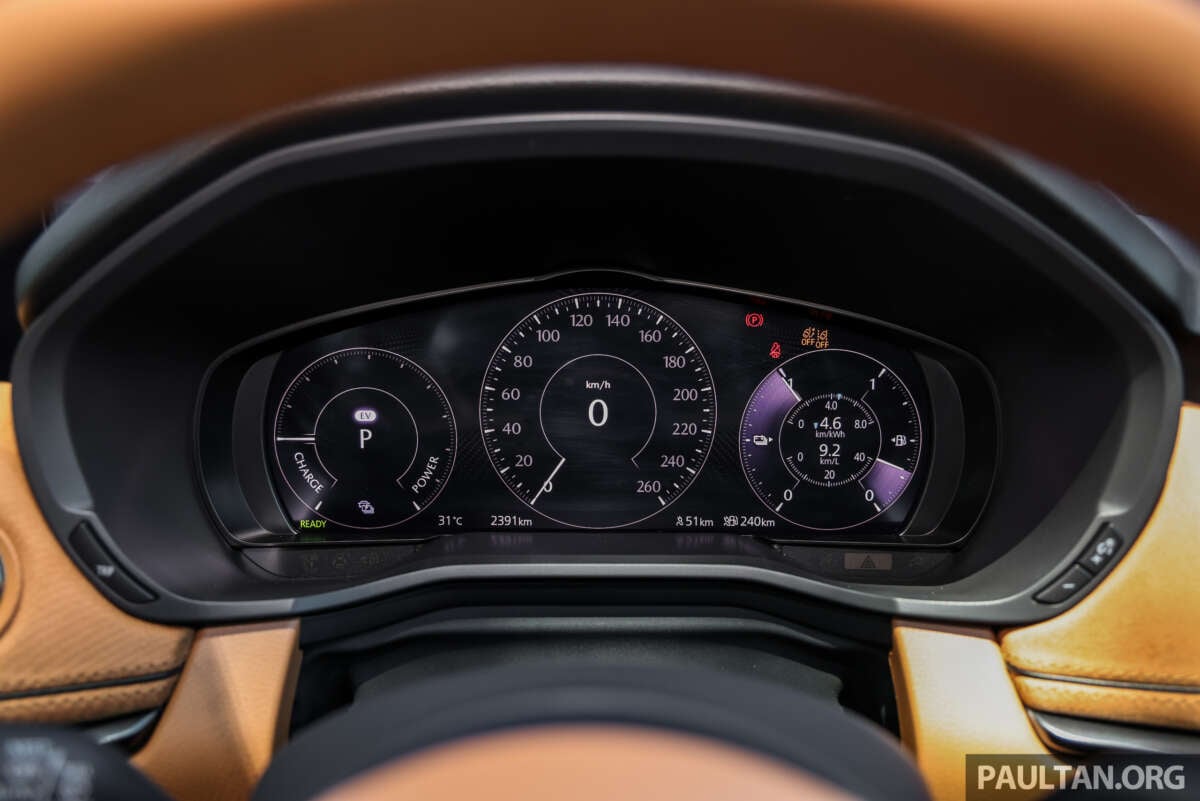
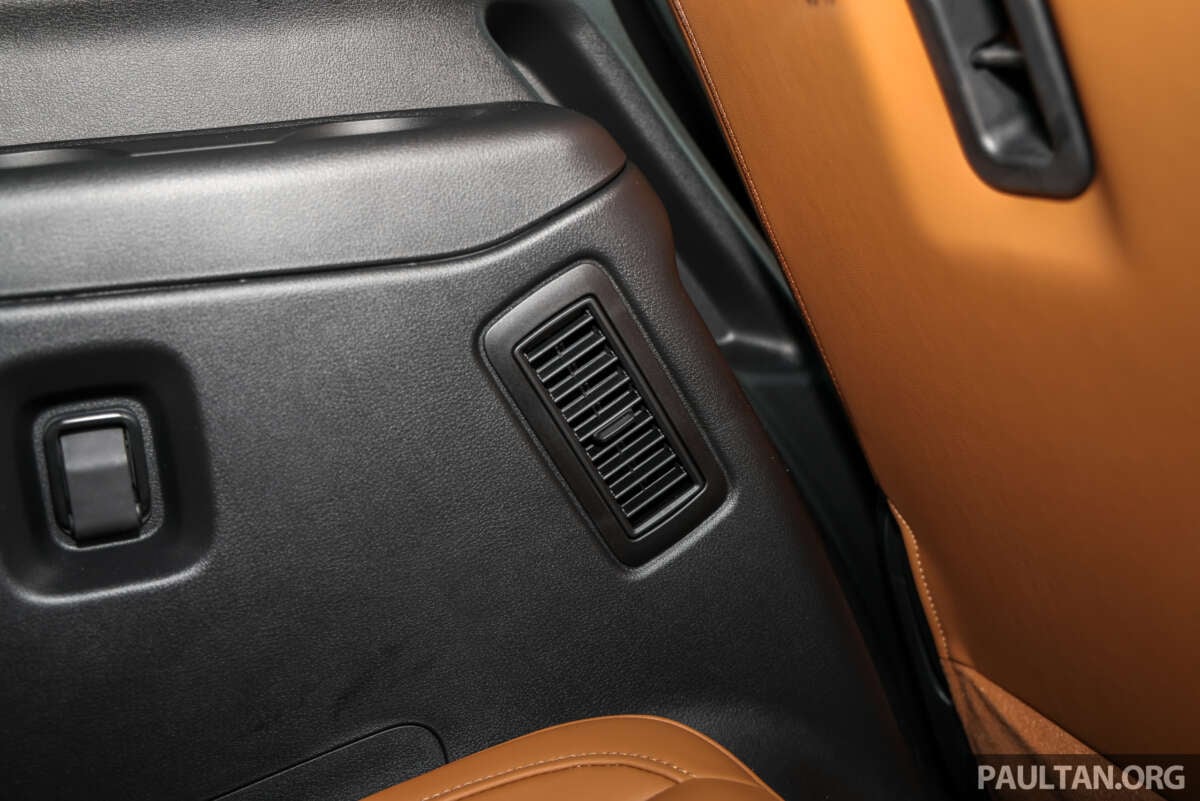
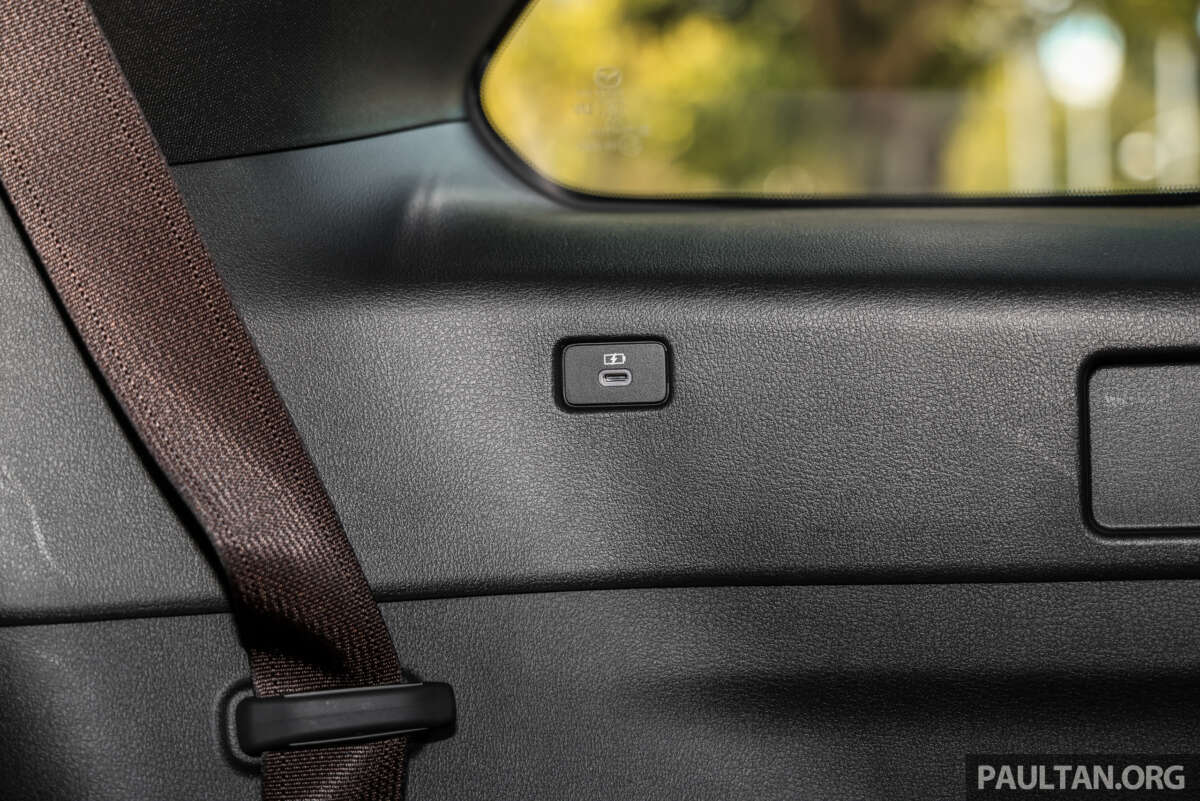
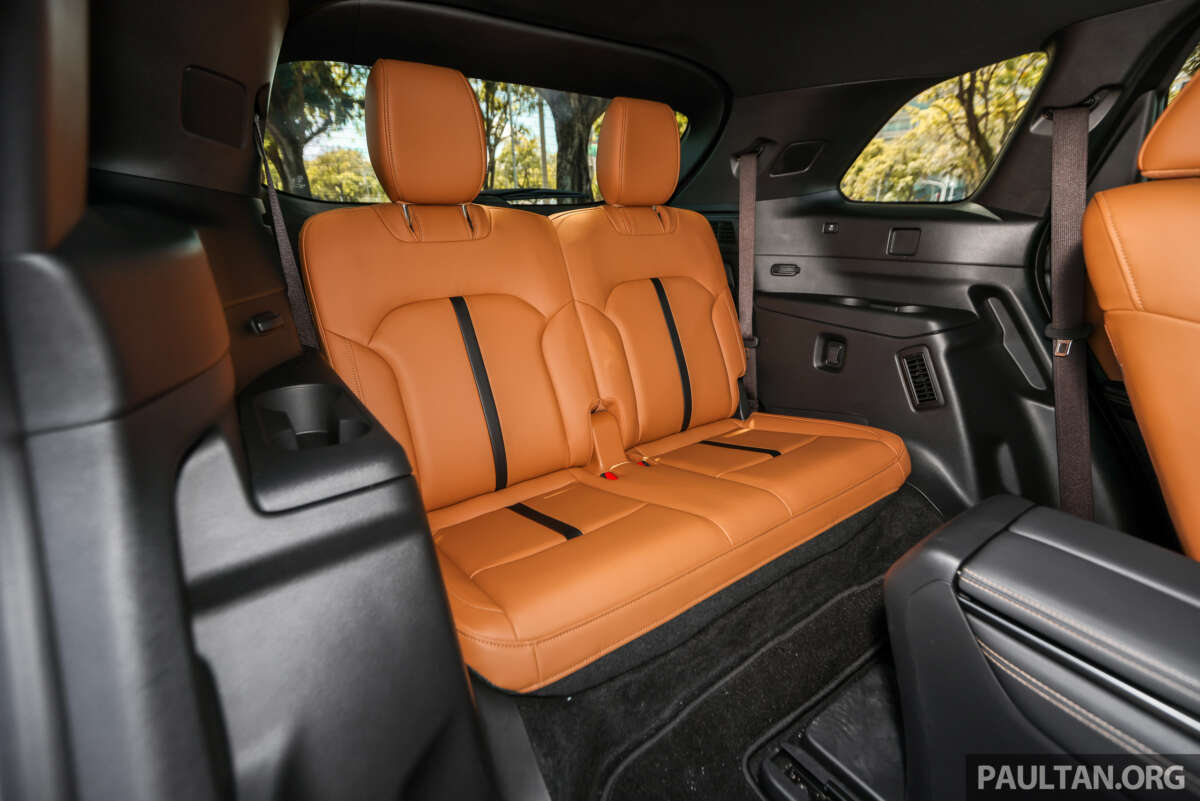
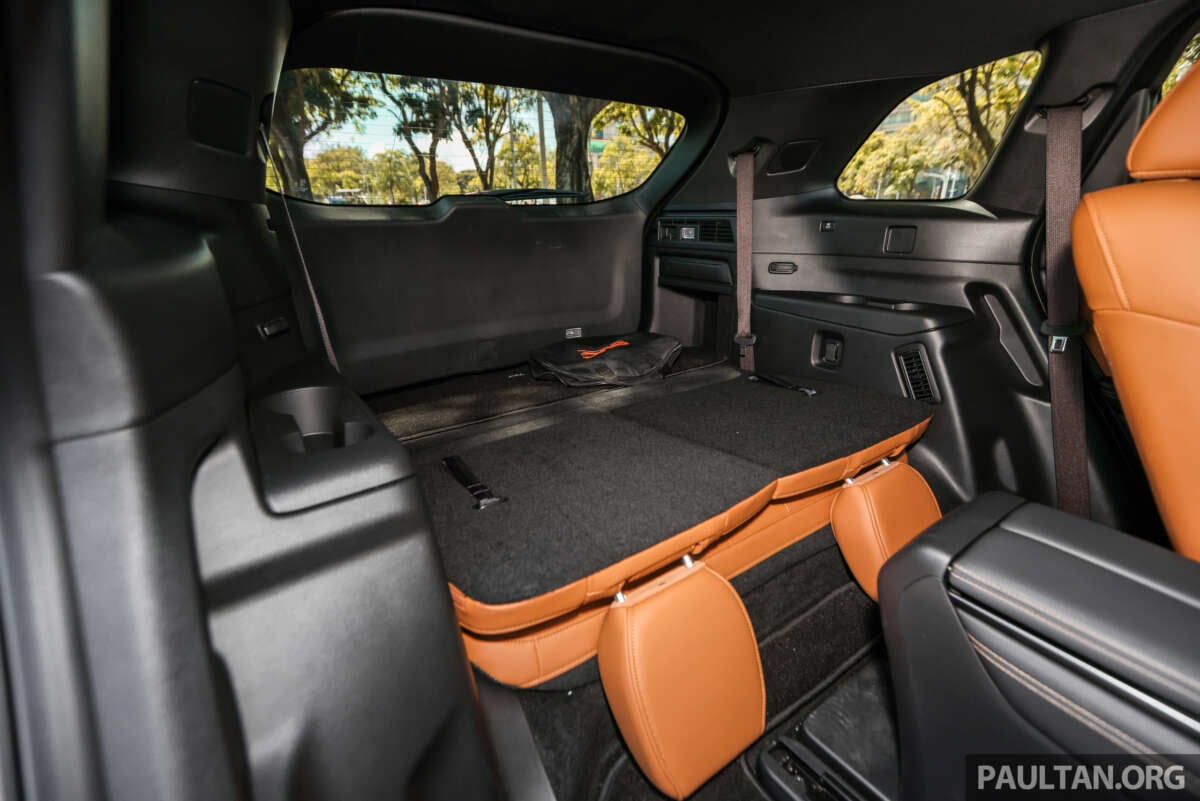
GALLERY: Mazda CX-80
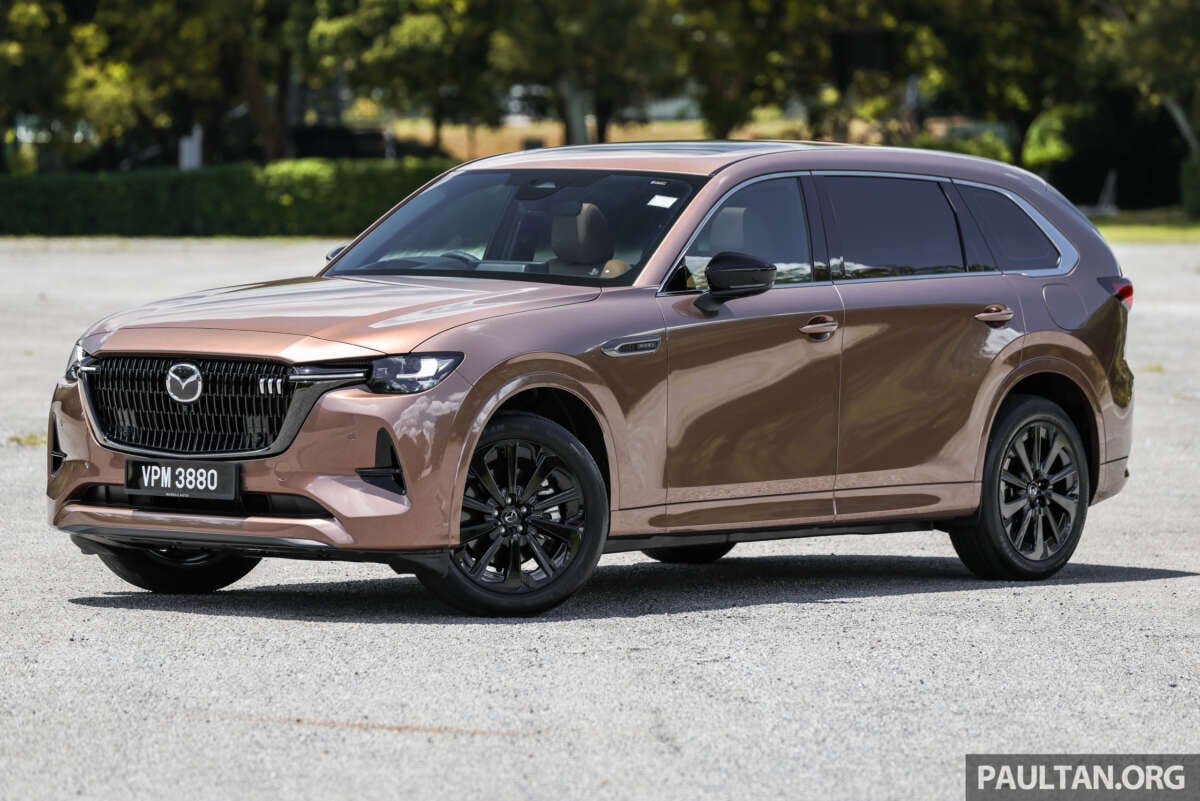
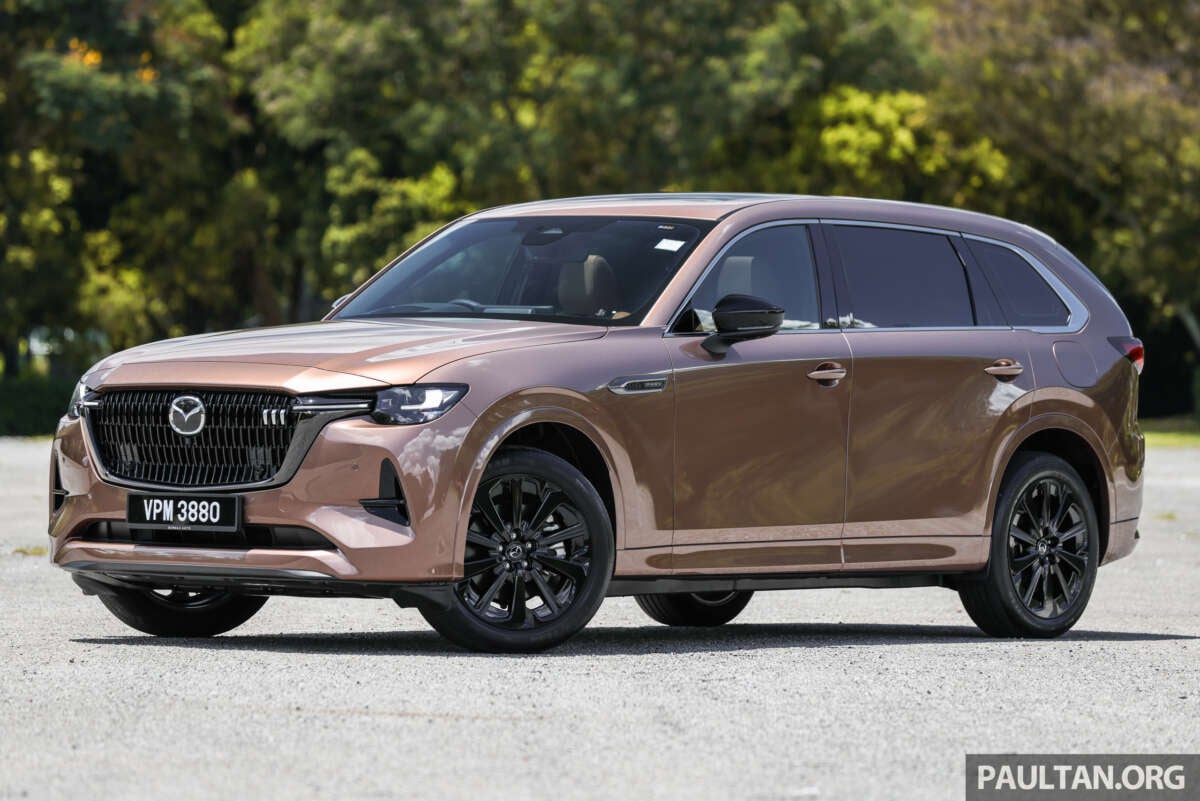
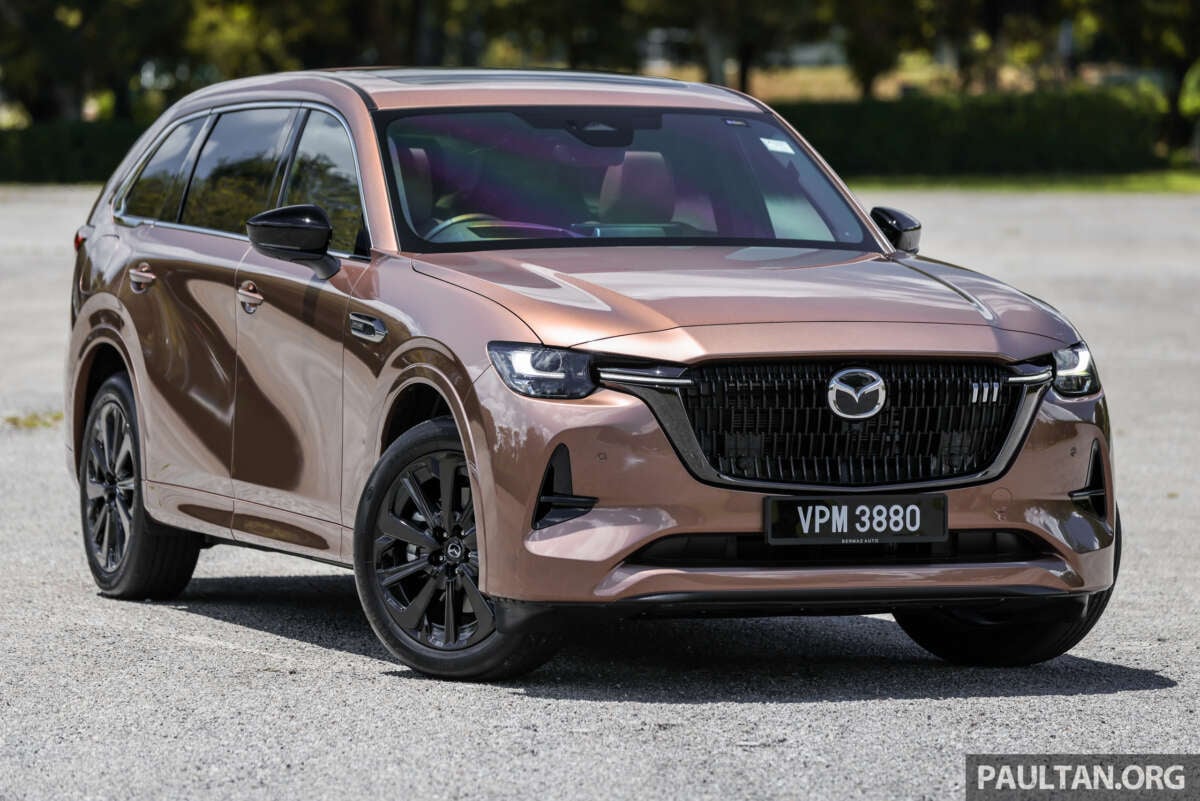
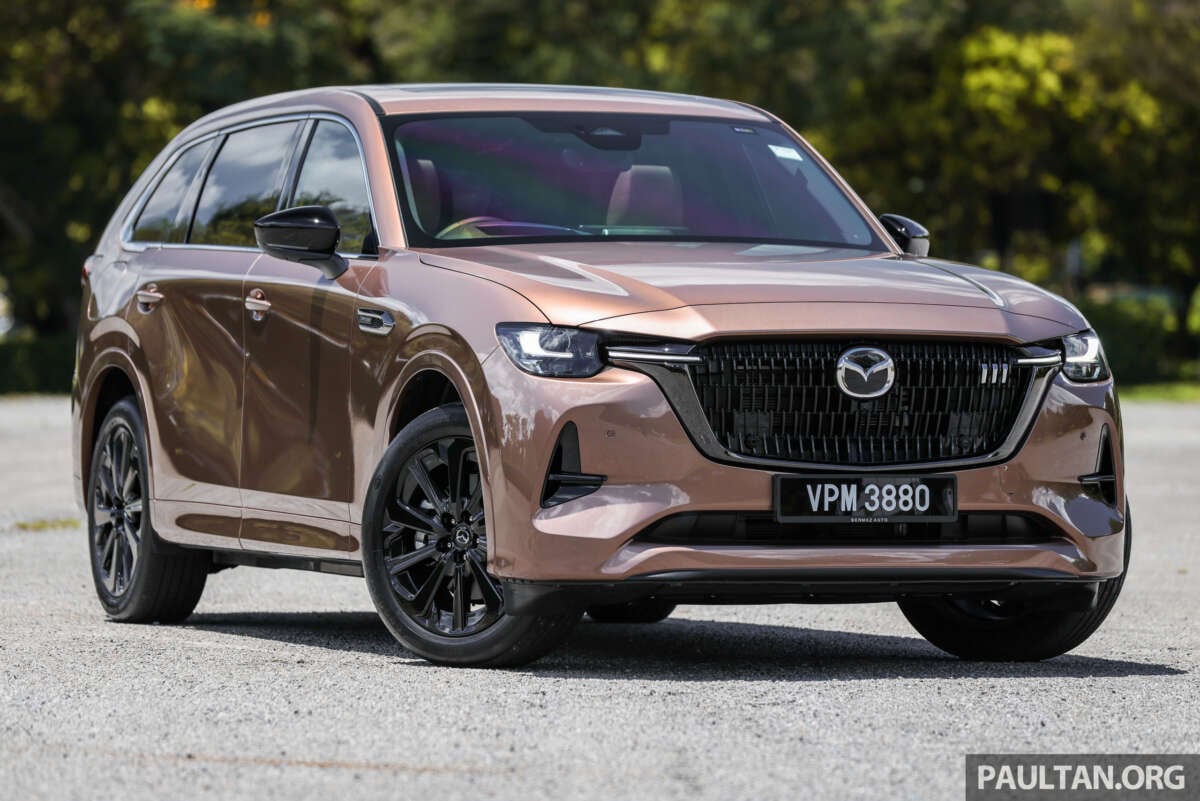
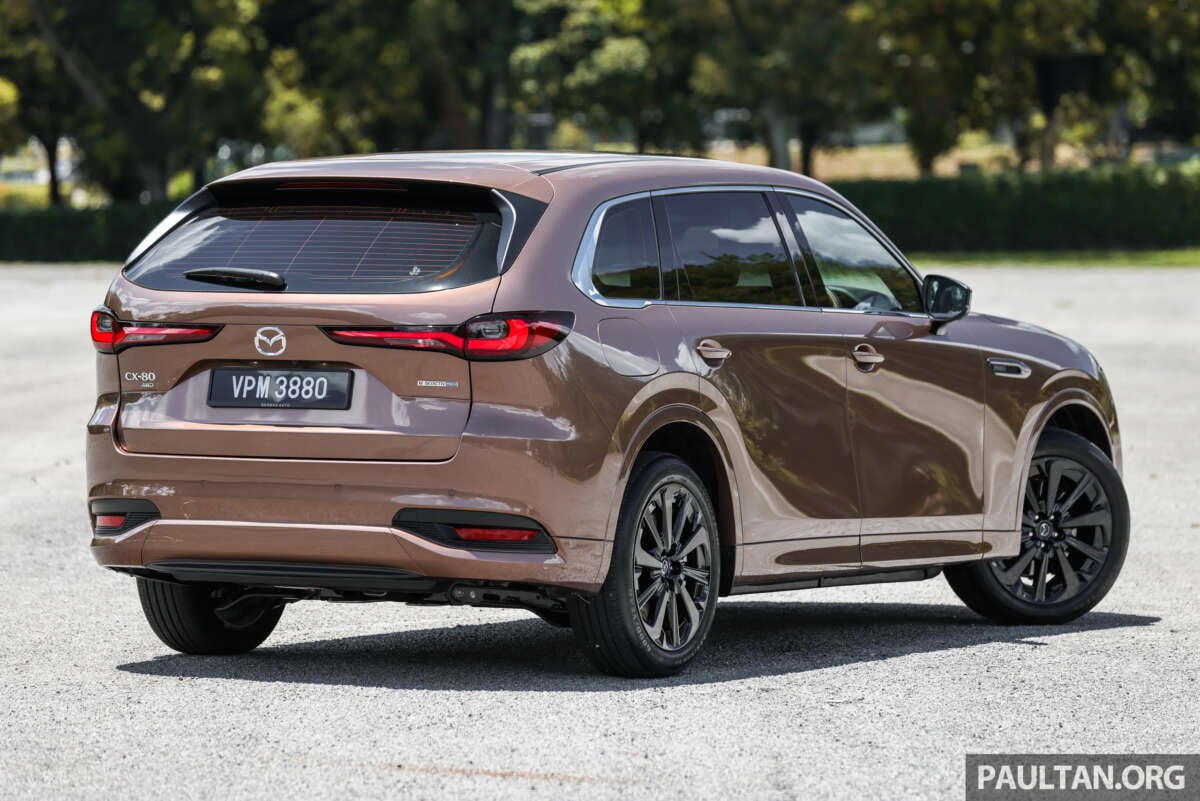
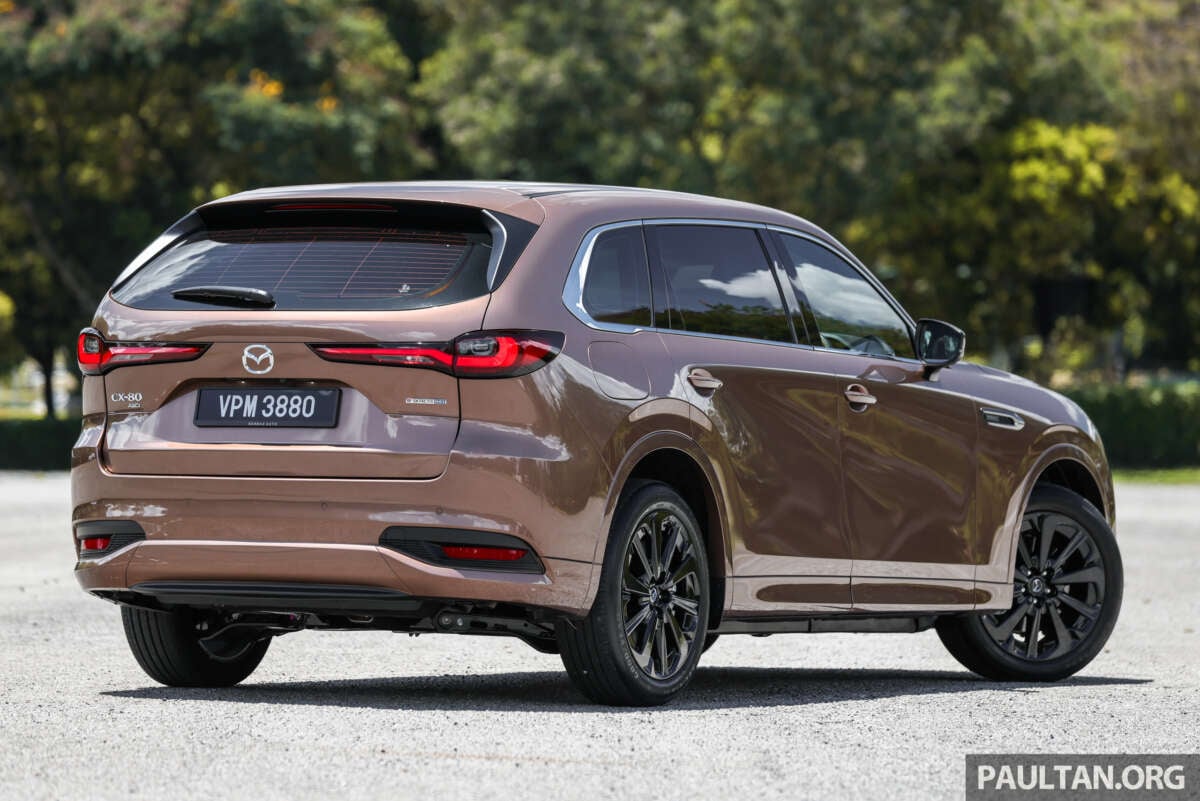
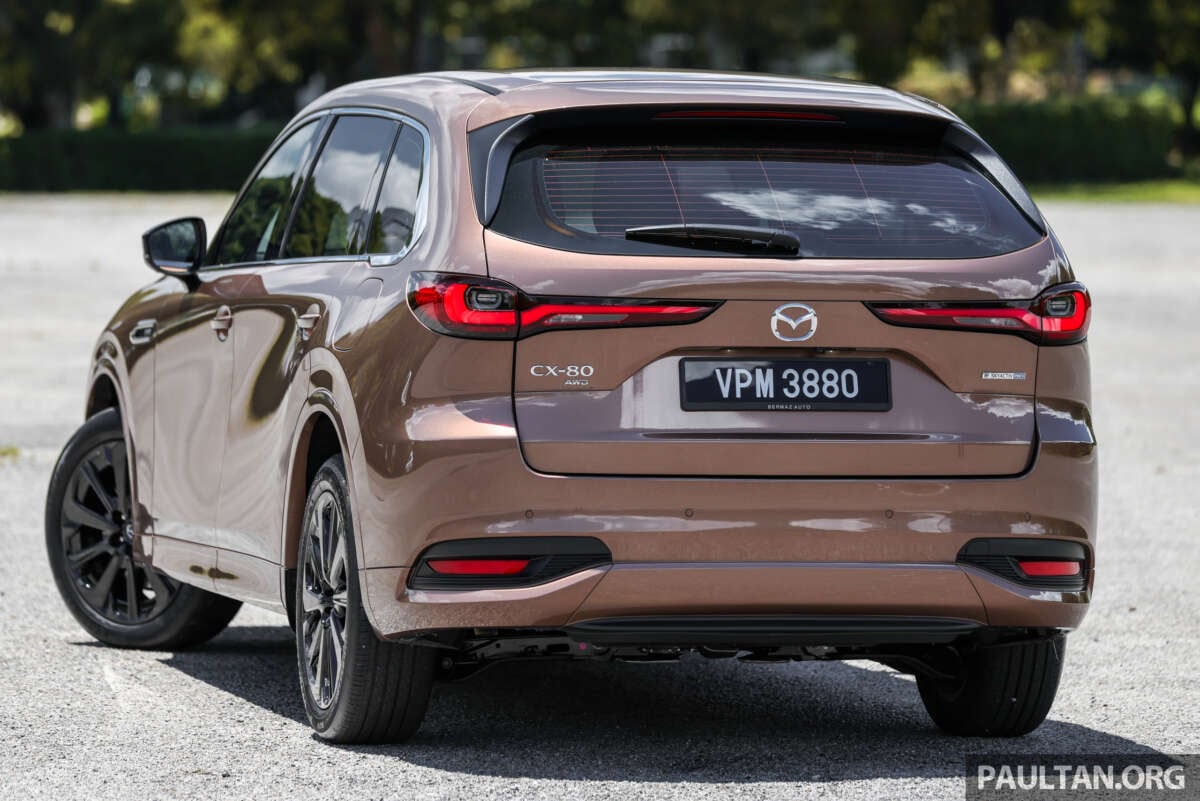
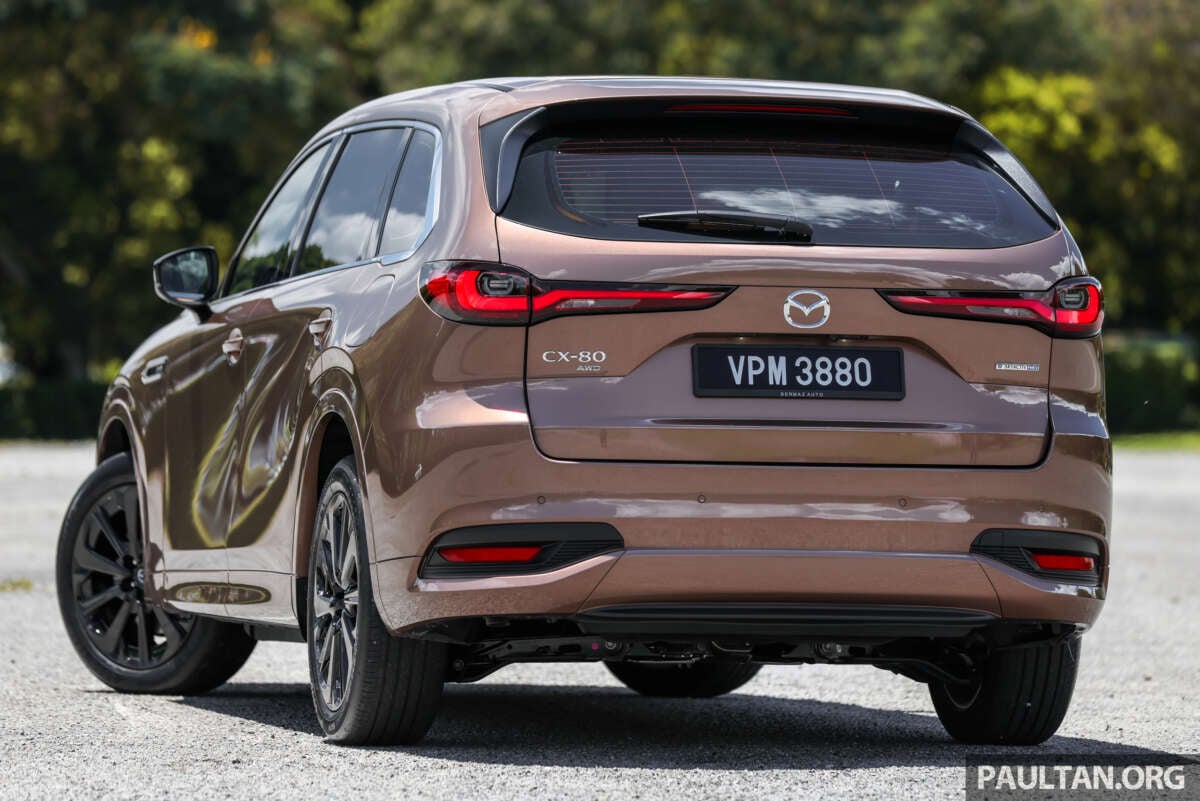
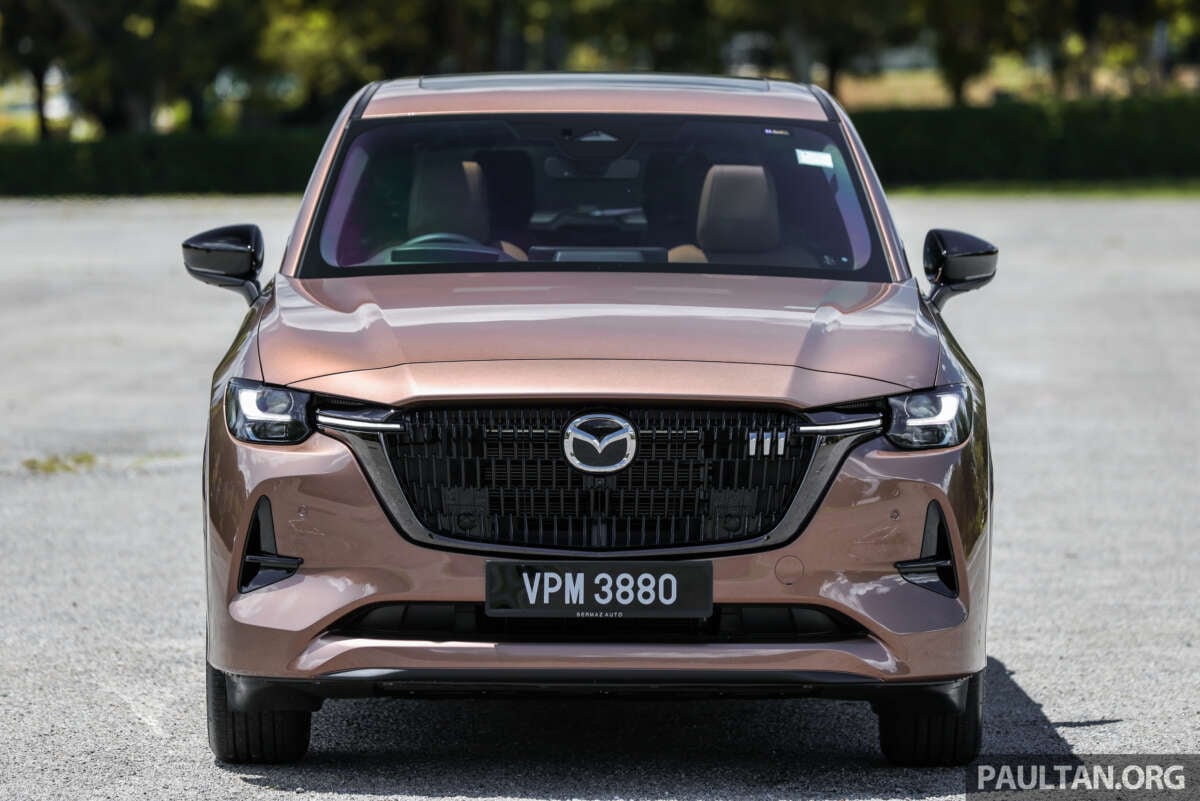
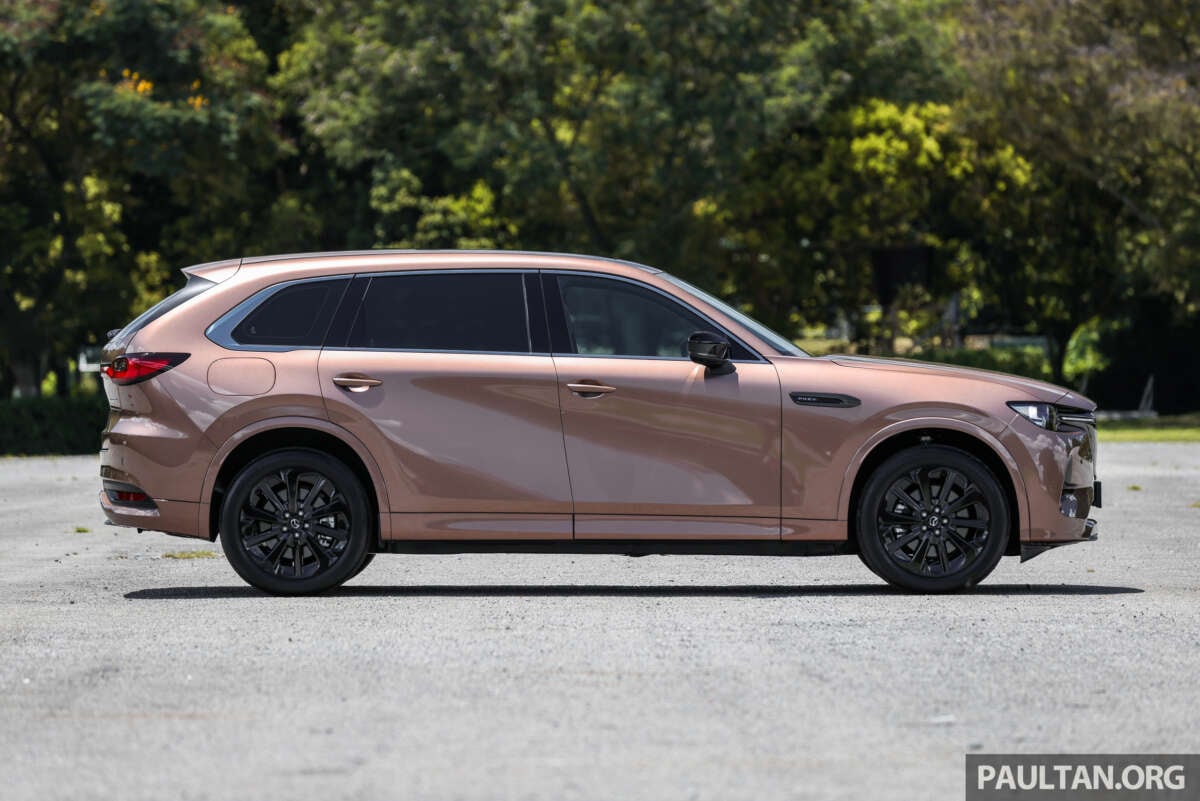
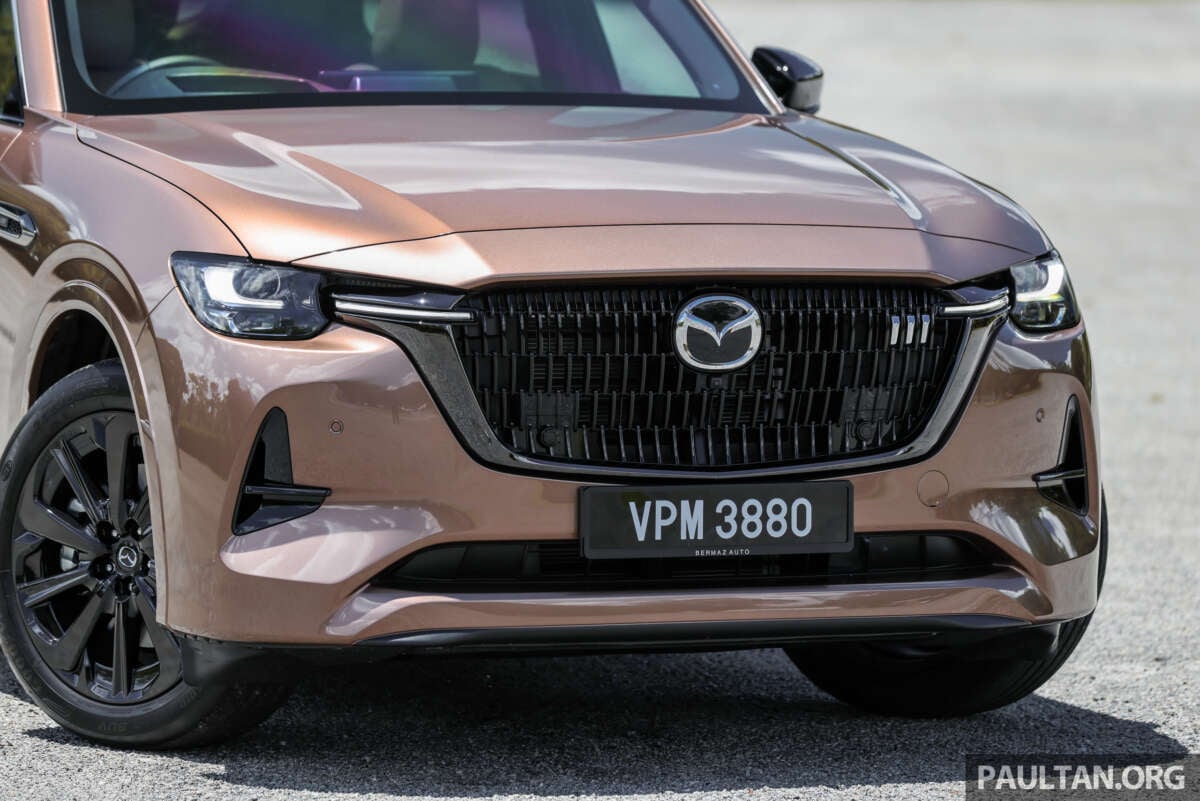
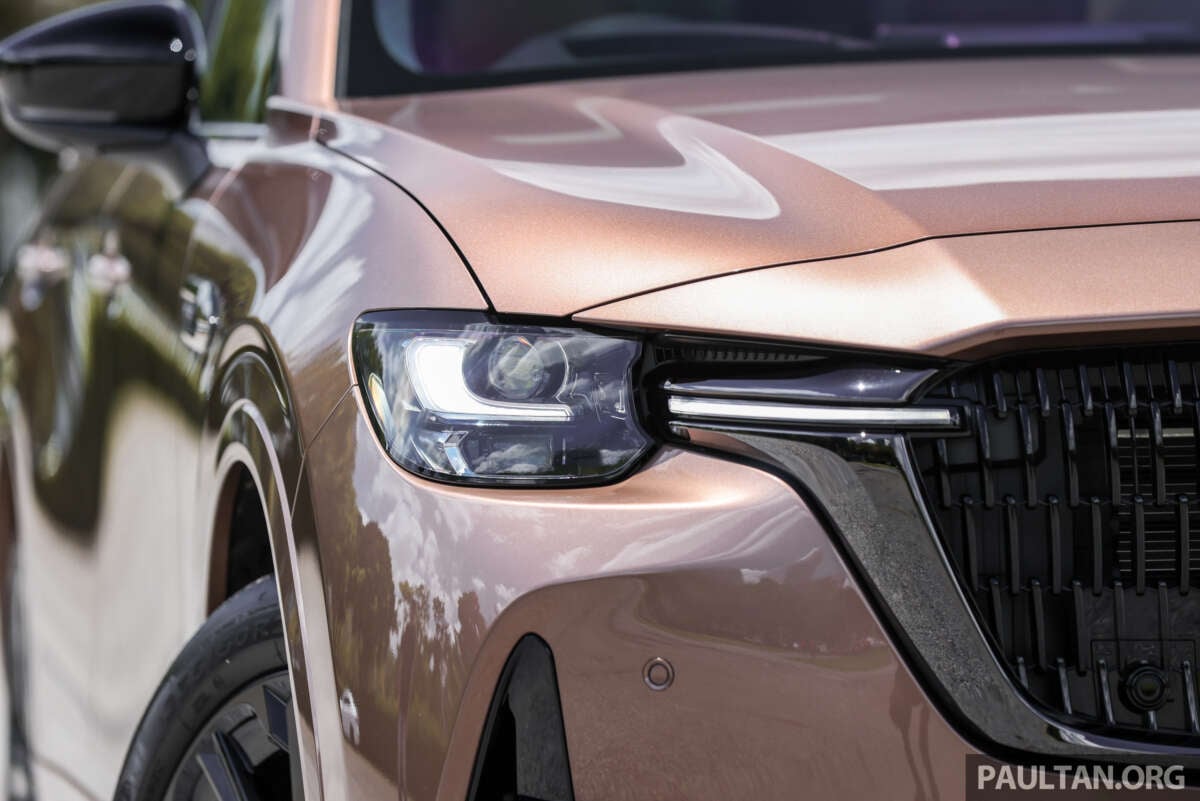
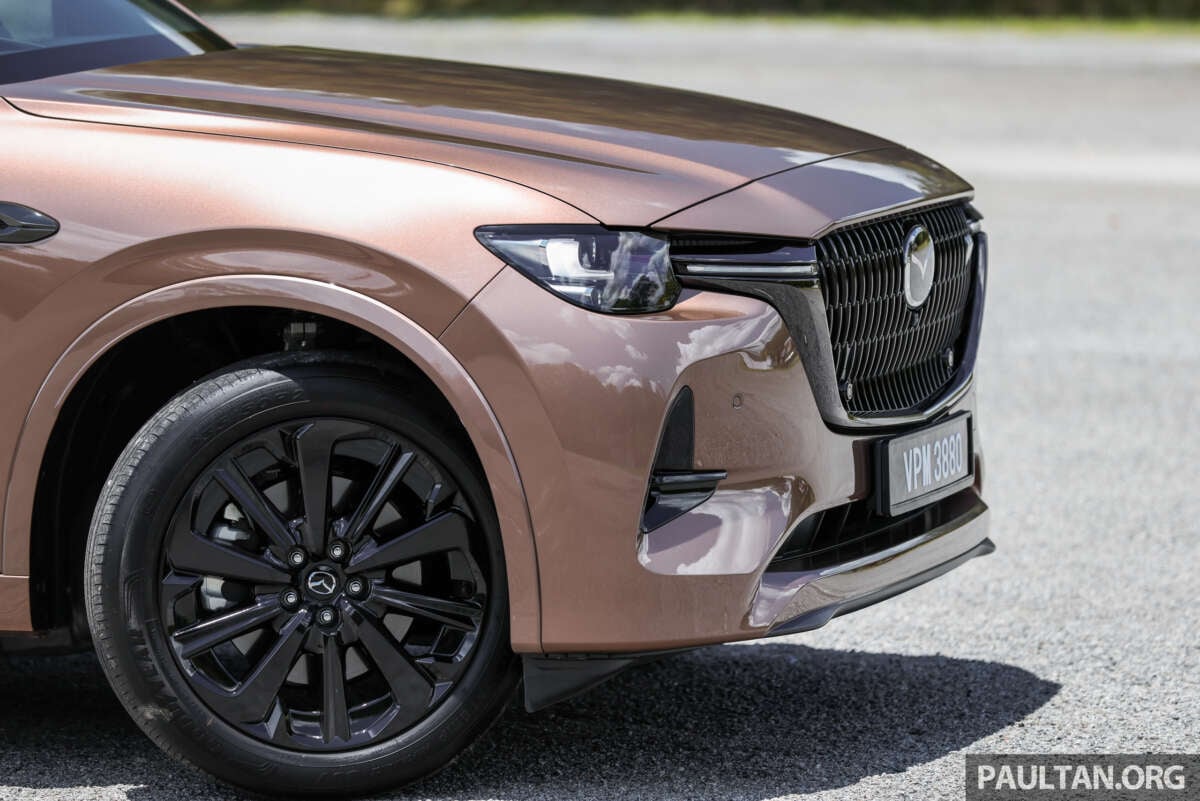
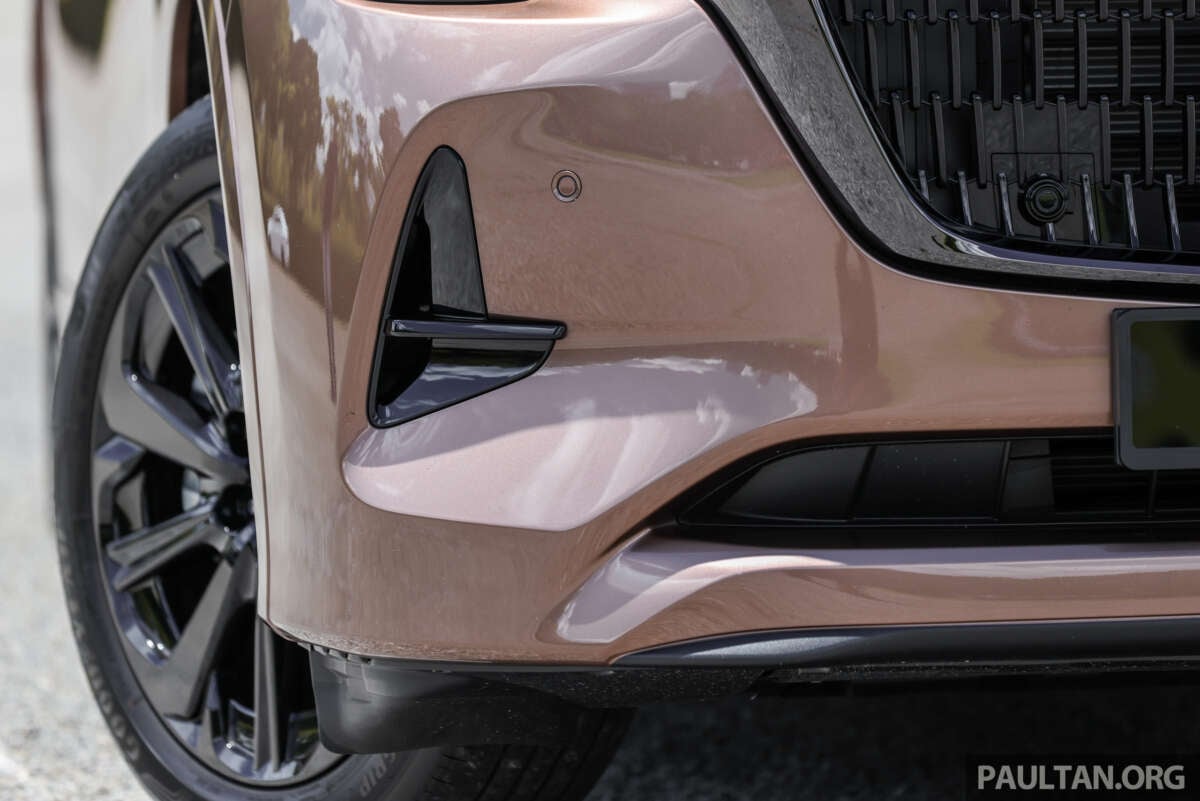
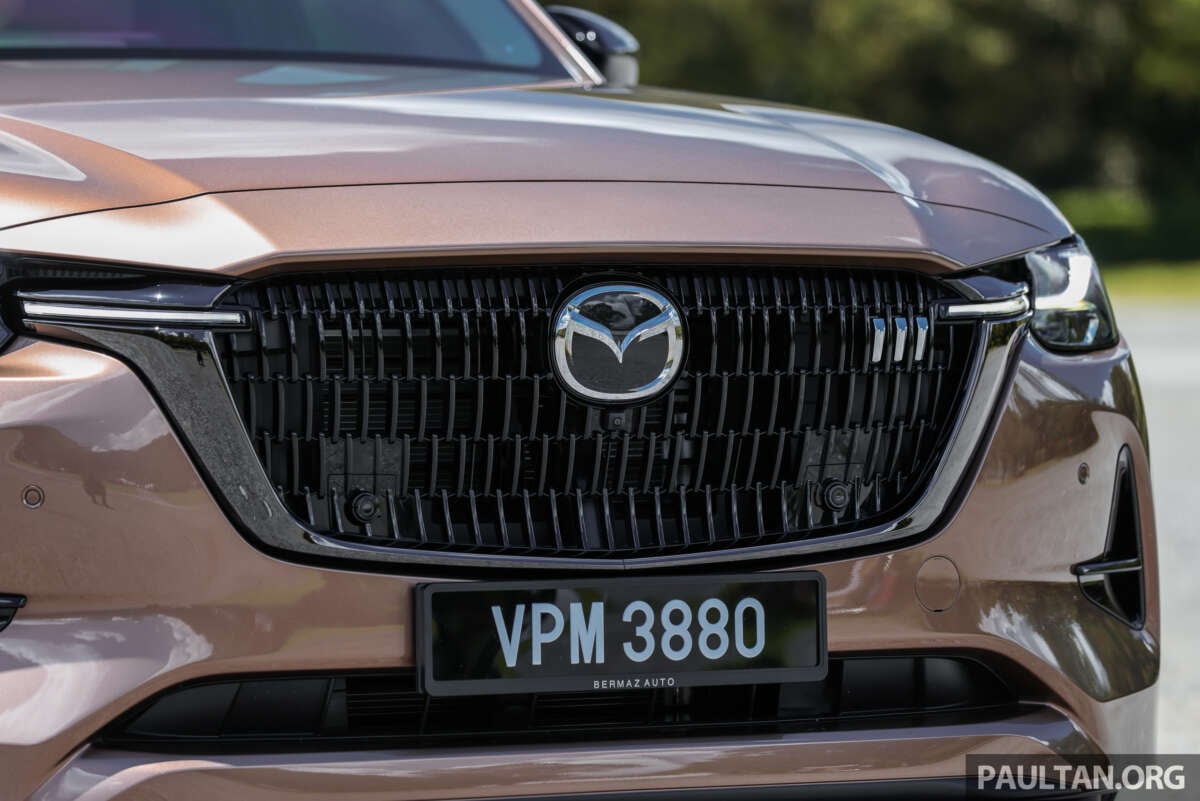
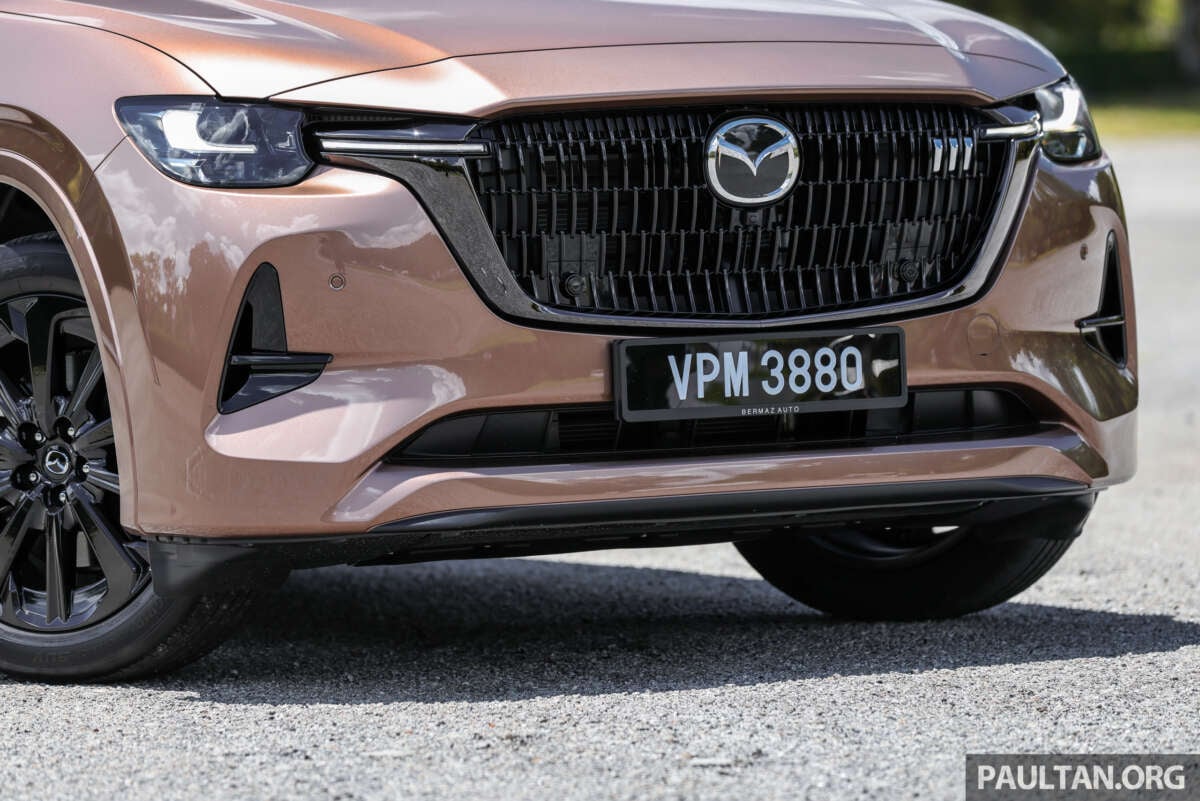
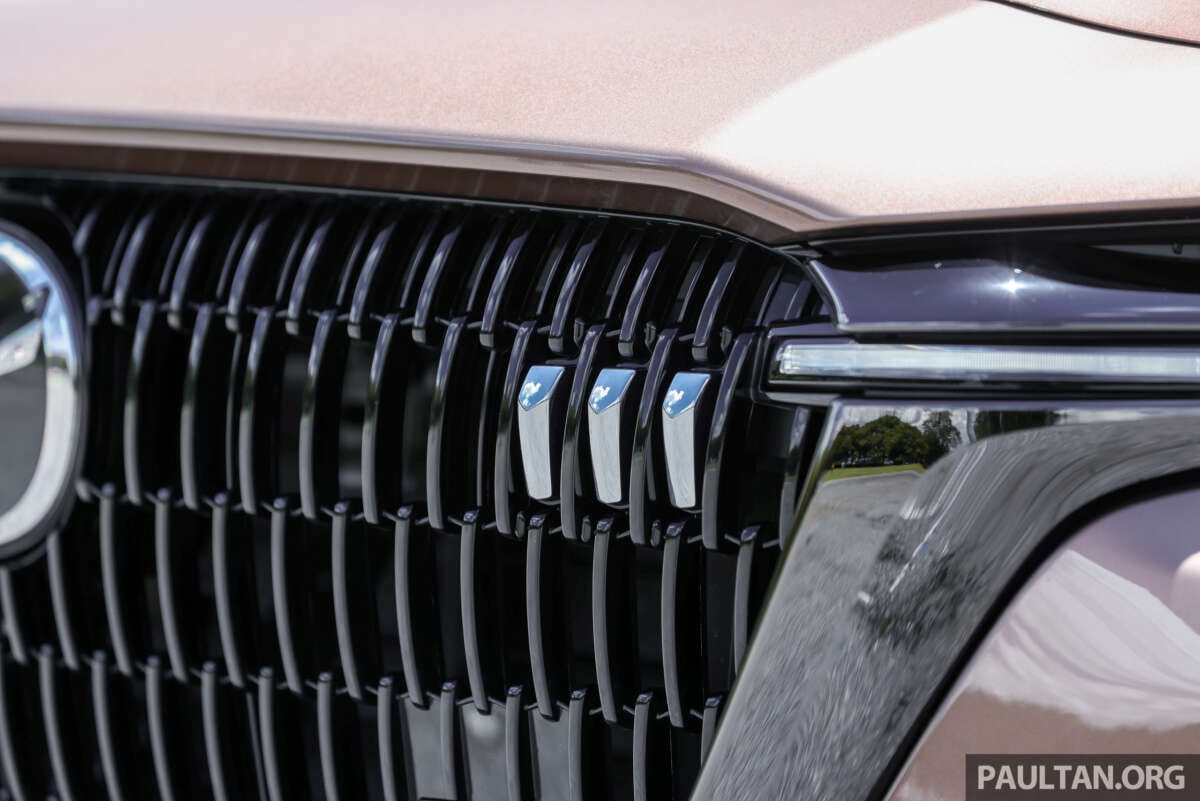
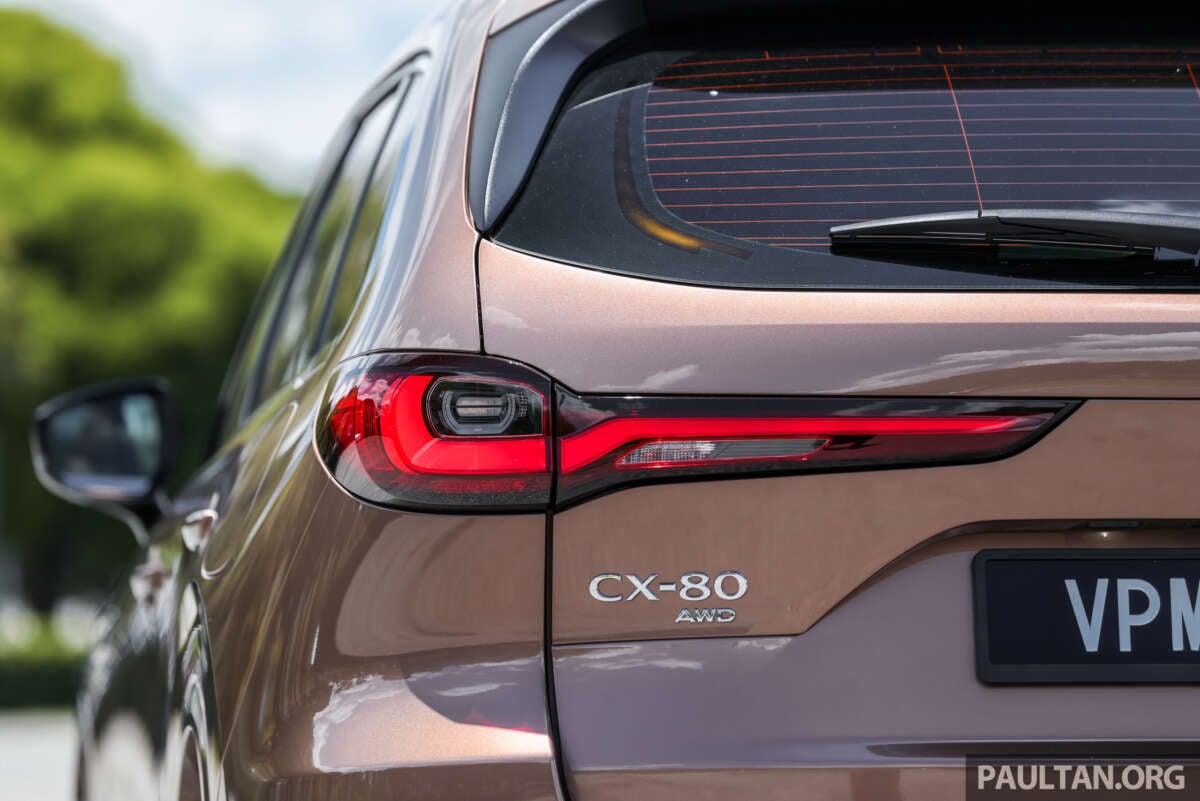
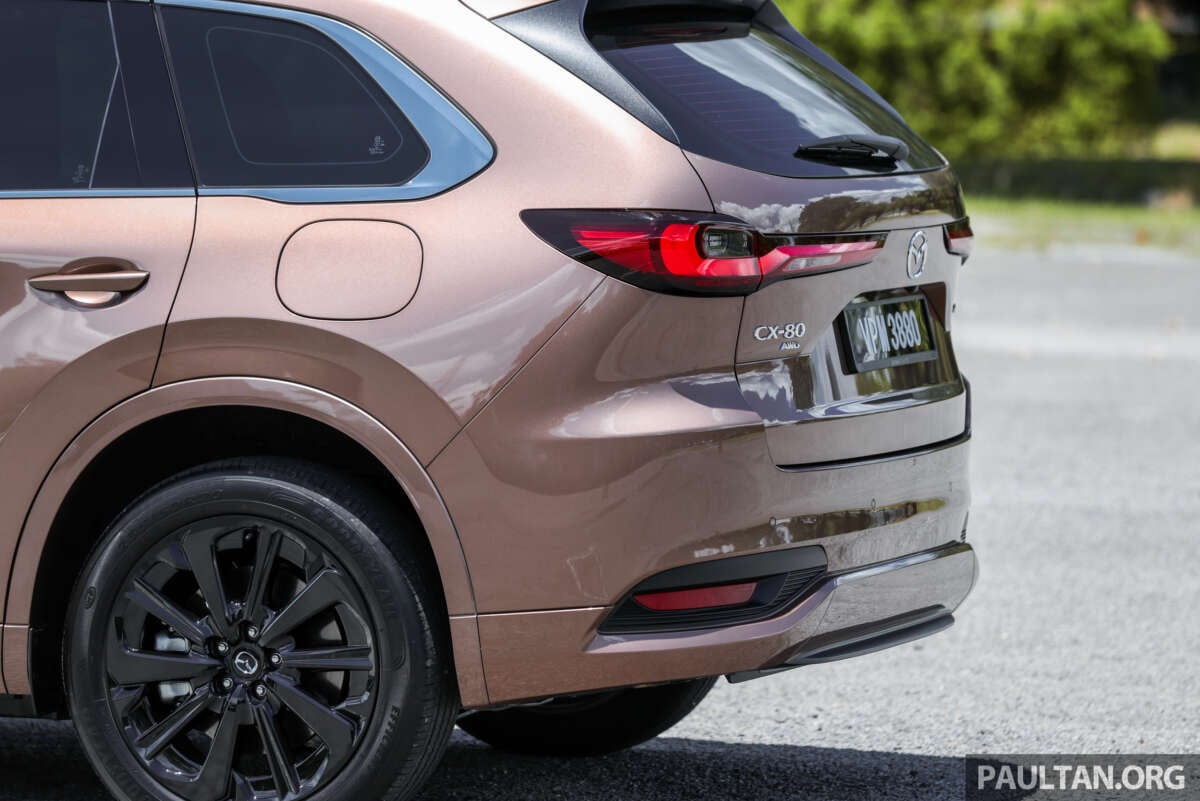
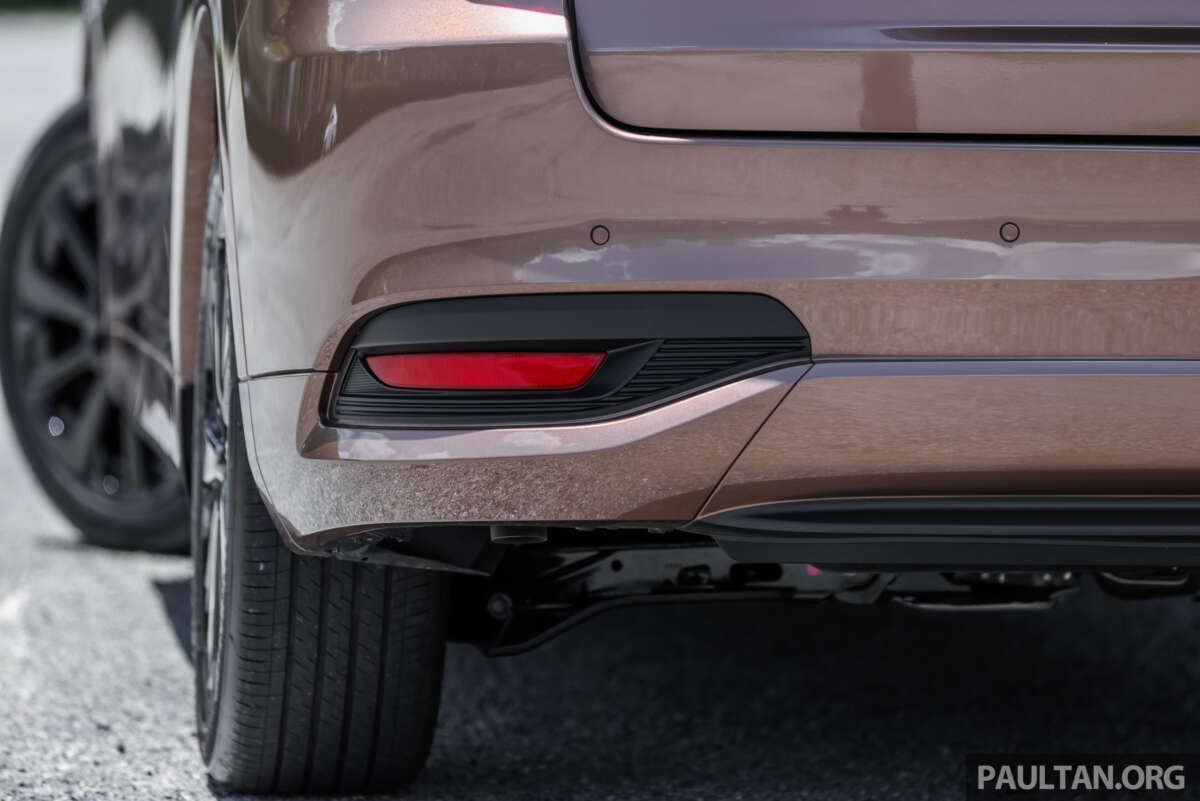
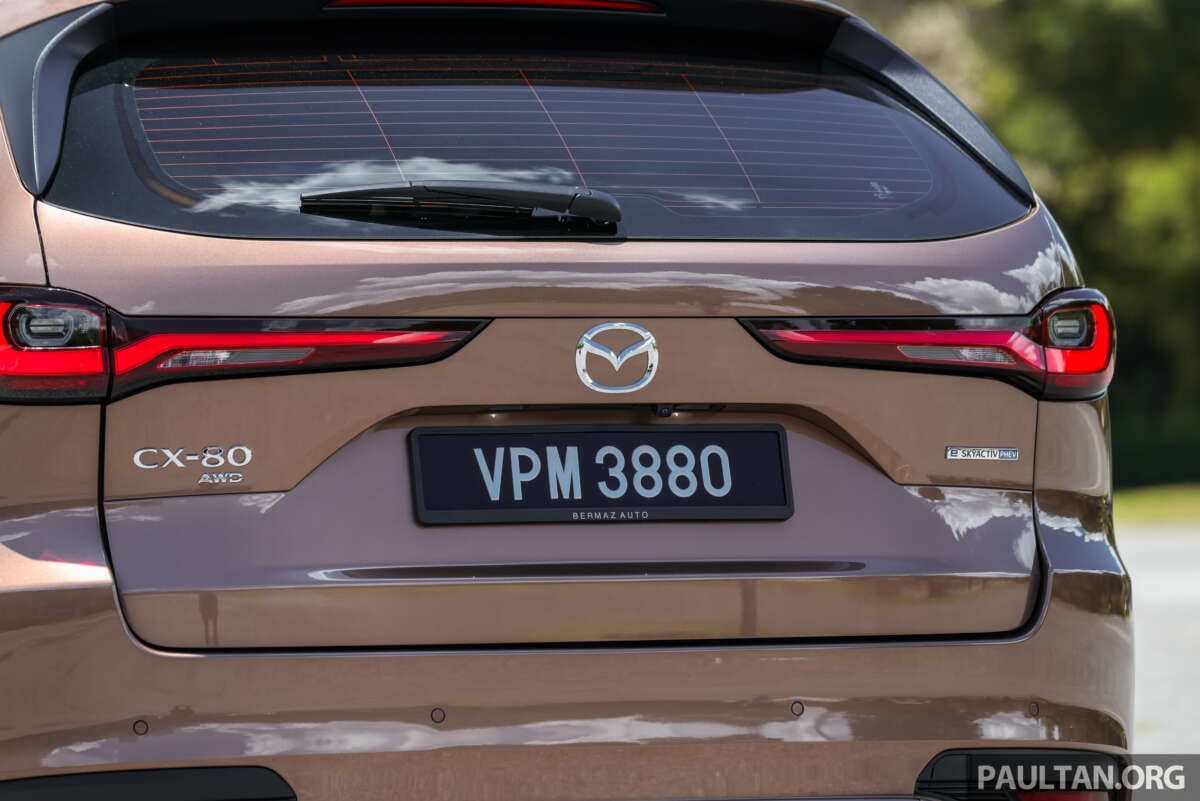
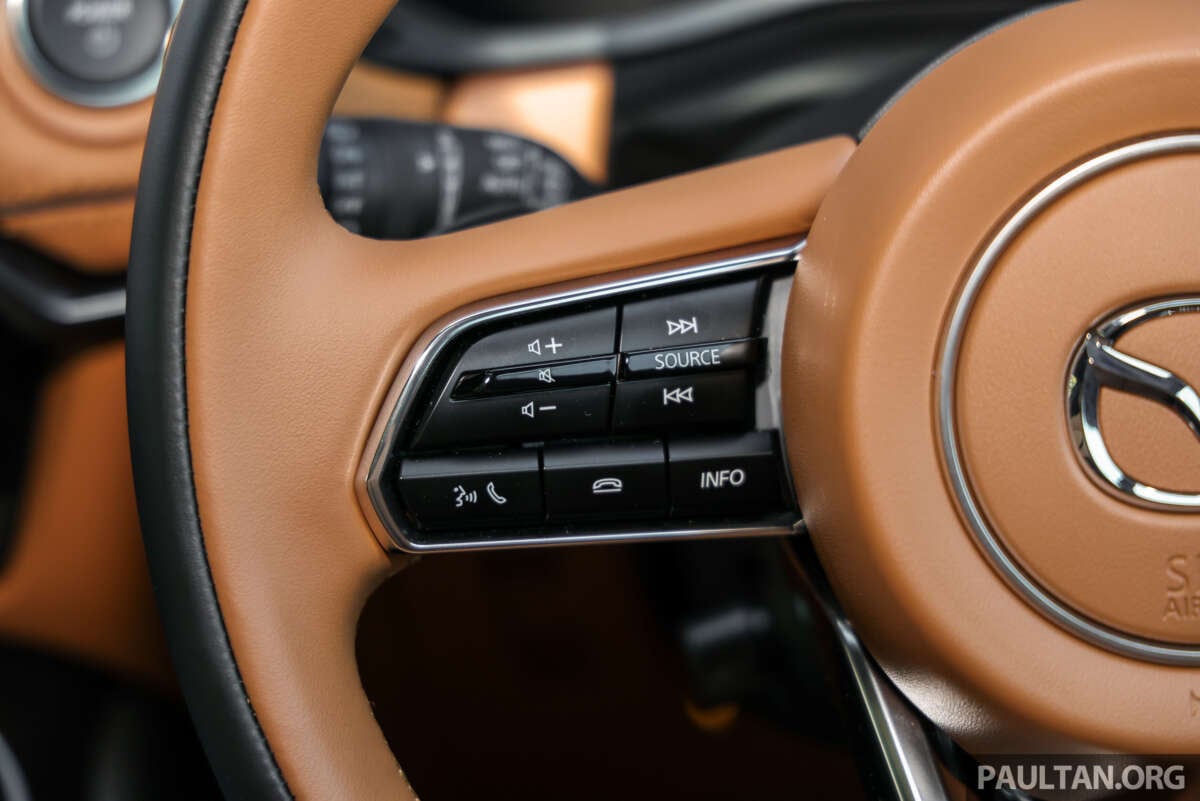
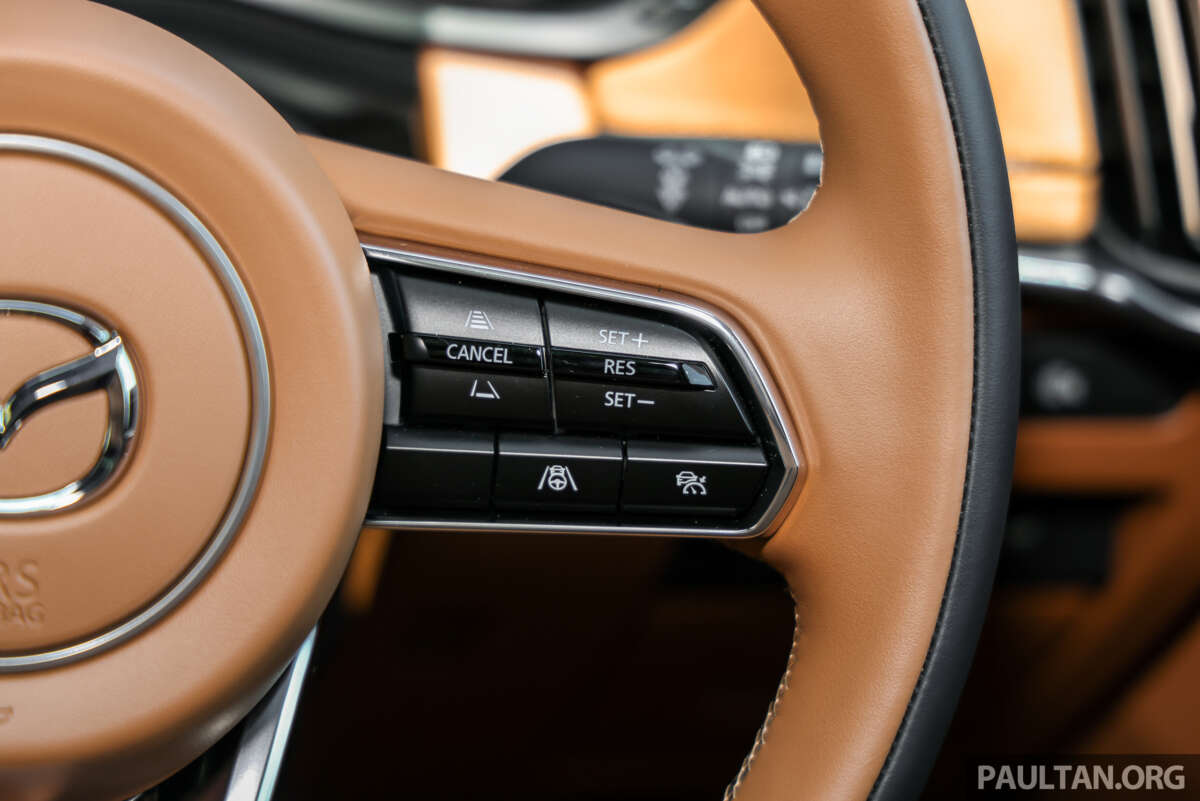

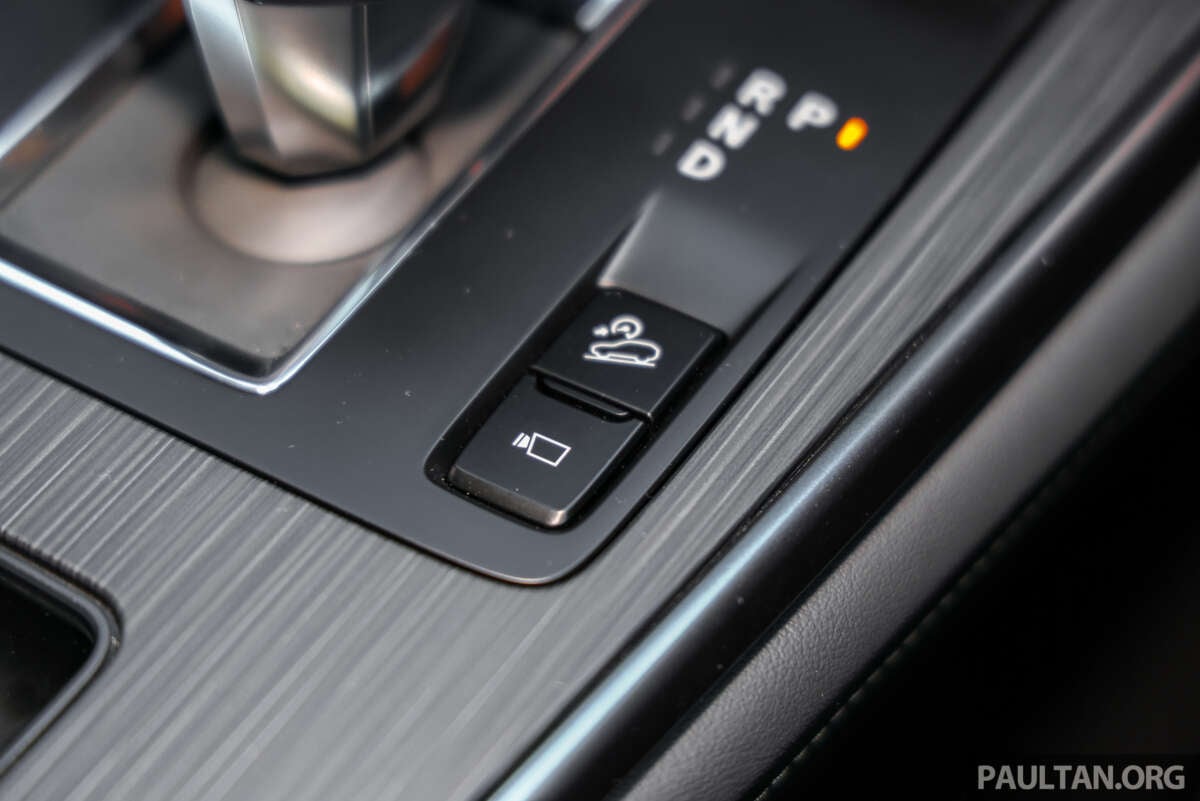
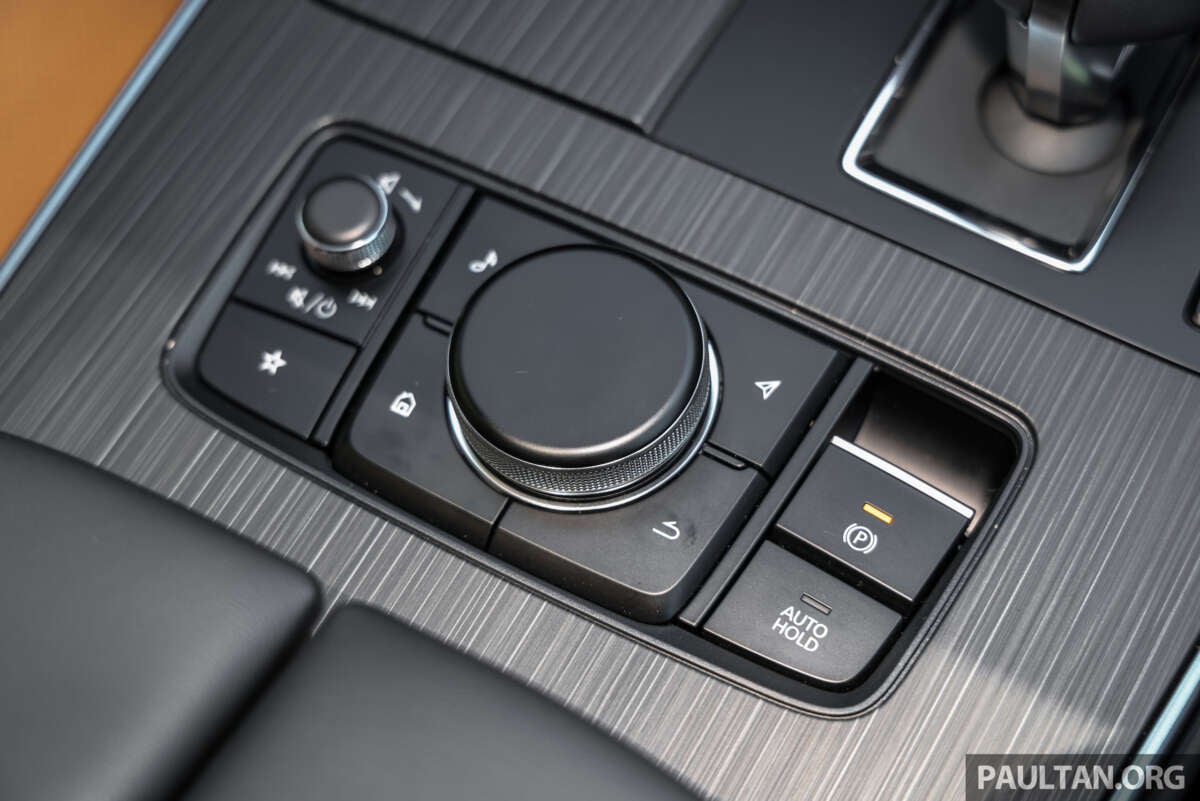
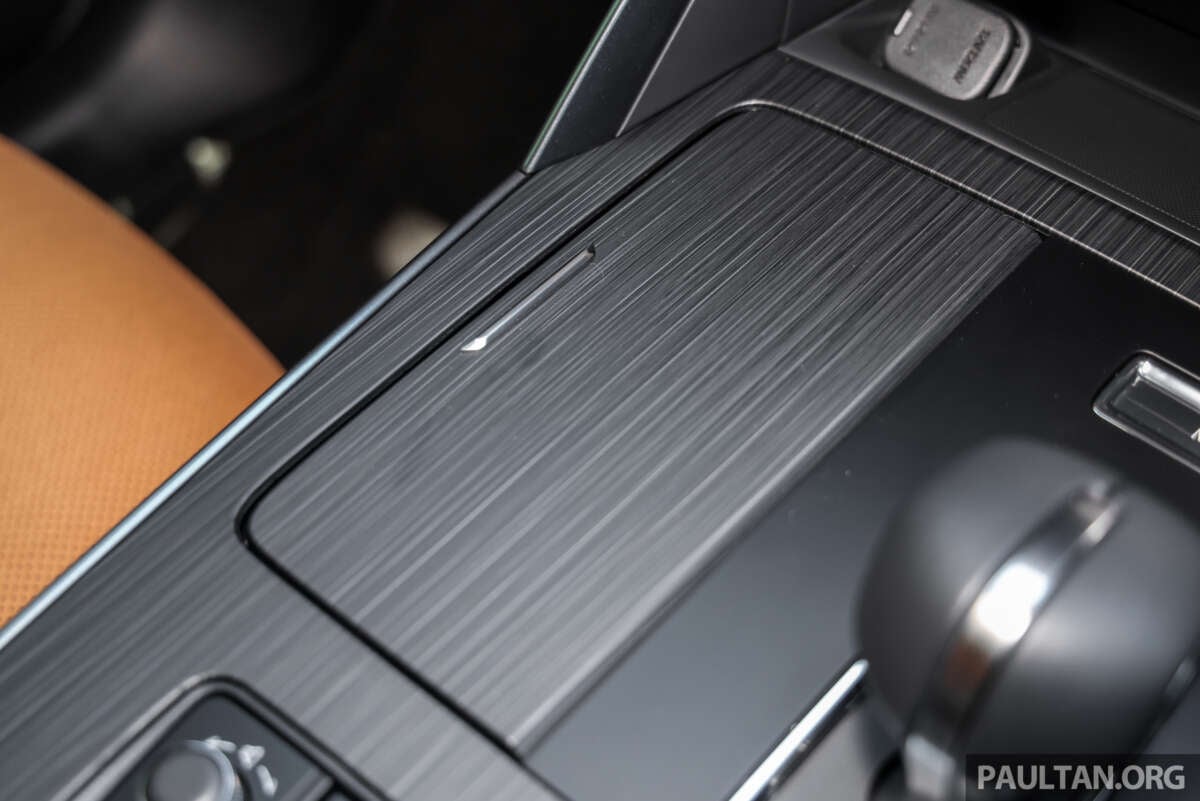
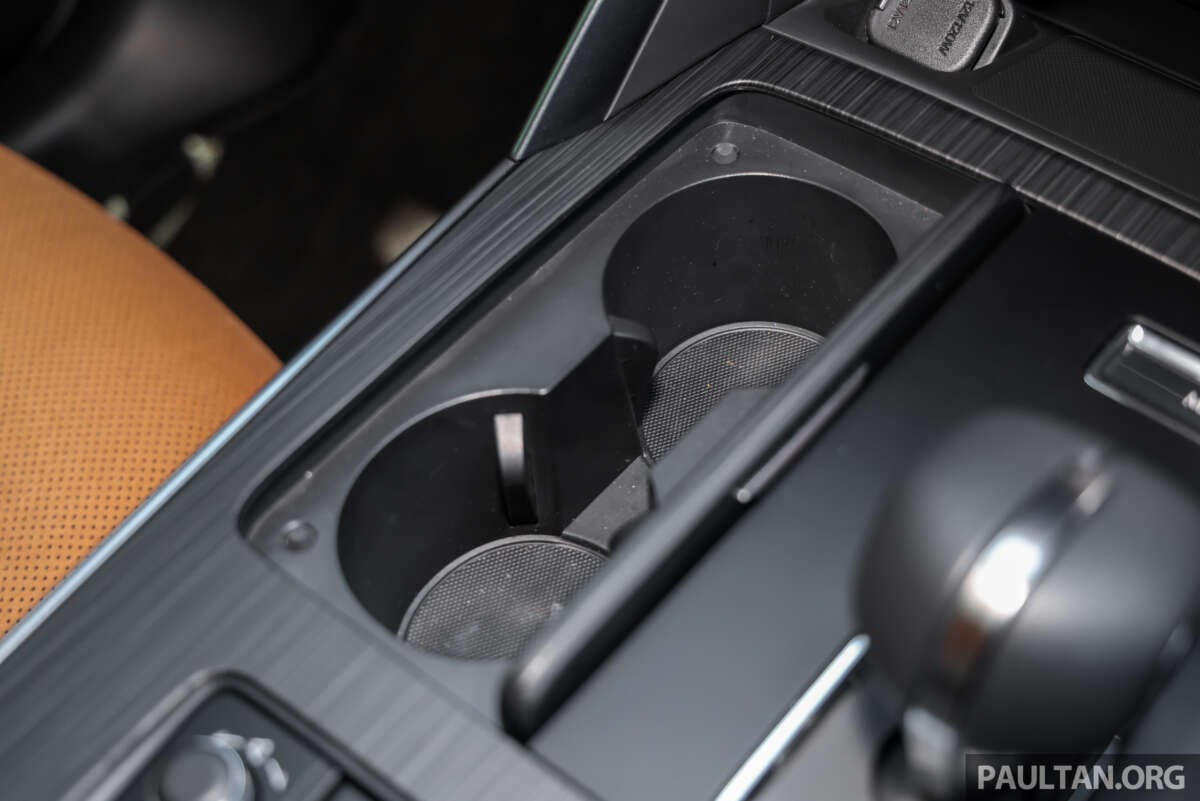


 Mazda CX-80
from RM296,610
Mazda CX-80
from RM296,610  Mazda BT-50
from RM140,418
Mazda BT-50
from RM140,418  Mazda CX-60
from RM200,510
Mazda CX-60
from RM200,510  Mazda MX-5
from RM294,154
Mazda MX-5
from RM294,154  Mazda CX-5
from RM134,469
Mazda CX-5
from RM134,469  Mazda CX-8
from RM165,360
Mazda CX-8
from RM165,360  Mazda CX-30
from RM122,409
Mazda CX-30
from RM122,409  Mazda 3 Sedan
from RM119,620
Mazda 3 Sedan
from RM119,620  Mazda 3 Hatchback
from RM119,620
Mazda 3 Hatchback
from RM119,620 
Mazda CX-8 vs Toyota Innova Zenix
Anyone can help which one is the better buy? Prices are similar.
This is to carry 2 adults, 2 kids, occasionally 2 senior citizens.
Go for JDM spec Alphard Veilfire at used car dealer plenty of options
Cx-8 do comes with 5 years free maintenance likes Cx-80, FYI…