
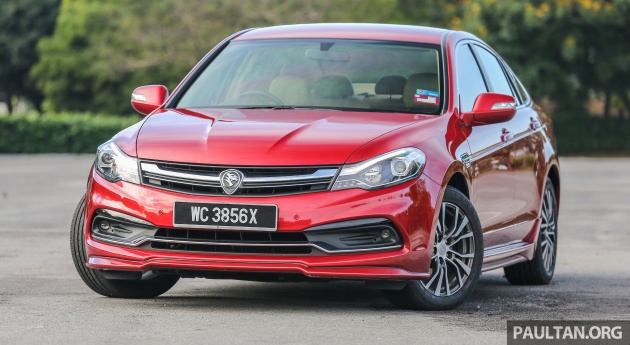
Proton has announced a recall for the Proton Perdana in order to replace potentially faulty Takata passenger airbag inflators. The recall involves 6,432 cars that were built from 2012 to the end of August 2018, and affected customers will be notified.
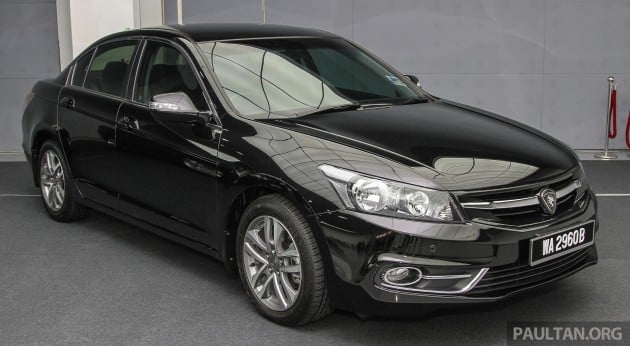
In an official release, the national carmaker said the recall is a precautionary measure as the second-generation Perdana (including the pre-facelift model) is based on the Honda Accord, which is also involved in the global Takata service fix.
No other Proton models are affected by this recall as a different vendor supplies the airbags used in them, the company noted.
“The safety of our owners is of the utmost importance to Proton. All Proton Perdana owners will be informed of the matter and are advised to call our designated service centres to book an appointment for the replacement of the passenger airbag in their cars,” said Datuk Radzaif Mohamed, deputy CEO of Proton.
“Cars built after August 31, 2018 are unaffected by the service fix while replacement of the inflator will take approximately one hour and will be performed free of charge,” he added.
AD: Drive the Proton model of your dreams. Submit your details and Proton PJ will get in touch with you.
Looking to sell your car? Sell it with Carro.


 Proton X90
from RM 106,800
Proton X90
from RM 106,800  Proton S70
from RM 73,800
Proton S70
from RM 73,800  Proton eMas 7 PHEV
from RM 109,800
Proton eMas 7 PHEV
from RM 109,800  Proton X70
from RM 106,800
Proton X70
from RM 106,800  Proton Saga
from RM 38,990
Proton Saga
from RM 38,990  Proton eMas 5
from RM 59,800
Proton eMas 5
from RM 59,800  Proton X50
from RM 89,800
Proton X50
from RM 89,800  Proton eMas 7
from RM 103,800
Proton eMas 7
from RM 103,800  Proton Persona
from RM 47,800
Proton Persona
from RM 47,800 
 johns recalled
on
johns recalled
on 

 Latuk Bandar
on
Latuk Bandar
on  Minum Teh 8X recalled
on
Minum Teh 8X recalled
on  Engineer
on
Engineer
on  Dylan Chng
on
Dylan Chng
on  suomynona
on
suomynona
on  Not Toyota Fan
on
Not Toyota Fan
on  Khalid
on
Khalid
on  john
on
john
on  John
on
John
on  shaw
on
shaw
on  john
on
john
on  john
on
john
on  Aikon
on
Aikon
on  LOL
on
LOL
on  redpilled
on
redpilled
on  proton jgk yg salah?
on
proton jgk yg salah?
on  Phaser
on
Phaser
on  Sohai (not ori)
on
Sohai (not ori)
on  lithium
on
lithium
on  Banana
on
Banana
on  paparadzi
on
paparadzi
on  Jon Perdana
on
Jon Perdana
on  akio
on
akio
on  pengguna ploton kecewa
on
pengguna ploton kecewa
on  Mu
on
Mu
on  Amran
on
Amran
on  Buy and Keep
on
Buy and Keep
on  Kolos la shop
on
Kolos la shop
on  Not Honda dream
on
Not Honda dream
on  paul tan
on
paul tan
on  KelabAntiJohn
on
KelabAntiJohn
on  newme
on
newme
on  Zulkifli Mohd Yusoff
on
Zulkifli Mohd Yusoff
on 


AI-generated Summary ✨
Comments express concern and skepticism about Proton's delayed recall of the Perdana for Takata airbag issues, questioning why it took so long despite longstanding knowledge of the problem. Some relate the situation to other brands like Honda and Toyota, emphasizing reputational impacts. There is a mix of support for Proton's quick response and criticism of previous inaction, with many blaming Japanese suppliers and questioning whether all affected units are included. Overall, sentiments highlight frustration over safety concerns and trust erosion.